

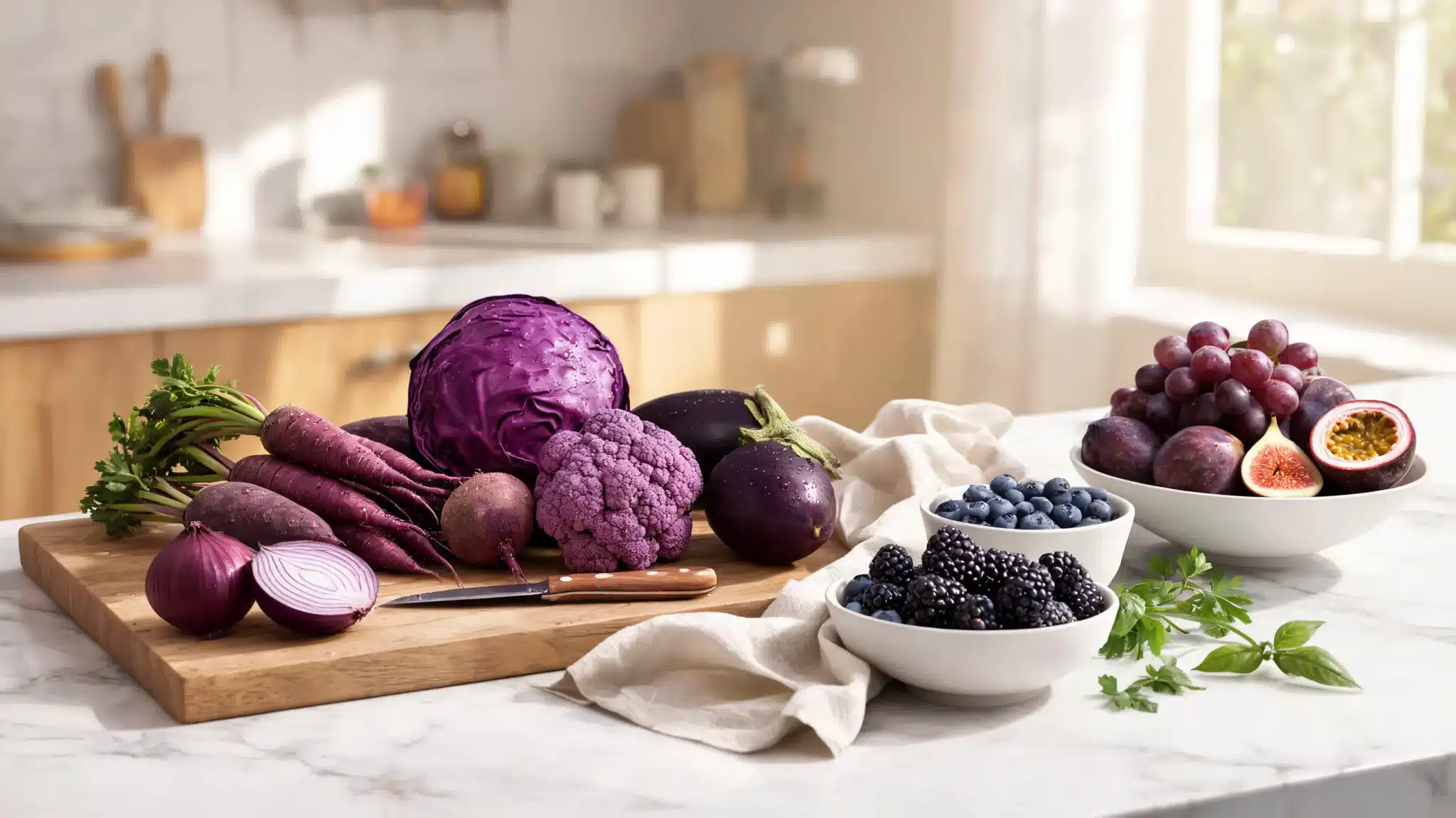
Ever picked up a purple carrot or potato and wondered if it is actually good for you?
I get why it can feel a little unusual at first. These foods look different, and you may not know what makes them worth adding to your plate.
Purple vegetables and fruits get their color from natural plant pigments called anthocyanins. These compounds are linked with antioxidant support, heart health, brain health, and better overall nutrition. But the real value comes from knowing which purple foods to choose and how to use them.
By the end, you will know the best purple produce options, their benefits, and simple ways to enjoy them.
Why Are Purple Fruits and Vegetables Purple?
Purple fruits and vegetables get their rich color from natural plant pigments called anthocyanins. These pigments belong to a larger group of plant compounds known as flavonoids, which are also found in many blue, red, and dark-colored foods.
Anthocyanins help protect plants from sunlight, stress, and environmental damage. When we eat purple produce, these same compounds add nutritional value to our diet.
The deep color often signals the presence of antioxidants, fiber, vitamins, and minerals. However, purple foods are not automatically better than green, orange, or red foods.
Each color group offers different nutrients and health benefits. The real value comes from eating a variety of colorful fruits and vegetables, including purple ones, to support a balanced, nutrient-rich diet.
Purple Leafy Vegetables
Purple leafy vegetables include colorful greens used in salads, soups, sautés, smoothies, wraps, and grain bowls for freshness, fiber, minerals, and antioxidants.
1. Purple Cabbage
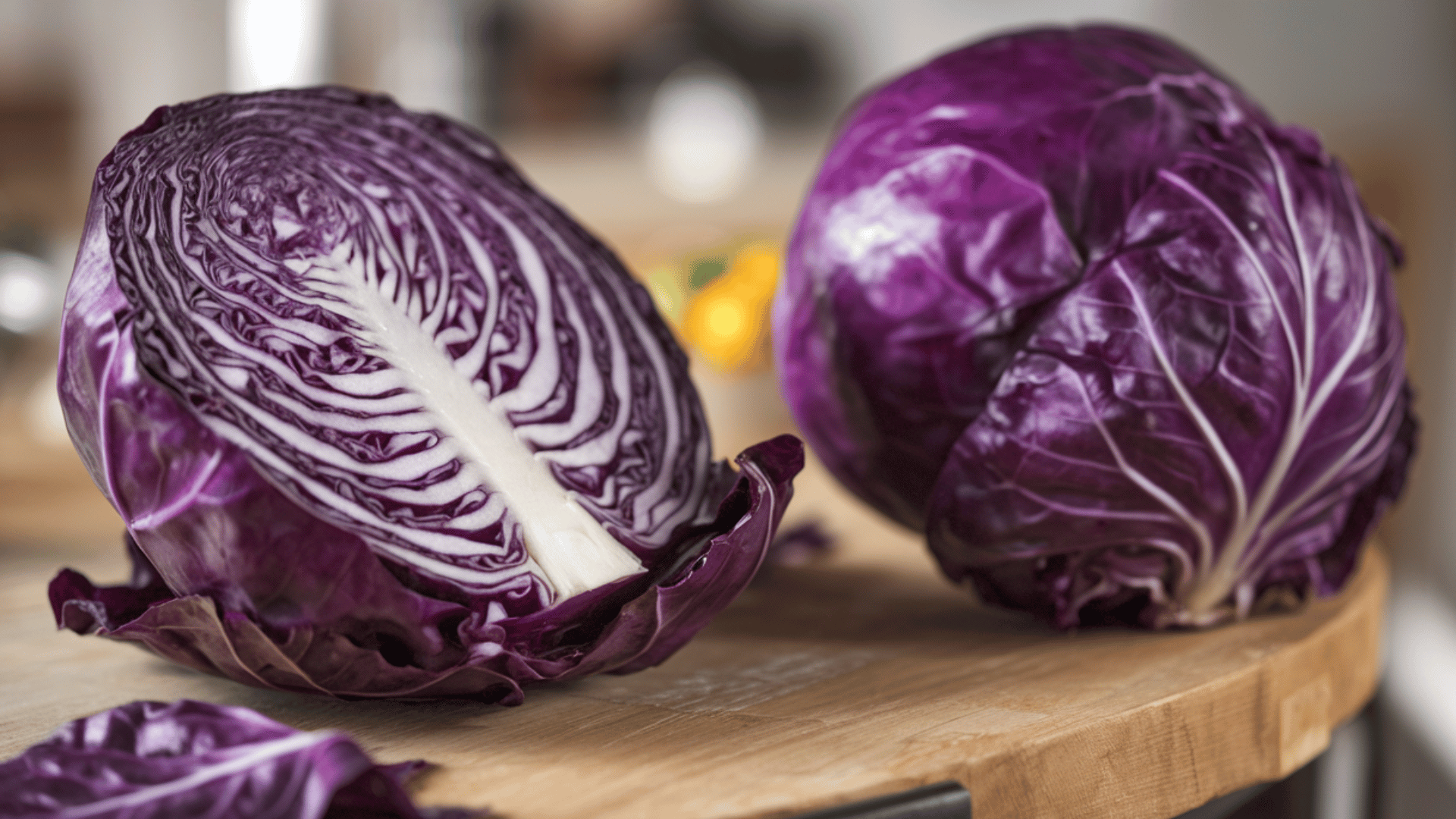
Purple cabbage is a crunchy, colorful vegetable that adds both nutrition and brightness to meals. Its deep purple leaves make salads, slaws, and cooked dishes look more appealing while giving your plate a stronger nutrient boost.
Nutrient highlight: Rich in vitamin C, vitamin K, fiber, potassium, and anthocyanin antioxidants.
Taste: Mildly peppery, earthy, and slightly sweet when cooked.
Best uses: Add to coleslaw, salads, stir-fries, tacos, soups, or braised dishes.
Health support: May support digestion, heart health, immunity, and balance of inflammation.
Purple cabbage pairs well with lemon, vinegar, apples, carrots, herbs, and roasted meats.
2. Purple Kale
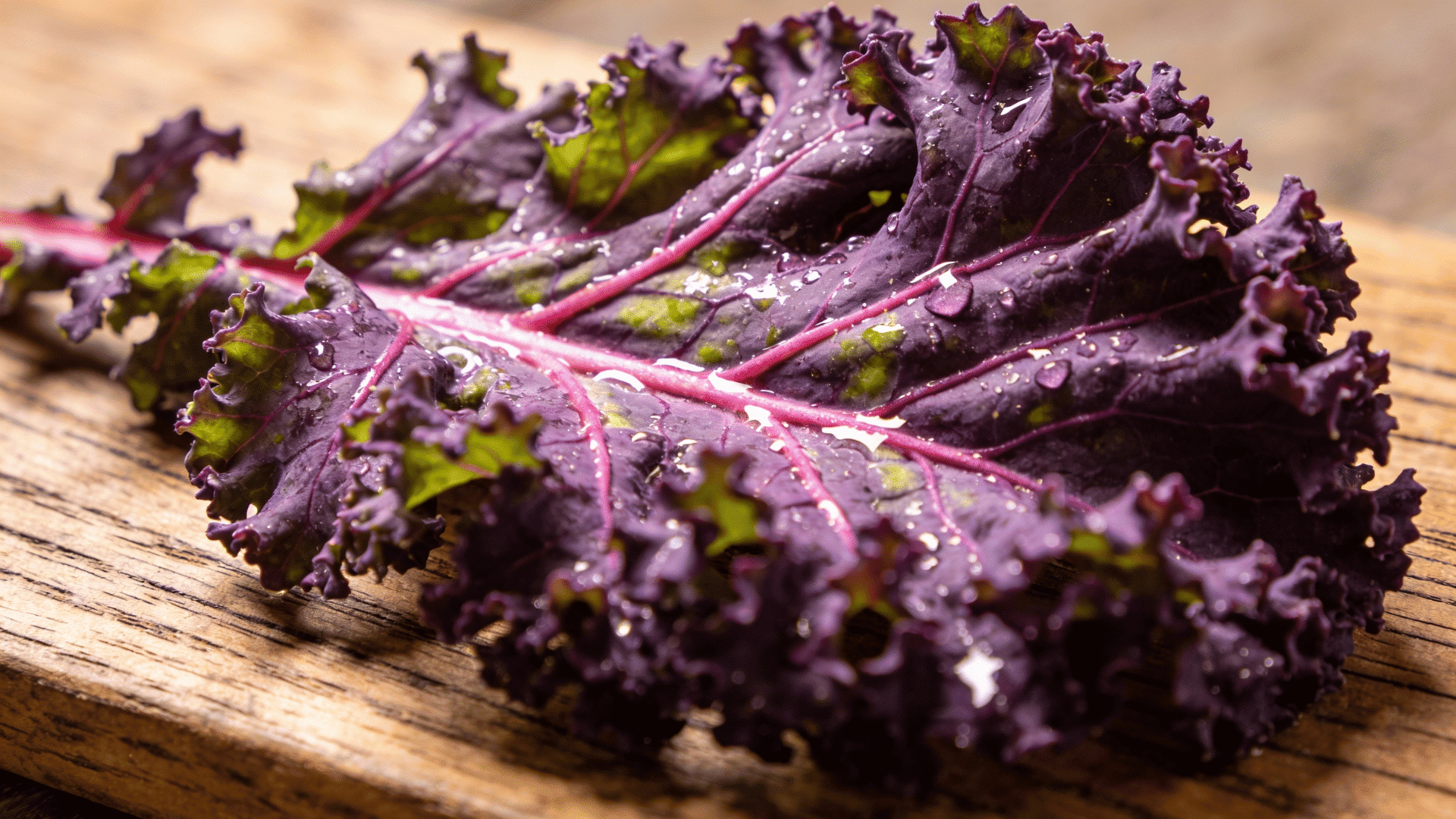
Purple kale is a leafy green with purple stems and ruffled leaves that look beautiful in meals. It offers the nutrition of regular kale with extra color from plant pigments.
Nutrient highlight: Rich in vitamins A, C, K, fiber, calcium, and anthocyanins.
Taste: Earthy, slightly sweet, mildly bitter, and hearty.
Best uses: Use in salads, smoothies, soups, sautés, wraps, or grain bowls.
Health support: May support bone health, digestion, immunity, and heart wellness.
Purple kale becomes softer when massaged with olive oil or lemon juice, making it easier to enjoy raw.
3. Purple Lettuce
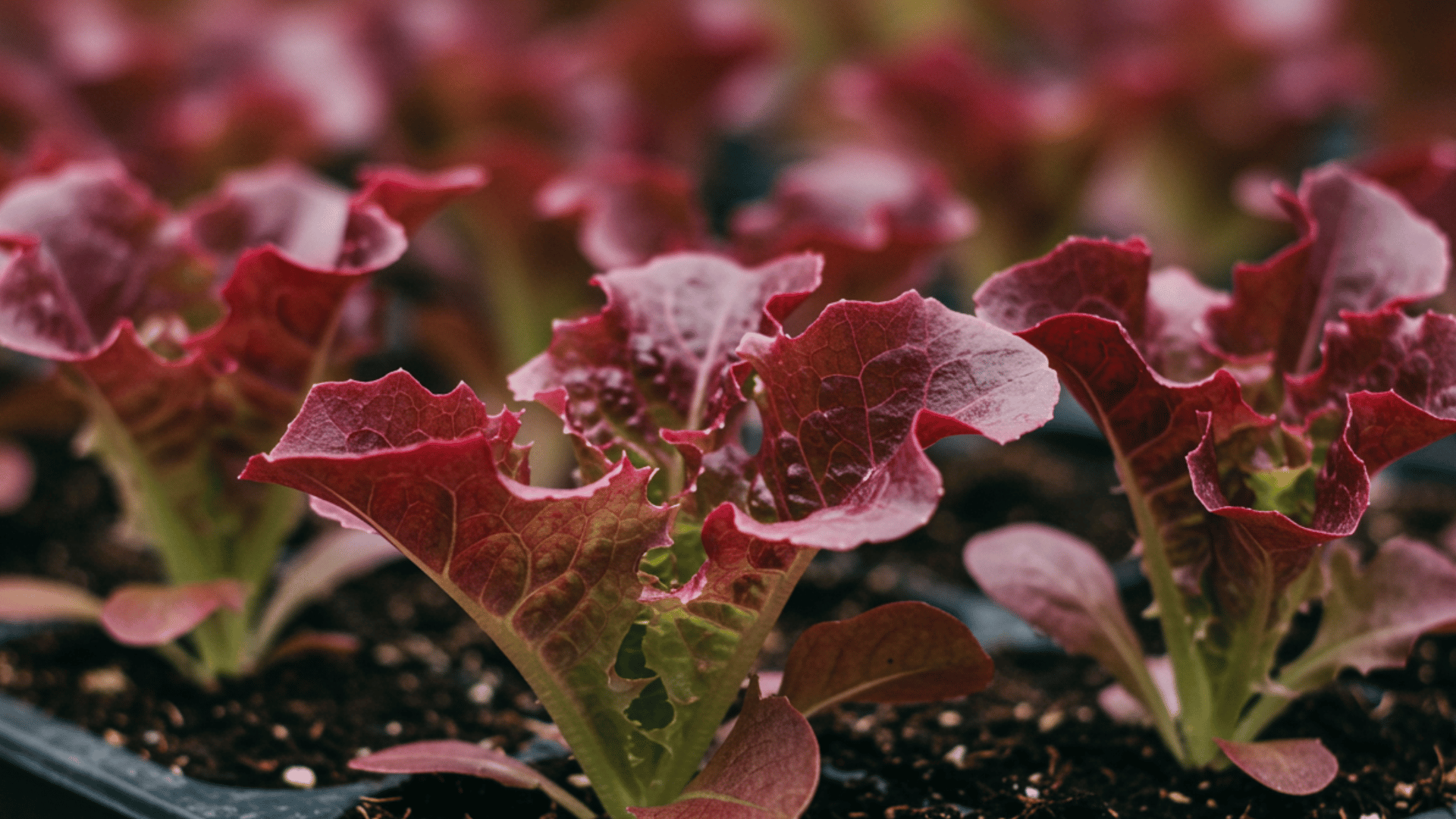
Purple lettuce has soft, colorful leaves that make salads and wraps look fresh and attractive. It is lighter than many leafy greens but still adds useful nutrients and variety.
Nutrient highlight: Provides vitamin K, vitamin A, water, fiber, and antioxidant pigments.
Taste: Mild, fresh, slightly sweet, and delicate.
Best uses: Add to salads, wraps, sandwiches, burgers, bowls, or fresh side plates.
Health support: May support hydration, digestion, bone health, and lighter eating.
Purple lettuce is best eaten raw because its tender leaves and bright color can fade with heat.
4. Purple Mustard Greens
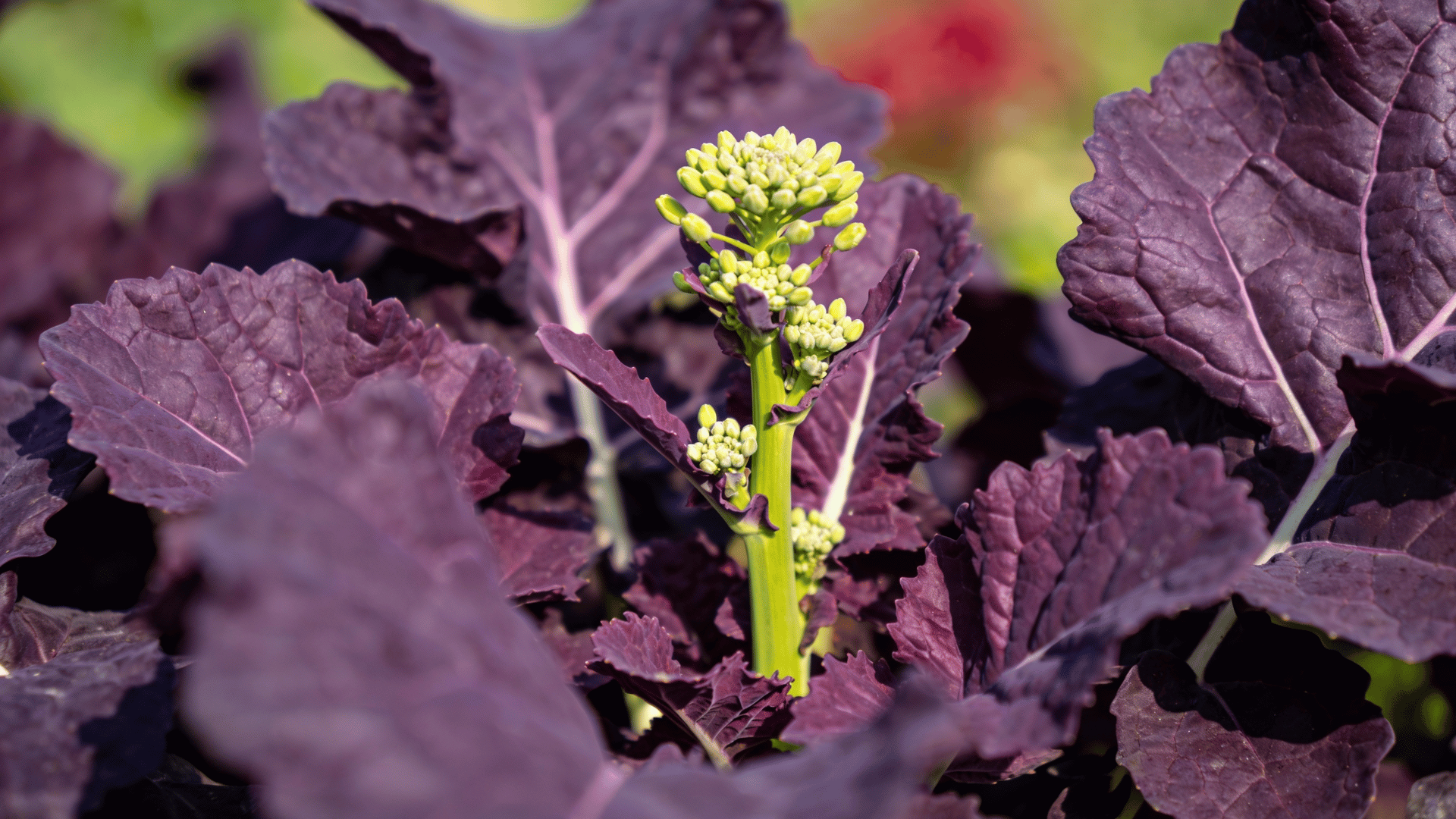
Purple mustard greens have colorful leaves with a sharp, peppery flavor. They are bold, nutritious greens that can be eaten young and raw or cooked when mature.
Nutrient highlight: Rich in vitamins A, C, K, calcium, fiber, and antioxidants.
Taste: Peppery, spicy, sharp, earthy, and slightly bitter.
Best uses: Add young leaves to salads, sauté mature leaves, or cook in soups.
Health support: May support bone health, digestion, immunity, and inflammation balance.
Purple mustard greens work well with garlic, vinegar, chili, beans, smoked flavors, and hearty grains.
5. Purple Spinach
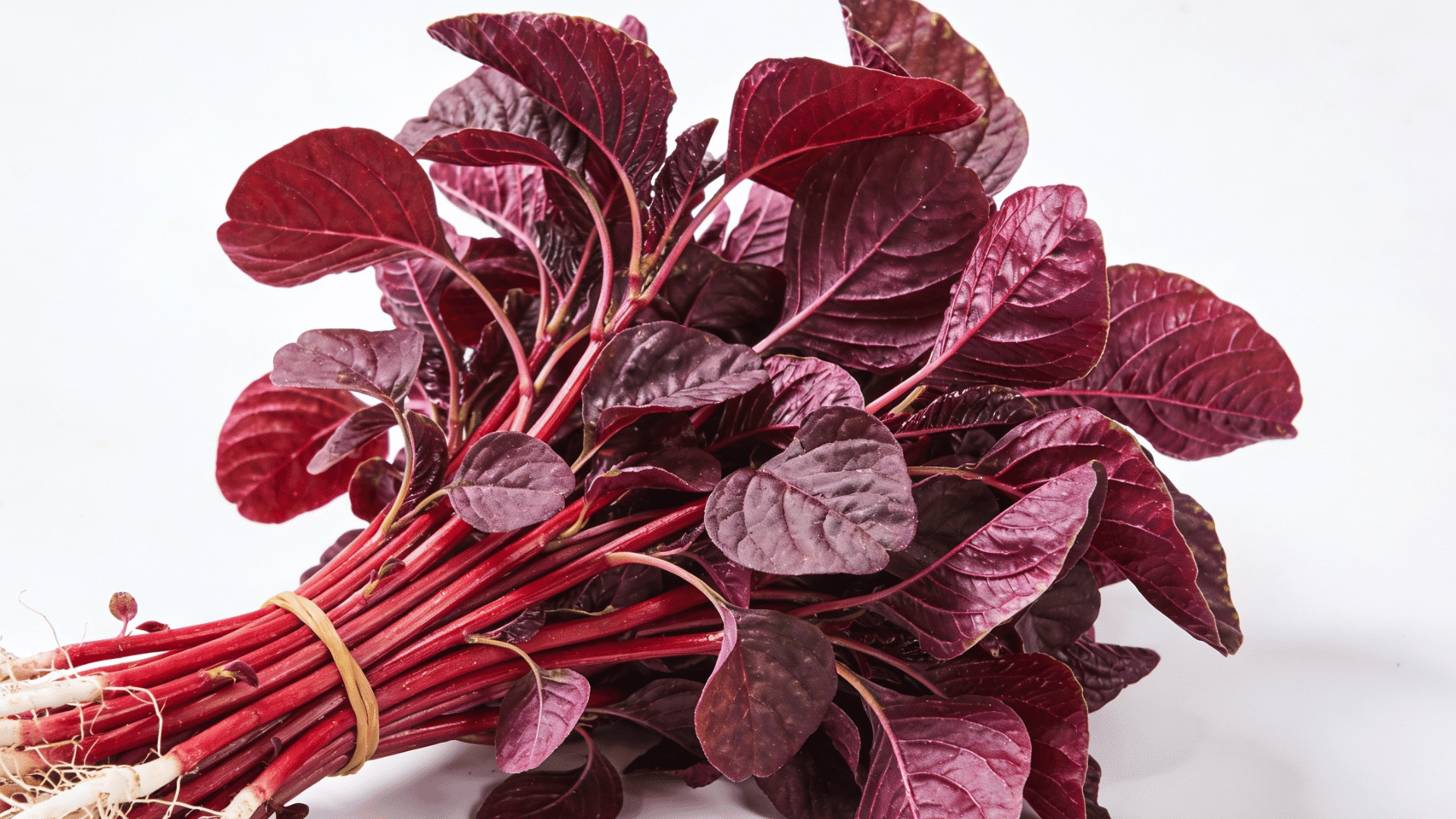
Purple spinach has green leaves with red-purple coloring on the stems or leaf surfaces. It keeps the mild flavor of regular spinach while adding more color to meals.
Nutrient highlight: Provides iron, folate, vitamin K, vitamin A, fiber, and anthocyanins.
Taste: Mild, fresh, slightly earthy, and tender.
Best uses: Use in salads, smoothies, sautés, soups, omelets, or pasta dishes.
Health support: May support blood health, digestion, bone health, and immunity.
Purple spinach is most colorful when young and fresh, though its purple shade may fade slightly during cooking.
Purple Root Vegetables
Purple root vegetables grow underground and bring earthy flavor, firm texture, natural sweetness, fiber, minerals, and bold color to everyday meals.
6. Purple Sweet Potato
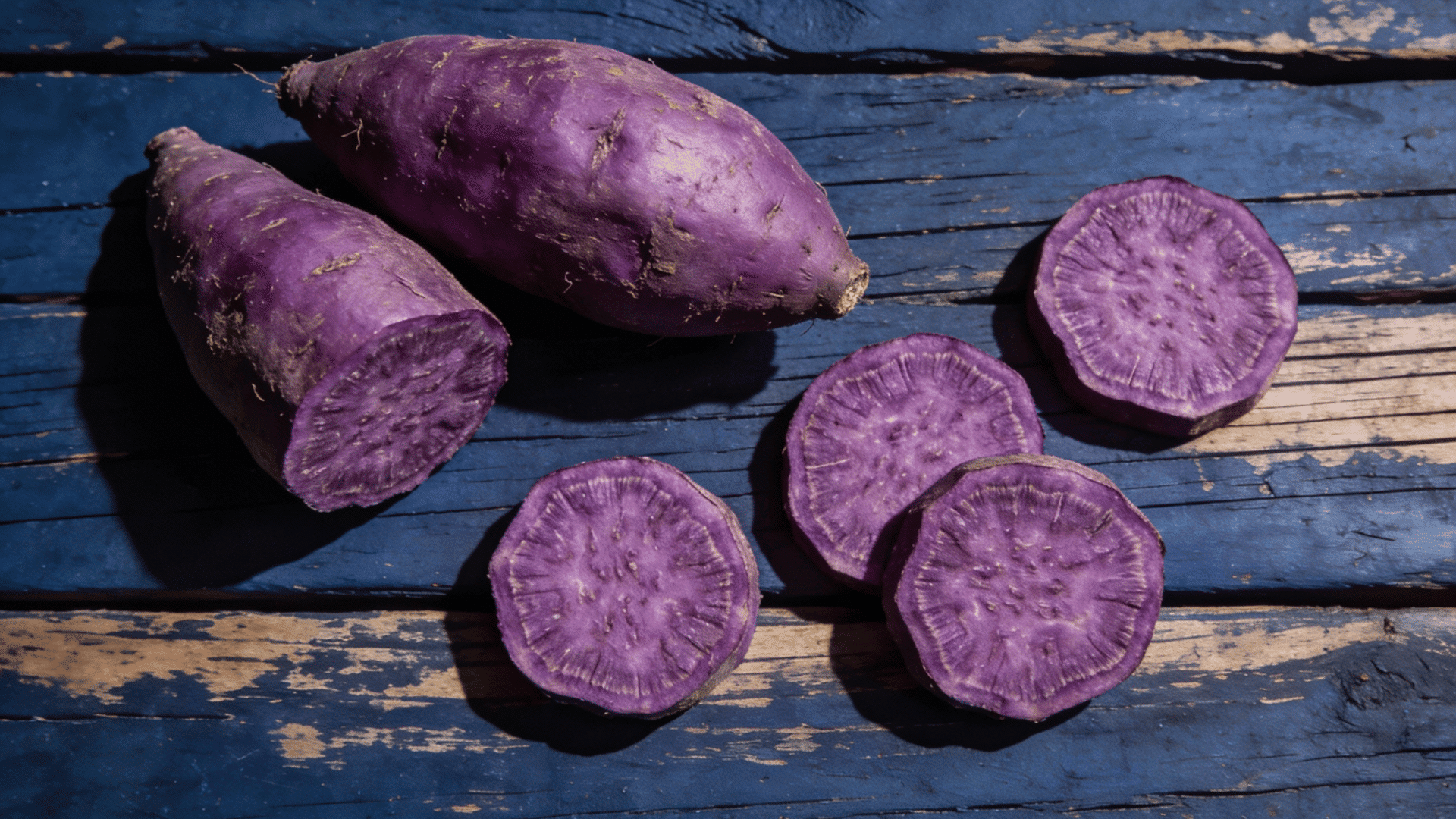
Purple sweet potatoes are dense, colorful root vegetables with rich purple flesh and a naturally earthy sweetness. They make meals more vibrant and work well in both savory dishes and healthier desserts.
Nutrient highlight: Rich in anthocyanins, fiber, potassium, vitamin C, and complex carbohydrates.
Taste: Sweet, earthy, dense, creamy, and slightly nutty after cooking.
Best uses: Bake, roast, mash, steam, make fries, or use in desserts.
Health support: May support digestion, energy, heart health, and antioxidant protection.
Purple sweet potatoes contain significantly higher anthocyanin concentrations than orange-fleshed varieties, which is why their flesh holds a deep purple color even after baking. From a nutritional standpoint, this makes them one of the more anthocyanin-dense starchy vegetables available in most grocery stores.
Purple sweet potatoes pair well with cinnamon, coconut, honey, garlic, olive oil, and roasted vegetables.
7. Beets
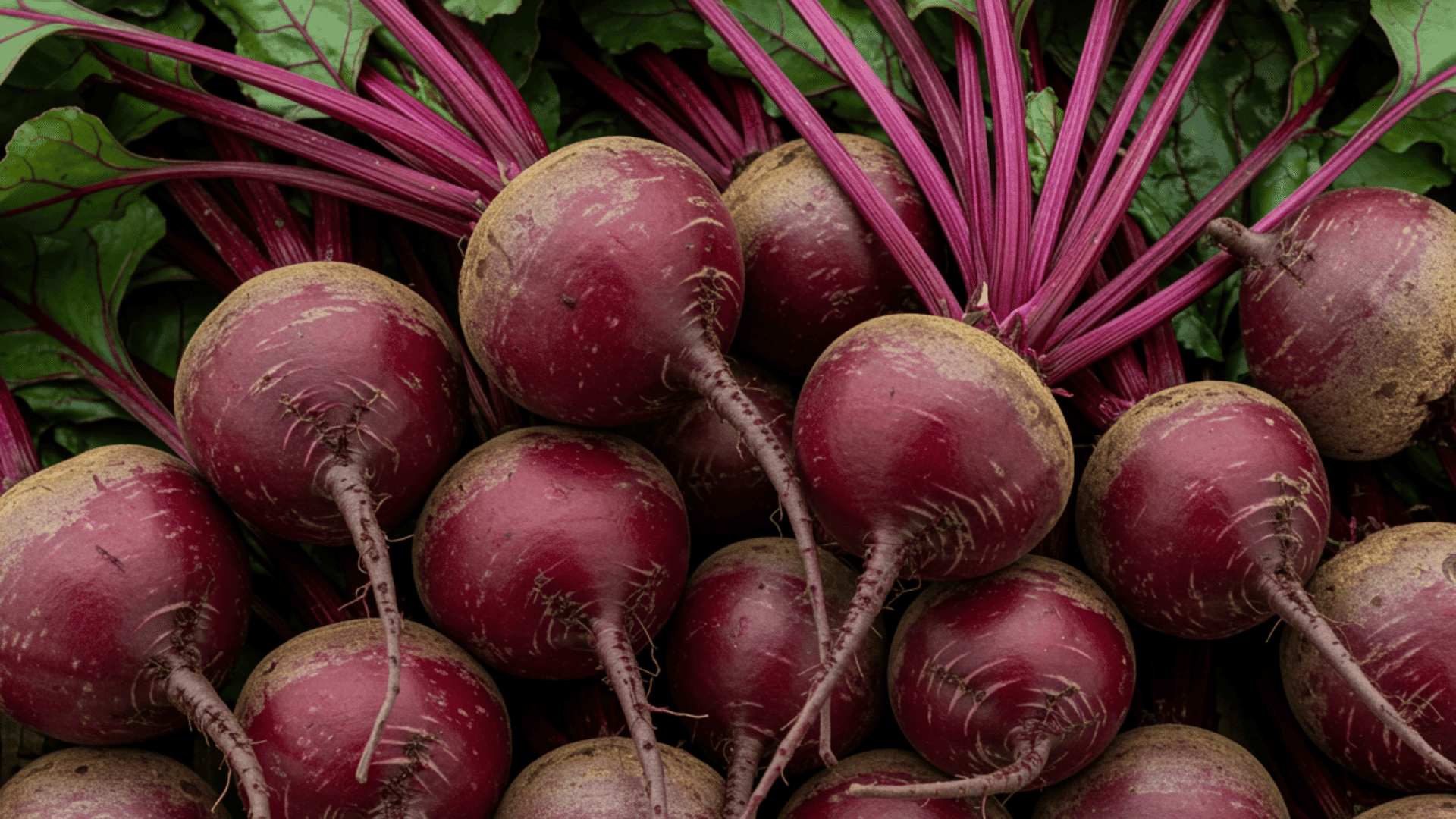
Beets are deep purple-red root vegetables known for their sweet, earthy flavor and strong natural color. They can brighten salads, soups, juices, and roasted vegetable plates with very little effort.
Nutrient highlight: Contains betalains, folate, manganese, fiber, potassium, and natural nitrates.
Taste: Earthy, sweet, slightly mineral-like, and tender when cooked.
Best uses: Roast, boil, pickle, juice, grate raw, or add to salads.
Health support: May support blood flow, heart health, digestion, and liver function.
Beets pair well with goat cheese, citrus, walnuts, vinegar, herbs, yogurt, and leafy greens.
8. Purple Potato
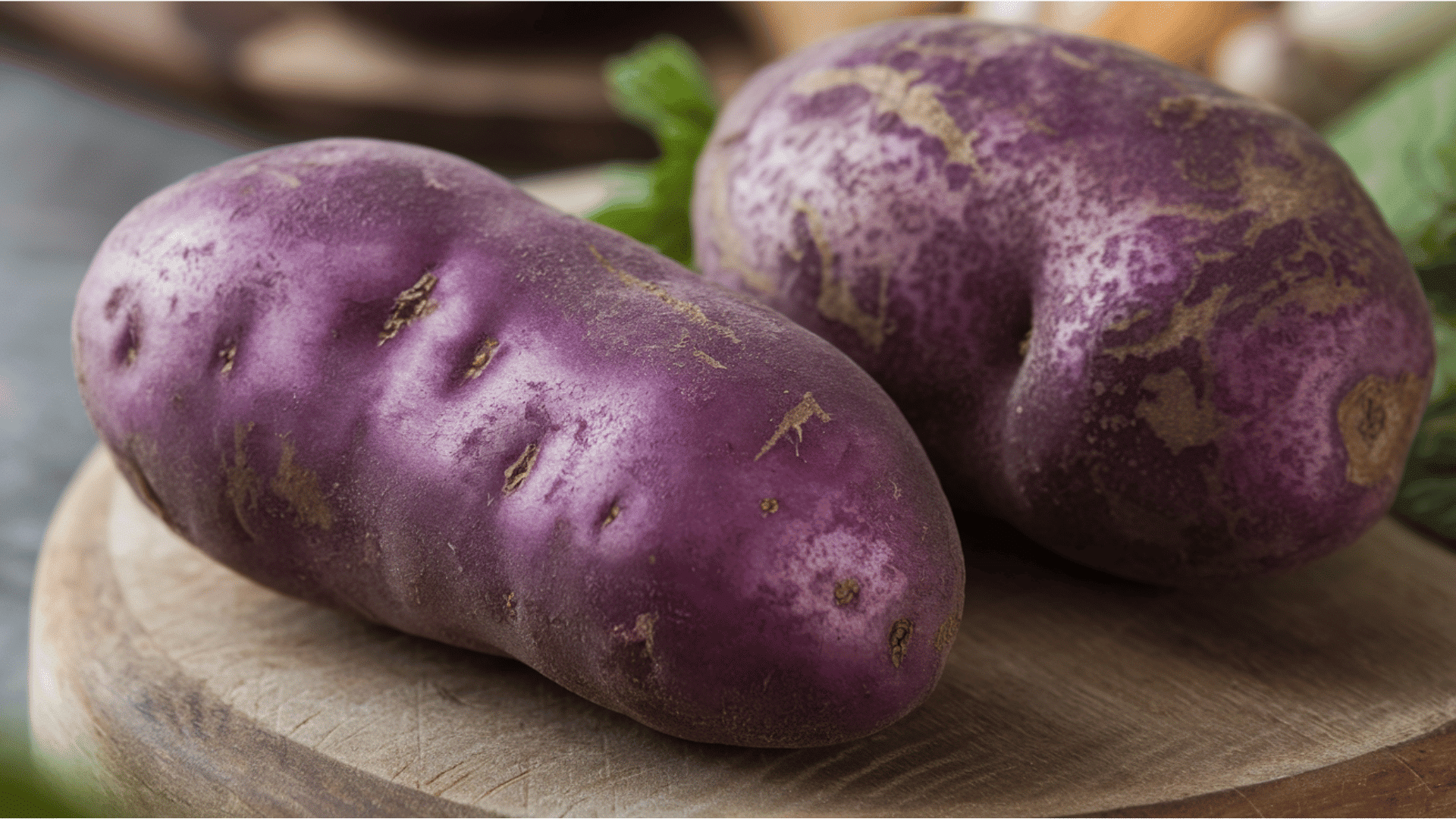
Purple potatoes are colorful root vegetables with rich purple flesh and a firm, creamy texture. They bring a unique look to everyday meals and offer more visual appeal than regular white or yellow potatoes.
Nutrient highlight: Contains anthocyanins, potassium, fiber, vitamin C, and complex carbohydrates.
Taste: Earthy, slightly nutty, mildly sweet, and rich after roasting.
Best uses: Roast, mash, boil, bake, grill, or add to potato salads.
Health support: May support heart health, digestion, energy, and antioxidant protection.
Purple potatoes hold their color well after cooking, making them great for colorful, balanced meals.
9. Purple Carrot
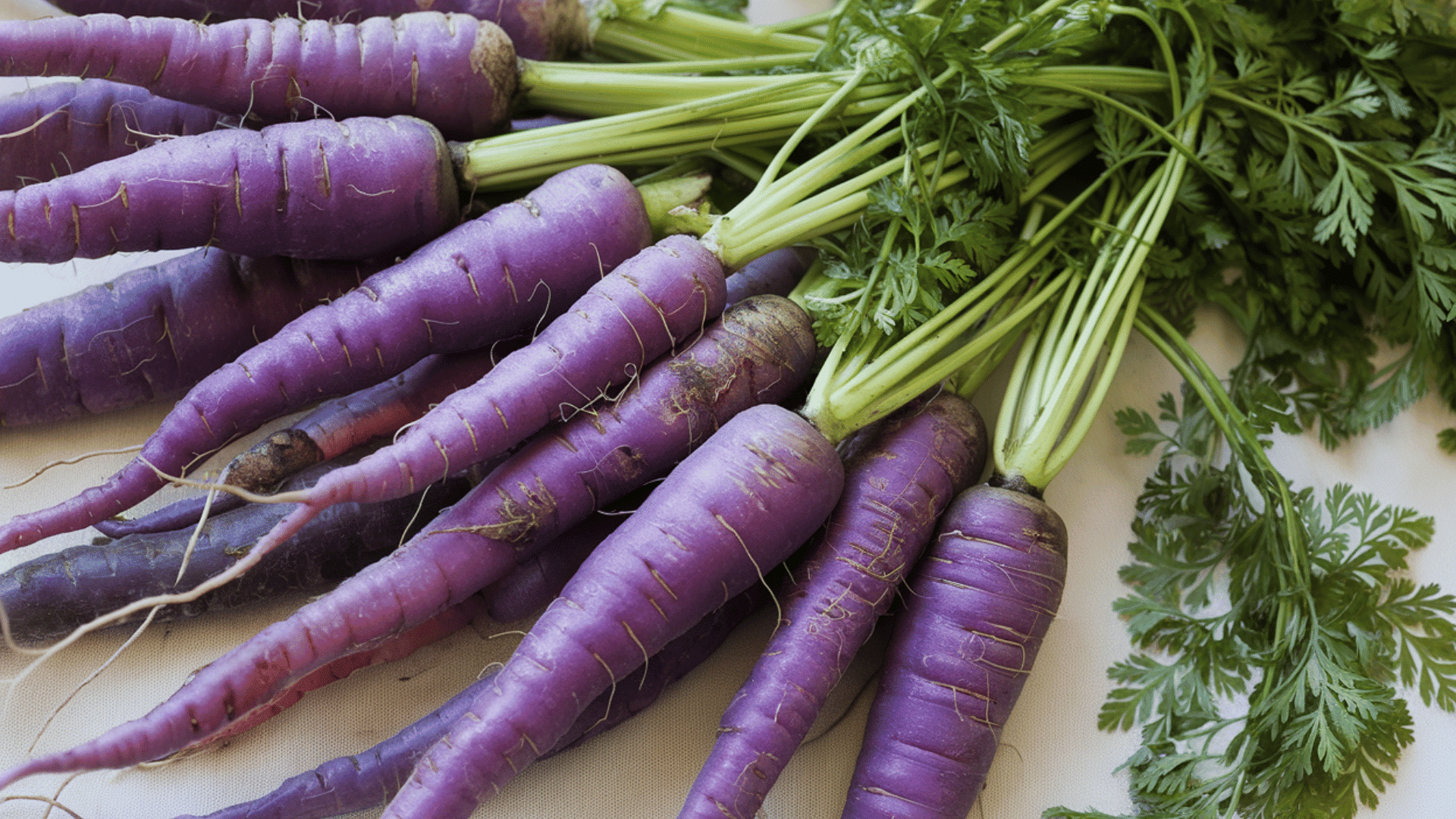
Purple carrots are an ancient carrot variety with a deep purple color and naturally sweet flavor. They look striking in everyday meals and bring more variety than regular orange carrots. Their firm texture makes them useful in both fresh and cooked dishes.
Nutrient highlight: Rich in anthocyanins, beta-carotene, dietary fiber, and vitamin A.
Taste: Naturally sweet with earthy notes and a mild peppery finish.
Best uses: Slice into salads, roast with herbs, blend into juices, or add to soups.
Health support: May support vision, digestion, immunity, and inflammation balance.
Purple carrots are unusual because they contain both anthocyanins and beta-carotene, which means they offer two separate antioxidant pathways in a single food.
Orange carrots primarily provide beta-carotene alone. This dual-pigment profile makes purple carrots a reasonable choice if you want to cover more nutritional ground without adding more foods to your routine.
Purple carrots pair well with lemon, honey, ginger, garlic, and fresh herbs.
10. Purple Radish
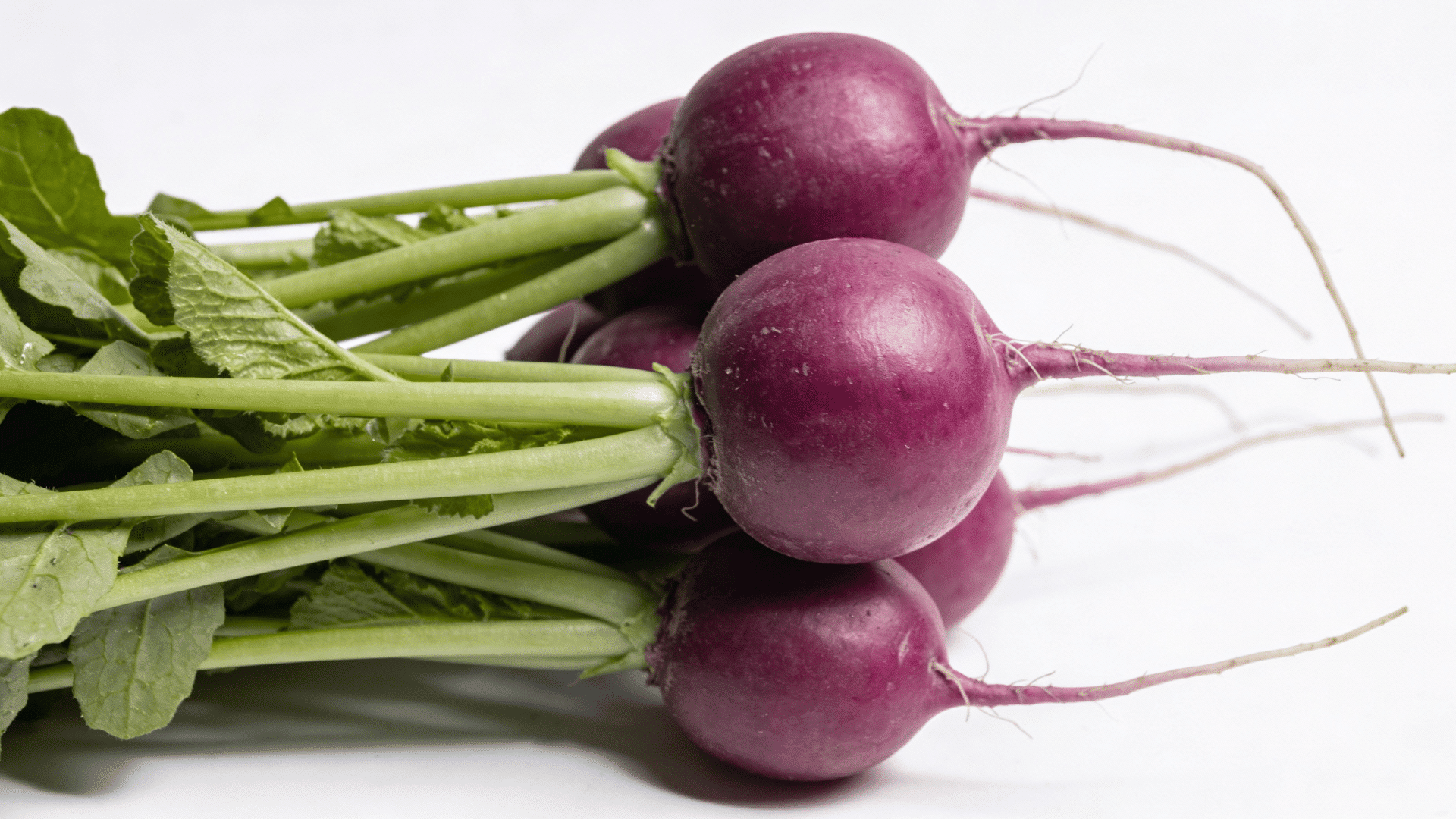
Purple radishes are small, crisp root vegetables with bright skin and a sharp, refreshing bite. They add crunch, color, and a peppery flavor to everyday dishes.
Nutrient highlight: Contains vitamin C, fiber, water, minerals, and antioxidant plant compounds.
Taste: Peppery, crisp, fresh, slightly spicy, and mildly sweet when roasted.
Best uses: Slice into salads, tacos, sandwiches, grain bowls, or pickle them.
Health support: May support digestion, hydration, immunity, and antioxidant protection.
Purple radishes taste best fresh, but roasting or pickling can soften their sharpness and create a milder flavor.
11. Purple Turnip
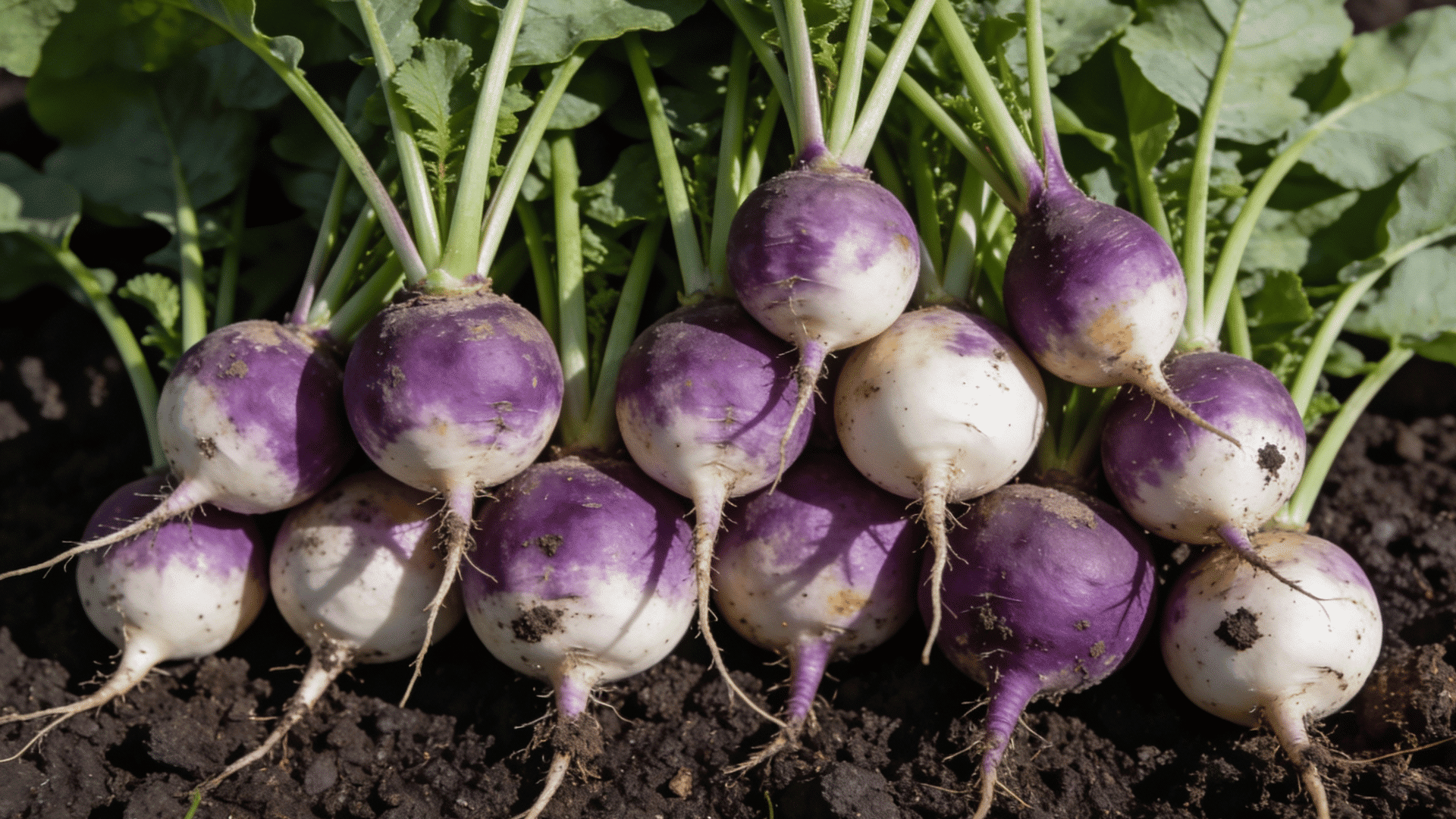
Purple turnips are root vegetables with white flesh and purple shoulders where sunlight touches the skin. They are versatile, affordable, and useful in both raw and cooked meals.
Nutrient highlight: Contains fiber, vitamin C, potassium, calcium, and beneficial plant compounds.
Taste: Mild, slightly sweet when young, and peppery as they mature.
Best uses: Roast, mash, boil, add to soups, shred raw, or cook with greens.
Health support: May support digestion, immunity, bone health, and balanced meals.
Purple turnips pair well with butter, garlic, herbs, carrots, potatoes, lentils, and roasted meats.
Purple Flower Vegetables
Purple flower vegetables include colorful florets and buds that work well roasted, steamed, grilled, or added to salads, pasta, and side dishes.
12. Purple Cauliflower
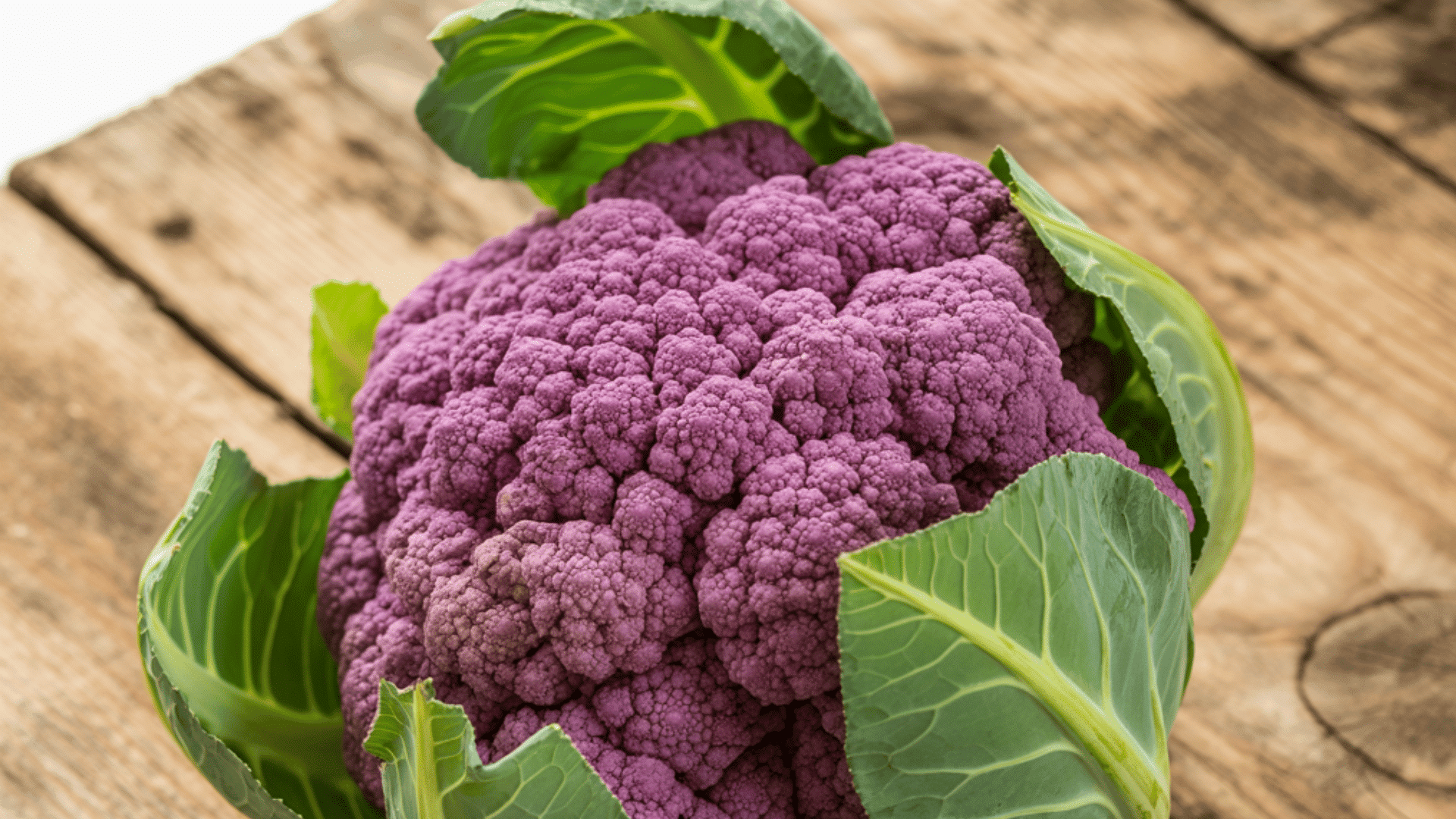
Purple cauliflower is a bright, colorful version of regular cauliflower with a slightly sweeter flavor. Its vibrant florets make simple meals look more attractive while adding extra plant compounds to your plate.
Nutrient highlight: Contains vitamin C, vitamin K, fiber, folate, and anthocyanins.
Taste: Mild, slightly sweet, nutty, and tender when cooked.
Best uses: Roast, steam, grill, mash, rice, or add raw to salads.
Health support: May support immunity, digestion, heart health, and inflammation control.
Purple cauliflower keeps its color best with gentle cooking and pairs well with lemon, garlic, cheese, herbs, and spices.
13. Purple Broccoli
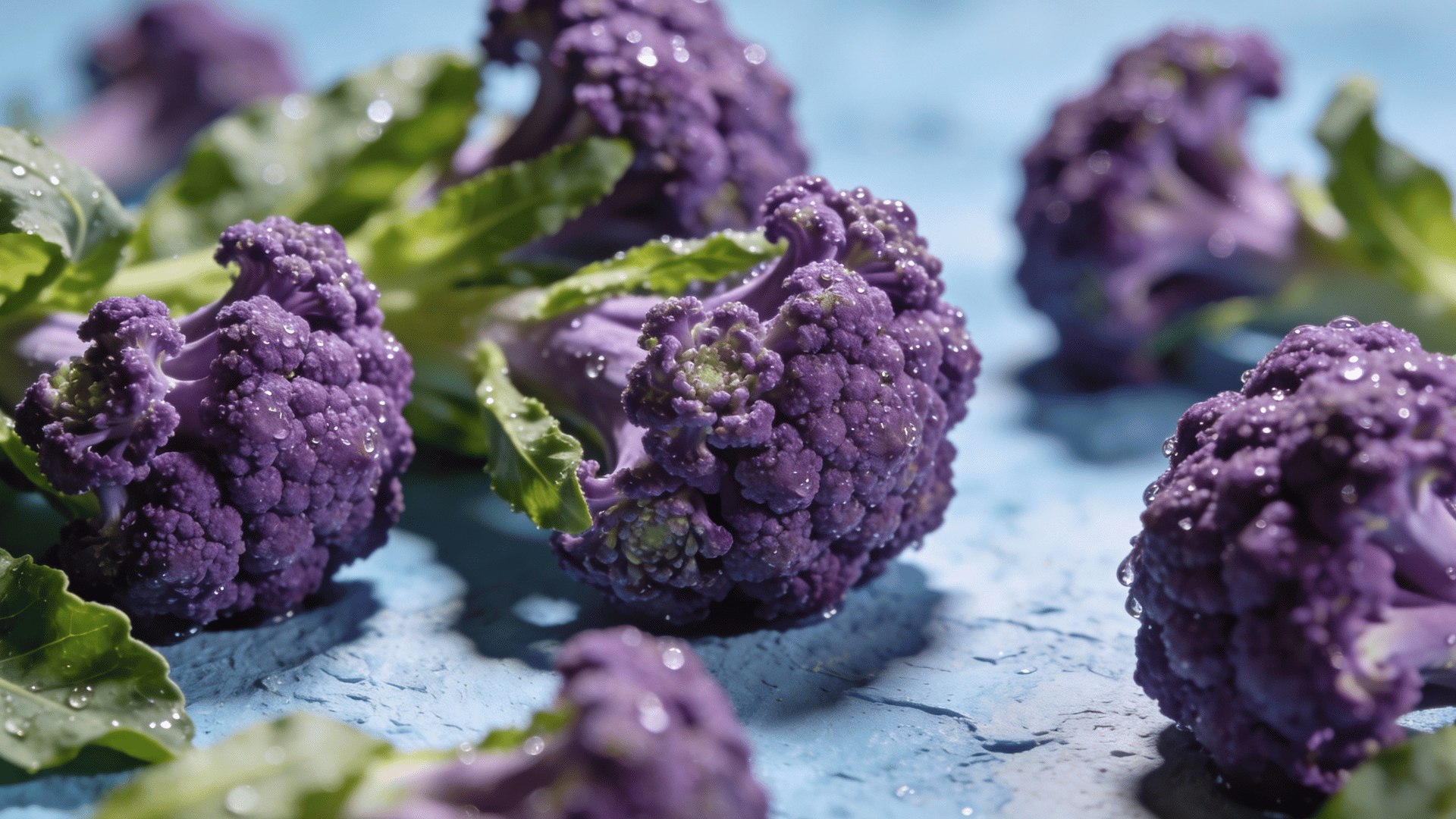
Purple broccoli is a colorful broccoli variety with tender florets and a slightly sweeter taste. It brings extra color to meals while offering many of the same nutrients found in regular green broccoli.
Nutrient highlight: Contains vitamin C, vitamin K, fiber, folate, and anthocyanins.
Taste: Mild, slightly sweet, fresh, and less bitter than regular broccoli.
Best uses: Steam, roast, sauté, add to soups, salads, pasta, or grain bowls.
Health support: May support bone health, digestion, immunity, and antioxidant protection.
Purple broccoli is best lightly cooked so it stays tender, flavorful, and visually appealing.
14. Purple Artichokes
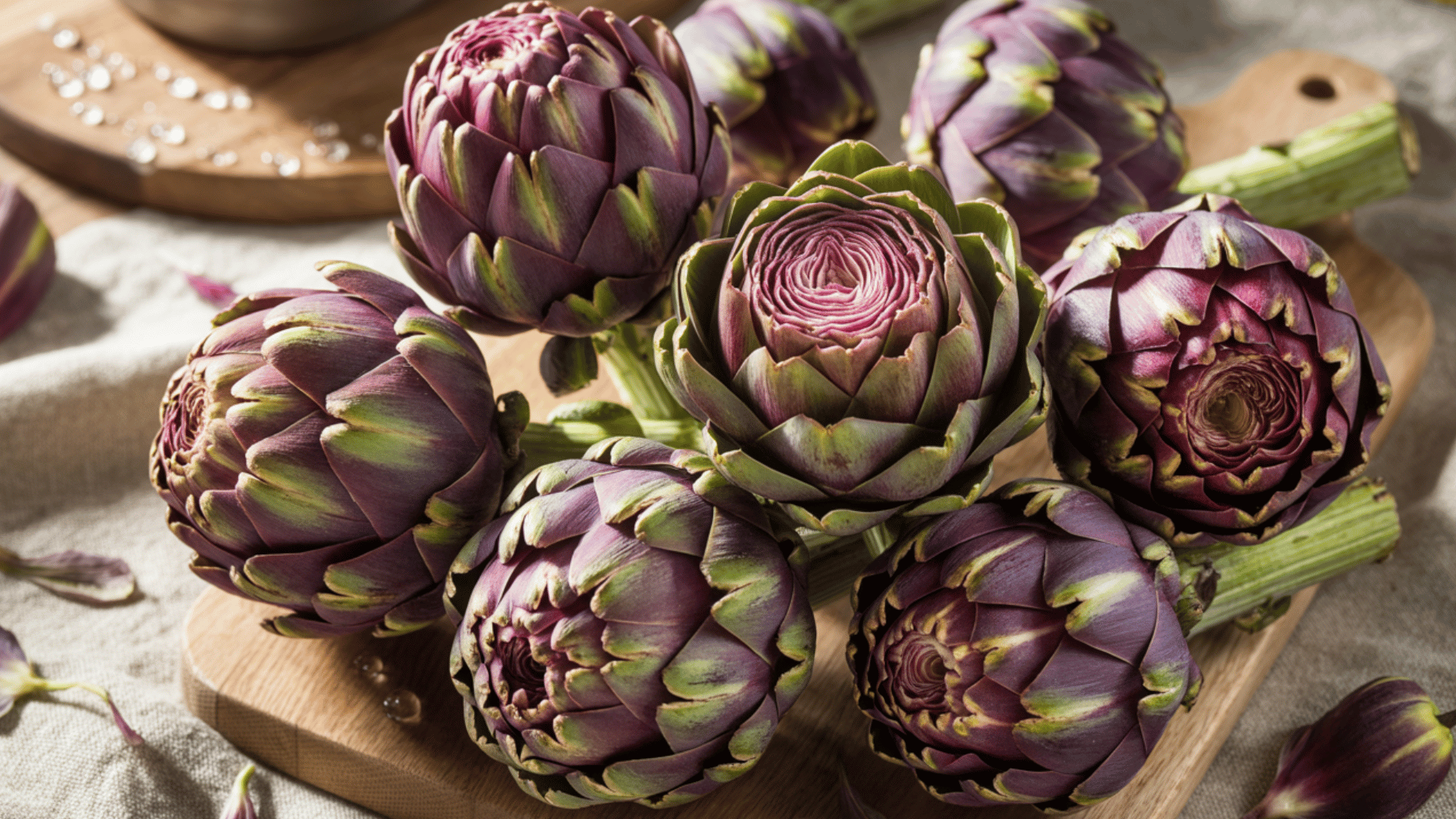
Purple artichokes are Mediterranean vegetables with purple-tinged leaves and tender hearts. They are often smaller and more delicate than green artichokes, with a refined flavor.
Nutrient highlight: Contains fiber, folate, vitamin C, magnesium, and antioxidant compounds.
Taste: Nutty, mild, slightly sweet, earthy, and tender when cooked.
Best uses: Steam, grill, braise, roast, slice young ones raw, or add to pasta.
Health support: May support digestion, liver function, heart health, and antioxidant protection.
Purple artichokes pair well with lemon, olive oil, garlic, parsley, parmesan, herbs, and Mediterranean sauces.
Purple Stem and Stalk Vegetables
Purple-stem and stalk vegetables add crunch, freshness, color, and light flavor to salads, stir-fries, soups, snacks, and cooked bases.
15. Purple Asparagus
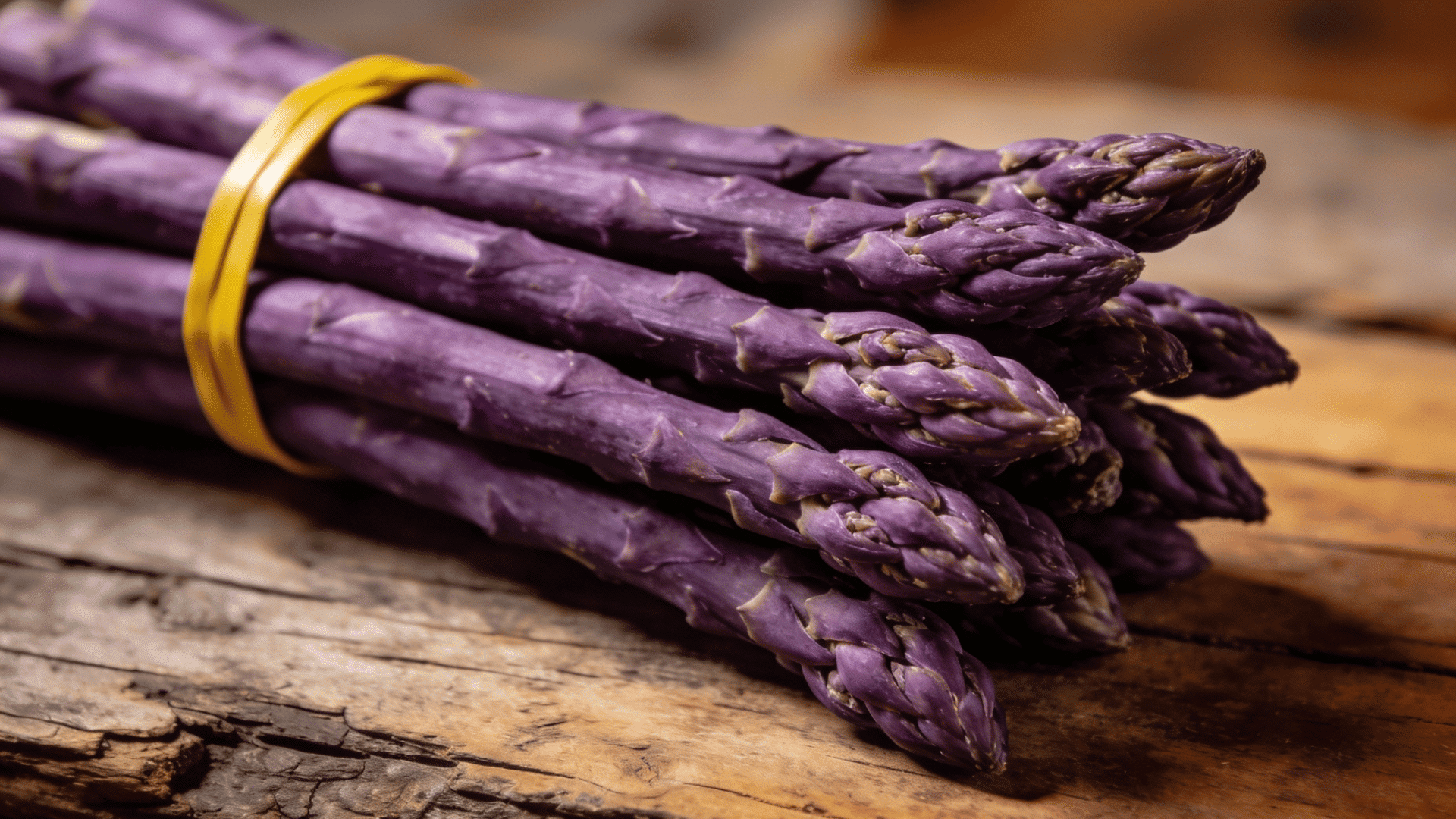
Purple asparagus is a tender spring vegetable known for its sweeter flavor and beautiful purple stalks. It adds elegance to meals and can be enjoyed both raw and lightly cooked.
Nutrient highlight: Offers vitamins A, C, K, folate, fiber, and anthocyanin antioxidants.
Taste: Sweet, mild, slightly fruity, and less grassy than green asparagus.
Best uses: Eat raw in salads, steam lightly, grill, roast, or add to pasta.
Health support: May support bone health, digestion, immunity, and heart wellness.
Purple asparagus tastes best when cooked briefly, helping preserve its color, texture, and fresh flavor.
16. Purple Celery
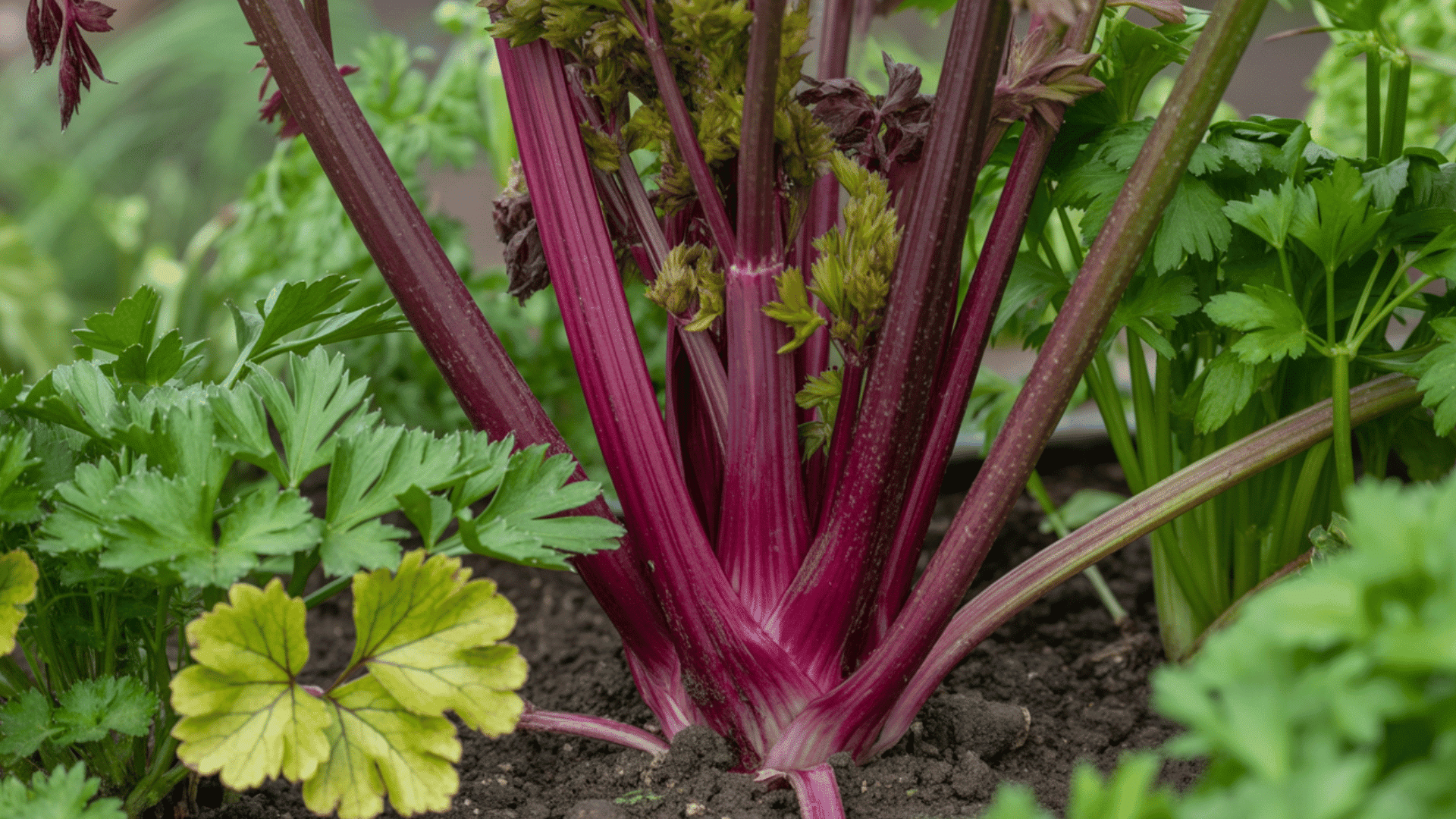
Purple celery has purple-red stalks with the same crisp texture as green celery. It brings fresh flavor, crunch, and color to raw snacks and cooked bases.
Nutrient highlight: Provides water, fiber, vitamin K, potassium, and anthocyanin pigments.
Taste: Crisp, refreshing, slightly salty, mildly bitter, and fresh.
Best uses: Eat raw, add to salads, soups, juices, stuffing, or mirepoix.
Health support: May support hydration, digestion, heart health, and light eating.
Purple celery is best when fresh and crunchy, especially with dips, nut butter, hummus, or chopped into cold salads.
17. Purple Chard
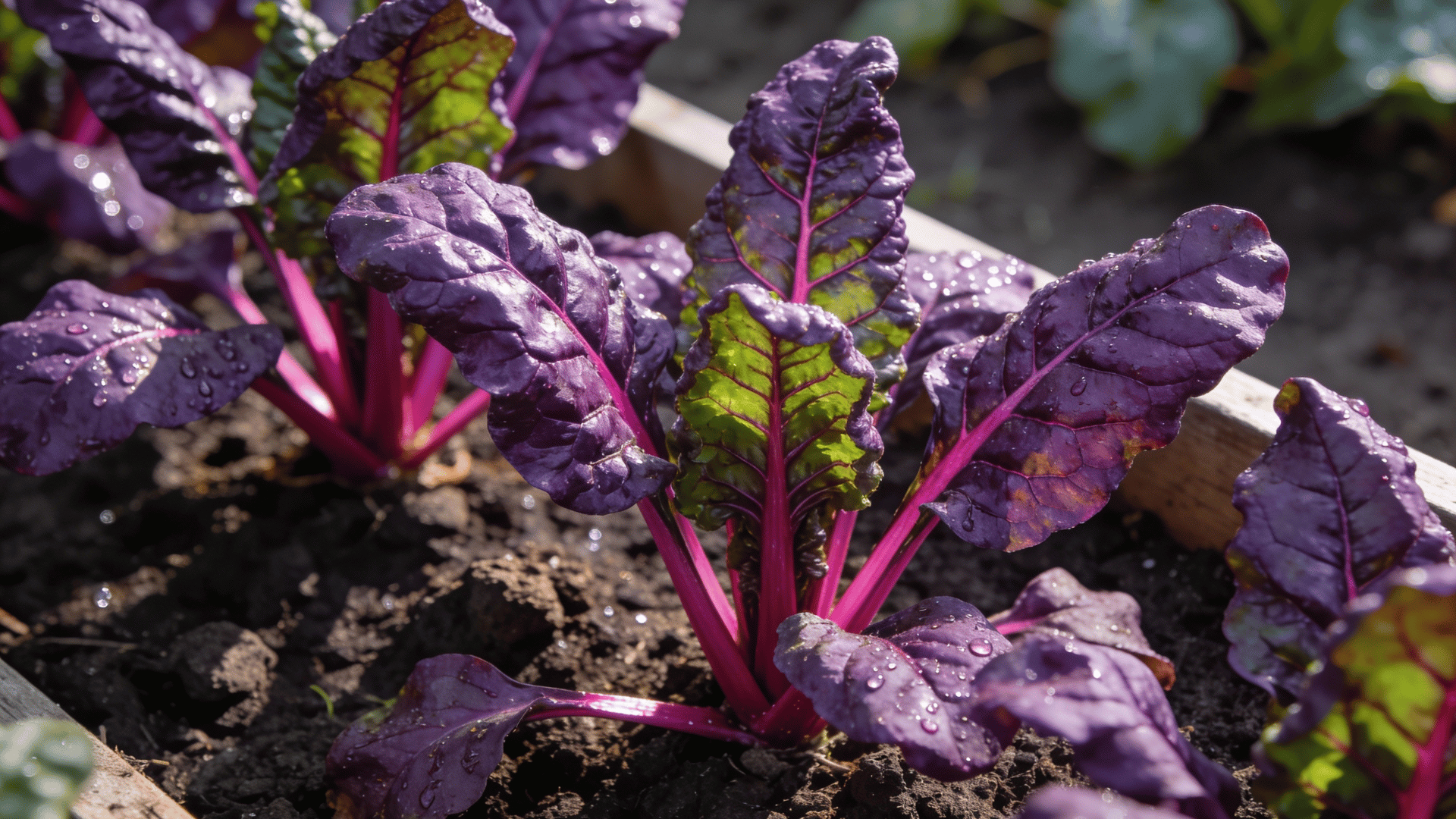
Purple chard has dark green leaves with purple veins and bright magenta-purple stems. It gives cooked dishes a colorful look while offering a spinach-like flavor.
Nutrient highlight: Rich in vitamins A, C, K, magnesium, fiber, and betalain pigments.
Taste: Earthy stems, tender leaves, and a mild spinach-like flavor.
Best uses: Sauté, steam, add to soups, stir-fries, pasta, or grain bowls.
Health support: May support bone health, digestion, immunity, and antioxidant protection.
Purple chard stems take longer to cook than leaves, so start them first for the best texture.
18. Purple Swiss Chard
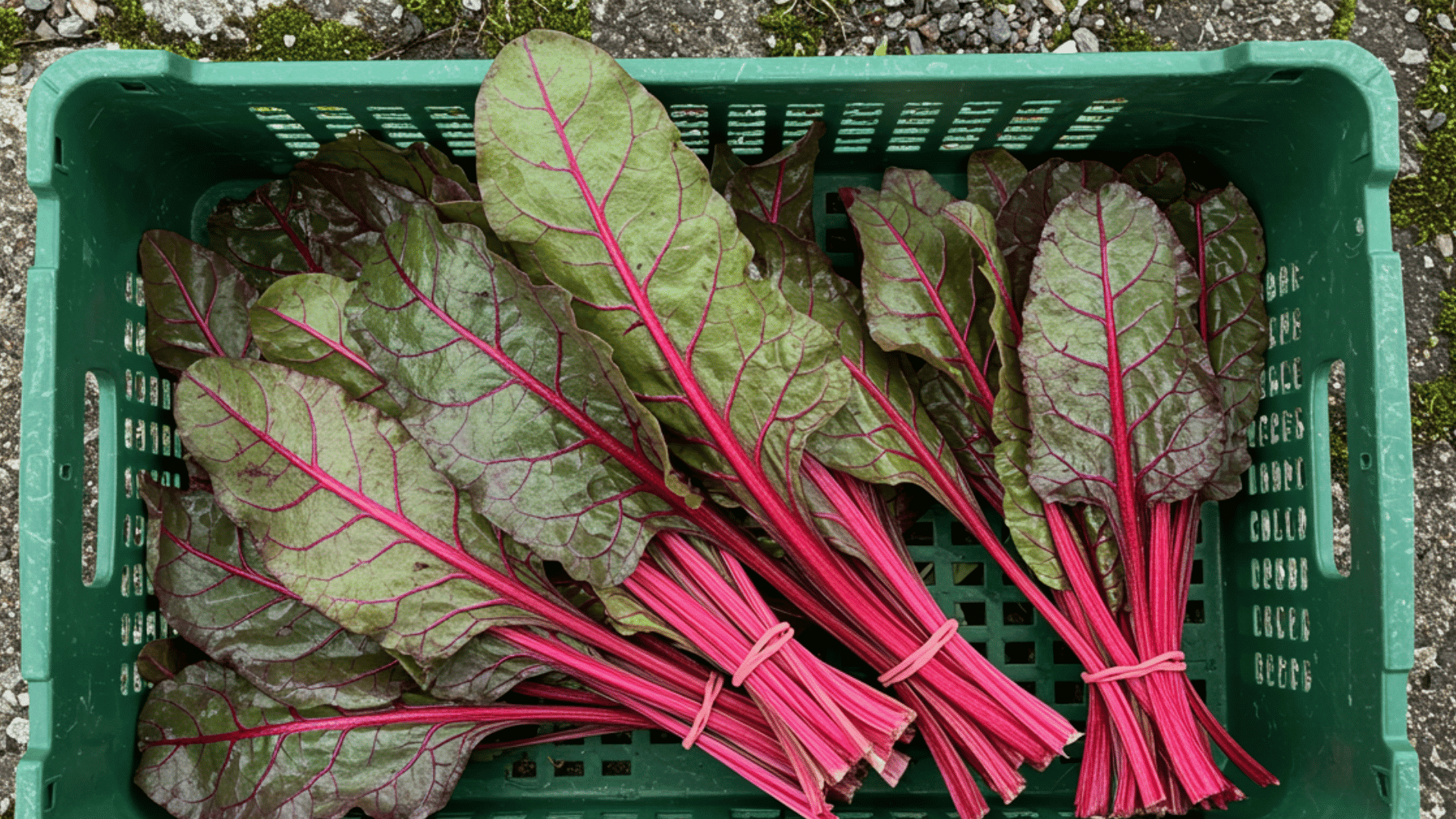
Purple Swiss chard has bright purple stems and dark leaves with colorful veins. It is closely related to regular chard but adds extra visual interest to cooked dishes.
Nutrient highlight: Rich in vitamins A, C, K, magnesium, fiber, and betalains.
Taste: Earthy stems, tender leaves, and a mild spinach-like taste.
Best uses: Sauté, pickle stems, add to soups, pasta, curries, or grain bowls.
Health support: May support bone health, digestion, immunity, and antioxidant defense.
Purple Swiss chard cooks quickly, so add leaves near the end to keep them tender.
Purple Fruiting Vegetables
Purple fruiting vegetables grow from flowers and include kitchen staples like eggplant, peppers, tomatoes, okra, beans, and zucchini.
19. Eggplant (Brinjal)
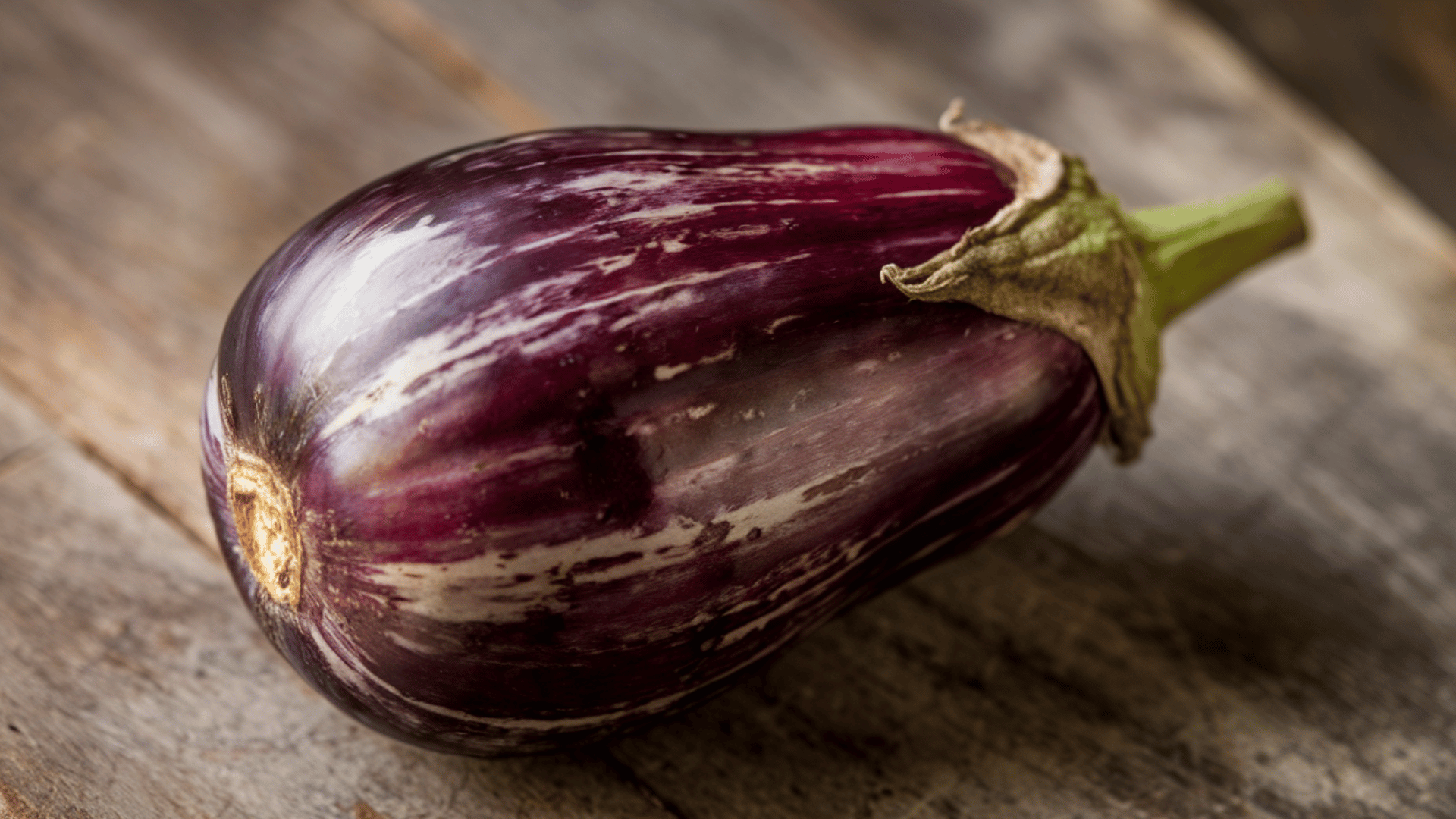
Eggplant, also called brinjal, is a glossy purple vegetable with soft flesh that becomes silky when cooked. It absorbs flavors easily, making it useful in many cuisines, especially Mediterranean, Indian, and Asian dishes.
Nutrient highlight: Provides fiber, nasunin, antioxidants, manganese, and small amounts of vitamins.
Taste: Mild, earthy, slightly bitter raw, and creamy after cooking.
Best uses: Grill, roast, bake, fry, sauté, or blend into dips.
Health support: May support digestion, heart health, cell protection, and balanced eating.
Eggplant works well with tomatoes, garlic, olive oil, spices, yogurt, and fresh herbs.
20. Purple Bell Pepper
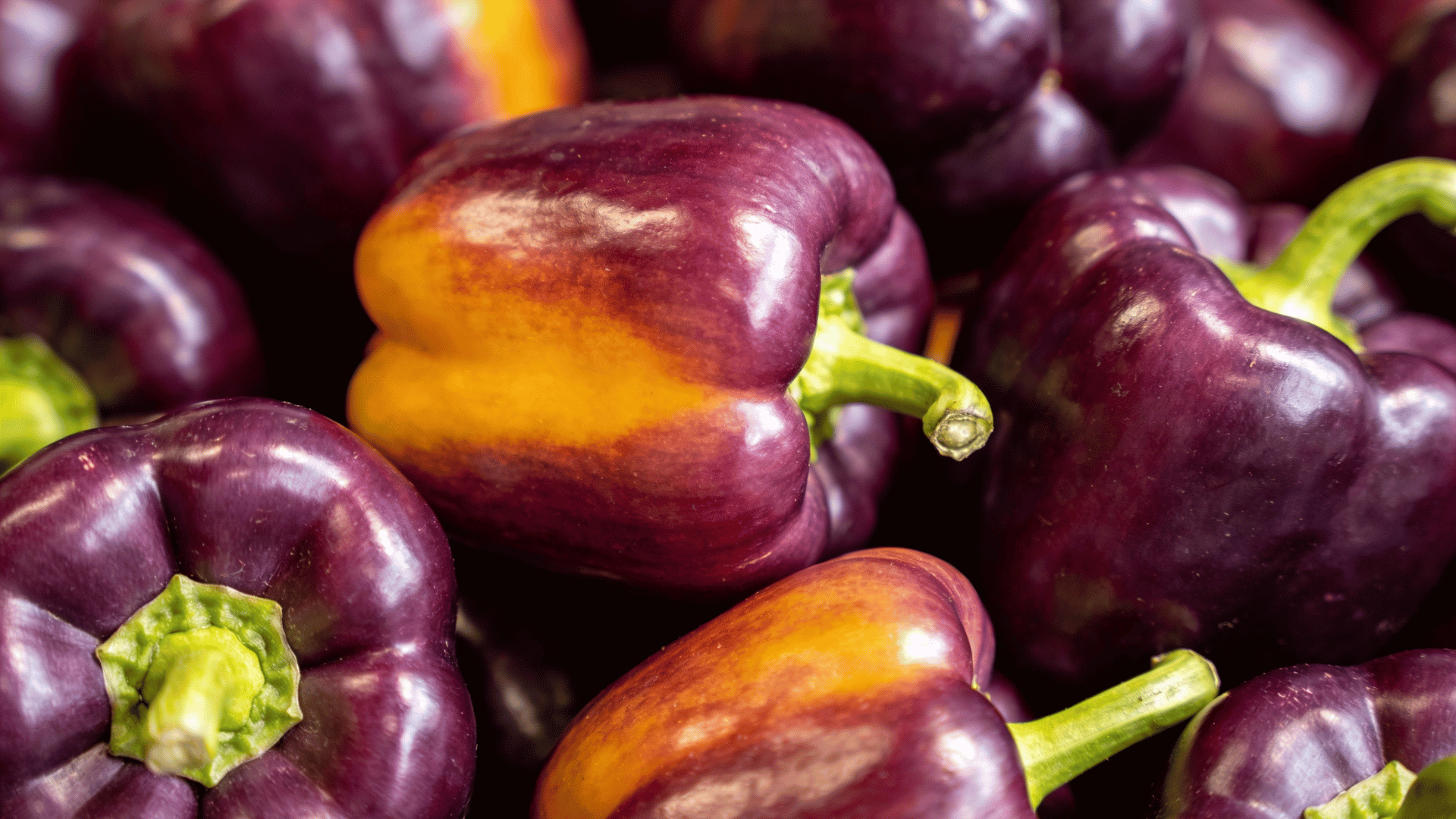
Purple bell peppers are crisp, juicy vegetables that mature from green into a rich purple shade. They add crunch, sweetness, and bold color to fresh and cooked meals.
Nutrient highlight: Provides vitamin C, vitamin A, fiber, water, and anthocyanin pigments.
Taste: Sweet, mild, slightly fruity, and refreshing.
Best uses: Eat raw, grill, roast, stuff, slice into salads, or add to stir-fries.
Health support: May support immunity, hydration, digestion, and antioxidant protection.
Purple bell peppers pair well with hummus, cheese, rice, beans, onions, herbs, and grilled proteins.
21. Purple Tomatoes
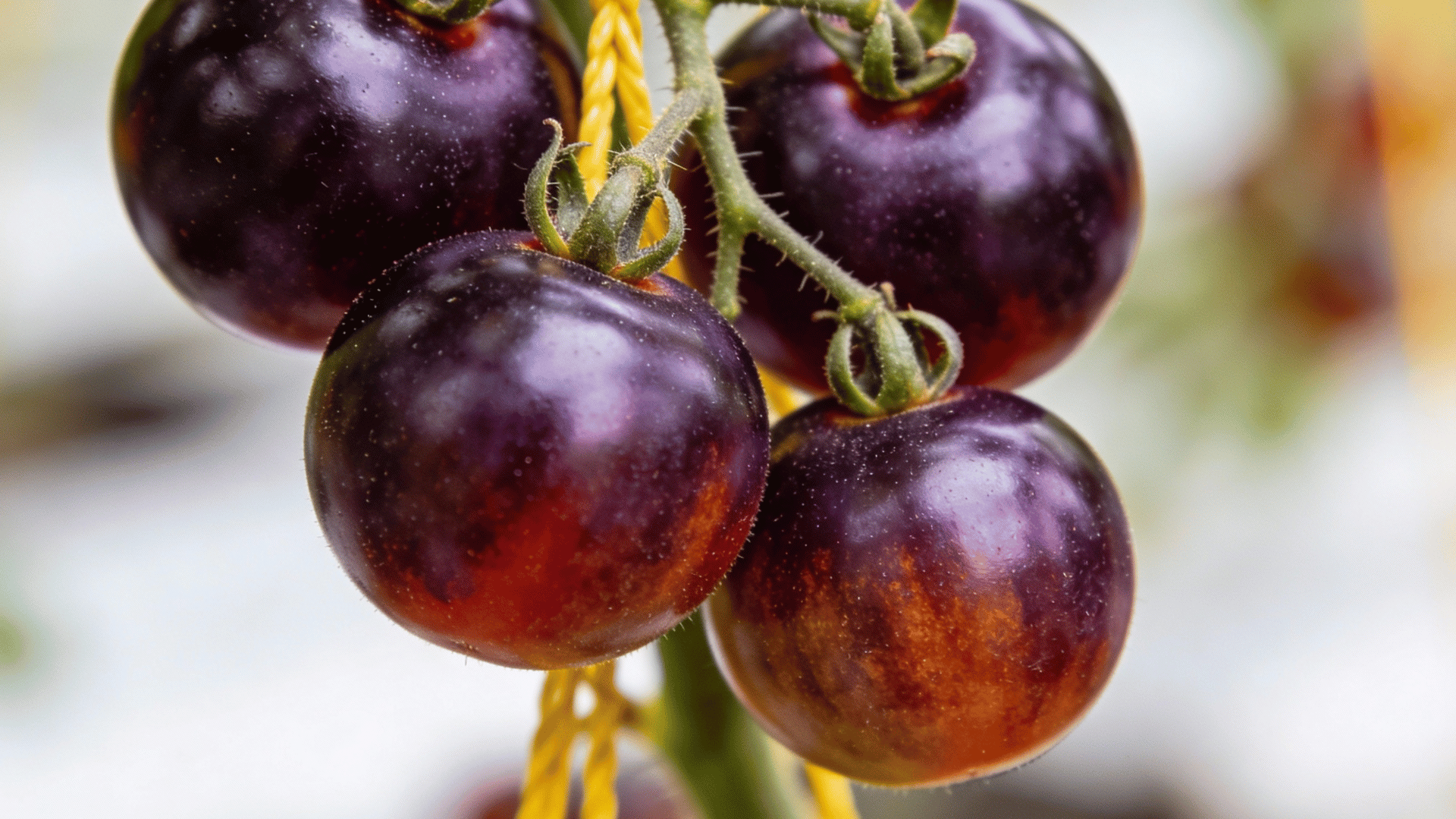
Purple tomatoes have dark purple-black skin with juicy flesh and a rich tomato flavor. Their dramatic color makes them stand out in fresh dishes, sauces, and roasted recipes.
Nutrient highlight: Provides anthocyanins, lycopene, vitamin C, potassium, and water.
Taste: Rich, smoky, slightly sweet, tangy, and balanced.
Best uses: Use in salads, sandwiches, sauces, salsas, roasting, or pasta dishes.
Health support: May support heart health, skin health, hydration, and antioxidant protection.
Purple tomatoes pair well with basil, mozzarella, olive oil, garlic, balsamic vinegar, and grilled vegetables.
22. Purple Okra
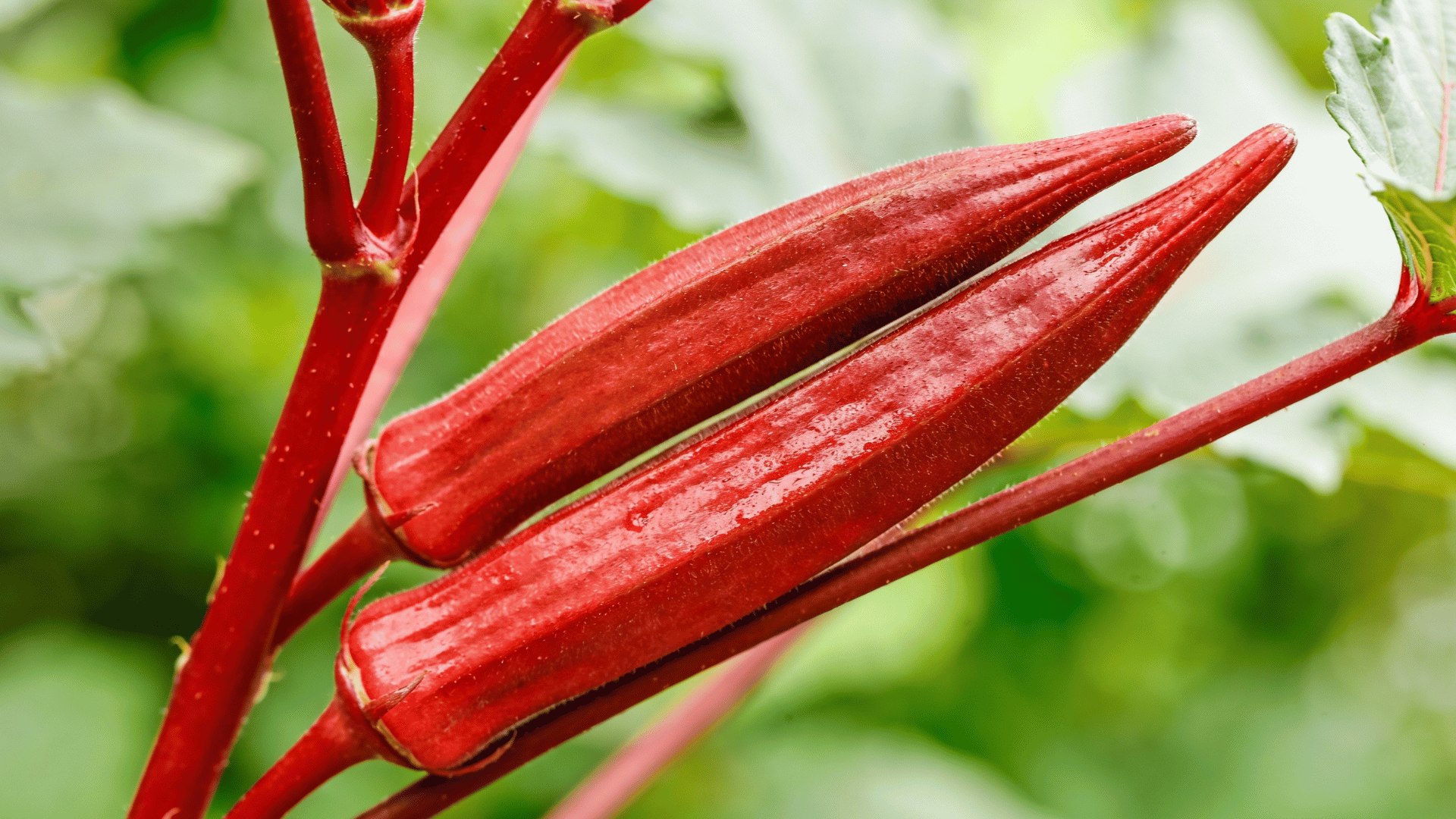
Purple okra has slender burgundy-purple pods and a mild flavor similar to green okra. It adds color to fresh dishes, though the pods may turn green when cooked.
Nutrient highlight: Contains fiber, vitamin C, folate, magnesium, and anthocyanin pigments.
Taste: Mild, grassy, tender, and slightly earthy.
Best uses: Pickle, grill, fry, roast, add to stews, or slice into salads.
Health support: May support digestion, heart health, blood sugar balance, and immunity.
Purple okra is especially useful in warm-weather cooking and pairs well with tomatoes, onions, spices, corn, and garlic.
23. Purple Beans
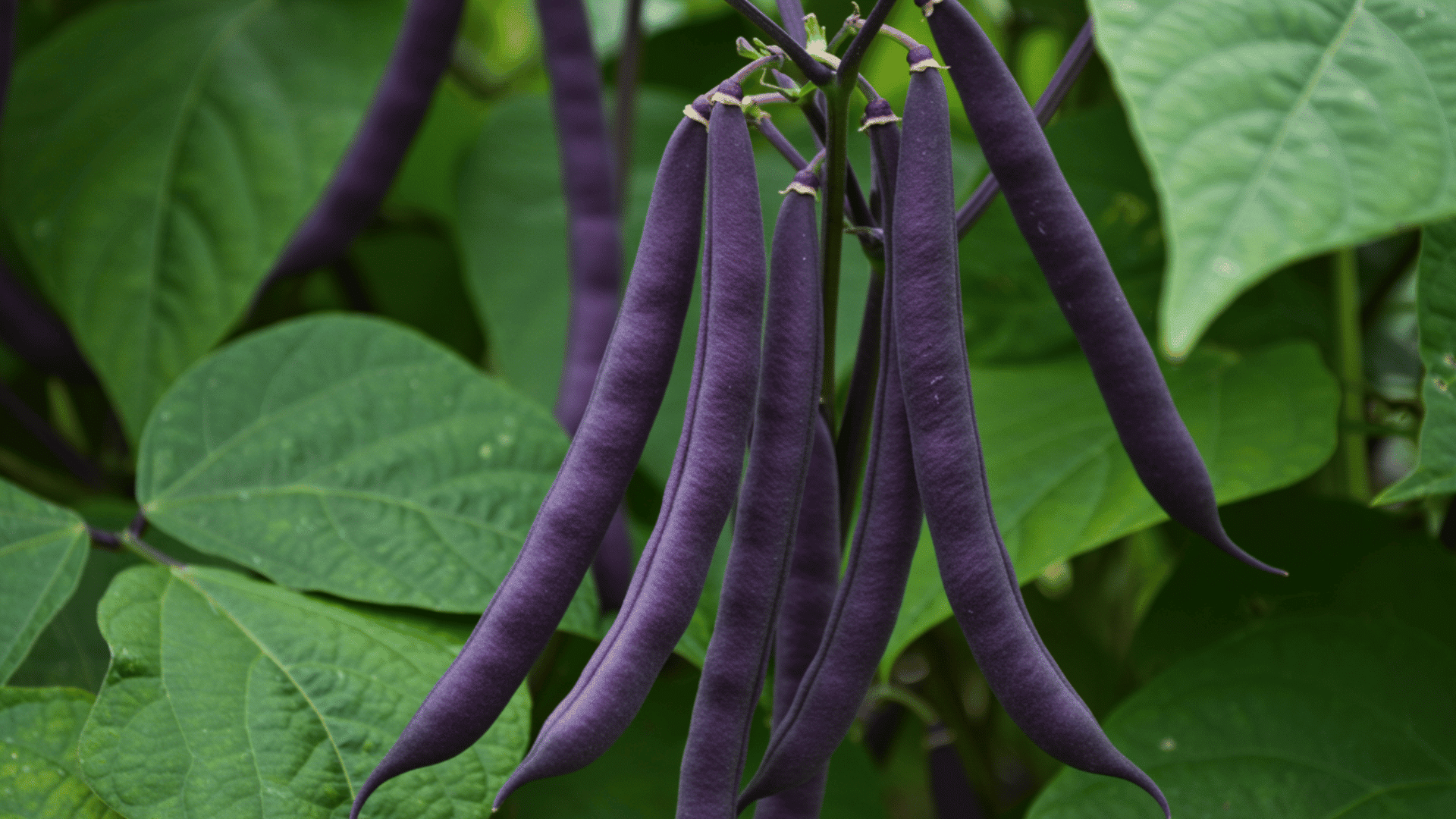
Purple beans are colorful pods with a tender bite and a sweeter flavor than many green beans. Their bright color makes them attractive raw, though they usually turn green when cooked.
Nutrient highlight: Provides fiber, vitamin C, folate, iron, and anthocyanin pigments.
Taste: Sweet, fresh, crisp, tender, and mild.
Best uses: Eat raw, blanch briefly, steam, sauté, add to salads, or use as garnish.
Health support: May support digestion, immunity, energy, and antioxidant protection.
Purple beans are best cooked lightly if you want to keep some crunch and preserve their fresh flavor.
24. Purple Zucchini
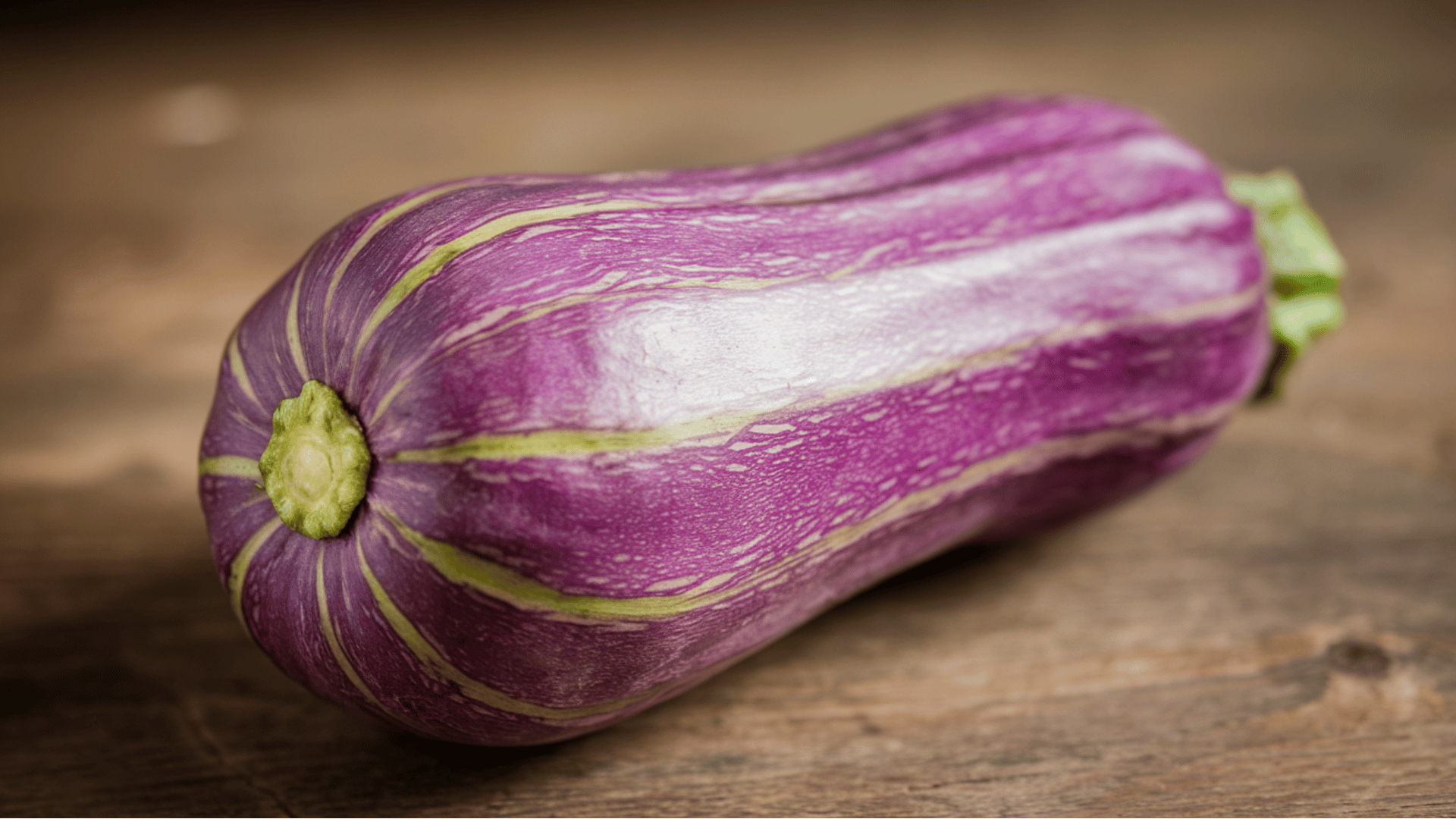
Purple zucchini has dark purple-black skin with pale flesh and a firmer bite than regular green zucchini. It works in most recipes that use summer squash.
Nutrient highlight: Provides fiber, water, vitamin C, potassium, and antioxidant-rich skin.
Taste: Mild, slightly nutty, tender, and fresh.
Best uses: Grill, spiralize, sauté, bake, roast, or add to stir-fries.
Health support: May support hydration, digestion, heart health, and lighter meals.
Purple zucchini is best cooked with the skin on because many antioxidants are found near the outer layer.
Purple Allium Vegetables
Purple allium vegetables include onions and scallions that add sharpness, aroma, sweetness, crunch, and savory depth to everyday cooking.
25. Purple Scallions
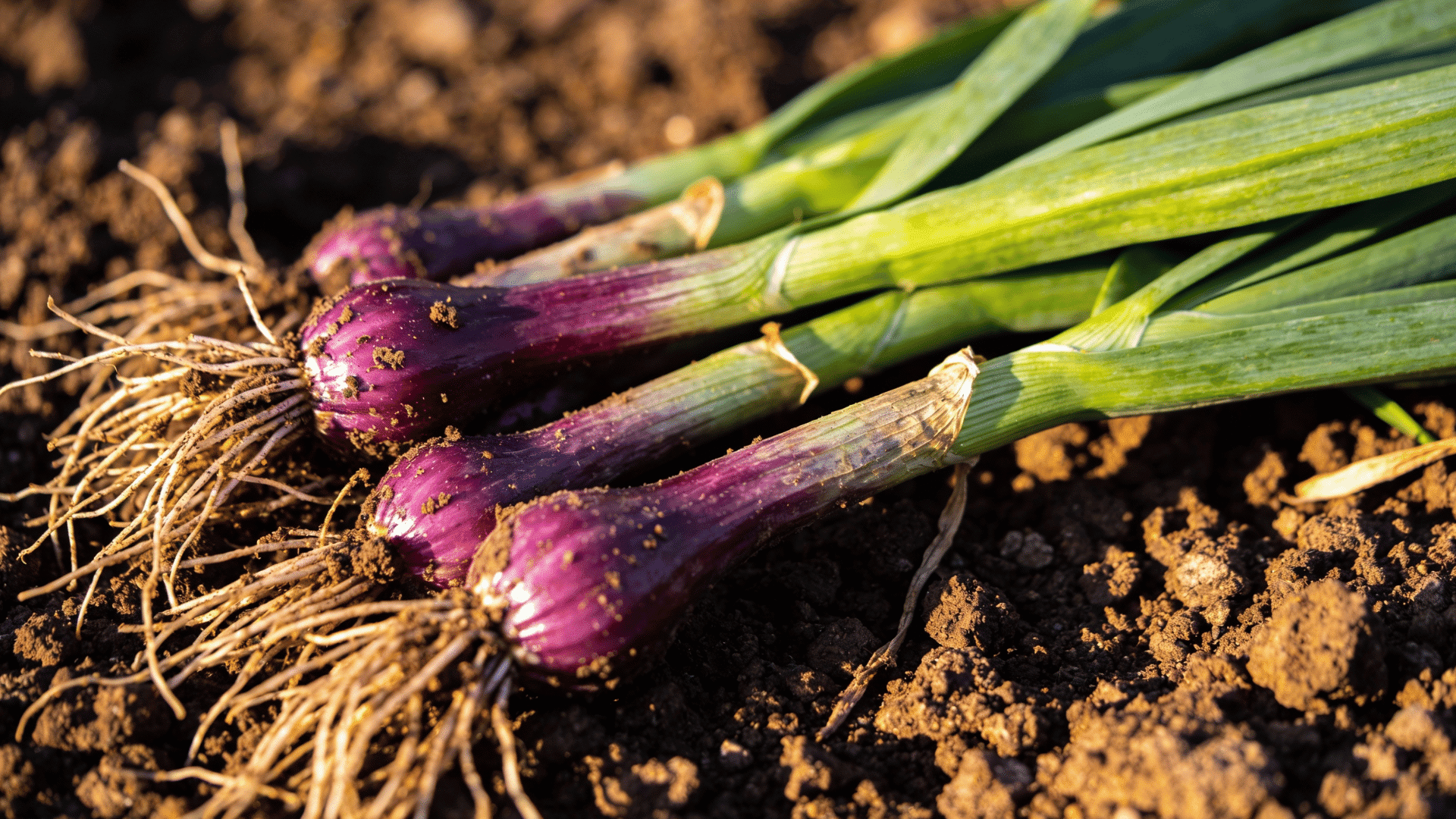
Purple scallions, also called purple spring onions, have purple-red bases that turn green toward the top. They are mild, attractive, and easy to use as both a vegetable and a garnish.
Nutrient highlight: Provides vitamin K, vitamin C, sulfur compounds, fiber, and anthocyanins.
Taste: Mild onion flavor, slightly sweet, fresh, and less sharp than mature onions.
Best uses: Add to salads, noodles, soups, stir-fries, dips, or garnish cooked meals.
Health support: May support digestion, immunity, heart health, and antioxidant protection.
Purple onions contain quercetin, a flavonoid that is part of the same broader family as anthocyanins.
A large prospective cohort meta-analysis in The American Journal of Clinical Nutrition found that higher flavonoid intake was associated with reduced cardiovascular disease risk across multiple study populations.
Quercetin-rich foods like purple onions were included in those dietary patterns.
Purple scallions taste best fresh and pair well with sesame, ginger, soy sauce, eggs, and rice.
26. Purple Onions
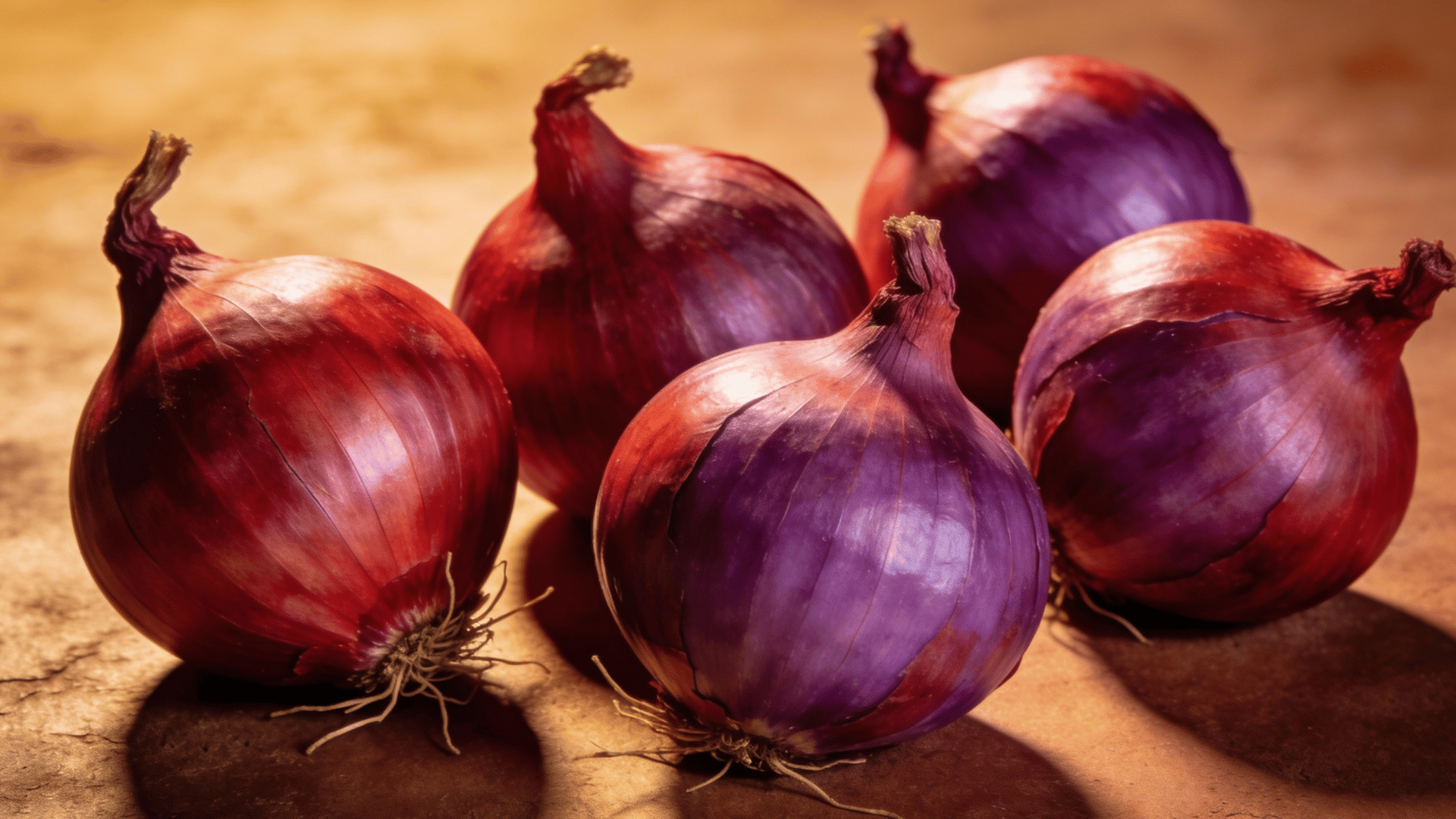
Purple onions, often called red onions, have deep purple-red layers and a bold flavor. They are one of the easiest purple vegetables to use in daily cooking.
Nutrient highlight: Contains quercetin, anthocyanins, vitamin C, sulfur compounds, and fiber.
Taste: Sharp when raw, mildly sweet, crisp, and sweeter after cooking.
Best uses: Add to salads, salsas, sandwiches, pickles, curries, or caramelized dishes.
Health support: May support heart health, digestion, immunity, and inflammation balance.
Purple onions pair well with lemon, vinegar, tomatoes, cucumbers, herbs, grilled foods, and beans.
Purple Herbs
Purple herbs are used in smaller amounts but bring a strong aroma, fresh flavor, antioxidants, and beautiful color to finished dishes.
27. Purple Basil
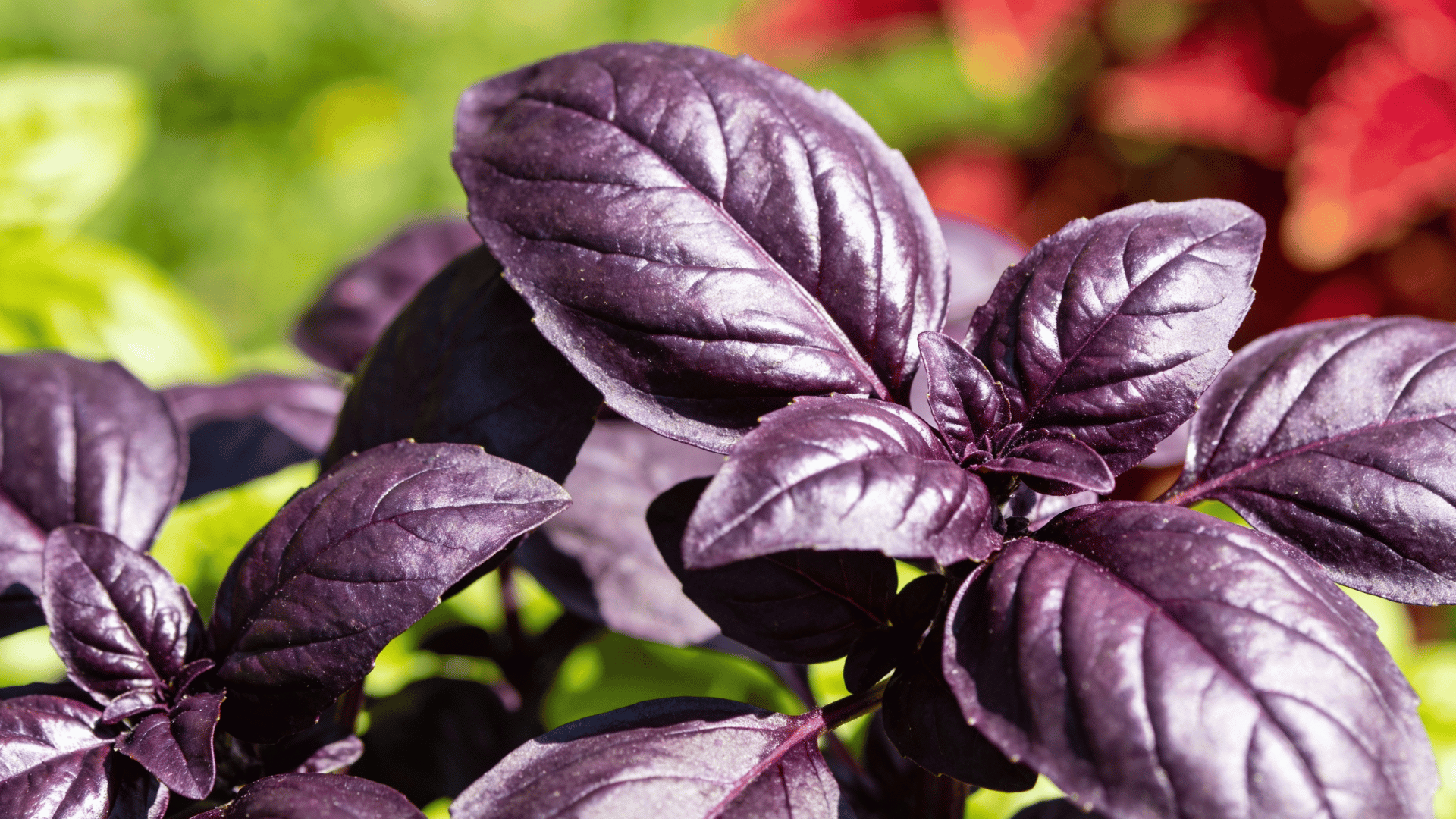
Purple basil is a beautiful herb with dark leaves and a stronger appearance than regular green basil. It adds color, fragrance, and fresh flavor to both simple and elegant dishes.
Nutrient highlight: Provides anthocyanins, vitamin K, essential oils, and antioxidant plant compounds.
Taste: Aromatic, slightly spicy, mildly sweet, and peppery.
Best uses: Add to salads, pesto, sauces, marinades, soups, and garnishes.
Health support: May support antioxidant protection, digestion, immunity, and balance of inflammation.
Purple basil is best used fresh, near the end of cooking, to preserve its color, aroma, and flavor.
A study in the Journal of Functional Foods analyzing bioactive compounds and antioxidant activity across berry varieties found that darker-pigmented berries like blackberries consistently showed high antioxidant capacity, driven largely by their anthocyanin and polyphenol content.
Purple Berries
Purple berries are small, deeply colored fruits rich in fiber, vitamin C, anthocyanins, and natural sweetness for snacks, breakfasts, and desserts.
28. Blackberries
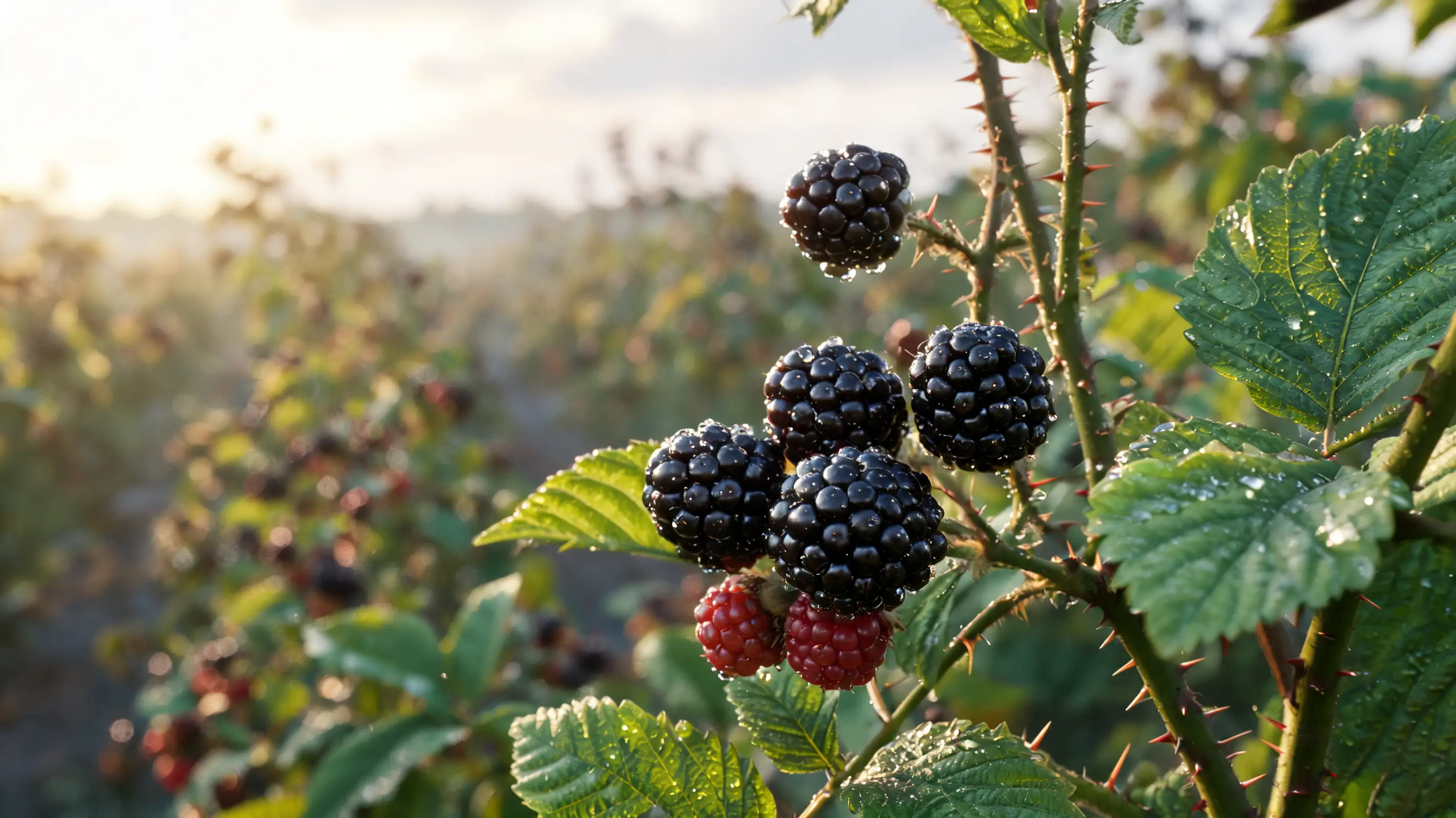
Blackberries are deep purple-black fruits with a juicy texture and sweet-tart flavor. They are easy to add to breakfasts, snacks, desserts, and smoothies.
Nutrient highlight: Provides fiber, vitamin C, vitamin K, manganese, and anthocyanin pigments.
Taste: Juicy, tart, sweet, earthy, and slightly floral.
Best uses: Add to yogurt, oatmeal, smoothies, salads, pies, jams, or sauces.
Health support: May support digestion, immune health, heart health, and antioxidant intake.
Blackberries are best eaten fresh, frozen, or lightly cooked into compotes and toppings.
29. Blueberries
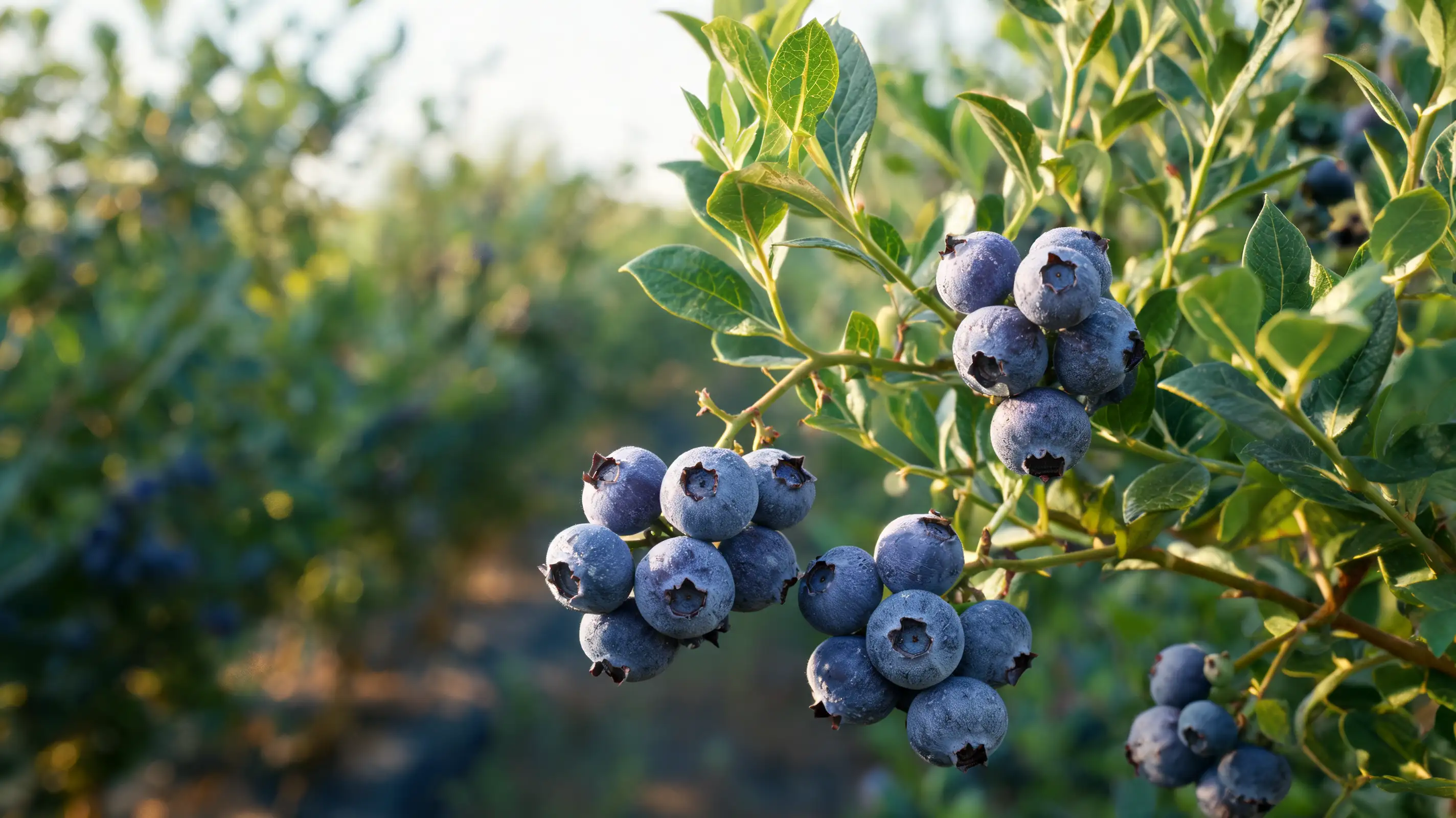
Blueberries are small blue-purple fruits known for their mild sweetness, soft skin, and juicy center. They are one of the most popular purple-toned fruits.
Nutrient highlight: Provides fiber, vitamin C, vitamin K, manganese, and anthocyanins.
Taste: Sweet, mildly tart, juicy, fresh, and sometimes floral.
Best uses: Add to cereal, pancakes, muffins, smoothies, yogurt, salads, or desserts.
Health support: May support brain health, digestion, heart health, and cell protection.
Blueberries are convenient because they work well fresh, frozen, baked, or blended into drinks.
30. Acai Berries

Acai berries are small, dark purple berries commonly used in frozen puree, smoothie bowls, and health-focused drinks. They have a bold color and earthy flavor.
Nutrient highlight: Provides fiber, healthy fats, anthocyanins, and other plant antioxidants.
Taste: Earthy, berry-like, mildly tart, rich, and slightly chocolatey.
Best uses: Use in smoothie bowls, shakes, juices, frozen desserts, or blended breakfast bowls.
Health support: May support antioxidant intake, heart-healthy eating, digestion, and balanced energy.
Acai is usually sold frozen or in powder form because fresh berries spoil quickly after harvest.
31. Elderberries
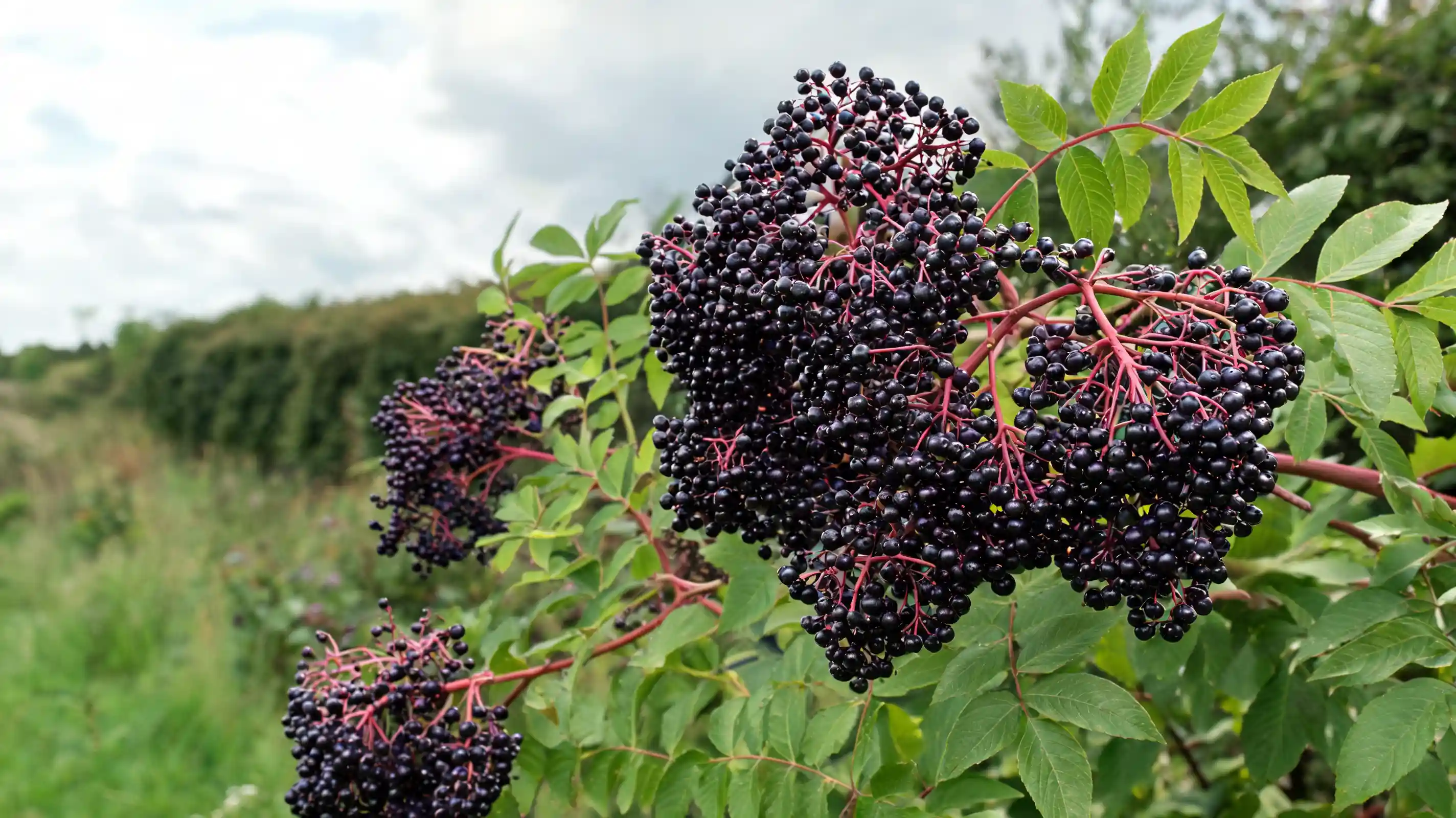
Elderberries are tiny, dark purple berries commonly used to make syrups, jams, teas, and preserves. They should not be eaten raw because proper cooking is important.
Nutrient highlight: Provides fiber, vitamin C, flavonoids, anthocyanins, and other antioxidants.
Taste: Tart, earthy, deep, fruity, and slightly bitter.
Best uses: Cook into syrups, jams, teas, sauces, gummies, or fruit preserves.
Health support: May support immune health, antioxidant intake, and seasonal wellness when safely prepared.
Elderberries are best used cooked, strained, and combined with sweeteners or other fruits.
Purple Tree and Vine Fruits
Purple tree and vine fruits include grapes, plums, figs, and passion fruit, offering juicy sweetness, fiber, antioxidants, and versatile uses.
32. Plums
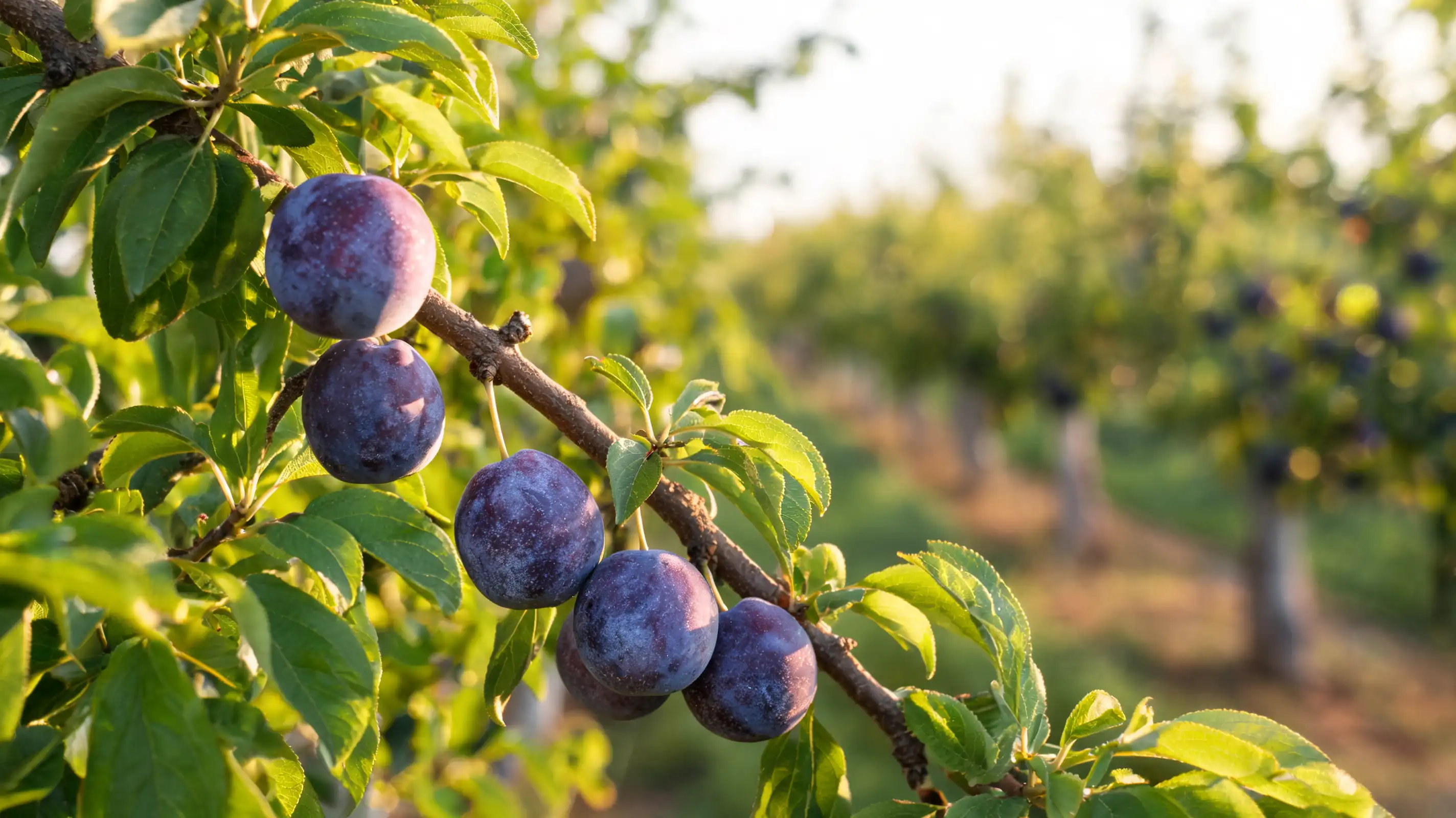
Plums are smooth-skinned fruits that often come in purple, red-purple, or black-purple varieties. Their juicy flesh makes them refreshing and versatile.
Nutrient highlight: Provides fiber, vitamin C, potassium, vitamin K, and plant antioxidants.
Taste: Sweet, tart, juicy, floral, and slightly tangy near the skin.
Best uses: Eat fresh, add to salads, bake into tarts, cook into jams, or grill.
Health support: May support digestion, hydration, heart health, and antioxidant intake.
Plums are best when slightly soft, fragrant, and juicy, especially as a snack or dessert fruit.
33. Purple Grapes

Purple grapes are small, juicy fruits with deep purple skins and a naturally sweet flavor. They are easy to snack on and widely used in drinks and dried fruit.
Nutrient highlight: Provides water, fiber, vitamin K, potassium, resveratrol, and anthocyanins.
Taste: Sweet, juicy, crisp, mildly tart, and refreshing.
Best uses: Eat fresh, freeze, add to salads, make juice, sauces, or desserts, and use as raisins.
Health support: May support hydration, heart health, digestion, and antioxidant protection.
Purple grapes are best chilled, added to fruit bowls, or paired with cheese and nuts.
34. Purple Figs
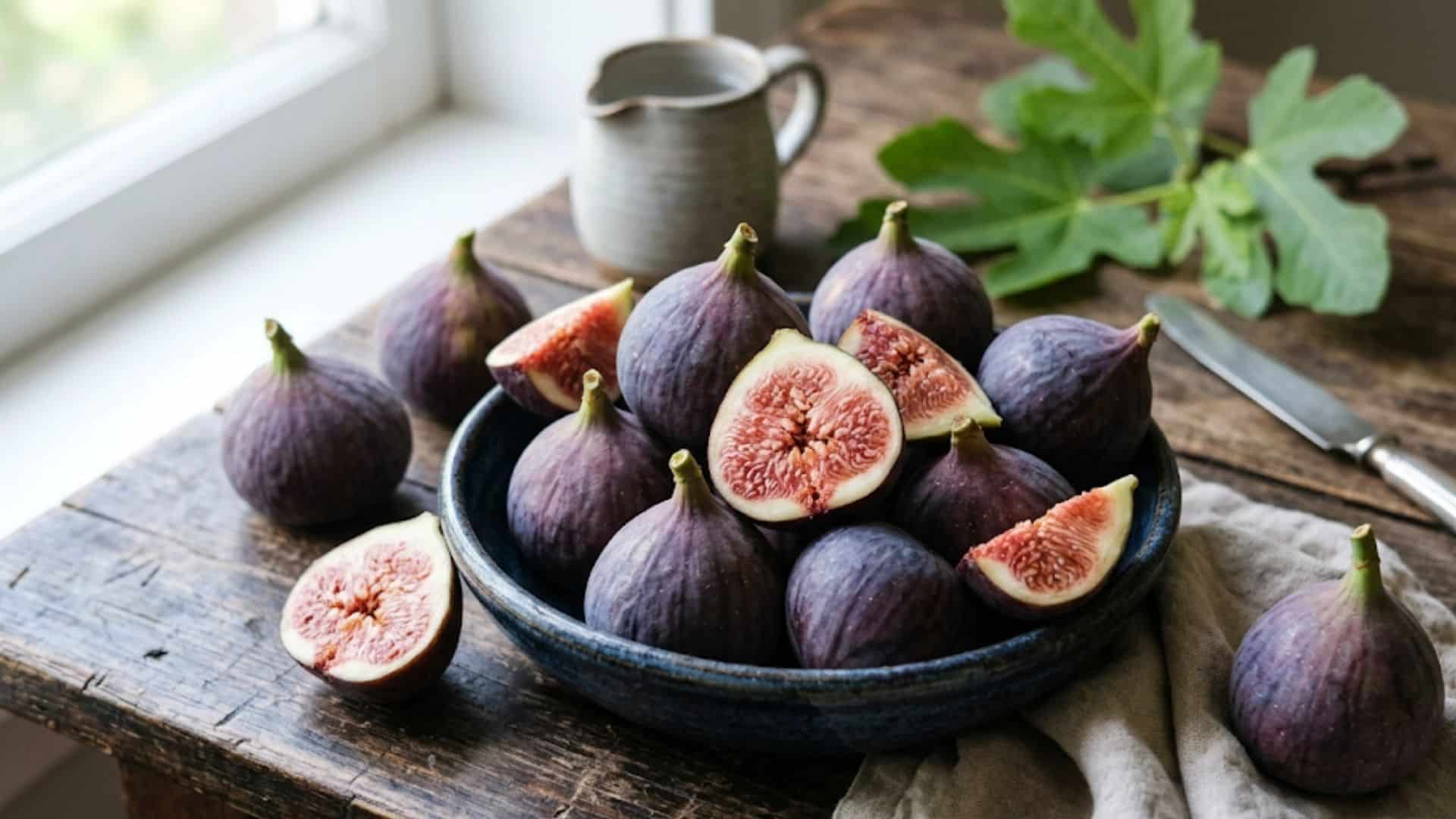
Purple figs have soft purple skin, tender flesh, and tiny edible seeds. They bring natural sweetness and a rich texture to fresh and cooked dishes.
Nutrient highlight: Provides fiber, potassium, calcium, magnesium, and natural plant compounds.
Taste: Sweet, honey-like, jammy, soft, earthy, and mildly floral.
Best uses: Eat fresh, add to salads, toast, yogurt, desserts, jams, or cheese boards.
Health support: May support digestion, mineral intake, heart health, and balanced snacking.
Purple figs are best when ripe, soft, and fragrant, especially with nuts, yogurt, or cheese.
35. Passion Fruit
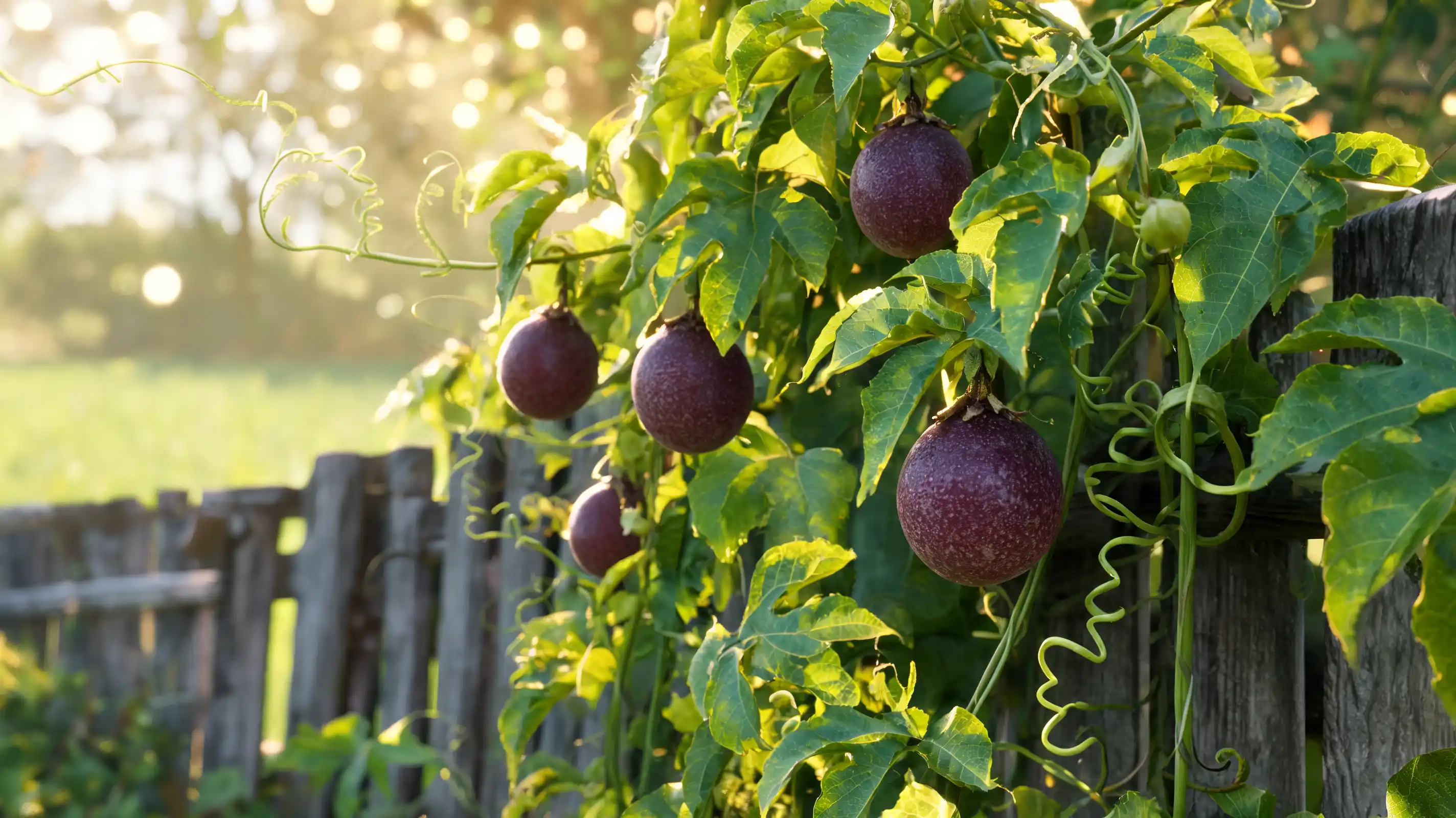
Purple passion fruit has a dark purple rind and aromatic pulp filled with crunchy edible seeds. It adds tropical flavor to drinks, desserts, and breakfast bowls.
Nutrient highlight: Provides fiber, vitamin C, vitamin A, potassium, and antioxidants.
Taste: Tangy, tropical, sweet-sour, fragrant, and bright.
Best uses: Add to smoothies, juices, yogurt, cakes, sauces, cocktails, or fruit bowls.
Health support: May support digestion, immune health, hydration, and antioxidant intake.
Passion fruit is best when the skin becomes slightly wrinkled, which usually means the pulp is sweet.
Are Purple Vegetables Healthier Than Green or Orange Vegetables?
Purple vegetables are highly nutritious, but they are not automatically better than green or orange vegetables. Each color group brings different nutrients and plant compounds to the diet.
Purple vegetables often contain anthocyanins, which support antioxidant protection, while green vegetables may provide chlorophyll, folate, magnesium, and vitamin K.
Orange vegetables are usually rich in carotenoids like beta-carotene, which the body can use to make vitamin A. Instead of choosing one color as the healthiest, it is better to eat a mix of colors throughout the week.
Purple foods can be a valuable part of a balanced plate, but they should not be treated as a cure-all. A colorful diet gives your body broader nutritional support.
Tips for Choosing and Storing Purple Produce
Buying and storing purple produce properly helps keep its color, texture, flavor, and nutrients fresh for longer.
- Choose rich color: Pick purple fruits and vegetables with deep, even color because dullness may signal age or poor freshness.
- Check firmness: Select firm produce without soft spots, wrinkles, cracks, or bruises for better taste, texture, and storage life.
- Store carefully: Keep leafy greens and berries refrigerated, while potatoes and onions do better in cool, dry, dark places.
- Avoid excess moisture: Wash most purple produce only before eating because extra moisture can speed up spoilage and mold.
- Cook gently: Steam, roast, or sauté lightly to help preserve color, flavor, texture, and heat-sensitive nutrients.
Summing Up
Adding more color to your plate can be one of the simplest ways to improve your eating habits. Purple foods bring more than beauty; they offer fiber, vitamins, minerals, and plant compounds that support everyday health.
You have seen how options like purple cabbage, sweet potatoes, carrots, eggplant, berries, grapes, and figs can fit into meals without complicating your routine. You also know that purple foods are helpful, but they work best as part of a varied, balanced diet.
Start with one or two purple vegetables and fruits you already like, then build from there. Try a new option this week and share which one becomes your favorite.