
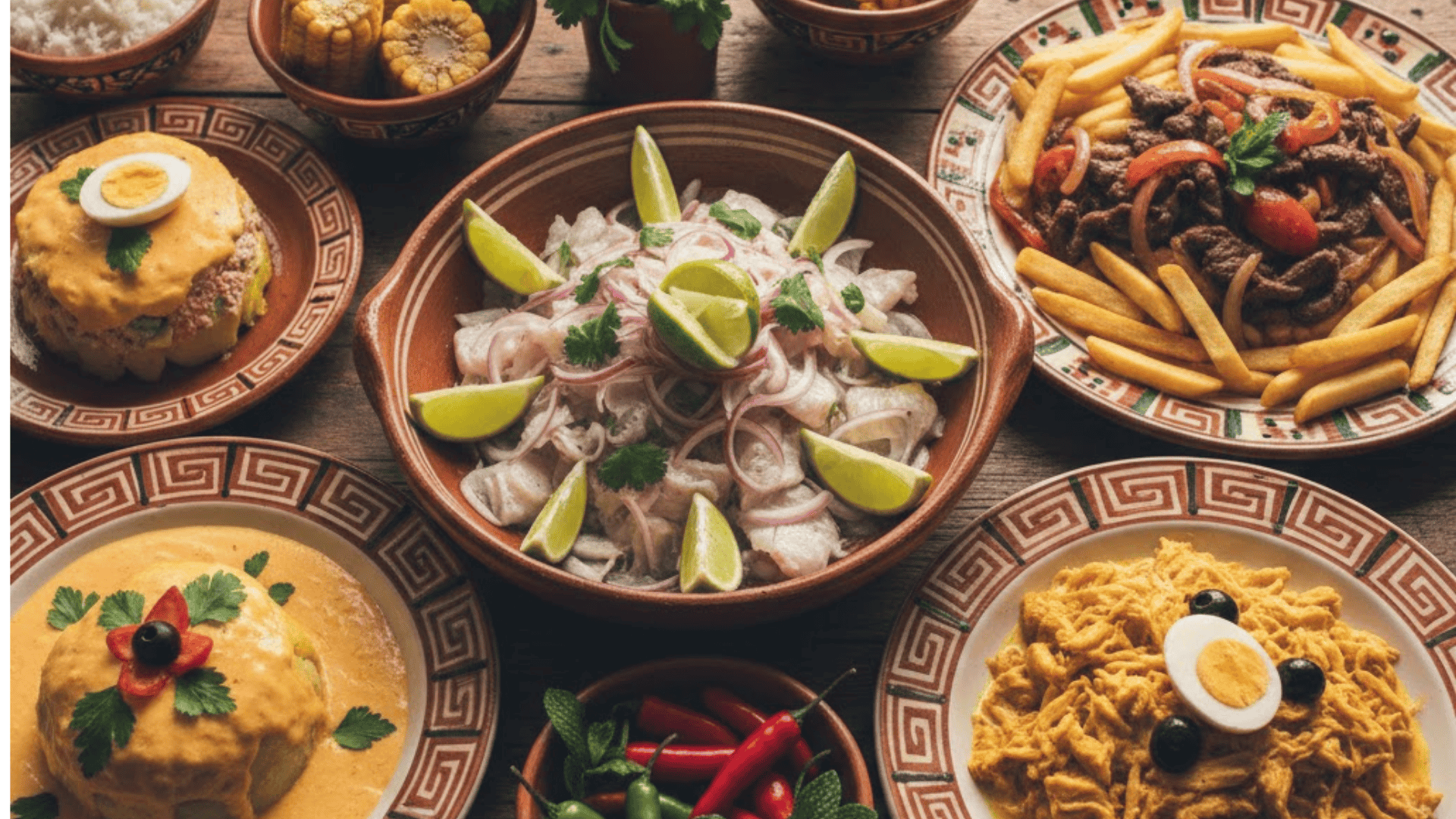
What makes a country’s food worth traveling halfway around the world to taste? Peruvian recipes hold the answer with their bold flavors and interesting stories. Each dish comes from a unique mix of cultures that have met over centuries.
Mountains, coasts, and jungles all contribute their special ingredients to the mix. Ancient traditions meet modern cooking in ways that surprise your taste buds.
I want to share these incredible dishes with you today. The recipes range from quick street snacks to slow-cooked family meals.
You’ll find flavors that feel both exotic and somehow familiar. Let me guide you through recipes that will amaze everyone you feed.
What Makes Peruvian Food Unique?
I find Peruvian food tempting because it combines so many different cultures into one delicious plate. The country sits between mountains, jungle, and ocean. Each region brings its own special ingredients to your table.
Ancient Incan traditions taught people how to use potatoes and corn in creative ways. Spanish colonizers arrived and added their own cooking styles to the mix.
Chinese immigrants brought stir-fry techniques that changed everything, creating affordable lunch options that still influence Peruvian worker lunch culture today.
Japanese flavors influenced how Peruvians prepare raw fish today. African spices added depth and warmth to many dishes. All these cultures have been cooked together for hundreds of years.
The result is food that tastes unlike anything you’ll find elsewhere. I think Peruvian cuisine tells a story of history, migration, and innovation on every single plate.
Finding Peruvian Ingredients Outside Peru
I know one worry you might have is finding some of these ingredients where you live. I had the same concern when I first started cooking Peruvian food at home. The good news is that most items are easier to find than they seem, and many have simple backups that still work well.
You’ll have the best luck at:
- Latin American grocery stores
- Well-stocked international markets
- Online food shops that sell Peruvian or South American products
Here are a few ingredients that may need extra attention, plus easy swaps if needed.
- Aji Amarillo: This yellow chili adds mild heat and color. I usually buy it frozen or as a paste.
If you can’t find it, use a yellow bell pepper mixed with a small amount of mild chili paste. - Aji Panca: This dried red chili brings deep, smoky flavor. Paste versions work best for home cooking.
If it’s unavailable, smoked paprika mixed with a little vinegar gives a close result. - Huacatay: This Andean herb has a strong, herbal taste that’s hard to replace. I order it online when possible.
If needed, a mix of mint and cilantro gives a similar feel, though the taste will differ slightly. - Queso Fresco: This fresh cheese is common in Latin markets. I use it often for sauces and toppings.
If needed, feta soaked briefly in milk works as a substitute. - Beef Heart: Used for anticuchos, this cut is lean and tender when cooked correctly. Many butcher shops can order it. If you prefer something familiar, chicken thighs or beef sirloin also work well.
I’ve learned that you don’t need every ingredient to be exact to enjoy these dishes. Once you understand Peruvian pepper heat levels, you can confidently adjust spice amounts to match your tolerance. Start with what you can find, adjust as needed, and build from there as you get more comfortable cooking Peruvian food at home.
Peruvian Recipes Everyone Should Know
I believe Peruvian food brings together flavors from mountains, coasts, and jungles into unforgettable dishes. Each recipe tells a story of culture and tradition you need to experience.
1. Ceviche
I promise this classic dish will transform your lunch into something extraordinary. With just 20 minutes of prep time, zero cooking, and serving 4 people, this easy recipe delivers restaurant-quality results at home every time you make it.
Ingredients:
- 1 lb fresh white fish, cubed
- 1 cup lime juice
- 1 red onion, sliced thin
- ¼ cup cilantro, chopped
- 2 chili peppers, sliced
- 2 sweet potatoes, boiled
- 2 ears of corn, cooked
Steps:
- Step 1: Cut fresh white fish into bite-sized cubes, and place them in a glass bowl
- Step 2: Pour fresh lime juice over the fish until completely covered in liquid
- Step 3: Add thinly sliced onions, chopped cilantro, and diced chili peppers to the bowl
- Step 4: Marinate for 15 to 20 minutes until the fish turns opaque and firm
- Step 5: Serve immediately with boiled sweet potato and corn on the side, fresh
Raw fish gets marinated in tangy lime juice until it cooks without heat. You’ll love how the citrus gives it a bright, zesty flavor and a firm yet tender texture, a combination Peruvians enjoy mostly for lunch on hot, sunny days.
The first time I made Ceviche, I left the fish in lime juice too long and learned a hard lesson fast. The texture went from tender to rubbery in minutes.
Now I always set a timer and prep everything before the fish touches the juice. When I get it right, the clean citrus flavor and fresh fish remind me why Peruvians treat this dish with so much respect.
2. Lomo Saltado
Chinese-Peruvian fusion created this weeknight hero I cook constantly. You’ll need 15 minutes of prep and 15 minutes of cooking to serve 4 people with this intermediate-level dish that quickly satisfies hunger with its savory, tangy flavors and juicy meat throughout.
Ingredients:
- 1 lb beef sirloin, sliced
- 2 red onions, chunked
- 3 tomatoes, chunked
- 2 cups of French fries
- 3 tbsp soy sauce
- 2 tbsp vinegar
- 4 garlic cloves, minced
- ¼ cup cilantro
Steps:
- Step 1: Slice beef sirloin into strips, season with salt and pepper
- Step 2: Heat oil in a wok over high heat until smoking hot
- Step 3: Stir-fry beef for 2 to 3 minutes, then remove
- Step 4: Cook chunked onions and tomatoes for 2 minutes until softened
- Step 5: Add garlic, soy sauce, vinegar, and return the beef; toss everything together
- Step 6: Toss in fries and cilantro, serve with rice immediately hot
The dish tastes savory with a slight tang, juicy meat, and crunchy vegetables. I serve this anytime, though restaurants add more fries than I do.
I started making Lomo Saltado on busy nights when I needed dinner fast but still wanted something filling. The sound of beef hitting a hot pan and the smell of soy sauce always pull everyone into the kitchen.
I’ve learned that high heat matters more than anything here. If the pan isn’t hot enough, the dish loses that bold, savory bite I love.
3. Aji de Gallina
The smooth, velvety sauce coating every piece of tender chicken makes this my favorite comfort food. With 20 minutes of prep, 30 minutes of cooking, and serving 6 people at an intermediate difficulty, you’ll master this mildly spicy, nutty dish, perfect for Sunday lunches and family gatherings.
Ingredients:
- 2 lbs chicken breast
- 6 aji amarillo peppers
- 4 slices of bread
- 1 cup evaporated milk
- ½ cup grated cheese
- ½ cup walnuts
- 4 garlic cloves
- 1 onion, diced
Steps:
- Step 1: Boil chicken breast until cooked through, and shred into small pieces
- Step 2: Blend aji peppers, bread, milk, walnuts, and garlic into a smooth paste
- Step 3: Sauté diced onions until soft, and add the blended pepper mixture together
- Step 4: Simmer the sauce for 15 minutes, stirring frequently to prevent sticking
- Step 5: Add shredded chicken and grated cheese, mix well until combined
- Step 6: Serve over rice with boiled potatoes and olives on the side
Mountain regions make it spicier, while coastal areas keep it milder, as I do. This comfort food delivers plenty of calcium and protein per serving, leaving you feeling satisfied and warm with every bite.
4. Pollo a la Brasa
The smoky, garlicky taste with hints of spices makes this my go-to dinner choice. You’ll spend 15 minutes prepping, plus 4 hours marinating, then 1 hour cooking to serve 4-6 people with this intermediate recipe, where the outside stays crunchy while the inside remains perfectly juicy.
Ingredients:
- 1 whole chicken
- 8 garlic cloves, minced
- 2 tbsp cumin
- 2 tbsp paprika
- ¼ cup soy sauce
- ¼ cup lime juice
- 1 tbsp black pepper
- ½ cup beer
Steps:
- Step 1: Blend garlic, spices, soy sauce, lime juice, and beer until smooth
- Step 2: Rub marinade all over chicken, inside and out, completely thoroughly
- Step 3: Refrigerate for at least 4 hours or overnight forthe best flavor
- Step 4: Preheat the oven to 375 degrees Fahrenheit or prepare the grill properly
- Step 5: Roast chicken for 1 hour until golden and crispy outside
- Step 6: Let rest 10 minutes before carving and serving to guests
Every restaurant has its own secret spice mix, and I try to recreate it. Some places use more garlic, while others add extra peppers for heat. You can adjust these flavors however you prefer for your family’s taste.
5. Papa a la Huancaína
The creamy sauce with a gentle spicy kick makes this perfect for hot summer days. I crave something cold. With 15 minutes of prep, 20 minutes of cooking, and serving 6 people at an easy difficulty, you’ll create this appetizer or side dish that appears at most Peruvian meals.
Ingredients:
- 6 yellow potatoes
- 4 aji amarillo peppers
- ½ cup queso fresco
- ½ cup evaporated milk
- 8 crackers
- 2 garlic cloves
- 4 hard-boiled eggs
Steps:
- Step 1: Boil yellow potatoes until tender, let cool, and slice into rounds
- Step 2: Blend aji peppers, cheese, milk, crackers, and garlic until completely smooth
- Step 3: Add more milk if the sauce is too thick for pouring
- Step 4: Arrange potato slices on the serving plate in neat rows neatly
- Step 5: Pour creamy sauce generously over potatoes, covering them completely well
- Step 6: Garnish with egg slices, olives, and lettuce before serving immediately
Highland versions use more peppers while city versions stay milder. Potatoes and cheese make this a nutritious dish that works well as a starter or side.
6. Causa Limeña
The tangy, slightly spicy potato layers create an impressive presentation I love showing off at parties. With 30 minutes of prep, 20 minutes of cooking, and serving 6-8 people at an intermediate difficulty, you’ll make this cold appetizer with beautiful, colorful layers, perfect for celebrations and gatherings.
Ingredients:
- 4 lbs of yellow potatoes
- ¼ cup lime juice
- 3 tbsp aji amarillo paste
- 2 cups cooked chicken
- ½ cup mayonnaise
- 2 avocados, sliced
- 4 hard-boiled eggs
Steps:
- Step 1: Boil potatoes, mash smooth with lime juice and aji paste
- Step 2: Mix cooked chicken with mayonnaise and season well with salt
- Step 3: Press half the potato mixture into the serving dish, flatten evenly
- Step 4: Layer chicken filling evenly on top of the potato base layer
- Step 5: Add the remaining potato mixture as the top layer, and smooth the surface completely
- Step 6: Chill for 1 hour, garnish with avocado and egg slices
Coastal areas use seafood, while inland regions prefer chicken filling, as I do. The combination gives you carbs and protein together in one elegant dish that looks as stunning as it tastes on your dinner table.
7. Anticuchos
Street vendors sell these smoky, spicy skewers at night during festivals; I never miss them. You’ll need 20 minutes of prep, plus 2 hours of marinating, then 15 minutes of cooking to serve 4-6 people with this easy recipe. The meat stays tender and juicy, with slightly charred edges from grilling.
Ingredients:
- 2 lbs beef heart, cubed
- 4 tbsp aji panca paste
- ¼ cup vinegar
- 1 tbsp cumin
- 6 garlic cloves, minced
- ¼ cup vegetable oil
Steps:
- Step 1: Cut the beef heart meat into 2-inch cubes evenly
- Step 2: Mix aji panca, vinegar, cumin, garlic, and oil together
- Step 3: Marinate the meat for at least 2 hours in the refrigerator
- Step 4: Thread marinated meat onto skewers, packing pieces closely together
- Step 5: Grill over high heat for 3 to 4 minutes
- Step 6: Brush with extra marinade while cooking until charred nicely
Traditional versions offer high protein and iron; different regions use chicken or vegetables, so experiment with your favorite proteins on these delicious skewers.
8. Arroz Chaufa
The savory taste with hints of spices wakes up my appetite every time. With 10 minutes of prep, 15 minutes of cooking, and serving 4 people at an easy difficulty, you’ll create this Chinese-Peruvian favorite where rice grains stay separate and slightly crispy through high-heat cooking techniques.
Ingredients:
- 4 cups cooked white rice, cold
- 3 eggs, beaten
- 2 cups chicken, diced
- 3 tbsp soy sauce
- 1 tbsp ginger, minced
- 4 garlic cloves, minced
- 4 green onions, chopped
- 1 tbsp sesame oil
Steps:
- Step 1: Heat the wok over very high heat with oil until smoking
- Step 2: Scramble beaten eggs, break into pieces, and remove from the wok immediately
- Step 3: Stir-fry diced chicken until cooked through and lightly browned
- Step 4: Add minced garlic and ginger, cook 30 seconds until fragrant
- Step 5: Add cold rice, breaking up clumps with a spatula or a spoon
- Step 6: Toss with soy sauce, eggs, green onions, and sesame oil together
I eat this for lunch, dinner, or late at night whenever hunger strikes. Some add more vegetables, while others keep it meat-heavy for extra protein; you can customize this versatile dish however you like.
9. Tallarín Saltado
The dish shows how Italian pasta has been influenced by Chinese cooking techniques, which I find fascinating. With 15 minutes of prep, 15 minutes of cooking, and serving 4 people at an easy difficulty, you’ll make bold, savory flavors with vegetables that stay crisp and noodles that are slightly chewy throughout.
Ingredients:
- 1 lb spaghetti noodles
- 1 lb beef strips
- 2 red onions, chunked
- 3 tomatoes, chunked
- 3 tbsp soy sauce
- 2 tbsp vinegar
- 4 garlic cloves, minced
- 2 bell peppers, sliced
Steps:
- Step 1: Cook spaghetti al dente, drain well, and set aside for later
- Step 2: Heat the wok until very hot, sear the beef strips until browned
- Step 3: Remove beef, stir fry onions and peppers until slightly softened
- Step 4: Add diced tomatoes, minced garlic, and cook for 2 minutes until fragrant
- Step 5: Return beef, add soy sauce and vinegar, toss everything together
- Step 6: Toss in cooked noodles, mix everything until well combined
This hearty dish fills you up fast for lunch or dinner, and I prepare it often. Spice levels range from mild to quite hot, depending on your preference, so you can adjust the heat by adding more chili peppers or keeping it mild.
10. Papas Rellenas
The crispy exterior and soft, savory interior make these my favorite snacks. You’ll spend 30 minutes prepping, 30 minutes cooking, and serve 8 people at intermediate difficulty, creating a fried coating that provides a satisfying crunch with every bite throughout the day as appetizers.
Ingredients:
- 6 large potatoes
- 1 lb ground beef
- 2 onions, diced
- 4 garlic cloves, minced
- 3 hard-boiled eggs, chopped
- ¼ cup raisins
- ¼ cup olives, chopped
- 1 tsp cumin
- Flour for coating
Steps:
- Step 1: Boil potatoes, mash smooth, let cool to room temperature completely
- Step 2: Sauté ground beef with onions, garlic, and cumin until cooked through
- Step 3: Mix in chopped eggs, raisins, and olives for the filling mixture well
- Step 4: Form mashed potatoes into balls, and make an indentation in the center carefully
- Step 5: Fill with the meat mixture, seal completely by covering with the potato
- Step 6: Roll in flour, fry until golden brown on all sides
Coastal versions use different seasonings than mountain recipes I grew up with. Some cooks add a sweet touch to the filling for contrast, and you’ll love how well these work whether served hot or at room temperature.
11. Parihuela
The rich, slightly spicy soup with ocean flavors makes this my comfort meal. With 20 minutes of prep, 30 minutes of cooking, and serving 6 people at an intermediate difficulty level, you’ll create a thick broth that perfectly locks in all the seafood flavors, delivering hearty, warming satisfaction with every spoonful.
Ingredients:
- 2 lbs mixed seafood
- 4 tomatoes, diced
- 3 aji amarillo, blended
- 6 garlic cloves, minced
- 2 onions, diced
- ½ cup white wine
- ¼ cup cilantro
Steps:
- Step 1: Sauté diced onions and garlic until fragrant in a large pot
- Step 2: Add diced tomatoes and aji amarillo, cook down until soft
- Step 3: Pour in white wine and fish stock, stir well together
- Step 4: Simmer for 15 minutes to develop flavors, stirring occasionally throughout
- Step 5: Add firm fish first, then add shellfish, and cook until done
- Step 6: Finish with fresh cilantro, serve immediately in bowls while hot
Northern coastal areas make spicier versions than where I live. This dish provides lean protein and vitamins, perfect for warming comfort after long days.
12. Seco de Res
The earthy, herbaceous flavor from hours of slow cooking makes this my Sunday favorite. With 20 minutes of prep, 2-3 hours of cooking, and serving 6 people at an intermediate difficulty, you’ll create incredibly tender meat that falls apart easily with a fork for special occasions and family gatherings.
Ingredients:
- 3 lbs beef chuck, cubed
- 2 cups fresh cilantro
- 4 aji amarillo peppers
- 1 cup beer
- 6 garlic cloves
- 2 onions, diced
- 1 cup peas
- 2 carrots, diced
Steps:
- Step 1: Blend cilantro, aji amarillo, and garlic with some beer until smooth
- Step 2: Brown beef cubes in a heavy pot until seared on all sides
- Step 3: Add diced onions, cook until softened and translucent in the pot
- Step 4: Pour in cilantro mixture and remaining beer, stir everything together
- Step 5: Simmer covered for 2 to 3 hours until the meat is tender
- Step 6: Add peas and carrots last 15 minutes before serving hot
In northern regions, it is traditionally made with goat instead of beef. Some versions use beer, while others stick to just broth, but you’ll love how this slow-cooked dish rewards your patience with incredible tenderness and depth.
13. Tacu Tacu
Afro-Peruvian communities created this to use leftover food I appreciate for breakfast. With 10 minutes of prep, 15 minutes of cooking, and serving 4 people at an easy difficulty, you’ll make a crunchy outside with a soft, creamy inside that tastes savory and slightly smoky from the frying pan.
Ingredients:
- 2 cups cooked white rice
- 2 cups cooked canary beans
- 4 garlic cloves, minced
- 2 tbsp aji amarillo paste
- ¼ cup vegetable oil
Steps:
- Step 1: Mash cooked beans slightly, leaving some whole for a better texture
- Step 2: Mix cooked rice and mashed beans together well until combined
- Step 3: Heat vegetable oil in a large pan over medium heat now
- Step 4: Add minced garlic and aji paste, cook briefly until fragrant
- Step 5: Press rice bean mixture into the pan firmly, forming a thick patty
- Step 6: Fry until a crispy crust forms, flip carefully to the brown side
People eat this for breakfast with fried eggs on top, usually, as I do. It provides carbohydrates and protein in one filling meal, perfect for using up yesterday’s rice and beans in the most delicious way possible.
14. Rocoto Relleno
The extremely spicy pepper with savory, rich filling makes this Arequipa specialty I approach carefully. You’ll need 30 minutes of prep and 45 minutes of cooking, and it serves 6 people at an advanced difficulty level, where melted cheese on top balances out all that heat nicely for special meals in the region.
Ingredients:
- 6 rocoto peppers
- 1 lb ground beef
- 2 onions, diced
- 4 garlic cloves, minced
- ¼ cup peanuts, chopped
- ¼ cup raisins
- 3 hard-boiled eggs, chopped
- 1 cup cheese, grated
Steps:
- Step 1: Cut the tops off the peppers, remove the seeds and membranes carefully now
- Step 2: Boil peppers in salted water to reduce heat, soften slightly
- Step 3: Sauté ground beef with onions and garlic until browned and cooked
- Step 4: Mix in chopped peanuts, raisins, and hard-boiled eggs into the mixture
- Step 5: Stuff peppers with meat mixture, pack filling tightly in cavities
- Step 6: Top with grated cheese, bake at 350 degrees for 30 minutes
Each family has their own generational recipe I respect. Adjust the spice level by removing more or less of the pepper membrane depending on your heat tolerance.
The first time I tried rocoto relleno, I didn’t boil the peppers long enough. The heat was overwhelming. After adjusting the prep and removing more of the membrane, the balance finally worked.
The spicy pepper, savory filling, and melted cheese came together perfectly. Now I always respect this dish and take my time with it.
15. Pulpo al Olivo
The briny, rich flavor and smooth texture make this my choice for an elegant appetizer. With 15 minutes of prep, 45 minutes of cooking, and serving 6 people at an intermediate difficulty, you’ll create tender octopus with a velvety sauce that restaurants serve at fancy dinners, usually for special occasions.
Ingredients:
- 2 lbs octopus, cleaned
- 1 cup black olives, pitted
- ½ cup mayonnaise
- ¼ cup lime juice
- 4 garlic cloves
- 2 aji amarillo peppers
- ¼ cup vegetable oil
Steps:
- Step 1: Boil the octopus in salted water for 45 minutes until tender through
- Step 2: Let the octopus cool completely, and cut it into bite-sized pieces now
- Step 3: Blend black olives, mayonnaise, lime juice, garlic, aji, and oil until smooth
- Step 4: Adjust consistency with more oil if needed for a creamy texture
- Step 5: Toss the octopus pieces with the olive sauce thoroughly until coated over
- Step 6: Chill in the refrigerator before serving, and garnish with black olives on top
Coastal restaurants make this more than inland places. You’ll impress guests with this sophisticated, restaurant-quality appetizer combining lean protein and healthy fats.
16. Suspiro a la Limeña
The incredibly sweet, rich, creamy dessert makes this my favorite for celebrations. With 15 minutes of prep, 1 hour of cooking, and serving 8 people at an intermediate difficulty level, you’ll create a thick caramel bottom and a light, fluffy port wine meringue on top, which translates to “sigh of a Lima woman” in Spanish.
Ingredients:
- 2 cans condensed milk
- 1 can of evaporated milk
- 6 egg yolks
- 1 cup sugar
- 4 egg whites
- ¼ cup port wine
- Cinnamon for dusting
Steps:
- Step 1: Simmer condensed milk, evaporated milk, and egg yolks until thick and creamy
- Step 2: Stir constantly for 40 minutes until caramel forms a thick consistency
- Step 3: Pour caramel mixture into serving glasses, let cool completely now
- Step 4: Beat egg whites with sugar until stiff peaks form, glossy
- Step 5: Fold in port wine gently without deflating the airy texture
- Step 6: Pipe meringue on top, dust with cinnamon powder before serving
People serve this at special occasions I attend regularly, providing quick energy. You’ll understand why Lima has loved this dessert for generations.
17. Picarones
The deep-fried golden rings make these my favorite evening snack from street vendors. You’ll spend 20 minutes on prep, 1 hour of rising, and 20 minutes of cooking to serve 6 people at intermediate difficulty, creating a crispy exterior with a soft, fluffy interior and hints of squash throughout.
Ingredients:
- 1 cup squash, cooked
- 1 cup sweet potato, cooked
- 2 cups flour
- 1 tbsp yeast
- 1 tsp anise
- 2 cups chancaca syrup
- Oil for frying
Steps:
- Step 1: Mash cooked squash and sweet potato together until completely smooth
- Step 2: Mix mashed vegetables with flour, yeast, anise, and water into a dough
- Step 3: Let the dough rise 1 hour until doubled, covered and warm
- Step 4: Heat vegetable oil to 350 degrees for frying in a pot
- Step 5: Form the dough into rings carefully, and fry until golden brown on both sides
- Step 6: Drain on paper towels, drizzle warm chancaca syrup before serving
They taste mildly sweet with earthy vegetable flavor, providing natural energy. You’ll enjoy these dessert rings served by vendors throughout Peru’s busy streets.
18. Arroz con Pato
The incredibly tender duck with green rice makes this Northern Peru specialty I serve proudly. With 30 minutes of prep, 2 hours of cooking, and serving 6 people at an intermediate difficulty, you’ll create a savory, herbaceous dish with rich meatiness throughout that families serve during celebrations and essential gatherings.
Ingredients:
- 1 whole duck, cut up
- 2 cups cilantro, blended
- 1 cup dark beer
- 3 cups rice
- 1 cup peas
- 2 carrots, diced
- 3 aji amarillo peppers
- 4 garlic cloves
- 2 onions, diced
Steps:
- Step 1: Season duck pieces well with salt and pepper, and brown in a large pot
- Step 2: Add diced onions, minced garlic, aji amarillo peppers, and cook until soft and fragrant
- Step 3: Pour in dark beer, cover the pot, and simmer for 1 hour until the duck is tender
- Step 4: Add blended cilantro mixture and enough water to cook the rice properly
- Step 5: Stir in uncooked rice, peas, and diced carrots, mixing everything together well
- Step 6: Cover pot, cook 20 minutes until rice is done and fluffy throughout
Northern regions claim this signature specialty, which I learned there: it provides protein and carbs, while cilantro turns everything beautifully green and incredibly delicious.
19. Ceviche de Camarones
Fresh shrimp turning pink in lime juice makes this my favorite light lunch. With 15 minutes of prep, no cooking, and serving 4 people at an easy difficulty, you’ll create tangy, bright flavors that are refreshing, with shrimp that stay firm and slightly bouncy, with a sweet taste in every bite.
Ingredients:
- 1 lb fresh shrimp, peeled
- 1 cup lime juice
- 1 red onion, sliced
- ¼ cup cilantro
- 2 chili peppers
- 2 sweet potatoes, boiled
- 2 ears of corn
Steps:
- Step 1: Devein and clean fresh shrimp thoroughly, removing all shells and veins completely
- Step 2: Pour fresh lime juice over the shrimp completely until fully covered inthe bowl
- Step 3: Add sliced onions, chopped cilantro, and diced chili peppers to the mixture
- Step 4: Marinate for 10 to 15 minutes until the shrimp turns pink and opaque
- Step 5: Don’t over-marinate, or the shrimp gets rubbery and loses its firm texture
- Step 6: Serve with boiled sweet potato and corn immediately while still fresh and cold
Coastal areas serve this when shrimp season reaches its peak, like where I live. It provides lean protein and vitamin C without feeling heavy, making it a perfect dish for hot days when you want something light and refreshing.
20. Ocopa Arequipeña
The creamy sauce with a distinct, minty, herbal flavor makes this Arequipa starter I adore. With 15 minutes of prep, 20 minutes of cooking, and serving 6 people at an easy level, you’ll create a bright green huacatay sauce that coats boiled potatoes with a smooth, thick, pesto-like texture throughout.
Ingredients:
- 6 yellow potatoes
- 1 cup huacatay leaves
- ½ cup queso fresco
- 8 crackers
- ½ cup evaporated milk
- 4 garlic cloves
- 2 aji amarillo peppers
Steps:
- Step 1: Boil yellow potatoes until tender, cool completely, and slice into rounds
- Step 2: Blend huacatay leaves, cheese, crackers, milk, garlic, and aji until smooth
- Step 3: Add more evaporated milk if the sauce is too thick now
- Step 4: The sauce should be smooth and pourable with a creamy consistency throughout
- Step 5: Arrange potato slices neatly on the serving plate in overlapping rows
- Step 6: Pour a generous amount of green sauce over the top, covering the potatoes
The unique taste comes from huacatay, a special Andean herb I can’t replace. Potatoes provide energy, while the sauce adds protein from nuts, and you’ll love this traditional starter locals serve throughout Arequipa with pride.
21. Choritos a la Chalaca
Fresh mussels with zesty vegetable topping make this Callao creation I serve at gatherings. With 20 minutes of prep, 10 minutes of cooking, and serving 6 people at an easy level, you’ll create a bright, acidic topping that keeps mussels tender and briny, with a delicate ocean flavor, always served cold.
Ingredients:
- 2 lbs fresh mussels
- 1 red onion, diced fine
- 3 tomatoes, diced
- ½ cup lime juice
- ¼ cup cilantro
- 1 cup corn kernels
- 2 aji limo peppers, diced
- Salt to taste
Steps:
- Step 1: Steam fresh mussels until open completely, discard any closed ones
- Step 2: Let the mussels cool, remove the top shell, and leave the mussel in the bottom
- Step 3: Dice red onions and fresh tomatoes into very small pieces
- Step 4: Mix diced vegetables with lime juice, cilantro, corn, and chili peppers
- Step 5: Season the vegetable mixture well with salt to taste, adjust as needed
- Step 6: Spoon a generous amount of topping onto each mussel shell serving
The city of Callao created this refreshing seafood appetizer, which I often make. The dish provides lean protein and minerals from the sea, making it perfect for beach outings and casual gatherings where cold appetizers work best.
22. Leche de Tigre (Ceviche Marinade Drink)
The intense citrusy, spicy drink makes this my morning revitalizer. With 10 minutes of prep, zero cooking time, and serving 4 people at an easy level, you’ll create a powerful hangover cure from leftover ceviche liquid that tastes raw and concentrated, with a smooth, slightly thick texture.
Ingredients:
- 1 cup lime juice
- ½ cup fish juice
- 1 red onion, chopped
- ¼ cup cilantro
- 4 garlic cloves
- 1-inch ginger, peeled
- 2 celery stalks
- 2 aji limo peppers
- Salt to taste
Steps:
- Step 1: Combine all ingredients in a blender until ready
- Step 2: Blend mixture until completely smooth with no chunks remaining
- Step 3: Strain through a fine mesh if you desire a smoother texture
- Step 4: Adjust seasoning carefully with salt to your preferred taste level
- Step 5: Serve immediately, ice cold, in small shot glasses for drinking
- Step 6: Drink quickly in one or two gulps for the best effect
Many believe it quickly energizes and revitalizes, providing vitamin C and minerals. You’ll either love or hate this bold, acquired taste.
23. Quinoa Soup
The earthy, filling soup is the mountain comfort food I need in cold weather. With 15 minutes of prep, 45 minutes of cooking, and serving 6 people at an easy level, you’ll create a hearty dish where quinoa adds protein while vegetables make it nutritious and colorful, with a thick, satisfying broth.
Ingredients:
- 1 cup quinoa, rinsed
- 4 potatoes, diced
- 2 carrots, sliced
- 1 cup peas
- 2 onions, diced
- 4 garlic cloves, minced
- 1 tsp cumin
- 8 cups chicken broth
- Fresh herbs
Steps:
- Step 1: Rinse quinoa thoroughly under cold water to remove bitter coating
- Step 2: Sauté diced onions and garlic until fragrant in the soup pot
- Step 3: Add diced potatoes, carrots, and cumin, stir well to coat evenly
- Step 4: Pour in chicken broth, bring the mixture to a rolling boil now
- Step 5: Add rinsed quinoa, reduce heat, simmer 30 minutes, stirring occasionally
- Step 6: Add peas for the last 10 minutes, garnish with fresh herbs, and serve.
Mountain communities eat this ancient recipe for warmth, and you’ll benefit from quinoa’s complete protein and essential minerals in every nourishing bowl.
24. Peruvian Chicken Soup (Aguadito)
The bright green soup with herbaceous flavor makes this my comfort food. With 15 minutes of prep, 40 minutes of cooking, and serving 6 people at an easy level, you’ll create tender chicken in a thick rice broth with gentle spices that people eat when they feel sick or need warming comfort.
Ingredients:
- 2 lbs chicken pieces
- 2 cups cilantro, blended
- 1 cup rice
- 1 cup peas
- 2 carrots, diced
- 2 ears of corn, cut
- 2 aji amarillo peppers
- 4 garlic cloves
- 1 cup beer
Steps:
- Step 1: Season chicken pieces well, then brown them in a large pot
- Step 2: Add minced garlic and aji amarillo peppers, cook briefly until fragrant now
- Step 3: Pour in beer and enough water to cover the chicken completely in the pot
- Step 4: Simmer chicken until tender, about 20 minutes, until cooked through completely well
- Step 5: Add blended cilantro and rice, stir well to combine all ingredients together
- Step 6: Add vegetables for the last 15 minutes untilthe rice is cooked perfectly
The warmth and nutrition help recovery from colds quickly, as I experienced. It combines chicken protein and rice carbs, and you’ll find this soothing soup perfect when you need something gentle yet nourishing.
Choosing Your First Peruvian Dish Wisely
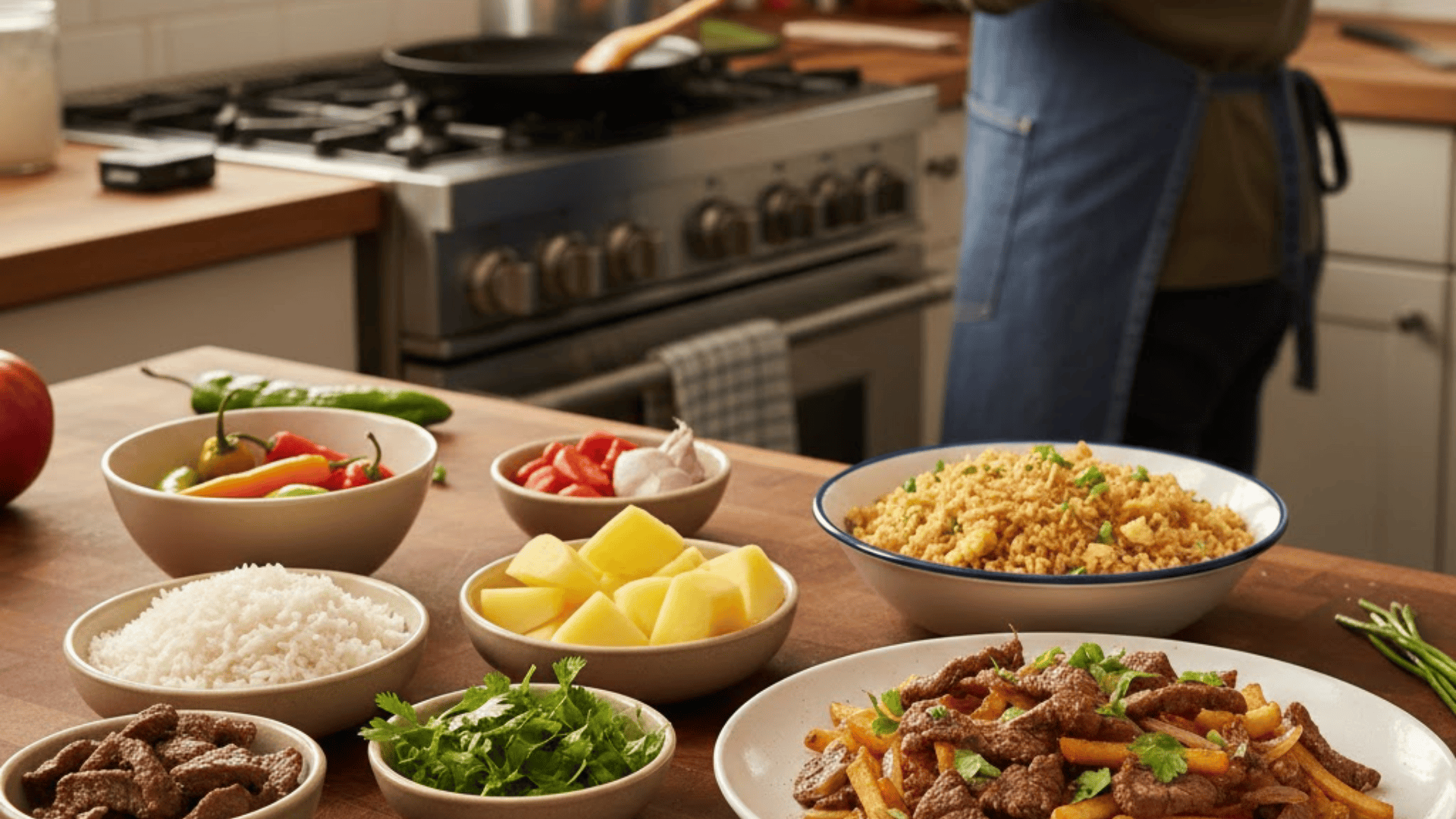
I know exploring Peruvian food recipes can feel overwhelming when you’re just starting out. Picking the right first recipe makes all the difference in your experience. Here’s how to choose the best dish for you:
- Match Your Cooking Skill Level: Beginners should start with simple dishes like lomo saltado or arroz chaufa that use basic stir-fry methods and common techniques.
- Consider Your Spice Tolerance: Peruvian food ranges from mild to extremely spicy, so start with gentle dishes like pollo a la brasa before trying rocoto relleno.
- Check Time and Ingredient Access: Some recipes need hours while others take minutes, so pick dishes that fit your schedule and use ingredients available at local stores.
- Start Famous Then Search Regional Dishes: Well-known recipes like ceviche give you a solid foundation in Peruvian flavors before you try unique regional specialties like ocopa arequipeña.
You’ll enjoy cooking more when recipes match your skills. If you love bold flavors, trying Peruvian and Indian cuisines together makes perfect sense. Start simple and grow from there.
Popular Drinks That Pair Well With Peruvian Food
I find that the right drink makes Peruvian food taste even better. Certain beverages balance out spice and richness perfectly. Here are the drinks Peruvians pair with their meals:
| Drink | Flavor Profile | Best Paired With | Why It Works |
|---|---|---|---|
| Chicha Morada | Sweet and fruity | Grilled meats, fried foods | Sweetness cools spice and refreshes your palate |
| Inca Kola | Sweet and bubblegum-like | Pollo a la brasa, lomo saltado | Carbonation cuts through rich and oily foods |
| Chicha de Jora | Mildly sweet and fermented | Stews, hearty dishes | Fermented taste complements earthy flavors |
| Emoliente | Herbal and warming | Heavy stews, soups | Warm herbs aid digestion after rich meals |
| Mate de Coca | Earthy and mildly bitter | Light dishes, ceviche | Subtle flavor doesn’t compete with delicate foods |
| Fresh Fruit Juices | Sweet and tangy | Spicy dishes, ceviches | Acidity and sweetness balance heat effectively |
Peruvians choose drinks that either cool down spice or cut through richness. The goal is to make each bite taste as good as the first.
Final Thoughts
Now you understand what makes Peruvian recipes so special and worth trying. The mixture of cultures creates flavors you won’t find anywhere else on earth. Each dish tells a story about the people who made it.
I hope you feel excited to bring these tastes into your own kitchen. Start with dishes that match your skill level and spice tolerance. The beautiful thing about these recipes is how they bring people together.
Your family and friends will love experiencing something new and delicious. Peruvian food deserves a spot on every food lover’s bucket list.
Ready to start your Peruvian cooking experience with Yishi? Share which recipe you’ll try first in the comments below.