
I spent years dodging Peruvian restaurants because I assumed the food would destroy my palate. That assumption was completely wrong.
Most traditional dishes sit comfortably between “pleasant warmth” and “gentle kick”, nowhere near the intensity I feared. If you’re thinking about whether Peruvian food is spicy, keep reading.
The cuisine prioritizes balance over fire, layering sweet, sour, and savory notes alongside measured heat.
If you’re searching for Peruvian food and spices for the first time and wondering if your taste buds can handle them, I’m breaking down exactly what to expect based on firsthand experience with these flavors.
What Makes Peruvian Spice Unique
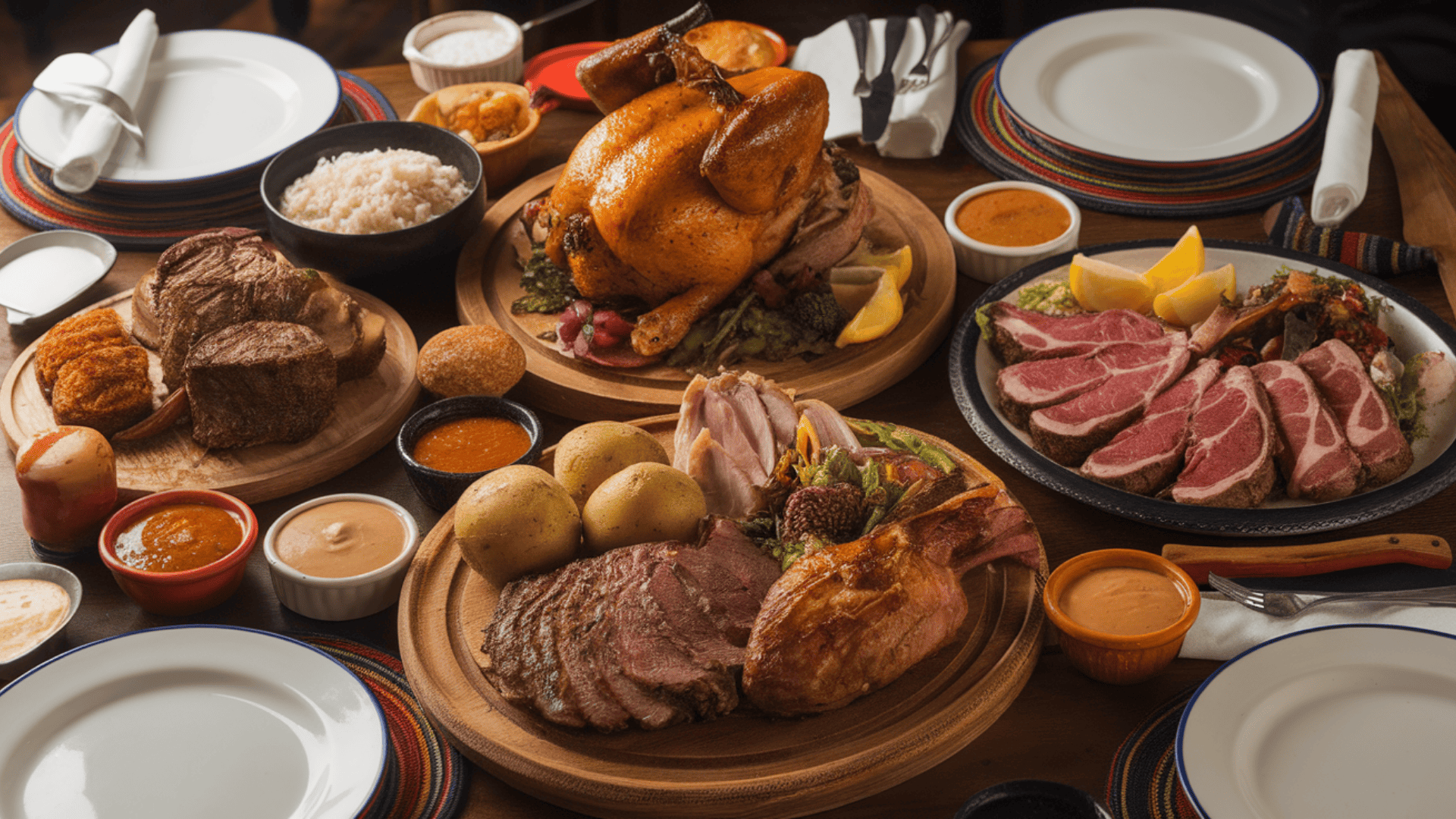
The biggest revelation: you control the heat. Unlike Thai or Sichuan cooking, where spices are cooked in, Peruvian restaurants serve hot sauces, uchucuta, llajuita, ají verde, separately in bowls. The chef builds the flavor foundation, and you decide whether to add fire. This makes the cuisine remarkably accessible.
Request dishes without chili or with reduced amounts, and restaurants accommodate regularly. Sauces arrive tableside for personal customization. Peppers get chosen for flavor complexity first, heat intensity second.
Dairy and starches in recipes naturally buffer spices, while regional styles offer different levels of intensity based on your comfort zone.
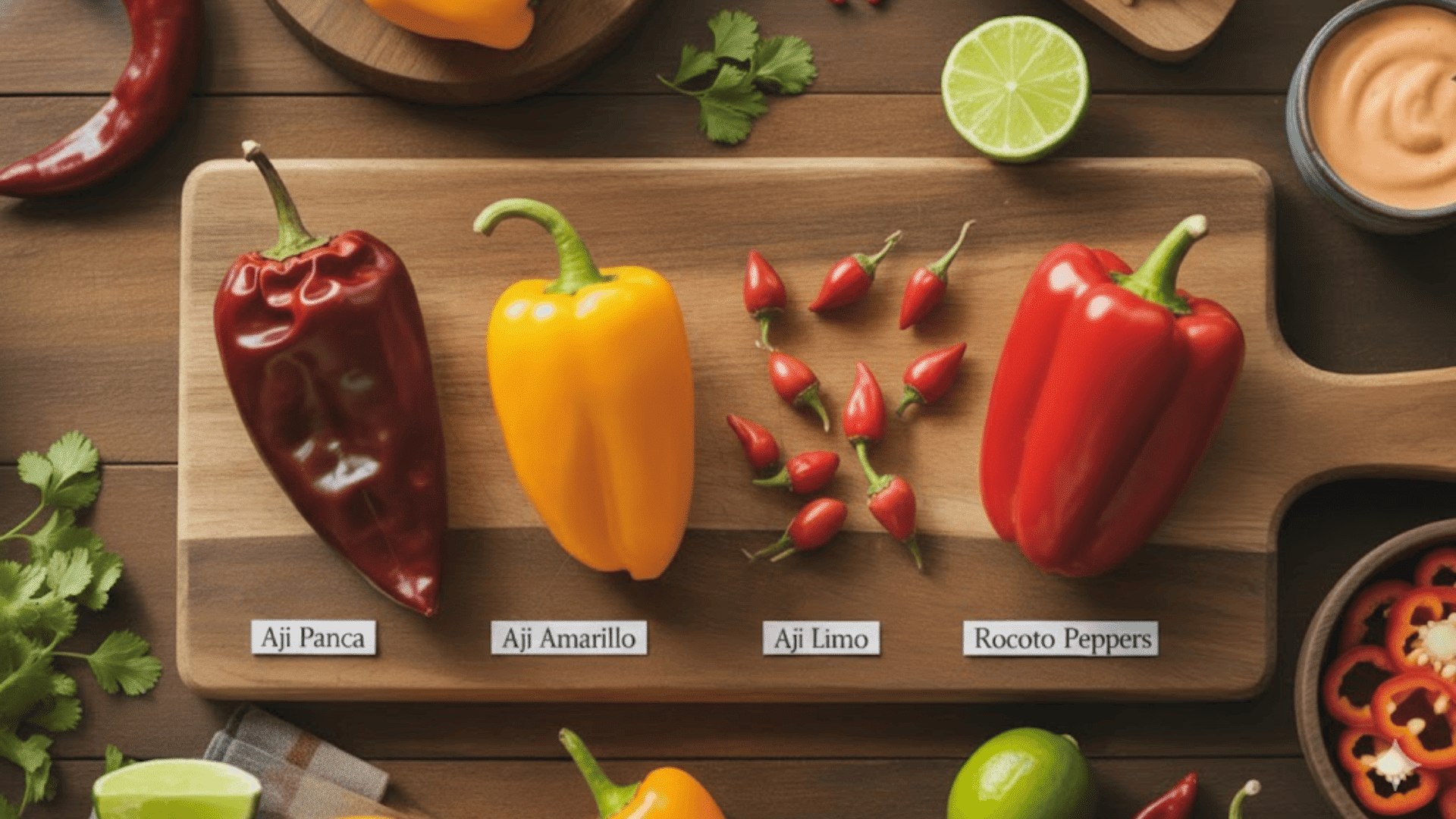
Ají amarillo, the golden pepper that appears everywhere, tastes like tropical fruit, with mango and raisin notes. Ají panca brings smoky, berry-like depth with minimal burn. Flavor drives selection, not capsaicin content.
Understanding Peruvian Peppers and Heat Levels
Understanding Peruvian peppers changed how I order. The table below shows the four main varieties, their heat levels in Scoville Heat Units (SHU), and typical uses. For reference, jalapeños measure 2,500-8,000 SHU.
Here’s your guide to navigating Peruvian spice levels:
| Pepper | Heat (SHU) | Flavor | Common Dishes |
| Ají Panca | 1,000-2,000 | Smoky, berry-like, mild | Anticuchos, stews, marinades |
| Ají Limo | 15,000-30,000 | Citrusy, bright | Ceviche, fresh salsas |
| Ají Amarillo | 30,000-50,000 | Fruity, tropical, balanced | Ají de gallina, papa a la huancaína |
| Rocoto | 30,000-250,000 | Apple-sweet, sharp | Rocoto relleno, specialty sauces |
Ají panca is milder than jalapeños with rich smokiness; don’t let “ají” on menus scare you off. Ají amarillo matches cayenne heat and defines standard Peruvian spice.
When comparing Peruvian and Indian cuisines, both use complex spice layers, though their pepper types and heat profiles differ significantly. Rocoto resembles bell peppers but delivers a serious punch, especially when the seeds are left intact.
Beginner-Friendly Dishes by Spice Intensity
Choosing the right dish prevents spice regret. This breakdown helps you confidently navigate Peruvian menus based on your current heat tolerance.
1. Mild starters for cautious eaters
If you’re new to Peruvian food or prefer gentle flavors, these dishes offer exact taste without overwhelming heat. Start with these safe options:
- Papa a la huancaína uses creamy cheese sauce with just enough ají amarillo for color; dairy mellows everything significantly
- Pollo a la brasa delivers garlic, cumin, and herb flavors with zero required heat
- Causa limeña layers mashed potato with fillings, using yellow potatoes that absorb subtle ají amarillo beautifully
- Arroz con pollo relies on tomatoes and onions for flavor depth without spice drama
These dishes introduce Peruvian flavors without any discomfort risk. Once comfortable here, you’re ready for slightly bolder choices.
2. Moderate options once you’re comfortable
After trying milder dishes, these introduce more pepper flavors without intense heat. Here’s what works for your next step:
- Ají de gallina combines shredded chicken with bread, walnuts, and Parmesan that buffer ají amarillo heat effectively
- Ceviche contains ají limo, but lime juice competes for attention while sweet potato (camote) absorbs intensity between bites
- Lomo saltado pairs beef with double starches, rice, and fries, which act as built-in spice insurance
These dishes let you experience more pepper flavor with manageable heat. The built-in buffers make them perfect for building tolerance gradually.
3. Advanced dishes requiring preparation
Once you’ve built tolerance, these advanced dishes showcase full Peruvian pepper intensity. Approach these only when ready for serious heat:
- Rocoto relleno stuffs peppers after removing seeds and membranes, which drops heat by 60-70% compared to raw peppers
- Jungle-region specialties using charapita peppers that vary wildly from 30,000 to 100,000 SHU within single batches
These dishes represent genuine Peruvian heat levels meant for experienced eaters. Work your way up through milder categories to truly appreciate what these offer.
Managing Heat Like You Know What You’re Doing
Guiding Peruvian spice levels requires strategy, not luck. These practical techniques help you enjoy meals without overwhelming your palate or appearing clueless.
Key Phrases for Restaurant Ordering
Knowing what to say gives you control over your meal’s heat level. Use these Spanish phrases to customize dishes confidently:
- “¿Este plato tiene ají?” – Checks whether dishes contain chili before committing to your order
- “Sin ají, por favor” – Requests no pepper in the dish, removing heat entirely from the preparation
- “Salsa aparte” – Gets sauce served separately for controlled application, letting you decide how much heat to add
- “Poco picante” – Asks for less spice, signaling you want milder preparation without eliminating peppers completely
- “¿Qué tan picante es?” – Asks how spicy something is, helping you gauge intensity before ordering
These phrases show you know what you’re doing and give kitchen staff clear instructions. Restaurants accommodate these requests regularly, so don’t hesitate to customize your meal.
Emergency Cooling Strategies That Work
Knowing what actually helps when heat hits unexpectedly prevents panic and discomfort. Here’s what works when you need relief:
| Strategy | Why It Works | How to Use It |
|---|---|---|
| Rice and potatoes | Absorb capsaicin effectively | One potato buffers 5-8 bites of ají amarillo spice |
| Dairy products | Casein binds to capsaicin | Drink milk or eat yogurt for immediate relief |
| Abundant starches | Buffer heat between bites | Use bread, corn, or extra rice strategically |
| Chicha morada or pisco sour | Resets palate effectively | Sip when intensity is too high |
| Avoid water | Spreads capsaicin, doesn’t bind | Skip water; it worsens discomfort |
Building tolerance works for some but not everyone; genetics play a role. Respecting your heat tolerance makes dining more enjoyable.
Final Remarks
Roughly half of traditional Peruvian dishes are milder than typical Thai curries. I’ve found the cuisine wants you to enjoy it, selecting peppers for flavor rather than punishment.
Sauces arrive on the side, starches buffer the heat, and herbs like cilantro reduce perceived intensity. I suggest starting with coastal preparations and ají panca-based dishes before attempting rocoto.
McCormick named ají amarillo its “Flavor of the Year”, so you’ll see Peruvian food more often. If you’ve thought, “Is Peruvian food spicy?“ now’s the perfect time to explore.
Comment below with your thoughts.