


The lemon tea recipe is one of the simplest drinks I rely on when I want something warm, light, and refreshing without effort.
I usually prepare this drink during busy mornings when I want something comforting yet quick. I also use it in the evening when I want something calming and light. This guide explains how to make lemon tea simply, avoiding bitterness and keeping the flavor balanced.
This recipe focuses on basic ingredients and easy steps so anyone can prepare it at home without confusion or special tools.
Why Lemon Tea is Popular
Lemon tea is widely searched because it is simple, quick, and flexible, making it an easy drink to fit into daily routines.
It requires very few ingredients yet delivers a refreshing taste that suits different moods and seasons. One of the biggest reasons for its popularity is how fast it can be prepared, usually in under five minutes, which makes it ideal for busy mornings or short breaks.
It also uses basic kitchen ingredients like lemon, honey, and water, so it is accessible to almost everyone. Another reason people prefer it is its versatility: it can be enjoyed hot in cold weather or served iced in summer.
Many also choose it as a caffeine-free option when they want something light instead of tea or coffee. Because of this balance of ease, taste, and comfort, the lemon tea continues to stay highly popular across search engines and recipe blogs
Lemon Tea Recipe Ingredients
Before starting, it is important to understand that balance matters more than quantity in this recipe. Each ingredient plays a simple but important role in taste.
| Ingredient | Quantity | Purpose |
|---|---|---|
| Lemon juice | 1 tbsp | Fresh citrus flavor |
| Honey | 1–2 tsp | Balances the sour taste |
| Warm water | 1 cup | Base of the drink |
| Tea powder (optional) | 1 tsp | Stronger variation |
These simple ingredients make the recipe flexible and easy to adjust to personal taste.
How to Make Lemon Tea
The goal is to maintain balance between sourness, sweetness, and temperature so the flavor stays smooth. The drink is flexible, so adjustments can be made based on personal preference.
I usually focus on warmth and freshness rather than intensity. I also prefer using fresh lemon juice because it keeps the flavor clean.
Once the method becomes familiar, the process feels natural and easy to repeat. The steps below clearly explain the full preparation.
1. Cut the lemon
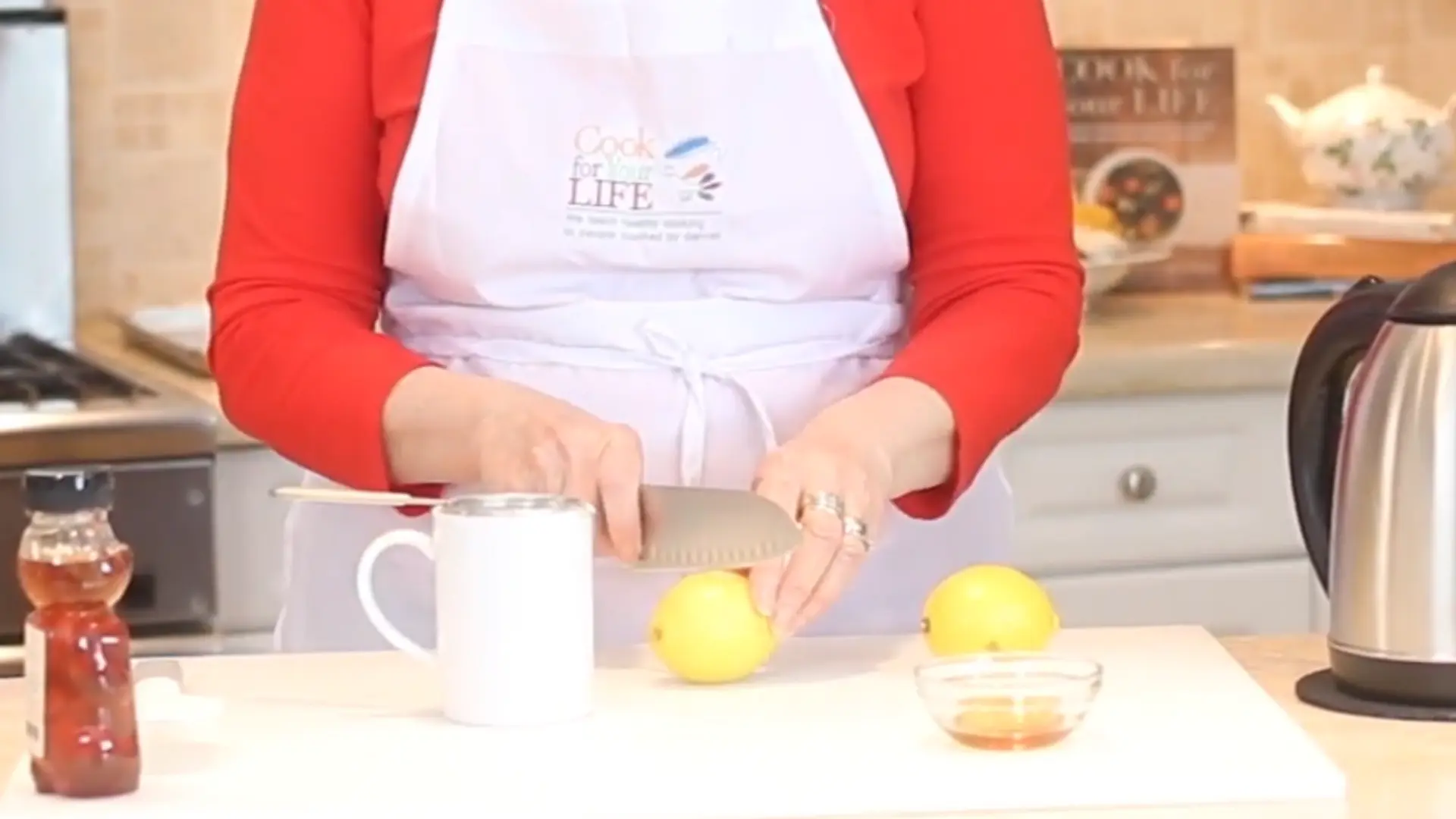
Take a fresh lemon and cut it into two halves. Fresh lemons work best because they give stronger juice and better aroma. Organic lemons are often preferred because they can also be used for zest and have a richer flavor.
Step 2: Squeeze the lemon juice

Squeeze the lemon directly into a cup using your hand or a lemon squeezer. Press firmly to extract as much juice as possible. Freshly squeezed juice gives a brighter taste compared to bottled lemon juice and forms the base of the drink.
Step 3: Add hot water
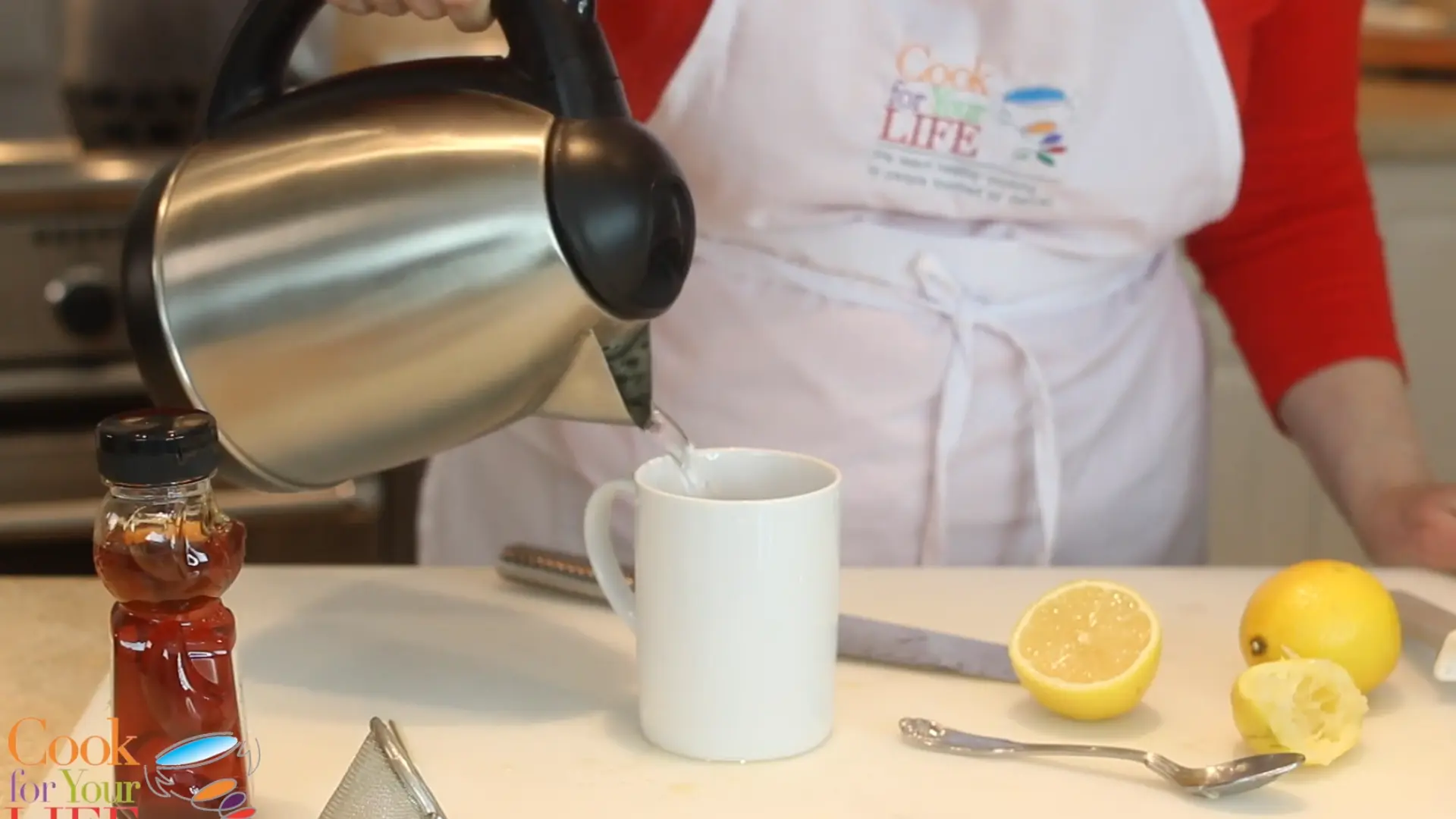
Pour a small amount of hot water into the cup with lemon juice. This helps release the natural aroma of lemon and makes the mixture warm and soothing. The heat also helps combine the flavors more easily.
Step 4: Add honey
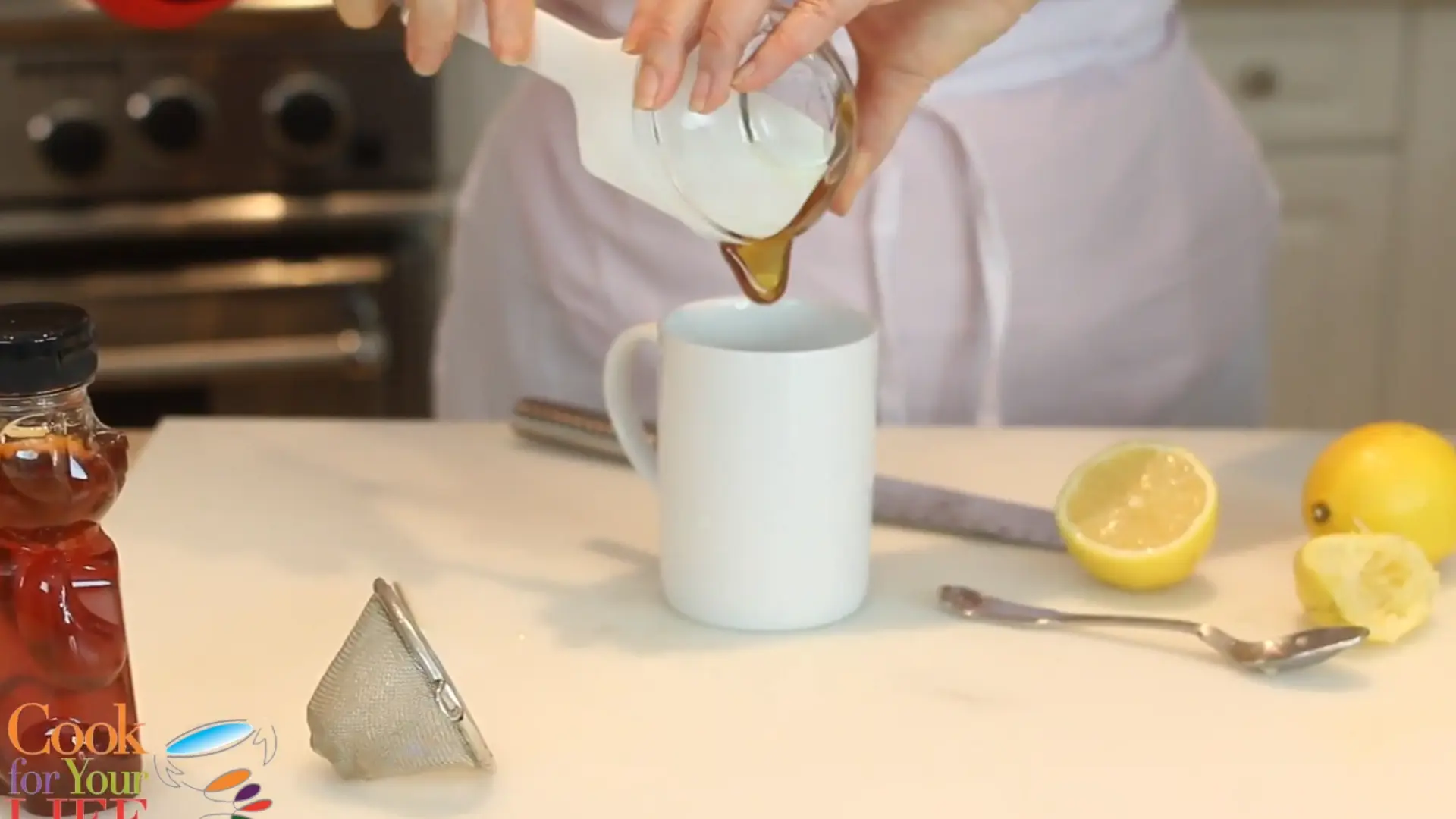
Add honey to the warm lemon mixture. At first, it may sit at the bottom due to its thickness, but it will gradually melt into the liquid. Honey adds natural sweetness and balances the sourness of lemon, making the drink more pleasant.
Step 5: Loosen the honey with more hot water
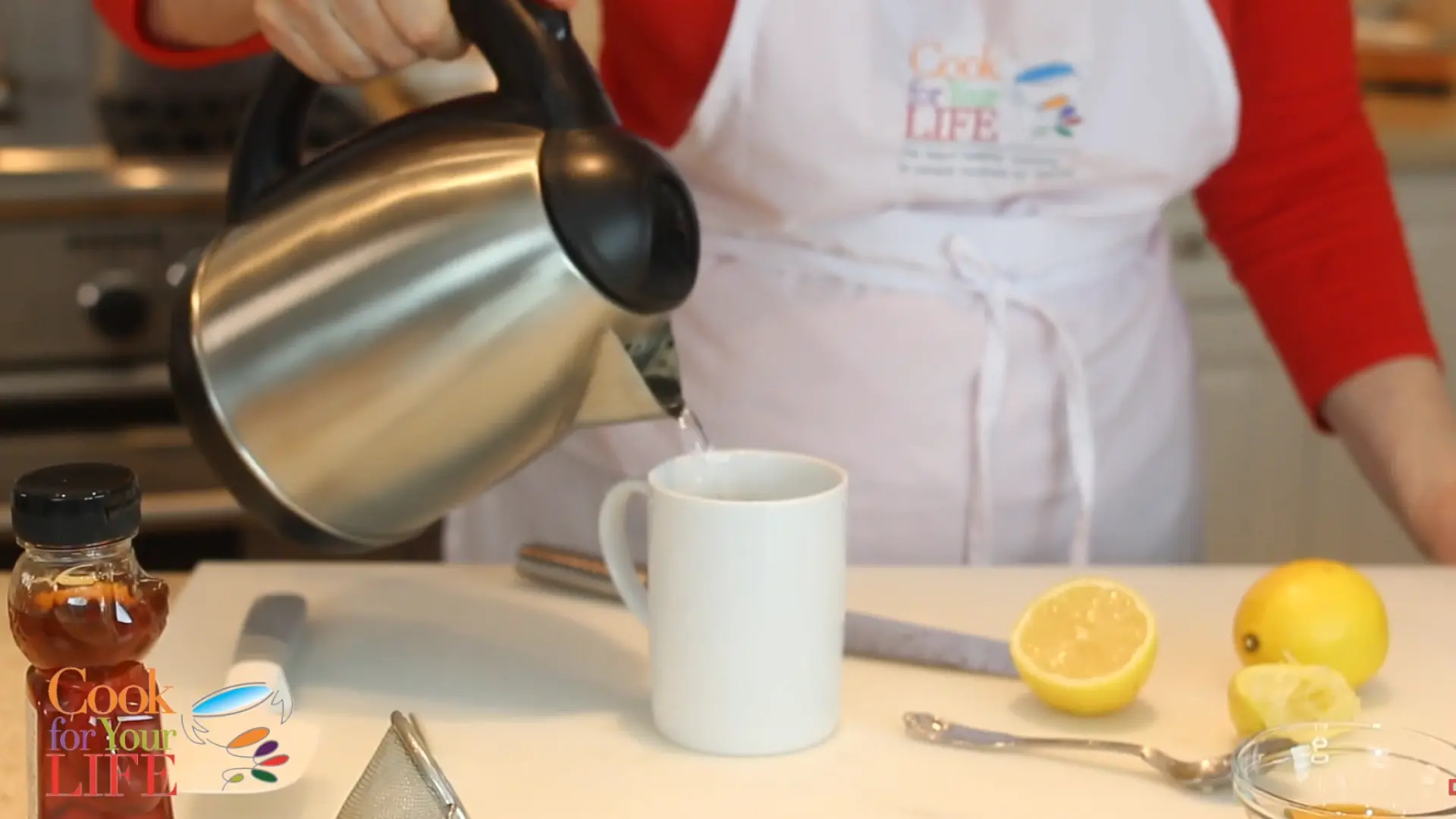
Add a little more hot water to fully dissolve the honey. This step ensures that the drink becomes smooth and evenly mixed. It also helps adjust the strength of the flavor depending on how strong or light you want the drink.
Step 6: Stir well

Mix everything thoroughly using a spoon until the lemon juice, honey, and water blend completely. Stirring ensures a consistent taste in every sip and helps the drink warm up, become smooth, and be well-balanced.
Step 7: Serve and enjoy

Your lemon-and-honey drink is ready to serve. Drink it warm for the best soothing effect, especially when feeling tired or under the weather. It works as a simple comfort drink and can be enjoyed anytime.
For a video tutorial of this recipe, refer to this video.
Variations of Lemon Tea
The recipe can be adjusted in simple ways by adding small ingredients that completely change flavor, purpose, and mood while still keeping the base of lemon and warm water intact.
1. Ginger Lemon Tea

Ingredients: Lemon juice, warm water, grated ginger, honey.
Best for: Cold weather, sore throat, morning refreshment.
Best time to drink: Early morning or during cold evenings when the body needs warmth and comfort.
Benefits: Ginger adds warmth, soothes the throat, and improves digestion. It strengthens the comforting effect of the lemon tea and makes it more suitable during seasonal changes or when the body needs something warm and calming.
2. Mint Lemon Tea
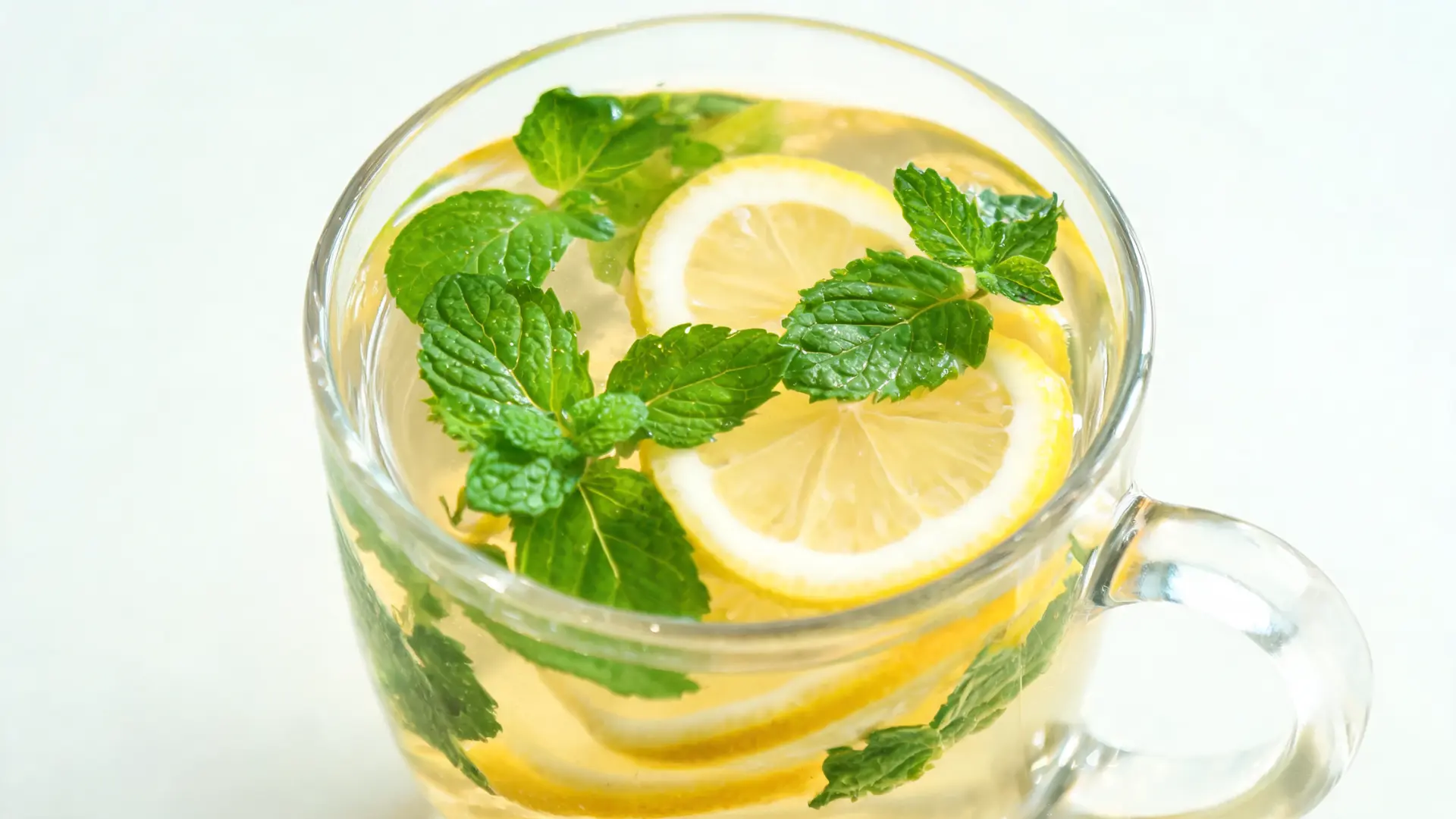
Ingredients: Lemon juice, warm water, fresh mint leaves, honey.
Best for: Summer refreshment, light hydration, after meals.
Best time to drink: Afternoon or after lunch, when you need a cooling, refreshing drink.
Benefits: Mint adds a cooling and refreshing effect that enhances freshness and aroma. It lightens the tea, making it more suitable for hot weather while also helping to achieve a clean, soothing aftertaste.
3. Iced Lemon Tea

Ingredients: Lemon juice, water, honey/sugar, ice cubes, optional mint.
Best for: Hot weather, summer drinks, chilled refreshment.
Best time to drink: Midday or hot afternoons when the body needs cooling and hydration.
Benefits: This cold version keeps hydration light and refreshing while offering a cooling effect. It transforms the tea into a summer-friendly drink that is easy to prepare in advance and serve chilled.
4. Black Lemon Tea
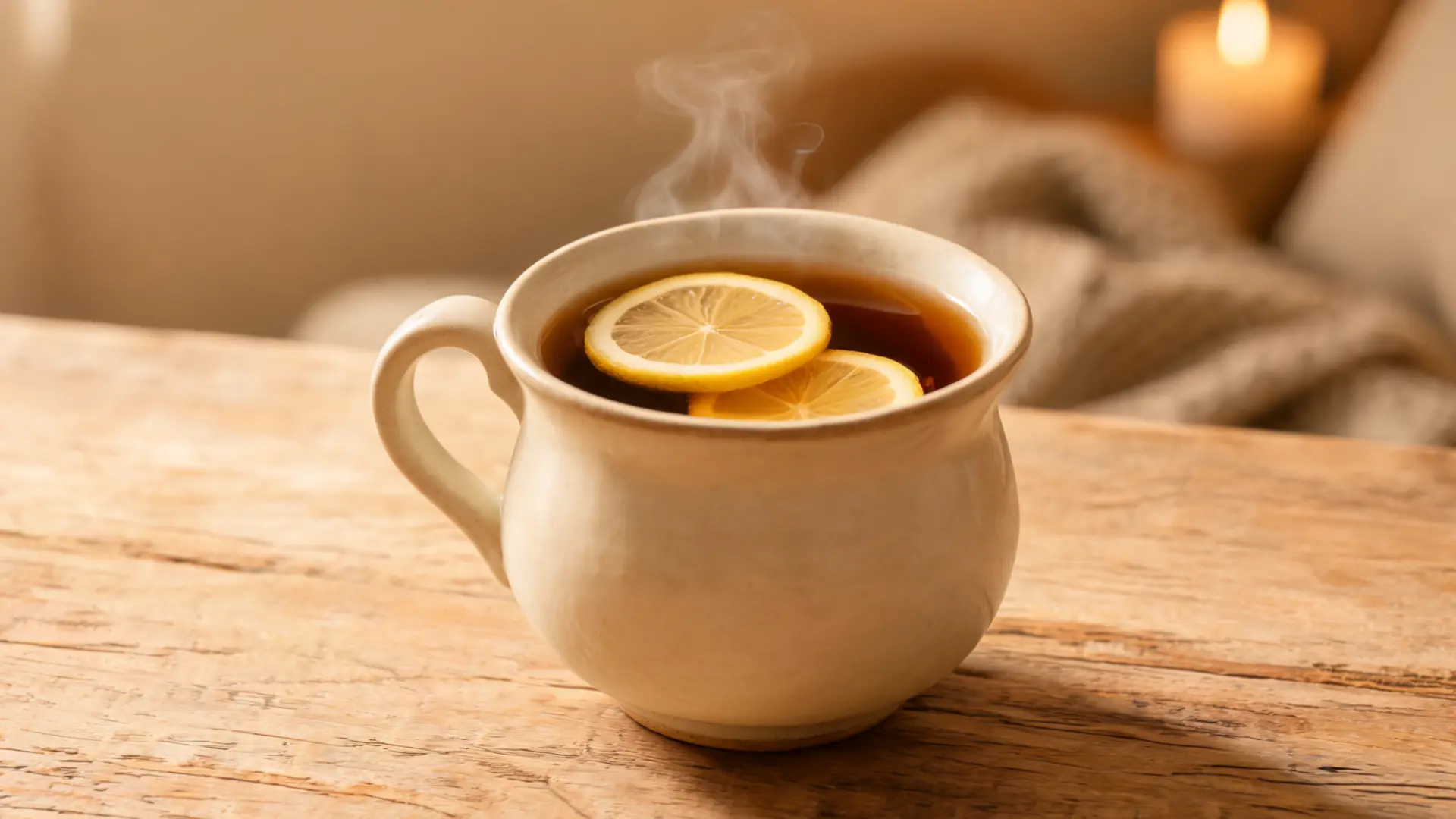
Ingredients: Lemon juice, tea decoction, warm water, honey/sugar.
Best for: Morning energy, mild caffeine boost, stronger tea lovers.
Best time to drink: Early morning or work hours when you need focus and an energy boost.
Benefits: Adding black tea creates a stronger, more traditional tea flavor with mild caffeine. It enhances energy levels while keeping the tea balanced between citrus freshness and deep tea richness.
How to Store Lemon Tea
Before storing lemon tea, note that it is best enjoyed fresh, as the citrus flavor diminishes over time. However, if you need to store it, proper handling can help maintain taste and freshness for a short period.
- Let the lemon tea cool completely before storing to avoid condensation and flavor loss
- Transfer it into a clean glass or BPA-free airtight container to preserve freshness
- Store in the refrigerator to slow down flavor changes and maintain quality
- Consume within 24–48 hours for best taste and aroma
- Shake or stir well before serving, as ingredients may settle over time
Following these steps helps maintain the quality of the lemon tea, even though fresh preparation always gives the best flavor and experience.
Health Benefits of Lemon Tea
Before listing the benefits, it is important to note that the recipe uses simple, natural ingredients such as lemon, honey, and warm water.
Each ingredient plays a role in how the drink feels and in supporting hydration, comfort, and refreshment, rather than acting as a medical solution.
| Ingredient | The benefit it provides |
|---|---|
| Lemon juice | Rich in vitamin C, it supports freshness, adds a refreshing taste, and helps create a light, cleansing drink experience. |
| Honey | Naturally sweetens the drink while soothing the throat and balancing the sourness of lemon. |
| Warm water | Helps with hydration and improves ingredient absorption while making the drink gentle and easy to consume. |
| Mint (optional) | Adds cooling freshness and improves aroma, making the drink more refreshing and easier to enjoy in warm weather. |
| Ginger (optional) | Adds warmth and supports digestive comfort, making the lemon tea more suitable for cold weather. |
These ingredients work together to make the lemon tea simple yet effective in providing hydration, comfort, and refreshment throughout the day.
Lemon Tea for Cold and Cough Relief
Lemon tea is often chosen during cold weather or seasonal changes because it feels warm, soothing, and easy on the throat.
It is not a medical treatment, but it is widely preferred as a natural, soothing beverage that helps ease breathing and throat irritation.
Lemon provides a refreshing citrus flavor, while honey adds a smooth coating that feels calming on the throat.
Warm water helps relax the body and makes the drink easy to consume when you are feeling weak or congested.
Some people also add ginger to increase warmth and comfort, making the drink more suitable during colds.
Overall, the lemon tea recipe becomes a go-to option when someone wants a light, warm drink that feels gentle and refreshing during cold and cough discomfort.
Common Mistakes to Avoid
Even though the lemon tea is simple and quick to prepare, small mistakes can easily change its final taste and overall quality.
Paying attention to these details helps maintain a smooth, balanced, and refreshing drink every time you make it.
- Using boiling water instead of warm water can make the lemon taste bitter and reduce its freshness
- Adding lemon juice to very hot liquid may create a sharp or unpleasant flavor imbalance
- Overusing sweeteners like honey or sugar, which can overpower the natural citrus taste of the drink
- Using bottled lemon juice instead of fresh lemon, which often results in a flat and less vibrant flavor
Avoiding these simple mistakes ensures the lemon tea stays light, refreshing, and consistently enjoyable every time you prepare it.
Frequently Asked Questions
Can lemon tea be consumed daily?
Yes, lemon tea can be consumed daily in moderation. Many people include it in their routine because it is light and refreshing. The lemon tea offers flexibility in sweetness and strength, making it suitable for regular use without feeling heavy or overwhelming when consumed in balanced portions throughout the day.
Is lemon tea different from lemon water?
Yes, lemon tea is different from lemon water. Lemon water is simply lemon juice mixed with water, while lemon tea includes warm water and often honey. The tea creates a more balanced flavor compared to plain lemon water.
Can I make iced lemon tea?
Yes, iced lemon tea can be made using the same base recipe. Once prepared, it can be chilled and served with ice cubes. Many people also add mint for extra freshness.
Why does lemon tea taste bitter?
A bitter taste usually comes from boiling water or from overheating lemon juice. Using warm water keeps the flavor smooth in the lemon tea
Can I skip honey?
Yes, honey is optional. The lemon tea works without sweetener, but honey helps balance sourness and improves taste.
Does lemon tea help with relaxation?
Lemon tea is often enjoyed for its warm and calming nature. The lemon tea makes a light drink that many people enjoy during breaks or in the evenings.
Conclusion
Wrapping up, making a simple warm drink at home is easier than most people think when the steps are clear and the ingredients are basic.
I’ve shared how small choices like water temperature, fresh lemon juice, and the right balance of honey can completely change the taste and comfort level.
When I prepare this lemon tea recipe, I notice how quickly it fits into my routine, and I can also adjust it based on my mood or the season.
You now know how to avoid common mistakes, choose the right variations, and use them for different times of the day.
These small details help you get a smoother, more refreshing cup every time. Try it yourself and see what version works best for you, and feel free to share your experience or explore more simple drink ideas here