

Many people reach for yogurt when heartburn strikes, but not every type works the same.
If you’ve been asking, is yogurt good for acid reflux, answer is yes, but only when you pick the right kind and pair it wisely.
These days my mornings run on a routine I pieced together after weeks of trial and error, and yogurt earned its spot in it.
In this guide, you’ll understand why yogurt helps, which styles work best, which add-ins are safe, and when yogurt might not be the answer for you.
This article is for general information only and isn’t a substitute for advice from a doctor or registered dietitian, especially if your symptoms are frequent or severe.
Science Behind Acid Reflux
When you swallow, food moves down your esophagus and passes through the lower esophageal sphincter (LES), a ring of muscle, before reaching your stomach.
Sometimes, this muscle doesn’t close properly or relaxes when it shouldn’t.
As a result, stomach acid can flow back into the esophagus; this is called acid reflux (if it happens frequently, it may be a sign of gastroesophageal reflux disease, or GERD), which often causes symptoms like heartburn, a sour taste in the mouth, or chest discomfort.
How to Pick the Right Yogurt for Acid Reflux
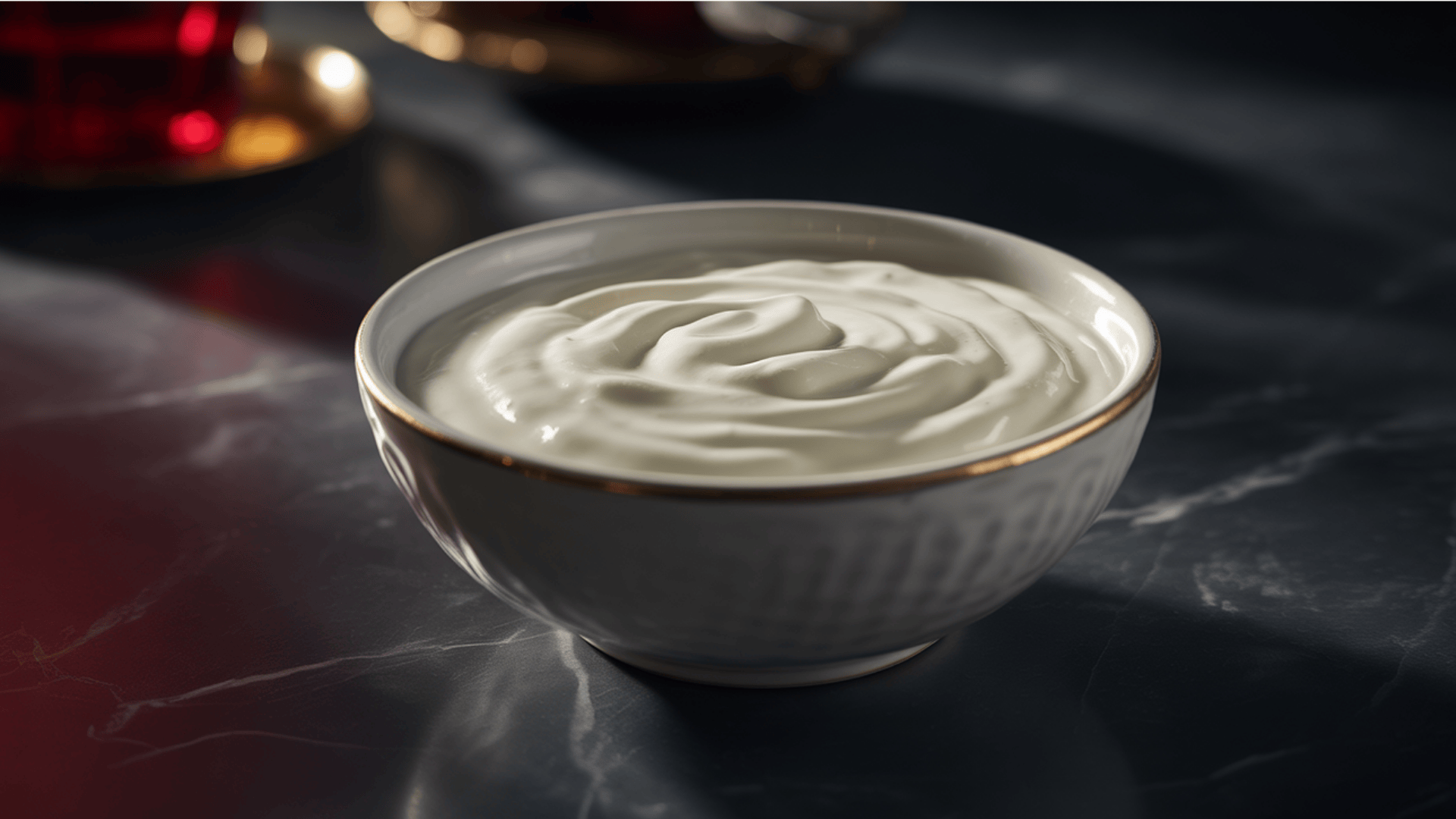
Look for 1-2% fat on the nutrition panel rather than trusting the front label.
Choose yogurt with no added sugar. Natural lactose, usually 4-8g per serving, is fine, but fruit-on-the-bottom varieties often sneak in 10-15g of added sugar.
Look for the “Live and Active Cultures” seal, since some brands heat-treat yogurt after fermentation and kill the bacteria while still calling it “cultured.”
None of this has to be complicated to plan around, especially with a 7-day meal plan built around simple daily meals to fall back on when you’re deciding what else to serve alongside it.
What Yogurt Styles to Go for To Avoid Acid Reflux
| Type | Fat Content | Best For | Key Benefit |
|---|---|---|---|
| Regular low-fat yogurt | 1–2% | Most people with reflux | Affordable, widely available, and well studied |
| Greek yogurt | 1–2% | People who feel bloated after regular yogurt | Lower in lactose, higher in protein, and thicker |
| Icelandic yogurt (Skyr) | 0–2% | Those who want extra protein | Very low in fat with a thick texture and mild flavor |
| Plant-based yogurt | Varies | People with dairy sensitivity or intolerance | Dairy-free, although evidence for reflux is limited |
| Lactose-free yogurt | 1–2% | People with lactose intolerance but no dairy allergy | Easier to digest while offering a similar texture |
Start with regular low-fat if cost matters, switch to Greek or Skyr if bloating is an issue, and reach for plant-based or lactose-free only if dairy itself is triggering your symptoms.
Safe Add-Ins For Your Yogurt
Plain yogurt works on its own, but the right add-ins make it more enjoyable without increasing reflux risk.
- Bananas
- Melons and pears
- Rolled oats or low-sugar granola
- Ground flaxseed or chia seeds
- Almonds or a small handful of walnuts
- Cinnamon
Serve it alongside anything but coffee if mornings are already touchy, since coffee and acid reflux rarely mix well.
When Yogurt Might Not Work for Acid Reflux
About 15-20% of people with reflux find their symptoms get worse with dairy, regardless of fat content or lactose levels.
If reflux worsens after 2-3 tries with plain, low-fat yogurt, dairy protein sensitivity is the likely culprit.
Switch to unsweetened plant-based yogurt or a standalone probiotic supplement instead.
Note: Give any new approach 2-3 weeks before judging results, and track how many reflux episodes you actually have per week rather than relying on how you feel in the moment.
Common Mistakes You Should Avoid
Choosing flavored or full-fat yogurt is a common mistake because both are more likely to trigger acid reflux.
Eating large portions can also lead to discomfort, even if you’ve picked the right yogurt.
It also helps to avoid eating yogurt right before bed, since lying down can make reflux worse.
Finally, skip acidic fruits and sugary syrups, as they may cancel out yogurt’s soothing effect.
The same logic that keeps citrus off your yogurt is worth remembering the next time marinara on pasta looks tempting.
Seek medical advice if you have trouble swallowing, unexplained weight loss, persistent chest pain, or ongoing vomiting, since these can point to something beyond everyday reflux.
The Bottom Line
Yogurt doesn’t have to be off the table just because you deal with acid reflux. Is yogurt good for acid reflux?
For most people, yes, as long as you choose plain, low-fat varieties with live cultures and pair them with gentle, low-acid add-ins.
If one type doesn’t sit right, don’t give up on yogurt entirely, but try a different type, a smaller portion, or just give it more time.
What’s your go-to yogurt for calming heartburn? Drop a comment and let me know what’s worked for you.
Frequently Asked Questions
What Is the Best Time to Eat Yogurt?
The best time to eat yogurt for acid reflux is at breakfast or between meals, at least 3 hours before lying down.
What Ice Cream Is Good for Acid Reflux?
No ice cream is ideal for acid reflux. If you choose one, a low-fat, low-sugar, or dairy-free option may be easier to tolerate.
Does Drinking Cold Water Help Acid Reflux?
Cold water may temporarily soothe heartburn for some people, but it does not stop acid reflux or treat its underlying cause.
Can I Eat Ritz Crackers With Acid Reflux?
Yes, Ritz crackers are generally fine in small amounts. However, whole-grain crackers are usually a better choice because they contain more fiber.