


Tea is mildly acidic, with most types landing between pH 4.9 and 6.5.
That’s gentle enough that it rarely causes problems, but if you deal with acid reflux or a sensitive stomach, you’ve probably noticed that some cups sit fine while others leave you uncomfortable within minutes.
The difference usually comes down to three things: the type of tea, how long it’s brewed, and what gets added to it.
A shortly-steeped green tea and a fruit tea loaded with hibiscus and citrus aren’t playing in the same league, acidity-wise, even though both are technically tea.
This breaks down the pH of each tea type, what pushes that number up or down, and which options are easiest on a sensitive stomach.
So, is Tea Acidic?
Yes, tea is slightly acidic. Most teas have a pH between 4.9 and 6.5, although the exact level depends on the tea variety and how it is prepared.
Tea is generally less acidic than coffee and many soft drinks. While its mild acidity is unlikely to affect most people, some individuals with acid reflux or a sensitive stomach may notice symptoms after drinking certain teas.
Choosing lower-acid varieties and avoiding acidic additions like lemon can help if needed.
Tea pH Levels by Type
Each type of tea has its own pH range, which affects how acidic it is. Some teas are naturally milder, while others contain more acidic ingredients.
| Tea Type | Typical pH Range | Acidity Level | Notes |
|---|---|---|---|
| Black tea | 4.9–5.5 | Mildly acidic | Rich in tannins and has a bold flavor. |
| Green tea | 6.0–7.0 | Slightly acidic to near neutral | Generally less acidic than black tea. |
| Oolong tea | 5.5–6.5 | Mildly acidic | Falls between black and green tea in processing and acidity. |
| White tea | 6.0–7.0 | Slightly acidic | Lightly processed with a delicate flavor. |
| Herbal tea (chamomile, peppermint, fennel) | 6.0–7.0 | Mildly acidic to near neutral | Acidity depends on the herbs used. |
| Lemon tea | Around 3.0–4.0 | More acidic | Fresh lemon juice significantly lowers the pH. |
| Fruit or berry tea | 2.5–4.0 | Highly acidic | Fruits such as hibiscus and berries naturally increase acidity. |
The pH values listed are approximate and can vary based on the tea variety, brewing time, water quality, and any added ingredients such as lemon or milk.
Is Green Tea Acidic?
Yes, green tea is also acidic, but it is generally less acidic than black tea. Most brewed green teas have a pH of about 6.0 to 7.0, placing them close to neutral.
Its lower tannin content and minimal processing contribute to its milder acidity. For most people, green tea is gentle on the stomach when consumed in moderation.
However, because it contains caffeine, it may still trigger acid reflux or stomach discomfort in some individuals, especially when consumed on an empty stomach.
Brewing green tea for a shorter time and avoiding acidic additions like lemon can help keep it milder.
Green tea itself ranges from delicate sencha to bold matcha, and flavor and caffeine differences across the best green teas to drink vary enough to change how mild or sharp a cup feels,
Is Herbal Tea Acidic?
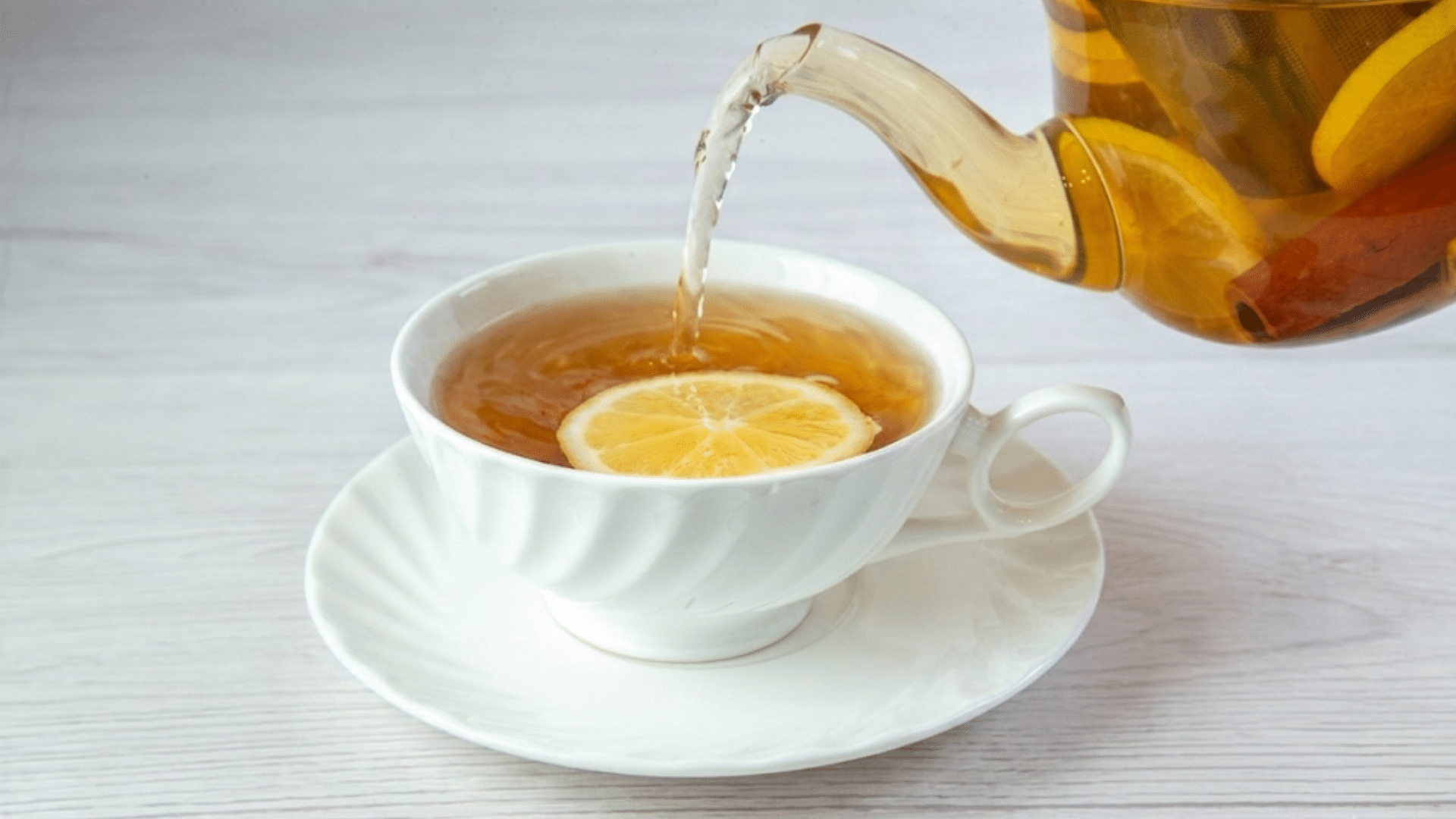
Herbal teas vary in acidity because they are made from herbs, flowers, fruits, and spices rather than traditional tea leaves. Their pH depends on the ingredients used, with some being nearly neutral and others naturally more acidic.
- Chamomile Tea: Usually close to neutral, making it one of the gentler herbal teas for sensitive stomachs.
- Peppermint Tea: Mildly acidic and generally low in acidity, though it may trigger reflux in some people by relaxing the lower esophageal sphincter.
- Ginger Tea: Slightly acidic with a pH close to neutral. Many people find it soothing for digestion when consumed in moderation.
- Fennel Tea: Low in acidity and commonly enjoyed after meals because of its mild, digestive-friendly nature.
- Rooibos Tea: Naturally low in acidity and caffeine-free, making it a popular choice for those looking for a gentler tea.
- Hibiscus Tea: One of the most acidic herbal teas due to its naturally occurring organic acids, giving it a tart flavor.
- Fruit Herbal Teas: Often more acidic than herb-based teas because ingredients like berries, citrus, and rose hips naturally lower the pH.
What Makes Some Teas More Acidic Than Others?
Some teas are more acidic because of their ingredients, processing methods, and brewing conditions. Fruit, citrus, and longer brewing times generally produce a lower pH than plain tea.
Several factors shape a tea’s acidity. Traditional teas, including black, green, white, and oolong, all come from the Camellia sinensis plant, but their level of oxidation shifts the pH slightly.
That oxidation difference shows up clearly within black tea types by taste and strength, where Assam, Darjeeling, and Ceylon each carry a distinct body and acidity even from the same plant.
Herbal teas vary even more because they are made from different herbs, flowers, spices, or fruits. Ingredients like hibiscus, rose hips, berries, and lemon naturally contain organic acids, making those teas more acidic.
Brewing tea for longer periods can extract more tannins and acidic compounds, while adding lemon lowers the pH further. Water quality and mineral content can also cause small changes in the final acidity of brewed tea.
How Tea’s Acidity Affects Your Body?
Tea is only mildly acidic, but its effects can vary depending on your health, the type of tea you drink, and how much you consume. For most people, moderate tea intake does not cause problems, though some individuals may notice discomfort.
- Acid Reflux: Mildly acidic teas and caffeinated varieties can trigger heartburn or reflux symptoms in some people, especially when consumed on an empty stomach.
- Stomach Sensitivity: People with gastritis or a sensitive stomach may experience irritation after drinking stronger teas, while lower-acid herbal teas are often easier to tolerate.
- Tooth Enamel: Acidic teas, particularly fruit and lemon teas, can gradually wear down tooth enamel with frequent exposure. Rinsing your mouth with water afterward can help.
- Digestion: Most teas are gentle on the digestive system, but individual ingredients such as peppermint or ginger can affect people differently.
- Hydration: Tea contributes to your daily fluid intake, and its mild acidity does not reduce its ability to keep you hydrated.
- Overall Health: For healthy adults, the slight acidity of tea is not considered harmful when consumed as part of a balanced diet.
Best Low-Acid Teas for Sensitive Stomachs
If you have a sensitive stomach or experience acid reflux, choosing teas with lower acidity may help reduce irritation. While everyone’s tolerance is different, these teas are generally considered gentler than highly acidic fruit or citrus blends.
| Tea Type | Acidity Level | Why It’s a Good Choice |
|---|---|---|
| Chamomile Tea | Low | Naturally mild and caffeine-free, making it a soothing option for many people. |
| Rooibos Tea | Low | Contains no caffeine and has a naturally low acidity level. |
| Fennel Tea | Low | Gentle on the stomach and commonly enjoyed after meals to support digestion. |
| Ginger Tea | Low to Moderate | Mildly acidic and often well tolerated when brewed without citrus. |
| White Tea | Low | Lightly processed and generally less acidic than black tea. |
| Green Tea | Low to Moderate | Close to neutral pH, though its caffeine content may bother some people. |
| Licorice Root Tea | Low | Naturally mild and often chosen for its soothing properties, unless medically contraindicated. |
| Marshmallow Root Tea | Low | Naturally low in acidity and traditionally used to help coat and soothe the digestive tract. |
People with medical conditions, those taking medications, or anyone who is pregnant should consult a healthcare professional before regularly consuming herbal teas such as licorice root or marshmallow root.
How to Make Tea Less Acidic?
Small changes to how you prepare and drink tea can help reduce its acidity. These simple habits may make tea more comfortable for people with sensitive stomachs or acid reflux.
- Brew for a Shorter Time: A shorter steeping time limits the release of tannins and other compounds that contribute to a stronger, more acidic taste.
- Use Less Tea: Reducing the amount of tea leaves or using a lighter tea bag creates a milder brew.
- Cold Brew Instead: Cold brewing produces a smoother tea with fewer bitter and acidic compounds than traditional hot brewing.
- Skip Citrus Additions: Lemon, lime, and other citrus ingredients lower the tea’s pH, making it more acidic.
- Add a Splash of Milk: Milk can mellow the flavor of black tea and may make it feel gentler for some people.
- Choose Naturally Mild Teas: Green tea, white tea, chamomile, rooibos, and fennel tea are generally lower in acidity than fruit-based or citrus teas.
- Avoid Overly Strong Brews: Very concentrated tea may taste harsher and can be more irritating to sensitive stomachs.
Cold brewing pulls fewer acidic compounds out of the leaves than a hot steep, and getting the ratio right is most of the work, which is really what making iced tea at home comes down to.
Tea and Coffee: Which Is More Acidic?

Yes, coffee is generally more acidic than tea. While most teas have a pH between 4.9 and 7.0, brewed coffee typically ranges from 4.8 to 5.2, making it slightly more acidic overall.
The difference is not just the pH but also the types of acids each beverage contains. Coffee has higher levels of chlorogenic and quinic acids, which contribute to its acidity and stronger flavor.
Tea is usually milder, although fruit and lemon teas can be more acidic than regular black or green tea.
For people with acid reflux or a sensitive stomach, low-acid herbal teas or green tea are often better tolerated than coffee, though individual responses can vary
Common Mistakes to Avoid When Drinking Tea
Small changes in how you prepare and drink tea can make a noticeable difference, especially if you have a sensitive stomach or want to protect your teeth. Keeping these habits in mind can help you enjoy tea more comfortably.
- Oversteeping Tea: Brewing tea for too long can extract more tannins, resulting in a stronger, slightly more acidic taste.
- Drinking Tea on an Empty Stomach: Caffeinated teas may irritate the stomach or trigger discomfort in some people when consumed before eating.
- Adding Lemon Frequently: Lemon juice lowers the pH of tea, making it more acidic than plain brewed tea.
- Sipping Tea Throughout the Day: Frequent sipping extends your teeth’s exposure to acids, which may increase the risk of enamel wear over time.
- Brushing Immediately After Drinking Tea: Wait about 30 minutes before brushing to help protect softened tooth enamel.
- Choosing Fruit Teas Without Checking Ingredients: Teas containing hibiscus, berries, rose hips, or citrus are often more acidic than herbal or traditional teas.
Final Thoughts
As someone who enjoys trying different teas, I’ve learned that small changes, like choosing a milder variety or shortening the brewing time, can make a noticeable difference in how a cup feels.
Tea doesn’t have to be completely acid-free to fit into a healthy routine. The key is understanding which types work best for your body and preparing them in a way that suits your needs.
If you enjoy black, green, white, or herbal tea, knowing their acidity levels can help you make more informed choices and sip with greater comfort.
If you’ve found a tea that feels especially gentle on your stomach, share your experience in the comments below!
Frequently Asked Questions
Does Decaffeinated Tea Help With Acid Reflux?
Decaffeinated tea may be a better option for some people since it contains much less caffeine, a common reflux trigger.
Can Drinking Tea Before Bed Make Acid Reflux Worse?
Yes. Drinking tea close to bedtime, especially caffeinated tea, may increase the chance of nighttime reflux symptoms.
Is Cold Brew Tea Less Acidic Than Hot Brew Tea?
Generally, yes. Cold-brewed tea often extracts fewer bitter and acidic compounds, giving it a smoother taste.







One Response
Thank you so much, for this erudite information about acidity and alkalinity in different types tea.
I am now better informed and your write has equally informed my choices about tea 🍵.