

If you’ve ever looked at a baked potato and wondered if it’s healthy, you’re not alone. I used to think it was just a carb-heavy food, but that’s not the full story.
A baked potato can be a simple and filling part of your meals when done right. The real answer depends on how you prepare it and what you add on top.
Let’s see how it goes as I walk you through its nutrition, health benefits, possible downsides, and easy ways you can make it fit into your daily meals.
Is a Baked Potato Healthy?
A baked potato can be a healthy food when you keep it simple and balanced. It gives you steady energy because it is rich in carbohydrates, which your body uses for fuel.
It contains useful nutrients like vitamin C, vitamin B6, potassium, and a small amount of protein. On its own, a baked potato is low in fat and has a moderate number of calories, making it a good base for a meal.
At the same time, how you prepare it makes a big difference. Adding butter, cheese, or heavy sauces can quickly raise calories and fat. If you often eat large portions, it may affect blood sugar levels, especially if you do not pair it with protein or vegetables.
Baked Potato Nutrition Breakdown
A baked potato can be a healthy food when you keep things simple and balanced. You get steady energy from carbs, plus fiber that helps you stay full longer. It also gives you key nutrients your body needs daily.
I’ve found that once you understand what your body is getting from a simple baked potato, it becomes much easier to decide how to include it in your meals without overthinking every choice you make each day.
| Nutrient | Value |
|---|---|
| Calories | ~160–280 kcal (depending on size) |
| Carbohydrates | ~37–63 g |
| Fiber | ~3–5 g (with skin) |
| Protein | ~4–7 g |
| Fat | ~0–0.3 g (plain) |
| Vitamin C | ~10–20 mg |
| Vitamin B6 | ~0.3–0.6 mg |
| Potassium | ~600–900 mg |
This shows that a baked potato on its own is not the issue, and simple choices can change everything. When you focus on keeping toppings light and portions under control, it helps.
Building your plate by adding protein, keeping the skin, and avoiding heavy extras makes it balanced. Staying mindful, a baked potato fits into your routine without extra strain.
Are Baked Potatoes Good for Weight Loss?

A baked potato can fit into a weight loss plan when you manage portions and total calories.
It is filling, simple, and can help you stay satisfied between meals. Choosing foods that keep you full makes it easier to avoid overeating and stay consistent without feeling restricted.
A baked potato has a moderate number of calories, which makes it easy to include in a calorie-controlled diet. When you plan your meals well, it can be part of a balanced plate without pushing you over your daily limit. It works best when paired with lean protein and vegetables.
The fiber in a baked potato, especially when you eat the skin, helps you feel full for longer. This can reduce the urge to snack between meals and help you better control your eating habits.
The main issue is not the potato itself but the toppings. Adding butter, cheese, or creamy sauces can quickly increase calories. Choosing lighter toppings helps keep your meal balanced and supports your weight goals.
When you keep portions in check and keep toppings simple, a baked potato can support your weight goals without making things harder.
Health Risks or Concerns to Know
A baked potato can be part of your meals, but a few simple choices can make it healthier. It’s not the potato itself, but portion size and toppings that matter most when keeping your meals balanced and easy.
- High in Carbs: Can raise blood sugar if eaten in large portions
- Blood Sugar Control: Pair with protein or fiber to slow sugar absorption
- Toppings Matter: Butter, cheese, and sauces add extra calories quickly
- Choose Lighter Options: Yogurt or vegetables help keep meals balanced
- Portion Size: Larger potatoes increase calorie and carb intake
- Meal Balance: Combine with protein and veggies to avoid overeating
When you manage portions and keep toppings simple, baked potatoes can still fit into your meals without making them heavy or harder to balance.
Glycemic Index of Baked Potatoes and How to Manage It
A baked potato has a high glycemic index, which means it can raise blood sugar quickly because the starch breaks down fast into sugar. Eating it on its own may cause sharp spikes, which matters if you are managing blood sugar or trying to avoid energy crashes.
The good part is you do not need to avoid it completely. You can make small changes to keep your meal more balanced. Pairing it with protein like eggs, chicken, or beans helps slow sugar release. Keeping the skin on adds fiber and supports digestion. Sticking to a medium portion also helps control intake.
Adding a small amount of healthy fat like olive oil or yogurt can further balance the meal. When you combine it with vegetables, your body handles it more steadily.
Health Benefits of Eating Baked Potatoes

Baked potatoes offer simple nutrition that supports your daily needs when eaten the right way. They are easy to include in meals and provide steady energy, helpful nutrients, and basic health benefits without needing complex preparation or special ingredients.
1. Good Source of Energy
Baked potatoes are rich in carbohydrates, which act as the main source of fuel for your body. When you eat them, they help maintain steady energy levels throughout the day.
This is especially useful if you have a busy routine or need sustained energy for physical activity. Eating them in balanced portions can help you stay active without feeling tired or low on energy too quickly.
2. Supports Heart Health
Baked potatoes contain potassium, which plays an important role in maintaining healthy blood pressure levels. Potassium helps balance sodium in your body, which supports proper heart function over time.
Including baked potatoes in your meals, along with other whole foods, can help support heart health. Keeping portions moderate and avoiding heavy toppings also helps maintain better overall nutrition for your heart.
3. Helps Digestion
Baked potatoes provide fiber, especially when you eat them with the skin. Fiber helps support healthy digestion by keeping your gut working smoothly. It can also help prevent issues like constipation and improve overall comfort after meals.
Including fiber-rich foods like baked potatoes in your diet can help you feel full longer, support better eating habits, and help manage hunger throughout the day.
4. Naturally Gluten-Free
Baked potatoes are naturally gluten-free, which makes them a safe and simple option if you avoid gluten in your diet. You do not need special preparation or substitutes to include them in your meals.
This makes them easy to use in everyday cooking. Pairing them with other gluten-free foods helps you build balanced meals that meet your dietary needs.
When you include baked potatoes in balanced portions and keep toppings simple, they can support your daily nutrition without making your meals heavy or complicated.
How to Make Your Baked Potato a Healthier Choice
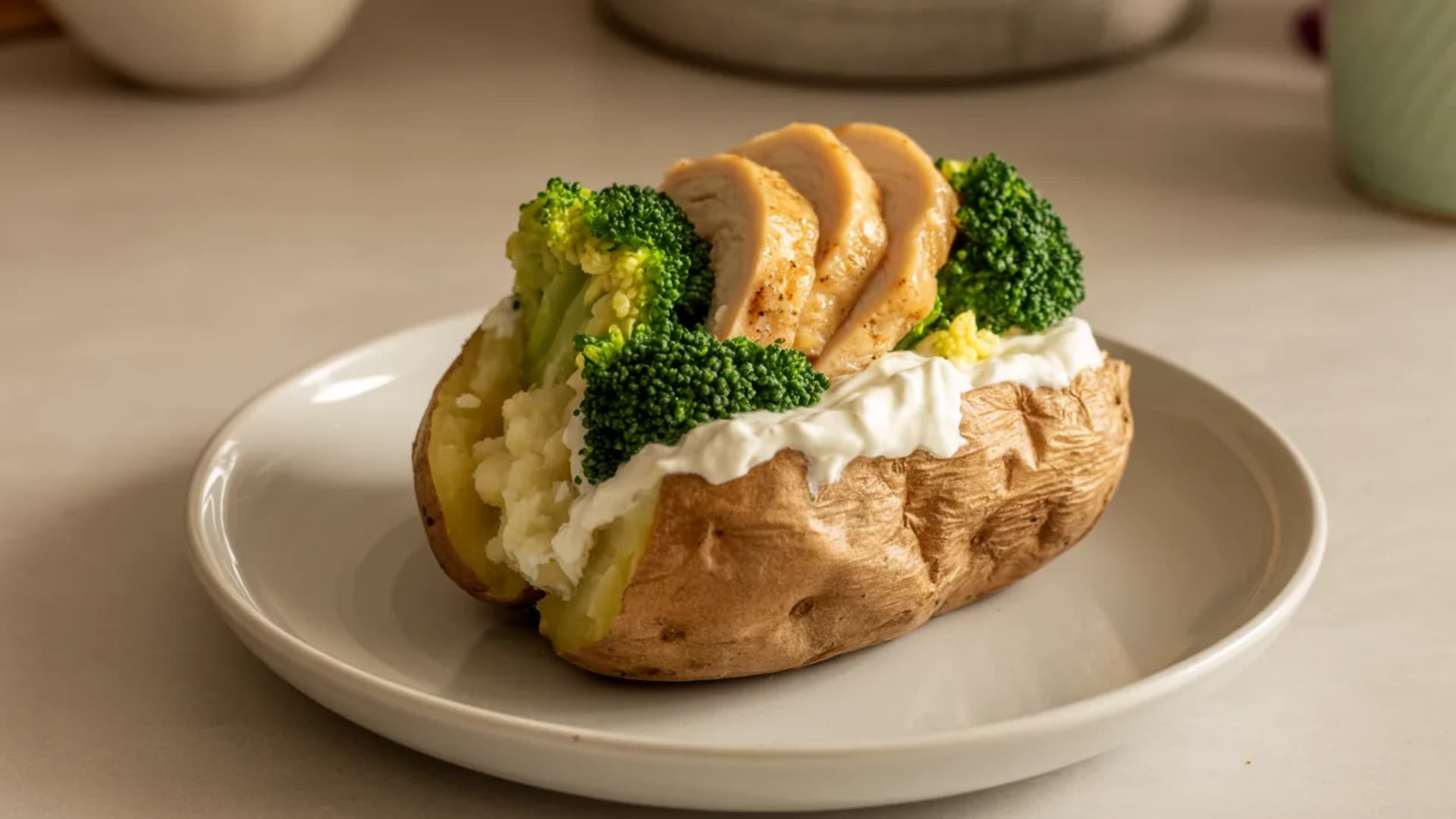
A baked potato can easily fit into your meals when you make a few smart choices with how you prepare and serve it. Small changes can help you keep it balanced, filling, and better for your daily routine.
I’ve found that once you start applying these simple tips, it becomes much easier to enjoy your food without overthinking every meal or worrying about making the wrong choice.
- Choose medium size: Stick to a medium potato to keep calories and carbs in control
- Keep the skin on: Eat the skin to get more fiber and stay full longer
- Add lean protein: Pair with chicken, beans, or eggs for better balance
- Use light toppings: Swap butter and cream for yogurt or simple seasonings
- Add vegetables: Include broccoli or greens to boost fiber and nutrients
- Avoid eating it alone: Combine with protein and fiber to steady blood sugar
- Limit heavy extras: Cut back on cheese, bacon, and creamy sauces
- Control frequency: Enjoy it in moderation instead of eating it every day
When you follow these simple tips, you keep your meals balanced without cutting out foods you enjoy. It helps you stay consistent, feel full, and make better choices over time without adding extra effort to your daily routine.
Baked Potato vs. Other Potato Types
When you compare different types of potatoes, the main differences come from how they are cooked and what gets added to them. Small changes in preparation can affect calories, fat, and overall nutrition more than the potato itself.
| Factor | Baked Potato | Fried Potato | Mashed Potato | Sweet Potato |
|---|---|---|---|---|
| Cooking Method | Baked without added oil | Cooked in oil | Boiled and mashed with added ingredients | Baked, boiled, or roasted |
| Calories & Fat | Lower calories and fat | High calories and fat | Moderate to high (depends on butter/cream) | Moderate, depends on cooking |
| Nutrients | Good potassium, simple nutrition | Less balanced due to oil | Varies based on ingredients | Higher fiber and vitamins |
| Texture & Taste | Soft inside, light taste | Crispy and rich | Creamy and smooth | Slightly sweet and soft |
| Best For | Light, balanced meals | Occasional indulgent meals | Comfort meals with control | Nutrient-rich meal option |
When you compare all these options, the biggest difference lies in how they are cooked and what is added.
I usually keep things simple with baked or sweet potatoes, and you can do the same to manage calories while still enjoying your meals.
Final Thoughts
A baked potato can be a solid choice when you keep things simple and balanced. It gives you steady energy, some fiber, and useful nutrients without adding too much fat on its own. The real difference comes from how you build your meal around it.
I’ve found that the potato itself isn’t the problem, but the toppings often are. Heavy extras like butter, cheese, and creamy sauces can quickly turn a light meal into something much higher in calories and fat. When you pair your potato with lean protein and vegetables, you create a more complete and filling meal that supports your daily needs.
Let’s see how it goes as you start making small changes like swapping heavy toppings for lighter ones and keeping portions under control. I being consistent with these small steps made a clear difference over time. If you keep it simple, you’ll get the benefits without the extra load and stay on track.