
A balcony can be more than just an outdoor extension of your home; it can become a thriving indoor-style garden filled with greenery, herbs, and even vegetables. With the right setup, even a small space can feel lush, relaxing, and productive year-round.
Whether your balcony is sunny or shaded, large or compact, the key is choosing the right plants, containers, and layout to create a balanced growing environment.
1. Choose the Right Plants
Not all plants are suited for balcony gardening, especially if you want a low-maintenance indoor-garden feel. Herbs are a great starting point because they are compact and useful in the kitchen. Basil, mint, rosemary, and parsley grow well in containers and don’t require much space.
Leafy greens like lettuce and spinach also perform well, especially in cooler or partially shaded balconies. For a more decorative indoor-garden look, consider houseplants such as pothos, snake plants, and peace lilies. These plants adapt well to container life and help create a lush, green atmosphere.
2. Select the Right Containers
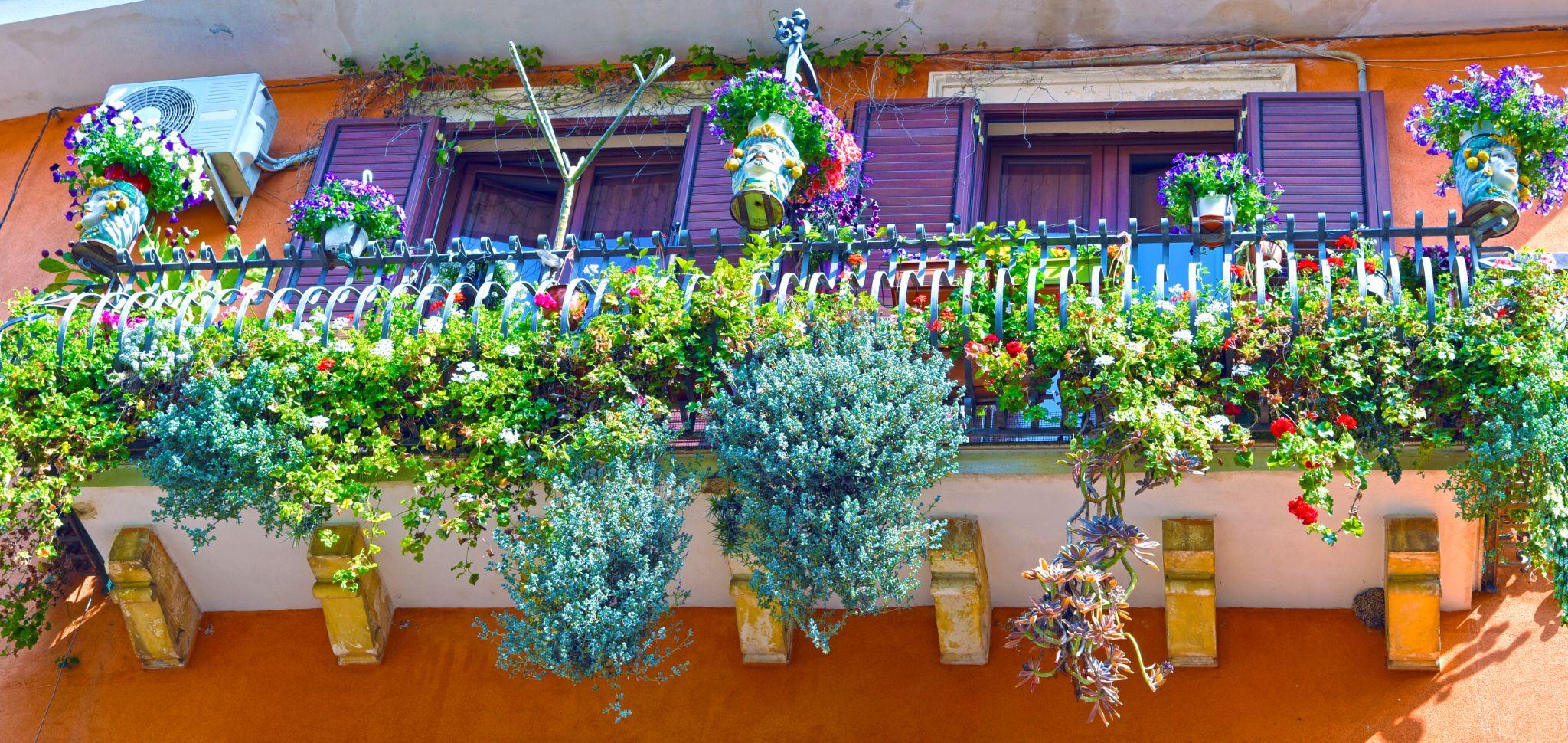
Start with a mix of floor pots, railing planters, and hanging containers. Floor pots are best for larger plants like herbs in clusters, dwarf vegetables, or statement greenery. Railing planters are perfect for flowers or trailing plants because they keep greenery at eye level without taking up floor space. Hanging baskets add a vertical layer and are especially useful for plants that naturally spill over, like ivy or trailing pothos.
If you want to grow more in the same footprint, stackable planters or tiered plant stands are a simple upgrade. They allow you to grow multiple layers of plants in one small area while keeping everything accessible for watering and maintenance. Just make sure taller plants don’t block light from smaller ones.
3. Create a Vertical Layout
The next step is arranging everything in a space-efficient way. On a balcony, vertical space is just as important as floor space, and using it well can completely change how the garden looks and functions.
A simple approach is to think in layers. Place taller plants or larger pots at the back or corners, medium-height plants in the middle, and trailing or smaller plants along railings and shelves. This creates depth and prevents the space from feeling flat or overcrowded.
Wall-mounted shelves, plant ladders, or tiered stands can also help you stack plants without blocking light. Hanging plants add another layer and soften hard edges, especially when they naturally cascade downward.
4. Manage Light Conditions
Before placing anything, observe how sunlight moves across your space throughout the day. Some balconies get strong morning light, others stay shaded until afternoon, and some receive intense sun for most of the day.
For sunny balconies, place sun-loving plants like herbs and flowering plants in the brightest spots. More delicate plants, such as leafy greens or houseplants, should be placed slightly inward or behind taller plants that can provide natural shade during peak heat.
If your balcony is shaded, focus on low-light-tolerant plants such as pothos, snake plants, and peace lilies. Or you can use LED grow lights. They help supplement natural light, especially during winter or in heavily shaded apartments.
5. Control Temperature and Airflow
Balconies are often exposed to more extreme conditions than indoor spaces, so temperature and airflow need some attention. In hot weather, grouping pots together helps retain moisture and creates a slightly cooler micro-environment. In colder months, sensitive plants should be moved closer to the interior door or sheltered corners where they are protected from wind.
Airflow is equally important. Good circulation prevents mold, pests, and stagnant humidity, especially in tightly packed balcony gardens. Avoid cramming plants too closely together so air can move naturally between them.
6. Water Appropriately
Because containers dry out faster than garden soil, consistency matters more than quantity. Instead of watering on a strict schedule, check the soil first. Stick your finger a few centimeters into the soil—if it feels dry, it’s time to water. If it still feels moist, wait another day.
Deep watering works better than light sprinkling. It ensures water reaches the root zone instead of only wetting the surface. Always allow excess water to drain freely from the bottom of the pots. In hot summer months, you may need to water daily, while in cooler or shaded conditions, watering frequency will naturally decrease.
Final Thoughts
Transforming a balcony into an indoor-style garden is less about size and more about smart use of space. With the right plants, layered layout, proper light management, and simple care routines, even the smallest balcony can feel like a living green retreat.