
Your room can be spotless on Sunday and somehow messy again by Tuesday. Annoying, right? I’ve seen this happen in homes where people have enough storage space but still lose chargers, clothes, papers, and skincare products every day.
The problem is usually not cleaning. It is the way the room is set up. Learning how to organize your room means giving your real habits a place to land. You need simple spots for the things you touch often and smarter storage for the things you use less.
I’ll keep this clear and useful, with room organizing tips that fit normal bedrooms, small spaces, busy mornings, and those nights when you just want everything to feel easy without making your room feel crowded.
Start Before Organizing Your Room
Start with one small reset, not the full room. That first pass shows what belongs, what moved, and which storage ideas are worth using.
I always look at a room before touching the storage. A messy bedroom can trick you into thinking you need more bins, more drawers, or more furniture, but that is not always true. Sometimes you need fewer items. Sometimes you need a better spot for the things you already use.
Choose one area first, like the bed, floor, closet, desk, or dresser. Remove trash, laundry, dishes, and anything that belongs in another room. Then sort what remains into keep, donate, move, and throw away. Once the space is empty, clean it before putting anything back.
This helps you see the room clearly. It also stops you from organizing things you should not keep. After that, the next step becomes easier because you are choosing storage for real items rather than random piles.
Choose the Right Organization Idea for Your Room Problem
It helps to match the idea to the mess you see most often. I use this step because it saves you from buying storage that looks nice but solves nothing. Choose the closest problem, then jump to that setup first. Use this table as a quick map before you start moving furniture or shopping for containers.
| Room problem | Best idea to start with | Why it works |
|---|---|---|
| Clothes keep landing on the floor | Laundry basket and “wear again” spot | It gives clean, dirty, and half-worn clothes separate places |
| Closet feels packed | Closet category system and matching hangers | It makes clothes easier to see and reach |
| Desk always looks messy | Clean desk zone and wall storage | It separates work items from the rest of the room |
| Small items keep getting lost | Daily drop zone and accessory trays | It gives tiny items a fixed place |
| Room feels small | Under-bed storage and tall storage | It uses hidden and vertical space |
| Shelves look crowded | Open shelves with baskets | It hides loose items while keeping shelves useful |
| Room lacks a clear look | Minimal, cozy, student, or color setup | It gives the room a visual direction |
Once you know the main pressure point, the room feels less like one giant task. You are not fixing everything at once. You are choosing the one setup that removes the loudest mess, then letting the next choice become easier.
Bedroom Organization Ideas for a Neat and Easy-to-Use Room
Your room should not feel like a place where every item is fighting for space. I like to look at each area as a small setup with one clear job. When the bed, closet, desk, drawers, and shelves each have their own role, the room starts working with you instead of against you.
1. Create a Calm Nightstand Setup
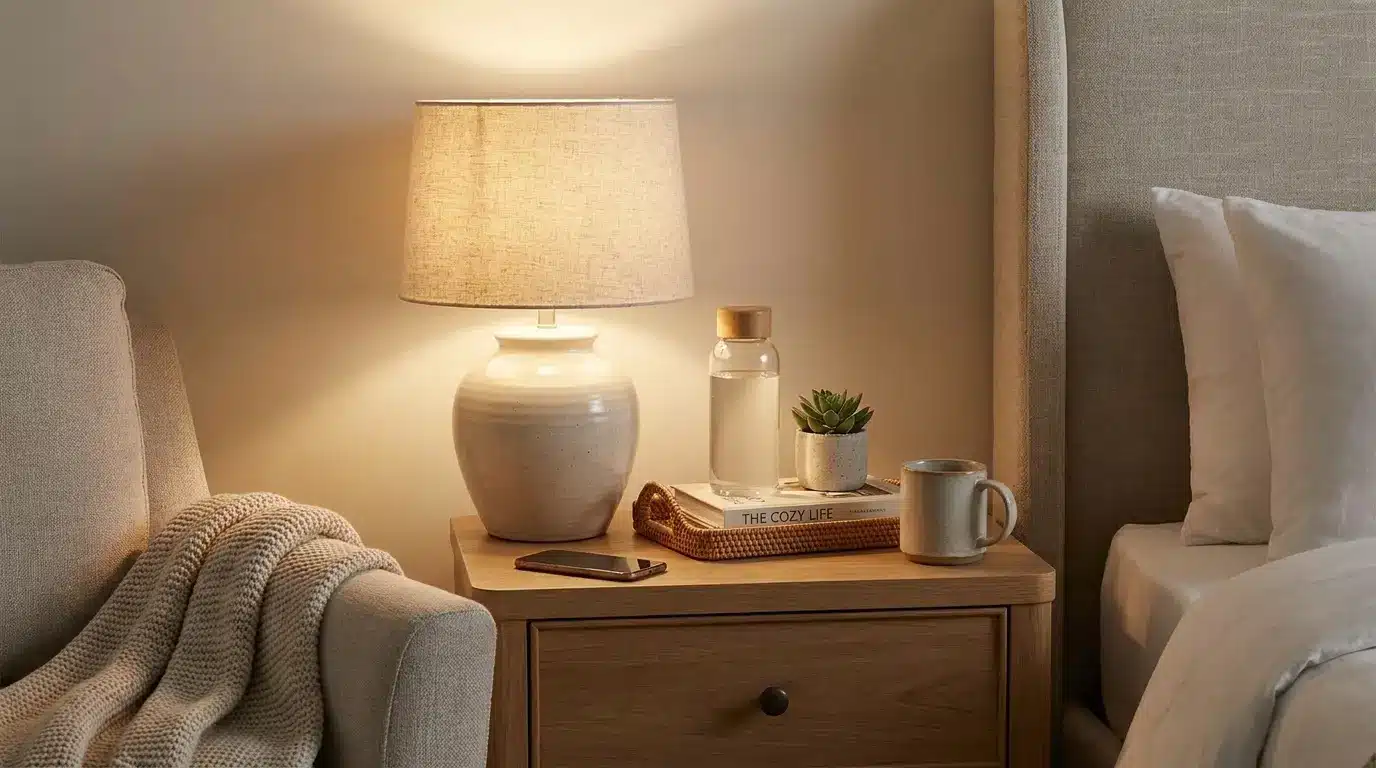
A nightstand works best when it supports your sleep and morning routine, not when it becomes a holding spot for random items. I would keep this area small, useful, and easy to clear. Since it sits right beside the bed, even a little clutter here can make the full room feel messy.
Choose items you actually use at night or first thing in the morning. A small tray helps group tiny pieces so they do not spread across the surface. This idea is only for the bedside area, so avoid adding beauty products, paperwork, or daily carry items here. Use the nightstand for:
- A lamp: Keeps the bed area useful without needing harsh overhead light.
- A charger: Gives your phone one fixed charging spot.
- A book or journal: Keeps quiet-time items close.
- A small tray: Holds lip balm, rings, or glasses neatly.
2. Use Under-Bed Storage for Seasonal Items
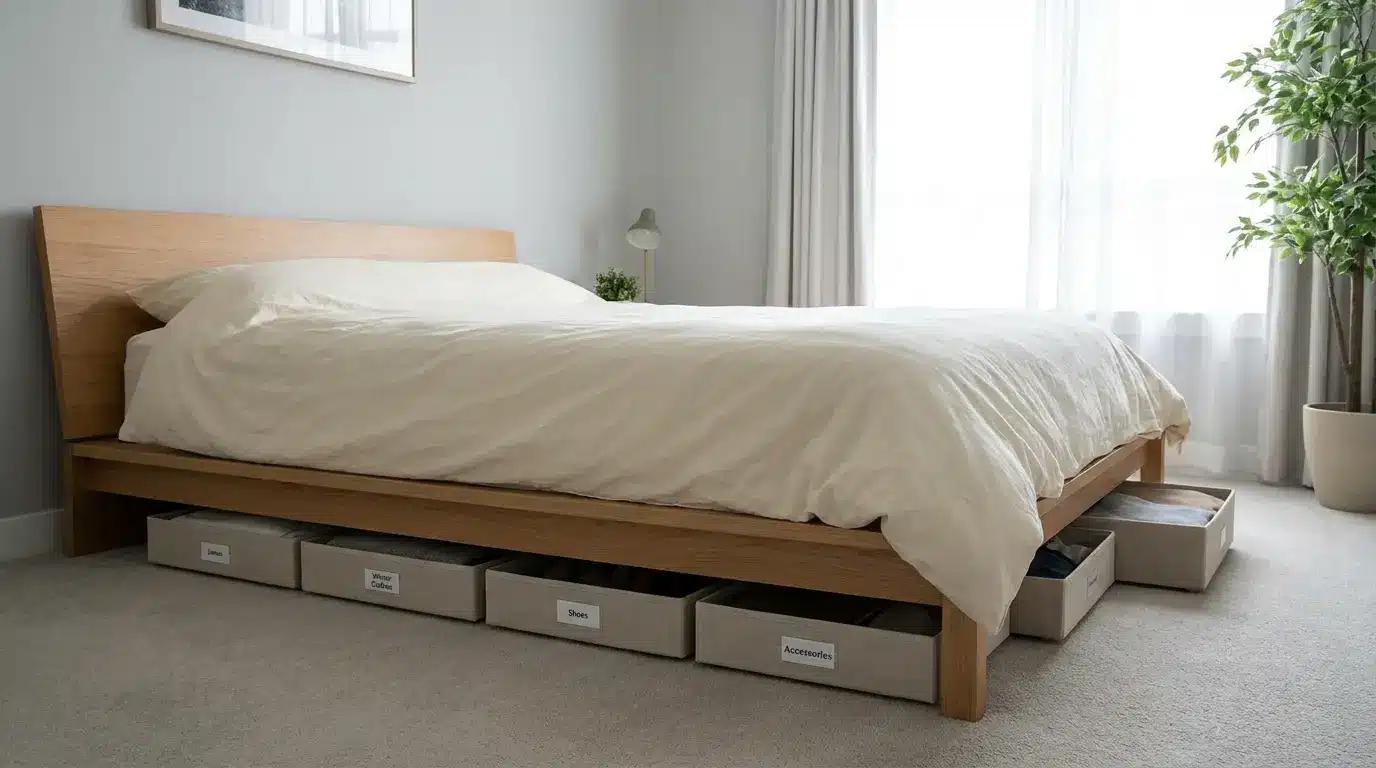
Under-bed storage is best for things you do not reach for every day. I would not use this space for daily clothes, school supplies, or skincare because pulling them out often becomes annoying. Instead, treat it like hidden storage for bulky or off-season items.
Flat bins, fabric zip bags, or pull-out drawers work well because they slide in neatly and keep dust away. Add simple labels so you do not forget what is inside after a few weeks. This idea should stay separate from hidden storage furniture. Here, the focus is only on the empty space below the bed. Store items like:
- Seasonal clothing: sweaters, coats, or summer pieces you are not using now.
- Extra bedding: spare sheets, blankets, or pillow covers.
- Less-used shoes: Formal shoes or pairs worn only sometimes.
- Travel items: Small bags, packing cubes, or travel pouches.
3. Set Up a Closet Category System
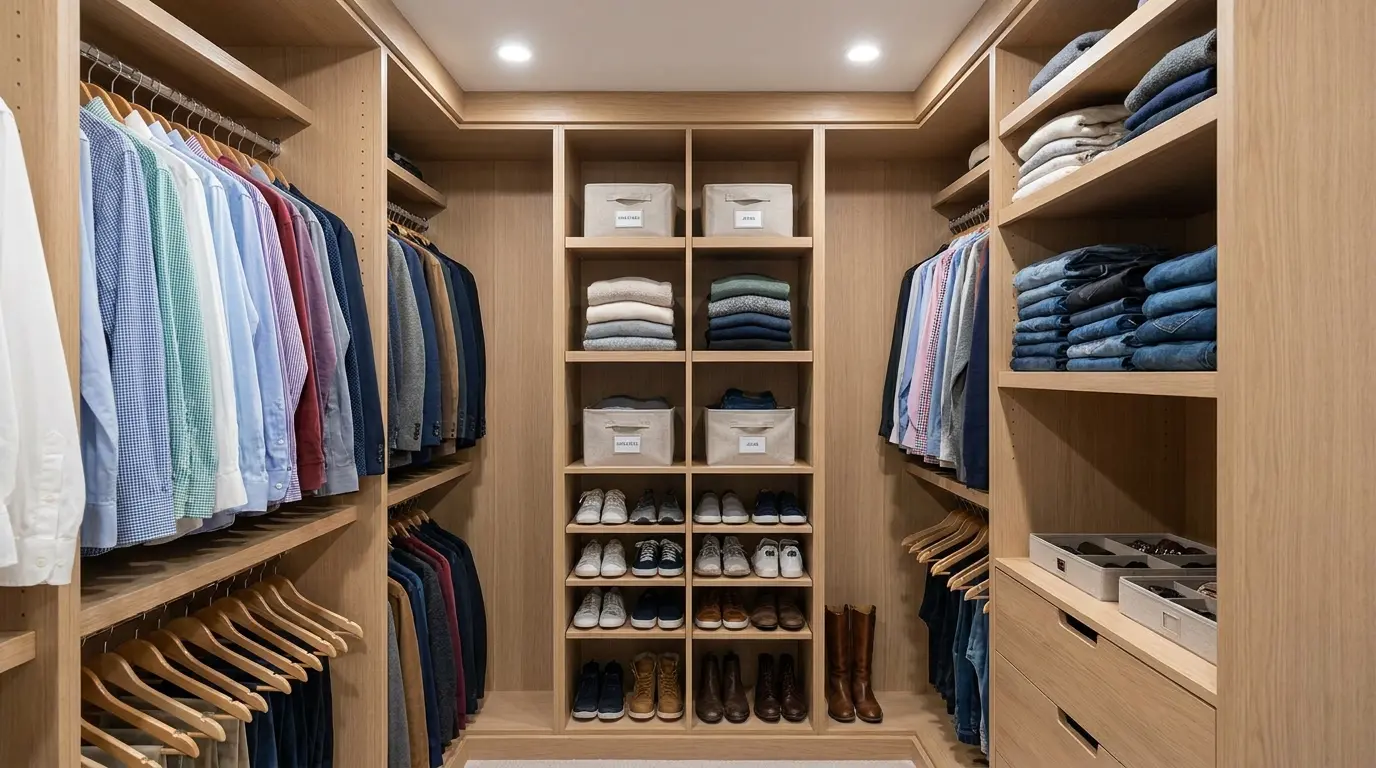
A closet feels easier to use when clothes are grouped by type first. I always suggest starting with categories because they give your wardrobe a clear structure.
Keep tops in one section, bottoms in another, and jackets separate from daily wear. Once the groups are set, you can arrange each one by color or by use.
This makes picking an outfit faster because your eyes know where to go. Keep this idea focused only on clothing categories. Do not mix in hangers, shoes, or drawer storage here because those need their own systems.
Group clothes into:
- Daily tops: T-shirts, shirts, blouses, or casual tops.
- Bottoms: Jeans, trousers, skirts, or shorts.
- Outer layers: Jackets, hoodies, cardigans, or coats.
- Special wear: Occasion outfits, formal clothes, or traditional wear.
- Home clothes: Sleepwear, workout clothes, or loungewear.
4. Switch to One Hanger Style
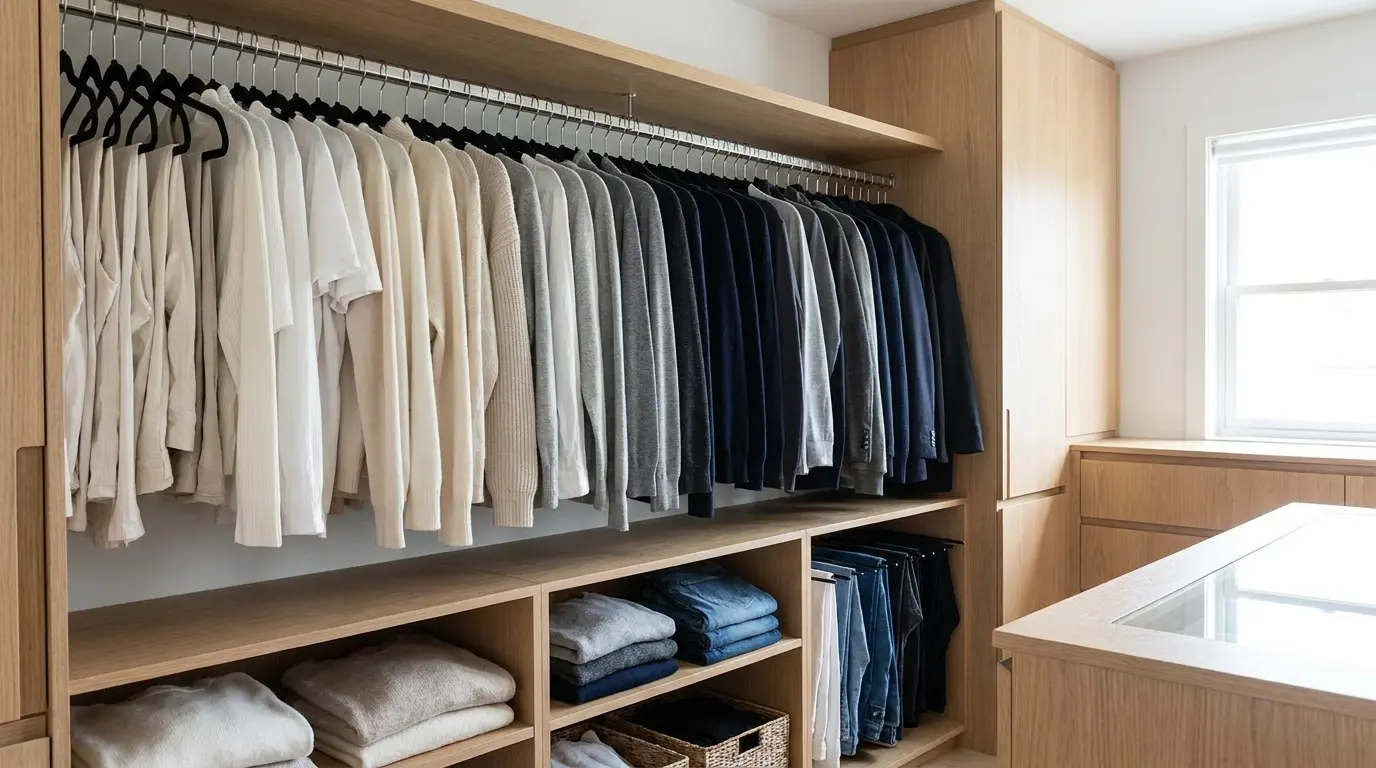
Hangers may seem like a small detail, but they change the way a closet looks as soon as you open it. Mixed plastic, metal, wooden, and broken hangers make even sorted clothes look untidy.
One hanger style gives the closet a cleaner line and helps clothes sit evenly. Slim hangers are useful if your closet rod is crowded, while stronger hangers are better for coats and heavy jackets.
This idea is only about the hanging system, not how the clothes are sorted. Keep the category system separate so both points stay clear. Choose hangers based on:
- Slim hangers: Best for saving space on the rod.
- Strong hangers: Better for coats, blazers, and heavy pieces.
- Matching color: Makes the closet look more planned.
- Non-slip finish: Helps silky or wide-neck items stay in place.
5. Choose One Shoe Storage System
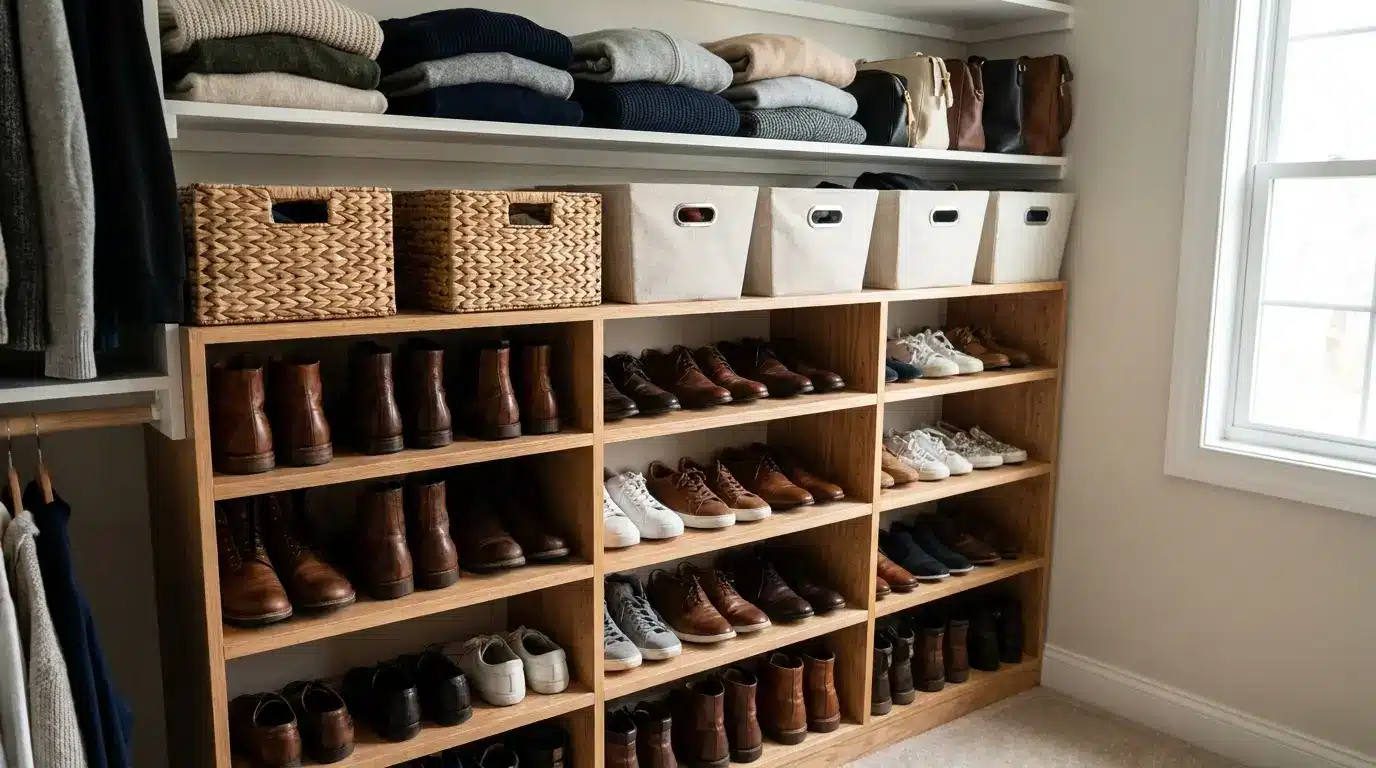
Shoes create floor clutter faster than most bedroom items. The fix is not adding shoe storage everywhere. The fix is choosing one main shoe system that fits your space.
A shoe rack works if you like open access. Clear boxes work if you want pairs protected and visible. A hanging shoe organizer works in a closet with extra vertical space.
Under-bed shoe storage works if you have limited floor area. Pick one system and let it handle most of your footwear. This keeps the room from having shoes near the door, under the bed, beside the closet, and beside the dresser all at once. Choose one option:
- Shoe rack: Good for daily pairs.
- Clear boxes: Good for occasion shoes.
- Hanging organizer: Good for closet-based storage.
- Under-bed shoe case: Good for small rooms.
6. Add Drawer Dividers for Folded Clothes
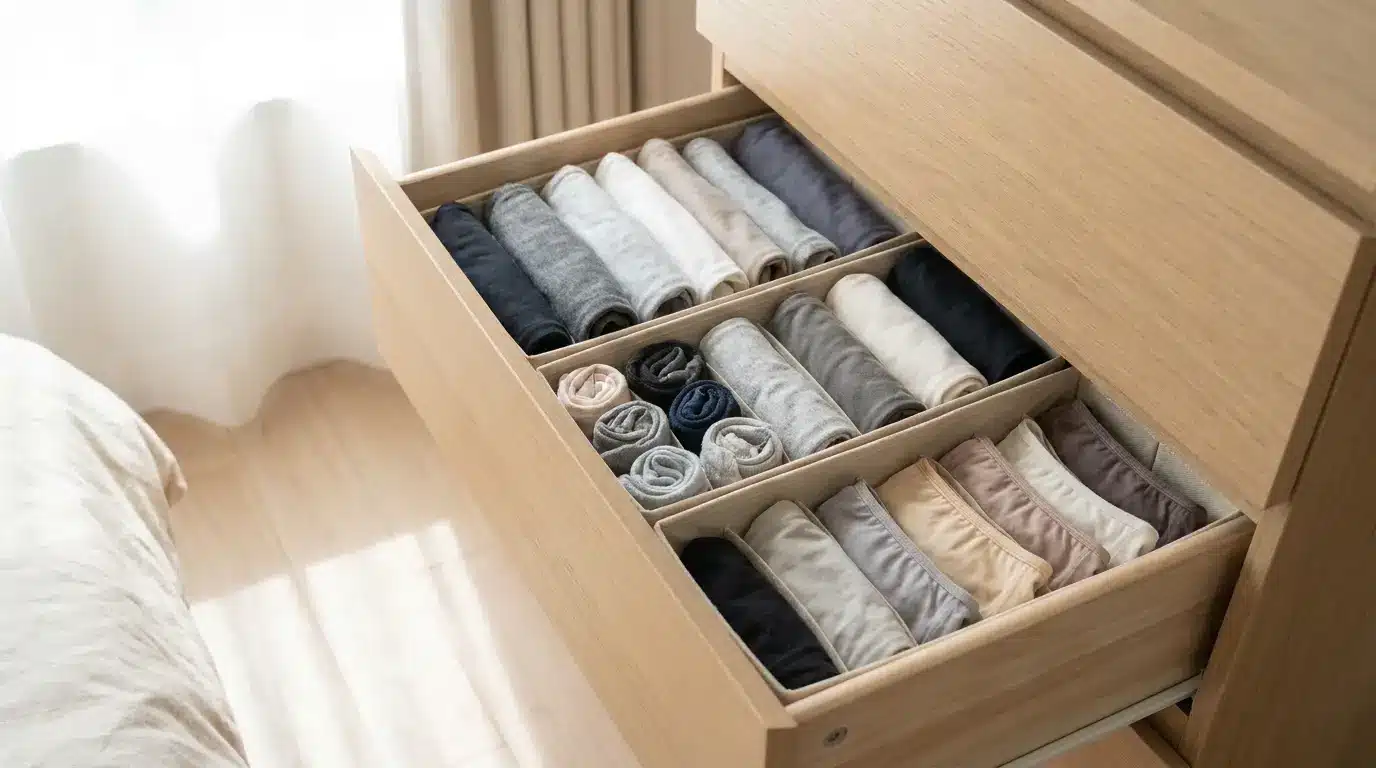
Drawers become messy when folded clothes slide into each other. Drawer dividers create small lanes, so each type of clothing has its own space. I would use this idea only for clothing, not jewelry or beauty tools. That keeps the drawer system clear and easy to use.
File folding works well with dividers because you can see each item from the top instead of digging through a stack. This setup is helpful for people who feel like their drawers look neat for one day and messy again after two outfit changes. Use dividers for:
- Socks: Keep pairs together and easy to grab.
- Innerwear: Provides a private section for smaller clothing.
- T-shirts: Work well with file folding.
- Scarves: Stop soft pieces from tangling.
- Gym clothes: Keep workout items separate from daily wear.
7. Use Small Trays for Accessories
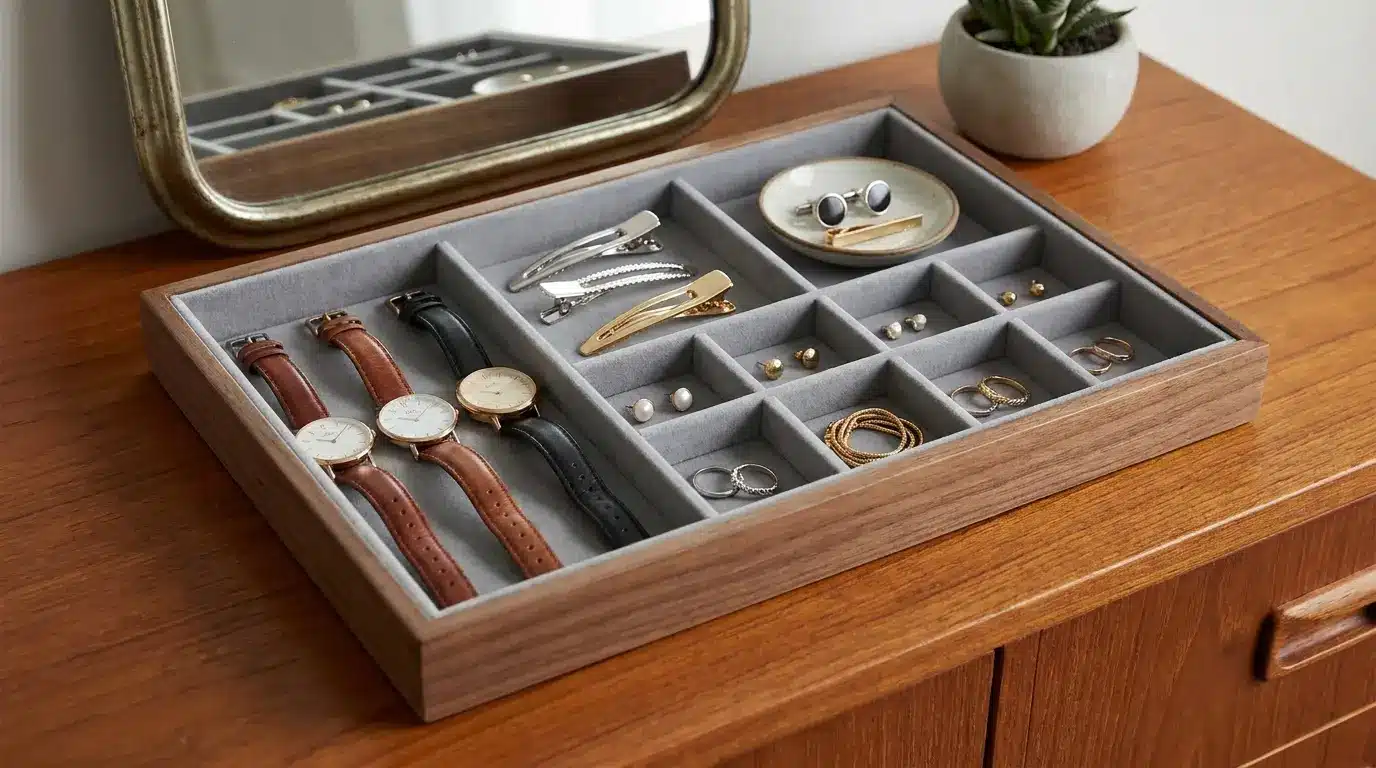
Accessories need shallow, visible storage. If you throw them into a deep drawer, they tangle, hide, or get forgotten. A small tray gives watches, hair clips, rings, earrings, and earphones a clear place without taking over the dresser.
I like trays because they make tiny items look grouped rather than scattered. This idea should stay separate from drawer dividers because it handles accessories, not folded clothes.
It should also stay separate from the daily drop zone because accessories are getting-ready items, not things you carry in and out of the room. Use trays for:
- Jewelry: Rings, earrings, chains, or bracelets.
- Hair items: Clips, ties, pins, or small combs.
- Watches: Keep them visible and scratch-free.
- Earphones: Stop them from getting lost in drawers.
- Makeup tools: Works for tweezers, curlers, or small brushes.
8. Make a Daily Drop Zone
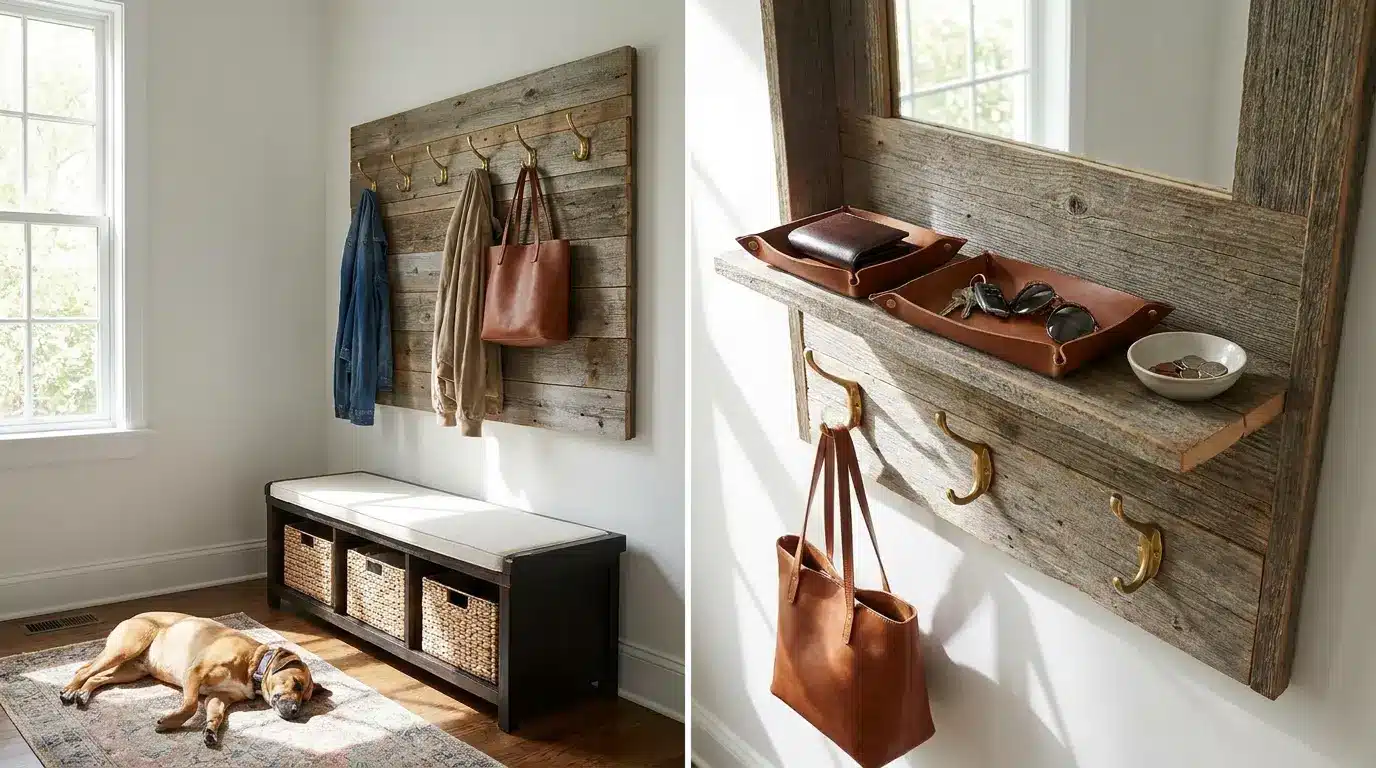
A daily drop zone is the landing spot for items you bring into the room and take out again. This is where your keys, wallet, ID card, sunglasses, watch, and earphones should go when you walk in.
I would place it near the door, dresser, or desk, depending on where you naturally put things down. Use a tray, bowl, hook, or small basket. This is a physical setup, not a habit section.
The goal is to give everyday carry items one visible place so they stop moving between your bed, desk, shelves, and pockets. Good drop zone choices include:
- A tray: Best for wallets, cards, and glasses.
- A hook: Good for keys or small bags.
- A small bowl: Works for coins or loose items.
- A mini basket: Useful for carrying several small items.
9. Build a Clean Desk Zone
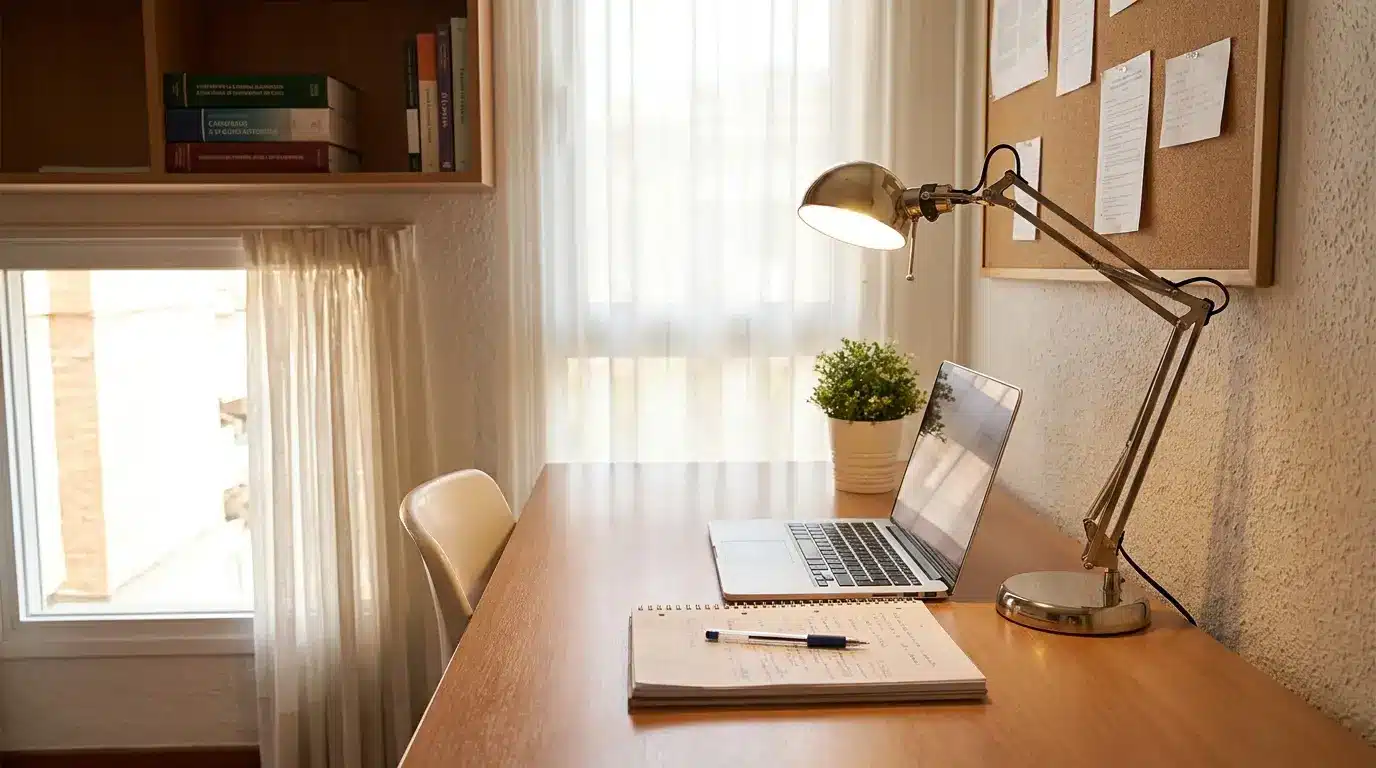
A desk should help you focus, even if the rest of the room is small. Give it one clear role: study, work, reading, or planning. Keep the surface limited to items that support that role.
I would keep a laptop, a notebook, a pen holder, a lamp, and a folder tray. Move beauty products, laundry, food wrappers, and unrelated books away.
This section should not cover wall storage because that is a separate idea. Here, the focus is the desk surface itself and how it feels when you sit down to use it. Keep on the desk:
- Laptop or writing space: Leave enough room to work.
- Notebook: Keep one current notebook, not a full stack.
- Pen holder: Holds only working pens and pencils.
- Lamp: Gives direct light without crowding the desk.
- Folder tray: Holds active papers in one place.
10. Add Wall Storage Above the Desk
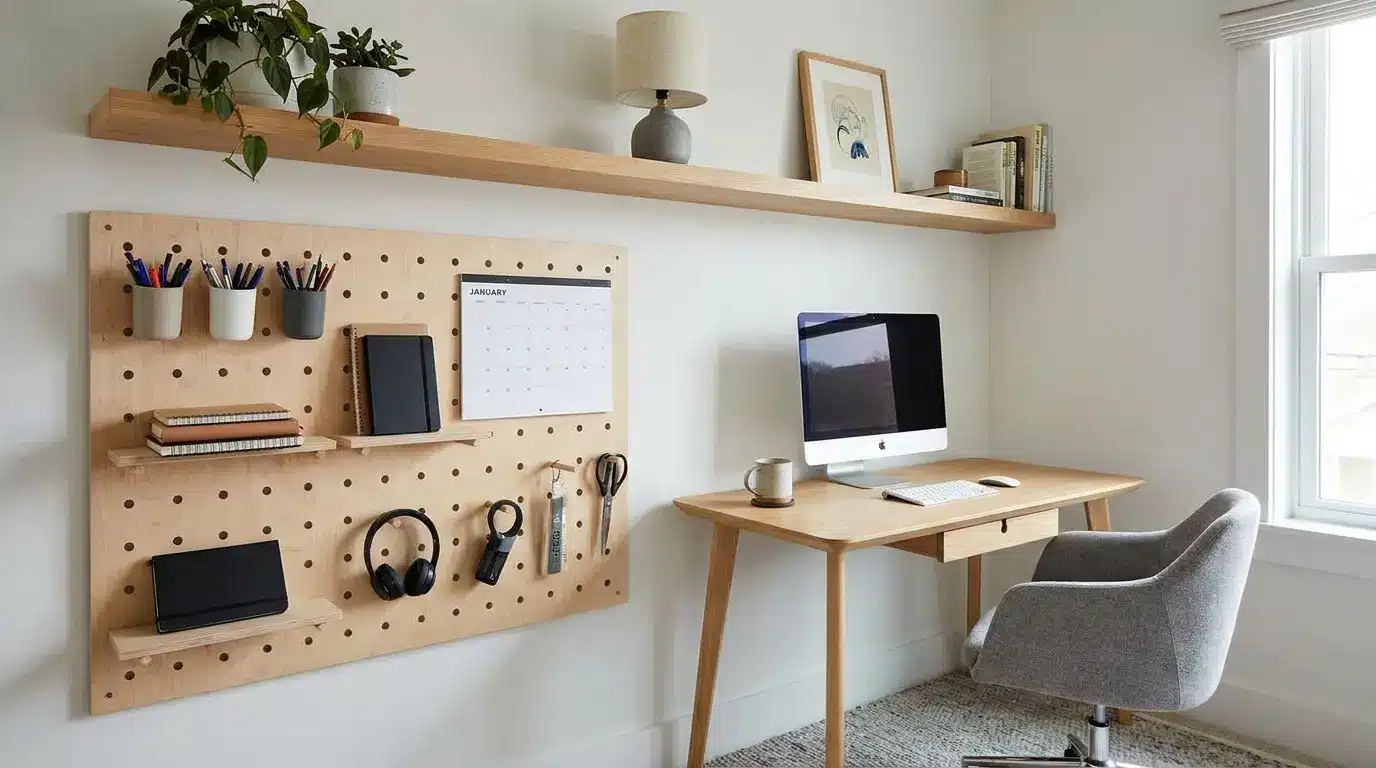
Wall storage above the desk helps when the desk surface is clear, but you still need supplies close by. Use one system, not several.
A pegboard works well for tools and small supplies. A corkboard is better for reminders, notes, and schedules. A floating shelf can hold light books or a small box.
A wall file holder is useful for papers you need to see. This idea should stay connected to the desk area only. Do not use it for clothes, bags, beauty items, or random room storage. Choose one wall setup:
- Pegboard: Good for stationery, headphones, or small tools.
- Corkboard: Good for reminders, photos, or schedules.
- Floating shelf: Good for light books or a small storage box.
- Wall file holder: Good for school papers, bills, or forms.
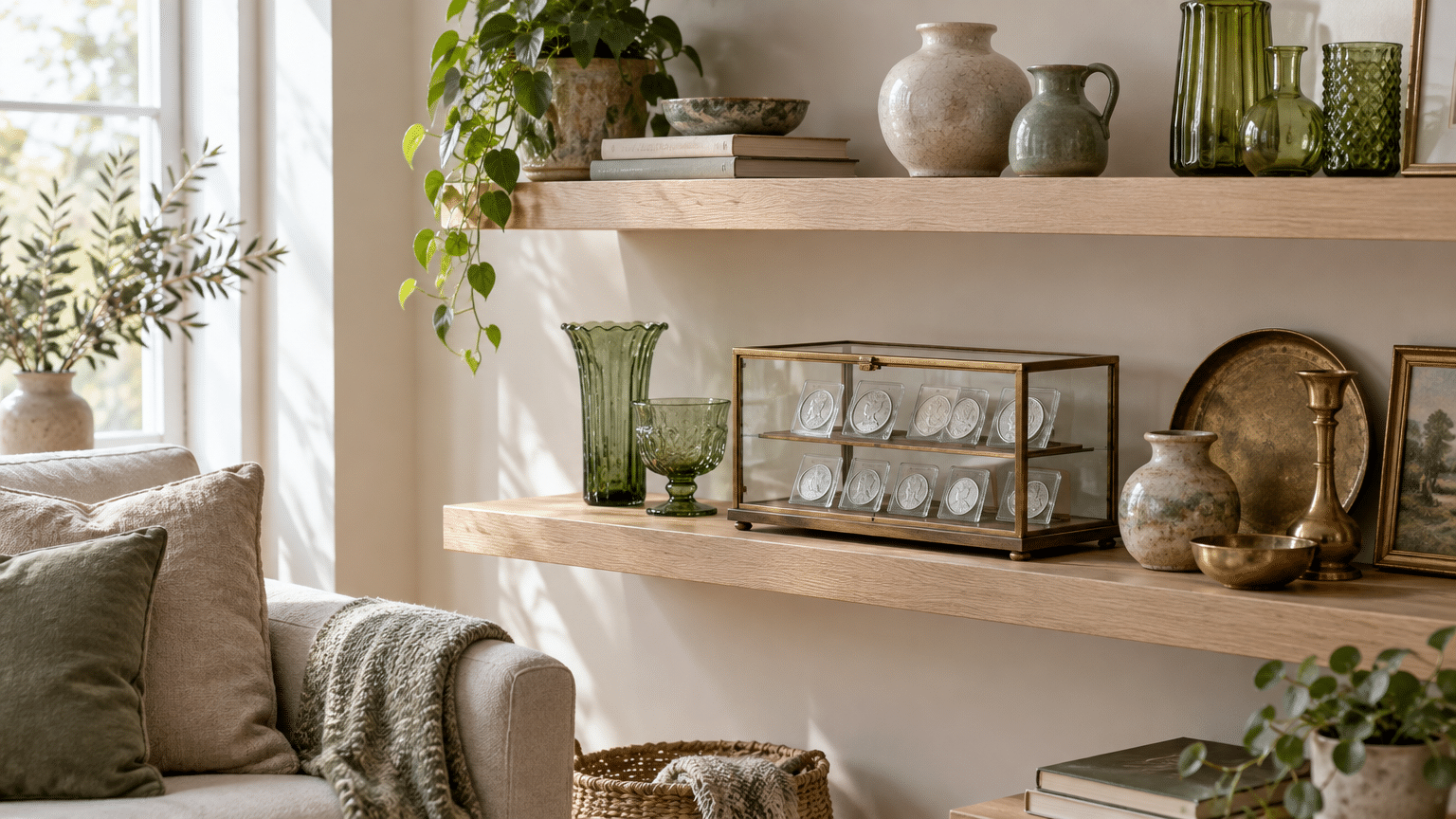
11. Use Open Shelves With Baskets
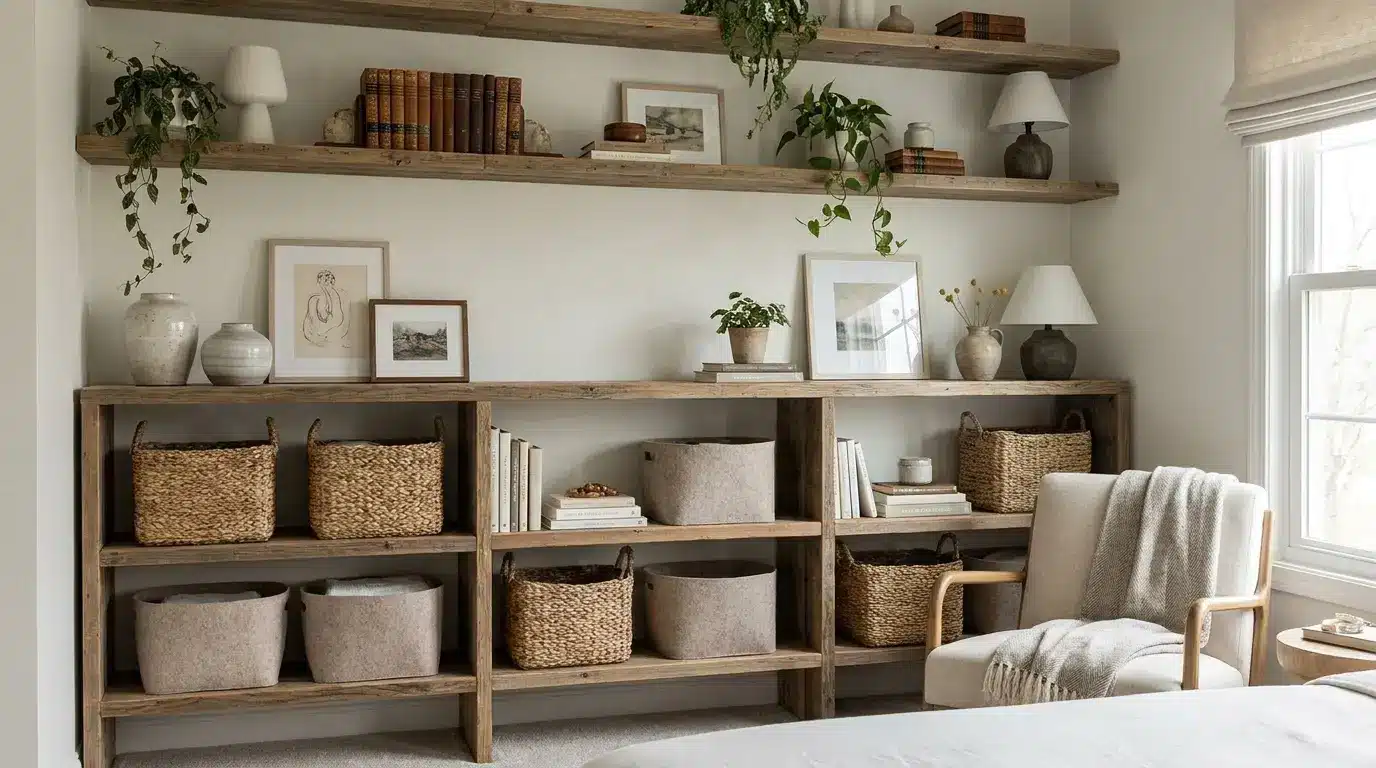
Open shelves can either make a room look neat or make it feel busy. The difference is how much you leave visible. I would use baskets for items that look messy on their own, like cables, notebooks, extra products, or small accessories.
Then leave some empty space between baskets, books, and personal items. This section should not repeat the wall storage above the desk, as open shelves are for general room display and storage, not for desk work. Keep the shelf useful but not packed. Use shelves for:
- Baskets: Hide small items that do not look neat.
- Books: Keep only the ones you use or enjoy seeing.
- One personal item: A photo, small frame, or keepsake.
- A small plant: Adds life without adding clutter.
- Empty space: Helps the shelf look calm and easy to clean.
12. Create a Beauty and Skincare Tray
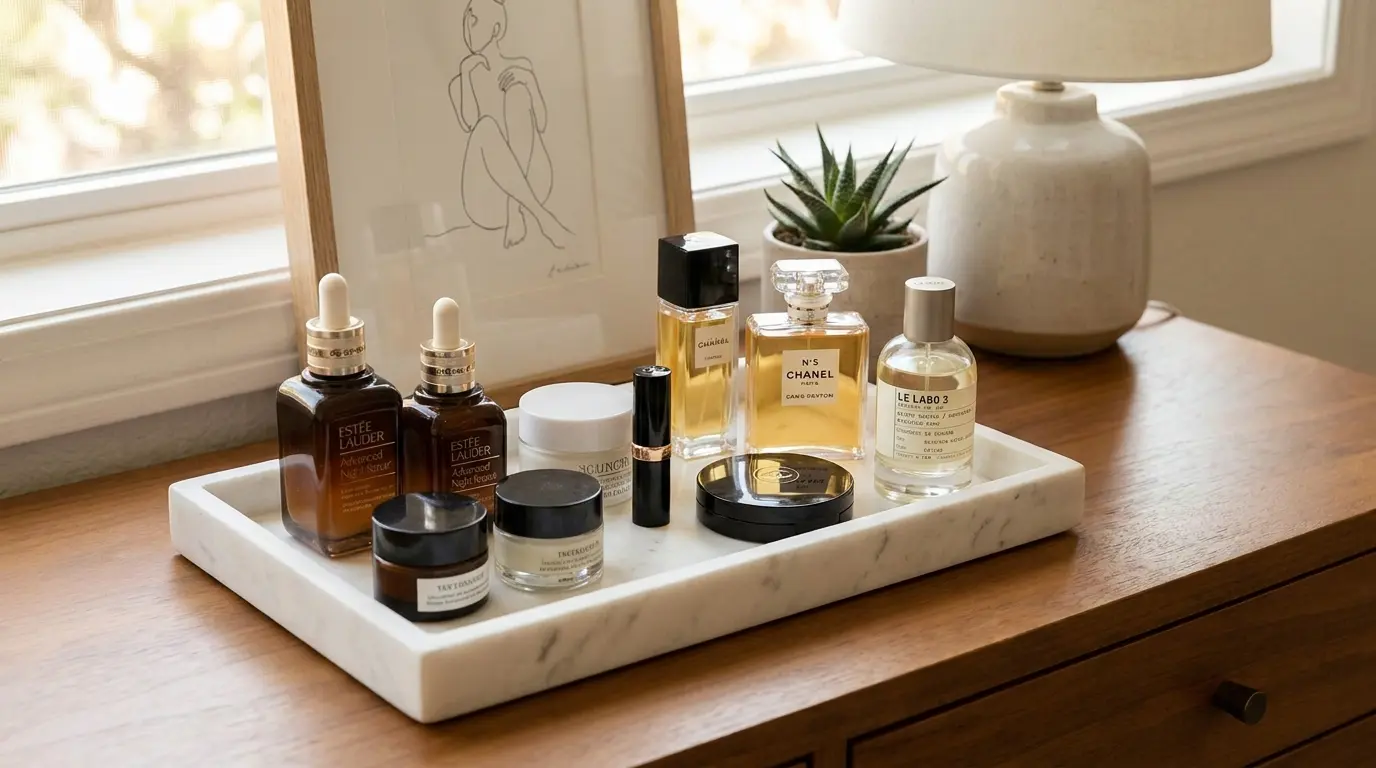
Beauty and skincare products can quickly crowd a dresser. A tray keeps daily products in one planned place instead of letting bottles spread across the surface.
I would group products by routine, such as morning skincare, night skincare, makeup, or hair care. Keep only what you use often on the tray. Backup products should go in a drawer, closet bin, or shelf.
This idea should not cover expired products because that belongs in the removal section. Here, you are only setting up the products you actually use. Keep on the tray:
- Daily skincare: Cleanser, moisturizer, sunscreen, or serum.
- Everyday makeup: Only the products used often.
- Perfume: One or two bottles, not the full collection.
- Hair basics: A comb, clip, or small styling item.
- Small cup or holder: Good for brushes or slim tools.
13. Add One Laundry Basket Where Clothes Fall
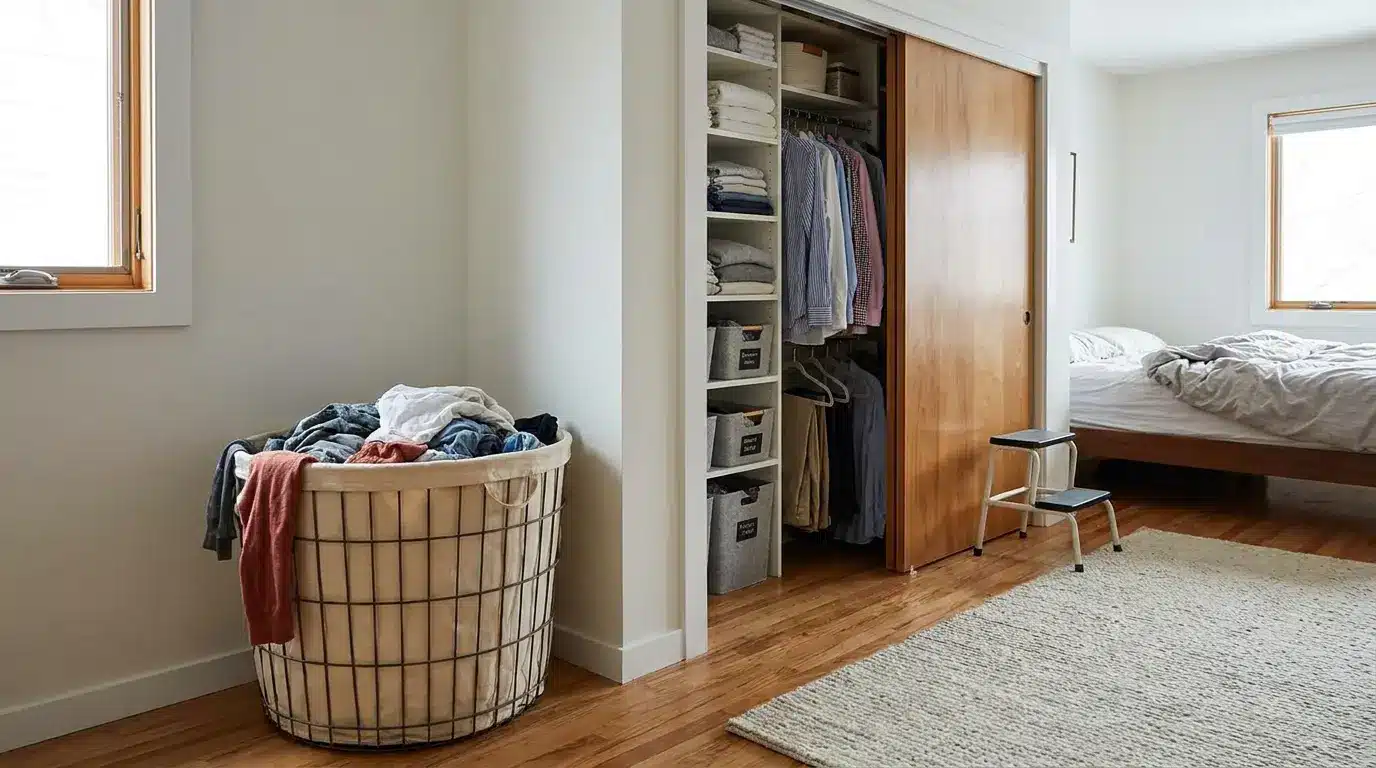
A laundry basket works only when it sits where clothes already land. If you usually drop clothes near the bed, place the basket there. If clothes pile up near the closet, that is the better spot. I would choose one basket that fits the room and is easy to carry.
This idea is about basket placement, not washing routines. It should not repeat the “wear again” clothing spot, as dirty and half-used clothes need separate places. One clear laundry basket can stop floor piles before they spread.
Place the basket near:
- The closet: Best if you change clothes there.
- The bed: Good if clothes land there at night.
- The bathroom door: Useful when changing before or after bathing.
- A hidden corner: Works if the basket is still easy to reach.
14. Make a “Wear Again” Clothing Spot
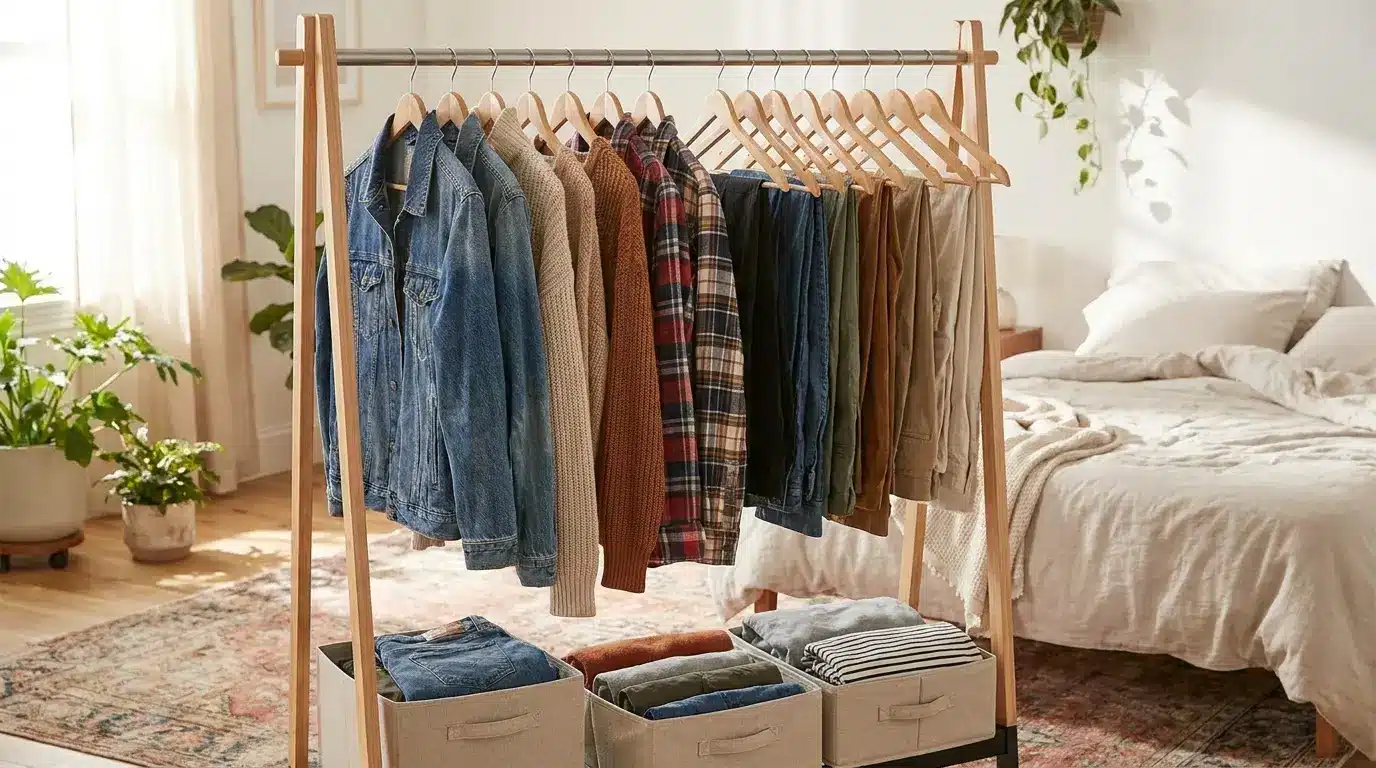
Some clothes are not fresh enough for the closet but not dirty enough for the laundry basket. Without a clear place, they usually end up on a chair, bed, or floor.
A “wear again” spot solves that more cleanly. Use one hook, rail, basket, or chair. Keep it small so it does not turn into another wardrobe. This idea is separate from laundry storage because these clothes are in a middle stage. They need airflow and visibility, not a closed drawer or basket full of dirty clothes. Choose one setup:
- Single hook: Best for one hoodie, jacket, or pair of jeans.
- Small rail: Good if you repeat outfits often.
- Open basket: Works for soft clothes worn once.
- One chair: Fine only if it stays limited.
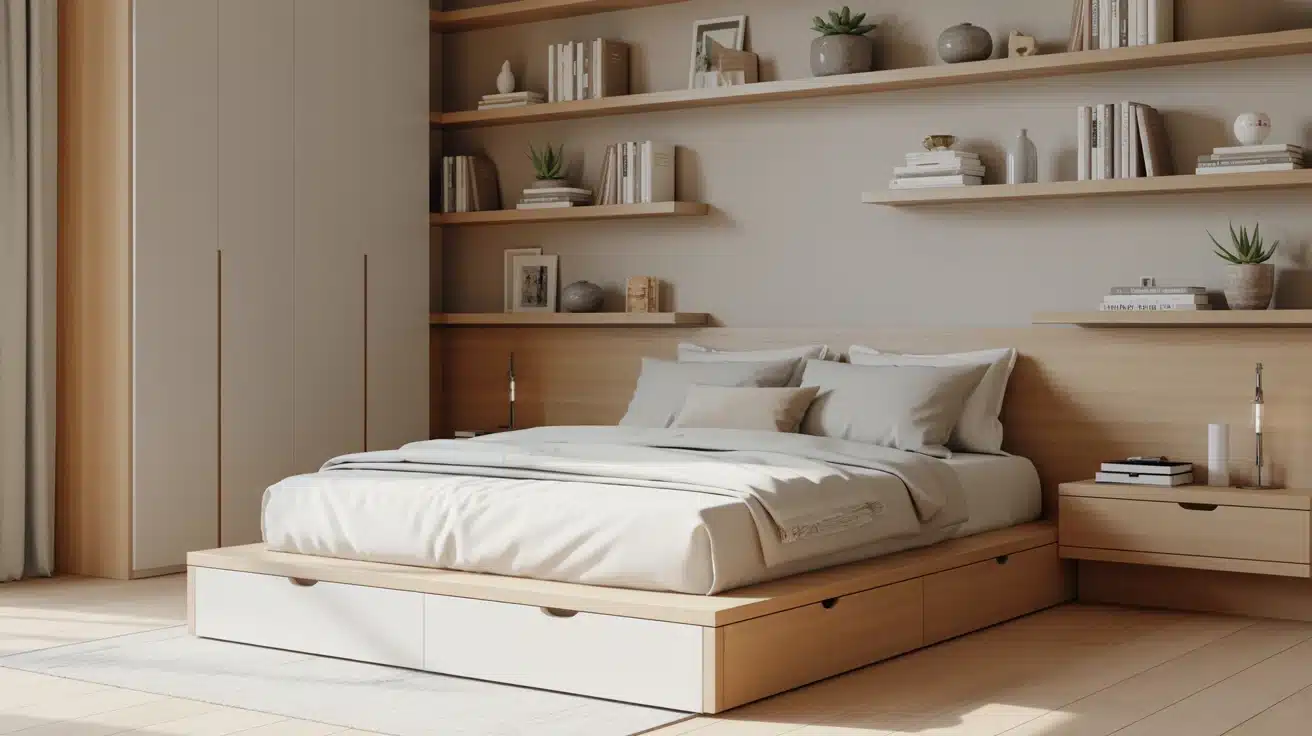
15. Use Hidden Storage Furniture
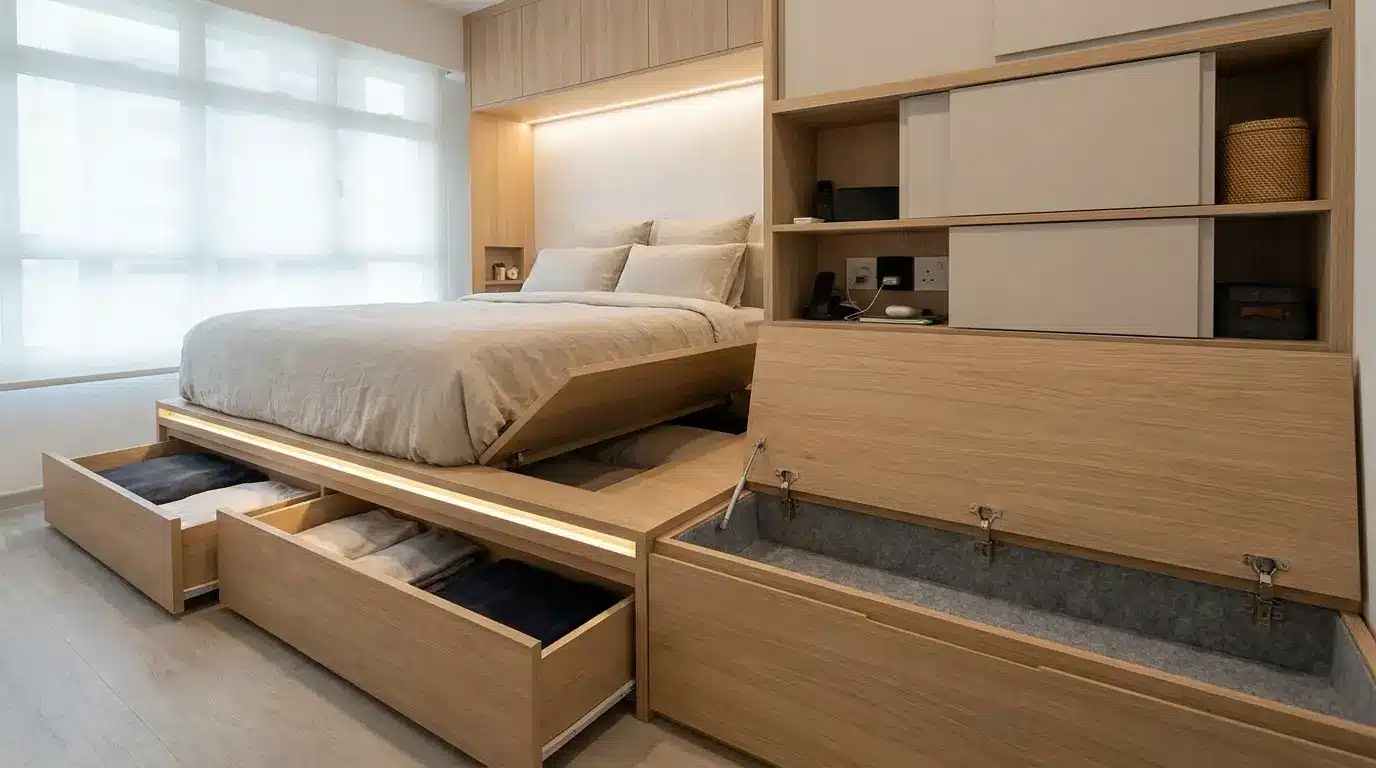
Hidden storage furniture is useful when you need storage but do not want more visible boxes. A storage bed, bench, ottoman, desk with drawers, or nightstand with shelves can hold items while keeping the room cleaner to the eye. I would choose only one or two pieces.
Too many storage furniture pieces can make a room feel heavy and hard to move through. This idea should not duplicate the under-bed storage section, which covers loose containers below the bed. Here, the focus is on furniture with built-in storage. Good choices include:
- Storage bed: Best for bulky items.
- Storage bench: Useful for blankets or spare pillows.
- Ottoman: Good for small soft items.
- Desk with drawers: Keeps work supplies hidden.
- Nightstand with shelves: Adds bedside storage without extra furniture.
16. Keep One Memory Box
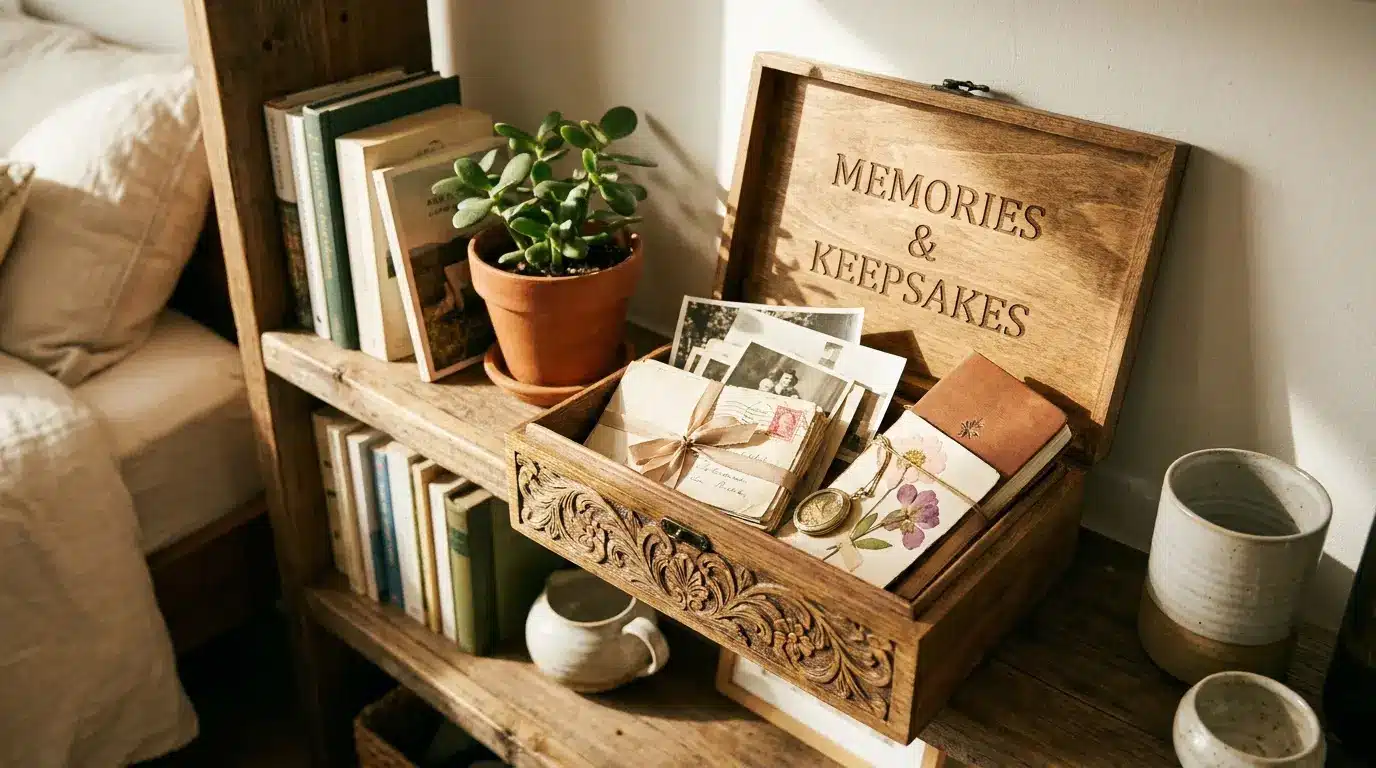
Sentimental items can quietly take over a room because each piece feels too meaningful to move. A memory box gives those items respect without letting them fill every shelf, drawer, and wall. Use one sturdy box for letters, cards, photos, tickets, and small gifts.
Store it somewhere safe, like a closet shelf, under the bed, or inside a cabinet. Display only a few personal items at a time. This idea should not become a decor section. Its job is to protect memories while keeping the room clear for daily life. Keep inside:
- Letters and cards: Store flat so they do not bend.
- Photos: Use envelopes or small folders.
- Tickets: Keep only the ones tied to real memories.
- Small gifts: Save pieces that still matter to you.
- Notes: Keep the meaningful ones, not every scrap.
17. Use Tall Storage in a Small Bedroom
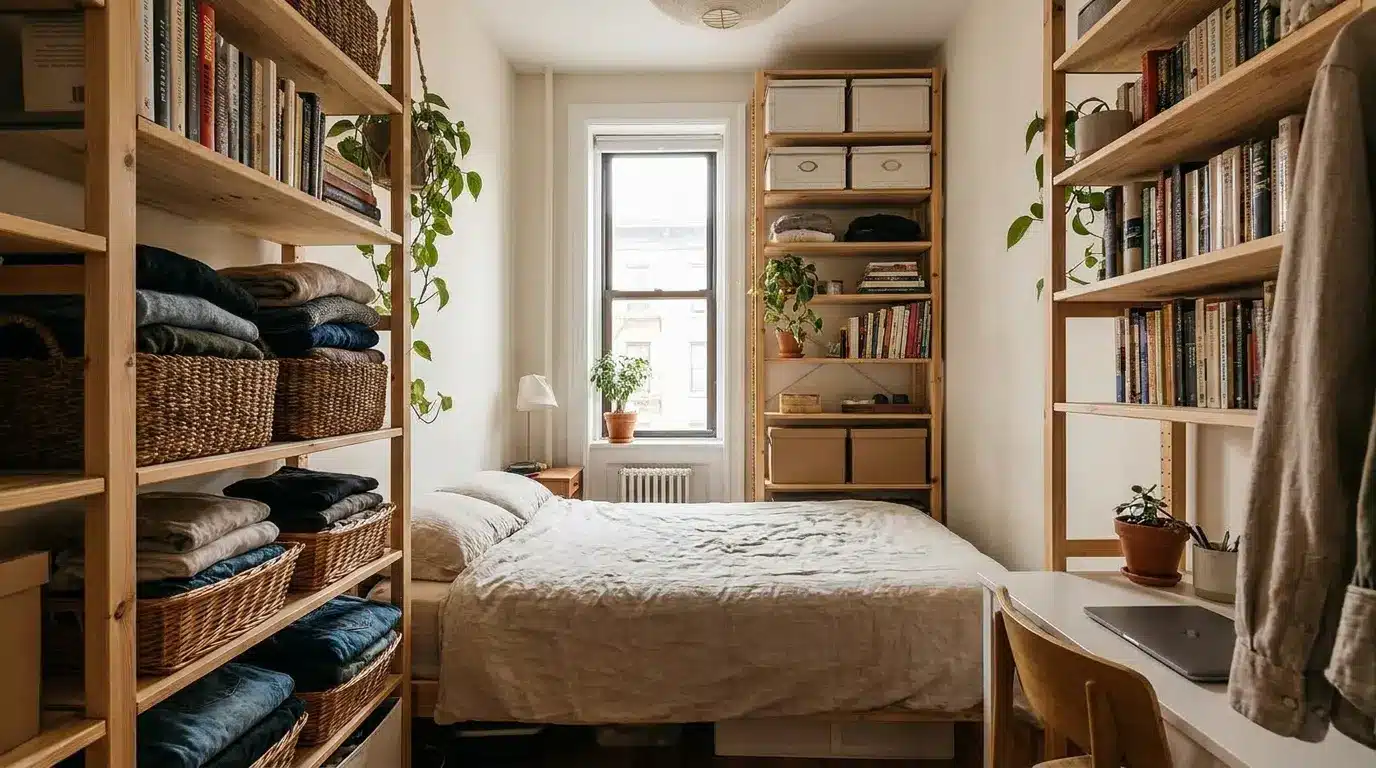
A small bedroom needs storage that uses height rather than floor space. Tall shelves, narrow drawers, corner shelves, and wall hooks can add space without blocking movement. This idea differs from under-bed storage because it uses vertical space rather than hidden floor space.
I would keep heavy items lower and lighter items higher so the setup feels safe and easy to use. Tall storage works best when it fits close to a wall and does not crowd the walking path. The goal is to keep the floor as open as possible. Use vertical options like:
- Tall shelves: Good for books, boxes, and folded items.
- Narrow drawers: Useful where wide dressers do not fit.
- Corner shelves: Use ignored corners.
- Wall hooks: Hold bags, hats, or light jackets.
- High shelf boxes: Best for less-used items.
18. Use Door Space for Light Items
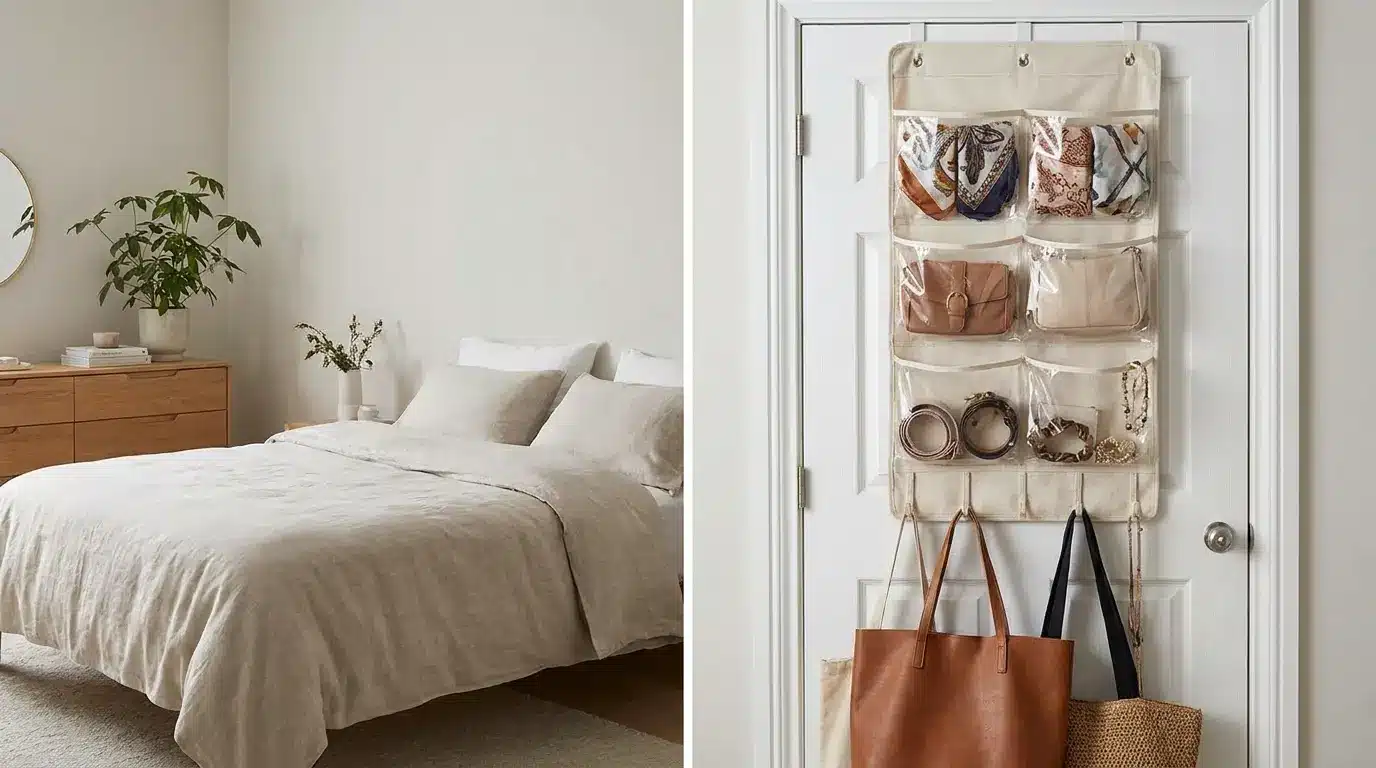
The back of the door is useful for light items that need quick access. Hooks or pocket organizers can hold bags, scarves, belts, hair tools, or small accessories. I would not put heavy items here because the door should still close easily and look neat.
This idea should not repeat the shoe storage. If your shoe system already uses a hanging organizer, keep door storage for other light items. Door space works best when it holds a small group of related items, not everything you couldn’t fit elsewhere. Use door storage for:
- Scarves: Easy to see and grab.
- Belts: Keep them from tangling in drawers.
- Small bags: Useful if they are light.
- Hair tools: Work if cords are wrapped neatly.
- Caps or hats: Keep them off shelves and chairs.
19. Try a Minimal Room Setup
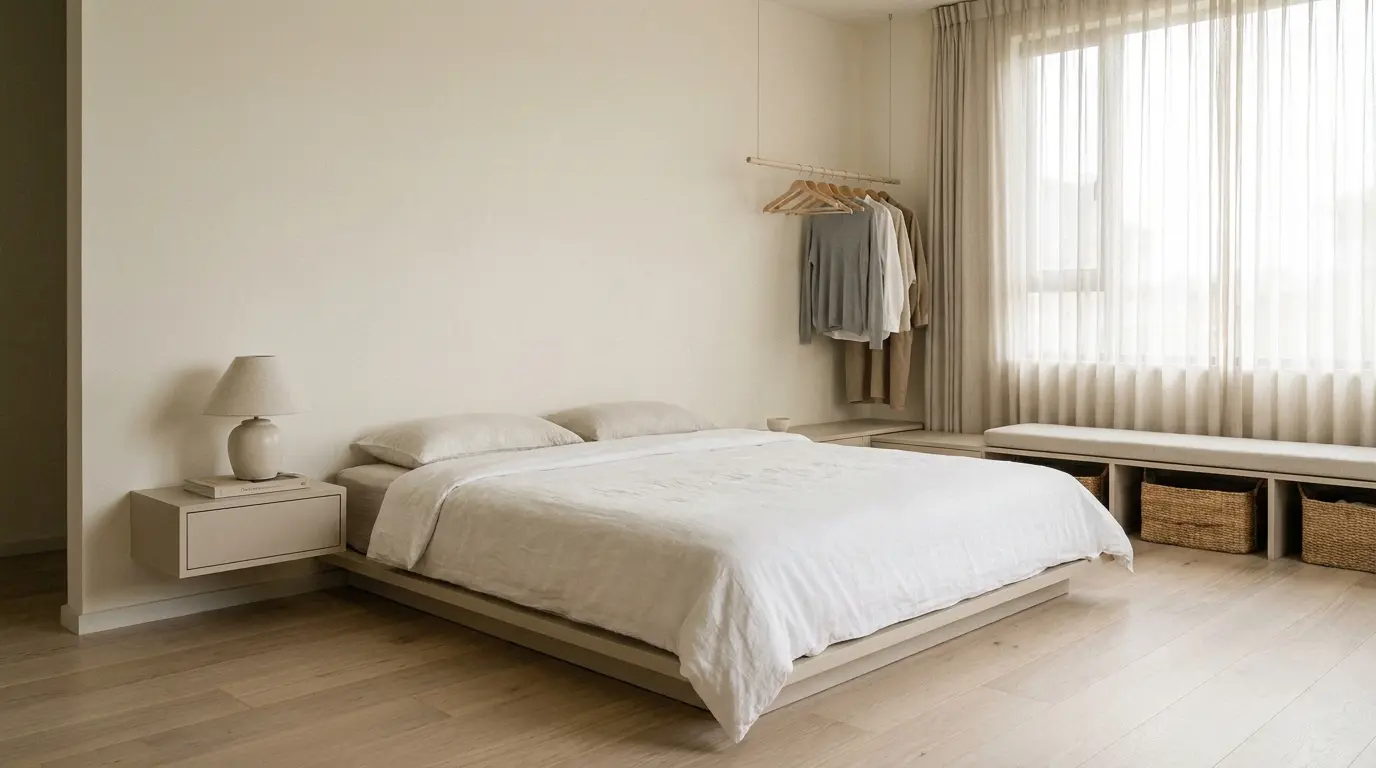
A minimal room setup is for readers who feel stressed by too many visible items. This style uses simple storage, clear surfaces, and fewer display pieces.
I would focus on closed boxes, plain bins, matching hangers, and calm surface choices. It does not mean the room has to be empty. It means the items you keep outside should feel useful or meaningful. This section should not repeat every storage idea from above.
Keep it as a visual direction for people who want a cleaner look with less visual noise. Use this setup if you like:
- Closed storage: Hides busy items.
- Plain bins: Keep shelves looking simple.
- Clear surfaces: Makes cleaning easier.
- Limited decor: Lets the room feel open.
- Soft colors: Helps the space feel settled.
20. Try a Cozy Functional Room Setup
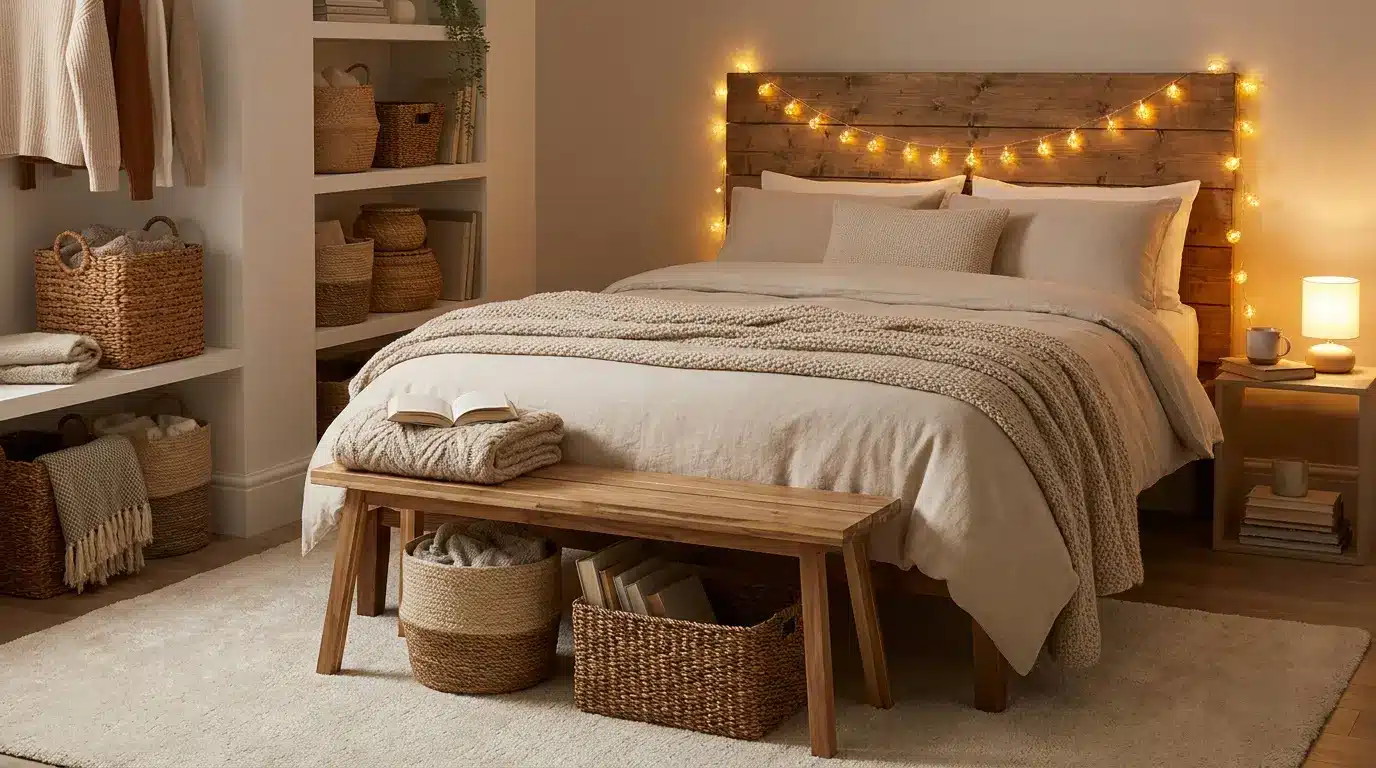
A cozy room can still be organized if comfort items have clear homes. Soft baskets, warm lighting, and one blanket spot can make the room feel lived-in without becoming messy.
I would keep the blankets in one basket, on a bench, or in a single chair instead of spreading them around. Use texture carefully, so the room feels warm but not crowded.
This section should not repeat the details of hidden storage furniture. It is about building a soft, useful room style that still has order. Add comfort with:
- Soft baskets: Good for blankets or cushions.
- Warm lighting: Makes the room feel relaxed.
- One blanket spot: Stops throws from covering the room.
- Layered bedding: Keep it easy to make each day.
- Personal touches: Choose a few, not every keepsake.
21. Try a Student-Friendly Room Setup
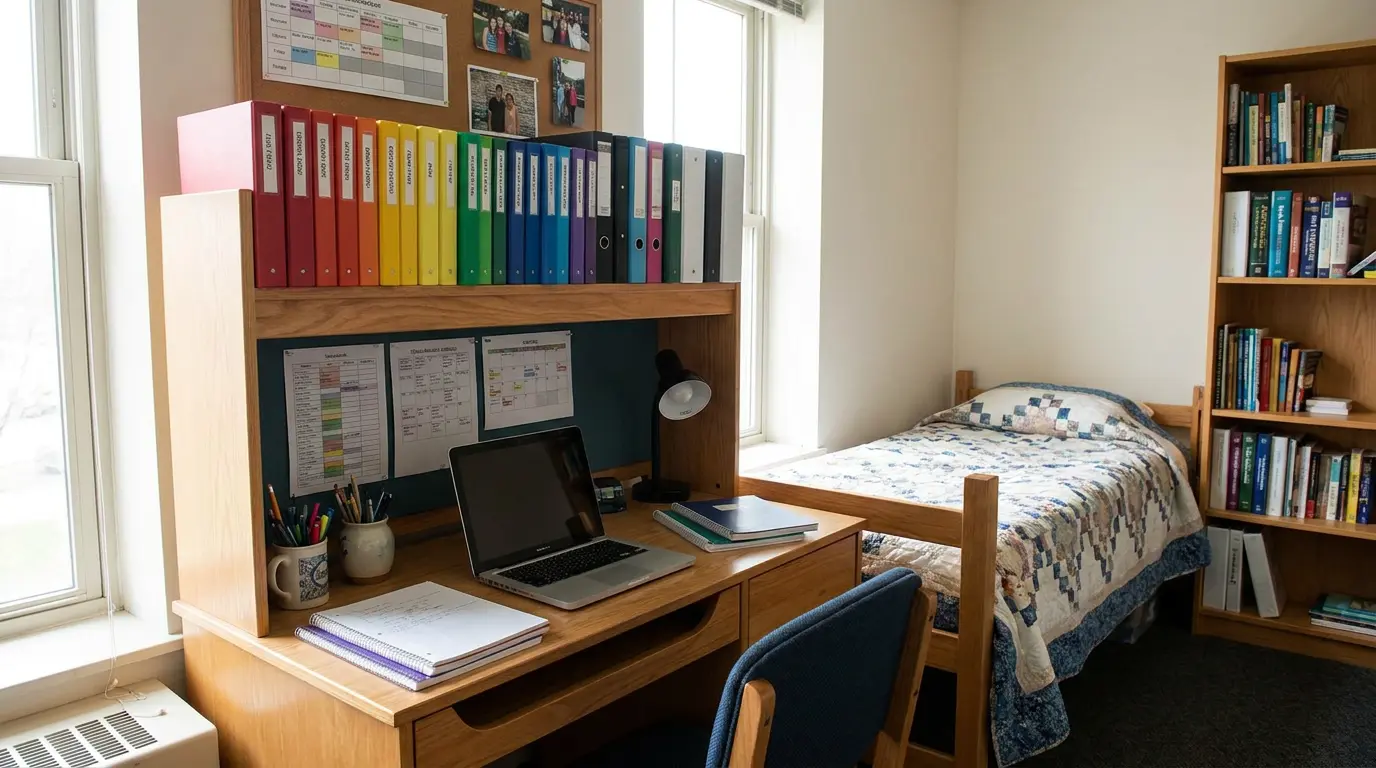
A student-friendly room needs to support study, sleep, and storage in one small space. I would keep the desk simple, the bed area calm, and school items easy to reach. Use folders for active papers, a board for reminders, and under-bed space for extra books or bags you do not need daily.
This section should not repeat the full clean desk zone. Instead, it shows how a student can combine room areas without letting study supplies take over the whole bedroom. Focus on:
- Simple desk surface: Keeps work easier to start.
- Paper folders: Stops notes from spreading.
- Reminder board: Keeps deadlines visible.
- Under-bed storage: Holds extra books or bags.
- Clear sleep area: Helps the room feel less like a classroom.
22. Try a Color-Coordinated Room Setup
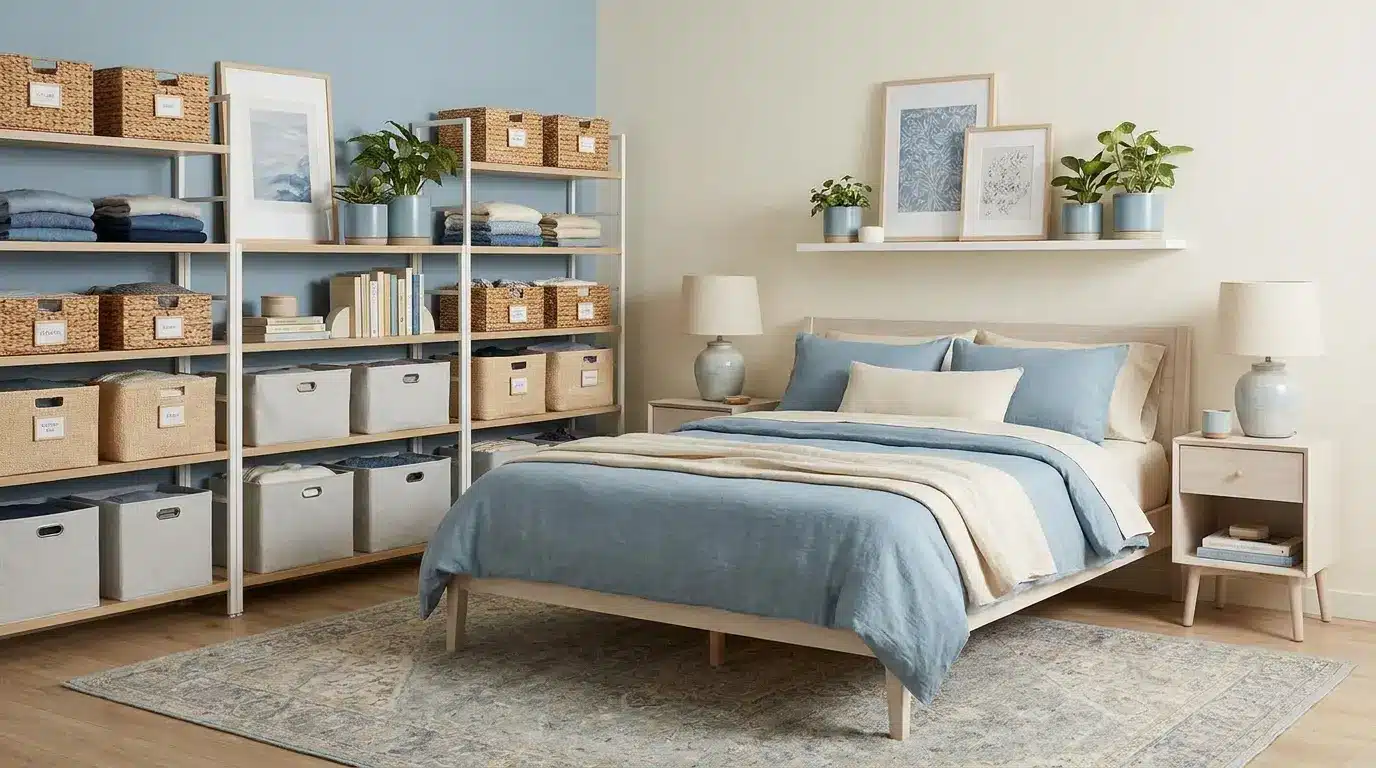
Color coordination is a visual system that makes a room look more organized without changing every piece of storage. You can group clothes, books, bins, or labels by color. Keep the system simple so it does not become hard to maintain. Broad groups like light, dark, neutral, and bright are easier than sorting every shade.
This section should not repeat the full closet system because color is only the visual layer. It works best after the main storage areas already have a clear place. Use color with:
- Closet sections: Group similar shades after sorting by type.
- Books: Arrange spines in simple color groups.
- Bins: Use matching or related tones.
- Labels: Keep label color consistent.
- Decor pieces: Repeat one or two colors across the room.
Room Organizing Tips to Keep Everything in Place
Good room systems fail when they take too much energy to maintain. The tips below are not new storage ideas. They are small actions that help the setups you already chose stay useful after mornings, late nights, and laundry days. These habits keep your room working after the organizing is done:
| Tip | How to use it | What it prevents |
| Put items back right after use | Return books, chargers, beauty products, and clothes to their set places | Small messes turning into full-room clutter |
| Follow the one-in, one-out rule | Remove one old item when you bring in a new one | Drawers and closets getting packed again |
| Do a five-minute night reset | Return cups, clear the desk, move laundry, and straighten the bed area | Weekend cleaning from feeling too big |
| Check one problem area weekly | Look at one zone, like the closet, desk, or dresser | Clutter slowly building in hidden spots |
| Stop keeping things just in case | Be honest about items you never touch | Storage filling with things you do not use |
| Reset laundry early | Move dirty, clean, and wear-again clothes to the right places | Clothes taking over chairs, beds, and floors |
| Keep the system easy | Make each item simple to put away | Complicated setups that fail on busy days |
Think of these tips as the part that protects your work. Once your room has a place for each item, small habits keep that system from falling apart. You get less daily clutter without having to start from scratch every single weekend.
Things to Remove Before Organizing Your Room
Before you place anything into baskets or drawers, remove the items that keep stealing room from the things you use daily. This part is not about storage. It is about clearing space so your new setup has room to work. Use this list as a clean-out filter before storage comes in.
- Clothes you never wear: Remove pieces that don’t fit, feel good, or suit your routine. Donate anything in good condition. This gives your closet and drawers more room for the clothes you reach for often.
- Empty or expired products: Check makeup, skincare, perfume, and hair items. Throw away dried, empty, or expired products. Your daily beauty space should hold current items, not old bottles that take up room.
- Old papers and receipts: Keep only papers that matter. Sort them into important, to do, and recycle. A thin folder works better than a pile that keeps moving from desk to drawer.
- Extra packaging, bags, and boxes: Shopping bags, delivery boxes, product packaging, and empty containers take up more space than you think. Keep only the ones with a real use and remove the rest.
Common Room Organizing Mistakes to Avoid
Small organizing mistakes can make a room feel cluttered even when everything has a place. The problem usually comes from storage that looks good in photos but feels awkward in daily life. Use this table to spot and fix habits.
| Mistake | Why It Makes the Room Feel Messy | Better Fix |
|---|---|---|
| Using too many storage styles | Mixed basket shapes, label types, and box colors can make shelves and corners look busy. | Choose two or three colors or materials, then repeat them across the room. |
| Making the system too hard | If a box, drawer, or shelf takes effort to reach, items will end up sitting out. | Keep daily-use items in easy spots and save harder-to-reach areas for rare-use things. |
| Filling every empty space | A packed shelf, wall, or dresser top can make the room feel crowded and harder to clean. | Leave small gaps so the room feels calmer and the items you keep look more planned. |
| Choosing storage that does not fit | Oversized furniture crowds walkways, while tiny bins fail to hold bulky items properly. | Measure first, then pick storage that fits the room and the items you need to store. |
Good organizing should make the room easier to use, not harder to maintain. When storage fits your habits, space, and daily routine, the room stays calmer with less effort. Start by fixing one weak spot instead of redoing everything today.
Final Words
Once you understand how to organize your room, the goal stops being a perfect bedroom and starts being a room that supports your real day. I like systems you can use when you are tired, late, or busy, because those are the moments when clutter usually wins.
These room organizing tips work best when you start small. Pick one idea, set it up well, and use it for a few days before changing to another area.
Your room should help you find your things, rest better, and move through your routine with less friction. Start with the spot that bothers you most today, then come back and build the next part when you are ready, and share your progress with someone. Share it with a friend or drop your favorite tip in the comments below.