
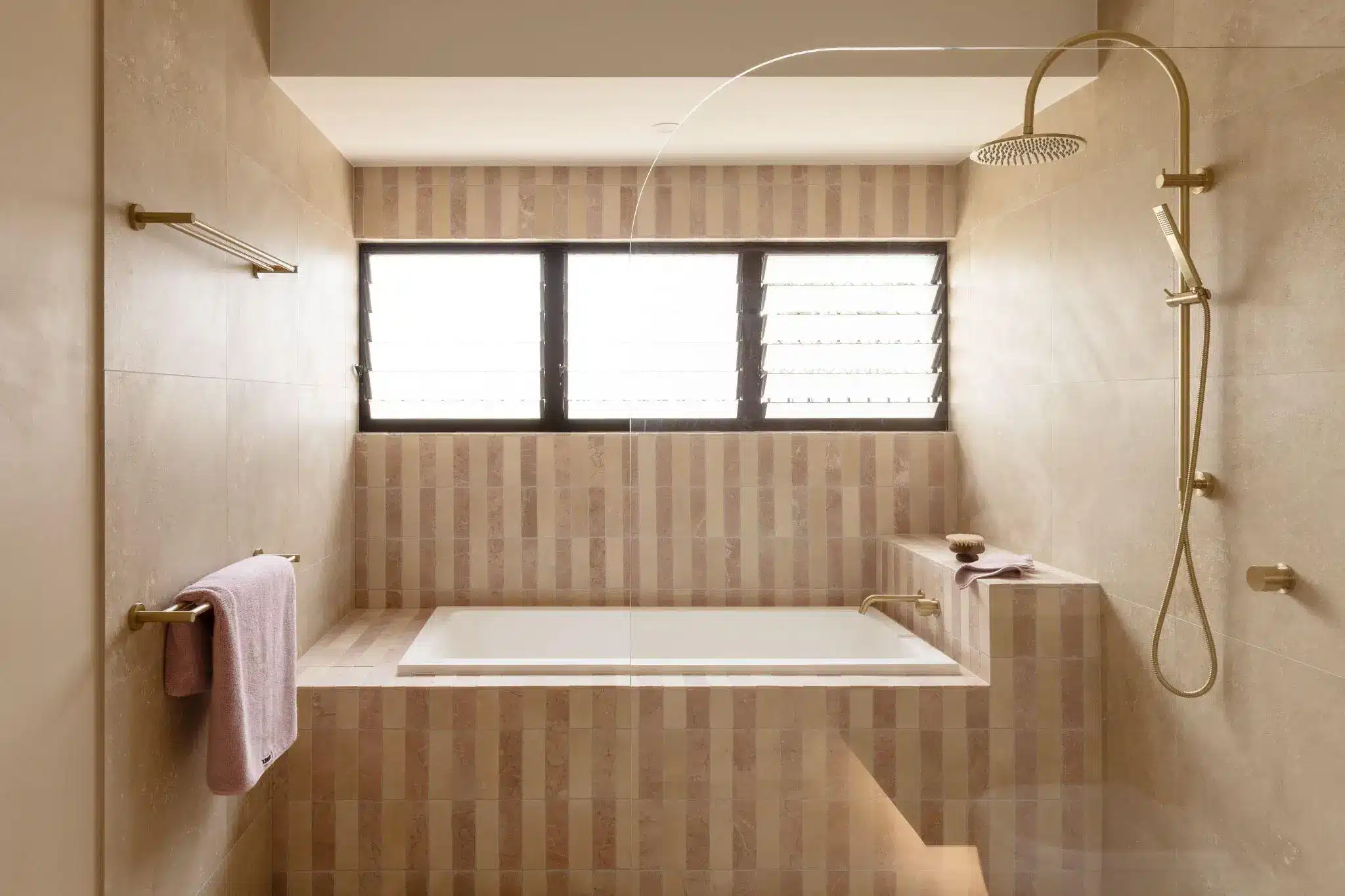
When you start planning a home renovation, it’s easy to get swept up in the fun stuff: choosing a sofa, picking paint colours, and scrolling through endless styling inspiration. And that makes sense, as those are the choices that feel personal and immediate.
But here’s something a lot of people don’t realise until they’re halfway through a reno: the surfaces in your home. Whether it’s the floors, the walls, splashbacks, shower recesses, or feature walls, the surfaces often do more to shape how a space feels than any piece of furniture ever could. This is because they’re always there, visible, and quietly setting the tone for everything else in the room.
That’s why tile has started to mean something different to designers and homeowners alike. It’s no longer just about picking something practical and waterproof. People are choosing tile for the atmosphere it creates, the warmth it adds, and the long-term character it adds to a home. In short, tiles have become an integral architectural element.
The Shift From Decoration to Materiality
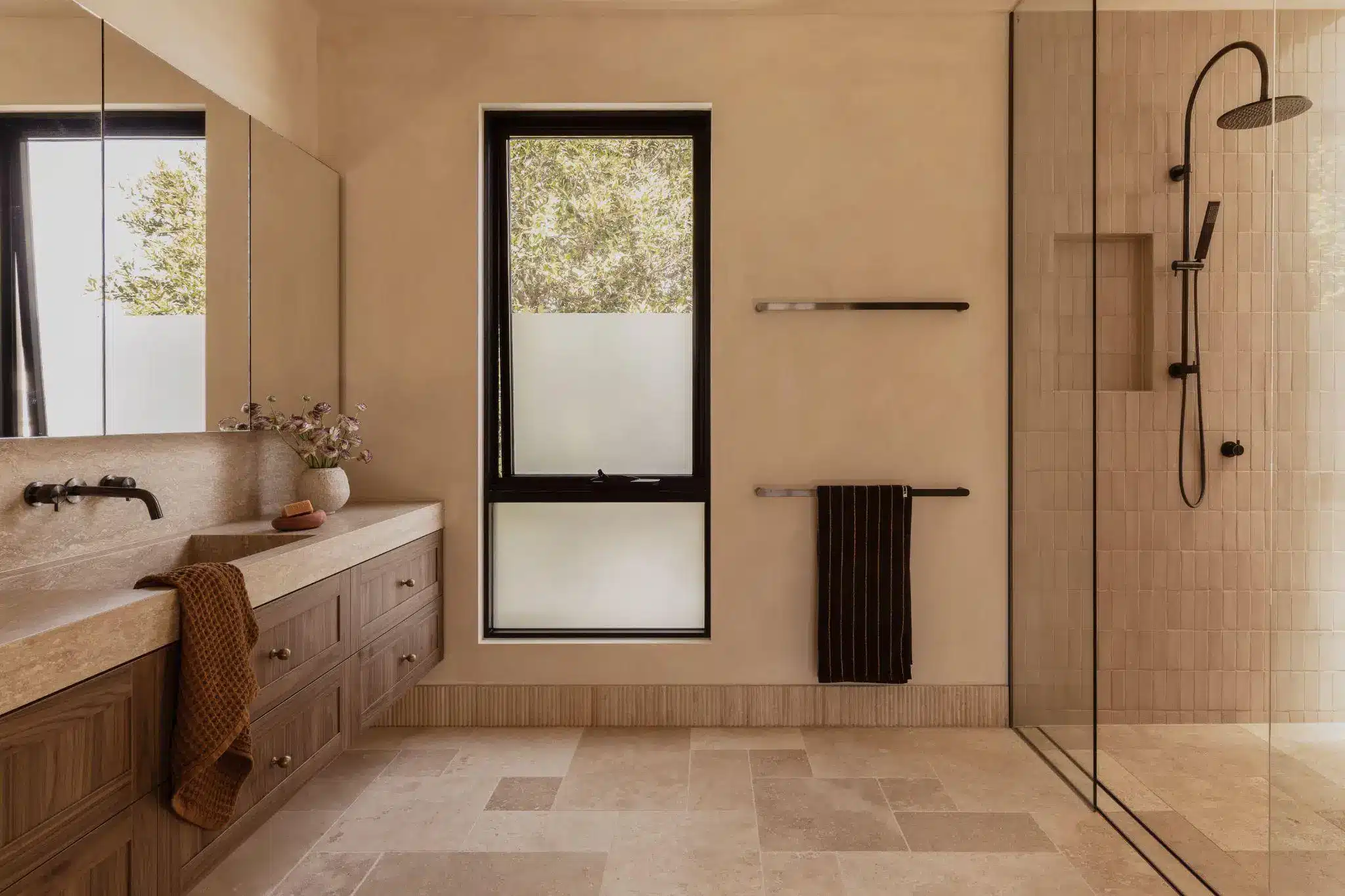
The era of fast trends and disposable styling is giving way to something more considered, with a growing preference for natural materials, honest textures, and design choices that are built to last. You can see it in the palette shift alone. Warm neutrals are replacing the cool, clinical greys that dominated interiors for years. Natural stone, such as travertine, limestone, and sandstone, is appearing in everyday homes, not just in high-end renovations. People are drawn to surfaces that feel tactile and real, that appear differently in morning light than they do in the evening.
Tile fits right into this moment. It’s a material that can express warmth, permanence, and beauty all at once, and with the range of finishes, formats, and textures available today, it works in virtually any home style.
How Tile Influences the Mood of a Space
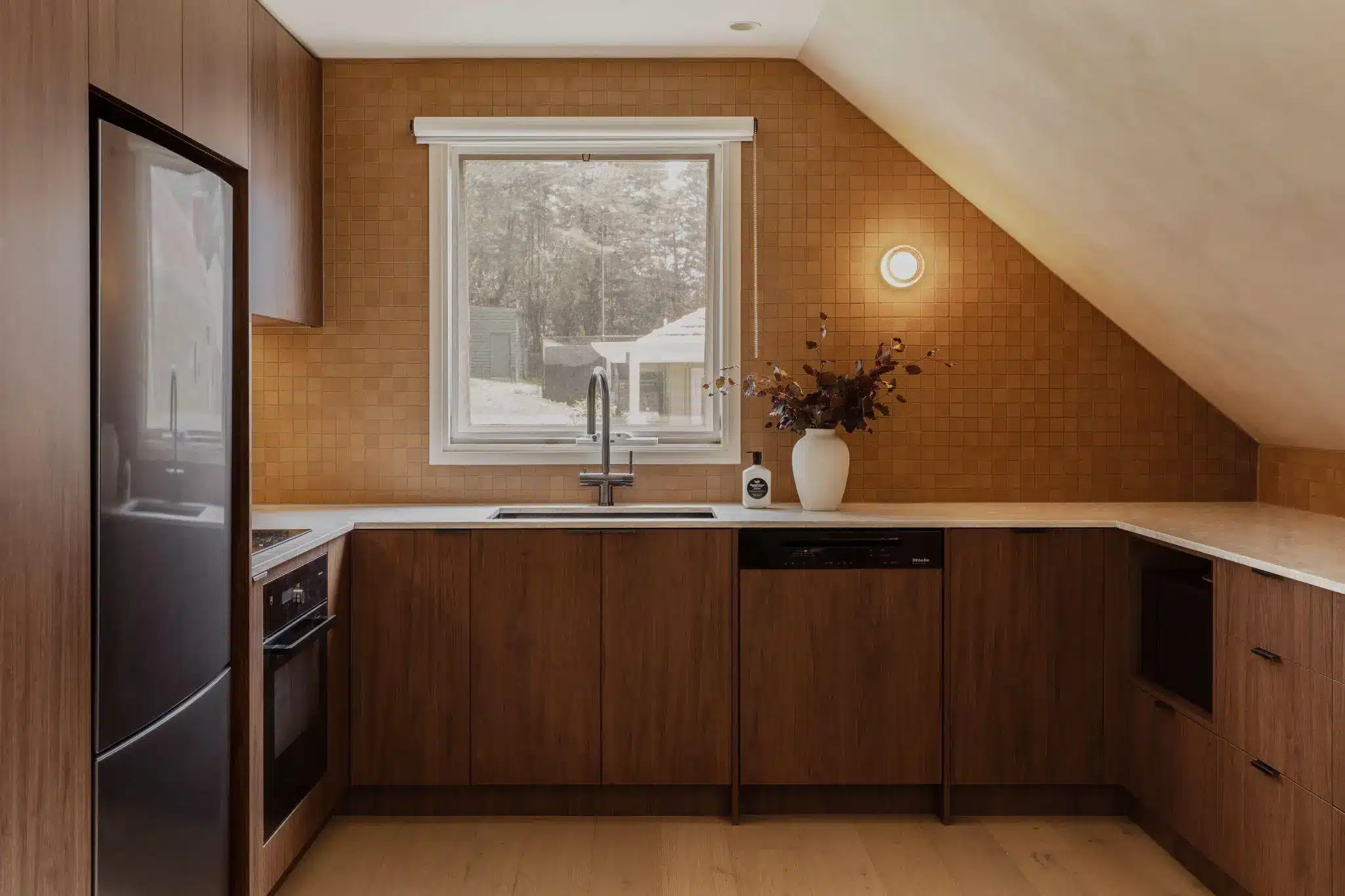
One of the things that surprises people most about tile is how much it affects the feel of a room, even before you’ve added a single piece of furniture. Different tile choices create genuinely different emotional responses, sometimes in ways that are hard to put into words until you’re standing in the space.
Limestone tiles create a calm, grounding foundation, while travertine tiles introduce a softness and warmth that’s difficult to replicate with other materials. Gloss mosaics add energy and movement, reflecting light to make compact spaces feel brighter and more dynamic, while handmade-look ceramics and natural stone-inspired finishes introduce subtle texture and depth. Large-format tiles complete the palette by minimising grout lines and creating a cleaner, more open feel.
If you’re unsure where to start, ABI’s tiles include an extensive range of small and large-format designs, from natural stone and pool tiles to mosaics and highly durable outdoor tiles. Seeing different tile styles together makes it easier to recognise the colours, textures, and finishes that best reflect the atmosphere you want to create.
Creating Visual Flow Throughout the Home
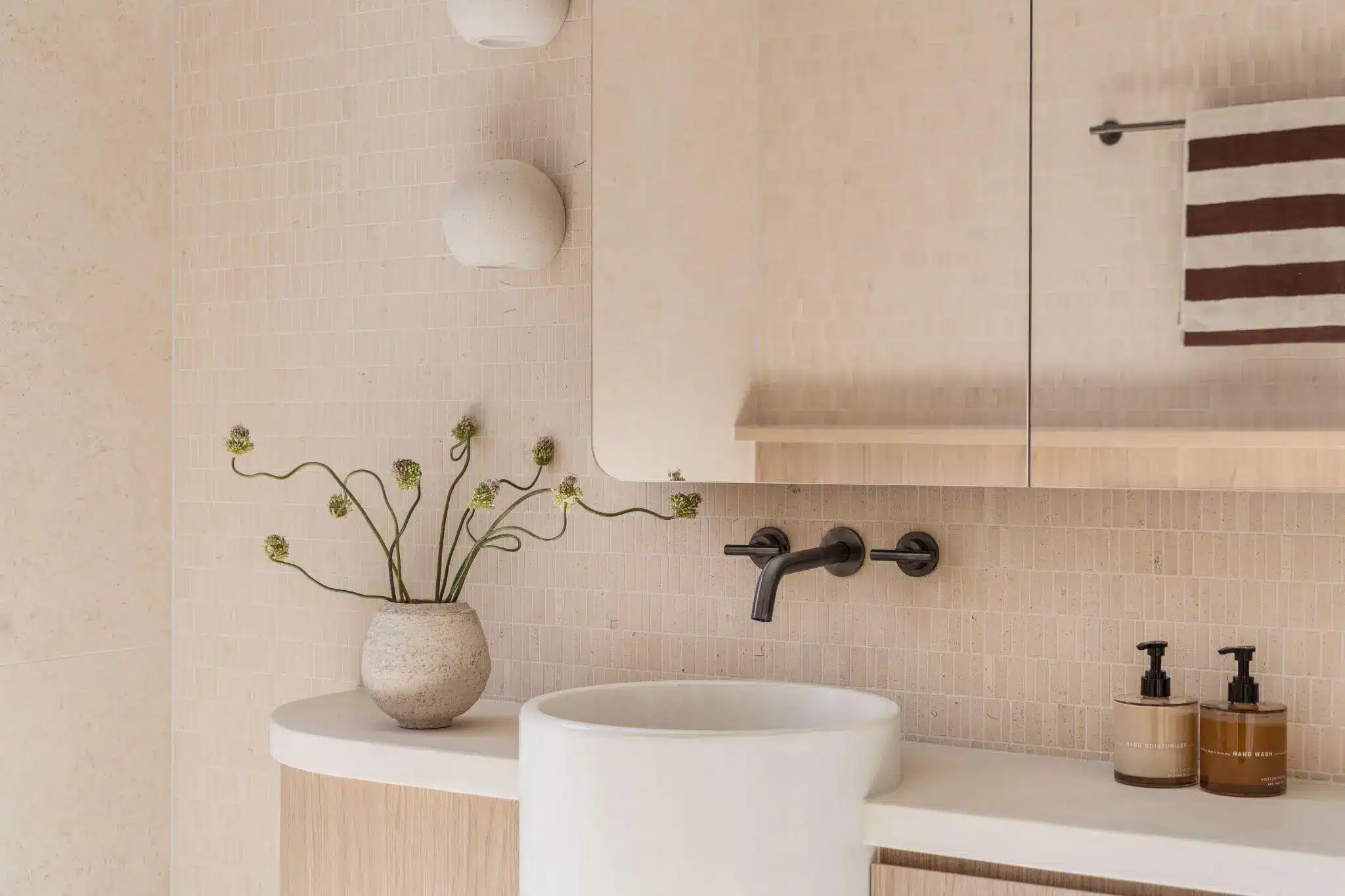
One of the most effective design moves you can make is also one of the simplest: use consistent materials across multiple rooms to create a sense of flow. When flooring extends from the living area into the kitchen, or from an internal hallway out to an alfresco area, the whole home feels larger and more cohesive.
This is something designers have been doing in high-end projects for years, but it’s becoming increasingly common in everyday renovations, too. The idea is to treat the home as a single connected environment rather than a series of separate rooms, and tile is one of the best tools for doing that.
The same tile that anchors a kitchen floor can extend onto an outdoor terrace. A textured wall tile from the bathroom can reappear as a feature in the hallway. These echoes of material and tone tie the home together in a way that feels intentional without being overdone.
Why Bathrooms Are Leading the Change
If there’s one room where this shift toward tile as a design statement is most obvious, it’s the bathroom. People have started treating bathrooms as personal retreats, places to unwind at the end of the day. That change in mindset has completely transformed how people approach their tile choices. With ABI bathroom tiles, for example, the question is no longer just ‘is this easy to clean?’ It’s ‘how does this tile make the room feel?’ A floor-to-ceiling travertine-look tile can turn a modest bathroom into something that genuinely feels like a spa. A soft matte glaze on a handmade-look wall tile introduces warmth and character. A large-format stone tile on the floor continues up a feature wall, making the whole room feel resolved and considered.
Bathrooms have become a showcase for this more design-led approach to tiling, creating spaces that are as enjoyable to spend time in as they are practical.
Beyond the Bathroom: Where Tile Is Showing Up Now
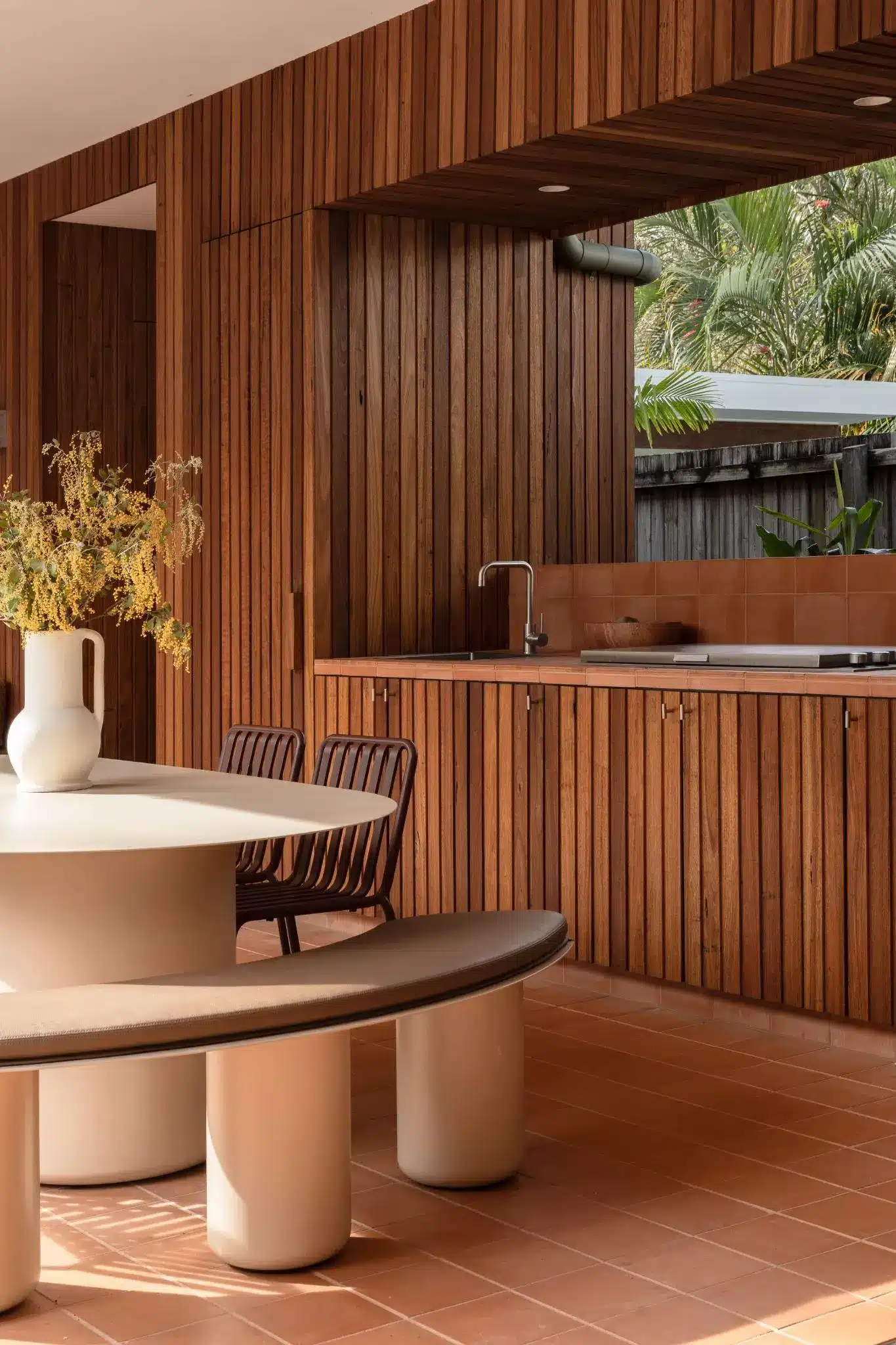
The bathroom may be leading the conversation, but tile is showing up in all sorts of places it wouldn’t have appeared a decade ago, and the results are often the most interesting parts of a home.
Living room fireplaces clad in stone-look tiles become grounding focal points. Kitchen islands wrapped in textured tile add a layer of material richness to what might otherwise be a purely functional form. Entryways tiled in bold terracotta set the tone for the whole home from the moment you walk in. Even laundry rooms, long treated as an afterthought, are getting the same material attention as bathrooms.
Outdoor entertaining areas, patios, and pool surrounds are also being designed in deliberate alignment with the interiors they connect to. When materials flow from inside to outside, both spaces feel bigger and more intentional.
Designing for Longevity Rather Than Trends
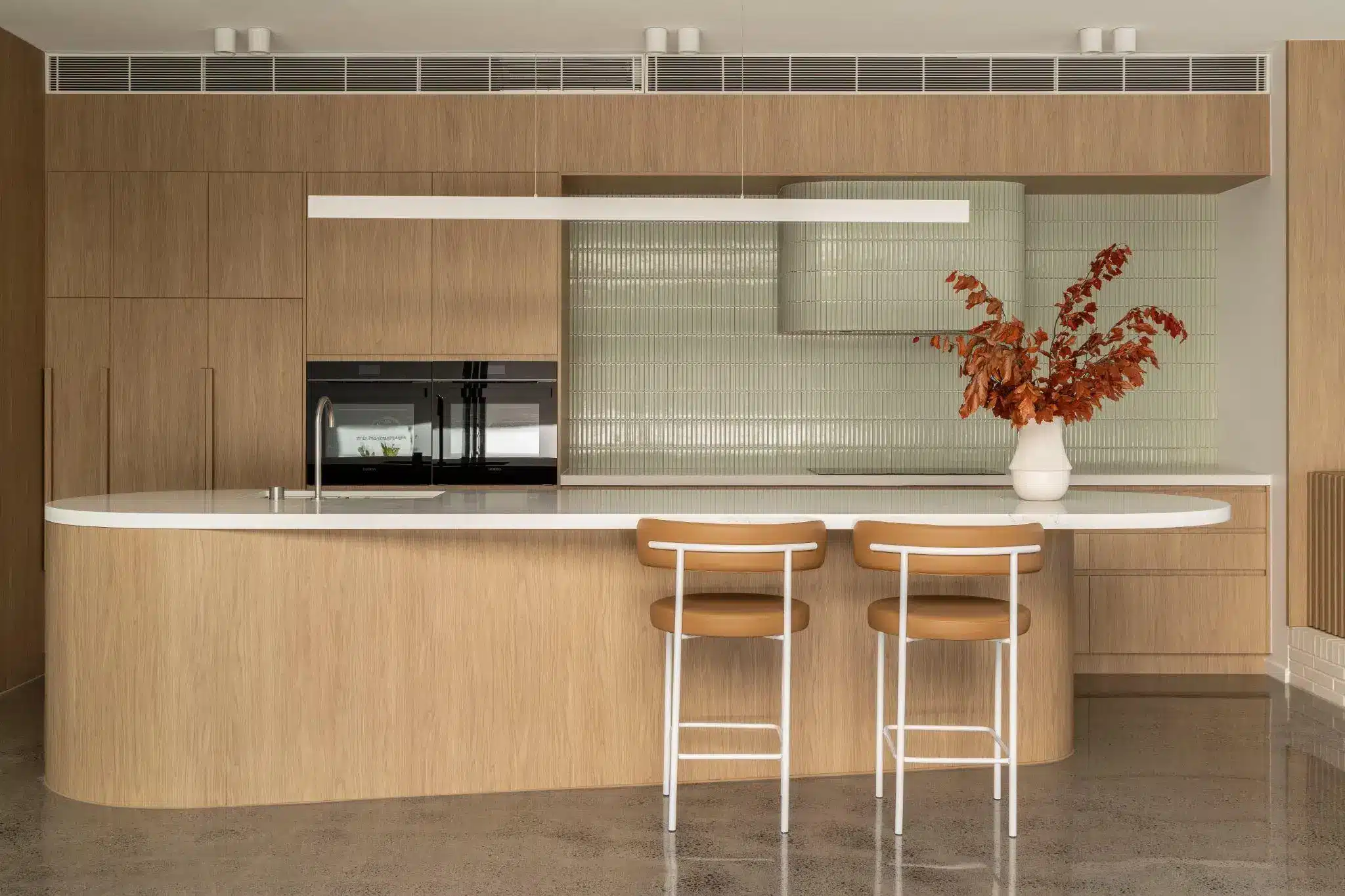
There’s a growing philosophy in home design sometimes called ‘slow decorating’: the idea of making fewer, more deliberate choices rather than constantly refreshing and restyling. Instead of chasing what’s popular right now, the focus shifts to materials and finishes that will still feel beautiful and relevant in ten or twenty years.
Tile, chosen thoughtfully, forms the foundation of a timeless interior. Natural stone, stone-inspired porcelain, and handmade-look ceramics offer an enduring material palette that feels as relevant decades from now as it does today.
The homes that stand the test of time tend to have been designed around what was genuinely beautiful and true to the materials, not around what was fashionable at the time. Paying more attention to your tile choices, thinking about atmosphere, flow, and longevity rather than just practicality, is one of the simplest ways to start building a home like that. This shift changes the way you see every surface in your home.