


At first, tracking chicken meals seemed simple, especially drumsticks. But after comparing nutrition apps, grocery labels, and restaurant entries, I found the numbers didn’t match.
Some sources showed higher fat content; others looked unusually lean; and fried versions completely changed the calorie count. Even “one drumstick” varied across databases.
That inconsistency makes it hard to know exactly what you’re eating.
This breakdown explains variations in chicken drumstick calories, protein, and fat; how cooking affects nutrition; and how it compares to other chicken cuts, helping you log meals more accurately.
Macros in a Cooked Chicken Drumstick
Chicken drumstick nutrition isn’t fixed; it shifts depending on size, cooking method, and whether the skin is kept on. Understanding these differences helps you log meals more accurately and avoid misleading calorie counts.
The values below represent a general cooked estimate commonly used for tracking purposes. These numbers can vary slightly between raw databases, restaurant portions, and home-cooked servings.
| Serving Size | Calories | Protein | Fat | Carbs |
|---|---|---|---|---|
| 1 medium drumstick | 155–185 | 18–22 g | 10–13 g | 0 g |
| 100 g cooked | 180–210 | 20–24 g | 11–14 g | 0 g |
| 2 drumsticks | 310–370 | 36–44 g | 20–26 g | 0 g |
A key factor is moisture loss during cooking, which concentrates protein and fat. Skin-on drumsticks will always have more calories than skinless versions due to the added fat.
Drumsticks naturally contain more fat than lean cuts because they include dark meat and often skin, making them richer in flavor but slightly higher in calories.
Protein Content in Chicken Drumsticks
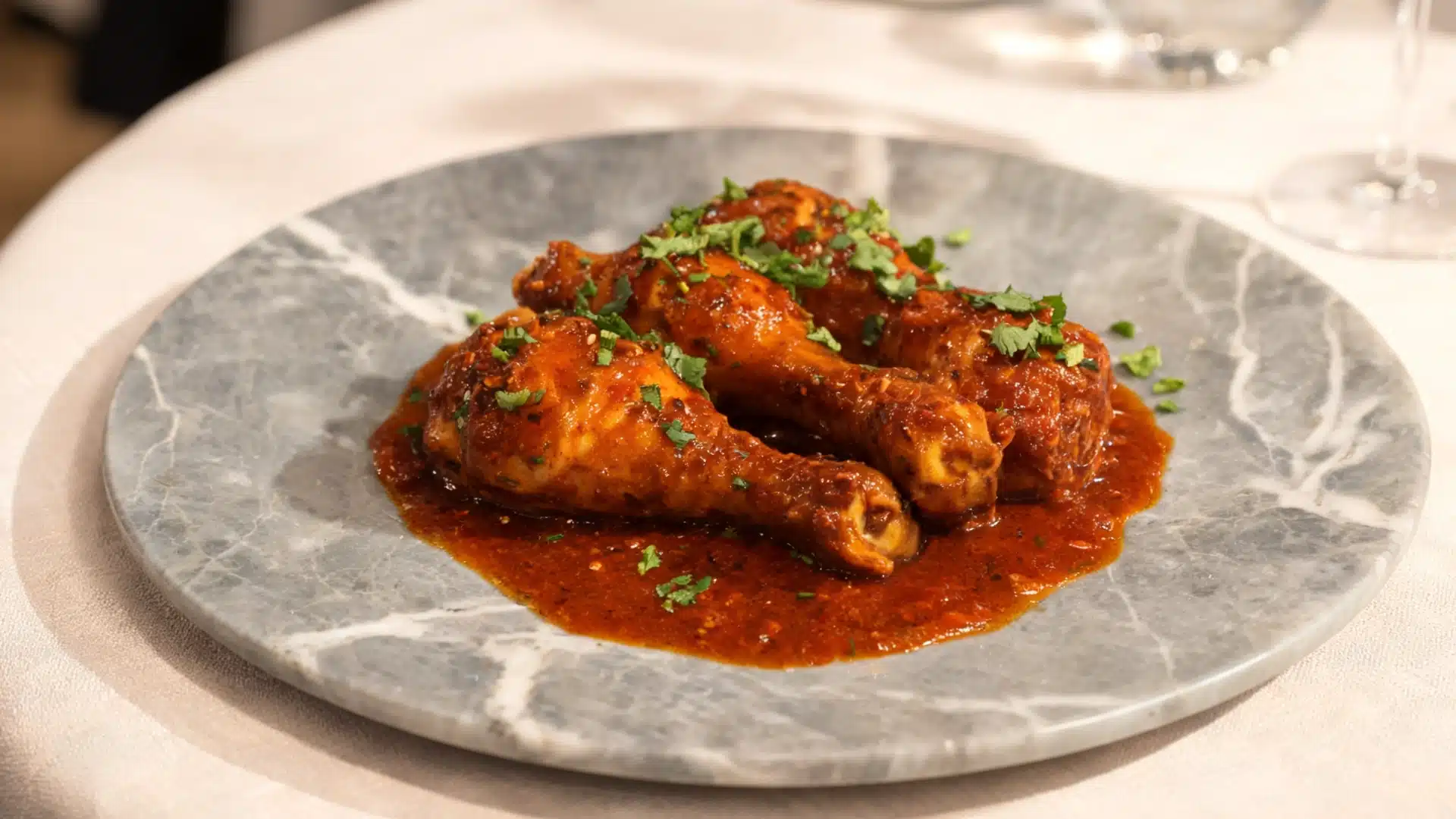
A typical cooked chicken drumstick provides around 18–22 grams of protein, depending on size and preparation method.
Because drumsticks are dark meat, they contain slightly more fat than chicken breast, which reduces protein density per calorie but improves flavor and satiety. Skin-on drumsticks are richer and more calorie-dense, while skinless versions lean closer to a higher-protein, lower-fat profile.
This makes them a flexible option depending on whether the goal is lean tracking or more filling, flavorful meals. They also provide steady protein intake to support muscle recovery and maintain daily nutritional balance.
Drumsticks Compared to Other Chicken Cuts
When it comes to chicken nutrition, drumsticks fall into a balanced middle category. They’re not as lean as chicken breast, but they also aren’t as calorie-dense as wings or some thigh cuts.
This makes them a popular choice for people who want both flavor and moderate macros in their meals.
Different chicken cuts vary mainly due to fat content, muscle type, and whether the skin is included. Drumsticks naturally sit in a sweet spot where protein is high, but fat is slightly higher, giving them a richer taste and greater satiety than lean cuts.
| Cut (100g cooked) | Calories | Protein | Fat | Key Point |
|---|---|---|---|---|
| Chicken Breast | 150–170 | 30–32 g | 3–4 g | Leanest option |
| Drumstick | 180–210 | 20–24 g | 11–14 g | Balanced flavor + fat |
| Chicken Thigh | 200–240 | 19–23 g | 14–17 g | Juicier, richer |
| Chicken Wings | 220–270 | 18–20 g | 16–20 g | Highest fat content |
Drumsticks are often chosen because they strike a practical balance between nutrition and taste, making them easier to incorporate into everyday meal plans without feeling overly restrictive.
Why Chicken Drumstick Calories Change
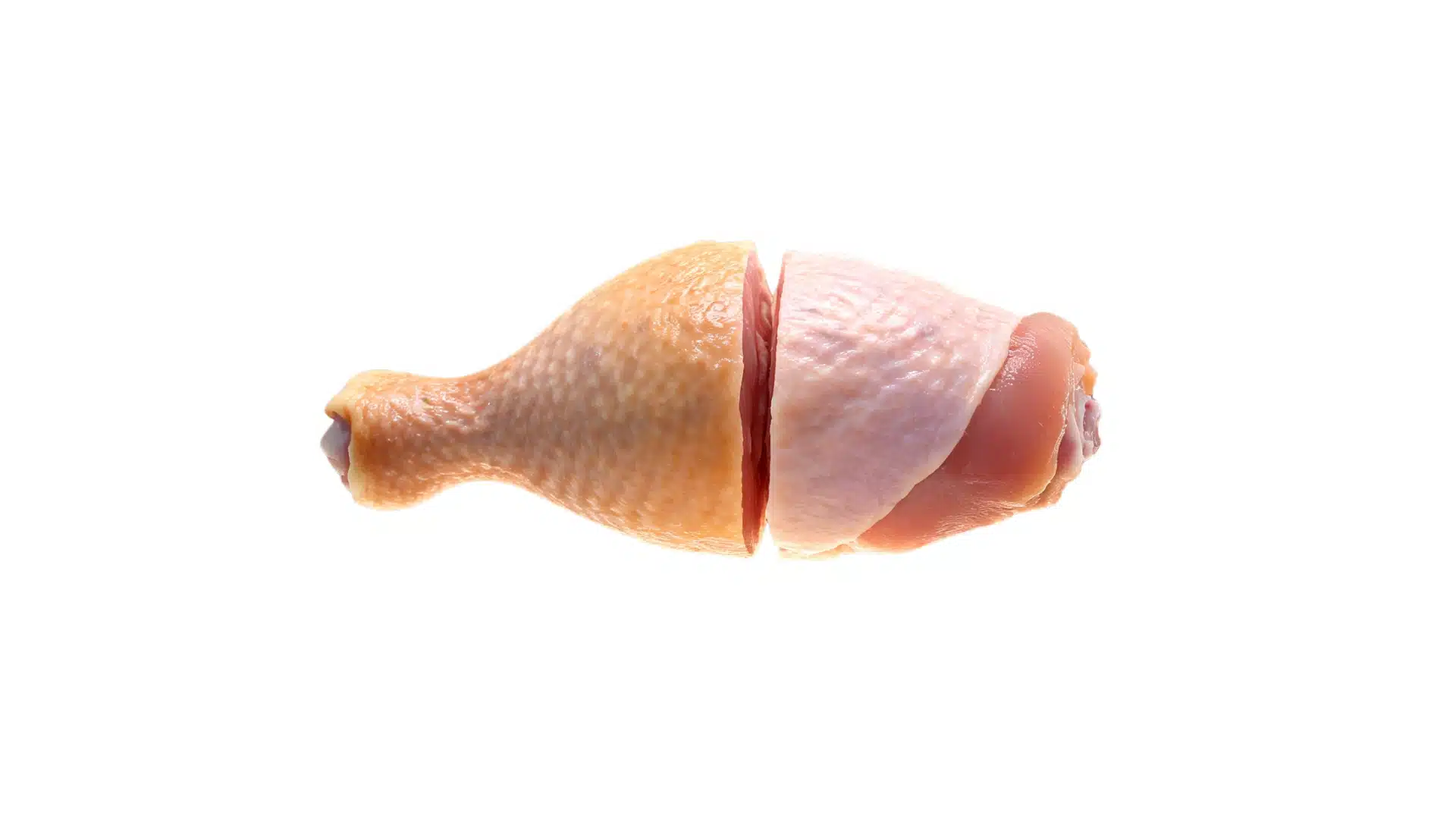
Ever notice how nutrition apps, grocery labels, and restaurant menus all list different calorie counts for chicken drumsticks? That inconsistency isn’t random; there are a few key reasons behind it.
One major factor is skin-on vs skinless preparation. Chicken drumsticks with skin contain significantly more fat, which directly increases total calories compared to trimmed versions.
The cooking method also plays a big role. Baked or grilled drumsticks retain a more stable macro profile, while fried versions absorb oil, adding hidden calories that aren’t always reflected in databases.
Portion size variation is another issue. A “single drumstick” can vary widely in weight depending on the chicken source, making standard labeling inconsistent across platforms.
Finally, database differences matter. USDA values are averaged from multiple samples, while apps and brands often use separate entries or restaurant-specific data, leading to noticeable variation in calorie counts.
Nutrients Beyond Protein in Drumsticks
Chicken drumsticks are not just a protein source; they also provide important vitamins and minerals that support overall body function. Because they come from dark meat, they naturally have a richer micronutrient profile than lean white-meat cuts.
A typical cooked chicken drumstick provides roughly:
- Iron: ~0.9–1.2 mg (supports oxygen transport and energy production)
- Zinc: ~1.2–1.8 mg (supports immune health and recovery)
- Vitamin B6: ~0.3–0.5 mg (supports metabolism and brain function)
- Phosphorus: ~150–180 mg (supports bones and cellular energy)
These values may vary slightly based on size, cooking method, and whether the skin is included, but they stay fairly consistent across standard nutrition databases.
Overall, chicken drumsticks offer a balanced mix of protein and essential micronutrients, making them a practical choice for everyday meals. While macros often get the most attention, these vitamins and minerals add extra nutritional value that supports energy, immunity, and recovery when included regularly in your diet.
Are Chicken Drumsticks a Healthy Protein Choice?
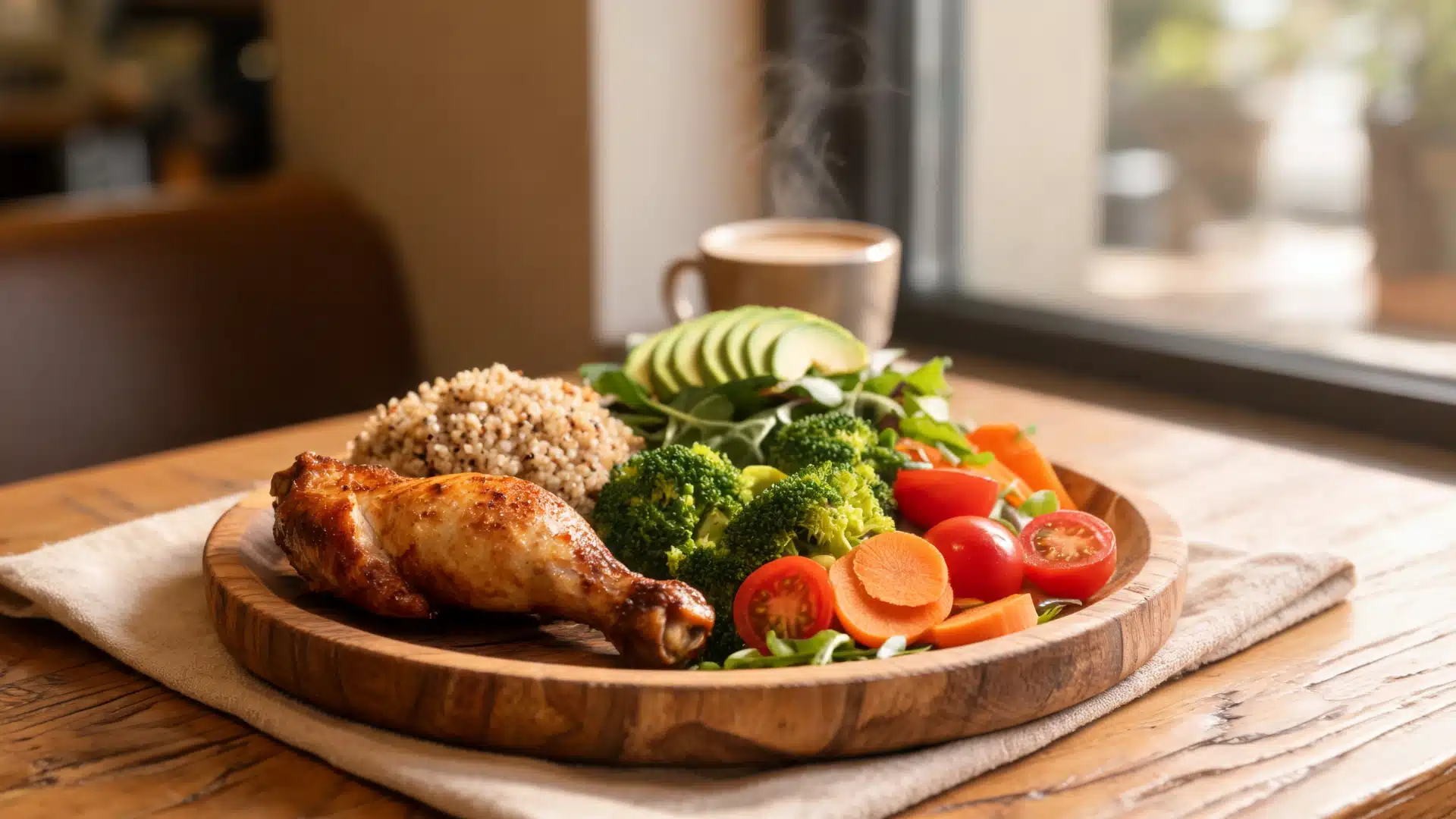
Chicken drumsticks can absolutely fit into a healthy diet, but their value depends on how they are cooked, portion size, and your overall nutrition goals. They sit in a balanced middle range, more flavorful and satisfying than lean cuts, but slightly higher in fat.
Because they contain dark meat and often skin, drumsticks provide a mix of protein and fat that makes them more filling than very lean options. This makes them easier to include consistently in meals without feeling overly restrictive.
| Good Choice When | Be Careful If |
|---|---|
| Balanced eating plans | Fried or heavily breaded |
| Muscle gain diets | Tracking strict calories |
| Budget-friendly protein meals | High cholesterol monitoring |
| Flexible meal prep | Extra oils or heavy sauces are used |
Drumsticks are best suited for people who want a practical balance of taste, affordability, and moderate macros rather than ultra-lean nutrition.
Best Ways to Cook Drumsticks for Cleaner Nutrition
The cooking method plays a big role in how healthy chicken drumsticks actually are. The same cut can stay fairly lean or become calorie-dense depending on oil, skin, and preparation choices.
- Air fry or bake instead of deep-frying: These methods help keep calories in check by reducing excess oil while still delivering a crispy, well-cooked texture. They also make portion tracking easier since no hidden fats are added during cooking.
- Decide on skin based on goals: Skin adds flavor and moisture but also increases fat and overall calorie content. Removing it creates a leaner option better suited for calorie-controlled diets.
- Use simple marinades: Herbs, spices, lemon, and garlic enhance flavor without adding extra calories. Avoid heavy bottled sauces that often contain added sugar and oils.
- Avoid excess oil during cooking: Drumsticks naturally release fat, so extra oil is often unnecessary. Too much oil can quickly increase calories without much improvement in taste.
With simple cooking adjustments, chicken drumsticks can stay both tasty and nutritious. Controlling oil, skin, and seasoning helps keep calories in check while maintaining flavor, making them easier to fit into any diet plan.
Final Takeaway
Chicken drumsticks are a balanced protein option once you understand how their nutritional profile varies with skin, cooking method, and portion size. In this article, we broke down their calorie, protein, and fat content, explained why different sources report different numbers, and compared them with other chicken cuts.
We also looked at key micronutrients like iron and zinc, as well as the best cooking methods to keep them healthier and more macro-friendly.
Overall, drumsticks sit between lean and fatty cuts, offering both flavor and nutrition. If you want better tracking accuracy, focus on consistent cooking methods and proper weighing. Try applying these insights to your meals and make more confident, informed food choices every day.