
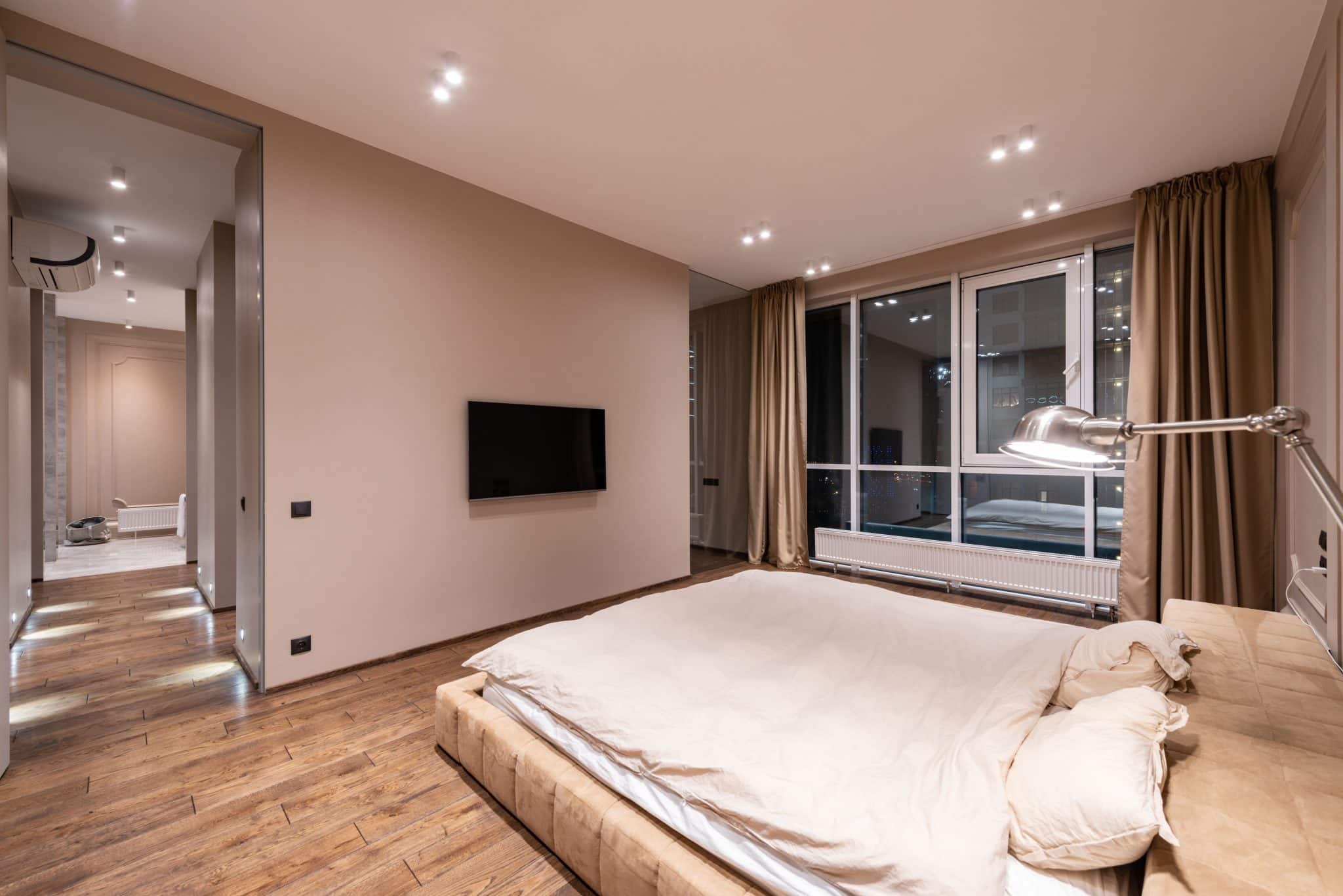
Most families never connect bad sleep to the floor underneath them. Hard surfaces, whether tile, laminate or concrete, can amplify noise between units, turning a dropped phone or a late night footstep into someone else’s sleep disruption. Soft flooring works differently. Sound gets absorbed. Vibration gets dampened. A shared building can feel quieter, especially at night.
Carpet pulls double duty here, softening impact noise on one hand, adding comfort underfoot on the other, keeping a bedroom easier to live with across the night. Multi story living throws its own challenges into the mix too. Young children, shift workers on someone else’s schedule, both groups feel sound problems first. The floor matters more than most leases admit.
Ground Floor Units Carry the Most Outside Noise
Ground floor units sit closest to whatever happens on the street. More traffic, more footfall, more outside conversation, that is the price higher floors do not pay. None of it needs to be loud to disrupt sleep either. A sleeper can get pulled out of deep rest by noise that barely registers as loud, never fully waking, just enough to break the cycle.
Security worries shape how families sleep down here too. Windows or doors that feel exposed can leave adults more alert than they want to be, even when nothing is actually wrong. Noise does not only feel annoying either. Long exposure has been linked with sleep disturbance and wider health effects.
Building entrances near ground floor units create another problem. Door closing, footsteps, hallway voices, all of it arrives across the evening hours. A daytime viewing reveals none of it, which explains why so many people get caught off guard later. Worth checking how close a unit sits to shared entry points before signing anything, especially with young children in the house.
Middle Floors Often Hold Temperature Better
Middle floors often offer more stable sleeping conditions than ground or top floor units. Units within these levels benefit from a practical form of insulation thanks to having neighbours both above and below. This buffer can slow heat loss and reduce some of the cold or heat that reaches the unit.
Not perfectly. Enough to notice. Rapid temperature swings can feel less noticeable. Heat stays in on chilly nights. Heat stays out during warmer spells. Sudden cold patches or warmth surges, the kind that trigger restlessness, simply don’t happen as often.
Structural insulation only goes so far, though. Bare floorboards or tile simply cannot soften a bedroom in the same way as a textured wool or wool blend carpet. In rooms where natural fibre, texture and comfort underfoot matter as much as the look of the room, a well chosen Riviera Carpets range fits the renovation better than treating flooring as a final decorative layer.
Comfortable, steady room temperature helps many people settle more easily at night. It is a small, controllable factor next to everything else going on in a busy household.
Temperature swings do not wake everyone. Still, plenty of light sleepers notice the difference. Middle floor apartments can avoid some of both extremes, the heat loss top floor residents deal with and the creeping cold that rises off ground level slabs.
Top Floors Trade Quiet for Heat and Light
Top floor living comes with real perks. Better views, no footsteps overhead, more privacy than anywhere else in the building. The sleep environment tells a different story, though, and it’s worth weighing carefully before signing anything.
Roof heat absorption can cause much of the trouble. Top floor units can run noticeably hotter than everything below them once the warmer months arrive. Air conditioning helps, sure, but it adds its own noise and can dry the air out.
Light exposure compounds the problem. Fewer obstructions outside top floor windows mean more ambient light gets in. Streetlights, neighbouring buildings, early morning sun, all of it nudges circadian rhythm around. The body takes cues from light. Too much of it at night can make sleep arrive later than it should.
Elevator machinery rooms tend to sit near the top of a building too. Low frequency vibration from that equipment moves across walls and floors in ways easy to miss. Wind noise against exterior walls gets louder at height as well. None of it registers during a daytime visit. All of it shows up once the building actually goes quiet.
Hard Floors Send More Noise Downward
The floor above matters more than people think. Impact noise from footsteps on hard surfaces, laminate or tile specifically, can feel genuinely disruptive to residents underneath, nighttime especially, when background sound drops and every footstep stands out.
Carpet can cut impact sound transmission compared with tile or laminate, especially when the underlay does its part. That reduction can be the difference between hearing every step from the unit above and hearing almost nothing. The biggest gains usually come from the full setup, carpet, underlay and proper fitting.
Many newer apartment buildings are designed with sound insulation standards in mind. In England, Approved Document E covers resistance to the passage of sound in flats and other residential buildings. Older blocks vary much more, especially where hard flooring has replaced carpet without enough acoustic underlay underneath. Hard flooring versus carpet remains one of the clearest everyday factors in how comfortable residents below feel.
Thicker Carpet Helps Soften Night Movement
Dense padding absorbs vibration before it ever reaches the ceiling structure below. A thicker, denser pad can absorb more of that movement at each point of impact. Movement from above gets noticeably quieter for whoever is underneath, especially because night time noise feels sharper once the rest of the building drops. Wool and wool blend carpets can help soften impact noise more than hard flooring, especially when paired with a good underlay.
Installation matters just as much as material choice. Skip a quality underlay and a lot of the acoustic benefit gets lost, regardless of how good the carpet itself is. Pairing carpet and underlay chosen for quieter rooms can make a noticeable difference to the sleep environment. Cutting corners during installation can undo much of that benefit long term.
None of this requires renovating an entire apartment. Floor level matters before moving in. Material choice matters after. Carpet, underlay and a little attention to where the unit sits in the building can change how much noise, cold and movement reaches a bedroom at night.
Sleep is mostly invisible work. Parents notice it when a child stops waking at every hallway sound, or when a shift worker finally gets three solid hours without the building joining in. The floor underneath does not fix everything. Still, it quietly controls more than most families think.