

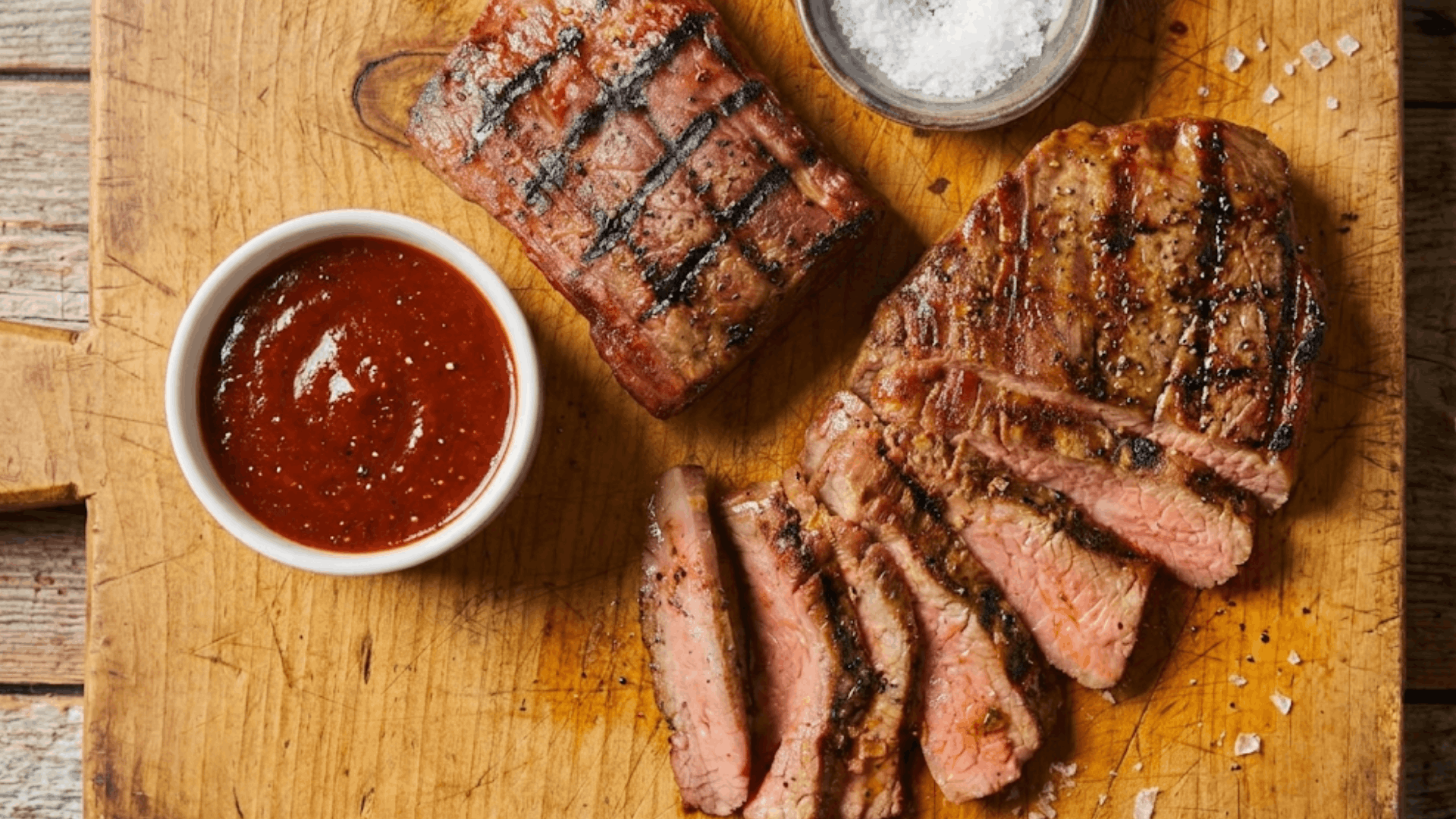
Choosing a cut of beef is about more than taste. I know many people also want to understand what they are putting on their plate before planning meals or tracking nutrients.
If you’re looking for reliable information about flank steak nutrition, you’ve come to the right place.
In this article, I’ll break down the calories, protein, fat, carbohydrates, vitamins, and minerals found in flank steak using trusted nutrition data.
You’ll also learn how it compares with other beef cuts, how cooking can affect its nutritional value, and who may benefit most from adding it to a balanced diet.
Flank Steak Nutrition
Flank steak is a lean cut of beef that delivers plenty of protein along with essential vitamins and minerals. A standard 3-ounce cooked serving provides a balanced mix of nutrients while remaining naturally carbohydrate-free.
| Nutrient | Amount | %DV |
| Calories | 165 | – |
| Protein | 23.6 g | 47% |
| Total Fat | 7.1 g | 9% |
| Saturated Fat | 2.9 g | 15% |
| Monounsaturated Fat | ~3.0 g | – |
| Polyunsaturated Fat | ~0.3 g | – |
| Carbohydrates | 0 g | 0% |
| Cholesterol | 60 mg | 20% |
| Sodium | 60 mg | 3% |
| Iron | 1.6 mg | 9% |
| Zinc | 4.3 mg | 39% |
| Selenium | ~24 mcg | 44% |
| Phosphorus | ~210 mg | 17% |
| Potassium | ~300 mg | 6% |
| Vitamin B12 | 1.5 mcg | 63% |
Values sourced from USDA FoodData Central; minor variation is normal between cuts, grades, and labs.
What Is Flank Steak?
Flank steak comes from the cow’s abdominal muscles, the same muscles that work hardest during movement and breathing.
That constant use is why the cut stays lean but develops long, visible muscle fibers instead of heavy marbling.
It carries a rich, beefy flavor that holds up well to marinades, which is one reason flank steak shows up so often in fajitas, stir-fry, and carne asada.
Because the fibers run in one clear direction, slicing it thinly against the grain after cooking makes a real difference in tenderness.
Flank steak is sold both grain-fed and grass-fed, and the two versions differ slightly in fat content and nutrient profile, which is worth knowing before you shop.
It is often confused with skirt steak, a thinner, fattier cut from a different part of the animal.
Flank Steak Nutrition: From Calories to Micronutrients
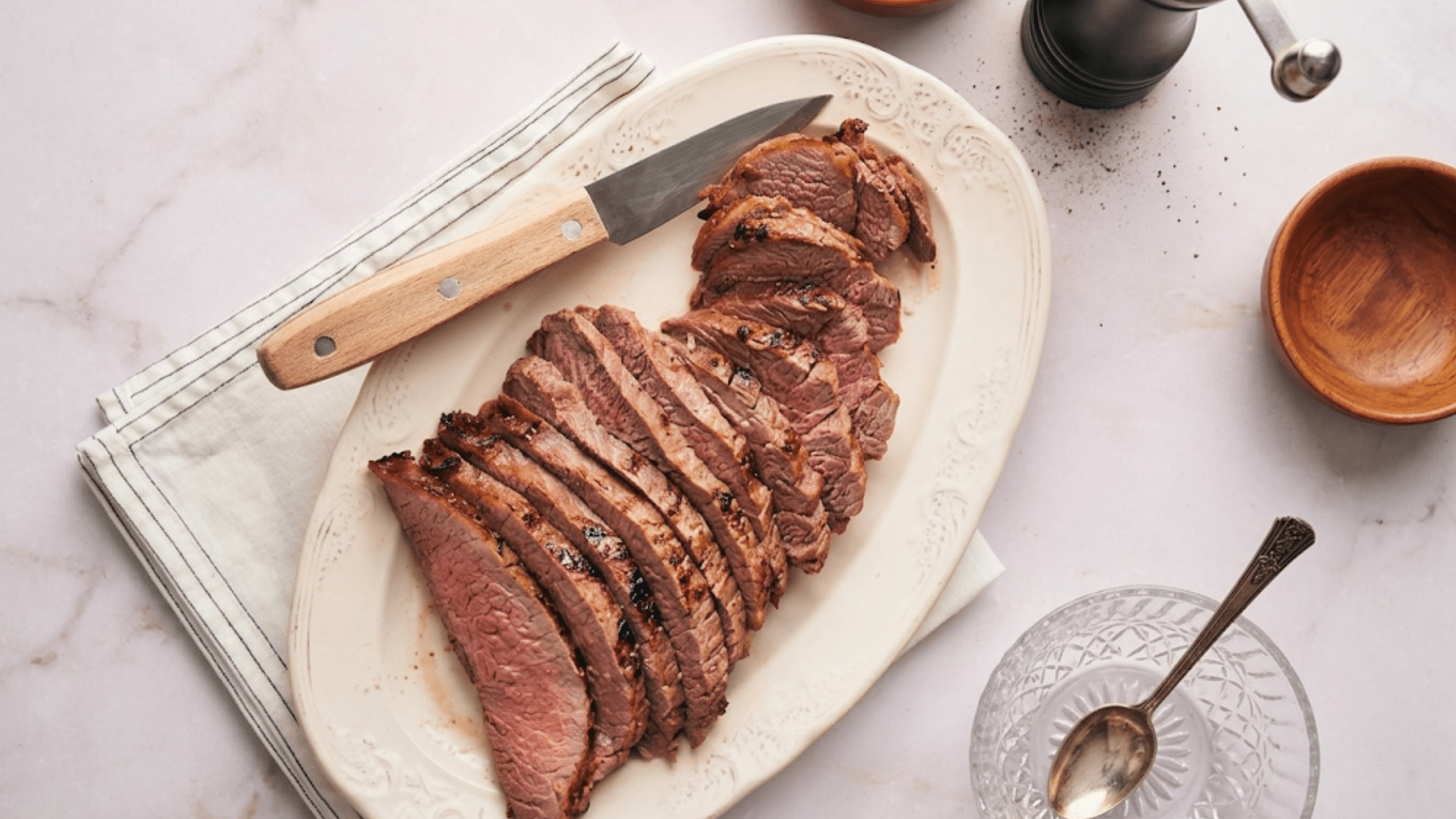
Flank steak is packed with high-quality protein and several essential nutrients while remaining relatively low in carbohydrates. Understanding its calorie, macronutrient, and micronutrient profile can help you decide how it fits into your daily eating plan.
1. Calories in Flank Steak
A 3-ounce (85-gram) cooked serving of flank steak contains about 160–190 calories, depending on trimming and cooking method. Most of these calories come from protein and fat, with virtually no carbohydrates.
Because it is a lean cut, flank steak provides plenty of nutrition without being overly calorie-dense.
Grilling or broiling with minimal added fat helps keep the calorie count lower than frying or cooking with butter and heavy sauces.
This makes flank steak suitable for balanced meals, weight management, and high-protein eating plans.
2. Flank Steak Protein
A typical 3-ounce cooked serving provides 23–25 grams of complete protein, making flank steak one of the richest protein sources among lean beef cuts.
It contains all nine essential amino acids needed for muscle growth, tissue repair, and normal body functions.
Protein also promotes fullness, which may help reduce overeating between meals.
Because flank steak delivers a large amount of protein with relatively few carbohydrates, it fits well into high-protein, low-carb, and strength-training meal plans when paired with nutrient-rich side dishes.
3. Fat and Saturated Fat
Flank steak contains approximately 6–9 grams of total fat per 3-ounce cooked serving, including about 2.5–3.5 grams of saturated fat.
The exact amount varies based on trimming and preparation. While saturated fat should be eaten in moderation, flank steak also contains heart-healthy monounsaturated fats.
Choosing lean, well-trimmed portions and grilling instead of frying helps reduce excess fat intake.
Enjoying flank steak alongside vegetables and whole grains creates a more balanced meal while supporting overall heart health and healthy dietary fat intake.
4. Carbohydrates in Flank Steak
Flank steak naturally contains 0 grams of carbohydrates, making it an excellent option for low-carb, ketogenic, and diabetic-friendly eating patterns.
Since beef contains no starch, fiber, or sugar, nearly all of its energy comes from protein and fat.
However, carbohydrate intake can increase if the steak is marinated in sugary ingredients or served with sweet sauces.
Pairing flank steak with vegetables, legumes, or whole grains adds fiber and other important nutrients while allowing you to customize the carbohydrate content to match your dietary needs.
5. Vitamins and Minerals
Flank steak supplies several important micronutrients that support overall health. It is an excellent source of vitamin B12, zinc, selenium, niacin, and vitamin B6, and it also provides highly absorbable heme iron.
These nutrients contribute to red blood cell production, immune function, energy metabolism, nerve health, and antioxidant protection.
Compared with many plant foods, the iron in beef is more easily absorbed by the body. Including flank steak occasionally as part of a varied diet can help meet daily nutrient needs without relying solely on supplements.
6. Protein and Amino Acid Quality
A typical 3-ounce cooked serving provides 23 to 25 grams of complete protein, containing all nine essential amino acids the body needs for repair.
Roughly 2 grams of that total comes from leucine, the amino acid most responsible for triggering muscle protein synthesis, which matters for athletes and older adults. Protein also promotes fullness.
Because flank steak pairs a large protein yield with almost no carbohydrates, it fits naturally into high-protein and low-carb meal plans.
Why Nutrition Numbers Vary Across Sources?
Nutrition values for flank steak differ between food labels, nutrition apps, and databases. These differences are normal and usually come down to how the steak is measured, prepared, and reported.
- Raw vs. Cooked Weight: Steak loses moisture during cooking, concentrating the calories and nutrients. As a result, cooked servings often show more protein and calories per ounce than raw servings.
- Amount of Visible Fat: The nutrition changes depending on how much external fat is trimmed before cooking. Leaner cuts generally contain fewer calories and less saturated fat.
- USDA Grades: Select, Choice, and Prime flank steak contain different amounts of marbling. More marbling usually means higher fat and calorie content.
- Nutrition Database Differences: USDA values represent averages from multiple samples, while food brands and nutrition apps may use their own testing methods or estimates.
- Cooking Oils and Butter: Base nutrition data usually reflects plain steak. Oils, butter, and other added ingredients increase the calorie and fat content of the finished meal.
- Restaurant vs. Homemade Portions: Restaurant steaks are often larger and may be cooked with extra fats or seasonings, resulting in higher nutrition values than standard reference data.
Grass-Fed vs Grain-Fed Flank Steak
Grass-fed and grain-fed flank steak share the same basic cut, but their nutrient profiles differ in small, measurable ways.
Grass-fed versions tend to carry more omega-3 fatty acids and slightly more vitamin E, along with a modest amount of conjugated linoleic acid, a fatty acid linked to metabolic benefits in early research.
Grain-fed flank steak usually develops a bit more marbling, which can raise total fat and calories per serving while softening the texture slightly.
Neither version changes the protein content in any meaningful way, so the choice mostly comes down to fat composition, flavor preference, and budget rather than a clear nutritional advantage on one side.
Both versions remain naturally carbohydrate-free and provide the same core vitamins and minerals.
Flank Steak Vs Ribeye Vs Sirloin Vs Filet Mignon
Each steak cut has its own strengths in terms of its nutrition, flavor, tenderness, and cost. Use the comparison below to choose the best cut based on your cooking style, budget, and dietary goals.
Ribeye’s extra fat comes from heavier marbling, which is the same reason NY strip steak runs higher in calories than flank despite being a leaner cut overall.
| Feature | Flank Steak | Ribeye | Sirloin | Filet Mignon |
|---|---|---|---|---|
| Protein (per 100g) | 21–28g | 18–25g | 22–29g | 20–26g |
| Fat (per 100g) | 5–12g | 15–30g | 4–12g | 6–15g |
| Calories (per 100g) | 140–220 | 250–330 | 130–220 | 170–250 |
| Tenderness | Moderate (best sliced thin against the grain) | Very tender | Moderately tender | Extremely tender |
| Flavor | Rich, beefy | Rich and buttery | Balanced, meaty | Mild and delicate |
| Best Cooking Methods | Grill, broil, stir-fry, marinate | Grill, pan-sear | Grill, roast, pan-sear | Pan-sear, grill, oven-finish |
| Best For | High-protein meals, fajitas, salads | Indulgent steak dinners | Everyday meals | Special occasions |
| Approx. Price (US/lb) | $8–14$ | $15–25$ | $10–16$ | $25–40+$ |
Is Flank Steak a Healthy Choice?
Yes, flank steak can be a healthy choice because it’s lean, high in protein, and rich in essential nutrients when eaten in appropriate portions.
It provides complete protein along with iron, zinc, selenium, and vitamin B12, while containing no carbohydrates. Although it has less fat than cuts like ribeye, a 3-ounce serving still contains about 2.9 grams of saturated fat, so moderation is important.
For a balanced meal, pair it with vegetables and a fiber-rich carbohydrate such as brown rice, potatoes, or beans instead of heavy sides.
If you’re aiming to increase your daily protein intake, check out our 200-gram protein meal plan to see how flank steak can fit into a high-protein diet.
A few servings a week can go a long way toward a 200-gram daily protein target, especially paired with eggs, dairy, or a plant-based source at other meals.
Who Should Eat Flank Steak?
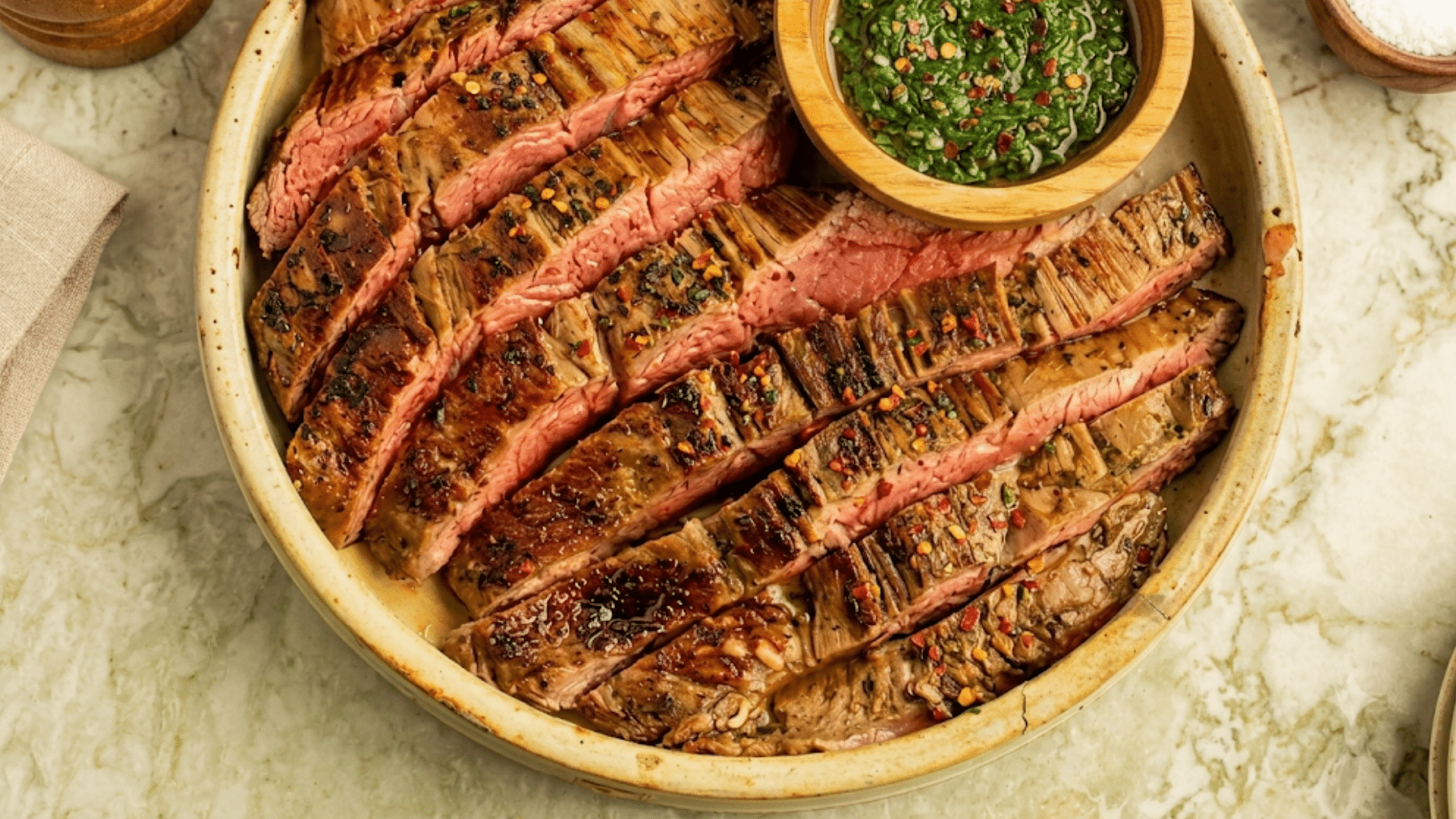
Flank steak can be a nutritious choice for many people because it provides high-quality protein along with essential vitamins and minerals.
- Athletes and Active Individuals: The high protein content supports muscle repair and recovery after exercise, making flank steak a great post-workout meal option.
- People Building Muscle: Complete protein and essential amino acids help support muscle growth when combined with regular strength training and adequate calorie intake.
- Those Following a High-Protein Diet: Flank steak delivers a large amount of protein with moderate fat and no carbohydrates, making it ideal for high-protein meal plans.
- People Following Low-Carb or Keto Diets: Since plain flank steak contains zero carbohydrates, it fits naturally into low-carb and ketogenic eating patterns.
- Adults Looking to Increase Iron Intake: Flank steak provides highly absorbable heme iron, which helps support healthy red blood cell production and oxygen transport.
- Older Adults: The combination of high-quality protein and vitamin B12 can help support muscle maintenance and overall nutritional needs as people age.
- Anyone Seeking a Filling Meal: Protein-rich foods like flank steak promote satiety, helping many people feel full longer and making balanced meals more satisfying
Flank Steak Macros
Flank steak macros make it easy to understand how this lean cut fits into different eating plans. Its high protein, moderate fat, and zero-carbohydrate profile make it a popular choice for balanced, high-protein meals.
| Macronutrient | Amount (3 oz Cooked) | What It Provides |
|---|---|---|
| Calories | 165 | Energy for daily activities and body functions |
| Protein | 23.6 g | Supports muscle growth, repair, and satiety |
| Total Fat | 7.1 g | Provides energy and helps absorb fat-soluble vitamins |
| Saturated Fat | 2.9 g | Should be consumed in moderation as part of a balanced diet |
| Monounsaturated Fat | ~3.0 g | Supports heart health when replacing saturated fats |
| Polyunsaturated Fat | ~0.3 g | Supplies essential fatty acids for normal body functions |
| Carbohydrates | 0 g | Naturally carb-free, making it suitable for low-carb diets |
| Fiber | 0 g | Does not contain dietary fiber |
| Sugars | 0 g | Contains no naturally occurring or added sugars |
How Cooking Methods Affect Flank Steak Nutrition?
The way you cook flank steak can influence its calorie, fat, and sodium content. Choosing the right cooking method helps preserve its nutritional value while keeping added calories to a minimum.
- Grilling: Produces a flavorful crust while allowing some fat to drip away. Because it requires little or no added oil, it’s one of the healthiest ways to cook flank steak.
- Broiling: Uses high, direct heat to cook the meat quickly with minimal added fat. It delivers nutrition similar to grilling while helping retain the steak’s lean profile.
- Pan-Searing: Can be a healthy option when you use only a small amount of oil. Adding butter or excess cooking oil increases both the calorie and fat content.
- Air Frying: Creates a crisp exterior with little added oil, making it a lower-fat alternative to traditional frying while keeping the steak tender.
- Marinating: Can improve flavor without adding many calories if you use herbs, spices, vinegar, or citrus. Store-bought marinades with added sugar and salt may increase calories, carbohydrates, and sodium.
- Deep Frying: Adds the most calories and fat because the coating and cooking oil are absorbed during frying, making it the least nutritious cooking method.
Flank Steak Nutrition by Serving Size
Flank steak nutrition changes with portion size, making it easier to adjust your intake based on your calorie and protein goals. Comparing common serving sizes can help you plan balanced meals more accurately.
| Serving Size (Cooked) | Calories | Protein | Total Fat | Saturated Fat |
|---|---|---|---|---|
| 3 oz (85 g) | 165 | 23.6 g | 7.1 g | 2.9 g |
| 4 oz (113 g) | 220 | 31.5 g | 9.5 g | 3.9 g |
| 6 oz (170 g) | 330 | 47.2 g | 14.2 g | 5.8 g |
| 8 oz (227 g) | 440 | 63.0 g | 19.0 g | 7.8 g |
Healthiest Ways to Cook Flank Steak
The way you cook flank steak influences its calorie, fat, and sodium content. Choosing the right method preserves nutritional value while keeping added calories low.
- Grilling: Little or no added oil needed; one of the healthiest methods.
- Broiling: Direct heat cooks quickly with minimal added fat, similar to grilling.
- Pan-Searing: Healthy with a small amount of oil; butter adds unnecessary fat.
- Air Frying: Crisp exterior with little added oil, a lower-fat alternative to frying.
- Marinating: Herbs, spices, vinegar, or citrus add flavor without many calories; store-bought marinades often add sugar and sodium.
- Trim visible fat and watch portions: Cutting excess fat before cooking and sticking to 3 to 4 oz servings keeps the meal lean without changing the method.
Is Flank Steak Better than Chicken Breast for Protein?
Neither is universally better for protein because both are excellent high-quality protein sources. Chicken breast provides slightly more protein per calorie, while flank steak offers additional nutrients like iron and vitamin B12.
A 3-ounce serving of cooked chicken breast typically provides about 26–27 grams of protein with less fat and fewer calories than the same serving of flank steak.
However, flank steak delivers around 23–25 grams of complete protein along with highly absorbable heme iron, zinc, selenium, and vitamin B12, nutrients that chicken breast contains in smaller amounts.
Both land near the top when you look at the highest-protein meats by calories and fat, so the better pick really comes down to whether iron and B12 or a slightly leaner macro profile matters more to you.
Potential Downsides and Sodium Considerations
Flank steak is a nutritious lean protein, but there are a few factors to keep in mind when adding it to your diet. Understanding how sodium, cholesterol, and cooking methods affect the final meal can help you make more informed choices.
- Sodium Content: Plain, unseasoned flank steak is naturally low in sodium, typically providing 50–65 mg per 3-ounce cooked serving. Pre-marinated or processed versions can contain significantly more sodium.
- Cholesterol: A 3-ounce serving contains about 55–65 mg of cholesterol, which is comparable to most other lean beef cuts. People managing heart health should consider their overall daily cholesterol intake.
- Texture After Cooking: Flank steak is naturally lean, so overcooking can make it noticeably tougher. Cooking it to medium-rare or medium and slicing it thinly against the grain helps maintain tenderness.
- Restaurant Preparations: Steak served at restaurants is often cooked with butter, oil, or rich sauces, increasing the calorie, fat, and sodium content beyond the values listed for plain flank steak.
- Portion Size: Larger servings provide more protein but also increase calorie, saturated fat, sodium, and cholesterol intake. Keeping portions moderate helps maintain a balanced diet.
- Nutrition Labels Reflect Plain Steak: Standard nutrition data is based on plain flank steak. Added oils, marinades, sauces, and side dishes can significantly change the nutritional value of the meal.
Frequently Asked Questions
Is Flank Steak Keto-Friendly?
Yes. Flank steak is keto-friendly because plain cooked flank steak has no carbs and a moderate amount of fat. It can fit well with low-carb meals, especially when served with non-starchy vegetables, avocado, or simple sauces with little added sugar.
Can Flank Steak Be Frozen After Cooking?
Yes, cooked flank steak can be frozen after it cools. Slice it first, pack it in airtight portions, and label the date. Thaw it in the fridge before reheating. Freezing can slightly change texture, but it remains safe to eat.
Is Flank Steak Good for Weight Loss?
It can be. The protein content supports satiety and helps preserve muscle during a calorie deficit, and at 160-180 calories per 3-ounce serving, it’s more calorie-efficient than fattier cuts.
Is Flank Steak Red Meat?
Yes. Flank steak comes from beef, which is classified as red meat regardless of trim level or cooking method.
Is Flank Steak Processed Meat?
No. Plain flank steak is an unprocessed cut. It only becomes processed if cured, smoked, or packaged with added preservatives.
Final Thoughts
Choosing flank steak isn’t just about enjoying a flavorful cut of beef. It’s about understanding how its calories, protein, fats, and essential nutrients fit into your overall eating habits.
Knowing what you’re eating makes it easier to build meals that support your nutrition goals without overcomplicating your choices.
Even small, informed decisions can make a meaningful difference in your long-term eating habits.
If you’re focused on building muscle, increasing protein intake, or simply creating more balanced meals, flank steak can be a smart addition when prepared thoughtfully and enjoyed in moderation.
Have you tried adding flank steak to your diet, or do you have a favorite way to cook it? Share your experience in the comments below.







One Response
I started writing down one thing at the end of every day — what I actually managed to do. Not a to-do list, not plans. Just one small win. It’s surprising how quickly it shifts your perspective.