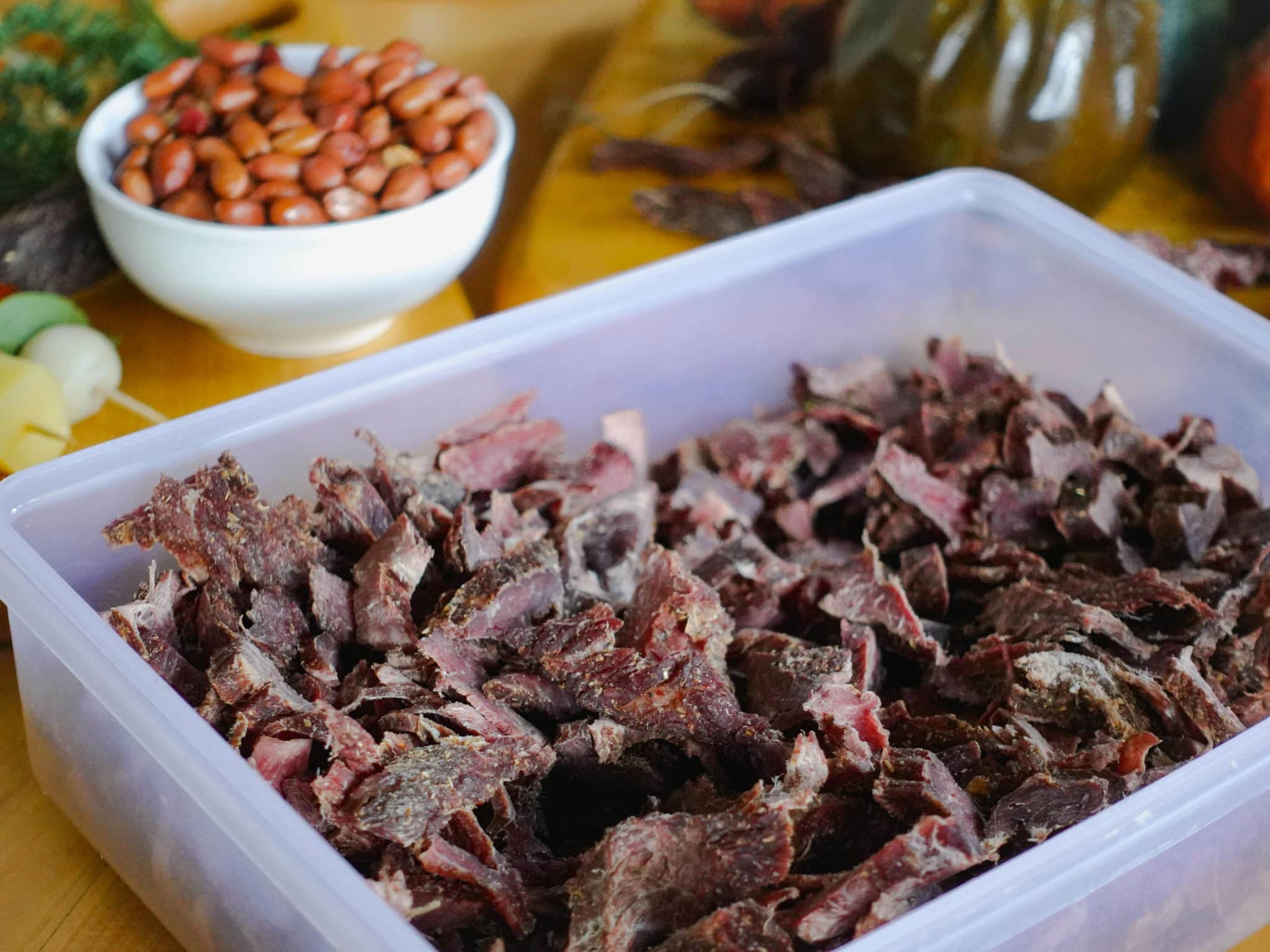


When I first started tracking macros, flank steak nutrition seemed straightforward, until I checked three different apps and got three wildly different calorie counts.
One said 160 calories per serving, another claimed 210, and my grocery store label split the difference. That confusion led me down a rabbit hole of cooked versus raw weights, trim levels, and database inconsistencies.
This guide cuts through the noise by breaking down flank steak’s actual macros, comparing it to other beef cuts, explaining why the numbers bounce around, and helping you decide if it fits your eating goals.
If you’re chasing protein, managing calories, or just trying to log dinner correctly, here’s what I’ve learned about what’s really on your plate,
Flank Steak Macros
Macros vary by portion size and whether the steak is raw or cooked. Here’s the breakdown for common servings.
| Serving Size | Calories | Fat | Carbs |
|---|---|---|---|
| 3 oz (cooked) | 160 180 | 6-8 g | 0 g |
| 4 oz (cooked) | 210-240 | 8-11 g | 0 g |
| 100 g (cooked) | 190-210 | 7-9 g | 0 g |
Cooked weight concentrates nutrients due to moisture loss. Always log the weight after cooking for accurate tracking.
How Much Protein is in Flank Steak?
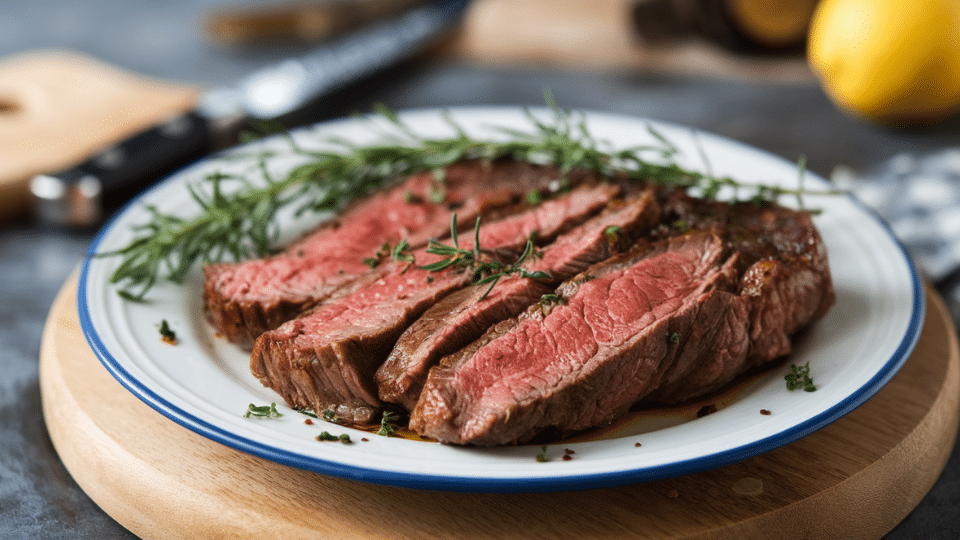
A 3-ounce cooked portion of flank steak typically contains 23-26 grams of protein, while a 4-ounce serving bumps that up to 30-35 grams.
The reason cooked flank steak shows higher protein density than raw isn’t that cooking adds protein; it’s because moisture evaporates during cooking, concentrating the nutrients per gram.
A 4-ounce raw portion might shrink to 3 ounces after grilling, making the cooked weight more protein-dense.
Bodybuilders, athletes, and anyone tracking macros tend to favor flank steak because it delivers significant protein without the calorie load of fattier cuts — and for those focused on steak builds muscle as a core part of their nutrition strategy, flank is often the first cut they reach for.
For context, 30 grams of protein from flank steak costs around 210 calories, while the same protein from ribeye could push 300+ calories depending on marbling.
Flank Steak vs Other Beef Cuts
Flank steak sits between ultra-lean cuts and marbled options. Here’s how its nutrition stacks up against other popular beef choices.
| Beef Cut (3 oz cooked) | Calories | Protein | Fat | Key Difference |
|---|---|---|---|---|
| Flank Steak | 160-180 | 23-26 g | 6-8 g | Lean, high protein, firm texture |
| Sirloin (Top) | 150-170 | 25-27 g | 5-7 g | Slightly leaner, more tender |
| Ribeye | 210-250 | 23-25 g | 13-18 g | Heavily marbled, richer flavor |
| Skirt Steak | 170-190 | 22-25 g | 8-10 g | Similar leanness, more intense beef flavor |
For protein-per-calorie efficiency, flank and sirloin tie. Ribeye offers more flavor but doubles the fat and calorie load.
Why Flank Steak Nutrition Values Differ Across Sources
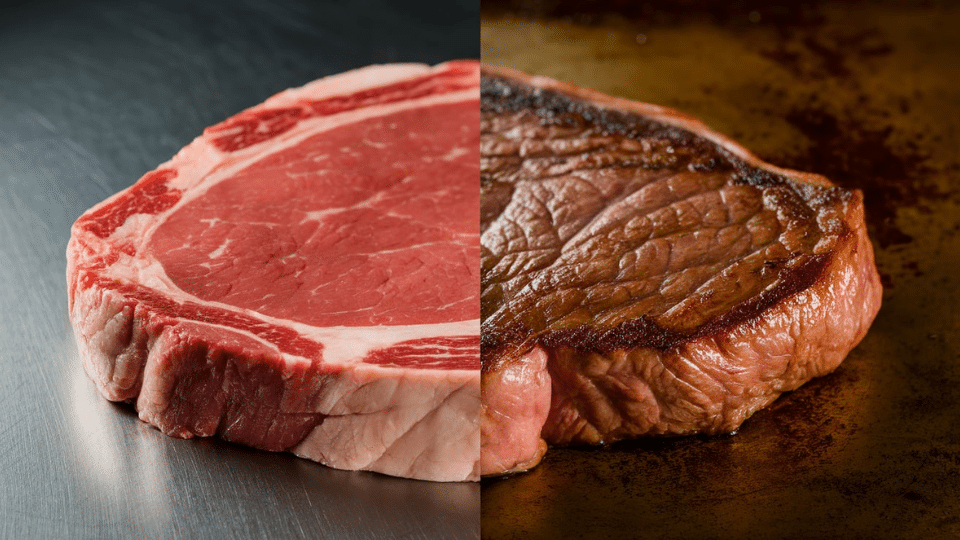
Ever notice how USDA says one thing, MyFitnessPal says another, and the package label throws out a third number? Four factors explain this mess.
Cooked versus raw weight is the biggest culprit; raw steak loses 20-25% of its weight during cooking, concentrating calories and protein.
Trim level matters too: “select” grade flank steak has less marbling than “choice,” meaning fewer fat calories, and that marbling difference also affects the flank steak’s cholesterol content, which can varydepending on how much fat remains after trimming.
Database variation happens because USDA data averages multiple samples, while brands measure their specific product.
And finally, added fats like butter or oil during cooking aren’t included in base nutrition facts, so a restaurant portion might pack extra calories that the label doesn’t show.
When logging food or comparing sources, always note whether values are for raw or cooked weight.
Key Micronutrients in Flank Steak
Beyond macros, flank steak delivers four micronutrients that support energy production, immune function, and oxygen transport throughout the body.
- Iron: Provides 15-20% of daily needs per 3 oz serving; heme iron from beef absorbs better than plant sources.
- Zinc: Supports immune health and wound healing; one serving covers roughly 30-40% of daily requirements.
- Vitamin B12: Essential for nerve function and red blood cell formation; flank steak offers over 50% of the daily value.
- Selenium: Acts as an antioxidant, protecting cells from damage; a 3-oz portion provides about 25-30% of daily needs.
These nutrients make flank steak more than just protein; it’s a nutrient-dense option for those avoiding supplements or supplementation.
Is Flank Steak a Healthy Choice?
Whether flank steak fits a healthy diet depends on individual goals, existing health conditions, and how it’s prepared and portioned.
| When Flank Steak Fits Well | When to Be Mindful |
|---|---|
| High-protein diets or muscle building | Saturated fat concerns (6-8g per serving) |
| Keto, paleo, or low-carb eating | Sodium if marinated or store-prepped |
| Calorie-conscious meals (lean cut) | Cholesterol management (45-60mg per serving) |
| Iron deficiency (heme iron source) | Budget constraints (pricier than ground beef) |
Flank steak delivers solid nutrition for active individuals and protein-focused eaters, and it’s a go-to reason bodybuilders choose flank over fattier cuts when lean gains are the goal.
How to Cook Flank Steak to Keep It Lean
The proper cooking method preserves flank steak’s lean profile. Small preparation choices make the difference between clean macros and hidden calories.
- Step 1: Skip the butter basting. Grilling or broiling without added fat keeps the calorie count accurate; if using oil, measure it and log those extra 120 calories per tablespoon.
- Step 2: Choose acid-based marinades. Lemon juice, vinegar, or lime with herbs add flavor without sugar or oil; avoid store-bought marinades that sneak in 50+ calories per serving from added sugars.
- Step 3: Sear without oil. A screaming-hot cast-iron or grill naturally releases the steak; if it sticks, the pan isn’t hot enough yet.
- Step 4: Rest and slice thin against the grain. This doesn’t change nutrition but makes the lean cut more tender, reducing the temptation to drown it in high-calorie sauces.
The Bottom Line
Understanding flank steak nutrition comes down to knowing what you’re measuring; cooked versus raw weight makes a massive difference in accuracy.
I’ve found that flank steak earns its reputation as a lean, high-protein choice when compared to fattier cuts like ribeye, but it’s not the absolute leanest option if top sirloin is available.
Micronutrients like iron and B12 enhance its value beyond the macro profile, and zero-carb suits various diets. Its ‘healthy’ label depends on goals, preparation, and portions.
If this breakdown helped clarify the confusion around flank steak’s numbers, drop a comment with your go-to cooking method. I’m always looking for new ways to keep it lean and flavorful.