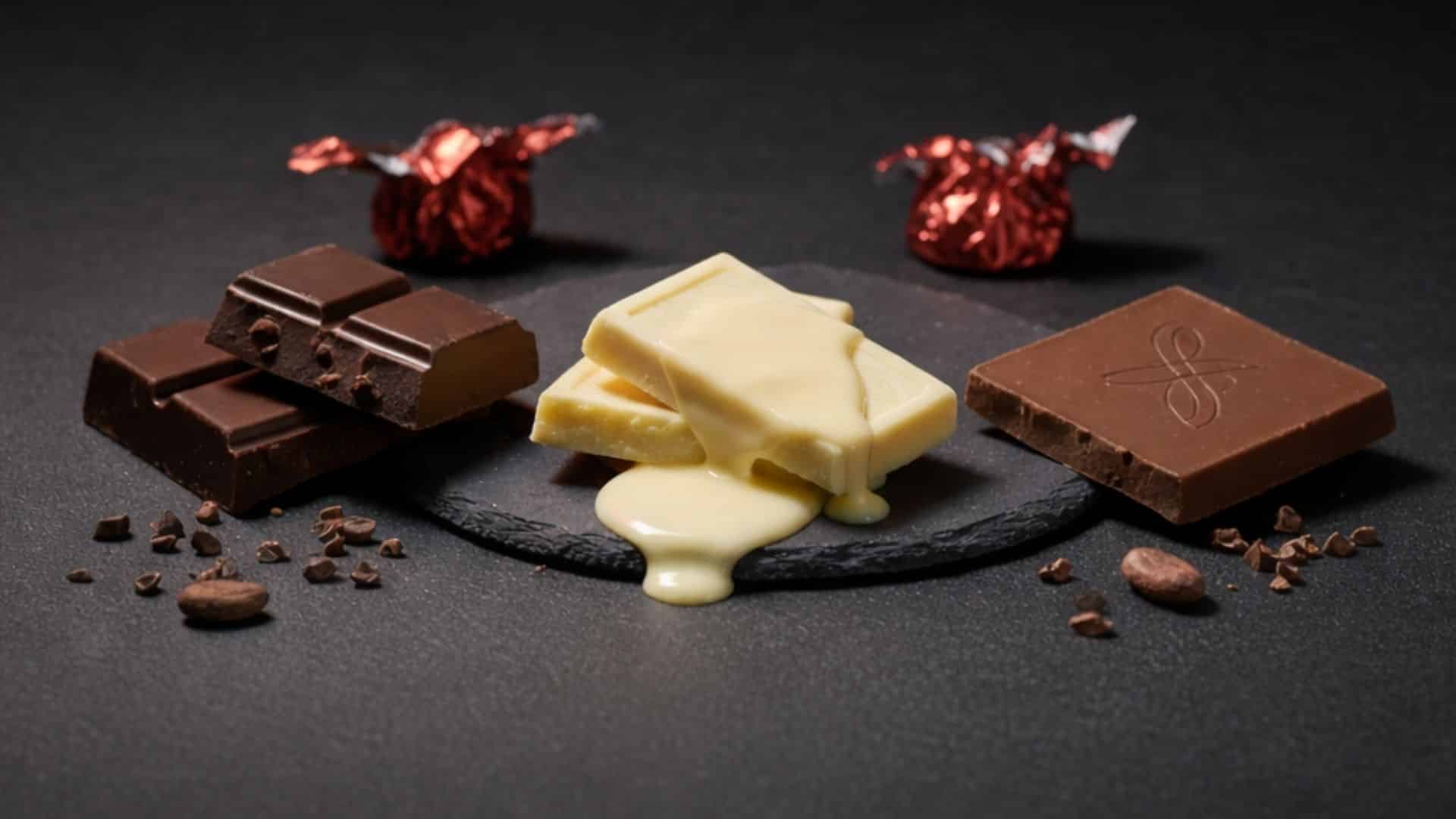
Chocolate is one of those treats that’s hard to resist, but if you follow a gluten-free diet, even a small bite can raise questions.
Does chocolate have gluten, or is it naturally safe to eat?
The answer isn’t always as simple as checking whether it’s dark, milk, or white chocolate.
Some chocolate products contain added ingredients that may introduce gluten, while others can come into contact with gluten during production.
Sometimes, the chocolate itself isn’t the concern. It’s the added ingredients that can change whether a bar is safe to eat.
We can sort through the options without guessing by separating what’s in chocolate from what could reach it during manufacturing (two different questions!). That distinction can help you make sense of labels.
Does Chocolate Have Gluten?
Plain chocolate made from cocoa solids, cocoa butter, and sugar is naturally gluten-free.
Gluten gets in through add-ins like barley malt, wafers, and cookie pieces, or through shared factory lines, so people with celiac disease should check the label or buy certified gluten-free bars.
When you’re choosing bars, cocoa powder, baking chocolate, or drink mixes, check ingredients first, allergens next, then the gluten-free claim. The FDA’s list of major food allergens includes wheat, but barley and rye aren’t on it, so a “Contains” line can stay silent about malt.
You may also see “may contain” near the ingredients. The FDA notes that these statements aren’t required by law, so a missing warning doesn’t guarantee protection from cross-contact.
Which Ingredients Add Gluten to Chocolate?
Scan the ingredient list for these names. Each one is either a gluten-containing grain or a common way gluten ends up in a chocolate product.
|
Ingredient on the label |
Gluten source |
Where it usually shows up |
|---|---|---|
|
Barley malt, malt extract, malt syrup |
Barley |
Crisp rice bars, “salt and malt” bars, some cocoa mixes |
|
Malted milk powder |
Barley |
Malted milk balls, malted fillings |
|
Wheat flour |
Wheat |
Wafer and biscuit layers, such as Kit Kat and Twix |
|
Cookie, brownie, or cake pieces |
Wheat |
Cookies-and-cream bars, chocolate ice cream, mix-ins |
|
Pretzels or graham crackers |
Wheat |
Sweet-and-salty bars, s’mores bars, coated pretzels |
|
Oats (not labeled gluten-free) |
Cross-contact with wheat |
Granola clusters, chocolate oat bars |
|
Rye flour |
Rye |
Rare; mostly specialty chocolate baked goods |
Glucose syrup and dextrose can come from wheat, which confuses many shoppers. FDA rules on gluten-free labeling allow wheat-derived ingredients processed to remove gluten, as long as the finished food stays below 20 ppm.
The same rules don’t allow barley ingredients that haven’t been processed to remove gluten, which is why malt extract and malt syrup rarely appear on a gluten-free label.
How to Choose Gluten-Free Chocolate by Brand
Certified gluten-free products offer added assurance through testing and quality checks. However, it’s still important to check the packaging and ingredient list before you buy.
-
Check manufacturing practices: Shared factories or lines can lead to cross-contact.
-
Review allergen policies: Look for testing information and explicit controls, rather than assuming equipment is separate.
-
Understand label claims: Food and Drug Administration rules cap gluten-free foods at less than 20 ppm of gluten. The Gluten-Free Certification Organization (GFCO) sets a stricter 10 ppm limit.
Clear labeling and transparent production information are my favorites here; a familiar brand name helps narrow my shopping list.
But I give the current product label the final check. Recipes and production arrangements can change (yes, even for a favorite you’ve bought before).
One habit that helps: I snap a photo of the label on a product I’ve confirmed, then compare it with the package on my next trip.
For more options beyond chocolate, check out my list of foods and snacks that are naturally gluten-free.
Brands That Offer Certified Gluten-Free Chocolate
1. Enjoy Life
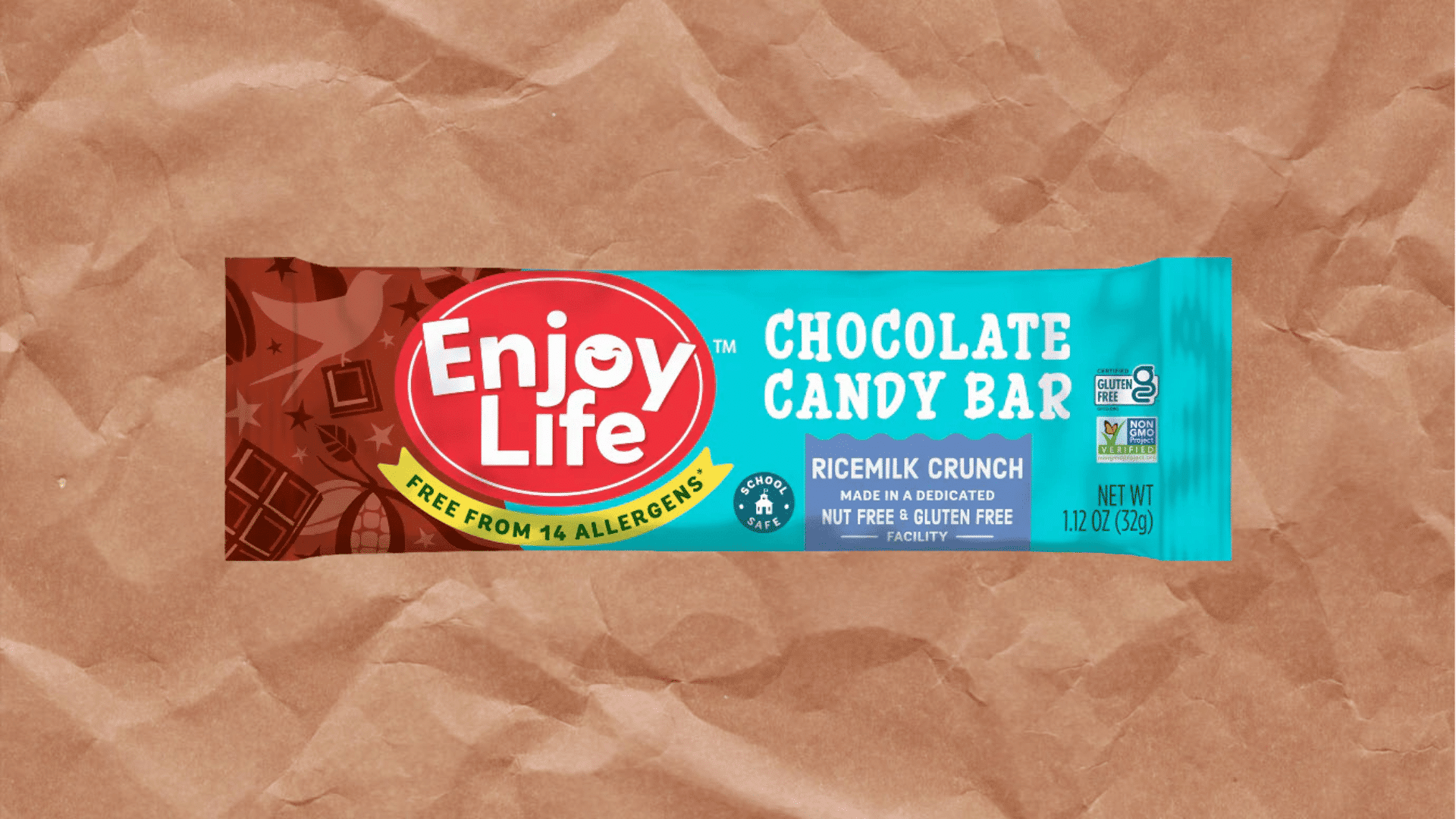
Enjoy Life offers a range of gluten-free chocolate products, including baking chips and other chocolate snacks. Its products are designed with common food allergens in mind, and the company identifies its products as gluten-free.
Specific product to look for:
What to watch: Don’t assume every product has the same certification or manufacturing details. Check the current package for its gluten-free claim and any certification mark.
2. Hu Chocolate
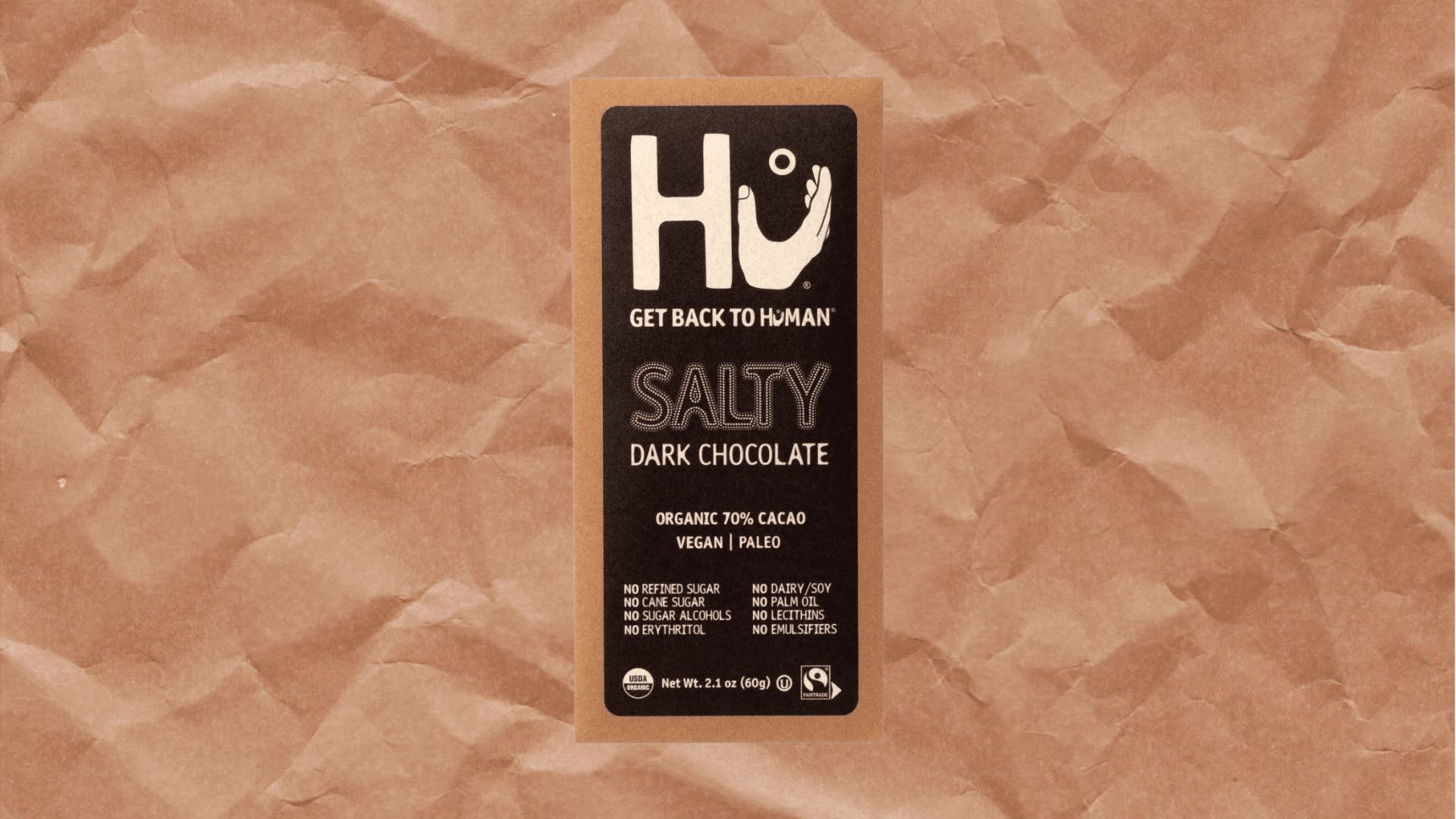
Hu Chocolate offers certified gluten-free chocolate products with relatively simple ingredient lists.
Specific products to look for:
What to watch: Hu uses equipment that also processes wheat-containing products, with allergen cleaning before production runs. Its gluten-free certification doesn’t mean the facility or equipment is dedicated exclusively to gluten-free products.
3. Alter Eco
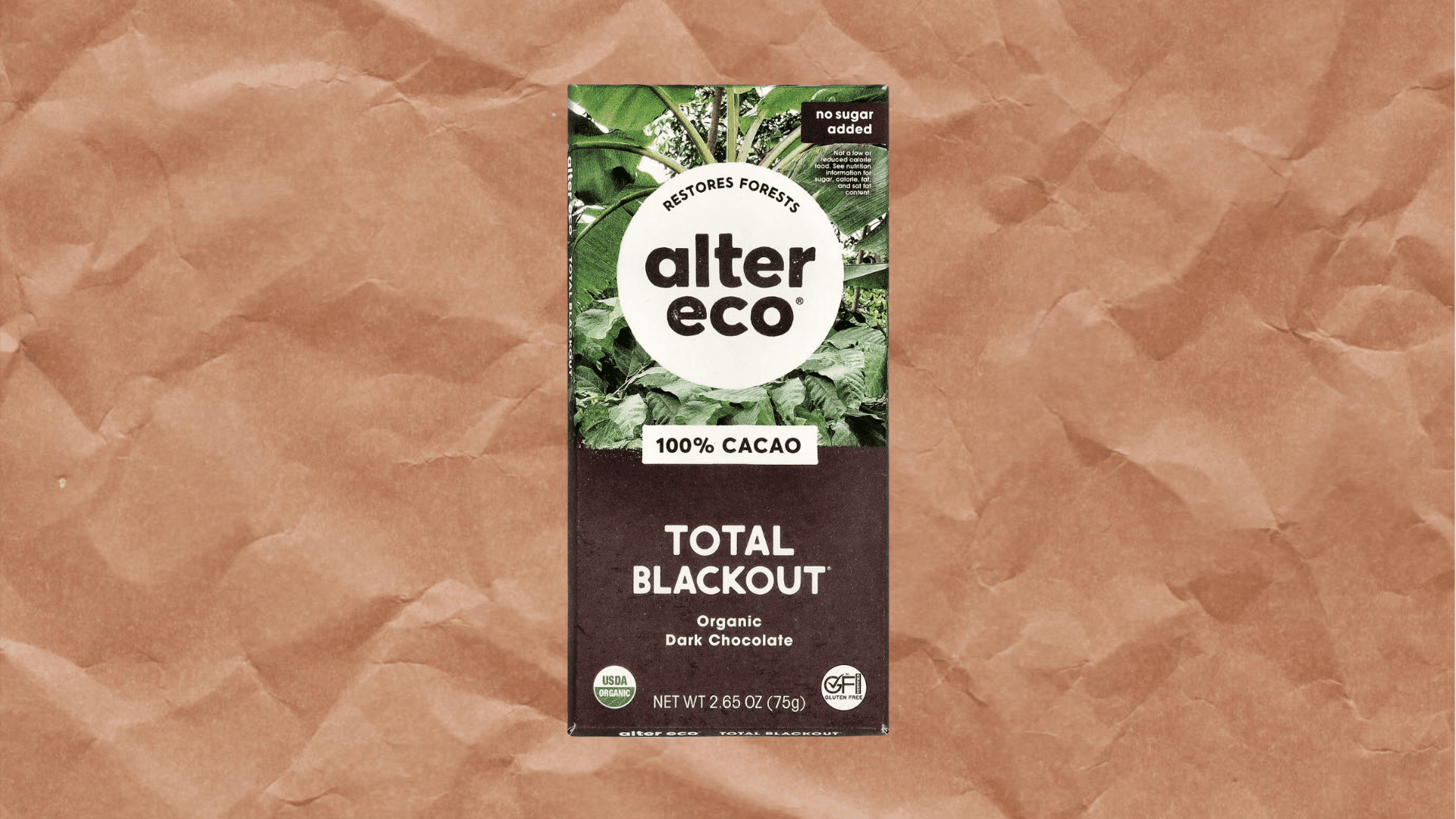
Alter Eco offers a range of certified gluten-free chocolate bars, truffles, and nut butter bombs, with organic cocoa and a focus on straightforward ingredients.
Specific products to look for:
-
Alter Eco Dark Chocolate Bars (excluding Dark Salt & Malt)
What to watch: Avoid Alter Eco 70% Dark Salt & Malt because its barley malt pieces contain gluten.
The company’s granola products should also not be assumed gluten-free. Certification on one product doesn’t extend to the entire brand.
4. Pascha Chocolate
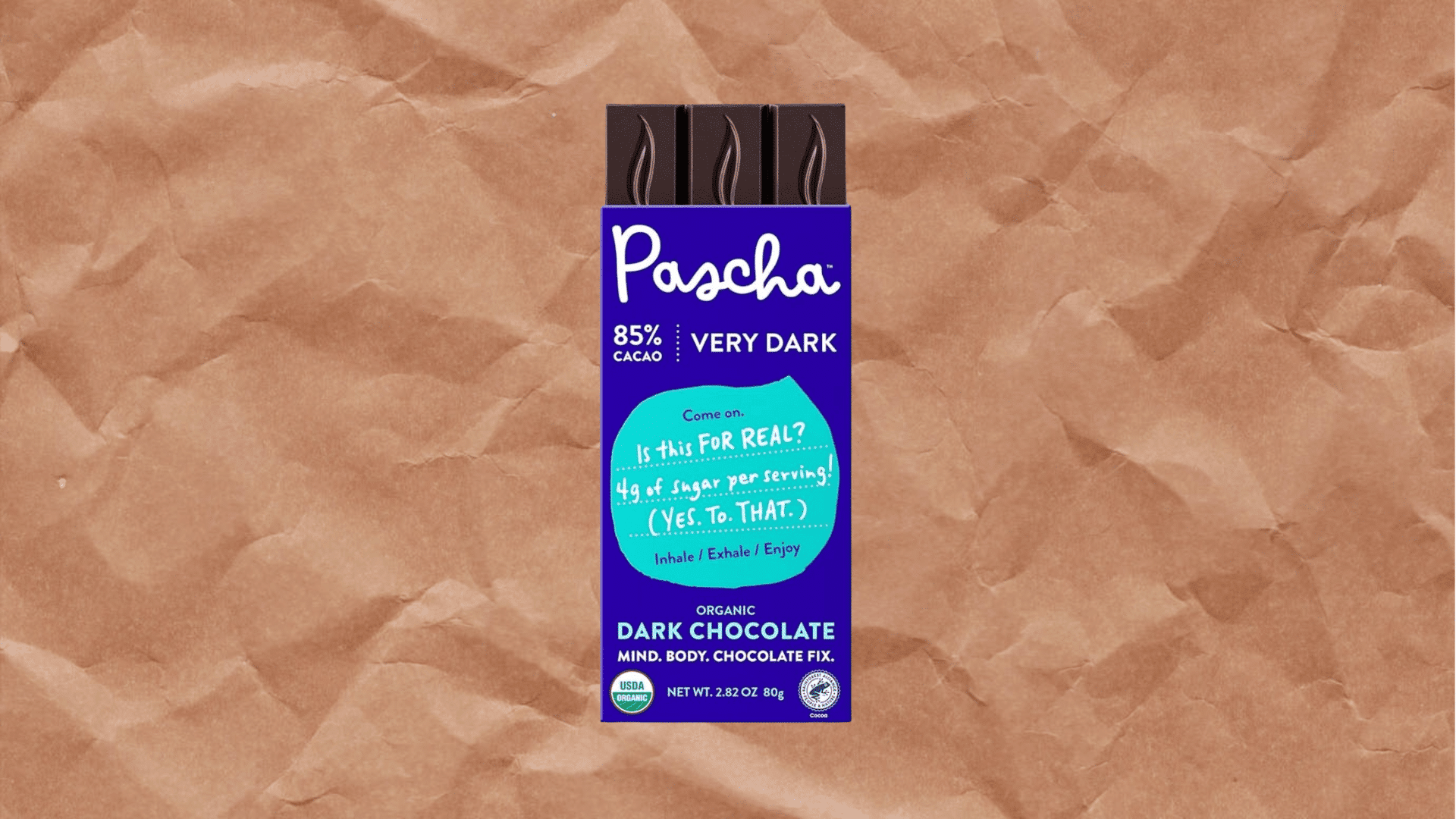
Pascha offers chocolate products certified gluten-free by the Celiac Support Association. Its range includes options suitable for snacking and baking.
Specific products to look for:
What to watch: Pascha also offers dairy-free products, but dairy-free and gluten-free are different claims. Check the specific package to confirm both if you need them.
Major Chocolate Brands With Gluten-Free Options
You do not necessarily need a specialist brand! Recipes, sizes, and factories vary, so check the individual product rather than assuming everything with that familiar name is gluten-free.
5. Hershey’s
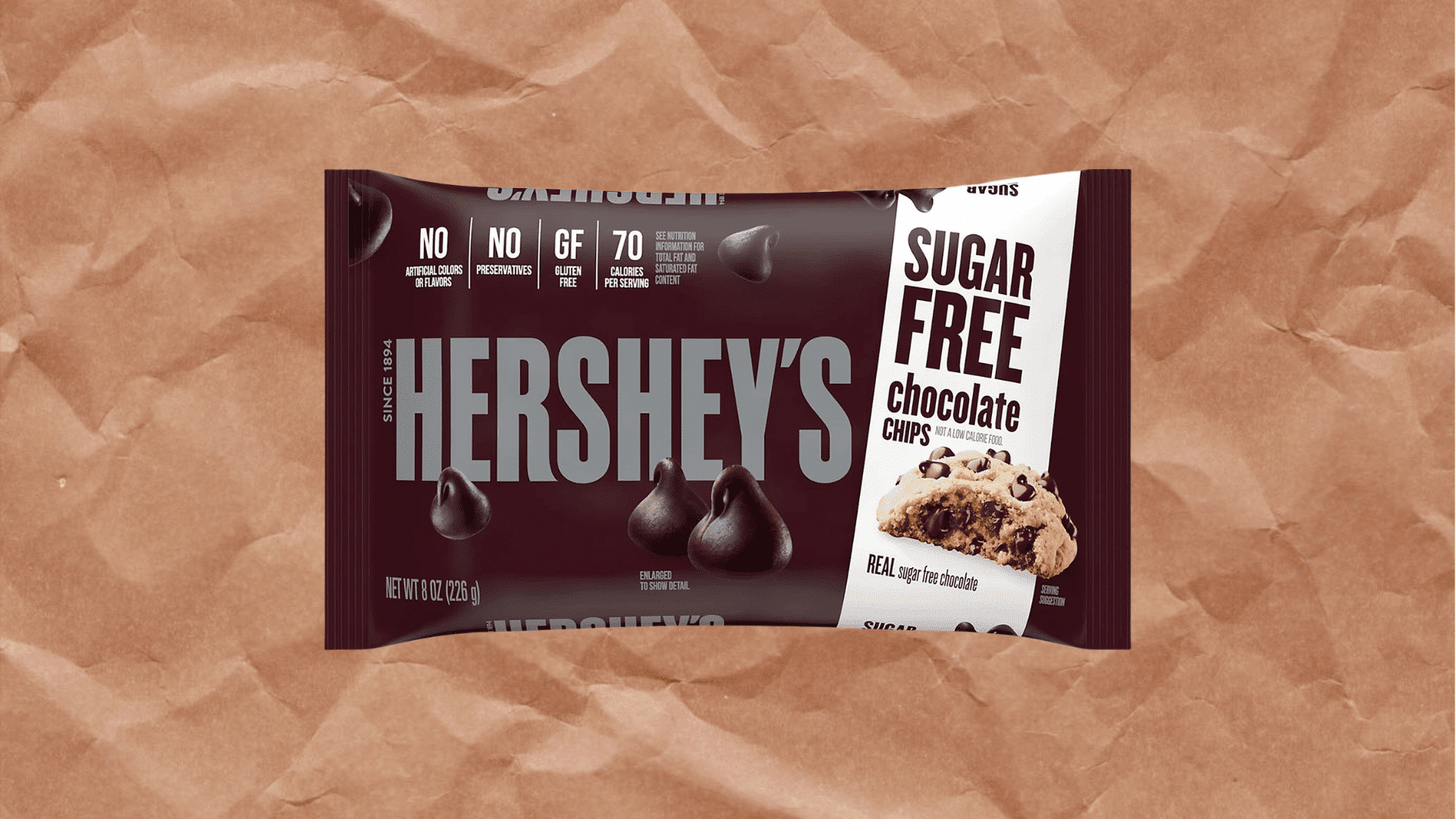
Hershey’s has several products on its official U.S. gluten-free list, including selected chocolate candies and baking products.
Specific products to look for:
-
HERSHEY’S KISSES Milk Chocolate Candy (35.8 oz pack listed by the manufacturer)
What to watch: Hershey’s entire range isn’t gluten-free. Check its current gluten-free product list and match the product name and package size to what you’re buying.
6. Lindt (U.S.)
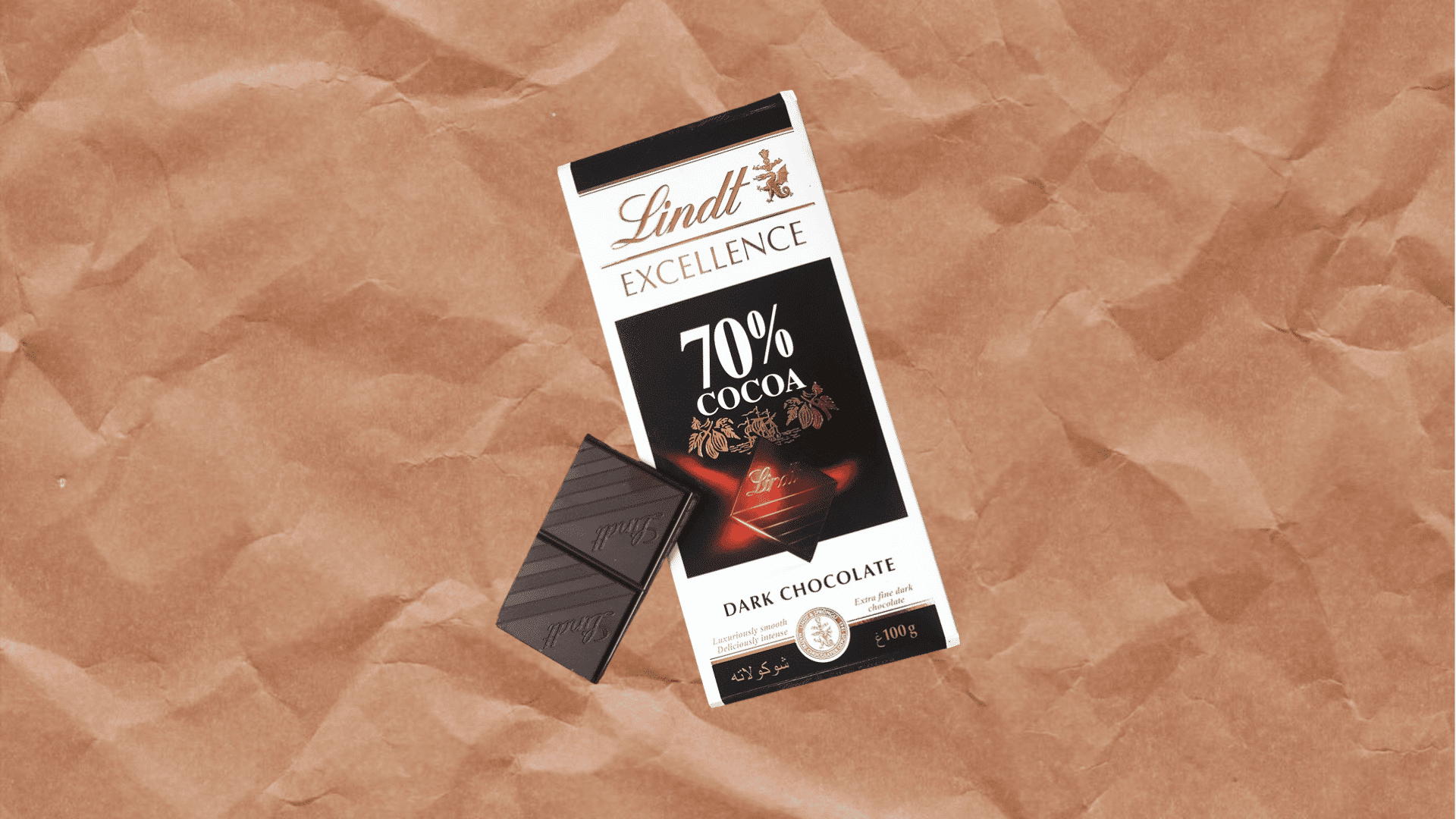
Lindt offers selected EXCELLENCE dark chocolate varieties that the manufacturer identifies as made without gluten-containing cereals or barley malt.
Specific varieties to look for:
-
Lindt EXCELLENCE 70% Cocoa
-
Lindt EXCELLENCE 78% Cocoa
-
Lindt EXCELLENCE 85% Cocoa
-
Lindt EXCELLENCE 90% Cocoa
-
Lindt EXCELLENCE 95% Cocoa
-
Lindt EXCELLENCE 100% Cocoa
What to watch: Not all Lindt chocolates are gluten-free. Some varieties contain barley malt extract, and manufacturing cross-contact may occur. Check the current US packaging and ingredient list before buying, especially if you have celiac disease.
How to Tell if a Chocolate Product Is Gluten-Free without a Label Claim
Start with the ingredient list and look for wheat, barley malt, rye, wafers, and cookies. Then read the allergen statement and any cross-contact note on the back of the pack, since that small print often sits below the nutrition panel.
A short ingredient list can help us, but it can’t explain the factory!
Still unsure? Contact the manufacturer and ask two specific questions. Do you test finished products for gluten, and do you share lines with wheat or barley products? A brand that answers both clearly earns more of my trust than one that sends back a generic allergy policy. Those answers matter most if you have celiac disease.
If safety remains unclear, you can choose a clearly gluten-free-labeled alternative rather than try to fill in the blanks yourself.
Chocolates That Require Extra Caution
Some chocolates need more than a quick glance; familiar packaging can tempt me to skip the small print. So I’d give these categories that extra check!
-
Kit Kat Bars: The wafers between the chocolate layers contain wheat, so these are not suitable for a gluten-free diet.
-
Twix Bars: The cookie layer under the caramel is made with wheat flour.
-
Whoppers Malted Milk Balls: Their malt centers contain barley malt and wheat flour, so these belong on my avoid list, too.
-
Ghirardelli Chocolate Chips: Ghirardelli says some of its products contain gluten while others do not, but its FAQ does not identify which specific products are gluten-free. Confirm the current ingredient list or contact the company.
-
Holiday-Shaped Chocolates: Seasonal versions may use different recipes or factories, so a regular bar’s suitability does not automatically carry over to its festive counterpart.
-
Assorted Chocolate Bags: Mixed recipes and production sites can mean individual pieces are not suitable, so check each variety rather than trusting the bag as a whole.
Is Dark, Milk, or White Chocolate Gluten-Free?
Color alone won’t tell you whether chocolate contains gluten. Plain versions of each type start out gluten-free, while add-ins and shared lines can change that.
|
Type |
Basic ingredients |
What to check for |
|---|---|---|
|
Dark chocolate |
Cocoa solids, cocoa butter, sugar |
Malt, cookie pieces, crunchy add-ins |
|
Milk chocolate |
Cocoa solids, cocoa butter, sugar, milk |
Wafers, cookies, malted or filled centers |
|
White chocolate |
Cocoa butter, sugar, milk |
Flavored coatings, cookie bits, toppings |
|
Unsweetened cocoa powder |
Ground cocoa solids |
Drink mixes with malt or added fillers |
All three varieties can encounter gluten through manufacturing cross-contact, so we need the same label check for each rather than assuming a darker bar is automatically safer.
How to Avoid Gluten Cross-Contact With Chocolate at Home
Certified chocolate can still pick up gluten in your own kitchen. The National Institute of Diabetes and Digestive and Kidney Diseases explains that cross-contact happens when gluten-free foods touch foods or surfaces carrying gluten.
With chocolate, the usual culprits are shared baking sheets, a toaster oven used for regular bread, and fondue pots where cake cubes sit beside the strawberries.
Melt chocolate in a clean bowl that hasn’t just held wheat batter, and chop bars on a freshly washed board.
When I bake for a friend who avoids gluten, I set out the gluten-free dippers first and keep regular cookies on a separate plate.
A labeled container for gluten-free baking chips also stops mix-ups when someone grabs a handful with floury fingers. Wash spatulas and piping bags between batches, too.
Frequently Asked Questions
How Careful Should I Be with Chocolate if I Have Celiac Disease?
Check every product, even repeat purchases; prefer explicit gluten-free labels, and contact the manufacturer when information is unclear. Even a favorite brand can change a recipe.
Does Chocolate Have Wheat in It?
Plain chocolate generally doesn’t contain wheat, but additions can introduce it, so check ingredients and allergen information before you buy (especially filled or crunchy varieties).
Is Hot Chocolate Gluten-Free?
Plain cocoa powder is naturally gluten-free, but drink mixes can contain gluten-containing additives or be subject to cross-contamination. If you have celiac disease, I’d choose a certified gluten-free mix for extra reassurance.
Are Chocolate Chips Gluten-Free?
Plain chocolate chips are often gluten-free, but ingredients and manufacturing practices vary by brand. Check the package for a gluten-free label, especially if you have celiac disease.
Is Chocolate Ice Cream Gluten-Free?
Chocolate ice cream may contain gluten from cookie pieces, brownie chunks, or other mix-ins. Check the ingredients and cross-contamination warnings, and choose a product labeled gluten-free if you have celiac disease.
Final Takeaway
Choosing gluten-free chocolate can be simple when you know what to look for and check reliable certifications
I still watch for hidden malt, wafers, and changes in seasonal or imported products; a major brand having suitable options doesn’t make its whole range gluten-free.
That’s the distinction you should remember when reaching for an old favorite (or eyeing something new).
With ingredient checks, clear labels, and manufacturer answers when needed, you can make informed choices without treating every wrapper like a mystery.
Hope this helps make your next chocolate purchase feel less uncertain and leaves more room to enjoy it!