

Decaf coffee is often seen as the safer alternative to regular coffee, especially for people who want to reduce caffeine without giving up coffee entirely.
While it contains significantly less caffeine, it is not completely caffeine-free, and its effects can vary depending on your body, health condition, and how it is processed.
Most research shows that decaf coffee is generally safe, but it can still cause mild side effects in certain individuals. These effects are usually related to caffeine sensitivity, digestion, or to how your body responds to compounds in coffee rather than to caffeine itself.
Understanding these nuances helps you decide whether decaf is a good daily choice for your lifestyle.
Is Decaf Coffee Safe?
Decaf coffee is widely considered safe for most people and is not linked to serious health risks when consumed in moderation. Research consistently shows that decaf does not negatively impact long-term health outcomes in the general population. However, “safe” does not mean “side-effect free.”
Decaf still contains:
- Small amounts of caffeine (2–15 mg per cup)
- Natural acids that affect digestion
- Bioactive compounds that can influence metabolism
For most people, these are harmless. But for sensitive individuals, even small amounts can trigger noticeable reactions.
Decaf Coffee Side Effects
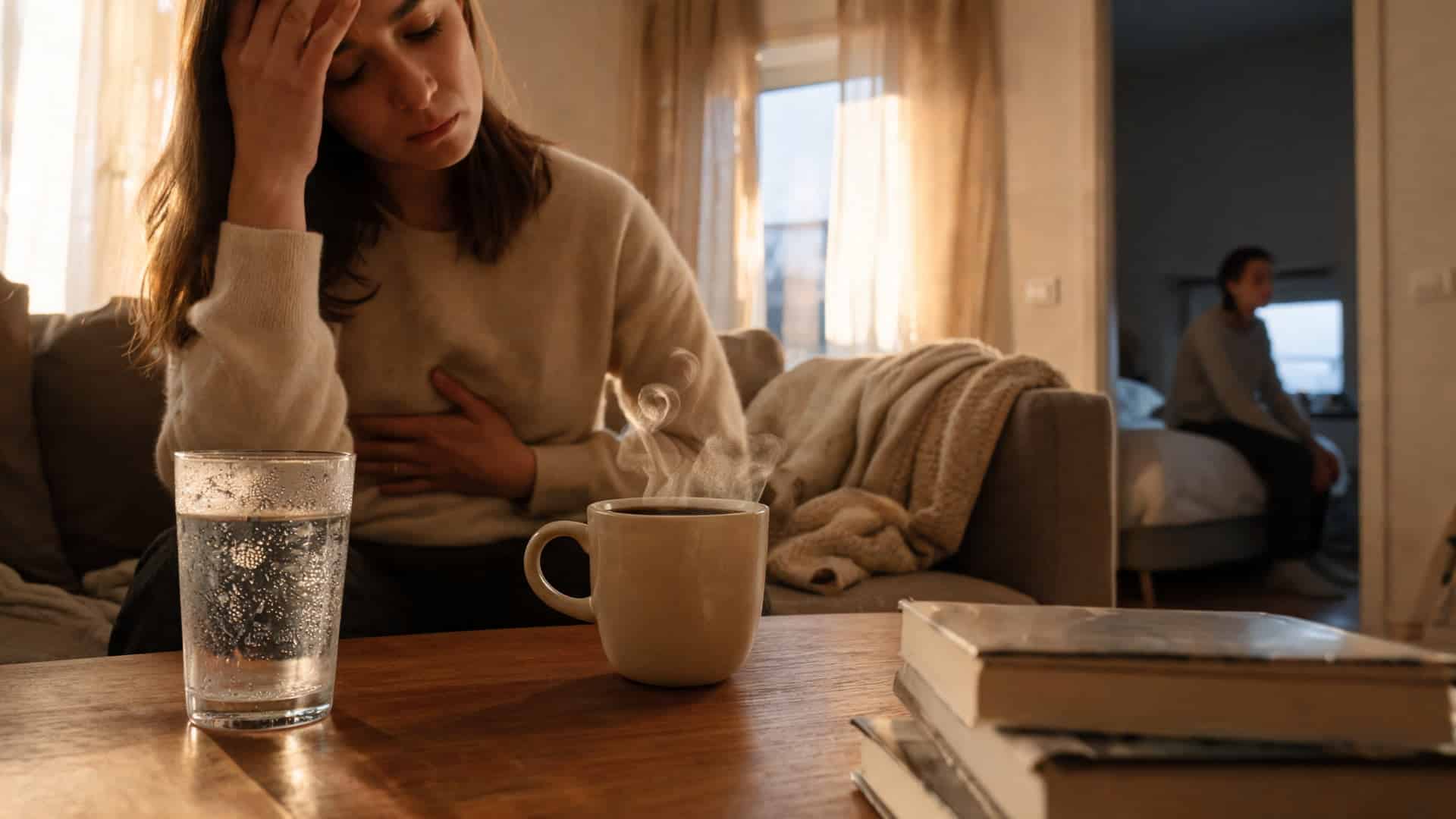
Decaf coffee side effects are generally mild, but they can vary depending on individual sensitivity, underlying health conditions, and daily intake. Most reactions are linked to coffee’s natural compounds, such as acids and chlorogenic acids, rather than to caffeine itself. While decaf is considered safe for most people, some effects are often overlooked.
Hidden Side Effects of Decaf Coffee
Some hidden side effects of decaf coffee are often overlooked, especially when consumed regularly or in larger quantities over time.
- It can still worsen acid reflux despite its low caffeine content
- May reduce iron absorption over time with frequent intake
- Can create a “false sense of safety,” leading to overconsumption
- Still mildly stimulates digestion due to the gastrin response
- May cause discomfort when consumed in large quantities
Mild Side Effects (Most Common)
Decaf coffee side effects are usually mild and temporary, but they can vary depending on individual sensitivity, timing of consumption, and overall digestive health.
Most people experience little to no discomfort, but some may notice subtle changes in how their body reacts.
- Slight stomach acidity or bloating
- Mild bowel stimulation
- Temporary digestive discomfort, especially on an empty stomach
- Subtle sleep disturbance in caffeine-sensitive individuals
- No long-term health risk in most healthy individuals
Moderate Side Effects (Less Common)
Decaf coffee may still cause mild reactions in some individuals, especially those with higher sensitivity or underlying digestive conditions.
These effects are usually occasional and depend on how much coffee is consumed and when it is taken.
- Acid reflux or GERD flare-ups
- Increased heartburn after multiple cups
- Mild jitteriness in highly caffeine-sensitive individuals
- Sleep sensitivity depends on timing and intake
Rare Side Effects (High Sensitivity or Heavy Intake)
Some decaf coffee side effects are rare and usually seen in sensitive individuals or with long-term, high consumption, rather than in normal daily use.
- Iron absorption interferes with long-term heavy consumption
- Anxiety-like symptoms in very sensitive individuals
- Cholesterol changes (current evidence is inconclusive)
- Noticeable digestive discomfort in specific cases
Most decaf coffee side effects are not caused by caffeine itself. Instead, they come from natural coffee compounds, acidity, and individual sensitivity, which explains why effects differ from person to person and why some users experience symptoms even with decaf.
Who Should Limit or Avoid Decaf Coffee?

People with certain health conditions or sensitivities may need to reduce or avoid decaf coffee, especially if they experience discomfort even with low caffeine levels.
This includes individuals with acid reflux, iron deficiency, high caffeine sensitivity, or digestive issues, as well as pregnant women who are monitoring total caffeine intake.
| Group | Why They Should Be Cautious | Possible Effects |
|---|---|---|
| People with GERD or Acid Reflux | Coffee acids can trigger symptoms even without caffeine | Heartburn, acid reflux flare-ups, stomach discomfort |
| Individuals with Iron Deficiency | Coffee compounds may reduce iron absorption when taken with meals | Lower iron absorption, potential worsening of deficiency over time |
| Highly Caffeine-Sensitive Individuals | Even small caffeine amounts (2–5 mg) may still affect them | Sleep disturbance, restlessness, mild anxiety |
| Pregnant or Breastfeeding Individuals | Total daily caffeine intake still needs monitoring, even with decaf | Risk if combined with other caffeine sources, so moderation is important |
| People with Anxiety or Heart Conditions | Sensitivity to stimulatory compounds varies by individual | Possible jitteriness, increased heart awareness, or discomfort |
For most others, moderate decaf consumption remains safe and well-tolerated when included as part of a balanced diet.
How Much Caffeine Is in Decaf Coffee?
Decaf coffee often creates confusion because many people assume it contains zero caffeine, which is not true. The amount is significantly reduced compared to regular coffee, but it is never completely removed.
This is why sensitivity levels still matter for some individuals. The actual caffeine content can also vary depending on the brand and decaffeination method used.
- Average cup: 2–3 mg caffeine
- Upper range: up to 15 mg per cup
- Regular coffee: 80–100 mg per cup
Decaffeination removes about 97% of caffeine, but trace amounts remain.
How Decaf Coffee Is Made?

The decaffeination method can influence both perception and side effects. Different processes remove caffeine while preserving the coffee’s natural flavor and beneficial compounds.
Most decaf coffee is processed before roasting, when caffeine extraction is easier. The method used can also affect concerns around chemicals, taste, and overall quality.
1. Solvent-Based Process
The solvent-based decaffeination method is widely used in commercial coffee production because it is fast, efficient, and reliable while still meeting strict safety standards for consumption.
It works by using solvents such as methylene chloride or ethyl acetate to extract caffeine from coffee beans.
This process is highly effective in removing a large percentage of caffeine while preserving the overall structure of the bean. Although chemical-based, the final product is carefully regulated, ensuring that only safe, minimal residue levels remain in the finished decaf coffee available to consumers.
2. CO₂ Method
The CO₂ decaffeination method uses pressurized carbon dioxide to selectively extract caffeine from coffee beans while leaving most flavor compounds intact.
This process is highly efficient and considered gentle on the beans, helping preserve their natural aroma, taste, and beneficial plant compounds.
Because it avoids harsh chemical solvents, it is often used for higher-quality decaf coffee production. The result is a cleaner-tasting cup that retains more of the original coffee characteristics than some traditional decaffeination methods.
3. Swiss Water Process
The Swiss Water Process is a chemical-free decaffeination method that uses only water to remove caffeine from coffee beans. It is designed to preserve the coffee’s natural flavor and beneficial compounds while avoiding the use of chemical solvents.
This method is often preferred by people who are concerned about additives or want a more natural approach to decaffeination.
As a result, it produces a cleaner, more “natural”- tasting decaf option, making it popular among health-conscious coffee drinkers.
Chemical concerns often stem more from perception than from proven risk, as regulated residue levels are extremely low.
Decaf Coffee Benefits
Despite potential side effects, decaf coffee still provides several health benefits, including antioxidants, improved sleep quality, and support for heart and metabolic health when consumed in moderation.
- Rich in Antioxidants: Helps protect the body from oxidative stress by neutralizing harmful free radicals. This supports overall cellular health and long-term wellness.
- May Support Heart Health: May improve blood vessel function and support better cardiovascular health markers based on observational research studies.
- May Lower Type 2 Diabetes Risk: Plant compounds like chlorogenic acids may help regulate blood sugar levels and improve insulin sensitivity over time.
- Supports Sleep Compared to Regular Coffee: Lower caffeine content reduces nervous system stimulation, making it less likely to disrupt Sleep or cause insomnia.
- Mood and Cognitive Support: May offer mild improvements in focus, alertness, and mood due to beneficial bioactive compounds beyond caffeine.
Decaf Coffee Side Effects Timeline & Safe Daily Intake
Decaf coffee may affect the body differently over time, especially when switching from regular coffee or increasing daily intake. Most effects are mild and tend to stabilize as the body adjusts.
| Time Period / Category | Key Points |
|---|---|
| First Few Days | Possible caffeine withdrawal if switching from regular coffee. Mild headache or fatigue (due to caffeine reduction, not decaf itself). |
| 1–2 Weeks | Sleep patterns begin to stabilize. Reduced jitteriness or anxiety symptoms. The digestive system begins to adjust to the compounds in coffee. |
| 3–4 Weeks | Reduced caffeine dependence. More stable energy levels throughout the day – improved tolerance to coffee’s natural compounds. |
| Long Term | Stable digestion and sleep balance in most users. Effects depend heavily on diet, stress, and lifestyle factors. |
Knowing both the timeline and safe intake range helps you enjoy decaf coffee while minimizing unwanted side effects.
Decaf Coffee Compared to Regular Coffee Side Effects
To better understand the differences between regular coffee and decaf coffee, it helps to compare how each affects the body side by side. Regular coffee is linked with a higher risk of anxiety and jitteriness, stronger sleep disruption, and a higher heart rate response due to its caffeine content.
In contrast, decaf coffee has minimal stimulant effects, is generally gentler on the nervous system, and is better suited for caffeine-sensitive individuals. However, it may still cause some digestive-related side effects.
Overall, the main difference comes down to caffeine levels, which significantly influence energy, sleep quality, and individual sensitivity.
How to Reduce Decaf Coffee Side Effects
To minimize potential side effects from decaf coffee, a few simple habits and choices can make a noticeable difference in how your body responds to it.
- Choose Swiss Water Process decaf for a cleaner, chemical-free option
- Avoid drinking it on an empty stomach to reduce acidity and irritation
- Limit intake to 2–3 cups daily if you are sensitive to coffee compounds
- Avoid combining decaf with iron-rich meals to support better nutrient absorption
- Reduce added sugar and cream to keep it gentler on digestion
By following these small adjustments, you can enjoy decaf coffee more comfortably while reducing the chances of unwanted side effects.
Frequently Asked Questions
How should decaf coffee be stored for freshness?
Decaf coffee should be stored in an airtight container away from heat, moisture, and sunlight. Ground coffee should be used within a few weeks, whereas whole beans stay fresher longer.
Can decaf coffee stain teeth like regular coffee?
Yes, decaf coffee can still stain teeth over time because natural pigments in coffee cause staining, not caffeine. Regular oral hygiene helps reduce discoloration regardless of caffeine content.
Is decaf coffee safe every day?
Yes, moderate daily consumption is generally safe for most people and does not show harmful effects in research when intake is kept within reasonable limits.
What is the difference between instant decaf and brewed decaf coffee?
Instant decaf is pre-brewed and dehydrated, making it quicker but often less flavorful. Brewed decaf, made from ground beans, usually retains more aroma and natural coffee complexity depending on the preparation method.
Is decaf coffee completely caffeine-free?
No, decaf coffee is not completely caffeine-free. It still contains small amounts of caffeine, typically between 2 and 15 milligrams per cup depending on the brand.
Final Takeaway
Decaf coffee is generally safe and well-tolerated, but it is not completely free of side effects, and its effects on you can depend on your body type, caffeine sensitivity, and digestive health.
If you are someone who easily experiences acid reflux, bloating, or sleep disruption, even small amounts of coffee compounds may feel noticeable.
On the other hand, if you are gradually switching from regular coffee or simply reducing caffeine intake, decaf can be a comfortable long-term option.
People with iron deficiency or heightened gut sensitivity should pay closer attention to how their bodies respond and adjust their intake accordingly.
Choosing a high-quality, water-processed decaf and tailoring your daily consumption to personal comfort can make a big difference in results.