
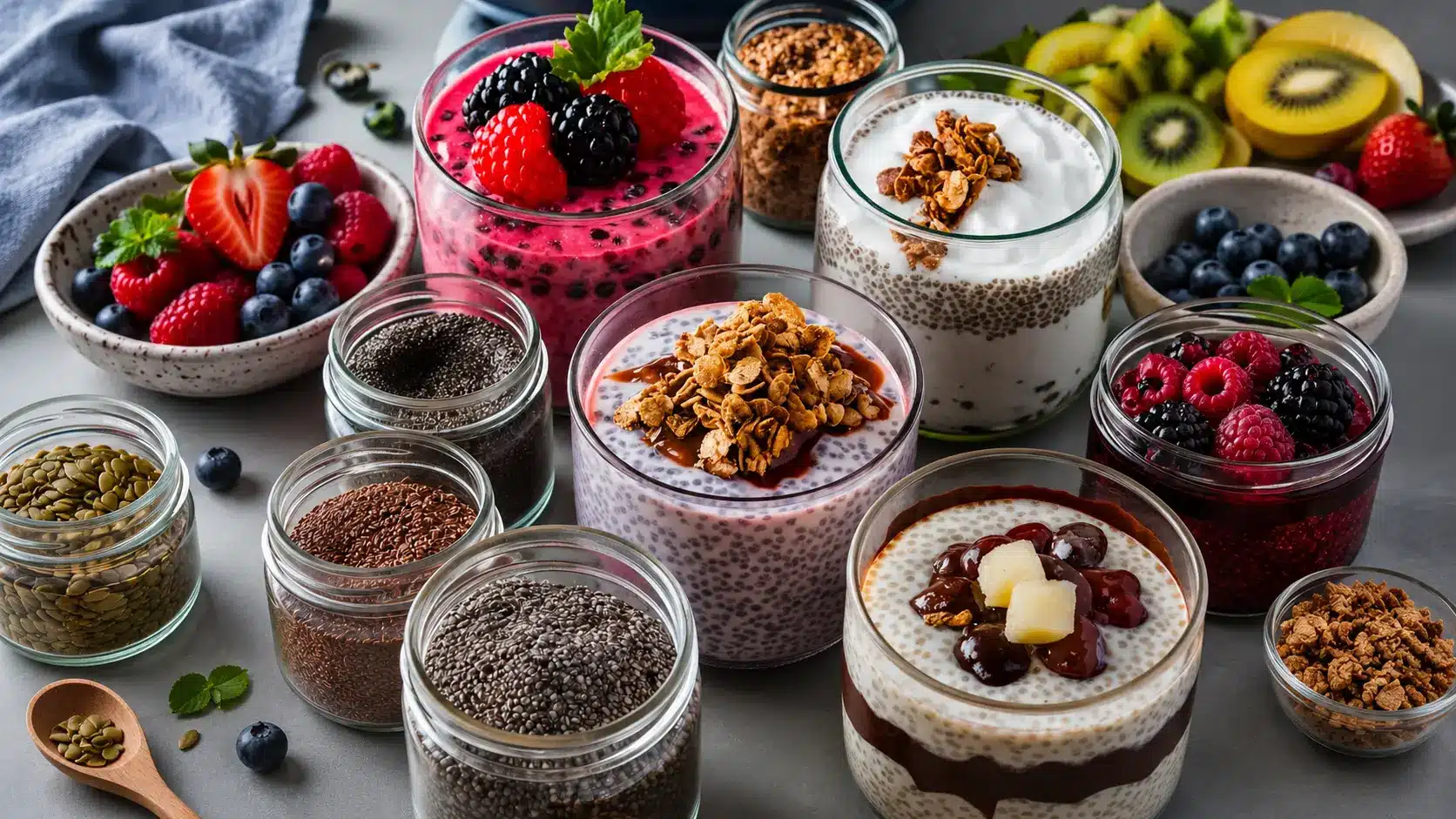
Why does chia pudding sometimes turn out perfect and other times completely off in texture? Chia pudding has become a quick go-to breakfast and snack option, especially for people who want something simple, filling, and easy to prep ahead.
Still, getting the texture right does not always go smoothly. Some batches turn out too runny, others too thick, and clumps can form if the mix is not handled well.
The chia-to-milk ratio is often the main factor behind these results, and even small changes in the ratio can shift the final consistency.
These issues often show up during home testing of different combinations and milk types. This section sets the stage for clear ratios, texture control, milk differences, and practical fixes, so consistency starts to feel predictable instead of random.
Understanding the Right Chia Milk Balance
Understanding the balance between seeds and liquid helps control texture, absorption speed, and final consistency in chia pudding preparation.
Chia seeds absorb liquid and form a gel-like coating due to soluble fiber, which is what creates a pudding texture. This hydration process is sensitive to the amount of liquid, which is why the chia-to-milk ratio directly affects whether the mixture becomes thick, balanced, or runny. A higher milk ratio slows gel formation, while less liquid speeds up thickening and creates a firmer result.
Soaking time and stirring play a major role in even absorption. Initial mixing prevents clumps, while a second stir after 10 minutes helps redistribute the seeds before the mixture fully sets. Longer resting in the refrigerator improves smoothness and allows full hydration.
Milk density also changes the outcome. Dairy milk produces creamier results due to fat content, while plant-based milks like almond or oat absorb differently and may require slight adjustments. This makes ratio control essential for consistent results.
Chia Ratio Categories for Perfect Texture
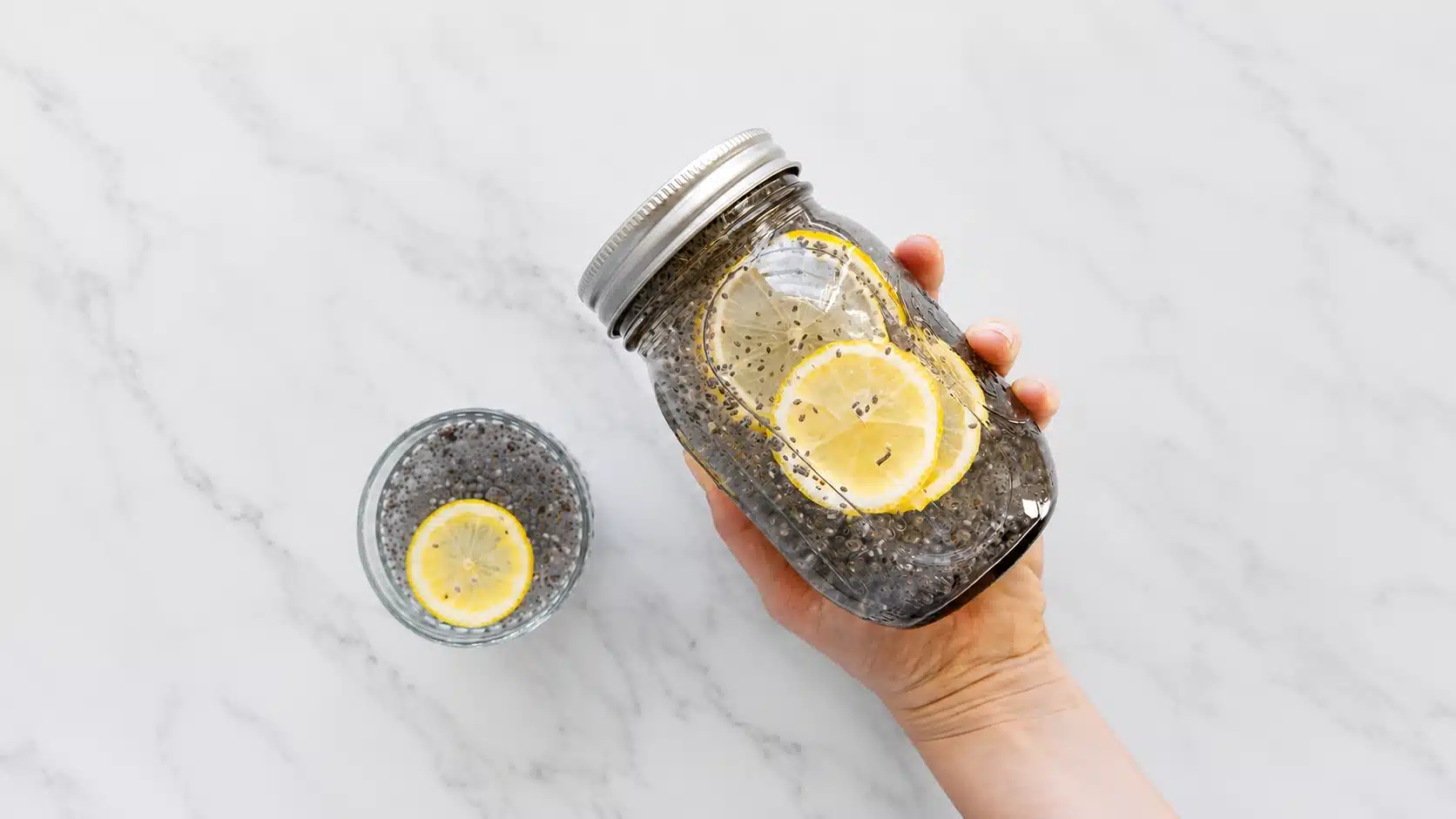
A quick overview of chia ratio types helps you easily match consistency goals, from thick dessert bowls to lighter, drinkable chia pudding textures.
Standard 1:4 Chia Ratio
Balanced everyday pudding base used across most milk types and beginner-friendly setups for consistent results.
- 2 tbsp chia + 1/2 cup milk baseline
- Reliable, creamy, but soft texture outcome
- Easy to adjust after setting
This ratio works best as a starting point; then adjust the thickness based on milk type or personal texture preference.
Thick Chia Pudding Ratio
Higher seed concentration is designed for dessert-style bowls and structured parfait layers with firm, spoonable texture.
- 3 tbsp chia for firm texture consistency
- Best for fruit bowls or parfait layers
- Requires careful stirring to prevent clumps
Thick ratios hold toppings better and suit layered recipes where structure matters more than fluid consistency.
Thin Chia Pudding Ratio
Lighter consistency designed for quick snacks, smoothies, and drinkable chia blends with fast hydration.
- 1 tbsp chia for fluid texture
- Faster hydration time compared to thicker mixes
- Best for blended drinks or light breakfasts
Thin ratios work well when chia is used as a mix-in rather than a standalone pudding base.
Milk Type and Texture Differences
Different milk types change chia absorption speed, thickness, and final texture, creating noticeable variation in pudding consistency and richness.
| Milk Type | Texture Result | Why It Happens | Best Use |
|---|---|---|---|
| Dairy milk | Creamy and rich texture | Natural fat helps chia seeds hydrate evenly and creates a smooth, spoonable set. | Best for classic chia pudding when a soft, creamy texture is preferred. |
| Almond milk | Lighter and thinner outcome | Lower fat content creates a softer gel and a less dense texture. | Best for lighter breakfasts, lower-calorie bowls, or thinner pudding. |
| Oat milk | Naturally thicker consistency | Natural starches in oat milk add body before the chia seeds fully absorb liquid. | Best for creamy breakfast bowls, fruit toppings, and meal prep. |
| Coconut milk | Dense dessert-like pudding | Higher fat content creates a thick, rich pudding that sets firmly after chilling. | Best for dessert-style bowls, tropical flavors, and layered parfaits. |
| Brand differences | Results can vary widely | Fat levels, stabilizers, and added thickeners change how chia absorbs liquid and sets. | Best tested in small batches before making larger portions. |
Understanding differences in milk helps control chia pudding texture more precisely, making it easier to adjust consistency to preference and desired creaminess.
How to Adjust Chia Pudding for Your Use
The same chia base can work in different ways when the texture is matched to how the pudding will be served.
1. For breakfast bowls
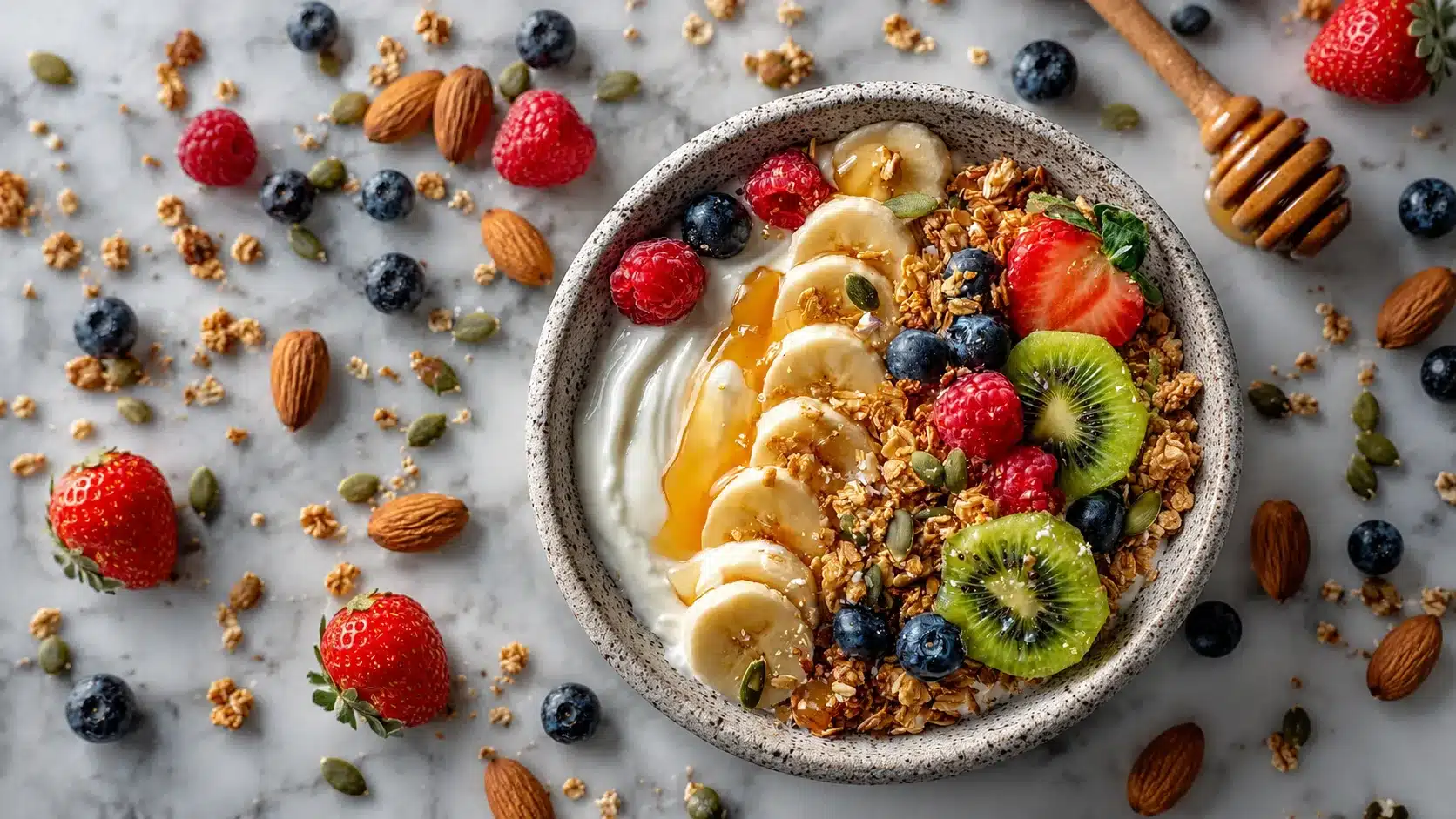
Breakfast bowls need a pudding base that can hold toppings without turning loose or watery too quickly.
- Use Standard or Thick Ratio: A 1:4 ratio works well, but extra chia adds more structure.
- Support Heavy Toppings: Fruit, nuts, granola, and yogurt sit better on a firmer pudding base.
- Adjust After Chilling: Add a splash of milk if the bowl feels too dense in the morning.
This works best when the pudding needs to feel filling but still be easy to spoon.
2. For Smoothies
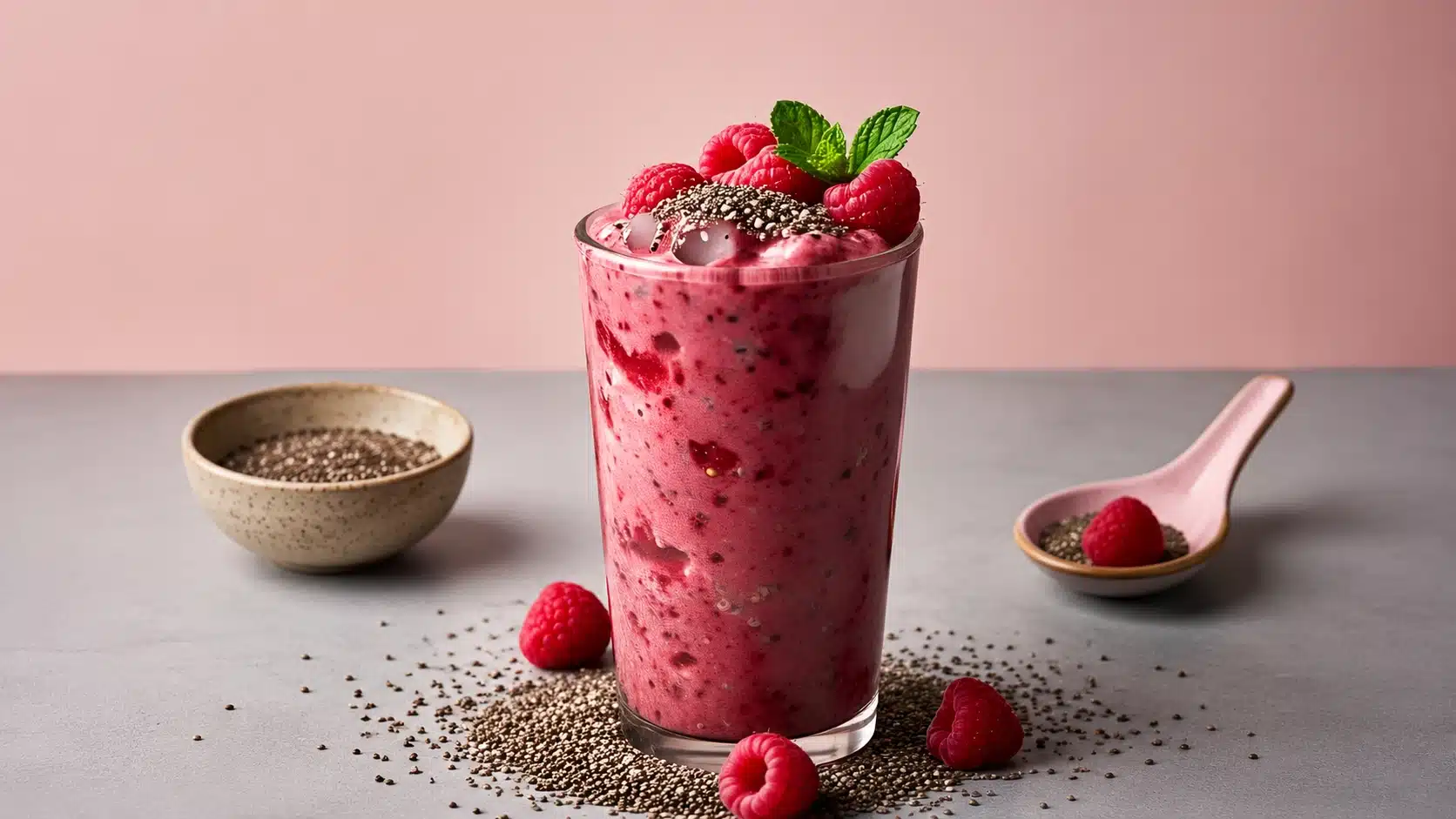
Smoothies need a lighter chia texture so the drink stays smooth, pourable, and easy to blend.
- Use Thin Ratio: One tablespoon chia with 1/2 cup milk keeps the texture fluid.
- Soak Before Blending: Softened chia seeds blend more easily and reduce the gritty texture.
- Balance With Fruit: Bananas, berries, or mango help thicken the smoothie naturally.
This method works when chia is used as a small-texture boost rather than as the main base.
3. For Meal Prep
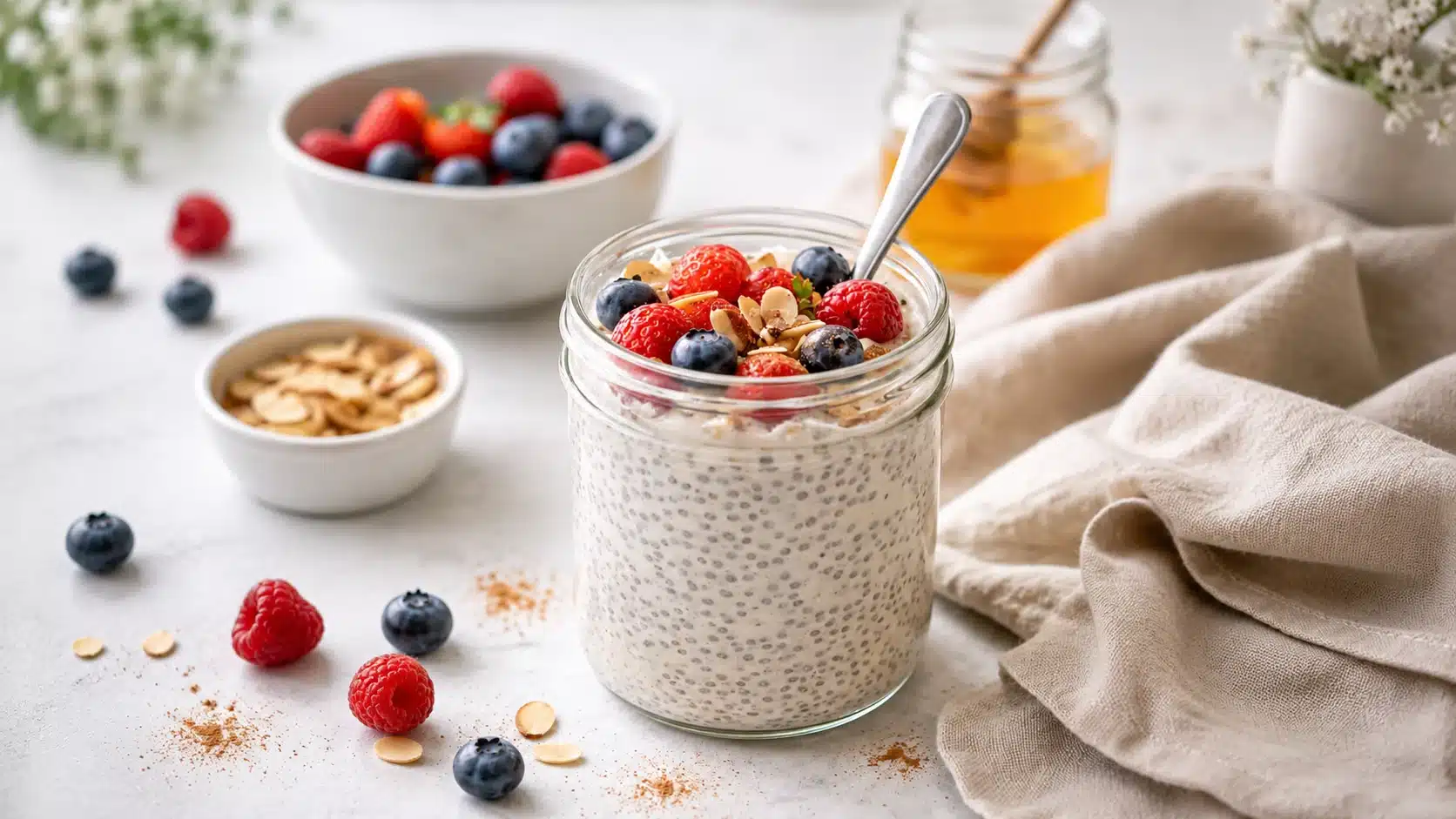
Meal prep chia pudding needs a steady texture that holds well after sitting in the fridge overnight.
- Start With 1:4 Ratio: It stays balanced after chilling and works across most milk types.
- Use Airtight Containers: Covered jars help prevent drying, odor absorption, and changes in texture.
- Stir Before Serving: A quick stir smooths out thick spots after overnight resting.
This approach keeps chia pudding easy to prep ahead without needing major fixes later.
4. For Dessert Bowls
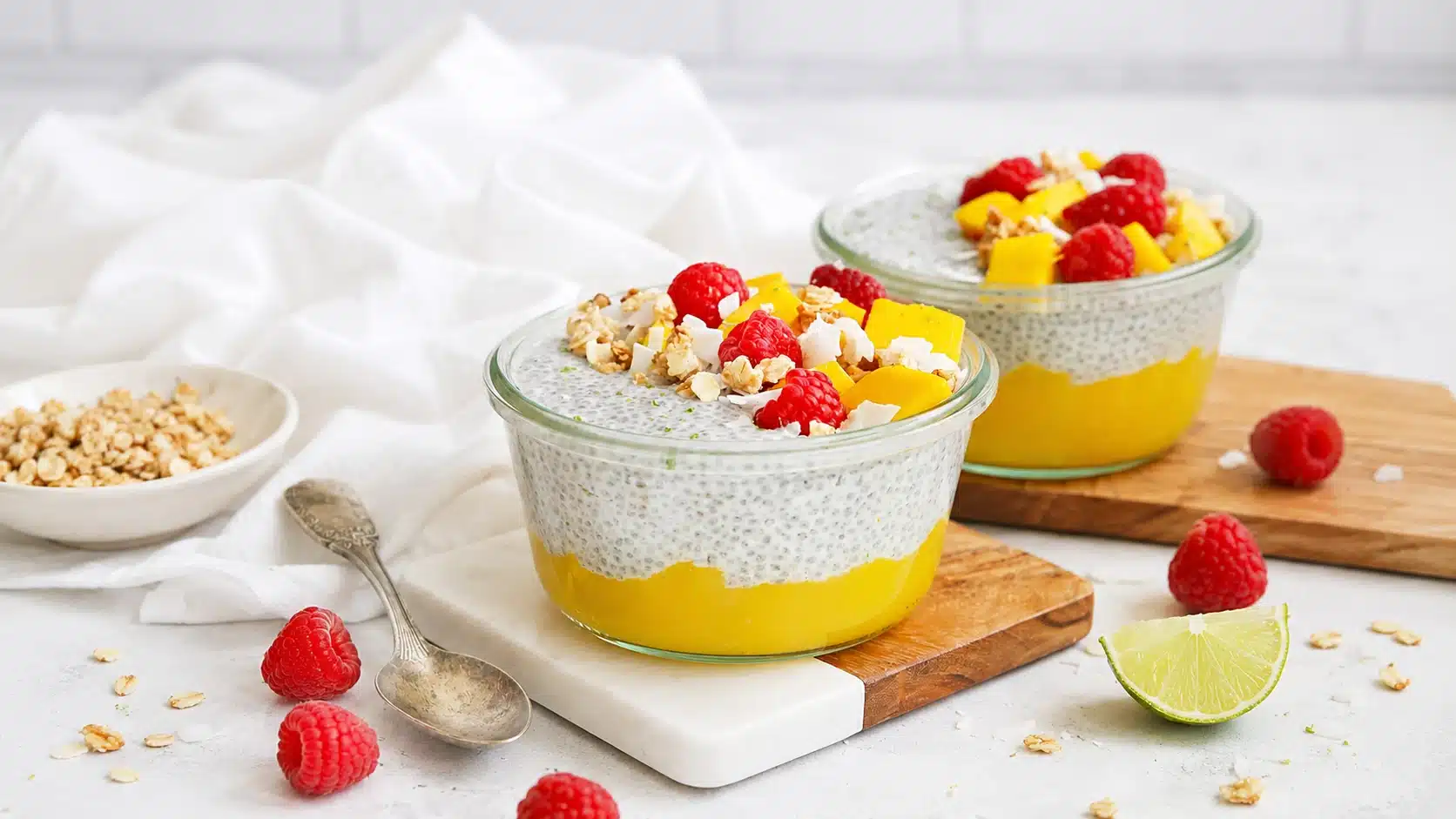
Dessert bowls need a richer, thicker texture that feels more like pudding than a light breakfast.
- Usea Thicker Ratio: Three tablespoons of chia create a firmer, spoon-heavy base.
- Choose Rich Milk: Coconut or dairy milk gives a creamier dessert-style texture.
- Pair With Bold Flavors: Cocoa, vanilla, mango, berries, or cinnamon work especially well.
This option is best when chia pudding needs to feel more like a sweet treat than a simple snack.
Timing, Stirring, and Technique Control
Timing matters because chia seeds need enough time to absorb liquid and form a smooth pudding texture. The first stir helps distribute the seeds evenly throughout the milk before they begin to swell.
A second stir after 5 to 10 minutes is just as important because it breaks up early clumps and keeps the texture even. Chia pudding needs at least 2 to 3 hours to set, but overnight resting gives the best result.
Cold refrigeration slightly slows absorption, but it helps the pudding set more evenly. Room temperature may soften the mix faster, but it is not best for longer storage.
For consistent results, mix well, rest briefly, stir again, then chill until fully set.
Quick Ratio Reference Chart
For quick clarity in measurements, this chart helps compare chia pudding textures without having to read through every ratio note first.
The right ratio depends on how thick the pudding should be after resting. A thicker mix works better for toppings, while a lighter mix suits smoothies or softer breakfast bowls.
| Texture Goal | Chia Seeds | Milk | Best For |
|---|---|---|---|
| Thick | 3 tbsp | 1/2 cup | Dessert bowls, parfaits, heavy toppings |
| Standard | 2 tbsp | 1/2 cup | Every day, chia pudding and meal prep |
| Light | 1 tbsp | 1/2 cup | Smoothies, softer bowls, quick snacks |
The standard ratio is the safest starting point because it gives a creamy texture without becoming too stiff. If the pudding feels too thick after chilling, stir in 1 tablespoon of milk at a time until it loosens.
If it feels too thin, add 1 teaspoon of chia seeds, stir well, and refrigerate for another 30 to 60 minutes.
This quick chart improves skimmability, supports faster decision-making, and works well for readers who want the ratio answer immediately. It also helps prevent ingredient waste because the texture can be adjusted in small increments rather than restarting the entire batch.
Common Mistakes and Fixes
Use this quick troubleshooting section to fix runny, thick, clumpy, or uneven chia pudding without restarting the recipe.
- Too runny: Add 1 extra teaspoon of chia seeds, stir well, and refrigerate for another 30 to 60 minutes. Runny pudding usually means the seeds need more time or the liquid ratio is too high.
- Too thick: Add milk gradually, one tablespoon at a time, and stir until the texture loosens. Avoid pouring in too much milk at once, as it can quickly make the pudding watery.
- Clumping: Stir the mixture once after mixing, then stir again after 5 to 10 minutes. This breaks up seed pockets before they swell and stick together.
- Uneven texture: Mix from the bottom of the bowl or jar, not just the top. Chia seeds often settle early, so full mixing helps the pudding set evenly.
- Settling separation: Refrigerate longer and stir before serving. Separation can happen when the seeds have not fully hydrated, or the milk is thinner than expected.
These small fixes help save a batch quickly and make the next one more consistent with less guesswork.
Frequently Asked Questions
What is the best chia to milk ratio?
The best starting point is a 1:4 ratio, which means 1 part chia seeds to 4 parts milk. It works across most milk types and can be adjusted after setting.
Why is my chia pudding watery?
Chia pudding usually turns watery when there is too much milk or not enough time to rest. Stir again after 10 minutes and let it chill longer.
Can the ratio be changed for thickness?
Yes, the ratio can be changed easily. Add a little more chia for thicker pudding or reduce the milk slightly. Small adjustments work better than big changes.
How long should chia pudding rest?
Chia pudding needs at least 2 hours to set properly. Overnight rest gives the smoothest texture because the seeds have more time to fully absorb milk.
Does milk type matter?
Yes, milk type affects thickness and creaminess. Dairy milk creates a richer texture; plant milks are usually lighter, and coconut milk gives a dense pudding.
Final Takeaway
The chia-to-milk ratio works best when treated as a control point rather than a strict rule. A 1:4 ratio is a strong starting place, but the final texture still depends on milk type, soaking time, and how well the mixture is stirred.
I like keeping adjustments small because one extra spoon of chia or milk can shift the whole bowl.
Thicker pudding works for toppings, while lighter pudding fits smoothies or quick snacks better. Once the base is understood, chia pudding becomes much easier to repeat.
Comment below with your preferred ratio or the texture that works best for you.