
We’ve all stood in the bread aisle, staring at countless options, hoping to pick the one that won’t trigger a painful flare-up. I get it, it’s overwhelming. But here’s the good news: bread doesn’t have to be your enemy.
The right type of bread can help ease acid reflux symptoms. Over time, I’ve learned that it’s not just about the bread but about creating a well-rounded acid reflux meal plan.
From morning drinks for acid reflux to meal planning strategies, I’ll share what I’ve discovered works best. Ready to make smarter choices? Let’s dive in.
Why Bread Type Affects Your Reflux
Fiber absorbs liquid in your stomach, preventing acid from splashing up where it shouldn’t. That’s why the choice of bread matters so much for managing symptoms.
Processed breads with added sugars or fats delay stomach emptying and increase acid production. White bread has a glycemic index of 70, which can trigger blood sugar spikes that increase acid load.
Target at least 3 grams of fiber per slice. Research shows that 6-8 grams of wheat bran daily can improve gut health; that’s about 2-3 slices of high-fiber bread.
The fiber works by creating a protective buffer and helping food move through your digestive system efficiently.
Top Bread Choices for Acid Reflux
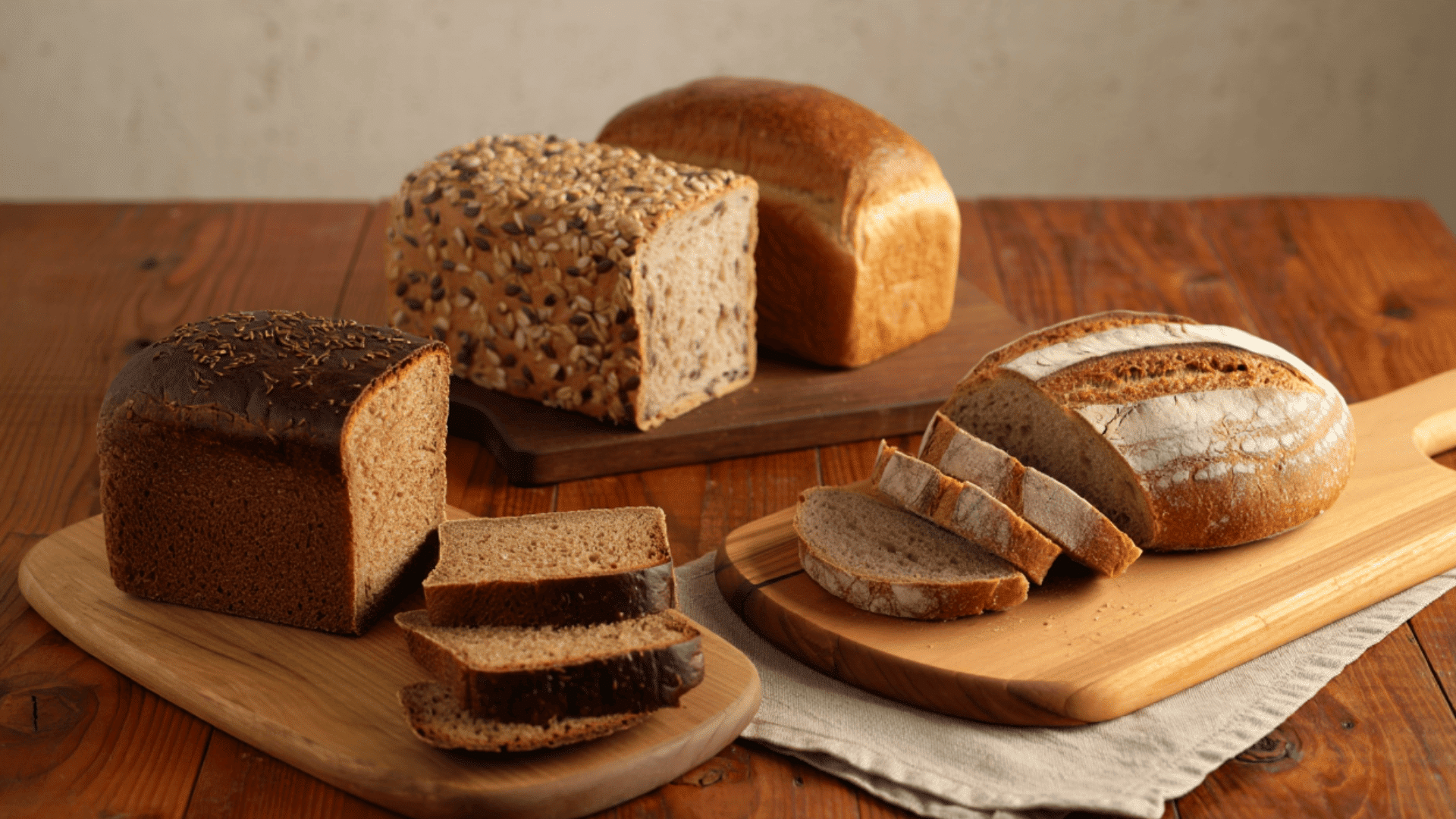
Choosing the right bread can ease acid reflux by supporting digestion, reducing stomach acid pressure, and minimizing common meal triggers.
1. 100% whole grain bread
100% whole grain bread works well for acid reflux because the intact fiber structure helps absorb excess stomach acid and keeps digestion steady.
I’ve noticed it tends to feel more filling without sitting heavy. Slower digestion means less pressure pushing acid upward. It also supports regular bowel movement, which indirectly reduces reflux flare-ups.
Always check that “100% whole grain” or “100% whole wheat” is listed first, since labels like “multigrain” often hide refined flour.
2. Authentic sourdough
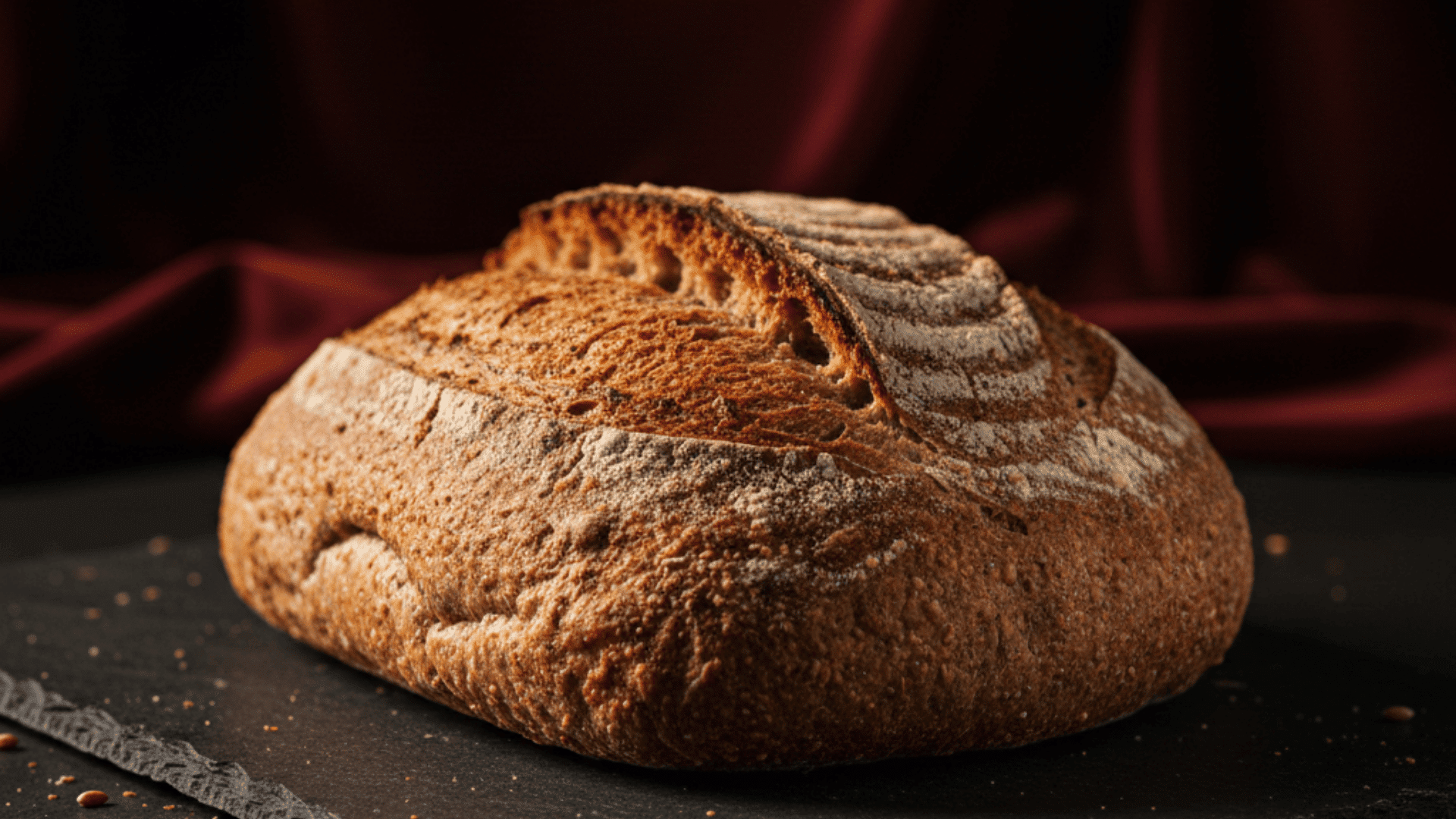
Authentic sourdough is easier on the stomach thanks to its long fermentation process, usually 12–24 hours. This breaks down hard-to-digest starches and gluten proteins, reducing bloating and gas that can worsen reflux.
Many people find it gentler than standard bread, especially in smaller portions. Real sourdough should list “sourdough starter” or “wild yeast culture.” If it relies on commercial yeast with added acids, the digestive benefits are mostly lost.
3. Oat bread
Oat bread stands out because its soluble fiber forms a soft, gel-like layer during digestion. This can help buffer stomach acid and soothe irritation along the stomach lining.
Oats also digest slowly, helping you stay satisfied without overeating, which is a common reflux trigger. In my experience, oat bread works especially well for breakfast or lighter meals when reflux symptoms are more likely to show up.
4. Rye bread
Rye bread offers strong reflux support due to its higher fiber content and lower glycemic index. This helps stabilize digestion and prevents sharp blood sugar swings that can trigger acid production.
Its dense texture naturally encourages slower eating, which reduces reflux risk. Because rye ferments easily, too much can cause gas. One slice per meal usually delivers the benefits without tipping into discomfort.
How to Eat Bread Without Triggering Reflux
Even the best bread can cause problems if you eat it incorrectly. Here’s how to enjoy it safely:
- Timing and Portions: Never eat bread alone: it spikes stomach acid. Pair with protein like scrambled egg whites, almond butter, or plain low-fat yogurt for acid reflux.
- Pairing Rules: Never eat bread alone: it spikes stomach acid. Always pair with protein and fiber, such as scrambled egg whites with pear or thin slices of banana with almond butter.
- Topping Guidelines: Keep toppings under 3 grams of fat per slice. Safe choices include 1 teaspoon of nut butter, 2 tablespoons of mashed avocado, or 1 tablespoon of low-fat ricotta. Avoid nut butter with chocolate or citrus-based spreads.
- Hydration Protocol: Drink 8 ounces of water 15-20 minutes before eating bread. Wait 30-45 minutes after eating before drinking large amounts.
Follow these rules, and you’ll avoid the nighttime regret that comes from eating bread the wrong way.
Finding What Works for You
Test systematically instead of guessing. Eat 1 slice with a neutral topping, such as low-fat ricotta. Monitor 3-4 hours for heartburn, bloating, or regurgitation. Wait 24 hours before retesting. After 3 symptom-free tests, try 2 slices, then add one new topping at a time.
Start with sourdough and low-fat ricotta. Some people are fat-sensitive while others react to portion size. Many find timing matters most. About 20% experience initial worsening from fiber that improves after 2-3 weeks.
If you experience bloating from whole grains, start with 1 slice daily and increase by 1 slice each week, paired with lean protein. Your gut needs adaptation time.
Your Path Forward
Managing acid reflux through diet may not always be simple, but the effort is worth it when you start noticing positive changes. By choosing the right bread, testing portions, and following a basic routine, you can make sandwiches a part of your daily life again.
Once you’re comfortable with your bread choice, building a 7-day meal plan for acid reflux can take your progress even further. Stick with it, and you’ll see how small adjustments can make a big difference.
Ready to start? Let me know how your journey goes, and feel free to comment with any questions!