

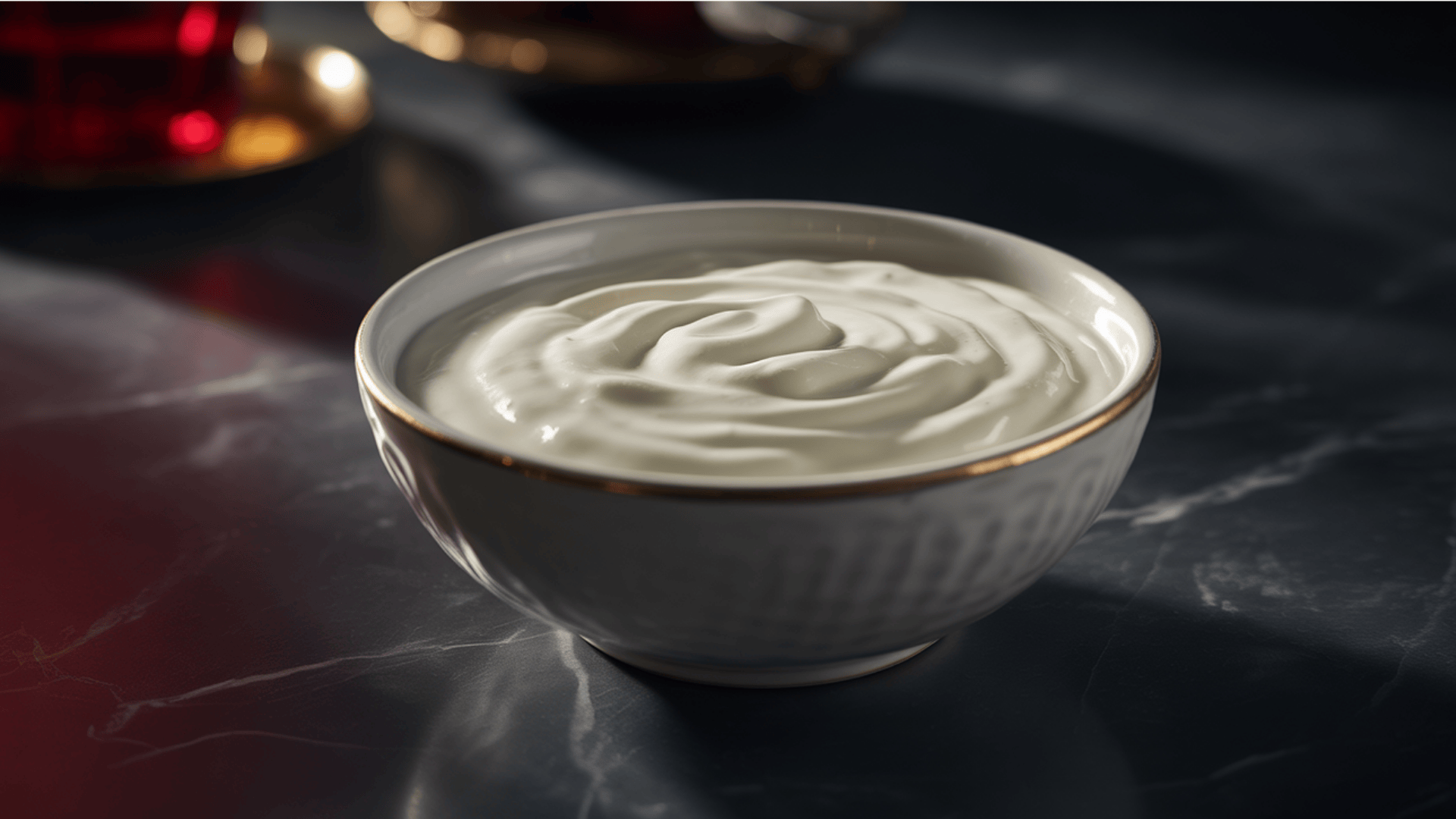
If acid reflux has you second-guessing every bite, you’ve probably wondered: Is yogurt good for acid reflux? I asked myself the same thing after another miserable night of heartburn kept me awake.
Here’s what I learned the hard way: yogurt can be a game-changer, but only if you pick the right kind. The wrong yogurt will betray you faster than you can say “reflux.”
I’ve spent months testing different types while building a acid reflux meal plan. Let me show you exactly what works and what doesn’t.
Why Yogurt Helps with Acid Reflux
Yogurt can help relieve acid reflux. First, it coats the throat and esophagus, creating a protective layer that soothes irritation almost immediately. The relief happens within minutes.
Second, the probiotics in yogurt lower stomach acid over time. Bacteria like Lactobacillus acidophilus work gradually, so overnight results aren’t realistic. Consistent daily consumption for 2-3 weeks leads to fewer flare-ups.
The coating effect is instant. The probiotic benefits build slowly. Both matter. But here’s the catch: high-fat yogurt relaxes the valve between the stomach and esophagus.
This valve keeps acid down. When it relaxes, acid flows up. Sugar triggers extra acid production. That strawberry yogurt with 15 grams of added sugar is counterproductive to reflux management.
How to Pick the Right Yogurt
Choosing yogurt for acid reflux comes down to three key factors: fat content, sugar levels, and live cultures.
- Fat Content Matters Most: Look for 1-2% fat by checking the nutrition panel, not front labels. This small amount helps coat the esophagus without triggering symptoms or relaxing the valve that keeps acid down.
- Skip Added Sugars: Choose yogurt with 0 grams of added sugar. Natural lactose (4-8g per serving) is fine, as the body processes it differently. Fruit-on-the-bottom varieties often contain 10-15g of added sugar, which can trigger extra acid production.
- Live and Active Cultures Seal Is Non-Negotiable: This seal guarantees a sufficient probiotic count. Some brands heat-treat yogurt after fermentation, killing bacteria while claiming “cultures.” Look for L. acidophilus or Bifidobacterium for the strongest evidence of acid reduction.
Greek vs Regular vs Plant-Based
Different yogurt types work for different people. Here’s how they compare for acid reflux management.
| Type | Fat Content | Best For | Key Benefits |
|---|---|---|---|
| Regular low-fat | 1-2% | Most people with acid reflux | Affordable, widely available, proven effective |
| Greek | 1-2% | People who get bloated from regular yogurt | Less lactose, double the protein, thicker coating |
| Plant-based | Varies | Dairy sensitivity or intolerance | Dairy-free, but weaker evidence for reflux |
Start with regular low-fat if cost is a concern. Switch to Greek if bloating is an issue. Choose plant-based only if dairy causes actual reflux symptoms.
What to Add and What to Avoid

Plain yogurt works, but the right ingredients make it enjoyable without triggering reflux. Add ripe bananas, melons like cantaloupe, blueberries, raspberries, and pears with protective pectin.
For texture, use ¼ cup rolled oats or low-sugar granola (under 8g sugar), or 1-2 tablespoons ground flaxseed or chia seeds. Keepnuts moderate: 23 almonds, 1 tablespoon of chopped pecans, or a small handful of walnuts.
A tiny drizzle of honey or a pinch of cinnamon adds flavor. These same pairing principles apply to other meals, too, like choosing the right sauces, shapes, and tips when preparing pasta for acid reflux.
Avoid these ingredients:
- Citrus fruits: Relax the valve to keep acid down.
- Chocolate: Contains compounds that trigger symptoms.
- Peppermint: Desensitizes valve receptors.
- Sugary granola and full-fat coconut: Bring problematic fat and sugar levels
Timing Your Yogurt Matters
Eat yogurt at least 3 hours before lying down. Gravity keeps stomach contents where they belong. Go horizontal too soon, and that help disappears.
Breakfast is the optimal time: you’re upright and have the whole day ahead of you. Eat yogurt with other food, not alone.
This slows digestion and gives probiotics more time to work. Stick to 6-8 oz per sitting. Put it in a bowl rather than eating directly from the container, which can accidentally double portions and trigger symptoms.
The same timing and portion rules apply to heavier meals as well. How foods are combined, including choices around pasta shape, sauces, and serving size, can make a noticeable difference for acid reflux.
When to Stop Trying Yogurt for Reflux
About 15-20% of people with acid reflux get worse with dairy, regardless of fat or lactose content. For some people, casein or whey protein can irritate the esophagus.
If reflux worsens after 2-3 tries with plain, low-fat yogurt, dairy protein sensitivity is likely the problem. Switch to plant-based options or probiotic supplements.
Daily yogurt requires at least 2-3 weeks before judging improvement. Track actual reflux episodes per week. Three episodes down to one is real progress. If nothing changes after 6-8 weeks, yogurt alone won’t help.
When to See a Doctor
Heartburn occurring more than twice a week requires medical evaluation. If over-the-counter medications aren’t providing relief after two weeks, prescription options should be considered.
Certain symptoms demand immediate attention: vomiting blood, black stools, difficulty swallowing, unexplained weight loss, or chest pain radiating to the jaw or arms.
The Bottom Line
Yes, yogurt can help with acid reflux: if you choose the right kind and eat it at the right time. Plain, low-fat Greek yogurt is a great choice, especially when you add berries and flaxseeds.
Track how you feel over a few weeks, and if you don’t see improvement, that’s valuable info for your next steps. It doesn’t mean failure; it just means your body needs something different.
Consider how yogurt fits into your 7-day meal plan for acid reflux. Ready to try it? Let me know how it goes, and feel free to comment!