
Is pasta good for acid reflux, or was I sentencing myself to another night of burning regret? After testing different types, portions, and sauces, I learned the noodles weren’t my enemy. The real troublemakers were hiding in plain sight.
Let me share what actually works. I’ll cover which types your stomach handles best, portion sizes that matter, safe sauce swaps, and timing tricks that changed everything.
Additionally, you should look into how you can build a acid reflux meal plan to keep your meals safe, satisfying, and reflux-friendly. Let’s get started.
Why Pasta Itself Isn’t the Problem
Plain pasta, especially whole wheat varieties, contains complex carbohydrates and fiber that help stabilize stomach pH.
These qualities actually reduce GERD symptoms rather than trigger them. The issue starts when you add sauce.
- Tomato-based options like marinara sit around 3.5-4.5 pH, acidic enough to irritate the esophagus directly.
- Creamy sauces delay stomach emptying by roughly 40%, giving acid more time to creep back up.
- And garlic-heavy recipes relax the lower esophageal sphincter, the valve that keeps stomach contents where they belong.
So when pasta gets blamed for that burning sensation, the wrong part of the meal is taking the heat.
Choosing the Right Pasta and Avoiding Problematic Sauces
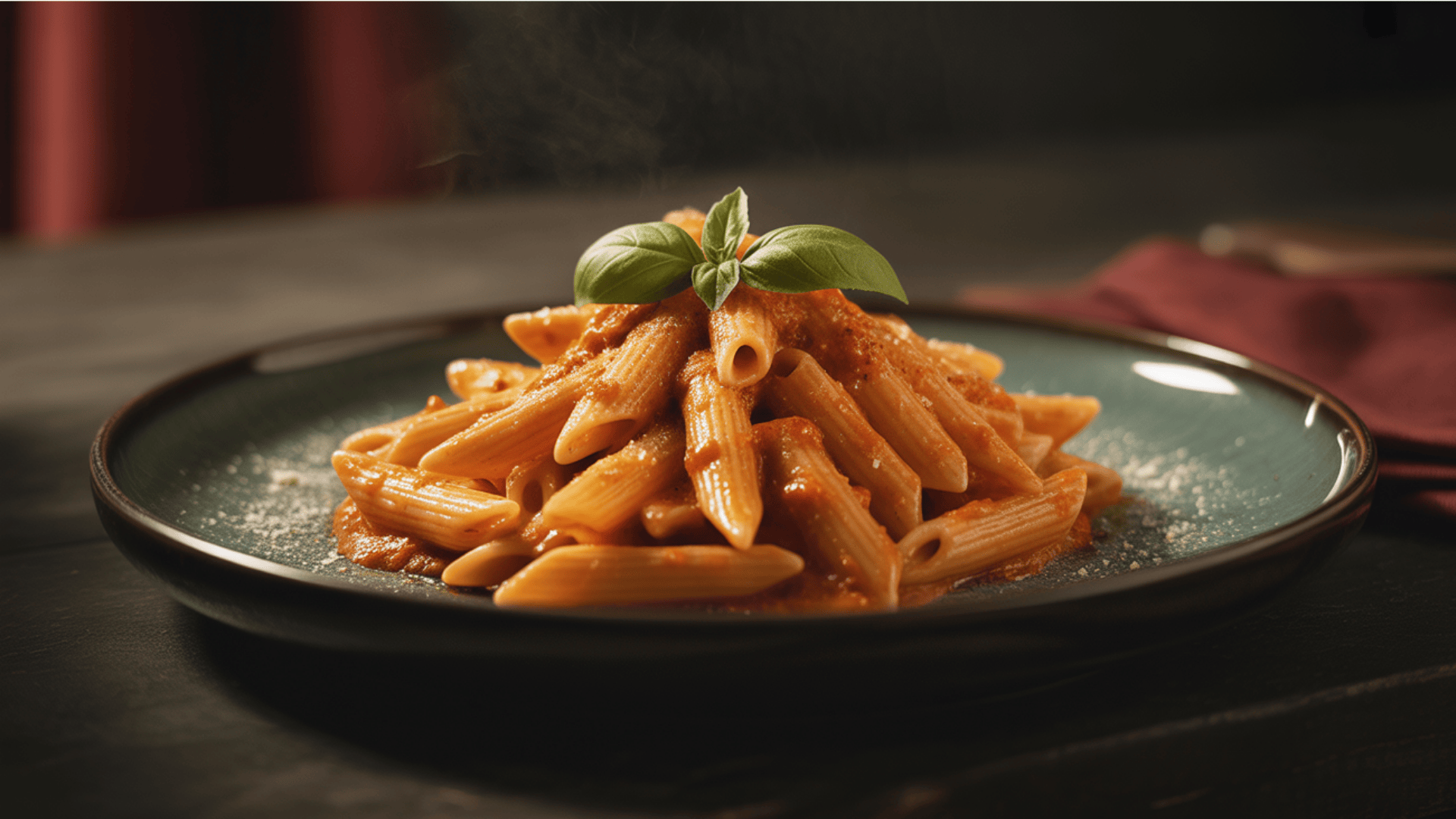
Whole wheat pasta provides more fiber, helping with reflux and controlling portions by creating fullness faster. White pasta is fine if whole grain feels heavy or after symptom flare-ups.
Zucchini noodles pose no reflux risk. Shape doesn’t matter; choose what you like. Keep portions to 1 cup cooked (around ⅓ cup dry) to avoid stretching the stomach and increasing valve pressure.
People often overestimate portions by 20-30%. Traditional pasta sauces are loaded with reflux triggers to avoid:
- Marinara, bolognese, tomato-based sauces (too acidic)
- Alfredo, carbonara, cream sauces (too fatty)
- Arrabbiata, fra diavolo, spicy versions (capsaicin irritates)
- Raw garlic or onion-heavy sauces (relaxes the LES valve)
These cover most traditional sauces, but alternatives exist.
Safe Sauce and Seasonings That Actually Taste Good
When food needs to stay gentle, sauces and seasonings can still add flavor.
| Safe Sauces & Seasonings | Instructions |
|---|---|
| Olive Oil and Herbs | Use 1-2 teaspoons olive oil with basil, oregano, thyme, or parsley. |
| Garlic-Infused Oil | Heat ½ cup olive oil with 3 smashed garlic cloves over low heat, cool, and strain. Refrigerate for up to a week. |
| Butternut Squash or Cauliflower Cream | Blend roasted squash or steamed cauliflower until smooth, then thin with veggie broth. |
| Broth-Based (for pasta) | Cook pasta in low-sodium vegetable broth for 12-14 minutes. |
| Safe Seasonings | Basil, oregano, thyme, parsley, dill, fennel, and ginger. Use lightly on black pepper and skip the raw onion. |
Building a Reflux-Friendly Pasta Meal
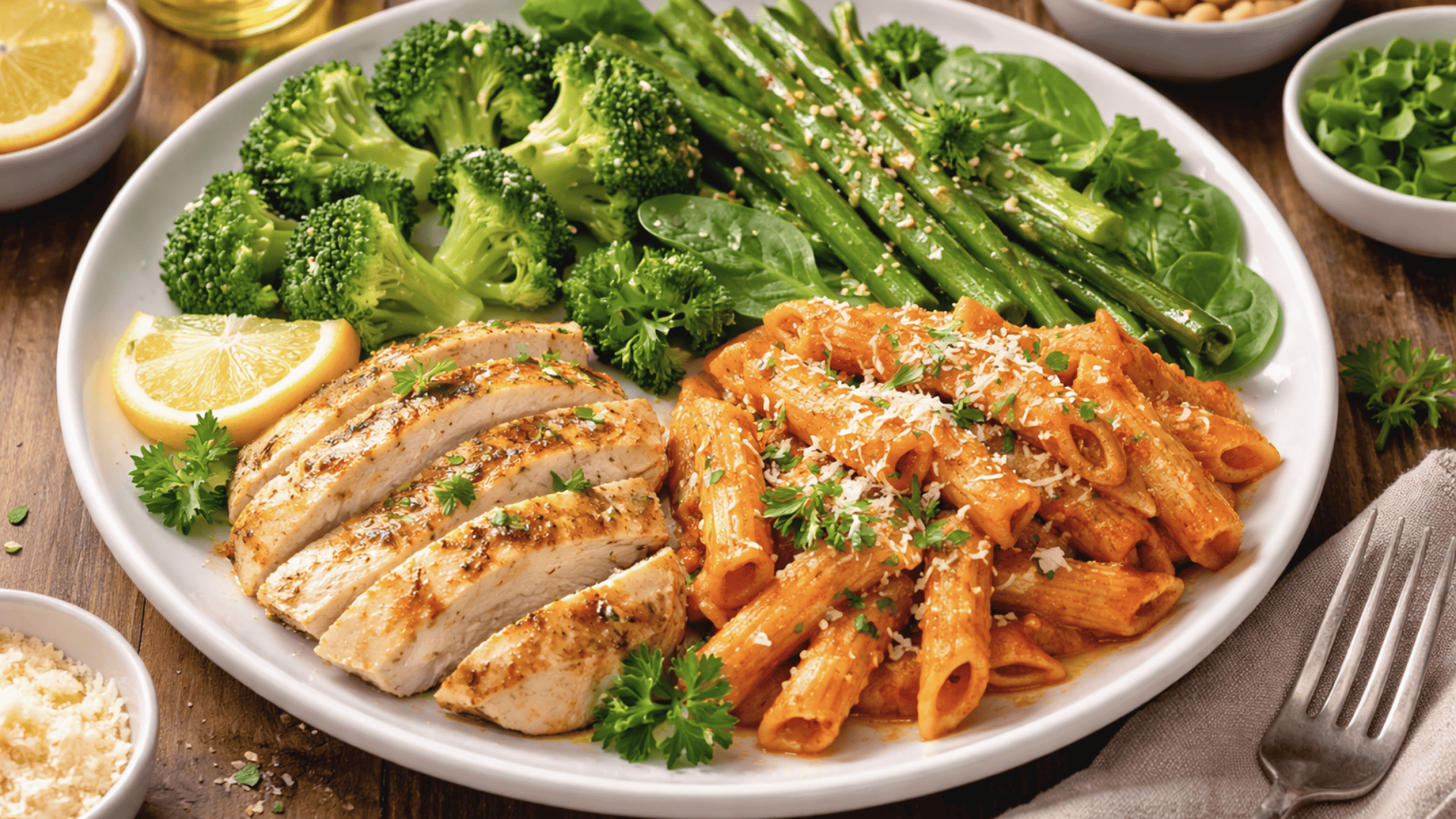
Structure your plate this way to keep reflux under control:
- Half vegetables: steamed or roasted broccoli, asparagus, spinach, zucchini, green beans
- Quarter lean protein: white fish, shrimp, skinless chicken, tofu, beans
- Quarter pasta: that 1 cup cooked portion
This keeps the stomach from stretching enough to trigger reflux. Lean proteins digest in 1.5-2 hours, whereas fatty options take 3-4 hours. The same balanced approach works for other meals too.
Pairing safe grains, fibers, and smart toppings makes a real difference, whether you’re choosing bread for GERD or building a pasta plate.
What to drink:
- Water, 8-12 oz sipped throughout the meal.
- Chamomile or ginger tea works after eating.
- Skip wine, sparkling water, coffee, and peppermint tea, which can relax the valve and worsen reflux.
Timing Rules That Make the Difference
Timing plays a bigger role in acid reflux than most people expect. Small changes in when and how you eat can noticeably reduce symptoms.
| Timing rule | What to do | Why it helps |
|---|---|---|
| The 3–4 hour rule | Finish dinner at least 3 hours before lying down. If bedtime is 10 PM, aim to eat by 7 PM. | Gravity helps keep stomach acid down, reducing nighttime reflux. |
| Eat slowly | Spend at least 20 minutes eating each meal. Avoid finishing in under 15 minutes. | Slower eating reduces stomach pressure and lowers reflux episodes. |
| Stay upright afterward | Remain upright after meals. Light walking is ideal. | Gentle movement improves gastric emptying by about 20%. |
These timing habits work best when practiced consistently. Pairing smart timing with reflux-friendly foods gives your digestive system the best chance to settle and recover.
Why Pasta Might Still Cause Problems
Run through this checklist if pasta still triggers reflux:
- Measure portions for a few days
- Check the sauce ingredients for hidden garlic, onion, tomato, or fat
- Time meals (under 12 minutes is too fast)
- Confirm staying upright for 3 hours
- Try white pasta if whole grain bothers you
Take PPIs 30-60 minutes before breakfast on an empty stomach. See a doctor if you have difficulty swallowing, unexplained weight loss, black stools, severe chest pain, persistent vomiting, or blood in vomit.
Summing Up
Pasta can work for acid reflux when it’s handled the right way. The noodles themselves usually aren’t the problem. What matters is avoiding acidic or heavy sauces, keeping portions to about one cup, and paying attention to timing.
I’ve learned that olive oil with herbs works far better than marinara, and slowing down while eating actually makes a difference.
The goal isn’t perfection or cutting out foods you enjoy. It’s noticing what feels good for your body and sticking with those patterns. Comfort food can stay on the table, just with a few smarter choices around it.