
The relationship between food and cigars is intricate, layered, and unique. Some see it as an extension of the meal, or even the dessert. The secret in this complex relationship is the balancing of flavours. With cigars, flavor is created through aroma, mouthfeel and the way smoke moves across the palate, rather than through chewing and swallowing. TThe experience is more aromatic than literal: smoke, aroma, bitterness, sweetness and texture all meet on the palate.
When trying to balance and pair the two, you’re essentially trying to regulate sweetness, bitterness, brightness, smoke, and mouthfeel. Premium cigars inherently carry oil, spice, and caramelized leaf sweetness. Knowing that means that when selecting an after-dinner cigar you want to match the body of the smoke with the texture and proof of the drink or the richness of the food.
What’s important to keep in mind is that not all cigars are the same. There are categories, sections and subsections. For instance, mild cigars, often wrapped in Connecticut shade, have delicate notes of cream, light cedar, and vanilla, which means they are easily overpowered by aggressive pairings. On the other side of the spectrum, a Maduro wrapper needs a pairing that can match its heavy cocoa and peppery earth notes.
When people set out to buy cigars for an evening event, they should probably map out the sequence of the meal. There’s a lot of variables that can influence the pairing. For example, the transition from dessert to smoke requires palate cleansers and the right timing.
Aligning Espresso and Coffee Variations
When talking about after dinner flavors that go well with cigars there’s one thing that ranks high at the top of the list: coffee. Coffee is seen as the ultimate post-meal pairing, simply because the core ingredient for both is of similar origin beans and tobacco. Even the process of making them is similar. The roasting process for coffee beans develops complex Maillard reactions that align and mirror the curing and fermentation stages of cigar leaves.
Now when we’re talking about actual cigar-coffee pairing, there’s a lot you need to account for. For instance, for lighter cigars, you would probably need to go for a standard medium-roast coffee or a milk-based drink like a cappuccino. The milk acts as a palate coating, neutralizing acidity from the coffee, softening the spice element of the tobacco. This combination allows the natural creamy sweetness of a Connecticut wrapper to rise and shine on your palette.
Now when you switch to full-bodied cigars, you need a different approach. In this context, a straight shot of espresso with its bitter intensity and dense crema can perfectly balance the strong Nicaraguan or Dominican blends. The bitterness of the espresso is a balancing force to the heavy smoke, saving the palate from heaviness and tiredness. Cold brew is another viable alternative, offering a smoother, less acidic profile with rich chocolate undertones that match very well with medium-bodied cigars.
Chocolate and Nut Accompaniments
Now let’s move from liquids to solid foods. Here, dark chocolate and toasted nuts are the obvious choices because they offer immediate structural support to a cigar’s flavor profile. The lipid content of nuts and chocolate pair with the essential oils present in the tobacco.
More specifically, dark chocolate varieties that contain 70% cacao or higher, make for the ideal choice. The controlled bitterness and the dense texture pairs exceptionally well with spicy, full-bodied cigars. The fats in the chocolate create a temporary coat to the taste buds, acting as a shield to the aggressive pepper notes often found in darker wrappers. Lighter, more commercial milk chocolates are generally avoided, simply because they usually contain high sugar content which when paired with a premium cigar, gives out a metallic or overwhelmingly harsh taste.
Moving on to toasted nuts, you have a pairing with an earthy, textural contrast. Almonds, walnuts, and pecans contain natural oils that agree with the woody notes found in medium-bodied cigars. The roasting process strengthens the savory characteristics of the nuts, which cuts through the density of the smoke. If you serve the toasted nuts with a mild cheese board, the fat and salt can prepare the tongue and palette for an unforgettable experience.
Aged Spirits and Fortified Wines
The tradition of pairing cigars with brown spirits and wines is well-documented, but the secret is finding the exact cigar-drink combo.
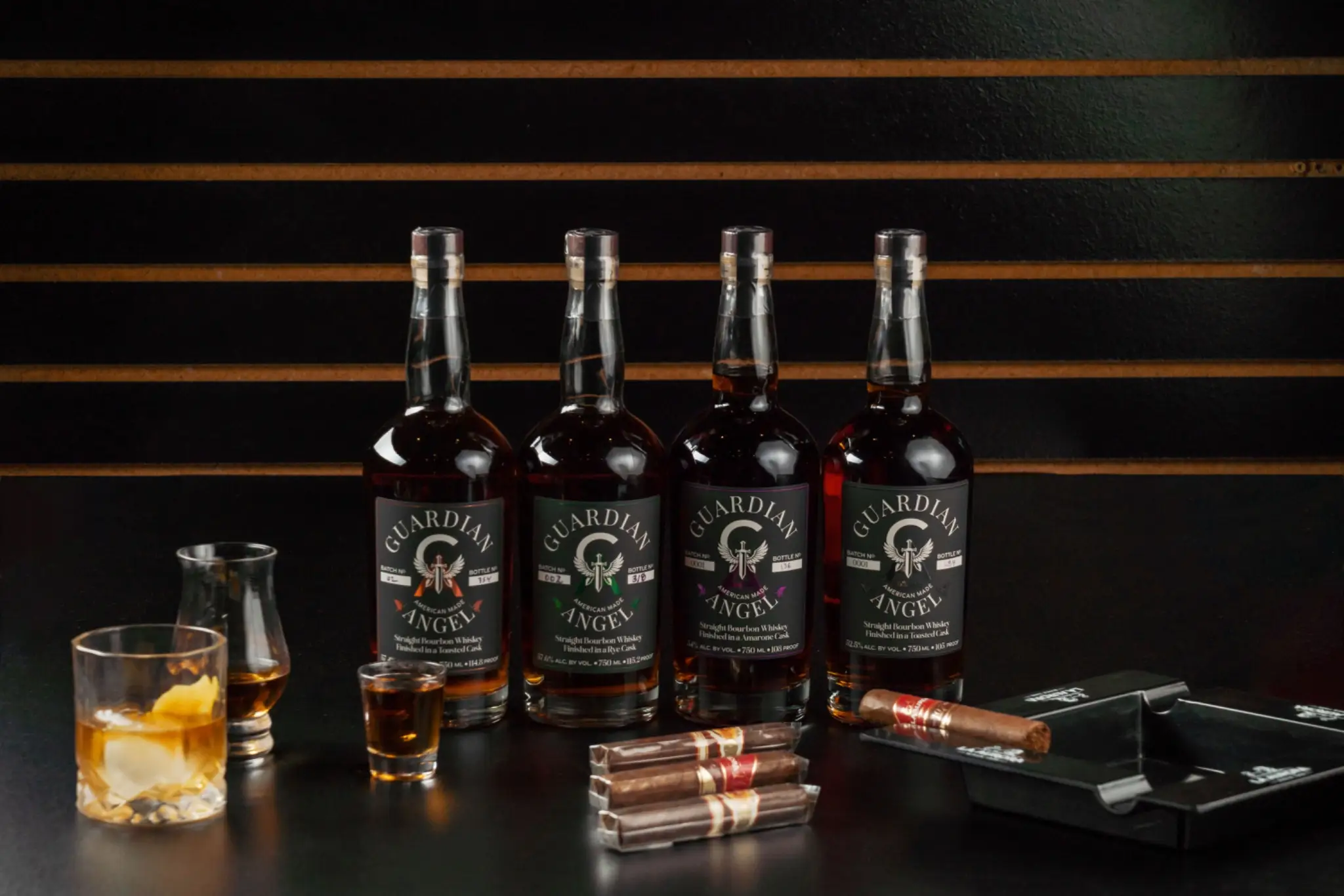
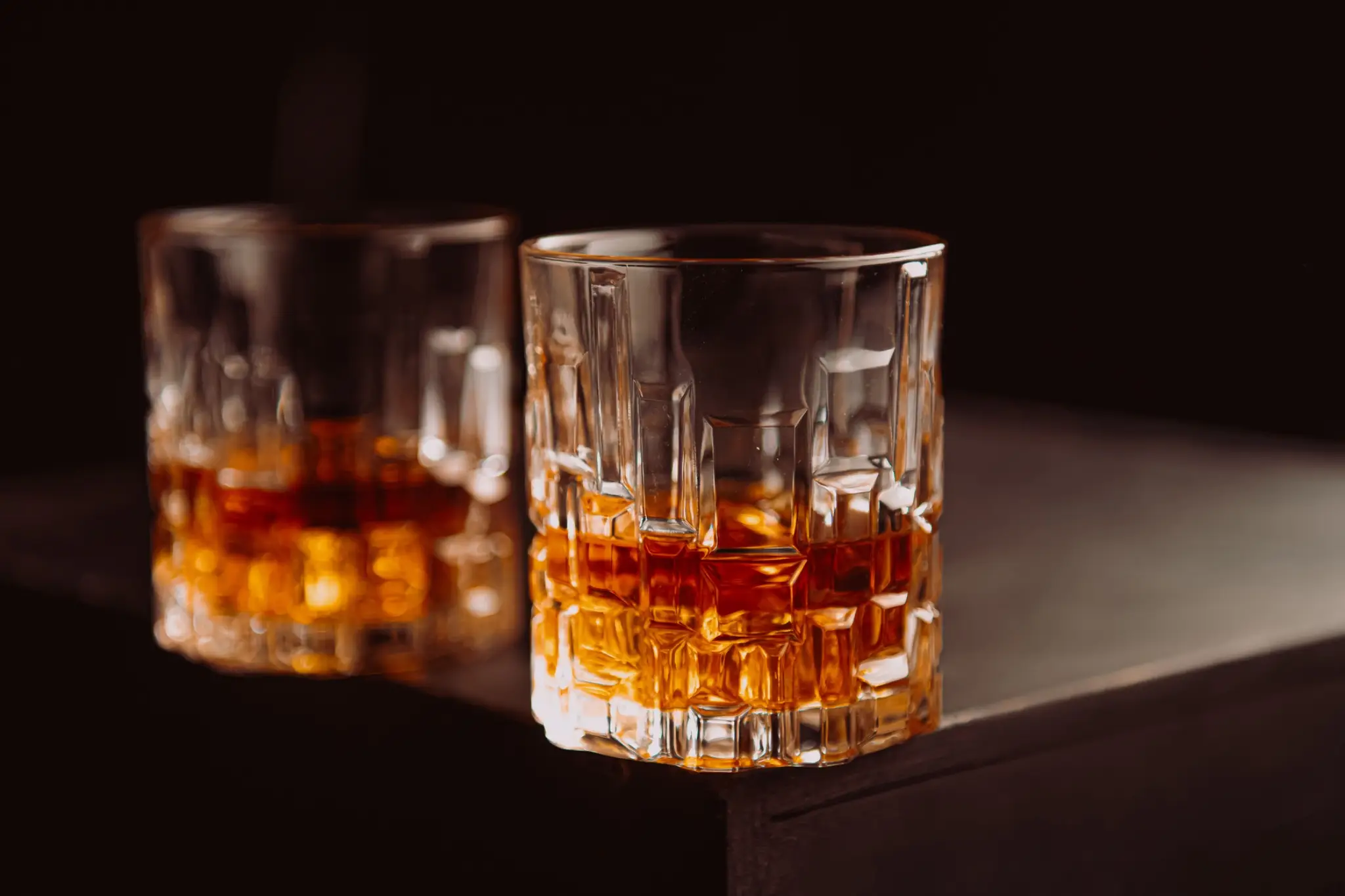
The most popular choice of an aged spirit is bourbon. It’s usually served alongside medium-bodied cigars. The charred oak aging process adds notes of caramel, vanilla, and baking spices, which naturally complement the cedar and leather notes in the tobacco. However, there’s something that people need to be mindful of: the alcohol by volume (ABV). If a spirit is resting between 40-46 % ABV it’s generally fitting for mild cigars, while medium and full-bodied cigars can handle up to 55%. A useful trick is adding a few drops of water or a single, large, clear ice cube in order to reduce the heat and unlock the spirit’s aromatic compounds.
Single malt Scotch, particularly Speyside or sherry-cask aged varieties offer a residual sweetness from the sherry casks. This gives the pair a necessary balance to the power of a strong cigar. As another option, aged rums offer a more molasses-driven sweetness that aligns better with dark wrappers.
For a lower-proof alternative, wines like Port offer a rich, full-bodied texture without the characteristic alcohol burn. The dark fruit and chocolate flavors found in a quality Port wine create a safe combination with the profile of an aged cigar, creating a unique experience for the person enjoying it.
Technical Considerations for the Pairing Process
The intersection and matching between food, drink and the cigar should be seen as a sequence, not a collision. The one should complement the other, as two lego pieces of the same construct. How do you achieve that? By following some simple steps.
Firstly, take a sip or a bite, and allow the flavors to fully coat your palate. Then, take a measured draw from the cigar. This sequence of events ensures that the food or drink prepares the taste buds for what’s to come rather than wash the smoke away. The temperature of the pairing also plays an important role. Warm drinks emphasize sweetness and viscosity, while cold drinks are more about crispness and bitterness.
|
Pairing Category |
Ideal Cigar Match |
Key Sensory Interaction |
|---|---|---|
|
Espresso |
Full-Bodied (Maduro) |
Bitterness balances heavy smoke |
|
Cappuccino |
Mild (Connecticut) |
Dairy softens tobacco spice |
|
Dark Chocolate |
Medium to Full-Bodied |
Fats smooth pepper notes |
|
Bourbon (Neat) |
Medium-Bodied |
Caramel notes echo cedar |
|
Port Wine |
Full-Bodied |
Dark fruit cuts through earthiness |
Evolving the Evening Ritual
Post-meal pairings have their own mythology, and carry their own importance. They are seen as the perfect way to unwind, finish a busy day or gather your thoughts. To achieve the ideal result, you need a systematic approach to find and match flavor components. The secret is to give all components the same respect and treat them as equal partners of the experience. The food, drink and cigar play equally important roles in crafting an experience that speaks to your taste, wants and needs.