

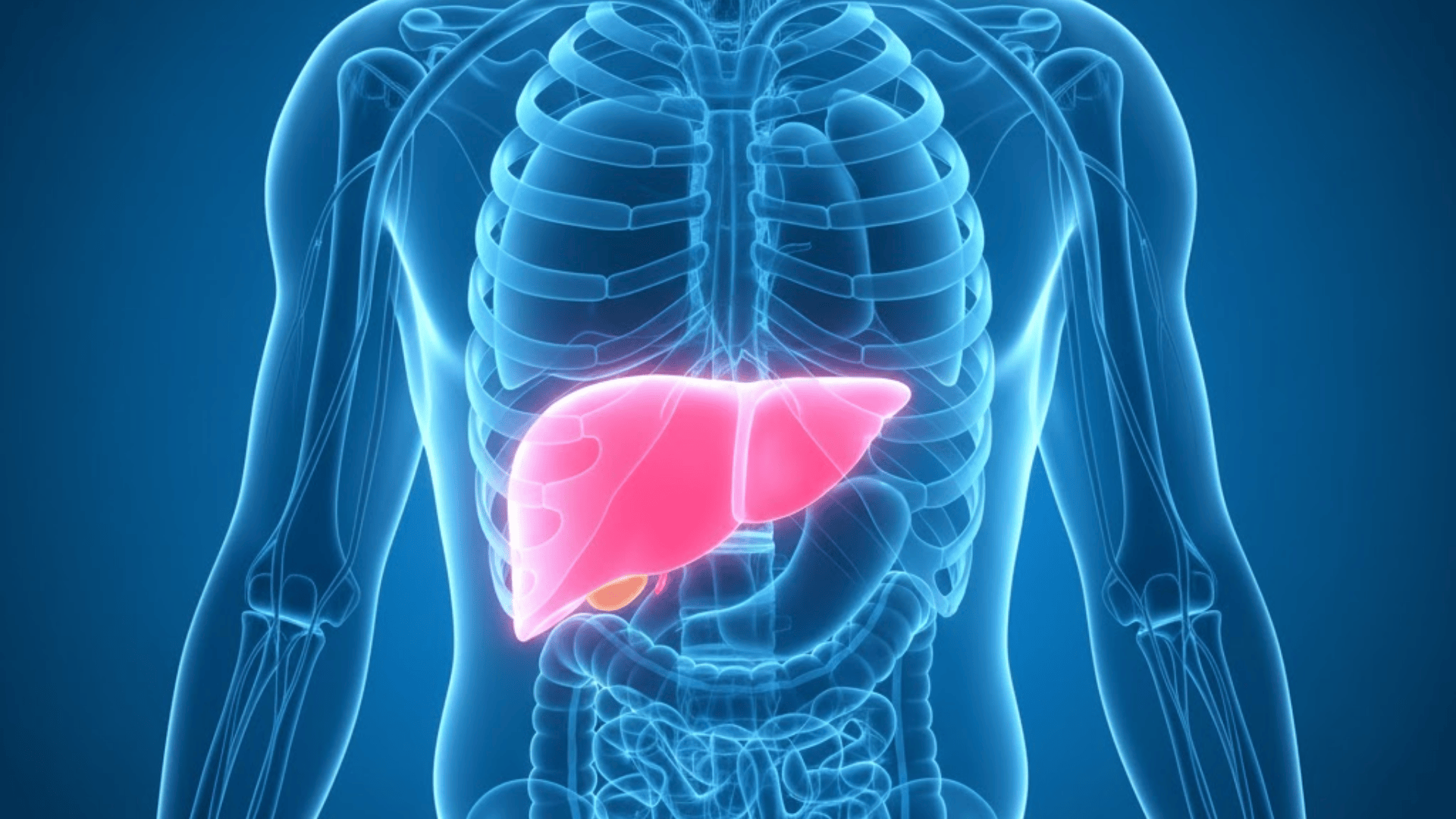
Have you been feeling extra tired, puffy, or just “off” lately and can’t put your finger on why? Your liver might be trying to get your attention.
In this guide, I’ll walk you through the most common signs your liver needs detoxing and what those signals can mean for your health.
You’ll see how things like fatigue, bloating, mood changes, and skin problems can be early warnings instead of random annoyances.
By the end, you’ll have a clear, simple picture of what to watch for, when it’s time to talk to a doctor, and how small daily habits can give your liver the support it deserves. Whether it’s choosing whole foods or trying out cleansing juice recipes, you can use these signs as a gentle health check.
What People Mean When They Say “Liver Detox”
Many people use the phrase “liver detox” when they feel low energy, heavy, bloated, or out of balance.
But medically, detoxing means something different. The liver works nonstop to remove toxins naturally. No drink or 3-day juice plan can replace that job.
However, the liver can become strained due to:
- Too much alcohol
- High intake of processed food
- Stress
- Low-quality sleep
- Certain medications
- Long-term toxin exposure
When that happens, the body shows early warnings. Recognising these signs helps prevent bigger issues later, and adjusting what you eat over the course of a week can often bring relief; something a structured meal plan for acid refluxis designed to do.
Signs Your Liver Needs Detoxing or Extra Support

When the liver starts to struggle, it usually doesn’t shout for attention, but the body quietly shows early warning signs that something isn’t right.
1. Persistent Fatigue
Feeling worn out all the time, even after a full night’s sleep, can mean the liver is stressed.
When toxins stay in the body longer than they should, the body works harder, leading to low energy and tiredness throughout the day.
2. Digestive Issues: Bloating, Nausea, Indigestion
The liver produces bile, which helps break down fats. When it slows down, digestion feels heavier. People often notice:
- Bloating
- Nausea
- Uneasy stomach
- Indigestion after meals
These issues can show up often when the liver starts to lose efficiency.
3. Jaundice (Yellow Skin or Eyes)
Jaundice is one of the clearest signs that the liver needs help. When bilirubin builds up, the skin and the whites of the eyes turn yellow.
This symptom should be taken seriously because it suggests the liver is having trouble clearing waste.
4. Dark Urine or Pale Stools
Changes in bathroom habits can reveal a lot about liver health.
| Change | What It Suggests |
|---|---|
| Dark urine | The liver may not be processing bilirubin properly |
| Pale or clay-colored stools | Bile flow may be blocked or reduced |
These changes are worth noticing, especially if they show up more than once.
5. Abdominal Swelling or Discomfort
Swelling in the lower abdomen or upper right side can appear when the liver becomes inflamed or when fluid collects in the belly area.
This swelling may feel like tightness, pressure, or bloating that doesn’t go away easily.
6. Itchy Skin and Other Skin Issues
When the liver struggles to clear toxins, bile salts can build up in the body. This buildup often leads to:
- Itchy skin
- Rashes
- Breakouts
Even unexplained dry patches can sometimes point to liver stress.
7. Brain Fog, Mood Swings, or Irritability
A stressed liver can affect more than the body—it can affect the mind too. Toxins influence brain chemicals, which may lead to:
- Difficulty focusing
- Forgetfulness
- Irritability
- Mood swings
The mind feels heavy and unclear when the liver’s load gets too high.
8. Poor Alcohol Tolerance or Frequent Hangovers
When someone suddenly becomes sensitive to small amounts of alcohol, it may be a sign that the liver is working overtime.
Getting headaches, nausea, or fatigue after only one or two drinks can mean the liver is struggling to process alcohol efficiently.
9. Unexplained Weight Gain or Weight Loss
The liver plays a big role in metabolism. When it becomes sluggish, the body may:
- Gain weight easily
- Have trouble burning fat
- Lose weight suddenly without trying
Any major change without a clear reason should be checked by a professional.
10. Sugar or Alcohol Cravings
Strong cravings for sugar or alcohol can be signals of imbalance. When the liver doesn’t regulate blood sugar well, the body may ask for more sweet or stimulating foods.
These cravings may also show up when someone is developing a deeper dependence on alcohol.
When These Signs Mean Something More Serious
Some symptoms, such as jaundice, swelling, dark urine, and pale stools, can point to more serious conditions like:
- Fatty liver
- Viral hepatitis
- Alcohol-related liver damage
- Chronic liver disease
These conditions require medical testing and proper treatment. Self-treating with online detox kits may lead to more harm.
Can a Person Really Detox the Liver? What Doctors Say
Medical experts explain that the liver does not need detox drinks or harsh cleanses to work well. These products are not proven to repair liver damage, and some supplements may actually hurt the liver.
According to the official NIH guidance on detoxes and cleanses, which reviews scientific evidence on detox programs, there is no strong proof that detox products improve liver function.
A more helpful approach is reducing the pressure on the liver through healthy habits and medical care when needed.
Health experts also note that true detox, especially for alcohol or substance use, should be medically supervised to avoid complications.
Safe Ways to Support Liver Health
Healthy habits make the biggest difference in liver function. These actions help lighten the workload on the liver and support long-term health:
- Drink enough water
- Eat more fruits, vegetables, and whole foods
- Reduce alcohol intake
- Limit sugar and fried foods
- Sleep well every night
- Move the body daily
- Avoid smoking and unnecessary toxins
If symptoms are linked to alcohol or substance use, a medically supervised detox program may be the safest path. Medical experts guide the process, watch for complications, and provide the right care so the liver has a better chance to recover.
Preventive Care for a Healthy Liver
Keeping the liver protected starts with small, steady habits. Here are simple steps that make a long-term difference:
- Maintain a healthy weight: Helps lower the risk of fatty liver.
- Get vaccinated for hepatitis A and B: Offers protection from viral infections that affect the liver.
- Use medications only as instructed: Prevents accidental liver strain from overuse.
- Reduce exposure to chemicals and smoke: Lowers toxin buildup in the body.
- Go for regular checkups if you’re at higher risk: Supports early detection and timely care.
These habits help the liver stay strong and prevent long-term issues.
Final Thoughts
So now you’ve seen some of the most common signs your liver needs detoxing and how they can quietly show up in your everyday life.
Tiredness, changes in digestion, skin issues, and cravings are not just random quirks. They can be your body’s way of asking for a bit more care.
You don’t have to fix everything overnight. Small steps like better food choices, more water, less alcohol, and regular checkups can make a real difference for your liver and your energy.
If this helped you understand your body a little better, take a few minutes to look through some of my other blogs on this site. You might find even more ideas that fit your goals and lifestyle.