
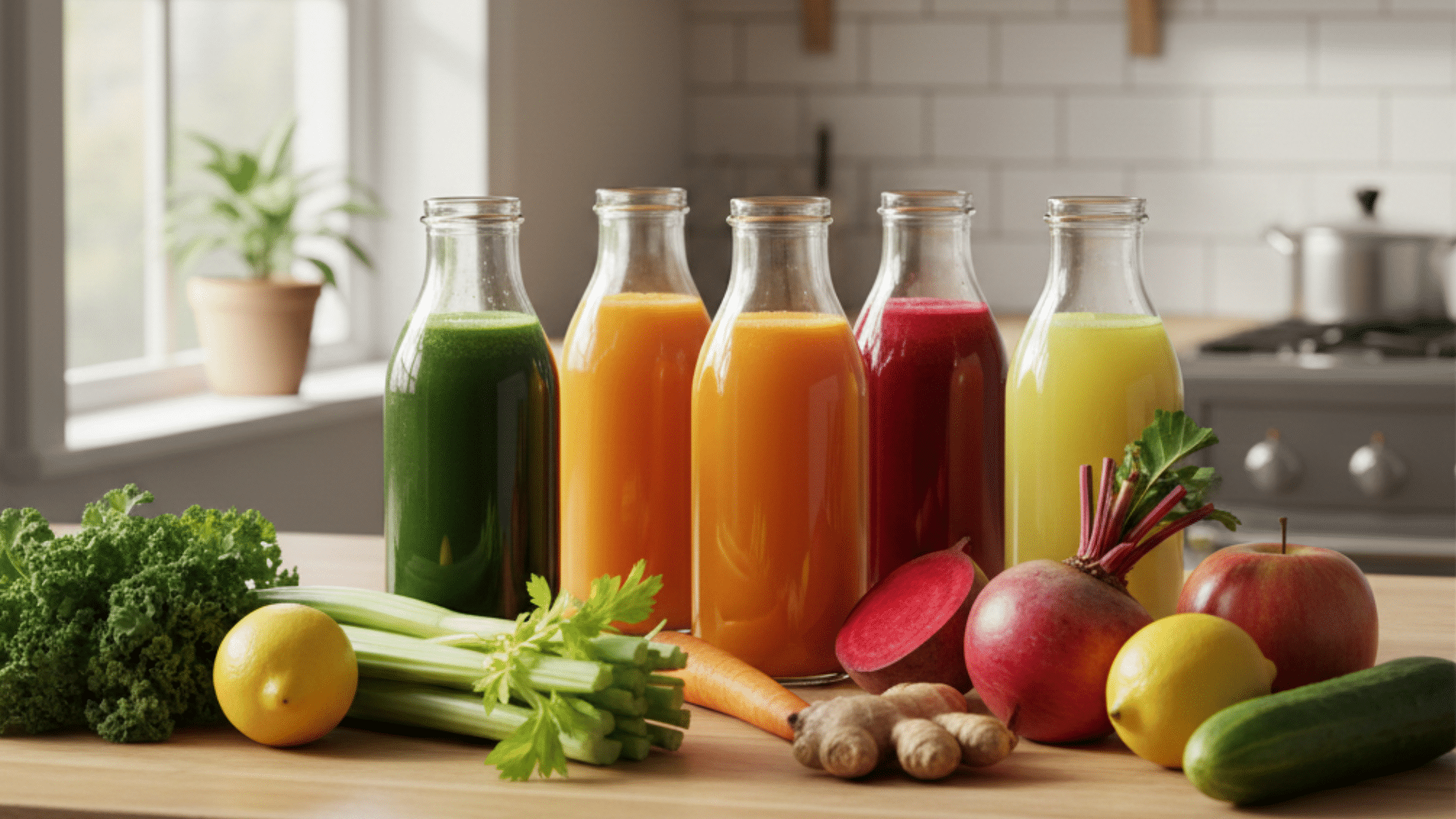
I used to think a juice cleanse meant a strict plan or an expensive delivery box. After making my own for a few years, I realized you can keep it simple, use a regular juicer or blender, and still feel good about what you’re drinking.
If juicing feels confusing, with too many rules and mixed advice floating around, that’s normal, and it’s usually what stops people from starting at all.
Juice cleanse recipes matter because they help you add more fruits and vegetables without overthinking a meal. You can use them for a short reset, fold them into a daily habit, or just reach for one after a heavy-food day to feel lighter.
Below, I’ve broken things into clear paths, easy recipes, and realistic choices that fit real life, so you can pick what works for you and get juicing with confidence.
| Recipes included | 15 |
| Time per juice | 5 to 10 minutes |
| Equipment | Juicer, cold press, or blender with a fine strainer |
| Difficulty | Easy, beginner-friendly |
| Best for | A one-day reset, a 3-day cleanse, or a daily juicing habit |
Before You Begin, Choose Your Juice Cleanse Path
Before you start juicing, it helps to know that a juice cleanse is optional, not required. You can get real benefit from juicing without doing a full cleanse at all.
Some people use juice as a short reset after heavy meals. Others add one or two juices to their daily routine for extra fruits and vegetables. A longer cleanse can also work, but only if it fits your goals and your schedule.
If you’re new to juicing, a one-day cleanse or a single daily juice is the safest place to start. If you want a quick reset, a three-day cleanse is the most common option people reach for.
If your focus is easing bloating or noticing a change in how your clothes fit, a five- to seven-day cleanse may feel right for you. If you’re here only for recipes, skip the cleanse plans entirely and start juicing right away.
| ℹ️ Health Note: This article is for general information and isn’t medical advice. A juice cleanse isn’t a treatment for any condition and shouldn’t replace meals long-term. If you’re pregnant, nursing, managing diabetes or another condition, or taking medication, check with a healthcare provider before trying a multi-day cleanse. |
Quick Juice Cleanse Shopping List
A clear shopping list helps you avoid buying random produce you won’t use. Stick to watery vegetables, mild greens, sweet fruits, roots, citrus, and herbs.
| Category | Ingredients | Best Use |
| Watery base | cucumber, celery, watermelon | keeps juice light |
| Greens | spinach, kale, parsley | adds fresh green flavor |
| Sweet fruits | apple, orange, pear, pineapple | balances bitter taste |
| Roots | carrot, beet, ginger, turmeric | adds color and depth |
| Citrus | lemon, lime, grapefruit | brightens flavor |
| Herbs | mint, parsley | adds freshness |
For one day, buy enough for four to five juices. For a three-day cleanse, repeat your favorite base ingredients so the list stays simple. Picking produce that works in more than one recipe, like cucumber, lemon, apple, carrot, and ginger, also cuts down on waste.
One-Day Juice Cleanse Recipes for Beginners
These beginner-friendly recipes help you start fast without overthinking anything. Use them for a one-day reset, build them into a three-day plan, or stretch them into a longer cleanse based on your own comfort.
1. Classic Green Cleanse Juice
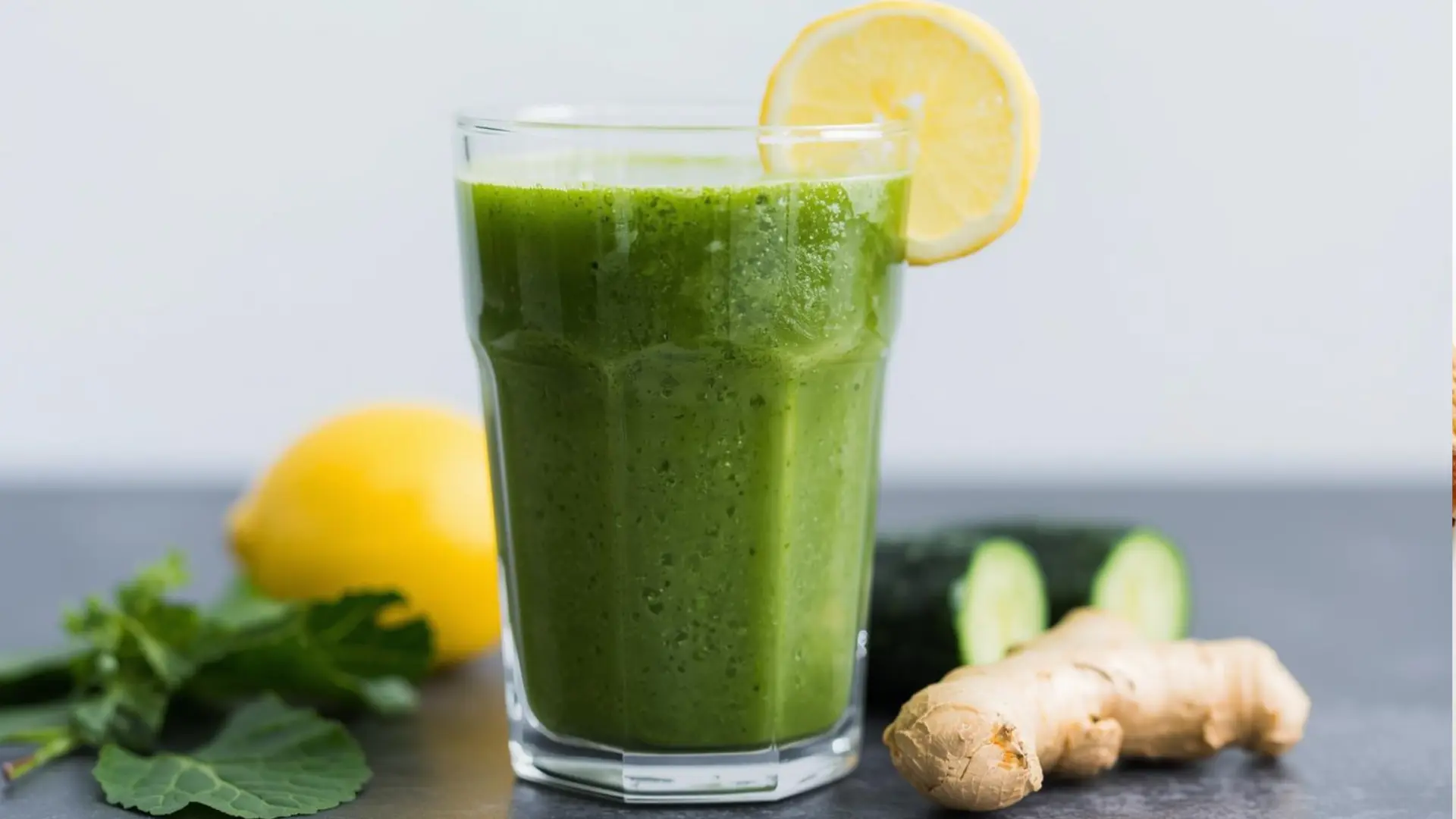
This green blend works as a solid base for most cleanse routines. It’s light but still filling, and it can support digestion and hydration. Apple adds natural sweetness, while lemon and ginger bring brightness. If you want to see how a green juice’s nutrient and calorie profile actually breaks down, I cover that in more detail in my green juice nutrition and calories guide.
Serves: 1
Ingredients: 1 cup kale or spinach, 1 small cucumber, 1 green apple, ½ lemon peeled, 1 inch ginger, ½ cup water (optional)
Method:
- Wash all produce well.
- Chop the apple and cucumber into juicer-friendly pieces.
- Peel the lemon and ginger.
- Juice everything, starting with greens, then apple, lemon, and ginger.
- Stir and serve right away, or chill for later.
2. Celery Reset Juice
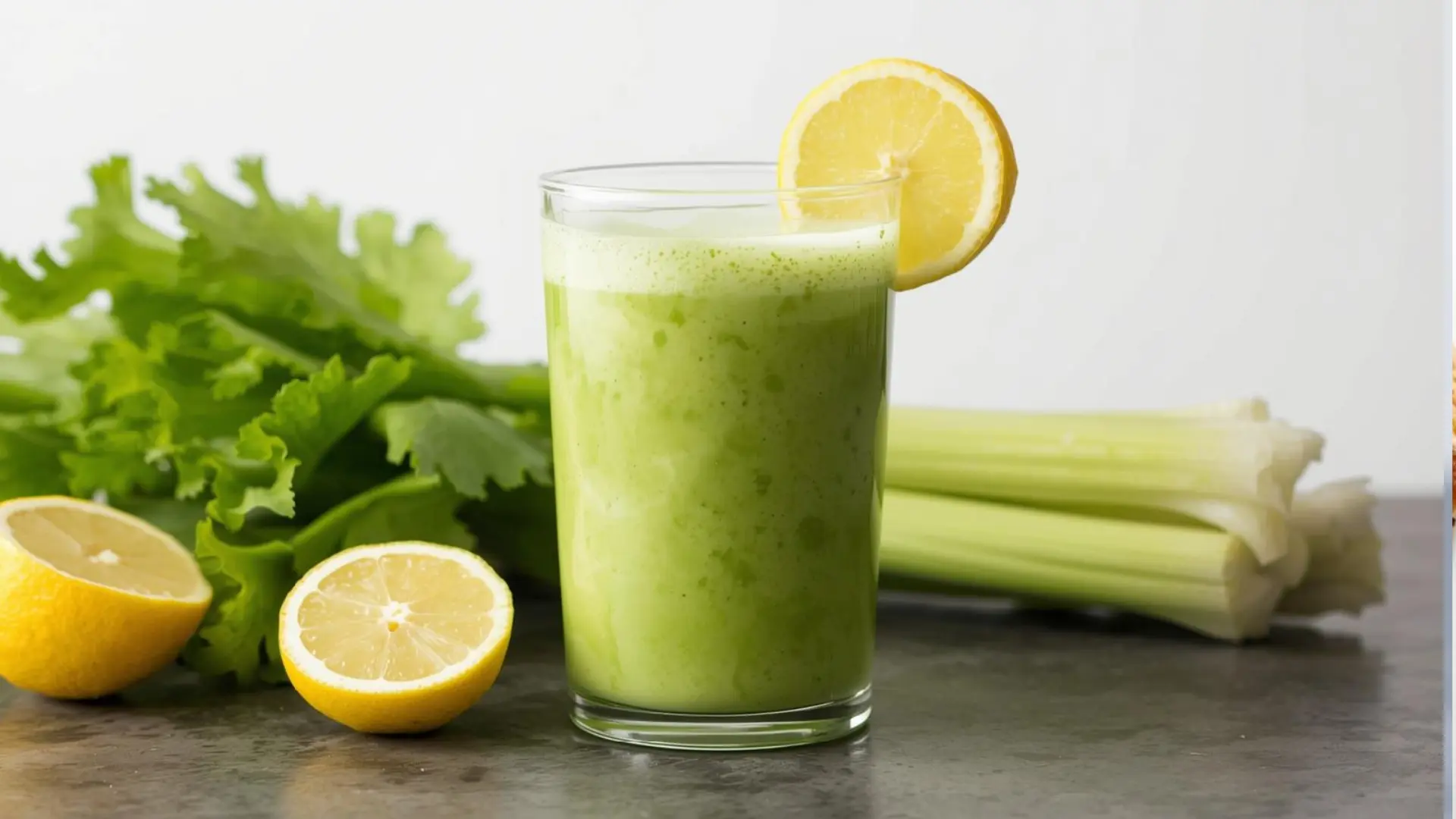
Starting your day with a simple celery juice feels refreshing and clean. It’s hydrating and may support digestion, and a squeeze of lemon adds a small boost of vitamin C along with brighter flavor.
Serves: 1
Ingredients: 1 bunch celery, ½ lemon, peeled (optional)
Method:
- Wash celery stalks well and trim the ends.
- Cut stalks into pieces that fit your juicer chute.
- Juice the celery.
- Add lemon at the end if you want a brighter taste.
- Stir and drink right away.
3. Carrot Ginger Juice
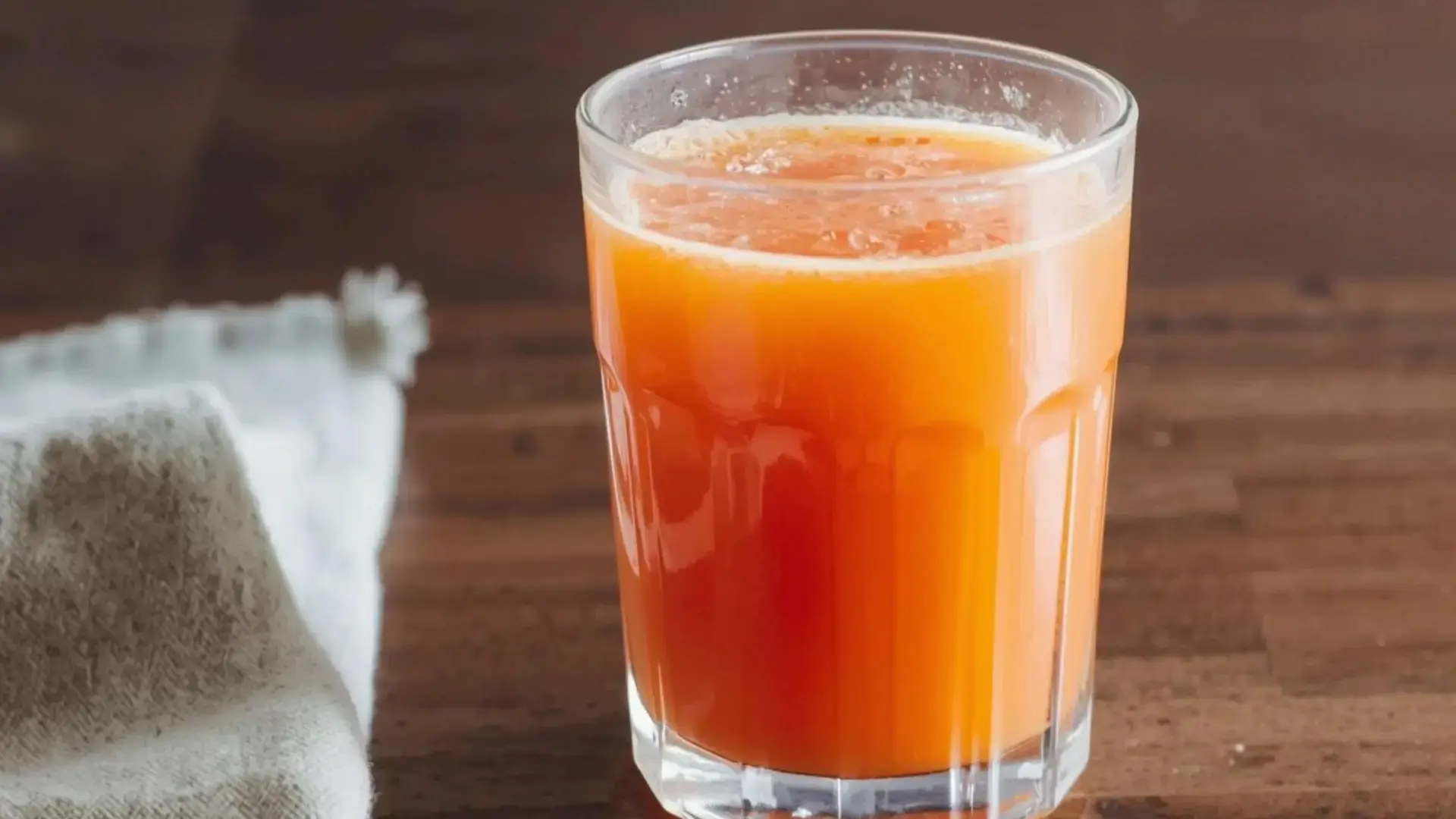
A naturally sweet, warming juice that’s easy for beginners to like right away. Carrots provide beta-carotene for eye health, while ginger may help digestion and reduce that heavy, bloated feeling.
Serves: 1
Ingredients: 5 to 6 medium carrots, 1 orange peeled or 1 apple, 1 inch ginger, ½ inch turmeric (optional)
Method:
- Wash carrots and scrub well.
- Peel the orange, ginger, and turmeric.
- Cut carrots into smaller pieces if needed.
- Juice ginger and turmeric first, then carrots, then orange or apple.
- Stir well and serve cold.
4. Beet Balance Juice
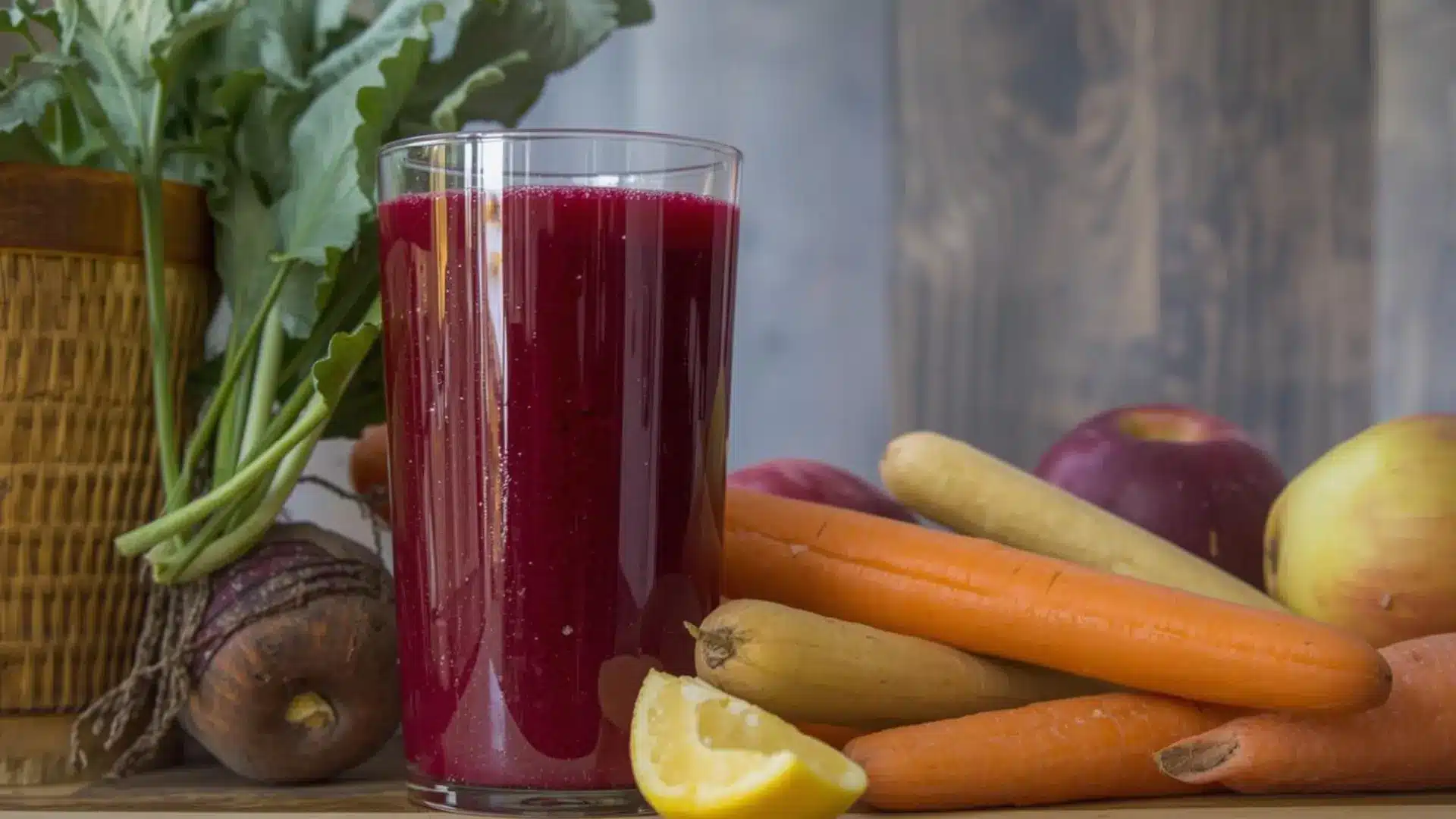
Rich and earthy, this one offers a deeper flavor while still feeling balanced. Beets are often linked to healthy blood flow and steady energy, and the apple and lemon lighten the taste so it’s easier to finish.
Serves: 1
Ingredients: 1 medium beet, peeled, 2 carrots, 1 apple, ½ lemon peeled
Method:
- Wash and peel the beet.
- Scrub carrots and rinse the apple.
- Chop everything into juicer-sized pieces.
- Juice beet first, then carrots and apple, then lemon last.
- Stir and drink, or chill for later.
5. Grapefruit Mint Juice

Bright and refreshing, this citrus-based juice feels clean and energizing. Grapefruit may support metabolism, mint adds a cooling effect that can help digestion, and ginger brings a gentle warmth without overpowering the drink.
Serves: 1
Ingredients: 1 large grapefruit, peeled, 8 to 10 mint leaves, ½ inch ginger (optional)
Method:
- Peel grapefruit and remove obvious seeds.
- Rinse mint leaves and ginger.
- Juice grapefruit first, then mint, then ginger if using.
- Stir well so the mint mixes through.
- Serve over ice if you want it colder.
6. Citrus Sunrise Juice
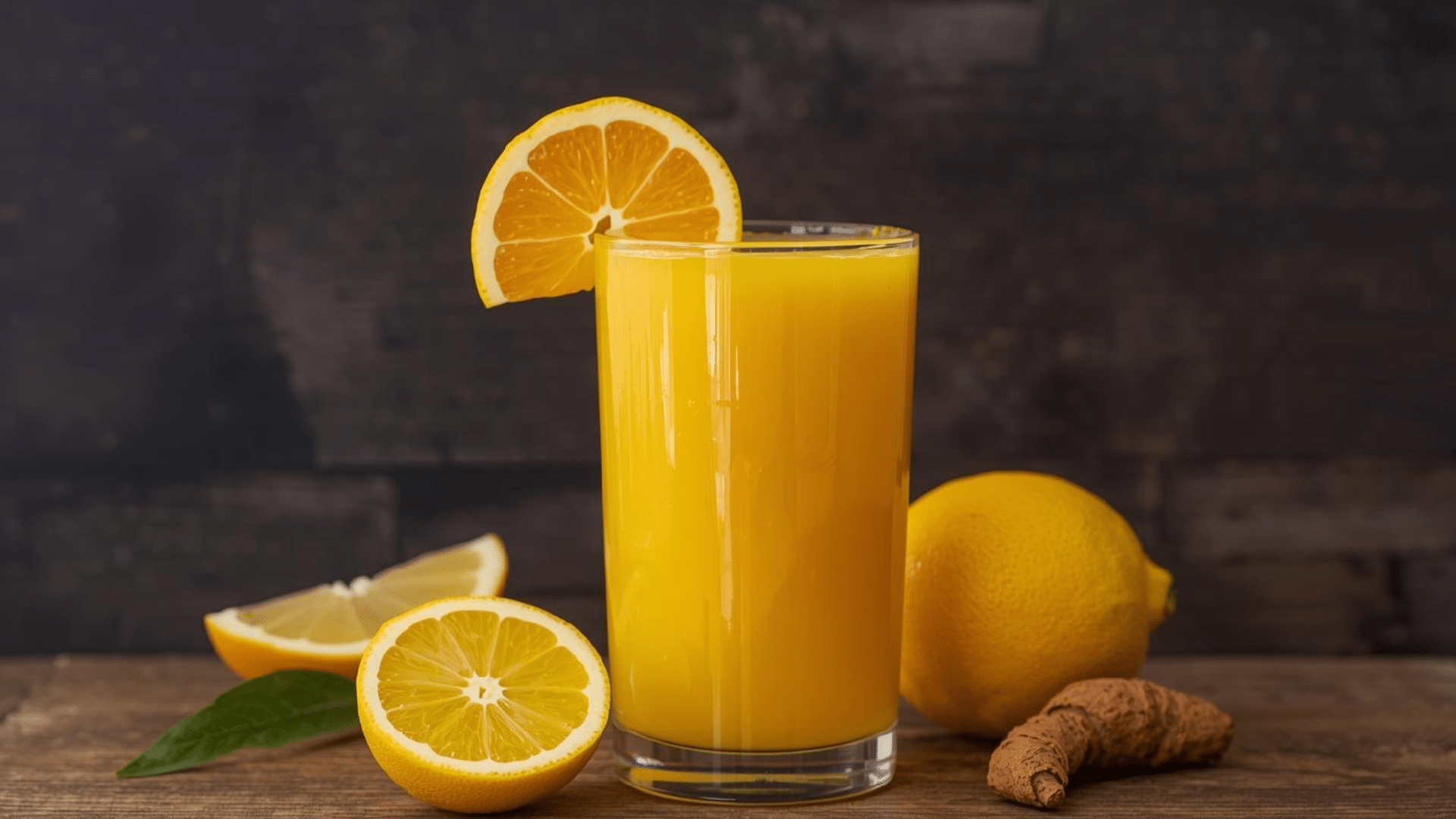
A vibrant citrus mix that feels energizing first thing in the morning. It’s rich in vitamin C to help support immunity, while turmeric adds anti-inflammatory benefits and a subtle earthy depth.
Serves: 1
Ingredients: 1 orange peeled, ½ grapefruit peeled, ½ lemon peeled, ½ inch turmeric, tiny pinch cayenne
Method:
- Peel all citrus and turmeric.
- Juice orange first, then grapefruit, then lemon.
- Juice turmeric next.
- Add a tiny pinch of cayenne and stir well.
- Sip slowly if you’re new to spice.
7. Pineapple Turmeric Juice
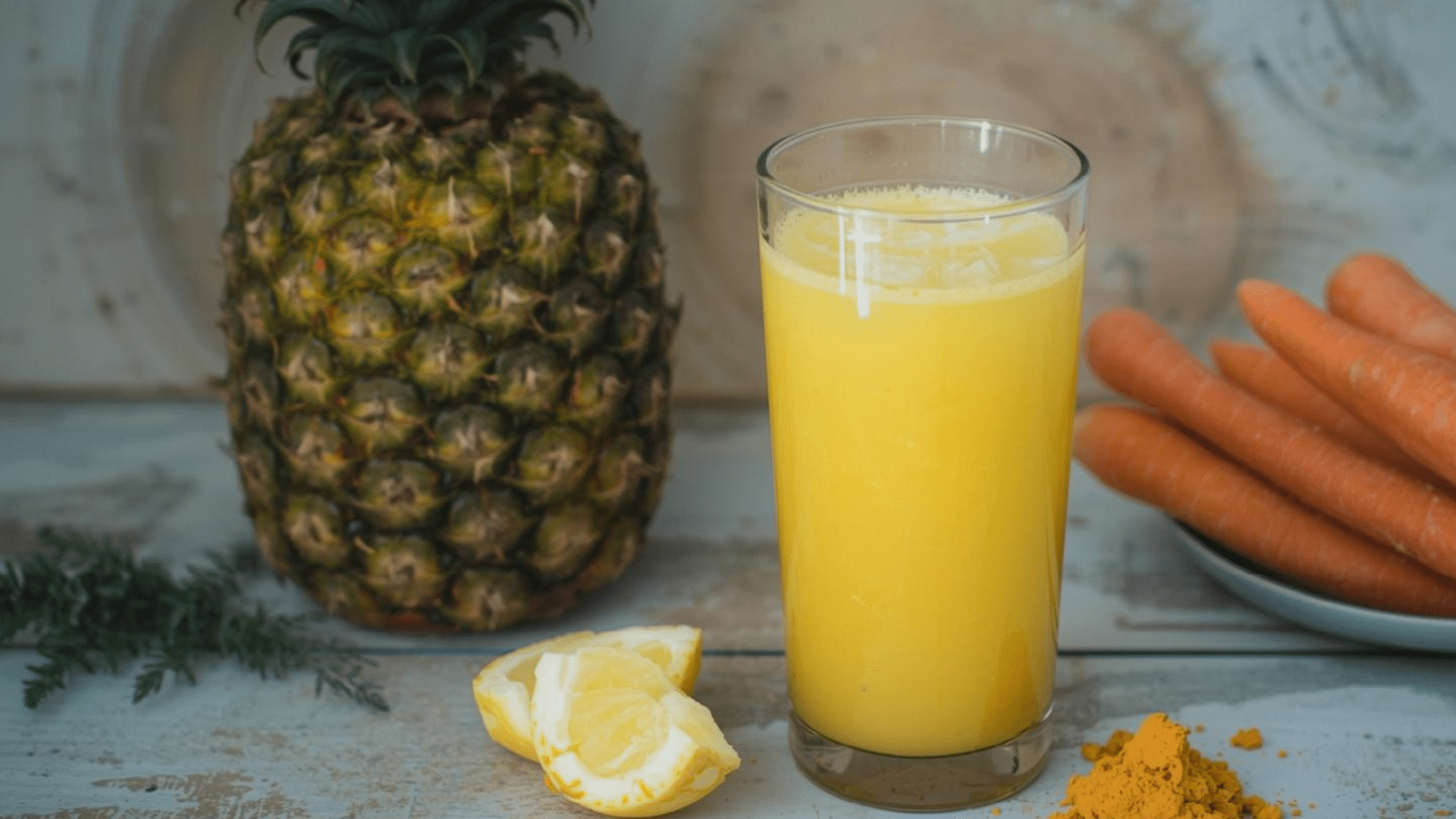
Tropical and naturally sweet, this one still fits a cleanse without feeling like a treat. Pineapple contains enzymes that may aid digestion, and turmeric adds anti-inflammatory benefits without overpowering the flavor.
Serves: 1
Ingredients: 1 cup pineapple chunks, 2 carrots, ½ inch turmeric, ½ lemon peeled
Method:
- Prep pineapple chunks and scrub carrots.
- Peel the turmeric and lemon.
- Juice turmeric first, then carrots, then pineapple.
- Juice the lemon to brighten the flavor.
- Stir and drink cold.
8. Cucumber Melon Cooler
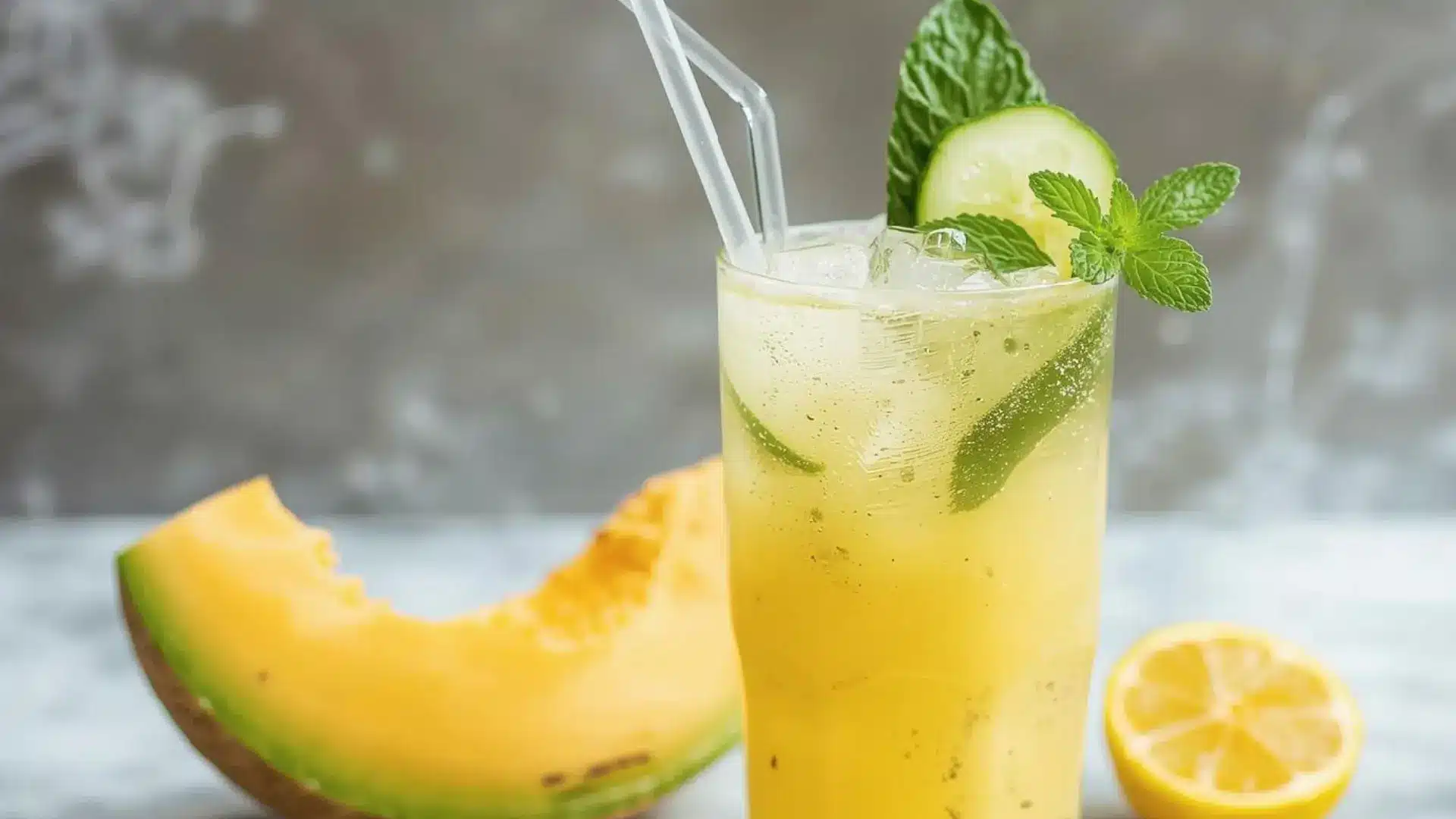
Light and hydrating, this is the one I reach for to stay refreshed mid-cleanse. Cucumber and melon are both high in water, which helps with hydration, while mint and lemon keep the flavor fresh and balanced.
Serves: 1
Ingredients: ½ cucumber, 1½ cups honeydew or cantaloupe, 8 to 10 mint leaves, ½ lemon, peeled
Method:
- Wash the cucumber and mint.
- Cut the melon into chunks and remove the seeds.
- Juice the cucumber first, then the melon, then the mint.
- Juice the lemon last and stir.
- Serve chilled or over ice.
9. Sweet Green Juice
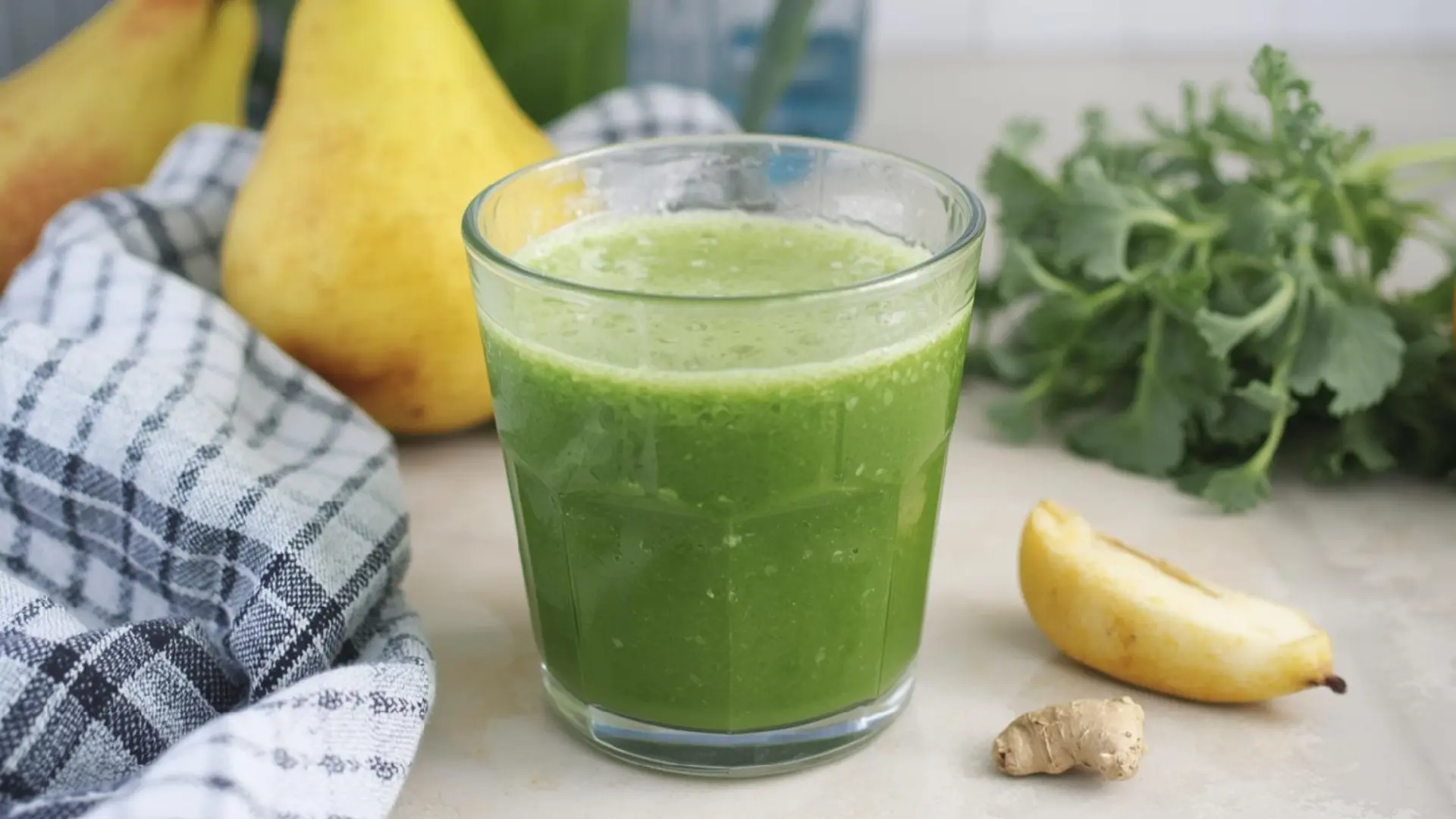
For anyone who prefers milder greens, this softer option is a good place to start. Pear adds natural sweetness, and spinach provides nutrients without the bitterness that puts new juicers off. For a wider look at what green juice actually offers, my green juice benefits guide breaks down what’s really in the glass.
Serves: 1
Ingredients: 1 cup kale or spinach, 1 pear, ½ cucumber, 1 inch ginger, ½ lemon peeled (optional)
Method:
- Wash greens, pear, and cucumber well.
- Chop the pear and cucumber into smaller pieces.
- Juice the greens first, then the pear, then the cucumber.
- Add ginger and lemon at the end if using.
- Stir and drink fresh.
10. Berry Beet Flush
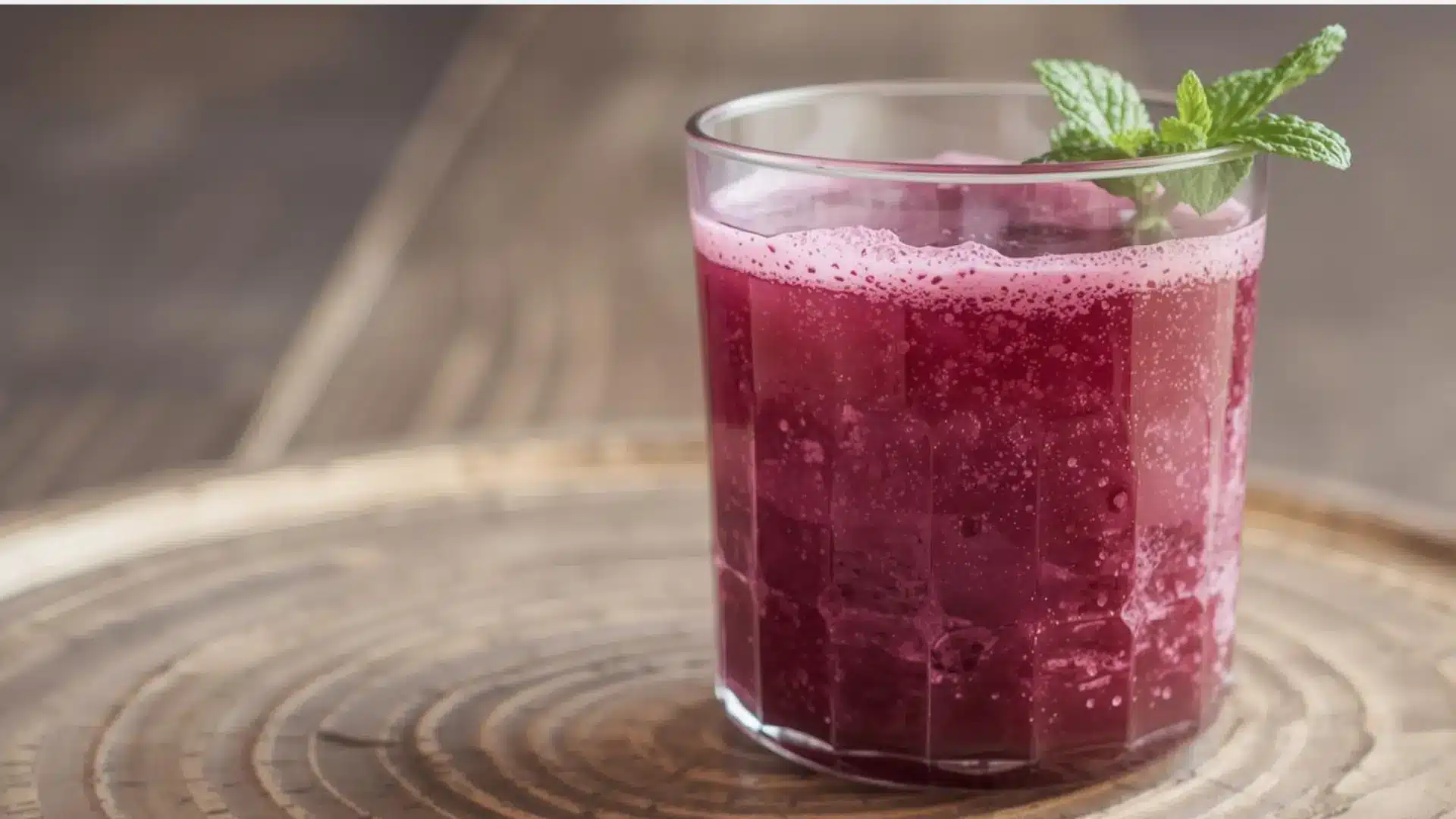
A colorful, flavorful option that pairs the richness of beets with the brightness of berries. It may support circulation and provides antioxidants, while mint keeps the taste from feeling heavy.
Serves: 1
Ingredients: 1 small beet, peeled, 1 cup mixed berries, 1 celery stalk, 6 to 8 mint leaves
Method:
- Peel the beet and rinse the celery and mint.
- Cut large berries in half if needed.
- Juice beet first, then celery, then berries.
- Add mint last and stir well.
- Drink right away for the best taste.
11. Apple Lemon Ginger Juice
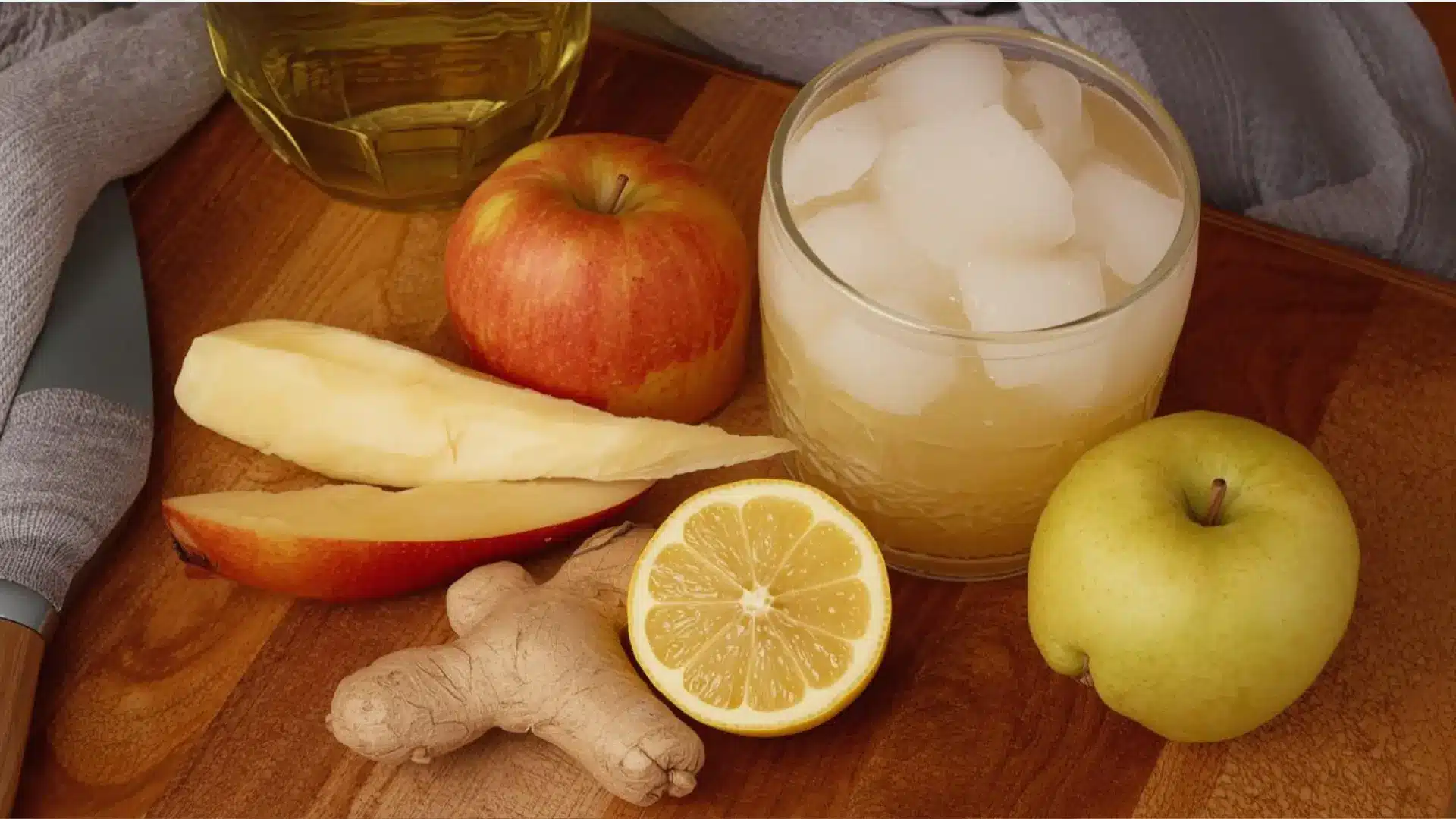
A balanced mix of sweet, tangy, and spicy flavors that’s easy to enjoy any time of day. Apples provide natural sugars for quick energy, while ginger and lemon may help digestion and keep the drink feeling light.
Serves: 1
Ingredients: 2 apples, ½ lemon peeled, 1 inch ginger, ½ cucumber
Method:
- Wash apples and cucumber well.
- Peel the lemon and ginger.
- Juice ginger first, then cucumber, then apples.
- Juice the lemon last and stir.
- Taste and add ice if you want.
12. Green Apple Spinach Juice
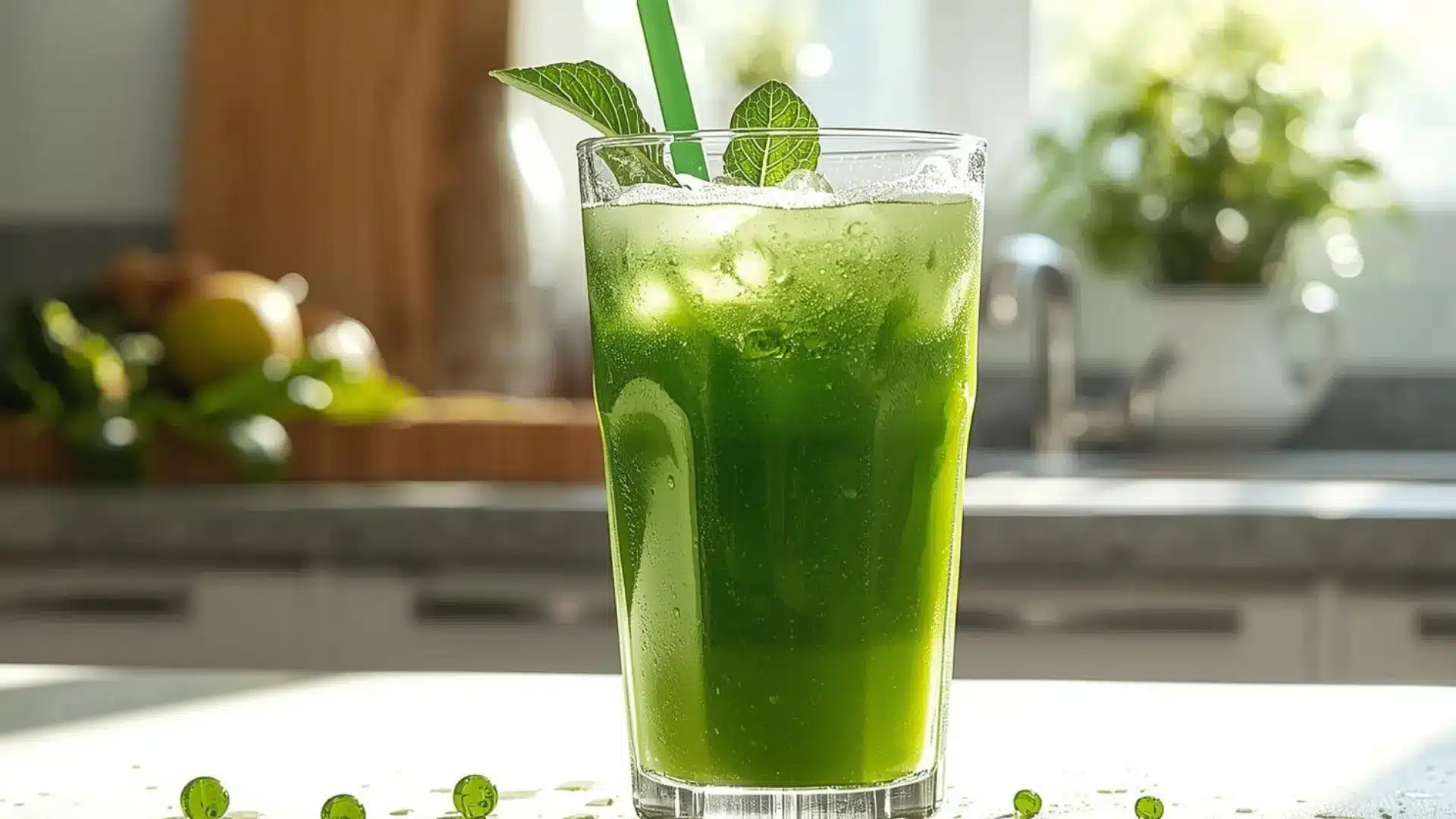
Crisp and clean without tasting too strong, this is a good pick for a first cleanse day. Spinach supplies nutrients while apple and lemon balance the flavor and make it more approachable for beginners.
Serves: 1
Ingredients: 1 cup spinach, 1 green apple, 2 celery stalks, ½ lemon peeled
Method:
- Wash spinach, apple, and celery.
- Chop the apple and celery into smaller pieces.
- Juice spinach first, then celery, then apple.
- Juice the lemon last and stir well.
- Serve chilled.
13. Orange Carrot Turmeric Juice
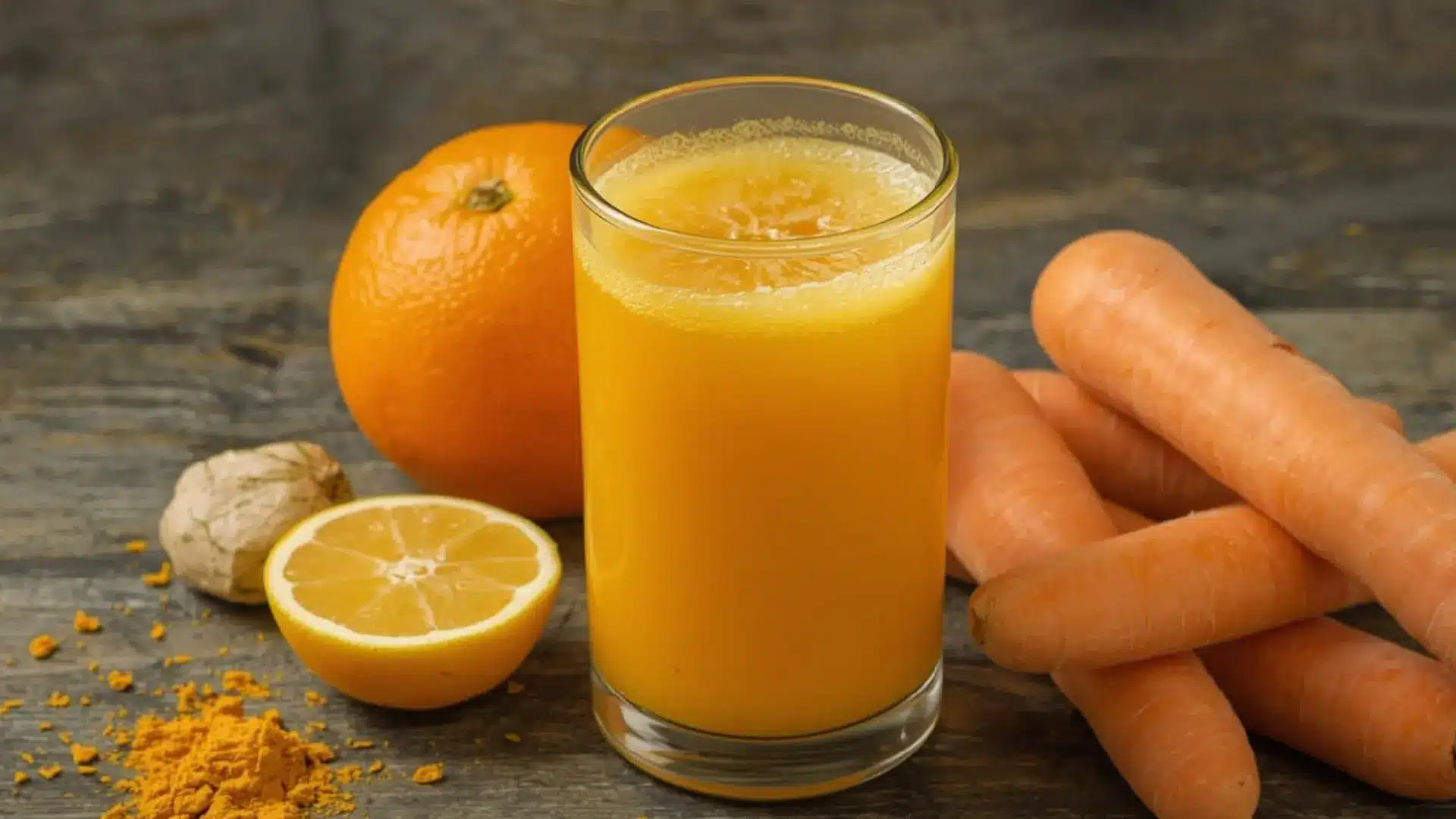
Smooth and naturally sweet, this juice is easy to drink while still offering real benefit. Carrots supply vitamin A, and turmeric and ginger may support inflammation balance and digestion during a cleanse.
Serves: 1
Ingredients: 1 orange peeled, 4 to 5 carrots, ½ inch turmeric, ½ inch ginger (optional)
Method:
- Scrub carrots and peel the orange.
- Peel turmeric and ginger if using.
- Juice turmeric first, then carrots, then orange.
- Stir well and taste.
- Add ice if you want it colder.
14. Watermelon Lime Juice
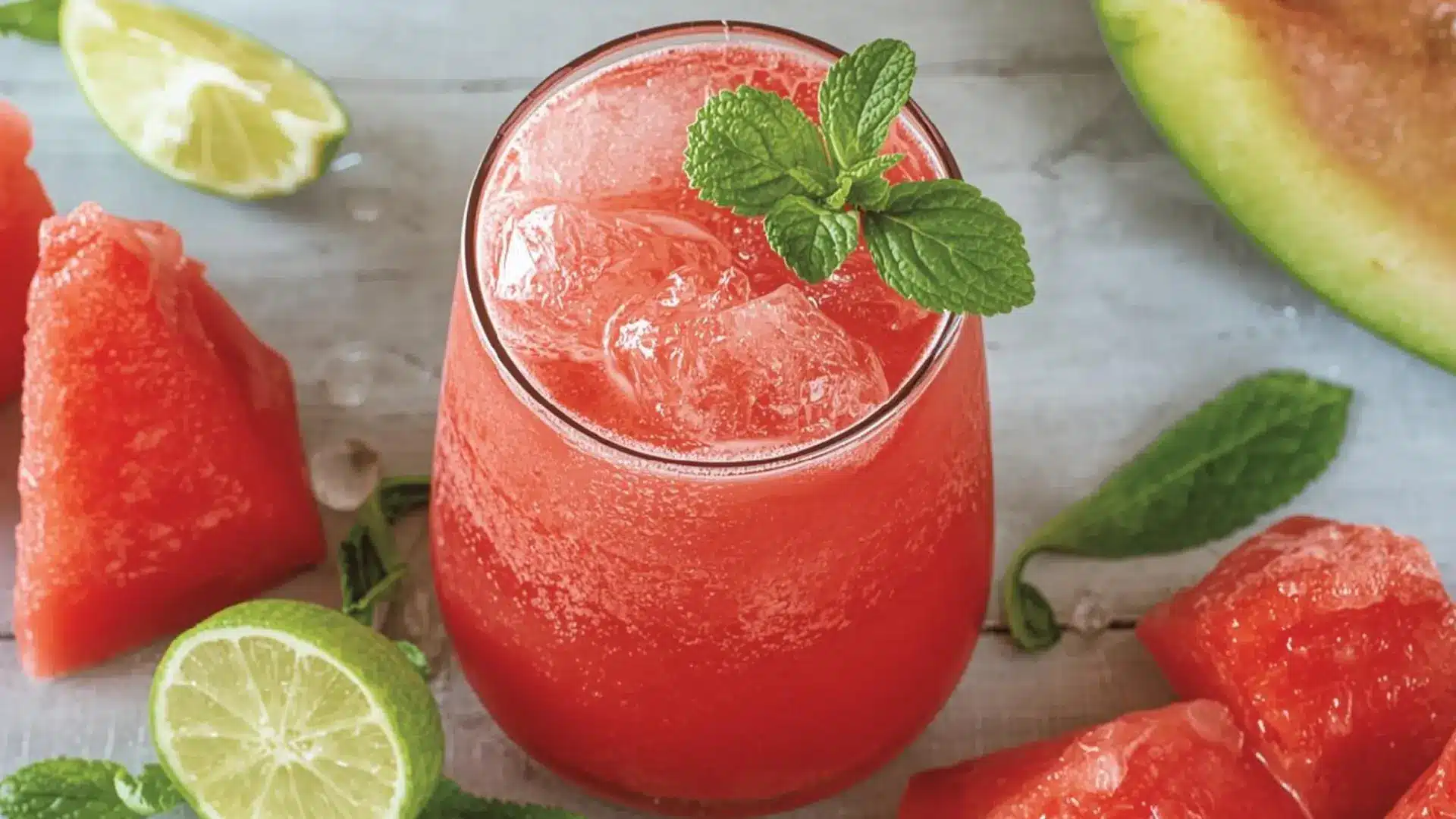
Refreshing and hydrating, this is my go-to for warm days or a midday break. Watermelon helps replenish fluids, while lime and mint add a cooling touch that keeps the drink feeling light.
Serves: 1
Ingredients: 3 cups watermelon cubes, ½ lime peeled or squeezed, 6 to 8 mint leaves
Method:
- Cut the watermelon into cubes and remove the seeds.
- If using a juicer, juice the watermelon first.
- Add lime juice and mint at the end.
- Stir well so the lime spreads evenly.
- Serve cold.
15. Pineapple Mint Green Juice
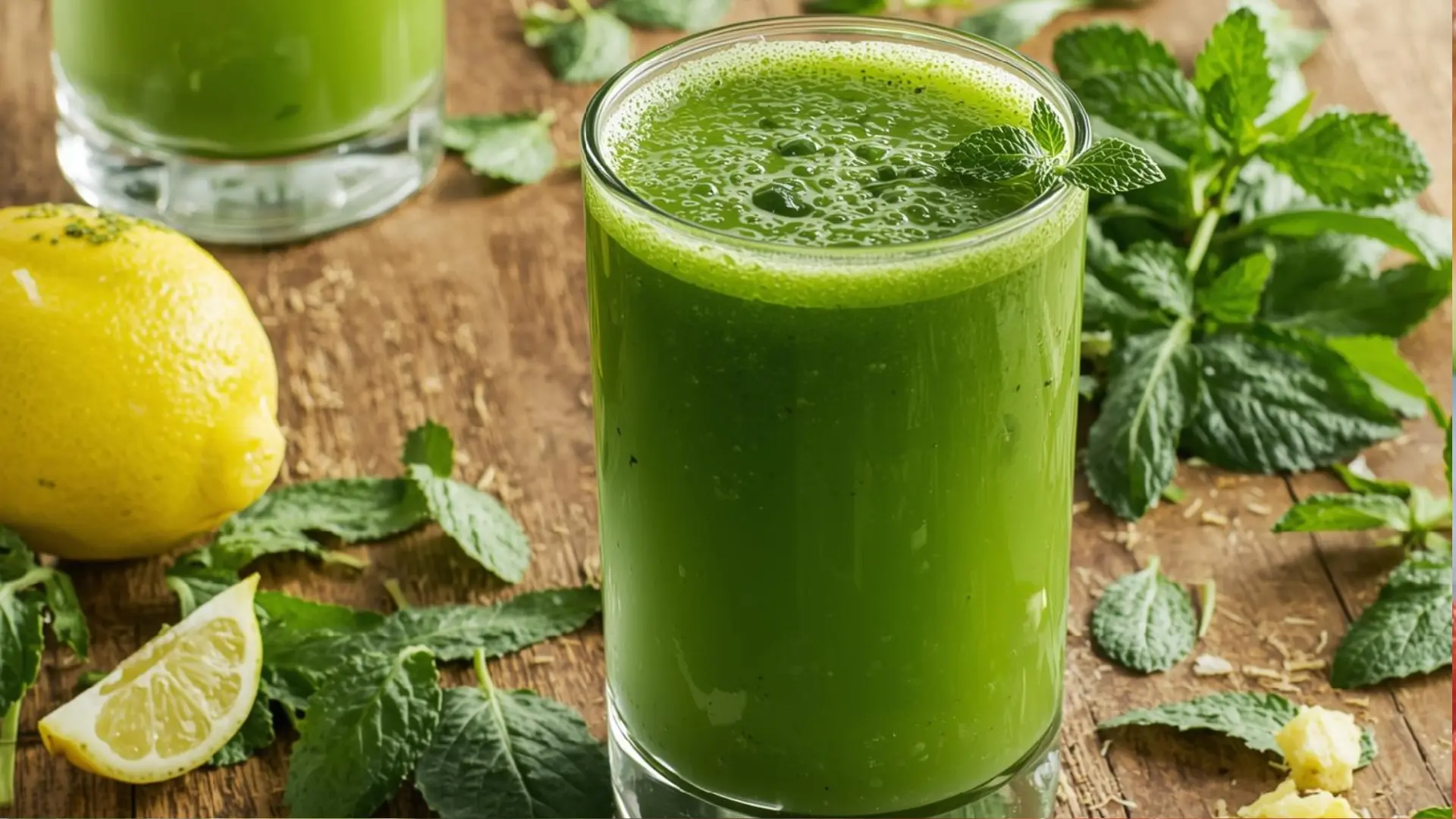
A sweeter green juice makes leafy blends easier to enjoy on a regular basis. Pineapple adds natural sweetness and digestive enzymes, while mint and cucumber keep the drink light and refreshing.
Serves: 1
Ingredients: 1 cup spinach, 1 cup pineapple chunks, ½ cucumber, 8 to 10 mint leaves, ½ lemon peeled (optional)
Method:
- Wash spinach, cucumber, and mint.
- Chop the cucumber into smaller pieces.
- Juice the spinach first, then the cucumber, then the pineapple.
- Add mint and lemon at the end if using.
- Stir and drink right away.
Which Juice Cleanse Length Is Right for You?
The right length depends on your experience, your schedule, and your comfort level. There’s no single option that works for everyone, and you don’t need the longest plan to see benefits.
If you’re new to juicing, a one-day cleanse or even one juice a day is a safe place to begin. It gives your body a chance to adjust without feeling overwhelmed.
A three-day cleanse is the most common choice for people who want a short reset with a clear routine. When my own cleanses stretched to five or seven days, I noticed that alternating green juices with root-vegetable ones, like carrot or beet, kept me from feeling drained. The greens felt light, and the roots added enough natural sweetness to keep me satisfied.
If your goal is to ease bloating or take a stronger break from heavy foods, a five- to seven-day cleanse may feel more suitable. You can also stop early or adjust at any point based on how you feel that day.
Comparing Juicer, Cold Press, and Blender
Not sure which method to use? Here’s a quick comparison so you can pick what fits your routine.
| Method | How It Works | Best For | Pros | Cons |
|---|---|---|---|---|
| Juicer | Spins to extract juice quickly | Daily, fast juicing | Quick, easy to find, simple cleanup | Can create foam, shorter juice life |
| Cold Press | Slowly presses juice using pressure | Batch prep, longer cleanses | Smoother juice, longer freshness | Slower, higher cost |
| Blender | Blends produce with water, then strained | No-juicer setups | Budget-friendly, easy | Extra straining step, thicker texture |
All three methods work well. The best choice is the one you’ll actually use consistently, without it feeling like a chore.
How to Prep Juice Faster
Good prep saves time and makes cleanse days go more smoothly. These habits help you juice faster without turning the kitchen into a mess.
- Wash produce before cutting.
- Scrub carrots, beets, cucumber, celery, and apples.
- Cut hard produce into juicer-friendly pieces.
- Keep greens dry before storing.
- Pack each recipe in a separate container.
- Keep lemon, lime, ginger, and mint separate until juicing.
- Set bottles beside the juicer before starting.
- Clean the juicer right after use.
- Reuse the same base ingredients across recipes.
- Chill produce before juicing for better flavor.
The CDC recommends rinsing produce under running water and keeping hands, surfaces, and tools clean while you prepare food, which is worth building into this routine from the start.
Prep should make juicing easier, not harder. Keep your routine simple, repeat your favorite base ingredients, and avoid making too many flavors in one batch.
How to Store Fresh Juice
Fresh juice tastes best right after making it. If you do need to store some, use clean bottles, cold storage, and keep the storage time short.
Store juice in airtight glass bottles, filled close to the top to reduce extra air, and refrigerate it right away. Don’t leave fresh juice sitting out for hours. According to the FDA, juice that hasn’t been pasteurized or otherwise treated can carry harmful bacteria, which is a real risk with any raw, homemade juice, so cold storage matters here more than it might seem.
Try to drink homemade juice within 24 hours when possible, and throw it away if it smells sour, looks fizzy, changes color oddly, or tastes off. Pairing juice with plain water throughout the day, or an electrolyte drink if you’re cleansing in warm weather, also helps keep your fluid balance steady.
What to Eat After a Juice Cleanse to Avoid Rebound Mistakes
This part helps you ease back into solid food without shocking your system or undoing the progress you made during the cleanse. If you’re coming off something longer, like a full week, my 7-day liver cleanse diet plan has a similar reintroduction structure worth borrowing from.
First 24 to 48 Hours
Keep foods light and easy to digest during the first day or two. Fresh fruit is a good starting point, especially softer options like bananas, berries, or melon. Steamed vegetables are gentle on the stomach and still filling, and simple vegetable-based or broth-style soups add warmth and comfort. Eat slowly, keep portions small, and pay attention to how your body responds.
Gradual Return Foods
After that initial transition, slowly add more filling foods back in. Whole grains like rice, quinoa, or oats restore steady energy without feeling heavy, and light proteins such as beans, eggs, fish, or chicken can go back in small portions. Keep drinking water throughout the day, and avoid jumping straight into large or processed meals.
What to Avoid Right Away
Very heavy foods can feel uncomfortable right after a cleanse. Fried meals, large portions, alcohol, and very sugary snacks can leave you sluggish. There’s no need for strict rules here, just start light, notice how you feel, and build back up slowly.
What to Do With Leftover Juice Pulp
Leftover pulp, especially from carrots, apples, celery, cucumber, beet, and greens, doesn’t need to go straight in the trash.
- Add to muffins for extra moisture and mild flavor
- Use in veggie broth to boost depth and cut food waste
- Blend into smoothies for added texture and fiber
- Compost it if you want a zero-effort option
Just don’t hold onto pulp too long since it comes from fresh raw produce; store it in the fridge and use it soon. If you’re saving fruit pulp specifically, the same freezing trick I use in my homemade blueberry puree recipe works well for stretching it out over a few weeks.
Comparing Juice Cleanse, Daily Juicing, and Smoothies
If you’re unsure which option fits your lifestyle, here’s how the three main approaches differ.
| Option | What It Is | Best For | Key Benefit | Things to Know |
|---|---|---|---|---|
| Juice Cleanse | Only juice for a short time | Short reset periods | Simple structure, quick reset | Not meant for long-term use |
| Daily Juicing | One or two juices each day | Ongoing routine | Easy habit, adds nutrients | Works best alongside regular meals |
| Smoothies | Blended fruits and vegetables | Full meals or snacks | Includes fiber, more filling | Thicker texture, slower digestion |
All three can work well. The best choice depends on your goals, your schedule, and how your body feels.
Common Mistakes to Avoid
Small mistakes can make juicing harder than it needs to be. Fixing these early makes the whole cleanse feel easier and more useful.
- Using too much fruit: Fruit improves taste, but too much makes every juice taste like dessert. Use it to balance greens and roots, not as the main base of every drink.
- Skipping water: Juice is liquid, but plain water still matters. Sip water between juices so the day feels balanced instead of heavy.
- Starting with strong greens: Kale-heavy juice can taste bitter if you’re new to this. Start with spinach, cucumber, apple, and lemon before moving to stronger greens.
- Making too many recipes: Too many different juices makes prep stressful. Pick four or five for one day and repeat ingredients to keep shopping simple.
- Ignoring warning signs: Feeling a little hungry is normal. Feeling dizzy, weak, shaky, or sick is not. Stop and eat a light meal if your body needs it.
- Leaving juice out too long: Fresh juice should be chilled quickly. Don’t let bottles sit on the counter for hours, especially in warm weather.
- Expecting long-term weight loss: A cleanse may temporarily affect your calorie intake, but it isn’t a long-term weight-loss plan. Daily habits matter more than any short reset.
A good cleanse should feel clear, flexible, and safe. Don’t turn it into a strict rule that makes you feel worse than when you started.
Frequently Asked Questions
How many days should a juice cleanse last?
Most beginners do well with one day. A three-day cleanse is the most common choice for a short reset, and five to seven days works for people specifically targeting bloating or a bigger break from heavy foods. There’s no single right length, just what fits your schedule and comfort.
Can you lose weight with a juice cleanse?
A cleanse can temporarily lower your calorie intake, but it isn’t a long-term weight-loss method. Any weight lost during a short cleanse is often water weight, and daily eating habits matter far more for lasting change.
Is it safe to do a juice cleanse every week?
Doing a full juice cleanse weekly isn’t necessary and can make it harder to get enough protein and fiber over time. A daily juice alongside regular meals is a more sustainable habit than repeating a strict cleanse often.
What is the best juice for a 3-day cleanse?
A mix works better than one juice on repeat. Rotating a green juice, a root-based juice like carrot or beet, and a citrus juice keeps flavor and nutrients varied across the three days.
Should I eat before starting a juice cleanse?
Yes. Eating a light, balanced meal the night before helps your body adjust instead of starting the cleanse already low on energy.
How long does fresh juice last in the fridge?
Homemade juice is best within 24 hours. Store it in an airtight glass bottle, filled close to the top, and refrigerate it right away rather than leaving it out.
Can I add protein to a juice cleanse?
Straight juice doesn’t contain meaningful protein, which is one reason cleanses aren’t meant to run long-term. If you want more staying power, a smoothie with yogurt or a protein source is a better fit than juice alone.
Final Thoughts
We covered how juice cleanse recipes can fit different routines, from short resets to a daily habit to a longer plan. Juicing works best when it feels simple, fresh, and easy to adjust. I wouldn’t treat it like a strict rule or a quick fix.
You can start with one drink, try a short reset, or build a full day around recipes that actually taste good to you. These recipes give you enough variety to stay flexible, and the shopping, prep, storage, and reintroduction tips above should help you sidestep the common mistakes.
Use more vegetables than fruit, keep everything clean, and listen to your body. Try one recipe first, then let me know your favorite mix in the comments.