

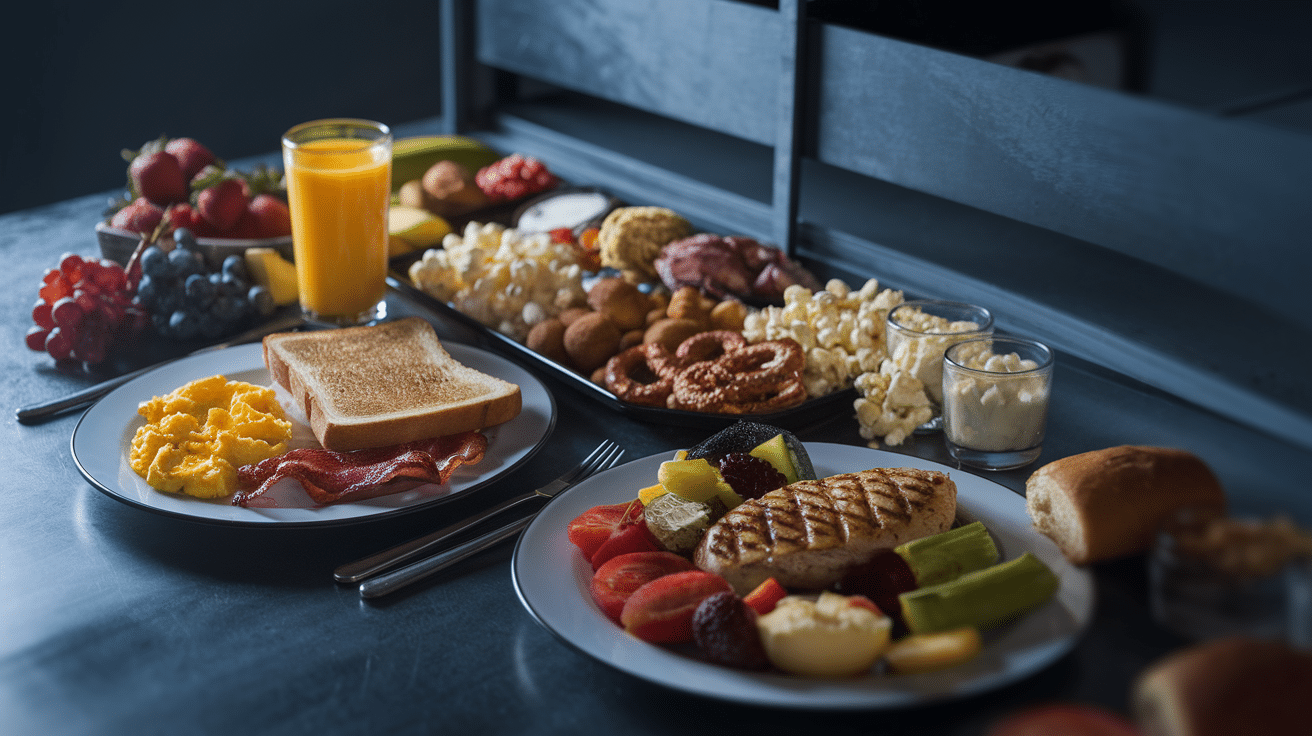
What does 200 grams of protein actually look like on a plate? Most people picture endless chicken breasts and protein shakes, but that’s not the only way to get there.
I’ve found that the real challenge is spreading protein throughout the day without getting bored.
I’ll show you how to eat 200 grams of protein a day based on the diet you already follow, whether you eat meat, prefer vegetarian meals, or stick to a vegan or keto plan.
You’ll also find meal ideas, smart food choices, and practical tips that make a high-protein goal feel much more manageable.
I’ll also explain who may benefit from eating this much protein, common mistakes to avoid, and ways to make your meals fit your budget and lifestyle.
How to Eat 200 Grams of Protein a Day?
To eat 200 grams of protein a day, spread your intake across 4–6 meals and include protein-rich foods such as chicken, fish, eggs, Greek yogurt, lean beef, tofu, or protein shakes.
Consistent portions at each meal make the goal much easier to reach.
Rather than trying to eat most of your protein at dinner, aim for 30–50 grams per meal and add high-protein snacks between meals.
Combining whole foods with convenient options like cottage cheese or whey protein can help fill any gaps.
Adjust your food choices based on your calorie needs, activity level, and dietary preferences. Planning meals in advance also makes it easier to consistently hit your daily protein target.
Is 200 Grams of Protein a Day Right for You?
A daily intake of 200 grams of protein is not necessary for everyone. The right amount depends on factors such as body weight, activity level, fitness goals, and overall calorie intake.
According to the International Society of Sports Nutrition (ISSN), most people who perform regular resistance training benefit from 1.2 to 2.0 grams of protein per kilogram of body weight.
At the higher end, someone weighing around 220 pounds (100 kg) may reasonably aim for 200 grams daily.
This target may also suit bodybuilders, strength athletes, people in a calorie deficit to preserve muscle, or those recovering from injury.
For many active adults under 180 pounds, 120 to 160 grams is often enough to support muscle growth and recovery when combined with consistent strength training.
Simple Strategies to Eat 200 Grams of Protein a Day
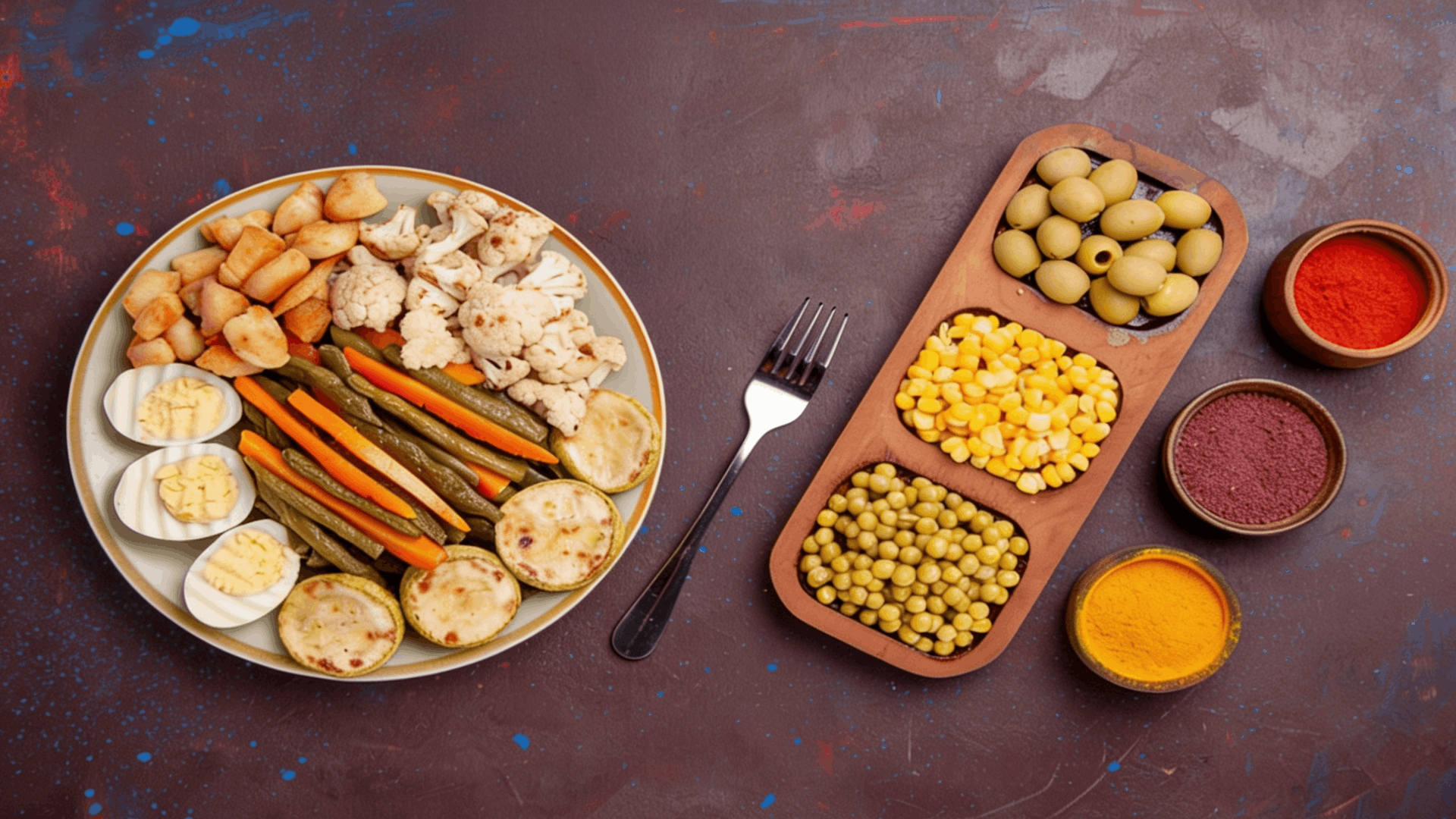
Reaching 200 grams of protein a day becomes much more manageable when you follow a simple meal structure instead of counting protein one gram at a time.
1. Build Every Meal Around Protein
Start every meal by choosing a high-protein food before adding carbohydrates, vegetables, or healthy fats. This simple habit keeps protein as the priority and makes it easier to reach your daily goal.
Good options include chicken breast, lean beef, fish, eggs, Greek yogurt, cottage cheese, tofu, or tempeh.
Once your protein source is set, complete the meal with whole grains, fruits, vegetables, and healthy fats for balanced nutrition. Planning meals this way also reduces the chance of falling short of your protein target by the end of the day.
2. Aim for 40–50 Grams of Protein Per Meal
Rather than eating most of your protein at dinner, divide your intake across four or five meals.
A target of 40–50 grams per meal is easier to manage and supports steady protein intake throughout the day.
Four meals with around 45 grams each provide approximately 180 grams, leaving only a small amount to make up with a protein-rich snack.
This balanced approach also makes meals more satisfying and easier to plan.
3. Keep High-Protein Convenience Foods Ready
Busy schedules can make cooking every meal unrealistic, so keeping convenient protein sources on hand helps you stay consistent.
Stock foods such as canned tuna, rotisserie chicken, Greek yogurt, cottage cheese, hard-boiled eggs, edamame, or protein milk for quick meals and snacks.
If you’d rather bake something once and grab it all week, a batch of high-protein muffins covers the same grab-and-go need without relying on packaged bars.
These options require little preparation while providing substantial protein.
These options require little preparation while providing substantial protein. Having dependable, ready-to-eat options reduces the temptation to skip meals or rely on low-protein foods.
4. Measure Protein Portions at First
Estimating serving sizes by sight often leads to eating less protein than intended. Using a kitchen scale or measuring cups for the first few weeks helps you understand what standard portions actually look like.
For example, six ounces of cooked chicken provides much more protein than many people expect.
Once you’re familiar with common serving sizes, planning meals becomes easier, more accurate, and less time-consuming without needing to measure everything.
5. Use Protein Shakes to Fill Small Gaps
Protein shakes work best as a supplement rather than the main source of daily protein. One serving of whey protein typically provides 20–30 grams of protein, making it useful when meals fall slightly short of your target.
Most of your protein should still come from whole foods because they also supply vitamins, minerals, and other essential nutrients.
Using shakes strategically adds convenience while helping you consistently reach 200 grams of protein a day.
Benefits of a High-Protein Diet
A high-protein diet offers more than just muscle support. When combined with a balanced eating plan and regular physical activity, it can contribute to overall health, recovery, and long-term wellness.
- Supports Muscle Growth and Repair: Protein provides the amino acids needed to build, maintain, and repair muscle tissue after strength training or everyday physical activity.
- Helps Preserve Lean Muscle During Weight Loss: Eating enough protein can reduce muscle loss when cutting calories, helping the body retain more lean mass as it loses fat.
- Keeps You Feeling Full Longer: Protein digests more slowly than many carbohydrates, increasing satiety and helping reduce unnecessary snacking between meals.
- Supports Recovery After Exercise: Protein helps repair muscle fibers stressed during workouts, which can improve recovery and prepare the body for future training sessions.
- May Increase Daily Calorie Burn: The body uses more energy to digest and process protein than it does for fats or carbohydrates, slightly increasing total daily energy expenditure.
- Helps Maintain Bone Health: Adequate protein intake supports bone structure and works alongside nutrients like calcium and vitamin D to promote healthy bones.
- Makes It Easier to Meet Fitness Goals: Whether the goal is building muscle, maintaining weight, or improving body composition, sufficient protein provides the nutritional foundation for consistent progress.
Diet-Based Meal Plans for 200 Grams of Protein a Day
The structure below gives you one complete day for each eating style. Adjust portions up or down based on your actual weight and energy needs.
1. Omnivore Meal Plan (200g Protein)
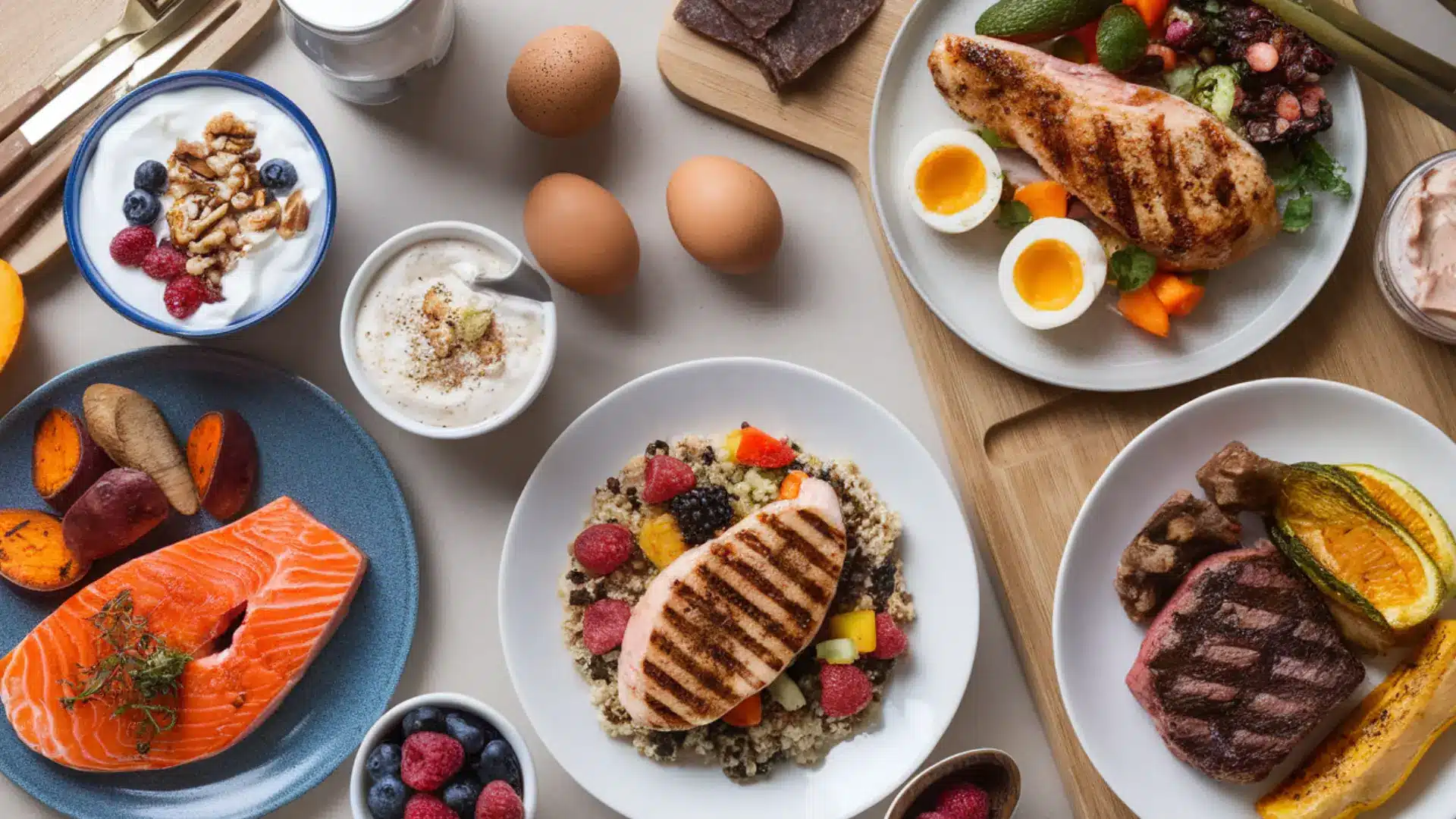
An omnivorous diet makes it relatively simple to reach 200 grams of protein because lean meats, dairy, eggs, and seafood provide substantial amounts of complete protein.
This meal plan also provides a good balance of essential amino acids, vitamins, and minerals from a variety of animal and plant foods.
Adjust portion sizes based on your calorie needs, activity level, and body composition goals while including plenty of fruits and vegetables for overall nutrition
| Meal | Food | Protein |
|---|---|---|
| Breakfast | 3 whole eggs, 4 egg whites, 6 oz low-fat cottage cheese, 1 cup Greek yogurt | 45g |
| Lunch | 8 oz grilled chicken breast, 1 cup cooked quinoa, roasted vegetables | 55g |
| Snack | 1 cup Greek yogurt with almonds | 20g |
| Dinner | 8 oz lean ground beef or salmon with vegetables | 55g |
| Evening Snack | 1 cup cottage cheese or 1 scoop whey protein | 25g |
Daily Total: ~200g protein | ~2,200–2,400 calories
2. Plant-Based Meal Plan (180–200g Protein)
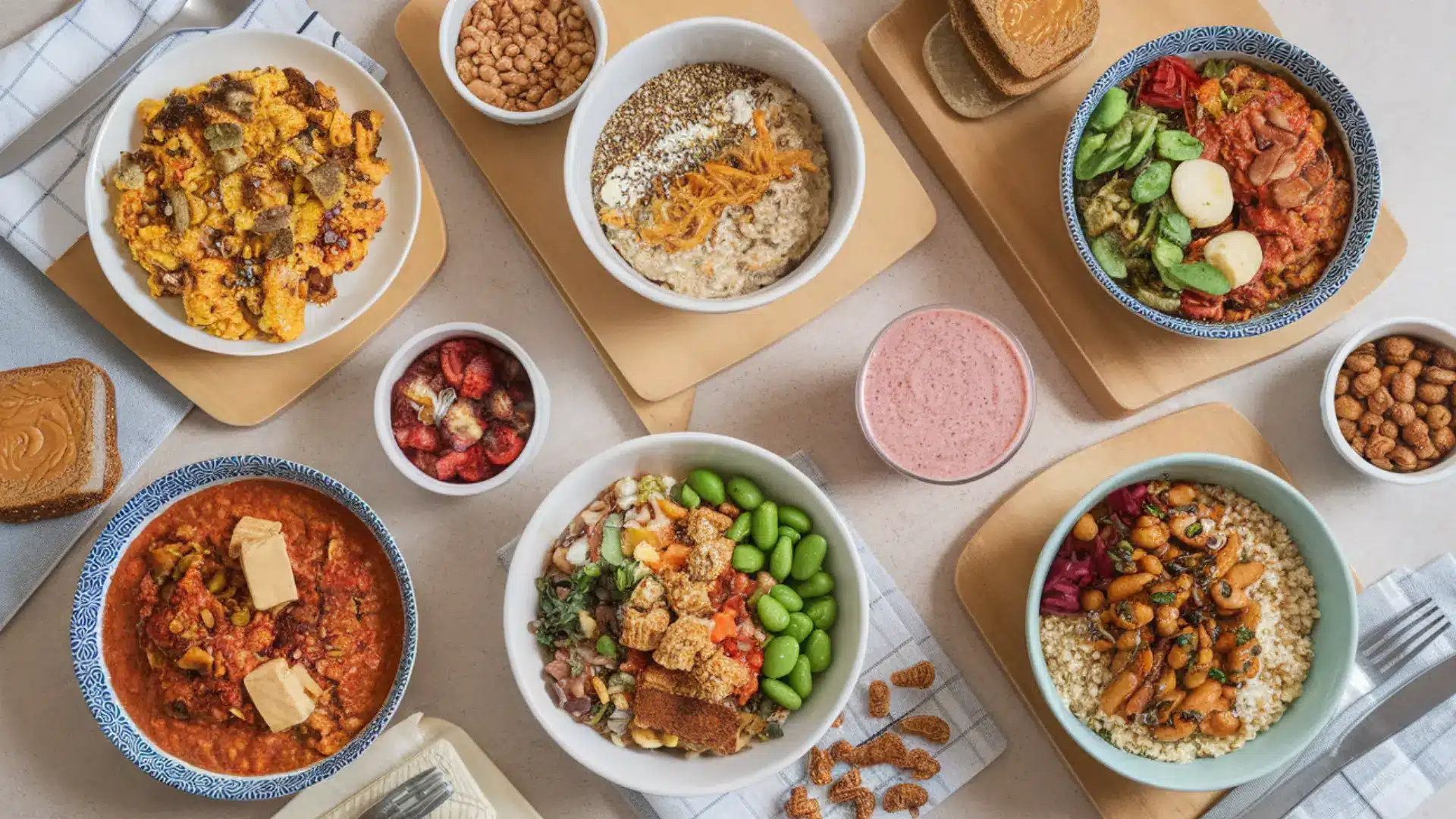
A fully plant-based diet can provide up to 200 grams of protein by combining soy foods, legumes, whole grains, and plant protein powder.
Eating a variety of protein sources throughout the day also helps provide a balanced amino acid profile. Including fortified plant foods can also help increase your intake of nutrients such as calcium, vitamin B12, and vitamin D.
Preparing protein-rich meals in advance makes it easier to consistently reach higher protein targets without relying on processed convenience foods.
| Meal | Food | Protein |
|---|---|---|
| Breakfast | Tofu scramble, nutritional yeast, 1 cup edamame, pea protein shake | 40g |
| Lunch | Lentils, chickpeas, quinoa, roasted vegetables | 45g |
| Snack | Whole-grain toast with peanut butter, pea protein shake | 25g |
| Dinner | Tempeh stir-fry, edamame, brown rice | 50g |
| Evening Snack | Black beans with salsa | 20g |
Daily Total: ~180–200g protein | ~2,400–2,600 calories
3. Vegetarian Meal Plan (200g Protein)
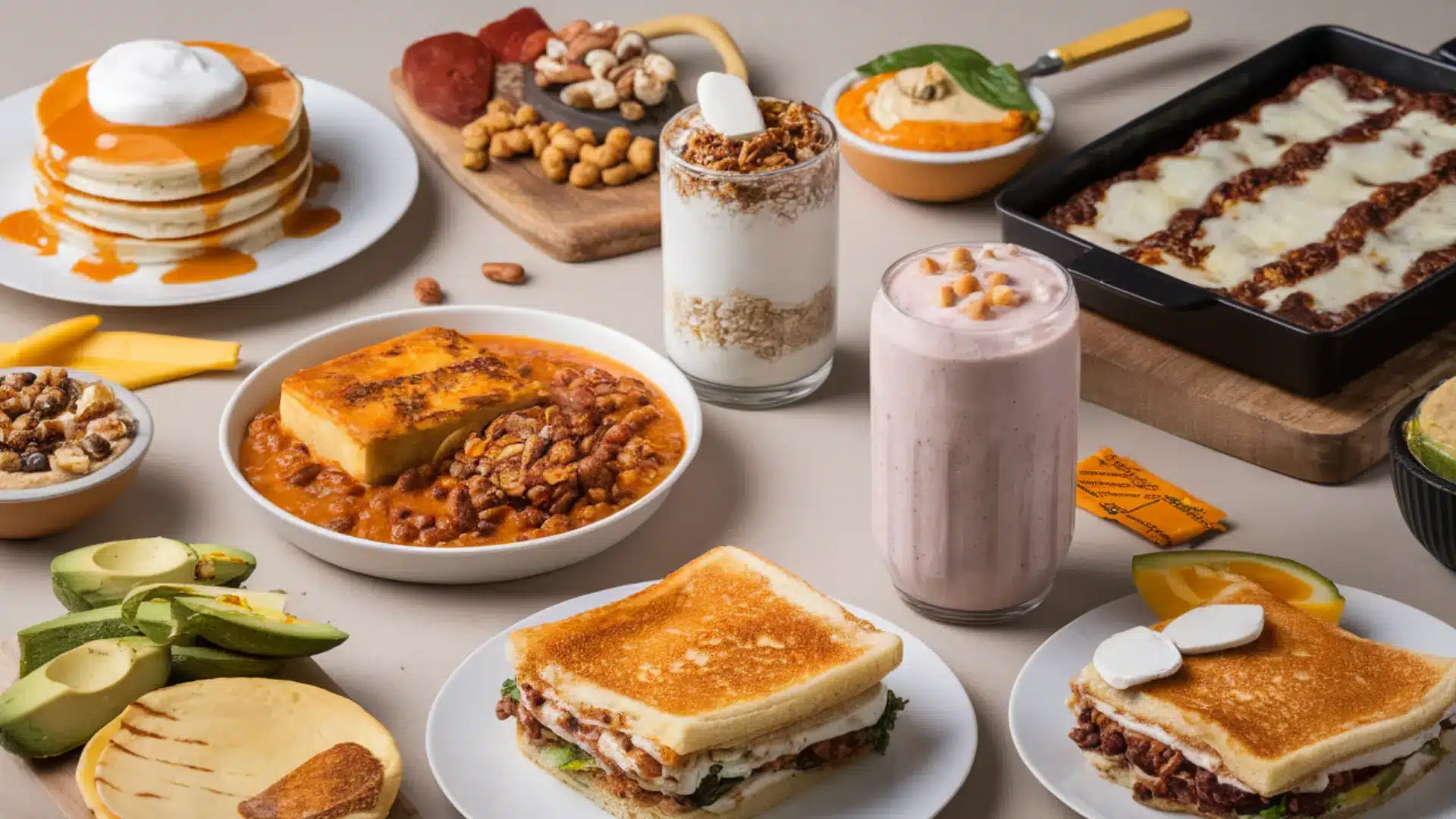
Including eggs and dairy makes it much easier to reach a high daily protein intake. Foods such as Greek yogurt, cottage cheese, and eggs provide complete protein while keeping meals varied and satisfying.
Adding Beans, lentils, and whole grains alongside dairy and eggs increases fiber and supports a more balanced diet.
Rotating different protein sources throughout the week can also improve meal variety and make long-term adherence easier
| Meal | Food | Protein |
|---|---|---|
| Breakfast | 4-egg omelet with cottage cheese and Greek yogurt | 50g |
| Lunch | Paneer tikka with lentil dal | 50g |
| Snack | Greek yogurt and string cheese | 20g |
| Dinner | Vegetarian lasagna with ricotta and mozzarella | 55g |
| Evening Snack | Cottage cheese with mixed nuts | 25g |
Daily Total: ~200g protein | ~2,100–2,300 calories
4. Keto High-Protein Meal Plan (200g Protein)
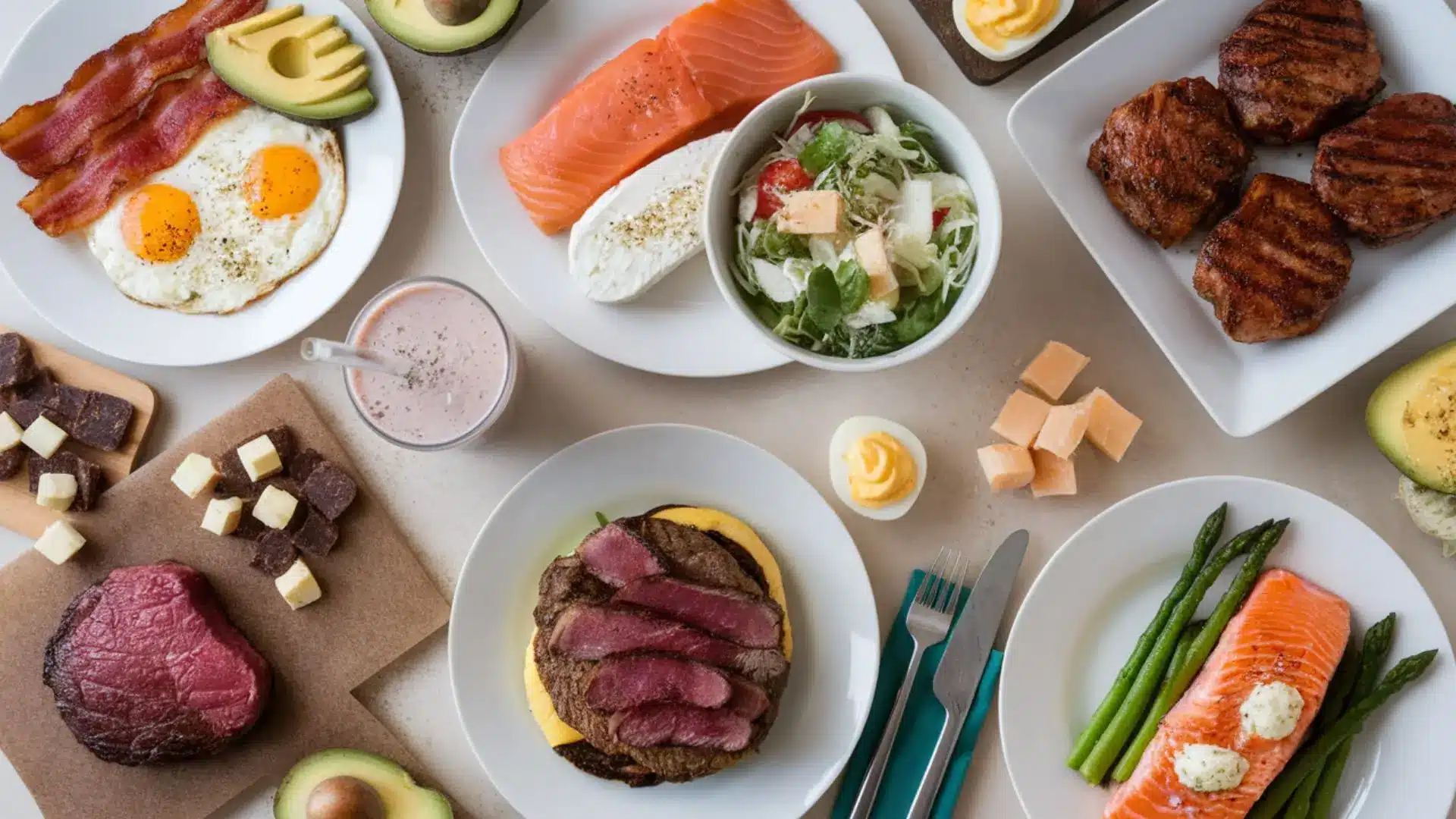
A ketogenic diet naturally includes many protein-rich foods while keeping carbohydrates low. Because many keto foods are also high in fat, total calorie intake should be monitored if fat loss is the goal.
Focus on nutrient-dense protein sources such as eggs, poultry, fish, and leaner cuts of meat whenever possible.
Pair them with non-starchy vegetables to increase fiber intake and support overall digestive health while staying within keto carbohydrate limits
| Meal | Food | Protein |
|---|---|---|
| Breakfast | 4 whole eggs, 4 egg whites, bacon, cheddar cheese | 45g |
| Lunch | Grilled chicken thighs with Caesar salad and Parmesan | 55g |
| Snack | Beef jerky, cheese cubes, hard-boiled eggs | 30g |
| Dinner | Ribeye steak or lean steak with green vegetables | 60g |
| Evening Snack | Deviled eggs | 10g |
Daily Total: ~200g protein | ~2,400–2,800 calories
5. Mediterranean High-Protein Meal Plan (195–200g Protein)
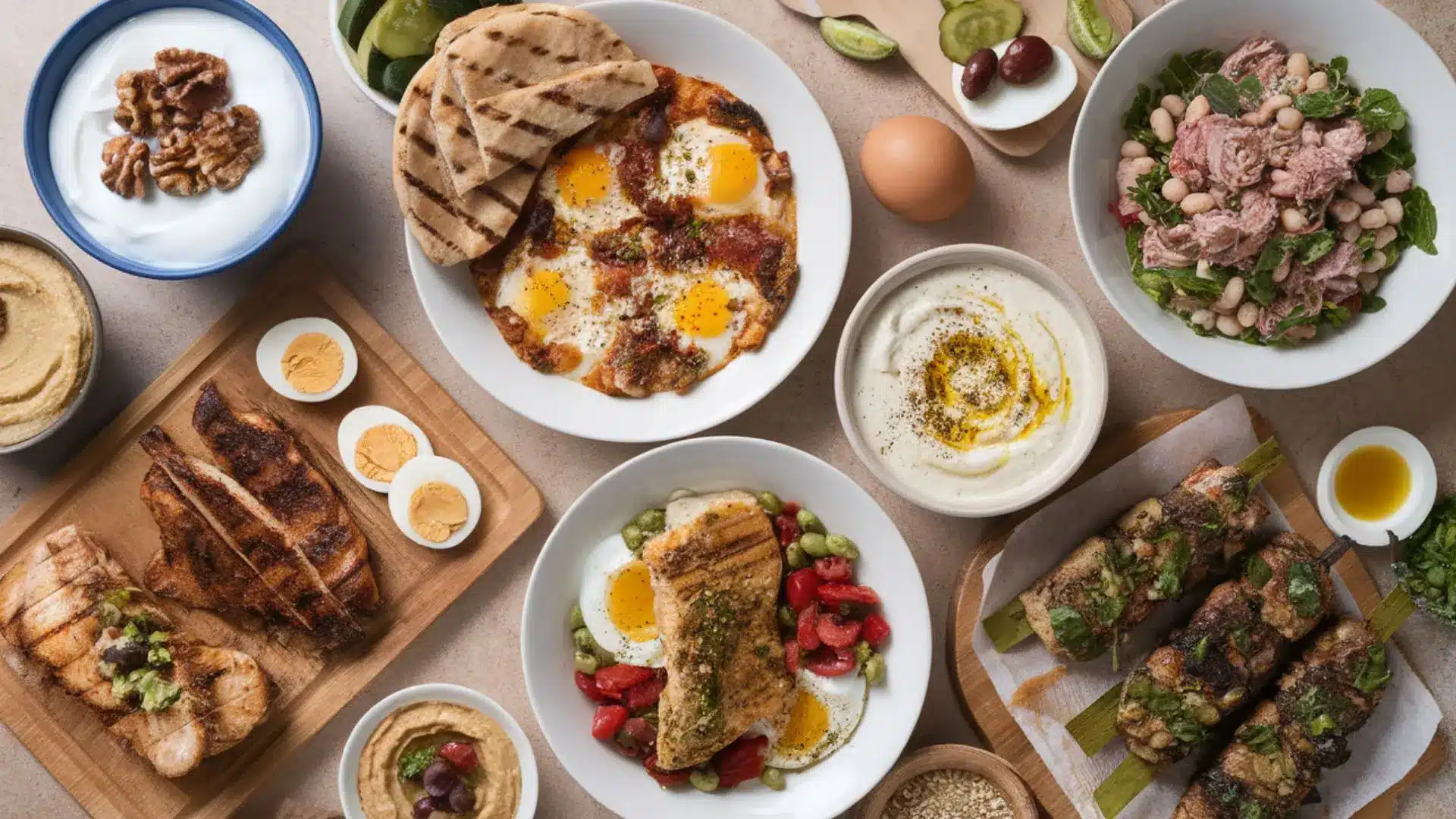
The Mediterranean diet combines lean poultry, seafood, dairy, legumes, and healthy fats to support a high-protein intake. Choosing moderate portions of olive oil and nuts helps keep calories in check.
This eating pattern also emphasizes colorful vegetables, whole grains, herbs, and heart-healthy fats that support overall wellness.
Regularly including seafood provides beneficial omega-3 fatty acids while keeping meals flavorful and nutrient-rich.
| Meal | Food | Protein |
|---|---|---|
| Breakfast | Greek yogurt, shakshuka with feta, whole-grain pita | 40g |
| Lunch | Chicken souvlaki, tzatziki, white bean salad | 50g |
| Snack | Hummus, hard-boiled eggs, raw vegetables | 20g |
| Dinner | Baked sea bass, chickpeas, tabbouleh | 55g |
| Evening Snack | Greek yogurt with pistachios | 30g |
Daily Total: ~195–200g protein | ~2,300–2,500 calories
6. Paleo High-Protein Meal Plan (200g Protein)
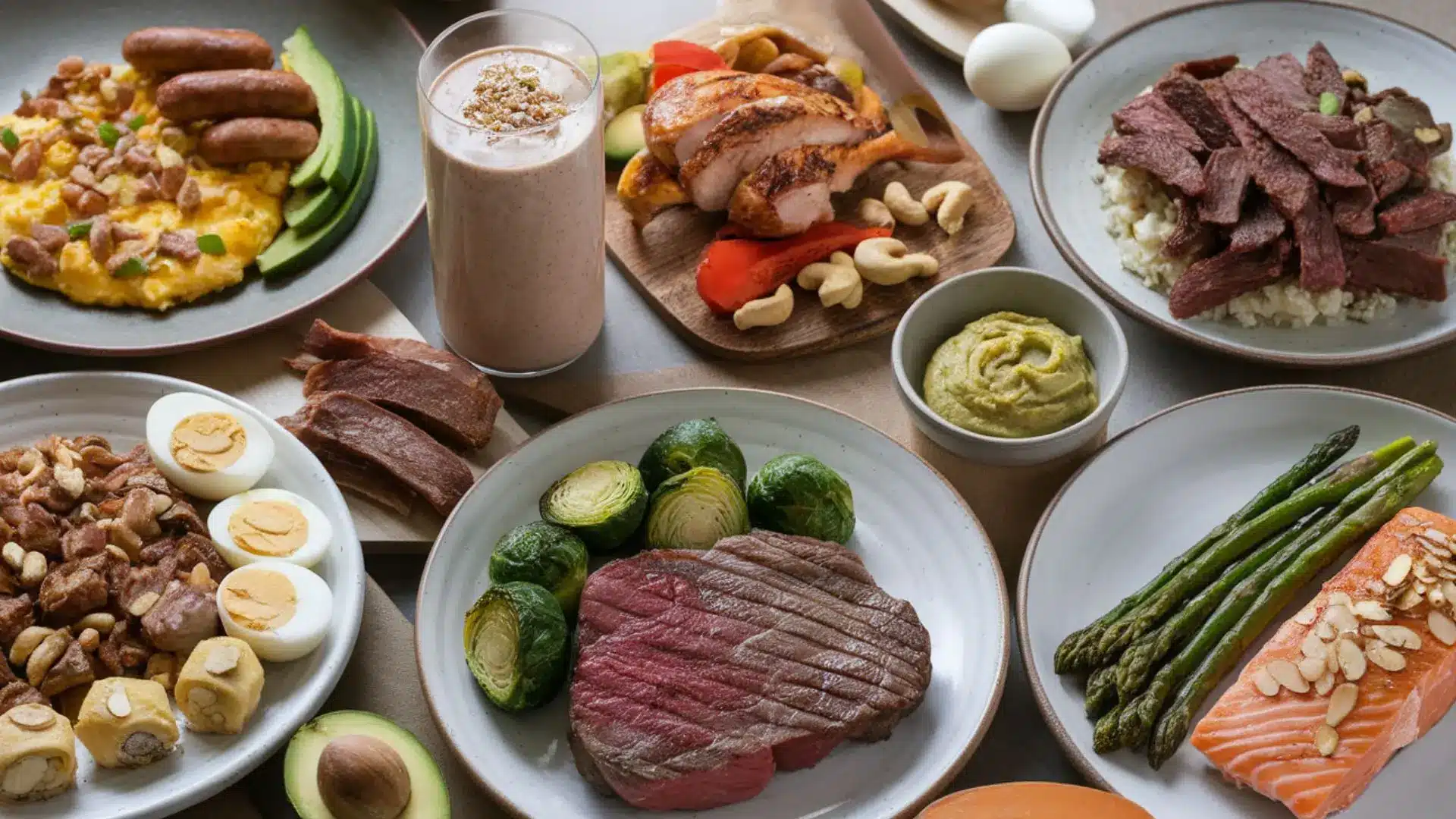
Since Paleo excludes dairy and grains, larger servings of meat, eggs, seafood, and nuts become the primary protein sources. Planning meals in advance helps make a 200-gram target easier to achieve.
Choosing a variety of meats, seafood, vegetables, and healthy fats helps improve nutrient intake while preventing meal fatigue.
Including seasonal produce also adds fiber, antioxidants, and important micronutrients to complement the high protein intake.
| Meal | Food | Protein |
|---|---|---|
| Breakfast | Egg scramble with turkey sausage and avocado | 45g |
| Lunch | Grilled chicken, roasted root vegetables, mixed salad | 55g |
| Snack | Beef jerky, macadamia nuts, hard-boiled eggs | 30g |
| Dinner | Grass-fed steak or salmon with Brussels sprouts and sweet potato | 60g |
| Evening Snack | Turkey roll-ups with guacamole | 10g |
Daily Total: ~200g protein | ~2,300–2,600 calories
Highest-Protein Foods Per Serving
Choosing foods with a high amount of protein per serving makes it much easier to reach 200 grams of protein a day. Prioritizing lean meats, dairy, seafood, and a few plant-based options helps maximize protein intake.
| Food | Standard Serving | Protein | Calories | Best For |
|---|---|---|---|---|
| Chicken Breast (Cooked) | 6 oz | 53g | 280 | Lunch, dinner, meal prep |
| Lean Ground Beef (93% Lean) | 6 oz cooked | 42g | 295 | Dinner, burgers, bowls |
| Salmon (Cooked) | 6 oz | 40g | 350 | Dinner, healthy fats |
| Canned Tuna (in Water) | 5 oz can | 35g | 150 | Quick lunches, salads |
| Tempeh | 1 cup | 31g | 320 | Plant-based meals |
| Cottage Cheese (Low Fat) | 1 cup | 28g | 180 | Snacks, breakfast |
| Whey Protein Powder | 1 scoop (32g) | 25g | 120 | Post-workout, smoothies |
| Greek Yogurt (Plain, 2%) | 1 cup | 23g | 150 | Breakfast, snacks |
| Eggs | 3 large | 18g | 210 | Breakfast, meal prep |
| Shelled Edamame | 1 cup | 18g | 190 | Plant-based snack or side |
Common Mistakes to Avoid when Eating 200 Grams of Protein
Reaching 200 grams of protein a day is much easier when you have a plan. Many people miss their target because of simple habits that make high-protein eating less practical and harder to maintain.
- Relying Too Much on Protein Shakes: Shakes are convenient, but they should supplement your diet, not replace whole foods. Lean meats, dairy, eggs, and legumes provide nutrients that support overall health.
- Eating Most of Your Protein in One Meal: Trying to consume 70–80 grams of protein at once can feel uncomfortable. Spreading protein across several meals is easier and helps create more balanced eating habits.
- Cutting Carbohydrates Too Much: Carbohydrates provide energy for workouts and daily activities. Including healthy carbs alongside protein helps support performance and makes a high-protein diet easier to sustain.
- Not Drinking Enough Water: Higher protein intake increases your body’s need for fluids. Staying well hydrated supports normal digestion and helps prevent discomfort such as constipation.
- Skipping Meal Prep: Waiting until you’re hungry to decide what to eat often leads to low-protein choices. Preparing protein-rich meals and snacks ahead of time makes it much easier to stay on track every day.
Budget-Friendly Ways to Eat 200 Grams of Protein
Eating 200 grams of protein a day doesn’t have to be expensive. Choosing affordable, protein-rich staples can help you reach your daily target while keeping grocery costs under control.
| Food Source | Protein | Approx. Average Cost | Why It’s Budget-Friendly |
|---|---|---|---|
| Chicken Leg Quarters | ~18g per 100g cooked | Under $10 for a 10 lb bag | One of the lowest-cost complete protein sources for meal prep. |
| Canned Tuna (in Water) | ~35g per 5 oz can | Around $1.50 per can | High protein with no cooking required, making it a convenient option. |
| Eggs | ~72g per dozen | Around $3.50–$4.50 per dozen | Affordable, versatile, and easy to include in multiple meals. |
| Low-Fat Cottage Cheese | ~84g per 24 oz container | Around $4–$5 | Provides a large amount of protein for snacks or breakfasts. |
| Dry Lentils and Chickpeas | 50g+ per pound (dry) | Under $2 per pound | Cost-effective plant protein that also supplies fiber. |
| Frozen Edamame | ~18g per cup | Around $3–$4 per pound | Budget-friendly plant protein that’s quick to prepare. |
Hydration and Kidney Health on a High-Protein Diet
Staying hydrated is an important part of eating a high-protein diet. While high protein intake is generally safe for healthy individuals, drinking enough water supports digestion, kidney function, and overall comfort.
- Drink Enough Water Daily: Aim for 3–4 liters of water per day if you’re eating around 200 grams of protein, and increase your intake during exercise or in hot weather.
- Support Normal Kidney Function: Healthy kidneys can effectively process higher protein intakes, but adequate hydration helps remove waste products produced during protein metabolism.
- Reduce Digestive Discomfort: Drinking enough fluids may help lower the risk of constipation, bloating, and other digestive issues that can occur with high-protein diets.
- Watch for Signs of Dehydration: Persistent thirst, dark urine, headaches, fatigue, or dizziness may indicate that you need to increase your fluid intake.
- Limit High-Sodium Protein Foods: Processed meats, jerky, and aged cheeses often contain high levels of sodium, which can increase your body’s water needs.
Disclaimer: This content is for informational purposes only and does not replace professional medical or nutrition advice. Consult a registered dietitian or qualified medical professional before making major changes to your protein intake, especially if you have an underlying health condition.
Conclusion
Reaching 200 grams of protein a day is possible, but it is not the right goal for everyone.
The best protein intake is the one that matches your body size, activity level, and overall health while fitting comfortably into your daily routine.
By choosing quality protein sources, spreading protein across meals, and planning ahead, you can meet your target without making eating feel like a chore.
Remember that consistency matters more than perfection.
Even small improvements to your daily eating habits can make it easier to reach your nutrition and fitness goals over time.
Have you tried eating 200 grams of protein a day, or are you working toward a different protein goal? Share your experience, favorite meals, or tips in the comments below.
Frequently Asked Questions
Will I Lose Weight Eating 200 Grams of Protein a Day?
Not necessarily. Weight loss depends on maintaining a calorie deficit, not simply eating more protein.
A high-protein diet can help control hunger and preserve muscle, but excess calories can still lead to weight gain.
What’s the Best Time to Eat Protein?
The best approach is to spread protein evenly across breakfast, lunch, dinner, and snacks.
Including 20–40 grams of protein after exercise also supports muscle recovery and growth.
Is 2 Eggs a Day Enough Protein?
No. Two large eggs provide only about 12–13 grams of protein, which is well below most daily protein needs.
Additional protein-rich foods such as dairy, meat, fish, legumes, and tofu are usually necessary.
What Vegetables Are High in Protein?
Edamame, green peas, spinach, Brussels sprouts, and broccoli are among the highest-protein vegetables.
While nutritious, vegetables alone rarely provide enough protein to meet daily requirements.
What Vegetable Has the Least Protein?
Cucumber, celery, iceberg lettuce, and zucchini contain less than 2 grams of protein per serving.
These vegetables are excellent for hydration and fiber, but contribute very little to total protein intake




2 Responses
I’m desparately trying to lose weight and get my health back. I believe our bodies were made to heal themselves with proper nutrition.
I want to eat healthy with extremely little to no soy. I’m allergic to zinc. I have a milk sensitivity.
My body is riddled with arthritis, with my back and wrist being affected most. I’m also suspect for EDS (Ehlors Danlos Syndrome). I used to lift weights as a teeneger. I have knee stability issues.
I’m not a fish eater, though I can eat shrimp and a fish that doesn’t taste like fish. I can eat scrambled eggs and omlets, but no hard boiled eggs or over easy eggs. (It is a texture thing; I gag and/or vomit.) I’ve learned how to eat egg whites by scrambling them with peppers and onions. If I don’tcest, I gain weighy. If I eat too much, I can weight. There has GOT to be some middle ground or formula to eating the right foods and losing weight.
I don’t have health insurance nor money to get it and keep it.
I do stretch and doing my bestv to gain strength. I walk (when I wrk) 3 to 4 miles a day. (Short stents with multiple breaks.)
Please help me. Thank you.
Please help me.
Appreciate it for helping out, great information.