
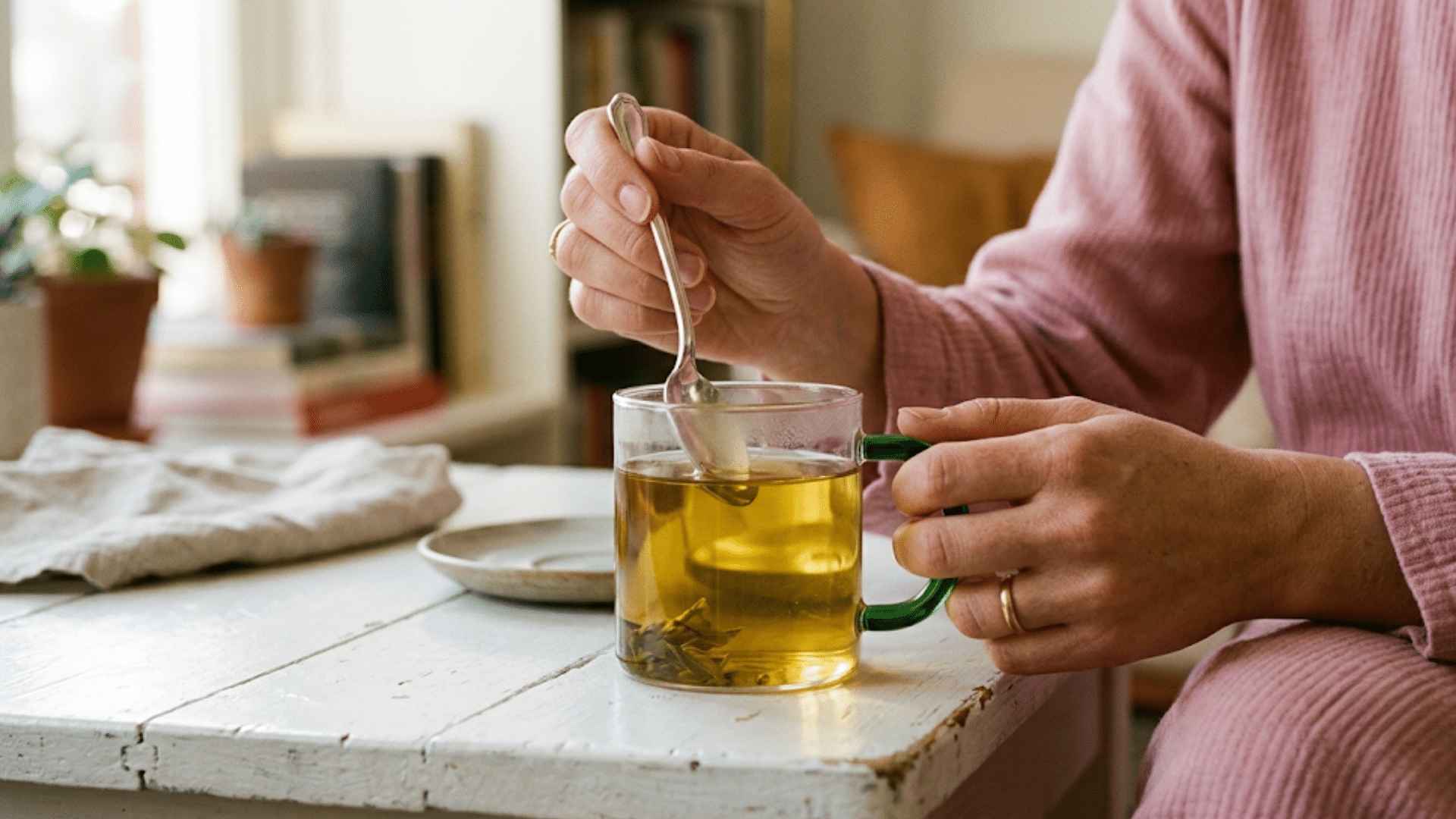
I never gave much thought to what a cup of green tea might do beyond helping me relax. Then I started noticing that it sometimes seemed to affect my digestion, and it made me curious.
Maybe you’ve had the same thought after reaching for your usual cup. It can be confusing when the experience isn’t the same every time.
In this article, I’ll explain why green tea may affect your digestion and what to keep in mind if you’re dealing with constipation.
This article is for general information and isn’t medical advice. Needs vary by person; if you’re pregnant, nursing, managing a condition, or sensitive to caffeine, check with a healthcare provider before using tea to manage constipation.
Does Green Tea Make You Poop?
Yes, green tea can make you poop, but it does not have a true laxative effect. Its caffeine and warm liquid may help stimulate bowel movements in some people, especially if you are mildly constipated.
Green tea supports digestion by encouraging normal movement in the digestive tract rather than forcing a bowel movement. The effect varies from person to person and depends on factors such as caffeine sensitivity, hydration, diet, and overall gut health.
While some people notice they need to use the bathroom soon after drinking it, others may not experience any change. Green tea should not be relied on as a treatment for ongoing constipation.
Why Does Green Tea Affect Digestion?
Green tea may affect digestion because its caffeine, catechins, and warm liquid can encourage normal movement in the digestive tract.
These effects may help some people have a bowel movement more easily, although the response varies from person to person.
Caffeine can stimulate the muscles of the intestines, while warm drinks may activate the gastrocolic reflex, a natural response that encourages the bowels to move after eating or drinking.
Green tea’s catechins may also support a healthy gut microbiome, which plays an important role in digestion.
According to research published through the U.S. National Library of Medicine, drinking green tea altered the gut microbiome in healthy adults by increasing beneficial bacteria and changing microbial activity linked to digestive health.
Why Green Tea May Cause a Bowel Movement?

Green tea may encourage a bowel movement through its caffeine, warmth, hydration, and natural plant compounds. These factors can support digestion, but the effects vary from person to person.
1. Caffeine Stimulates the Digestive Tract
Caffeine can increase muscle contractions in the colon, helping move waste through the digestive tract. Even though green tea contains less caffeine than coffee, it may still stimulate a bowel movement.
This effect is often more noticeable in people who are sensitive to caffeine. Drinking it in the morning or on an empty stomach may make the response feel stronger.
However, the effect is usually mild and varies from person to person.
Brewed green tea generally has less caffeine than other caffeinated drinks, and how much caffeine is in your green tea depends a lot on the variety and how long it steeps.
2. Warm Liquids Can Activate the Gastrocolic Reflex
A warm cup of green tea may activate the gastrocolic reflex, a natural response that encourages the bowels to move after eating or drinking. Warm drinks can also help relax the digestive tract.
Together, these effects may make a bowel movement more likely. This is one reason some people feel the urge to use the bathroom shortly after a hot drink. The response is completely normal and varies between individuals.
3. Catechins May Support Gut Health
Green tea contains catechins, antioxidants that may help support beneficial gut bacteria. A healthier gut microbiome plays an important role in digestion and regular bowel habits.
While catechins do not directly make you poop, they may support digestive health over time.
Their benefits are most noticeable when combined with a balanced diet and healthy lifestyle. Drinking green tea regularly may help maintain overall gut health.
4. Green Tea Helps Increase Fluid Intake
Staying hydrated helps soften stool and makes it easier to pass. Drinking green tea contributes to your daily fluid intake, especially if you choose it instead of sugary drinks.
This may support more regular bowel movements in some people. It should not replace plain water, but it can still contribute to healthy hydration. Better hydration is especially helpful if constipation is related to low fluid intake.
5. Individual Gut Sensitivity Makes a Difference
Not everyone reacts to green tea in the same way. Caffeine tolerance, diet, hydration, medications, and digestive conditions all affect how your body responds.
Some people notice a quick urge to poop, while others experience little or no change. People with caffeine sensitivity or IBS may experience stronger digestive effects. Paying attention to your own body’s response is the best way to know how green tea affects you.
Can Green Tea Help Relieve Constipation?
Green tea may help relieve mild constipation in some people, but it is not a proven treatment or laxative. Its caffeine and warm liquid can encourage normal bowel movements, especially when combined with good hydration and a fiber-rich diet.
For occasional constipation, a cup of green tea may stimulate the digestive tract and support regular bowel activity. However, the effect is usually mild and differs from person to person.
Drinking too much green tea can also increase caffeine intake, which may contribute to dehydration if you do not drink enough water.
Pairing tea with fiber-rich foods that support regular digestion tends to outperform tea alone.
If constipation lasts longer than a few weeks, keeps returning, or is accompanied by severe pain or bleeding, it is important to seek medical advice rather than relying on green tea alone.
Other Teas for Constipation That May Help
If green tea doesn’t help, several other teas may support digestion or occasional constipation. Some work by promoting normal digestive function, while others have mild or stronger laxative effects.
| Tea | How It May Help | Best For |
|---|---|---|
| Ginger Tea | Supports digestion and may encourage stomach emptying. | Post-meal fullness and occasional constipation |
| Peppermint Tea | Relaxes digestive muscles and may ease bloating and gas. | Digestive discomfort and mild constipation |
| Senna Tea | Acts as a natural stimulant laxative by encouraging bowel contractions. | Short-term constipation relief |
| Dandelion Tea | May support digestion and increase daily fluid intake. | Mild constipation and digestive support |
| Fennel Tea | May reduce gas while supporting normal intestinal movement. | Bloating with constipation |
| Licorice Root Tea | Traditionally used to soothe the digestive tract and support bowel regularity. | Occasional constipation (avoid if you have high blood pressure) |
| Chamomile Tea | Helps relax the digestive system and may ease stress-related digestive issues. | Evening digestive comfort and mild constipation |
Who Should Be Careful When Drinking Green Tea?
Green tea is generally safe in moderation, but it may not suit everyone. Certain health conditions, medications, and caffeine sensitivity can increase the risk of unwanted digestive or health effects.
- Caffeine Sensitivity
- IBS or Sensitive Digestion
- Pregnancy and Breastfeeding
- Certain Medications
- Iron Deficiency
- Frequent Diarrhea
Tea may provide mild digestive support, but it is not a reliable solution for ongoing constipation. If your symptoms persist, proven lifestyle changes and appropriate treatments are more effective for restoring regular bowel movements.
Frequently Asked Questions
When Can Green Tea Cause Diarrhea Instead?
Green tea can cause diarrhea if you drink too much or are sensitive to caffeine, as it may speed up movement through the digestive tract
How Many Cups of Green Tea Should I Drink for Constipation?
Start with one warm cup daily and limit yourself to one to two cups unless advised otherwise by your healthcare provider.
Does Decaf Green Tea Make You Poop?
It can, but the effect is usually milder because most of the caffeine has been removed.
Is Matcha Better Than Green Tea for Constipation?
Not necessarily. Matcha contains more caffeine, which may stimulate digestion but can also cause digestive discomfort in some people.
Should I Drink Green Tea Before or After Food?
After food is usually the better choice, especially if you have a sensitive stomach or experience nausea.
The Bottom Line
Green tea can be part of a healthy routine, but it is not a magic fix for constipation. What I found most interesting is that the same cup can affect two people in completely different ways.
For me, that is a good reminder that our bodies do not always respond the same way, and it is worth paying attention to what works best for us. If green tea helps you feel more regular, that’s great.
If it doesn’t, simple habits like drinking enough water, eating more fiber, and staying active are usually far more important.
Has green tea ever made you poop or helped with constipation? Share your experience in the comments below.