

I used to think picking the highest protein meat was simple until labels, serving sizes, and rankings made it confusing fast.
You might see one chart say chicken wins, while another points to fish, beef, or wild game. That can leave you searching for the meat with the most protein when planning meals.
The highest protein option is not always the best choice. Some meats are leaner, some keep you fuller for longer, and others provide extra nutrients that can support overall health.
This guide makes the comparison easy by showing how popular meats stack up in protein, calories, fat, and nutrition, so choosing the right one feels much simpler.
Which Meat Has the Most Protein?
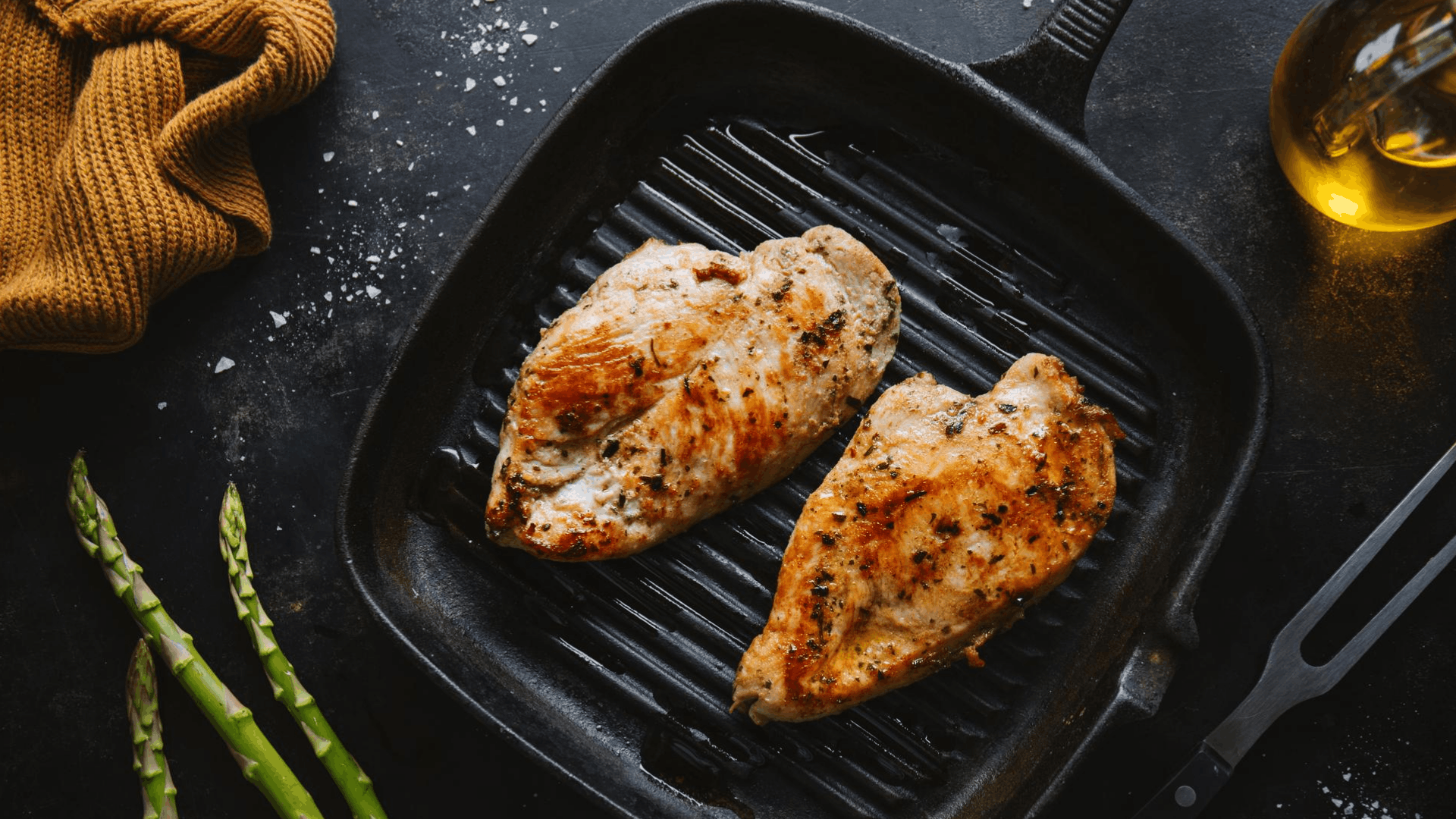
Chicken breast has the most protein among commonly eaten meats, providing about 31 grams of protein per 100 grams when cooked.
It is lean, low in saturated fat, and contains all nine essential amino acids, making it one of the best high protein options for muscle repair.
Turkey breast, venison, and elk are also excellent choices, each offering around 30 grams of protein per 100 grams, while lean beef, pork tenderloin, tuna, and shrimp provide slightly lower but still substantial amounts.
The exact protein content varies depending on the cut, cooking method, and moisture loss during preparation.
Choosing lean cuts and cooking methods such as grilling, baking, or roasting can help maximize protein intake while keeping added fat to a minimum.
Highest Protein Meat Ranked by Protein Content (Apart From Chicken Breast)
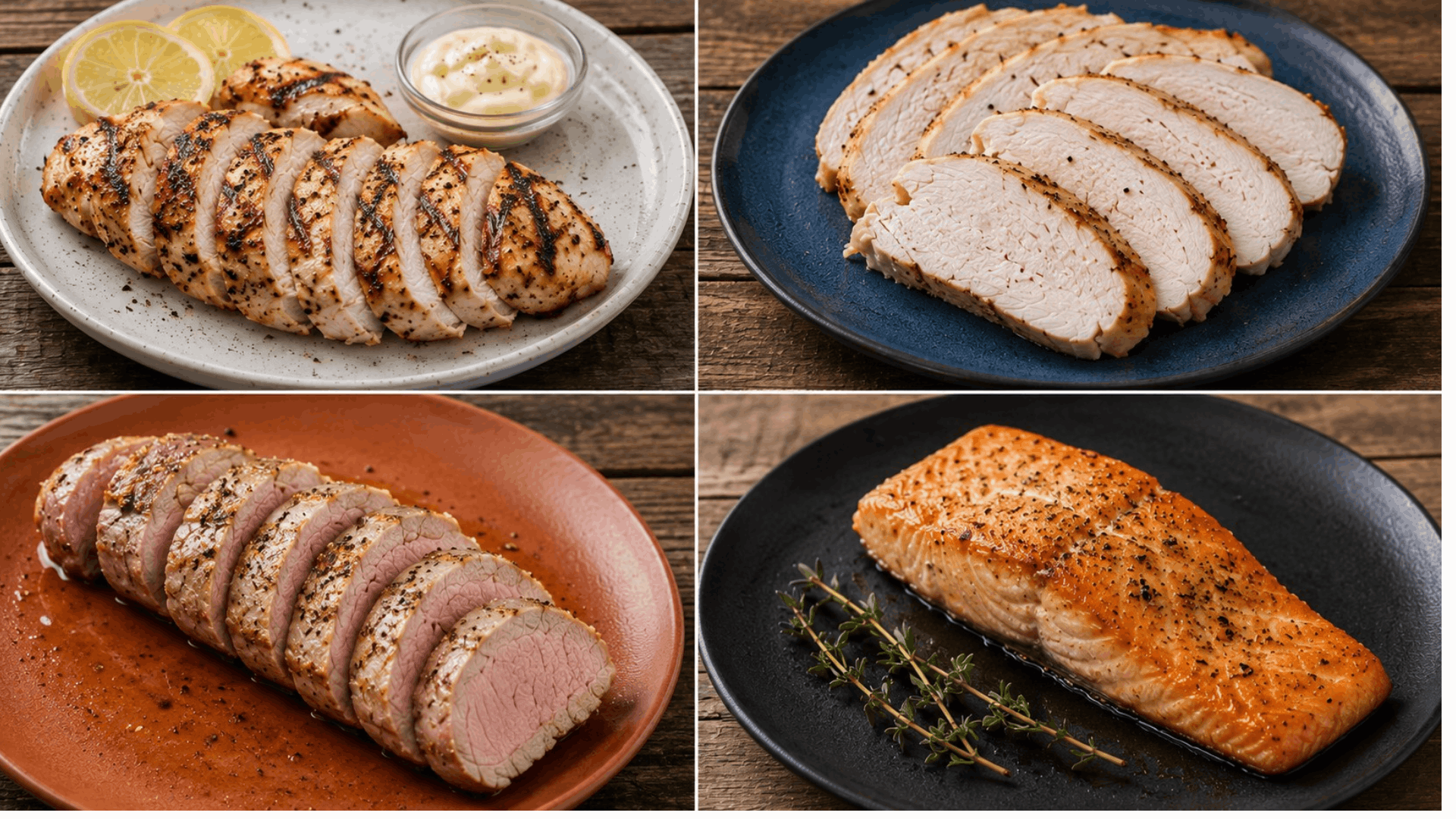
Protein content can vary slightly depending on the cut and cooking method, but some meats consistently provide more protein per serving than others.
The list below ranks popular meats based on their approximate protein content per 100 grams of cooked meat, making it easier to compare your options.
1. Turkey Breast
Turkey breast offers approximately 30 grams of protein in a cooked serving, making it one of the best lean meat choices. It is low in fat while providing vitamin B6, vitamin B12, selenium, zinc, and phosphorus.
Its mild flavor makes it suitable for sandwiches, salads, wraps, and roasted dishes.
Because it combines high-quality protein with relatively few calories, turkey breast is commonly included in balanced diets aimed at supporting muscle health and overall nutrition.
2. Lean Beef
Lean beef delivers around 27 grams of protein in a cooked serving and is an excellent source of complete protein.
It also contains iron, zinc, vitamin B12, creatine, and phosphorus, nutrients that support red blood cell production and muscle function.
Popular lean cuts include sirloin, top round, and eye of round. Choosing leaner cuts helps reduce saturated fat while still delivering a generous amount of protein and important micronutrients in every serving.
3. Venison (Deer Meat)
Venison supplies about 30 grams of protein per 100 grams while remaining naturally lean. Compared with many cuts of beef, it contains less fat and fewer calories but still provides iron, zinc, vitamin B12, and phosphorus.
Venison has a rich, slightly gamey flavor and is commonly served as steaks, roasts, or ground meat. It is a nutritious alternative for anyone looking to enjoy red meat with a high protein content and lower fat.
4. Bison
Bison contains approximately 28 grams of protein per 100 grams and is leaner than many traditional beef cuts. It delivers high-quality protein along with iron, zinc, selenium, and vitamin B12.
Bison has a slightly sweeter taste than beef and can be prepared as burgers, steaks, or roasts. Its combination of high protein and lower fat makes it a practical choice for those looking to include nutrient-dense red meat in their diet.
5. Pork Tenderloin
Pork tenderloin provides roughly 27 grams of protein per 100 grams and is one of the leanest pork cuts available. It is also rich in thiamin, selenium, phosphorus, and several B vitamins that support energy metabolism.
Pork tenderloin cooks quickly and works well when grilled, roasted, or pan-seared. Its mild flavor and high protein content make it an easy addition to everyday meals without contributing excessive fat.
6. Tuna
Cooked tuna, including simple preparations like a tuna salad recipe, offers around 29 grams of protein per serving, making it one of the highest-protein seafood choices.
It is also a valuable source of selenium, vitamin D, vitamin B12, and omega-3 fatty acids, especially in fresh varieties. Tuna can be grilled, baked, or added to salads and grain bowls.
Its high protein content and relatively low calorie count make it a versatile option for balanced meals and active lifestyles.
7. Salmon
Salmon contains approximately 22 grams of protein per 100 grams and is well known for its heart-healthy omega-3 fatty acids. It also provides vitamin D, vitamin B12, selenium, and potassium.
Although it has more fat than lean meats, most of that fat is unsaturated. Baked, grilled, or pan-seared salmon is a nutritious choice for people looking to combine high-quality protein with healthy fats in one serving.
8. Shrimp
Shrimp delivers about 24 grams of protein in a standard 100-gram cooked serving while remaining naturally low in calories and fat. It also supplies iodine, selenium, phosphorus, and vitamin B12.
Shrimp cooks quickly and can be steamed, grilled, sautéed, or added to stir-fries and pasta dishes. Its high protein-to-calorie ratio makes it a popular seafood choice for people who want to increase protein intake without significantly increasing calorie consumption.
9. Lamb
Lean lamb provides approximately 25 grams of protein in a cooked serving, along with iron, zinc, selenium, and vitamin B12.
It has a richer flavor than many other meats and is commonly roasted, grilled, or slow-cooked.
While lamb generally contains more fat than lean poultry, choosing lean cuts and trimming visible fat can help reduce saturated fat intake while still providing plenty of protein.
10. Elk Meat
Elk meat contains around 30 grams of protein per 100 grams and is one of the leanest game meats available. It is naturally low in fat while providing iron, zinc, phosphorus, vitamin B12, and other essential nutrients.
Elk has a mildly sweet, rich flavor that is less gamey than some wild meats. It is commonly prepared as steaks, burgers, or roasts and offers a high-protein alternative for those seeking lean red meat options.
The information in this article is intended for general educational purposes only and should not replace professional medical or nutrition advice. Consult a qualified healthcare professional or registered dietitian for recommendations tailored to your individual needs.
High-Protein Meat Nutrition Comparison
Different high-protein meats vary not only in protein content but also in calories, fat, cholesterol, and overall leanness. Comparing these values side by side makes it easier to choose the option that aligns with your nutrition goals.
| Meat | Protein (Per 100 g, Cooked) | Calories | Total Fat | Cholesterol | Lean or Higher Fat |
|---|---|---|---|---|---|
| Chicken Breast | 31 g | 165 kcal | 3.6 g | 85 mg | Lean |
| Turkey Breast | 30 g | 147 kcal | 2.1 g | 72 mg | Lean |
| Venison | 30 g | 158 kcal | 3.2 g | 95 mg | Lean |
| Elk Meat | 30 g | 154 kcal | 2.4 g | 73 mg | Lean |
| Tuna | 29 g | 184 kcal | 1.0 g | 47 mg | Very Lean |
| Bison | 28 g | 143 kcal | 2.4 g | 82 mg | Lean |
| Lean Beef | 27 g | 206 kcal | 8.8 g | 88 mg | Moderate |
| Pork Tenderloin | 27 g | 170 kcal | 5.7 g | 73 mg | Lean |
| Lamb (Lean) | 25 g | 206 kcal | 9.0 g | 97 mg | Higher Fat |
| Shrimp | 24 g | 99 kcal | 0.3 g | 189 mg | Very Lean |
| Salmon | 22 g | 206 kcal | 12.4 g | 63 mg | Higher Fat (Healthy Unsaturated Fats) |
How Much Protein Is Needed Each Day?
Most healthy adults need about 0.8 grams of protein per kilogram of body weight each day to support normal body functions and tissue repair.
Protein needs increase with activity level, age, and specific health or fitness goals, so there is no single amount that works for everyone.
People who exercise regularly or want to build and maintain muscle often benefit from about 1.2 to 2.0 grams of protein per kilogram of body weight each day.
Those trying to lose weight while preserving lean muscle may also require higher protein intake. Older adults may need more protein than younger adults to help reduce age-related muscle loss.
The right amount depends on factors such as body weight, lifestyle, and overall health.
Health Note: If you have kidney disease, gout, or another medical condition requiring protein restrictions, consult your healthcare professional before significantly increasing your protein intake.
How to Maximize Protein Intake From Meat?
Getting the most protein from meat depends on both the type of meat you choose and how you include it in your meals. These simple tips can help increase protein intake while supporting a balanced diet.
- Choose Lean Cuts: Select options like chicken breast, turkey breast, pork tenderloin, or lean beef to get more protein with less saturated fat.
- Include Protein at Every Meal: Spread protein intake across breakfast, lunch, and dinner instead of eating most of it in one meal.
- Prioritize High-Protein Meats: Pick meats with higher protein content per serving, such as chicken, turkey, tuna, or venison, when planning meals.
- Cook Without Excess Fat: Grill, bake, roast, or air-fry meat instead of deep-frying to keep meals lighter while preserving protein.
- Pair With Nutrient-Rich Foods: Serve meat with vegetables, whole grains, legumes, or beans to create a balanced, satisfying meal.
- Meet Recommended Portions: Aim for an appropriate serving size to help meet daily protein needs without consuming unnecessary calories.
- Prepare Meals in Advance: Cook protein-rich meats ahead of time so healthy, high-protein options are ready for busy days.
- Vary Protein Sources: Rotate between poultry, lean red meat, seafood, and game meats to add variety while providing a range of essential nutrients.
Other High-Protein Food Sources Besides Meat
Meat is one way to increase protein intake, but many non-meat foods also contribute meaningful amounts of protein.
| Food Source | Approx. Protein (Per 100 g) | Key Nutritional Benefit |
|---|---|---|
| Eggs | 13 g | Complete protein with choline and vitamin B12. |
| Greek Yogurt (Plain) | 10 g | High in protein, calcium, and probiotics. |
| Tofu (Firm) | 17 g | Complete plant protein with calcium and iron. |
| Tempeh | 20 g | Rich in protein, fiber, iron, and fermented nutrients. |
| Lentils (Cooked) | 9 g | Good source of plant protein, fiber, and folate. |
| Chickpeas (Cooked) | 9 g | Provide protein, fiber, manganese, and folate. |
| Almonds | 21 g | Supply protein along with healthy fats and vitamin E. |
| Pumpkin Seeds | 30 g | High in protein and provide magnesium, zinc, and iron. |
Frequently Asked Questions
Is meat a complete protein?
Yes, meat is a complete protein because it contains all nine essential amino acids your body needs from food. That’s a big part of why chicken, turkey, beef, pork, and seafood remain common go-to choices for steady protein intake.
Does frozen meat have less protein than fresh meat?
Frozen meat retains about the same protein content as fresh when stored properly. The bigger risk to nutrition comes from freezer burn, poor thawing, or added sauces, not the freezing itself.
Is bone-in meat lower in protein?
The edible portion isn’t lower in protein, but the bone adds weight you don’t eat, which can make protein per pound look lower on paper. Boneless cuts are easier to measure accurately for that reason.
Can you get enough protein without eating meat every day?
Yes. Eggs, Greek yogurt, cottage cheese, beans, lentils, tofu, and tempeh can all help you hit a daily protein target on days you want a break from meat.
Final Thoughts
When I compare different protein sources, I have noticed that the meat with the highest protein is not always the one I choose most often.
Sometimes a slightly lower-protein option offers a better balance of calories, healthy fats, or nutrients that fit my meals more naturally. That is why looking beyond a single number can make meal planning much easier.
Remember that a balanced diet includes variety, and rotating different protein sources can provide a wider range of nutrients over time.
Which high-protein meat is your favorite, or did any option on this list surprise you? Share your experience or favorite way to prepare it in the comments below.






One Response