
Mushrooms have a way of showing up in almost every comforting meal, from cheesy omelets and creamy skillets to juicy burgers and simple side dishes.
I love how easily they add rich flavor without making a meal feel heavy. But when carbohydrates are being counted carefully, even familiar foods can raise a few questions.
Are mushrooms keto, or can certain varieties, portions, and cooking methods change how they fit into your daily meals?
Looking at the details can make it much easier to enjoy mushrooms with more confidence and fewer surprises.
Are Mushrooms Keto Friendly?
Yes, mushrooms are generally keto-friendly because they are low in carbohydrates and can fit easily into a low-carb eating plan.
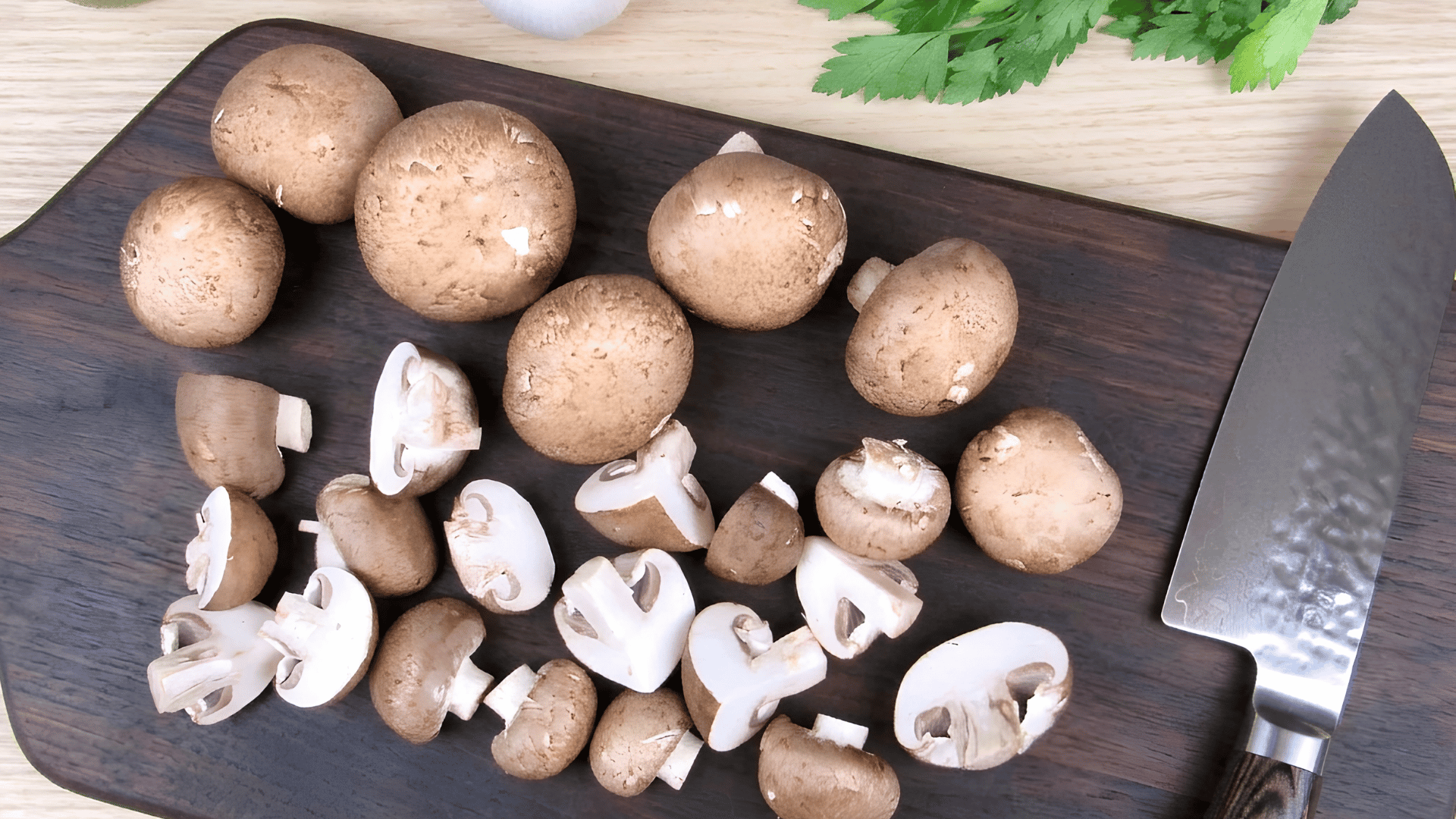
Most common varieties, including white button, cremini, and portobello mushrooms, contain only a small amount of net carbs per serving.
Their high water content also helps keep the carbohydrate count relatively low.
The main thing to watch is how they are prepared. Plain mushrooms work well, but breading, sugary sauces, and thickened gravies can quickly raise the carb total of the finished dish.
Key Takeaways
- Mushrooms are generally keto-friendly because most common varieties are naturally low in net carbs.
- White button mushrooms are one of the lowest-carb choices, with about 2.3 grams of net carbs per 100 grams.
- Cooking does not add carbs to plain mushrooms, but water loss can make cooked mushrooms seem more carb-dense by weight.
- Breading sugary sauces and thickened gravies can raise the carb count quickly, so simple cooking methods work best for keto.
- Portion size still matters, especially with higher-carb varieties such as enoki or shiitake mushrooms.
- Mushrooms also provide fiber B vitamins potassium selenium and copper, which can support a more balanced low-carb diet.
How Many Carbs are in Mushrooms?
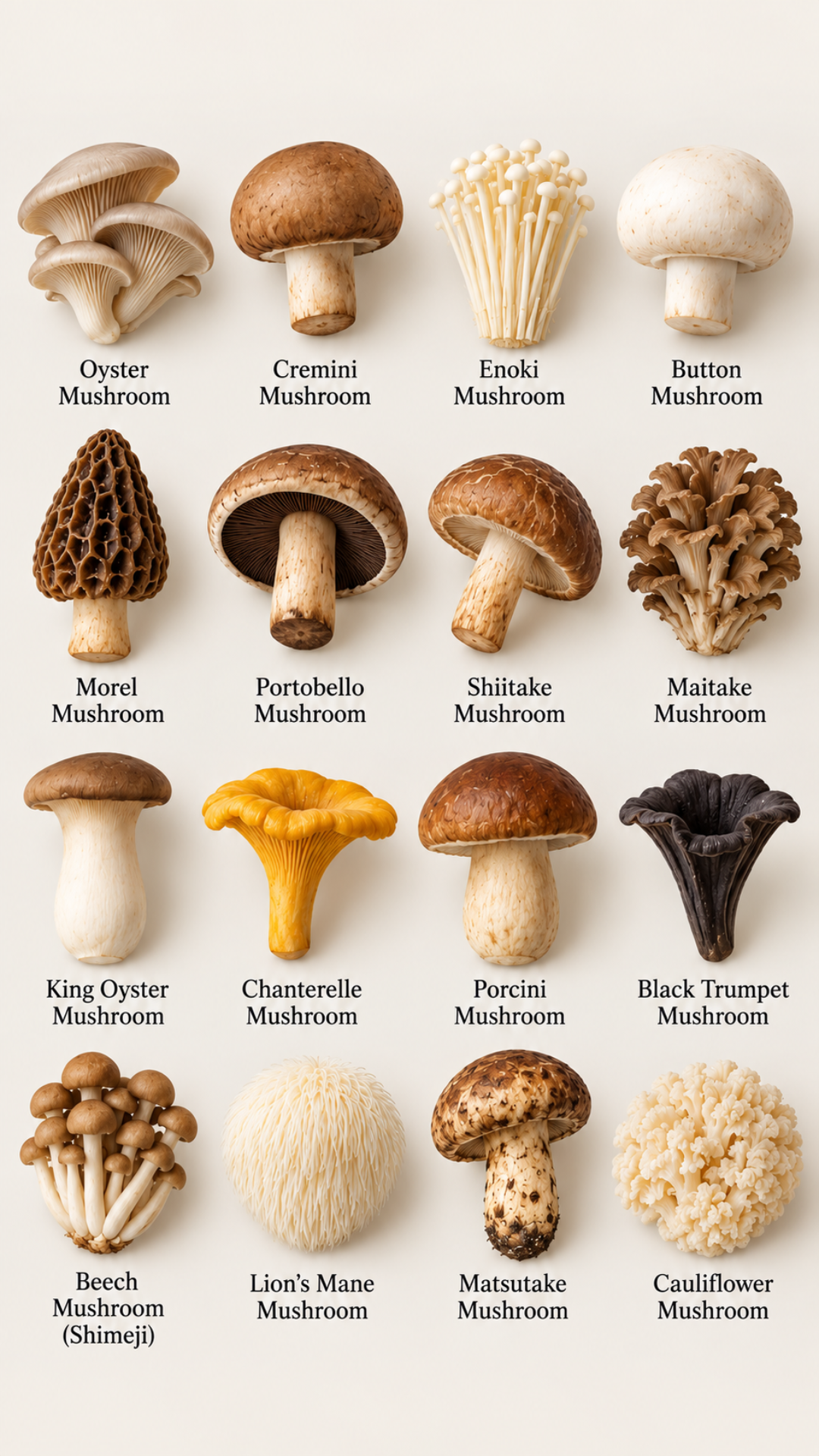
Carb counts vary by mushroom type, so comparing the same 100-gram raw serving (based on USDA FoodData Central figures) makes it easier to see how each variety differs nutritionally.
| Mushroom Type | Serving | Total Carbs | Fiber | Net Carbs* |
|---|---|---|---|---|
| White button | 100 g | 3.3 g | 1.0 g | 2.3 g |
| Cremini | 100 g | 4.3 g | 0.6 g | 3.7 g |
| Portobello | 100 g | 3.9 g | 1.3 g | 2.6 g |
| Shiitake | 100 g | 6.8 g | 2.5 g | 4.3 g |
| Enoki | 100 g | 7.8 g | 2.7 g | 5.1 g |
| Oyster | 100 g | 6.1 g | 2.3 g | 3.8 g |
| Maitake | 100 g | 7.0 g | 2.7 g | 4.3 g |
Net carbs are calculated by subtracting fiber from total carbohydrates. Values are rounded and can vary slightly by database entry and mushroom sample.
Why Mushrooms are Useful for Keto Beyond Carbs
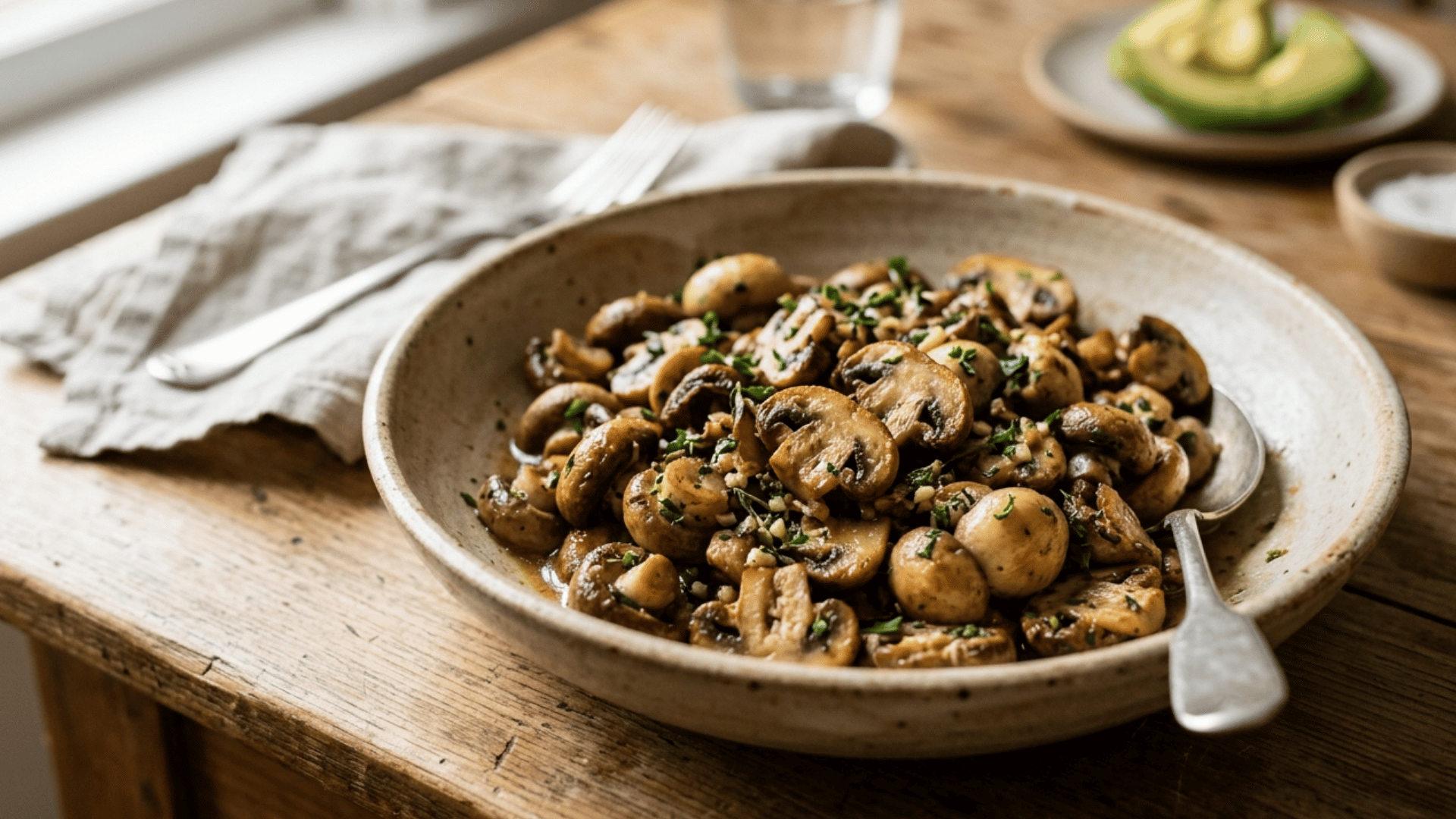
Net carbs are only part of the keto picture. The ketogenic diet limits many fruits and vegetables, which can make it harder to get enough fiber and certain minerals from food. Mushrooms fill some of that gap, offering nutrients that are easy to lose when carbs are tightly restricted.
- Fiber: most varieties provide 1 to 3 grams per 100 grams, which supports digestion on a diet that leans lighter on fiber-rich foods that support digestion.
- B vitamins, including riboflavin and niacin, help the body convert food into usable energy.
- Selenium and copper support thyroid function and antioxidant activity.
- Potassium, which many keto dieters run low on early in the diet, shows up in meaningful amounts.
None of this makes mushrooms a superfood, but the fiber and mineral profile is a real advantage for anyone watching both their carbs and their overall nutrient intake on keto.
Which Mushrooms are Best for Keto?
- White button mushrooms: Mild and versatile, they work well in omelets, salads, soups, and quick skillet meals.
- Portobello mushrooms: Their large caps and meaty texture make them useful for grilling, stuffing, or replacing burger buns.
- Cremini mushrooms: These have a deeper, earthier flavor that pairs well with sauces, roasted vegetables, and sautéed dishes.
- Oyster mushrooms: Soft and slightly chewy, they work well in stir-fries, soups, and pan-seared recipes.
- Maitake mushrooms: Their delicate, layered texture works especially well when roasted or sautéed with herbs and butter.
What Keto Dieters Say About Eating Mushrooms
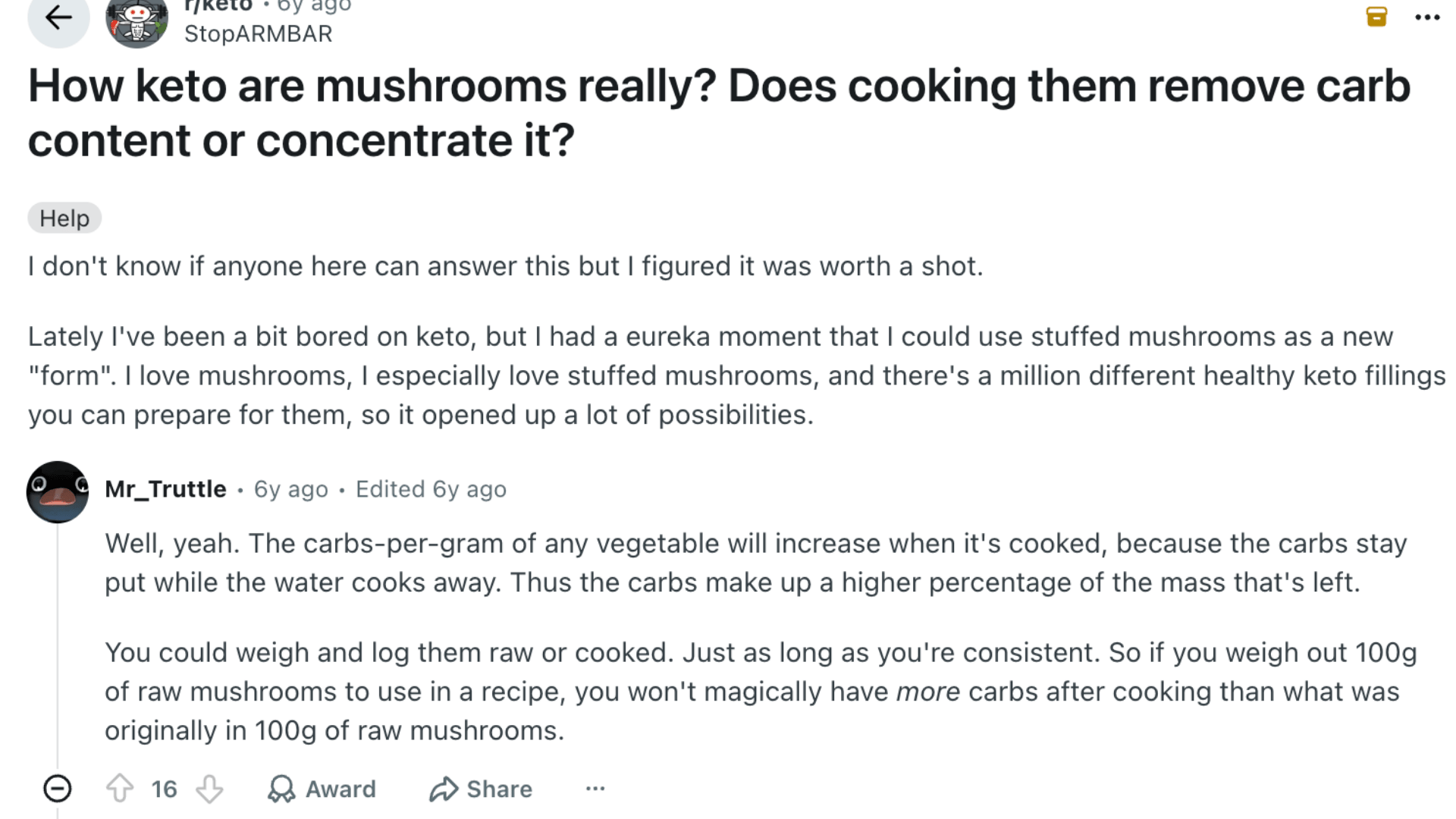
A Reddit discussion in r/keto focuses on whether cooking mushrooms changes their carb content and how to track them.
The original poster noticed mushrooms losing weight during cooking and wondered whether carbs were lost or simply became more concentrated.
Commenters explained that cooking mainly removes water, so the carbs per gram can appear higher even though the total carbs in the original portion stay about the same.
They also recommended weighing and logging mushrooms consistently as either raw or cooked
Do Cooked Mushrooms Have More Carbs?
Cooked mushrooms can appear higher in carbs by weight, mainly because cooking removes water and shrinks them. Cooking itself does not simply add carbohydrates.
For example, 100 grams of cooked mushrooms contains more actual mushroom than 100 grams raw.
A cup of raw white button mushrooms weighs about 70 grams, but the same volume cooked can weigh closer to 45 grams once the water cooks out, concentrating the natural carbs into a smaller, denser portion.
Raw vs Cooked Mushrooms
| Raw Mushrooms | Cooked Mushrooms |
|---|---|
| Higher water content | Lower water content |
| Larger volume before cooking | Shrink during cooking |
| Less concentrated by weight | More concentrated by weight |
| Carbs come naturally from mushrooms | Added ingredients may raise carbs |
Easy Ways to Eat Mushrooms on Keto

Mushrooms can slip into plenty of everyday keto meals without much extra work, whether you want a filling breakfast, quick lunch, or comforting dinner.
- Mushroom egg muffins: Fold chopped mushrooms, eggs, cheese, and spinach together, then bake in muffin cups for an easy make-ahead breakfast.
- Portobello mini pizzas: Roast portobello caps, then top them with unsweetened tomato sauce, mozzarella, pepperoni, and Italian herbs before baking again.
- Mushroom lettuce wraps: Cook chopped mushrooms with ground chicken, ginger, and a little soy sauce, then spoon the mixture into crisp lettuce leaves.
- Mushroom cauliflower bowls: Combine roasted mushrooms with cauliflower rice, avocado, leafy greens, and grilled chicken for a filling lunch or dinner.
- Cheesy stuffed mushrooms: Fill mushroom caps with cream cheese, Parmesan, spinach, and herbs, then bake until tender and lightly browned on top.
If you like cooking in batches, most of these hold up well alongside other high-protein meal prep ideas for busier weeks.
How Many Mushrooms Can You Eat on Keto?
There is no fixed number of mushrooms you can eat on keto because sizes and varieties differ. A practical approach is to measure your serving by weight and count it toward your daily carbohydrate target.
For example, 100 grams of white button mushrooms is roughly 5 medium mushrooms and provides about 2.3 grams of net carbs.
If you follow a 20-gram daily net-carb target, that serving uses about 12% of your allowance. This makes weighing portions more reliable than counting individual mushrooms.
Common Mushroom Keto Mistakes
- Mixing raw and cooked nutrition data: Use raw nutrition values for mushrooms weighed raw and cooked values for mushrooms weighed after cooking.
- Forgetting the entire recipe: Count carbohydrates from every ingredient, including onions, milk, tomato sauce, wine, and other additions used with the mushrooms.
- Using sweetened marinades: Bottled marinades may contain sugar, honey, or syrups, so check the nutrition label before adding them.
- Choosing breaded mushrooms: Flour, breadcrumbs, and batter can contribute considerably more carbohydrates than plain roasted, grilled, or pan-cooked mushrooms.
- Relying on generic tracking entries: Nutrition apps can contain user-submitted values, so compare entries with the package label or a reliable food database.
Conclusion
Mushrooms can be an easy addition to a low-carb routine, which is why many people ask if mushrooms are keto-friendly and feel comfortable including them in everyday meals.
I like how naturally they work with eggs, vegetables, meat, and simple sauces without making meals complicated.
Paying attention to portions and added ingredients is usually enough to keep things on track.
Try working mushrooms into one of your regular keto meals, and if you have a favorite way to cook them, leave a comment and share it with other readers.
Frequently Asked Questions
Are Canned Mushrooms Keto Friendly?
Plain canned mushrooms can fit a keto diet, but check the label for added sugar, starches, or sauces that may increase the carbohydrate content.
Are Mushroom Powders Keto Friendly?
Many plain mushroom powders are low in carbohydrates, but flavored blends may contain starches, sweeteners, or fillers. Check the ingredient list and nutrition label before using them.
Is Mushroom Soup Keto Friendly?
Mushroom soup can be keto-friendly when made without flour, cornstarch, or added sugar. Homemade versions using broth, cream, butter, and mushrooms are easier to control.