
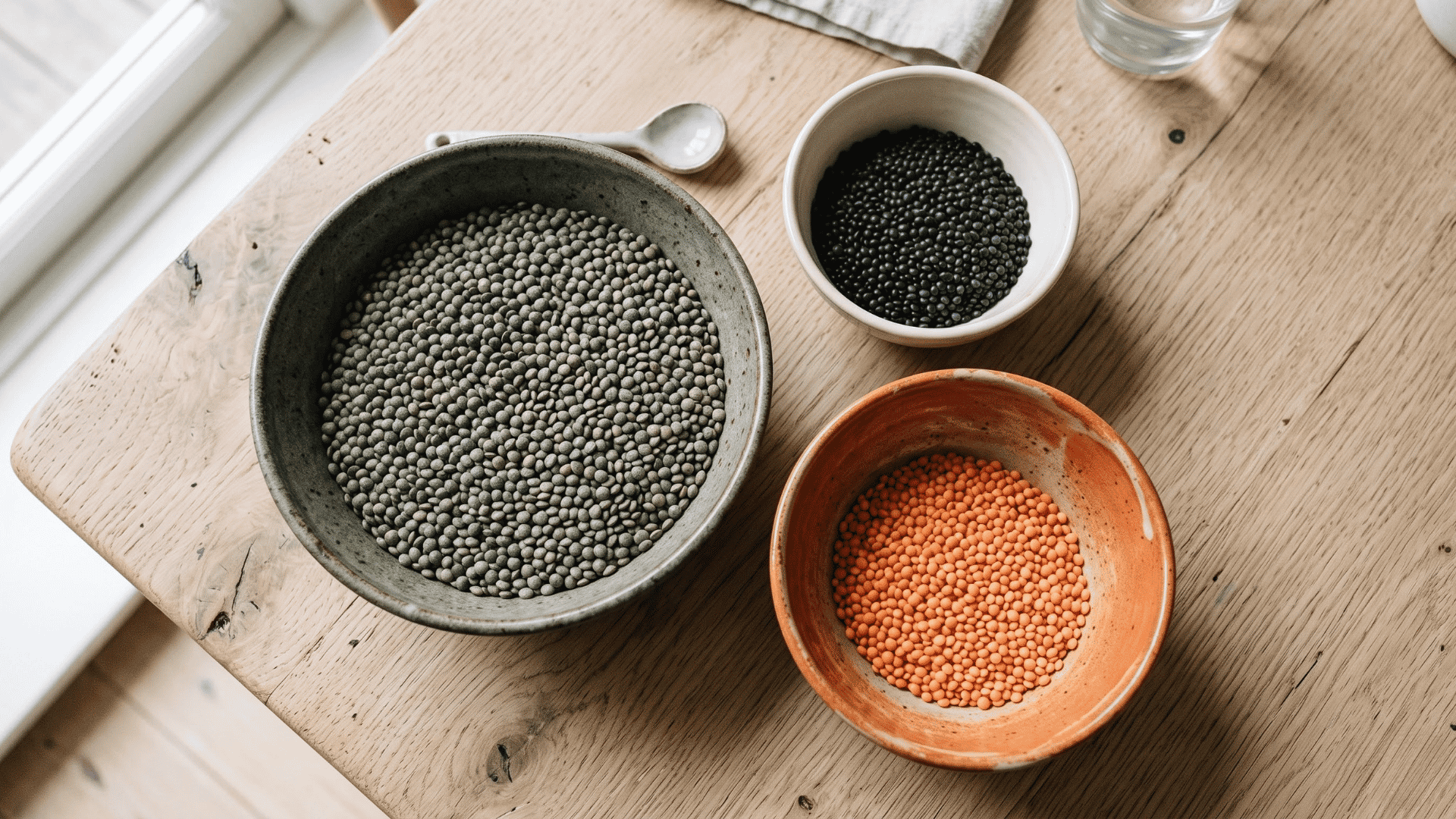
Lentils can look like a smart choice when you are eating healthier, but things get less clear once you start counting carbs.
I have had the same question myself, especially because lentils are filling, high in fiber, and often grouped with nutritious foods.
So, are lentils low-carb, and are they keto-friendly enough to fit within your daily carb limit? The answer depends a lot on serving size, net carbs, and the type of diet you follow.
Before you add another scoop to your bowl, it is worth seeing how the numbers really stack up.
Are Lentils Low Carb?
Lentils are nutritious, but they are not considered a low-carb food. One cup of cooked lentils contains about 40 grams of total carbohydrates, including roughly 15 grams of fiber.
Because fiber does not affect blood sugar in the same way as other carbs, some people look at net carbs instead.
After subtracting fiber, one cup of cooked lentils has about 24 to 25 grams of net carbs. Lentils still offer several useful nutrients:
- About 18 grams of protein per cooked cup
- Plenty of fiber, which can help you feel full
- Iron, folate, potassium, and other minerals
- Very little saturated fat
For a moderate-carb eating plan, a smaller serving such as ½ cup may fit more easily. That portion provides about 20 grams of total carbs and around 12 grams of net carbs.
If you follow a very low-carb or keto diet, lentils may be harder to fit into your daily carb limit.
Portion size matters, so it helps to count lentils as a carbohydrate food rather than treating them mainly as a protein source.
National Library of Medicine recommends that non-soy legumes and body weight suggest that foods like lentils, beans, and peas may support healthier weight and body composition when included as part of a balanced diet.
Are Lentils Keto Friendly?
No, lentils are generally not considered keto-friendly because they contain too many net carbs for a typical ketogenic diet.
A full cup of cooked lentils can use up a large portion of your daily carb allowance. However, you may be able to include a small portion occasionally if it fits your personal carb target.
If you are comparing different eating styles, remember that gluten-free does not automatically mean low-carb, even with a gluten-free flatbread recipe.
Lentil Nutrition Facts
One cup of cooked lentils, about 198 grams, provides a mix of carbohydrates, fiber, plant protein, vitamins, and minerals.
|
Nutrient |
Amount per 1 Cup of Cooked Lentils |
|---|---|
|
Calories |
230 kcal |
|
Protein |
17.9 g |
|
Total Fat |
0.75 g |
|
Carbohydrates |
39.8 g |
|
Dietary Fiber |
15.6 g |
|
Net Carbs |
24.2 g |
|
Sugars |
3.56 g |
|
Calcium |
37.6 mg |
|
Iron |
6.59 mg |
|
Magnesium |
71.3 mg |
|
Phosphorus |
356 mg |
|
Potassium |
731 mg |
|
Sodium |
3.96 mg |
|
Zinc |
2.52 mg |
|
Copper |
0.50 mg |
|
Manganese |
0.98 mg |
|
Selenium |
5.54 mcg |
|
Vitamin C |
2.97 mg |
|
Thiamin |
0.34 mg |
|
Riboflavin |
0.15 mg |
|
Niacin |
2.1 mg |
|
Vitamin B6 |
0.35 mg |
|
Folate |
358 mcg |
|
Choline |
64.7 mg |
|
Vitamin A |
15.8 IU |
|
Vitamin E |
0.22 mg |
|
Vitamin K |
3.37 mcg |
What to Know Before Eating Lentils on Keto
- Watch Your Daily Carb Limit: Keto typically keeps carbohydrate intake very low, so lentils can quickly take up a large share of your daily allowance.
- Keep Portions Small: Instead of a full cup, a few tablespoons of cooked lentils may be easier to work into your carb target.
- Count Net Carbs: Subtract fiber from total carbohydrates when tracking net carbs, and include the lentils in your daily total.
- Consider the Whole Meal: Pairing lentils with rice, bread, potatoes, or other carb-heavy foods can push the meal much higher in carbohydrates.
- Check Packaged Foods: Lentil soups, ready-made dals, and other prepared products may contain added starches, sugars, or other carb-rich ingredients.
Lower Carb Legumes That Fit Keto Better
1. Black Soybeans
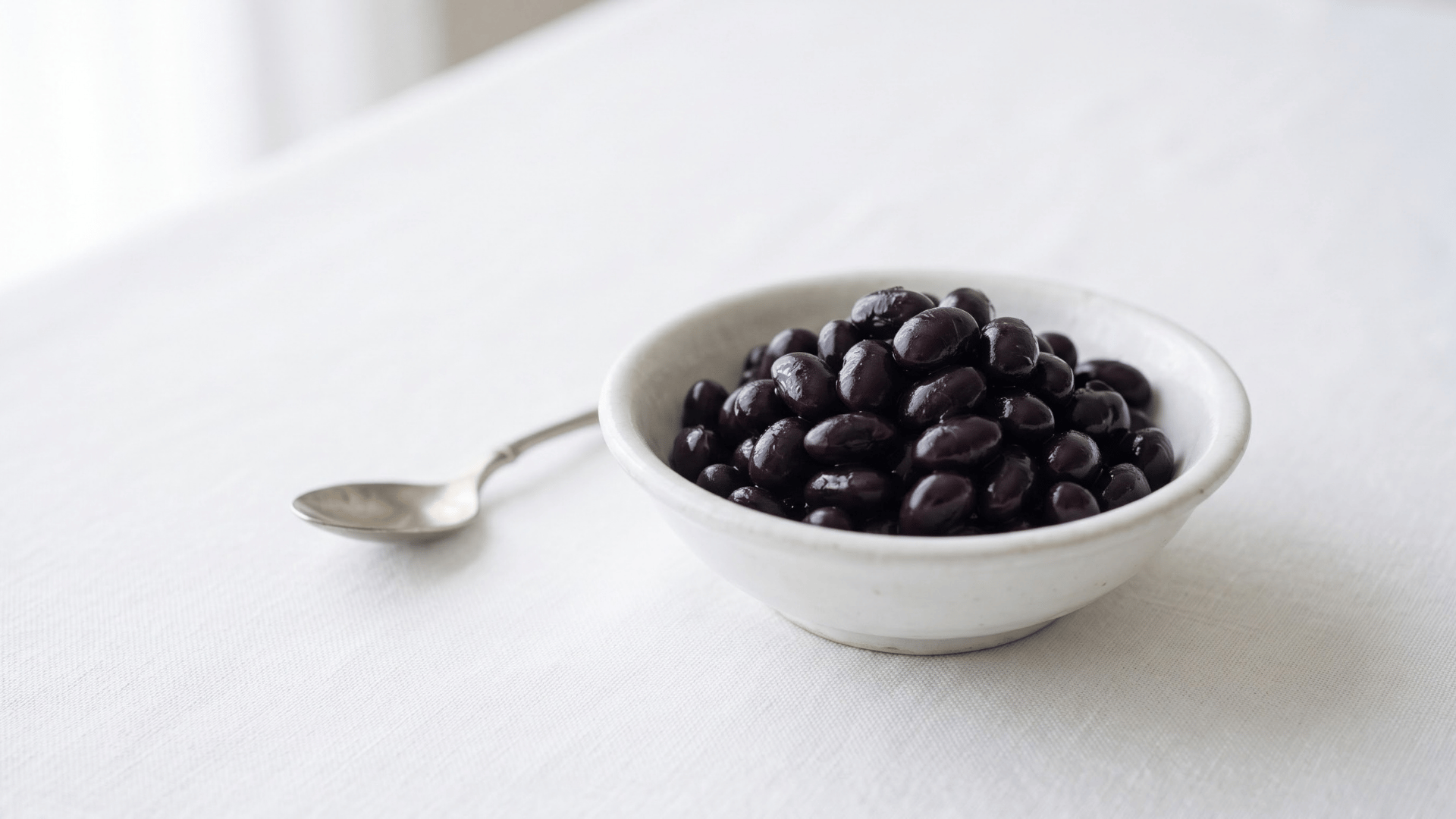
Black soybeans are one of the easiest legumes to fit into keto because they are much lower in net carbs than most traditional beans.
I like them in chili, soups, or taco bowls when I want something hearty without adding too many carbs.
2. Lupini Beans
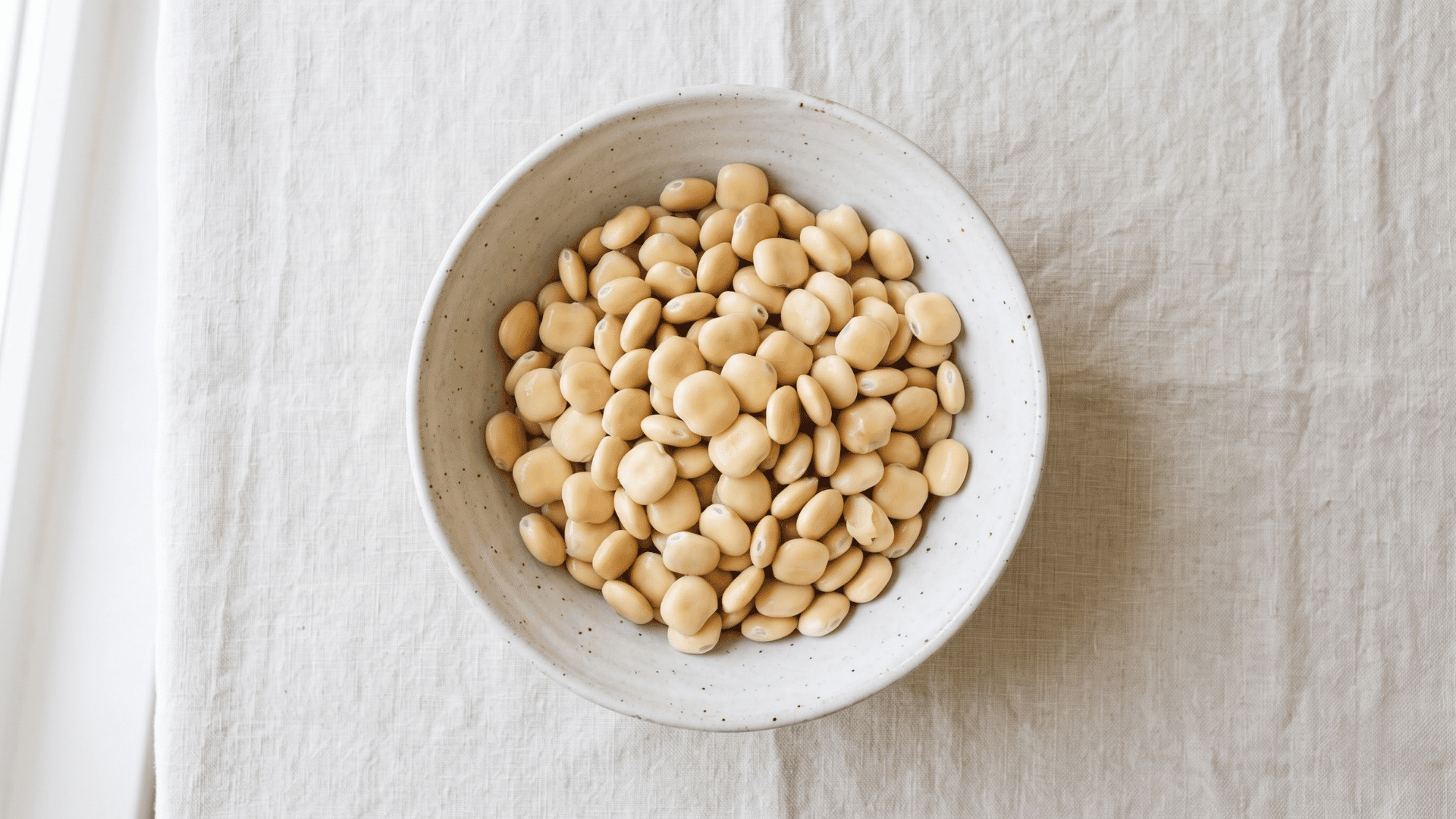
Lupini beans are naturally high in protein and fiber while staying relatively low in net carbs.
Their firm texture makes them great for snacks, salads, and antipasto-style plates, although checking the label is still important because flavored versions may include added sugars.
3. Edamame
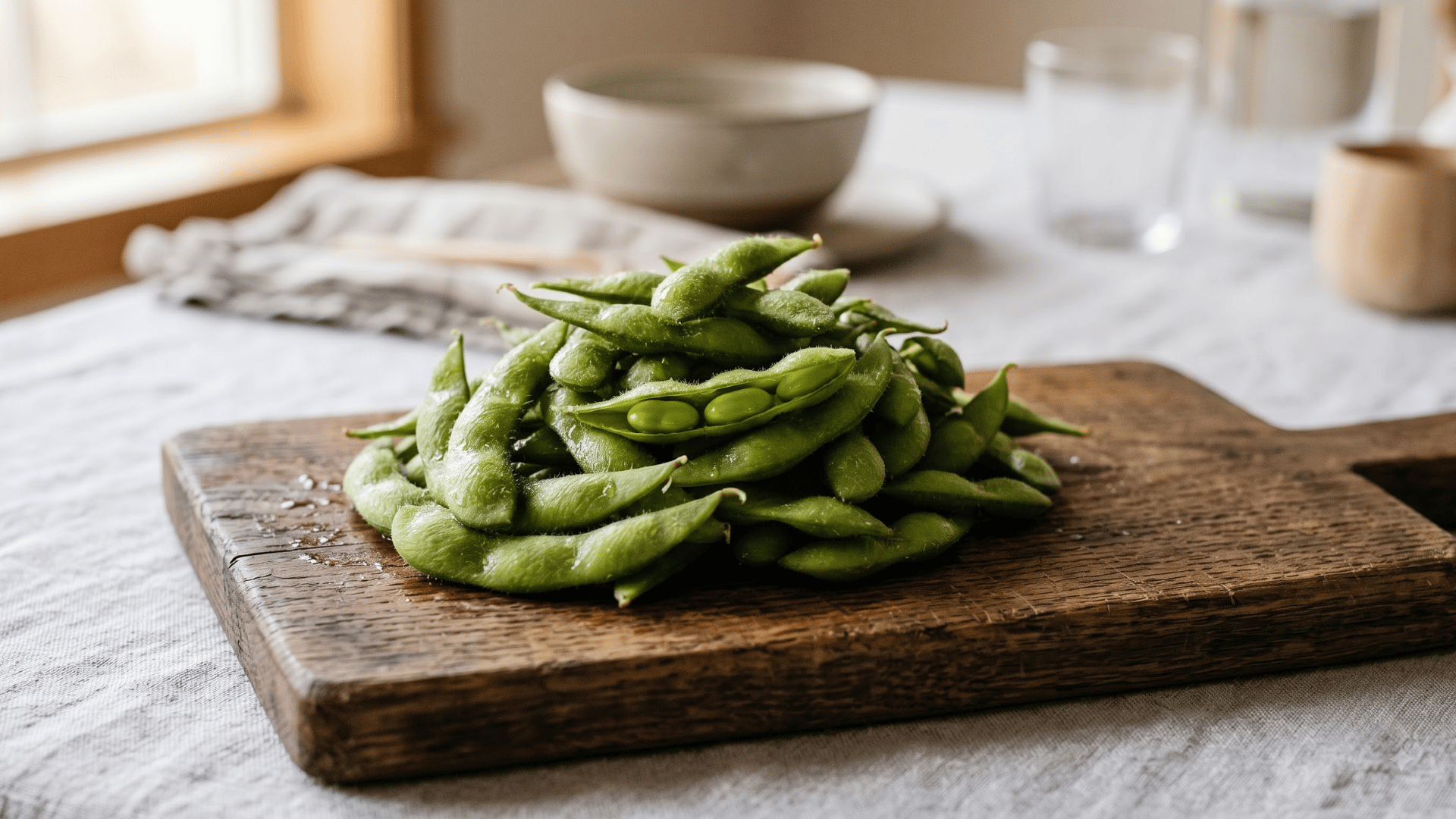
Edamame can work well in a keto-style diet when portions are controlled. These young soybeans provide protein, fiber, and a satisfying bite, and they are especially useful in salads, stir-fries, or as a simple snack with salt and seasoning.
4. Green Beans
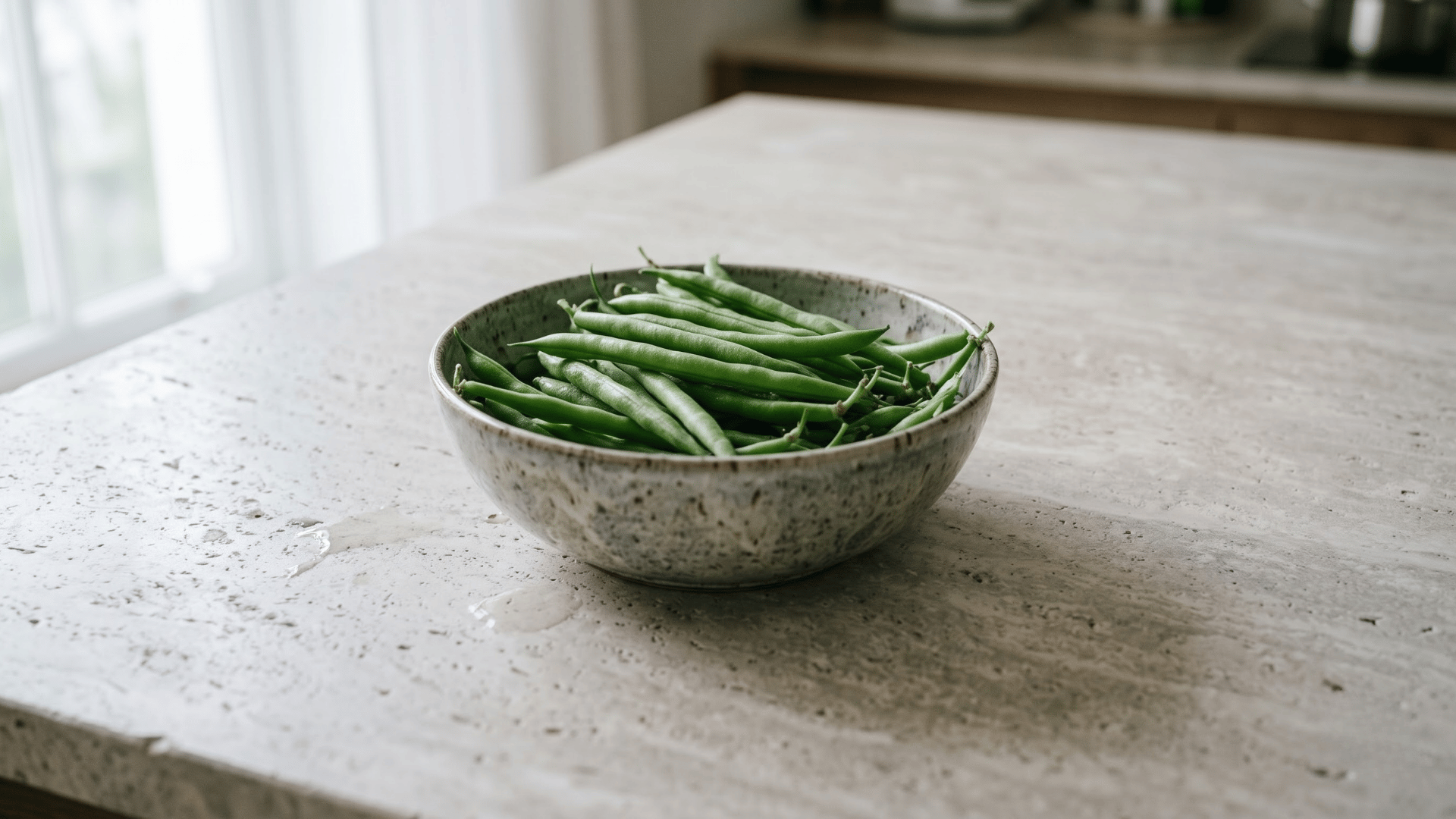
Green beans are technically legumes, although they are usually treated more like vegetables in meals.
Their carb count is much lower than dried beans, making them an easy side dish for keto meals with butter, garlic, herbs, or roasted proteins.
5. Peanuts

Peanuts belong to the legume family and are relatively low in net carbs compared with lentils or beans.
They can fit nicely into keto meals or snacks, especially when you choose plain versions without sugary coatings, glazes, or sweetened flavorings.
What Makes Lentils Tricky on Keto?
- Serving Sizes Can Grow Fast: Lentils are often eaten in soups, curries, and bowls, where portions can become much larger than expected.
- Prepared Dishes May Hide Extra Carbs: Restaurant lentils and packaged soups may include flour, sugar, potatoes, or other higher-carb ingredients.
- They Can Replace Lower-Carb Foods: A large serving of lentils may leave less room for vegetables, protein, and fats commonly used in keto meals.
- Carb Tracking Can Be Inconsistent: Nutrition numbers can vary between lentil types, brands, and cooked portions, so measuring the actual serving matters.
Healthy Foods You May Need to Avoid on Keto
As the National Library of Medicine states that higher pulse intake has an impact on cardiometabolic health, including lentils, you can check these foods that you can avoid on a Keto diet.
1. Bananas

Bananas provide potassium, vitamin B6, and natural sweetness, but they also contain a fairly high amount of carbohydrates. A whole banana can take up a large part of a keto carb allowance, so lower-carb fruits are usually easier to fit.
2. Oatmeal
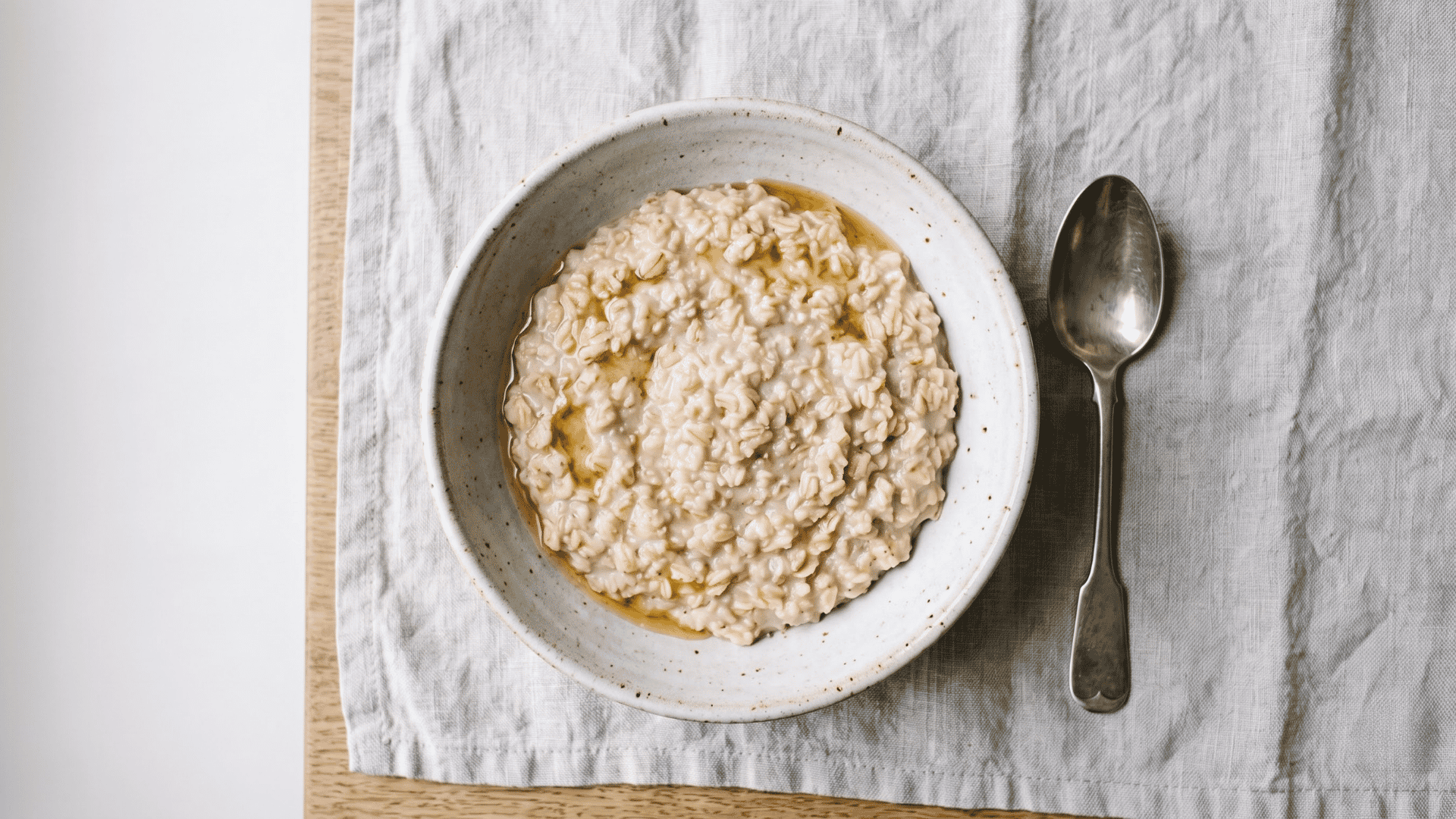
Oats are rich in fiber and make a filling breakfast, but their carb content is too high for most strict keto plans. Even plain oatmeal can add up quickly before you include milk, fruit, honey, or other popular toppings.
3. Sweet Potatoes

Sweet potatoes offer fiber, beta-carotene, and several important nutrients, yet they are still a starchy vegetable.
Their natural carbohydrate content makes regular portions difficult to fit into keto, especially when served alongside other carb-containing foods.
4. Quinoa
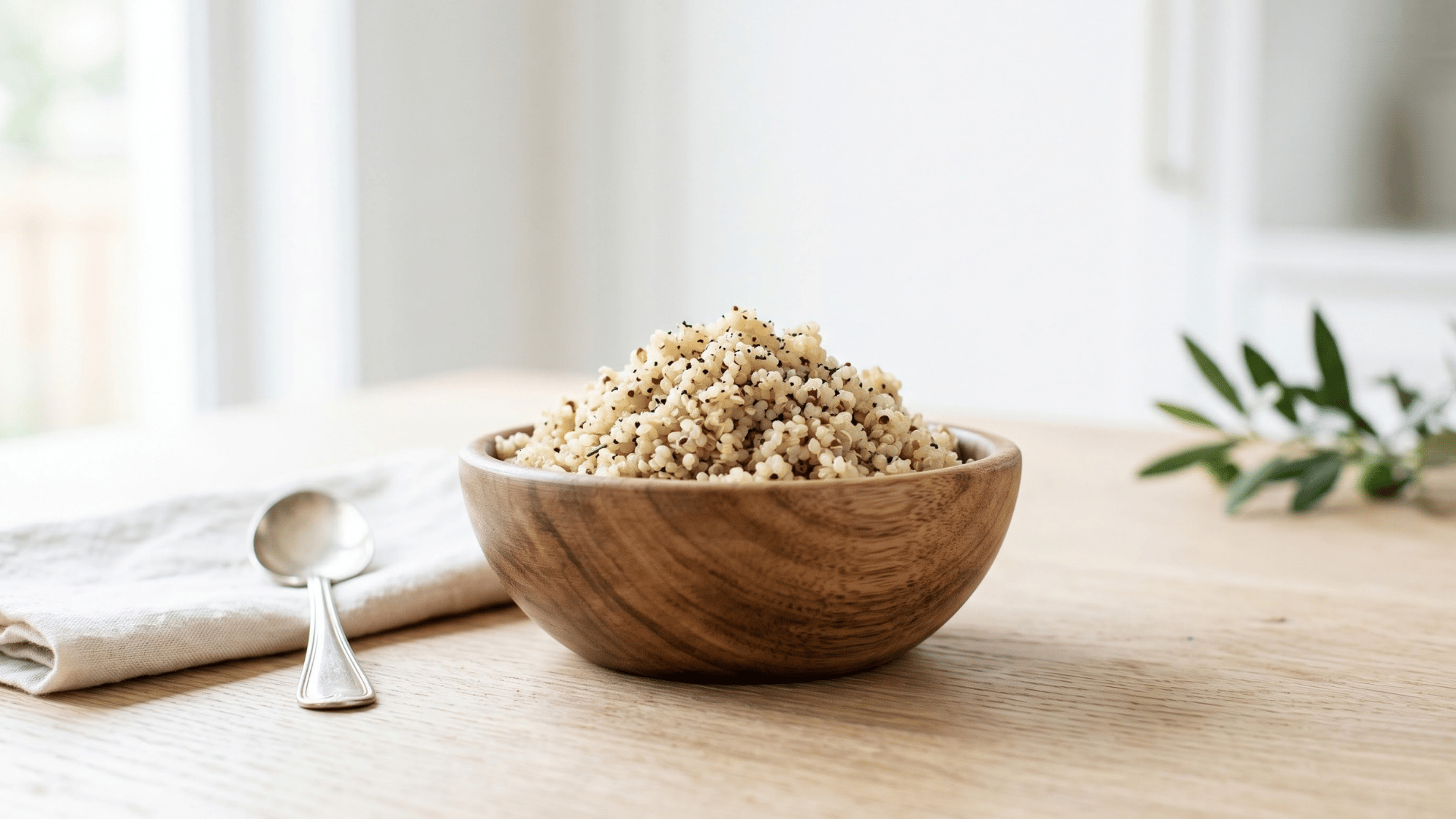
Quinoa is often praised for its protein, fiber, and minerals, but it is still relatively high in carbohydrates.
A standard cooked serving can use a noticeable portion of your daily carb allowance, making cauliflower rice a more keto-friendly alternative.
5. Chickpeas

Chickpeas provide plant protein, fiber, and minerals, but they contain more net carbs than most keto diets comfortably allow. Foods like hummus can also be easy to overeat, so even smaller servings may need careful tracking.
6. Apples
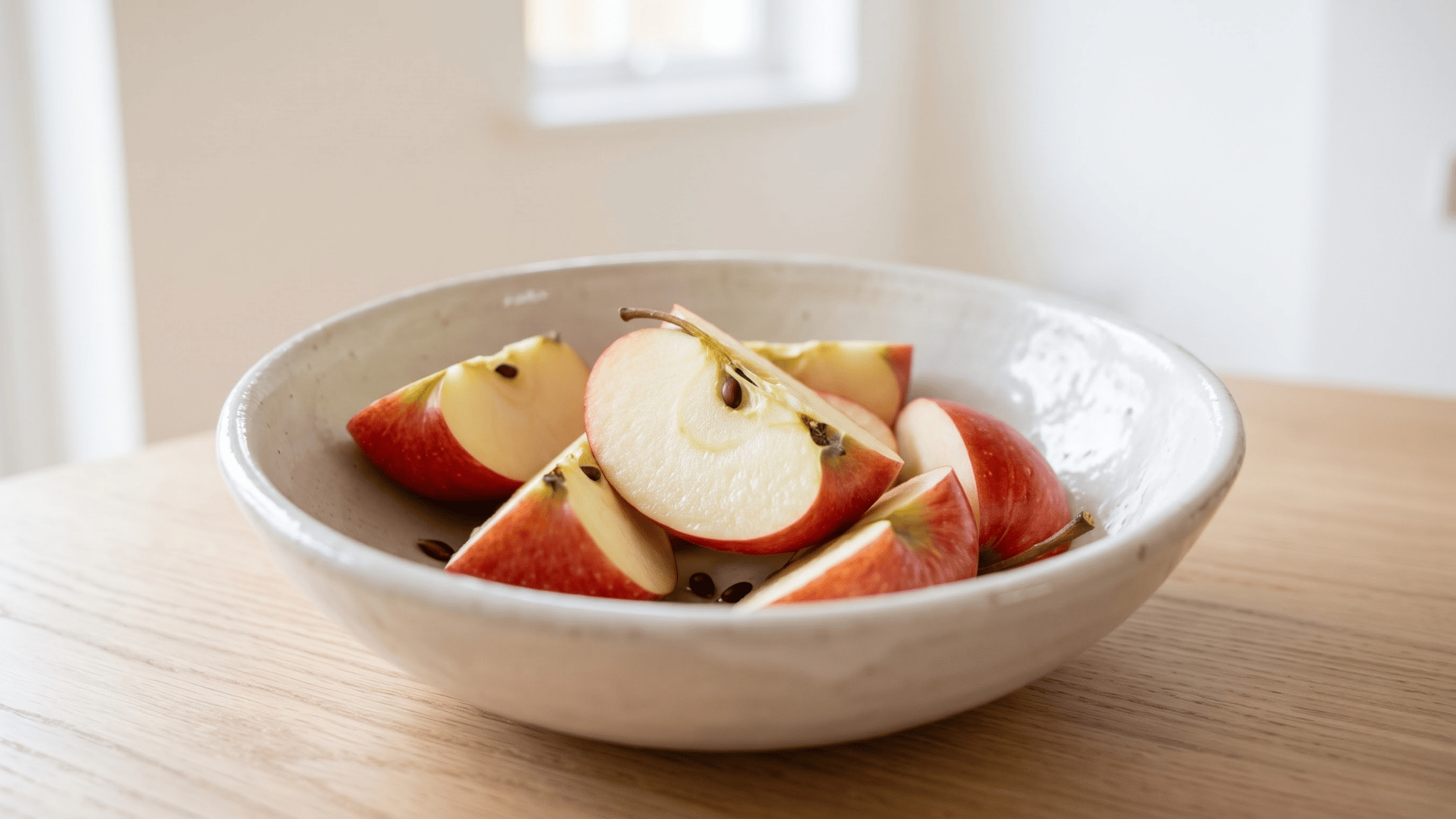
Apples are a convenient source of fiber and vitamin C, but their natural sugars contribute a significant amount of carbohydrates.
One medium apple can be difficult to work into a strict keto day without cutting carbs elsewhere.
7. Brown Rice
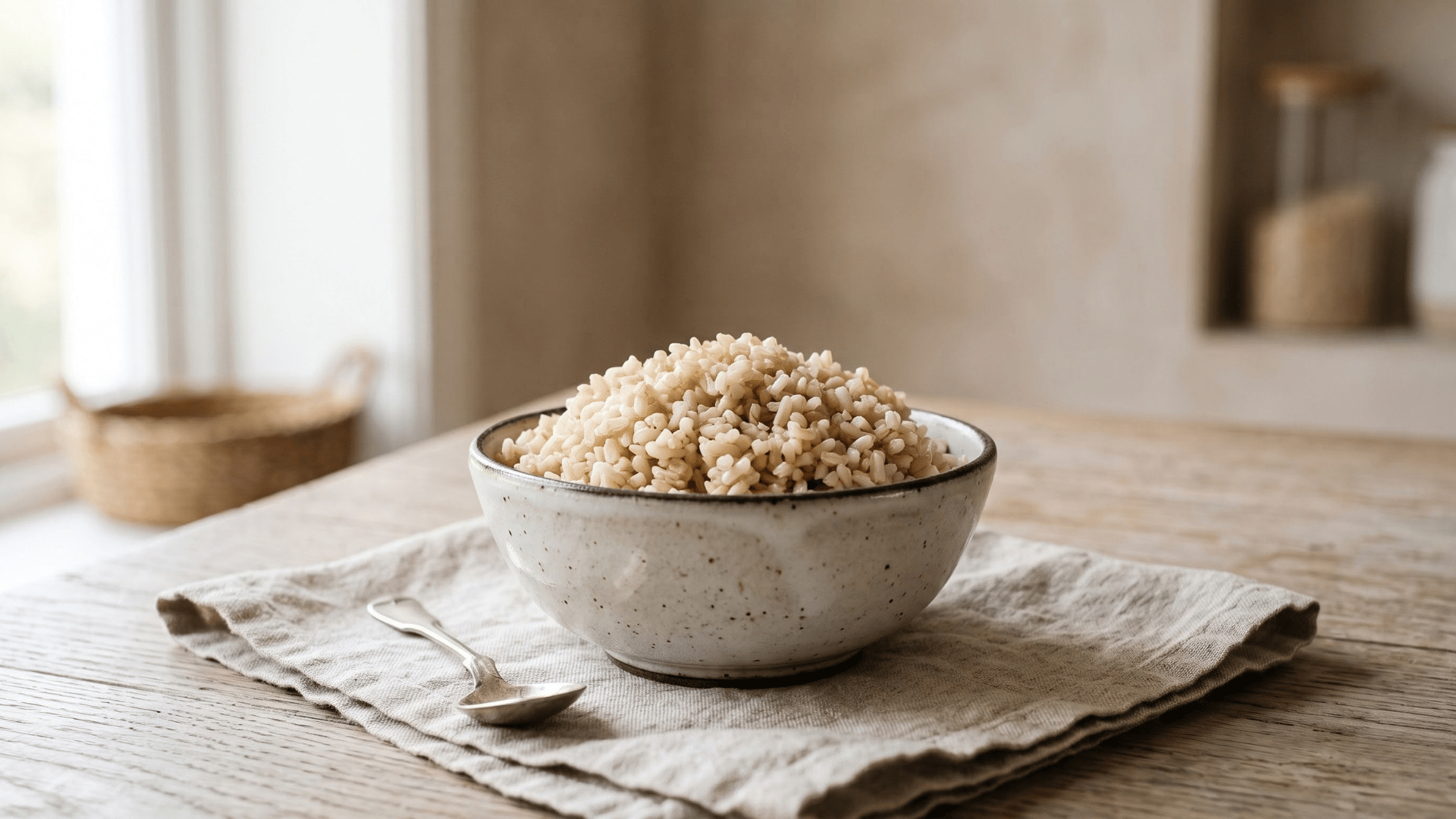
Brown rice may offer more fiber and nutrients than refined white rice, but it is still a high-carb grain. Even a modest serving can quickly raise your meal’s carbohydrate total, which is why keto meals usually rely on non-starchy substitutes.
How Do Lentils Compare With Other Legumes?
Lentils are not the highest-carb legume, but they are far from the lowest. Looking at equal cooked portions makes it easier to see which options fit a lower-carb or keto approach more comfortably.
|
Bean or Legume |
Net Carbs per ½ Cup Cooked |
Keto Consideration |
|---|---|---|
|
Lentils |
about 12 g |
A moderate-carb choice that can quickly use up a large share of a keto carb limit. |
|
Kidney beans |
about 11 g |
Very similar to lentils, so switching between the two does not make a major carb difference. |
|
Black beans |
about 12 g |
Nearly the same as lentils, making them another option that needs careful portion control. |
|
Pinto beans |
about 12 g |
Also close to lentils, so they are better suited to moderate low-carb plans than strict keto. |
|
Chickpeas |
about 16 g |
Higher in net carbs than lentils, which makes regular servings even harder to fit into keto. |
|
Edamame |
about 3–4 g |
A much lower-carb option that gives you more flexibility in a keto-style meal. |
|
Black soybeans |
about 1–3 g |
One of the lowest-carb choices, making them easier to include without using up your carb allowance quickly. |
Final Thoughts
Lentils do not have to be labeled as simply “good” or “bad” for your diet. What matters most is how they fit your overall eating pattern, your goals, and the foods you enjoy enough to stick with.
I prefer looking at lentils as a flexible ingredient rather than forcing them into one category.
If you are eating low carb, you may still find room for them in smaller amounts, while stricter keto plans may call for other choices.
Use the comparisons above to build meals that feel realistic, satisfying, and easier to maintain.
Frequently Asked Questions
Which Lentils Are Keto-Friendly?
No lentils are truly keto-friendly because all varieties contain notable carbs. Small portions may fit some keto plans, but strict diets usually limit them heavily.
What’s the Worst Carb for Belly Fat?
No single carb specifically causes belly fat. Frequently consuming excess calories from sugary drinks, sweets, and highly refined carbohydrates may contribute to weight gain over time.
Are Lentils a Better Carb Than Rice?
Lentils generally provide more fiber and protein than white rice, which can make them more filling. The better choice depends on your nutritional needs and overall diet.
Do Lentils Raise A1C?
Lentils contain carbohydrates, but their fiber and protein can help moderate blood sugar responses. A1C reflects average blood glucose over several months, not one specific food.