
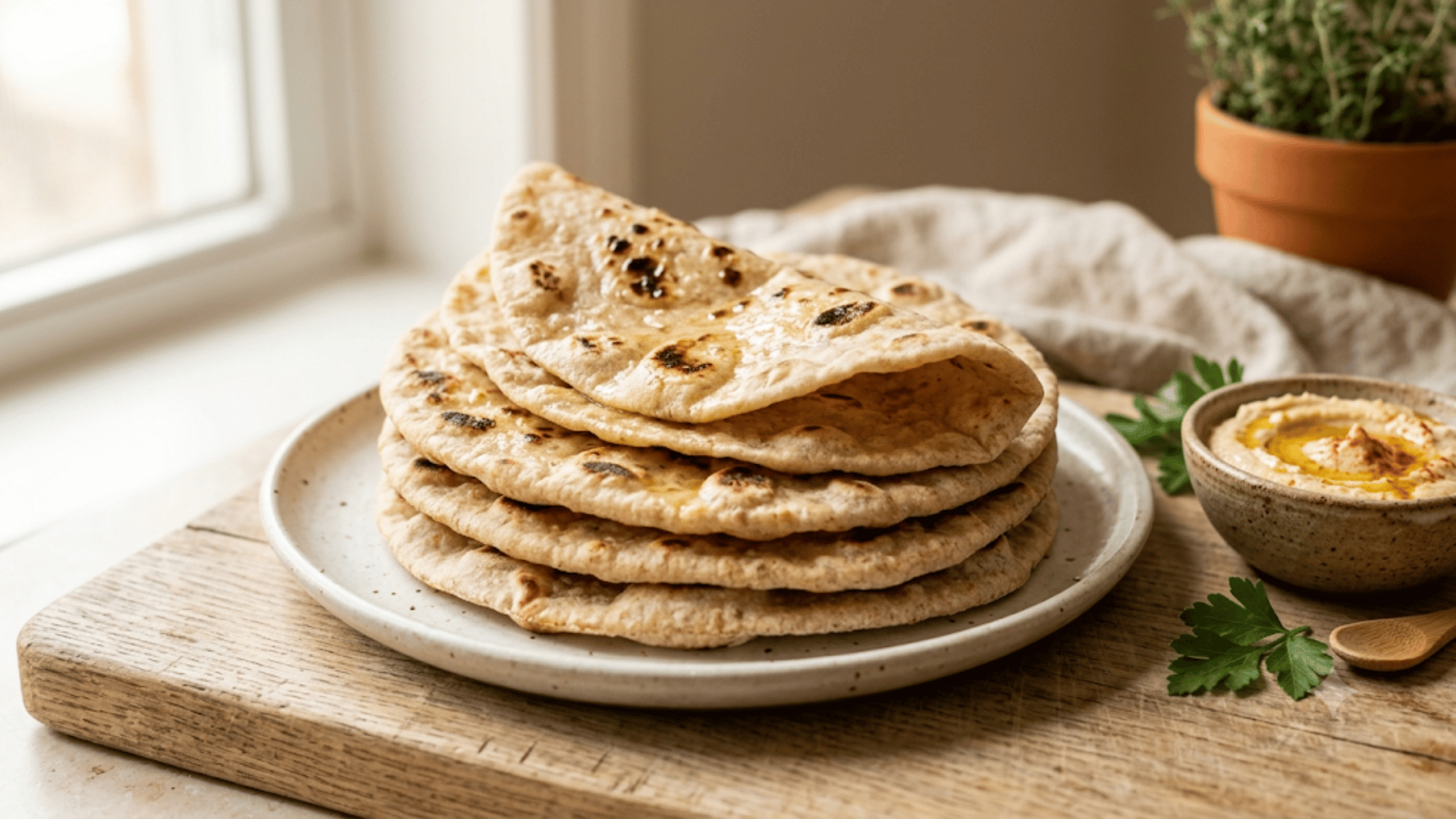
Some of my favorite meals start with a warm piece of flatbread and whatever’s waiting in the fridge. A little hummus, roasted vegetables, chicken, or even pizza toppings can quickly turn it into something worth sitting down for.
Finding that same soft, flexible texture without regular flour, though, can be tricky.
I wanted a gluten-free flatbread recipe that was simple enough for an ordinary weekday and versatile enough to serve in more than one way.
This one fits right in; you can fold it into a wrap, tear it into dips, pair it with soup, or turn it into a quick flatbread pizza.
Is Flatbread Gluten Free?
Traditional flatbread isn’t always gluten-free. Many common varieties use wheat flour, which naturally contains gluten. Flatbread refers to a broad group of breads rather than one specific recipe, so ingredients can vary.
Pita, naan, and other wheat-based flatbreads generally contain gluten. Gluten-free versions use alternatives such as certified gluten-free all-purpose flour blends instead.
If you’re buying packaged flatbread, always check the ingredient list and gluten-free labeling, especially if you need to avoid gluten due to celiac disease or gluten sensitivity.
Ingredients for Gluten-Free Flatbread
For 6 medium flatbreads, you’ll need:
-
2 cups (280 g) gluten-free all-purpose flour
-
2 teaspoons baking powder
-
1 cup (245 g) plain Greek yogurt
-
½ teaspoon salt
-
1 tablespoon olive oil
How to Make Gluten-Free Flatbread
|
Servings: 6 flatbreads |
Prep Time: 10 mins |
Cook Time: 15 mins |
Total Time: 25 mins |
1. Make the Dough
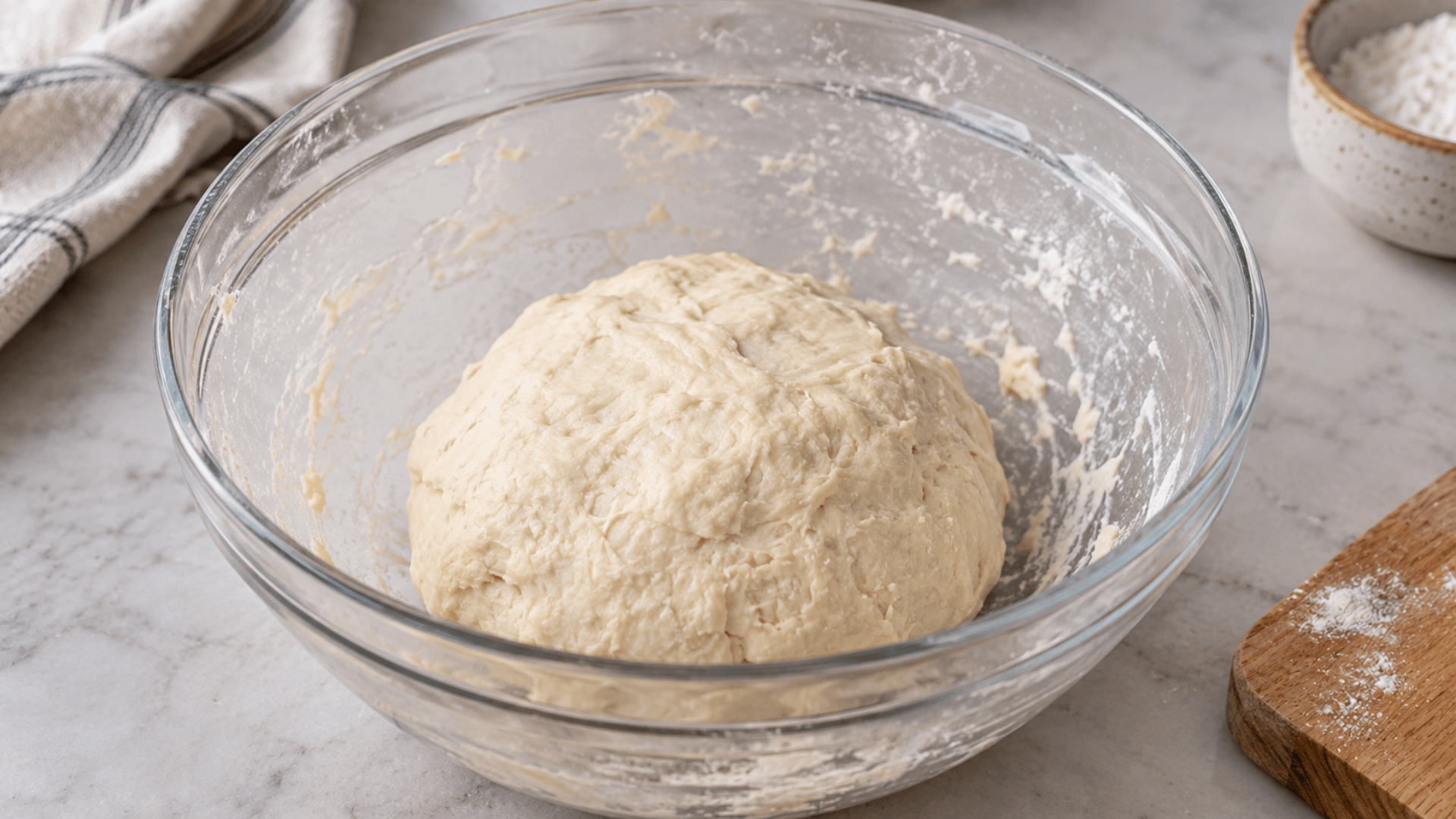
Whisk 2 cups gluten-free all-purpose flour, 2 teaspoons baking powder, and ½ teaspoon salt in a large bowl.
Add 1 cup Greek yogurt and 1 tablespoon olive oil, then mix until a shaggy dough forms. Bring it together gently by hand until soft and slightly tacky, but not sticky.
2. Divide the Dough
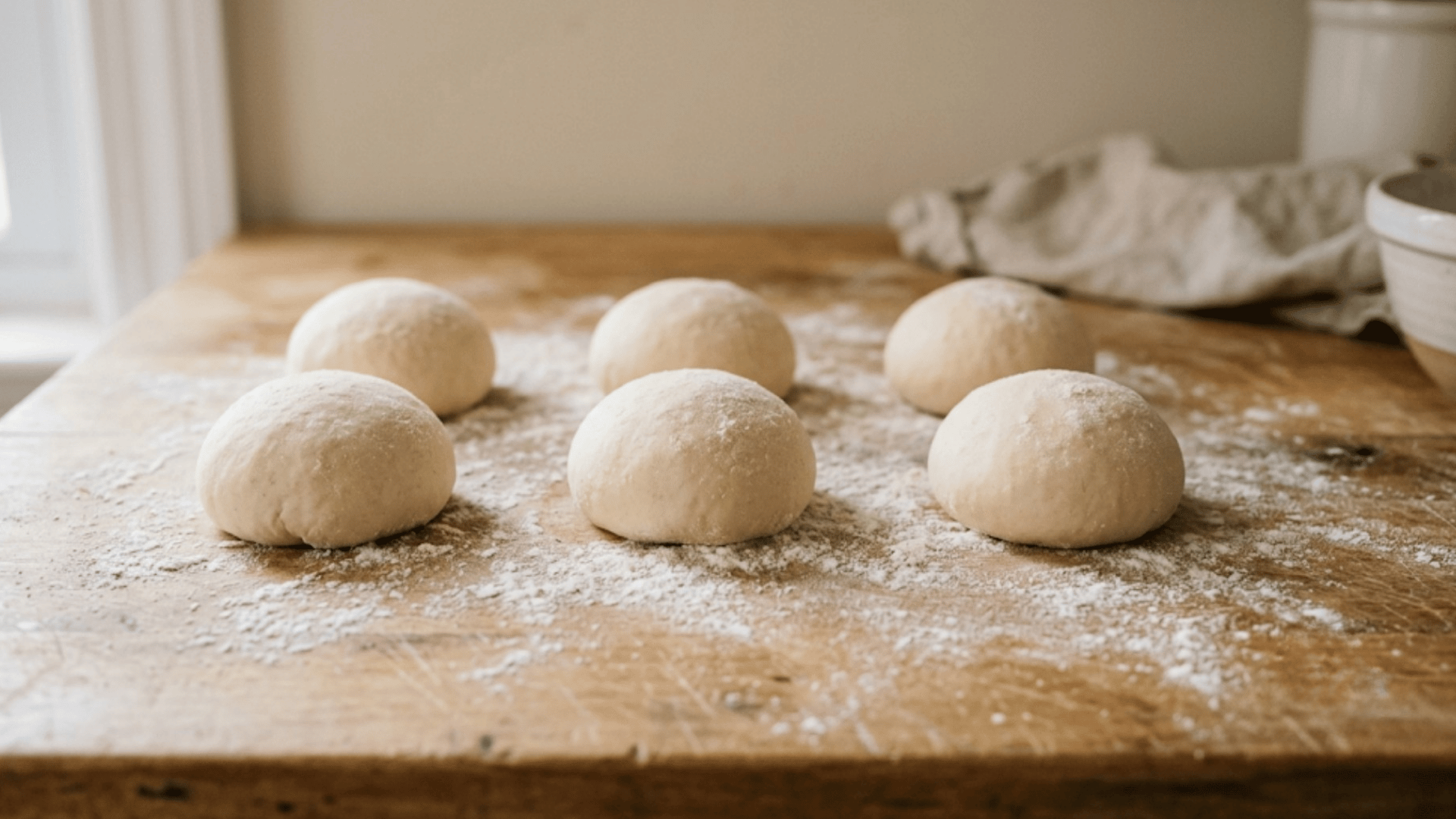
Place the dough on a lightly floured surface and divide it into 6 equal portions. Roll each portion into a smooth ball.
If the dough sticks to your hands, dust it lightly with more gluten-free flour rather than adding a large amount.
3. Roll the Flatbreads
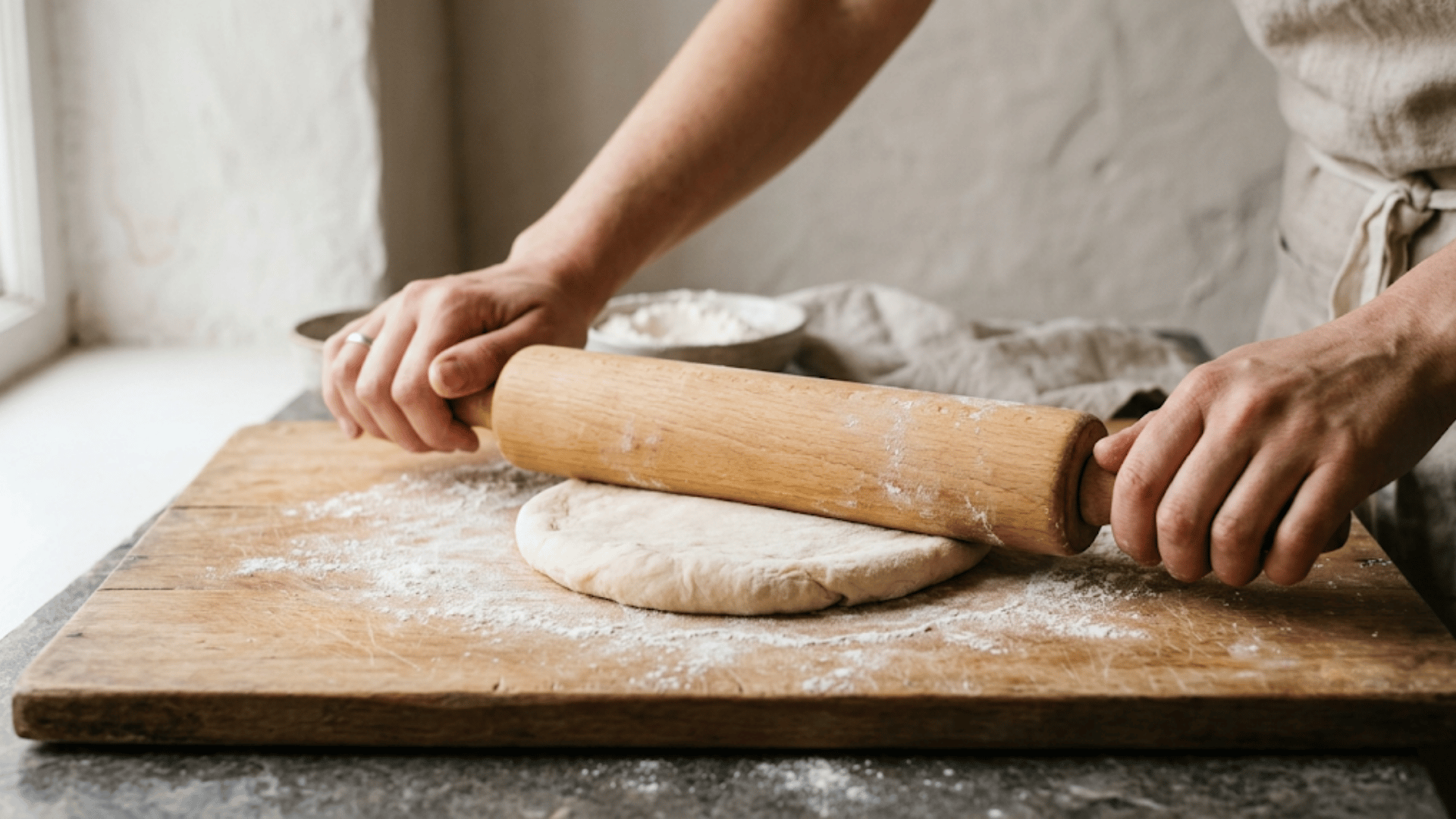
Flatten one dough ball with your palm, then gently roll it into a round about 6 inches wide. Lightly flour the surface and rolling pin as needed to prevent sticking.
Repeat with the remaining dough, keeping the portions covered while you work.
4. Cook in a Skillet
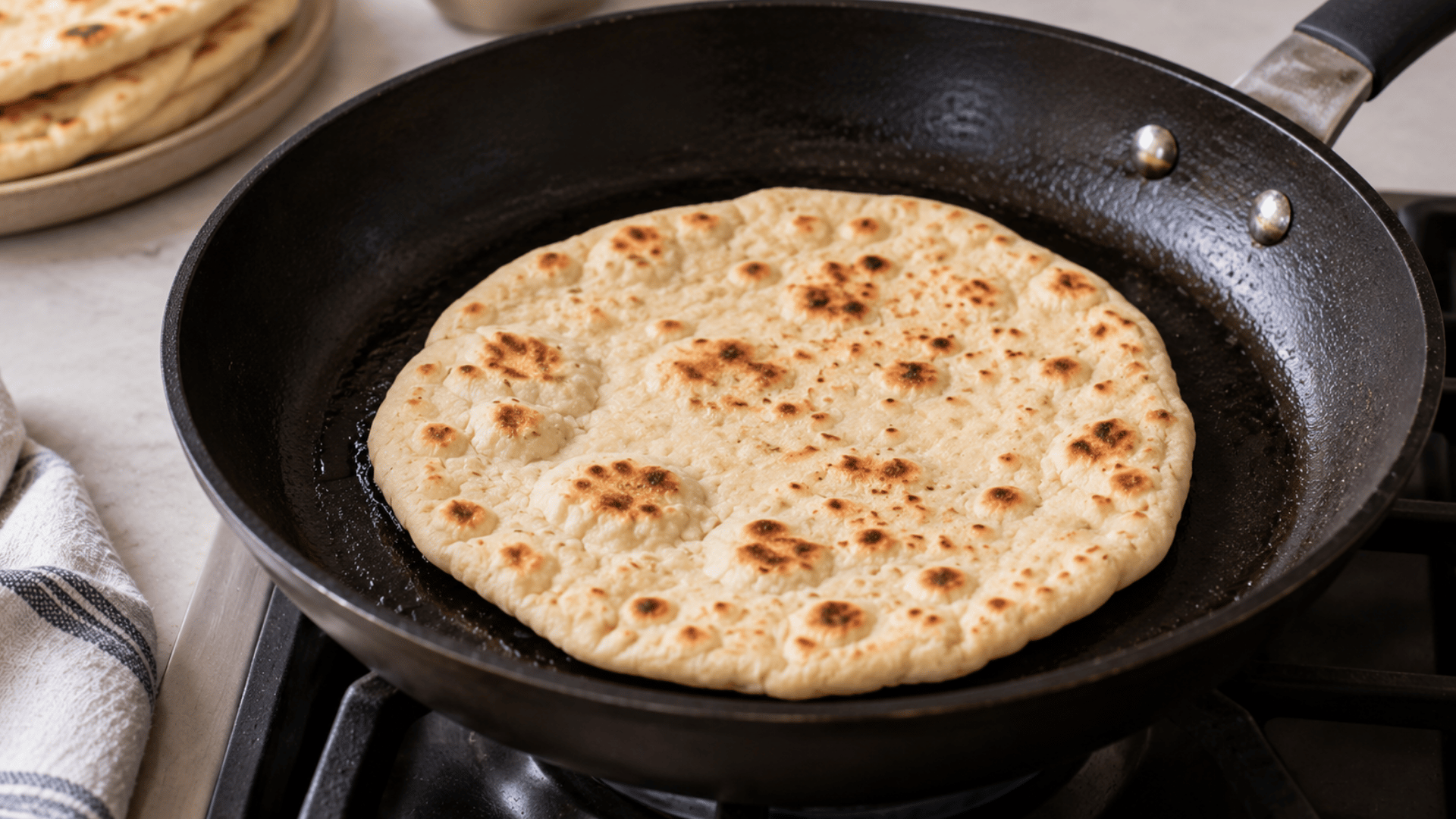
Heat a nonstick or cast-iron skillet over medium heat and lightly brush it with olive oil. Cook one flatbread at a time for about 2–3 minutes per side, flipping when bubbles appear and the underside develops golden-brown spots.
Adjust the heat if it browns too quickly.
Note: Transfer each cooked flatbread to a plate and immediately cover it with a clean kitchen towel. Stack the remaining flatbreads underneath the towel as they finish cooking.
Tips for Soft Gluten Free Flatbread
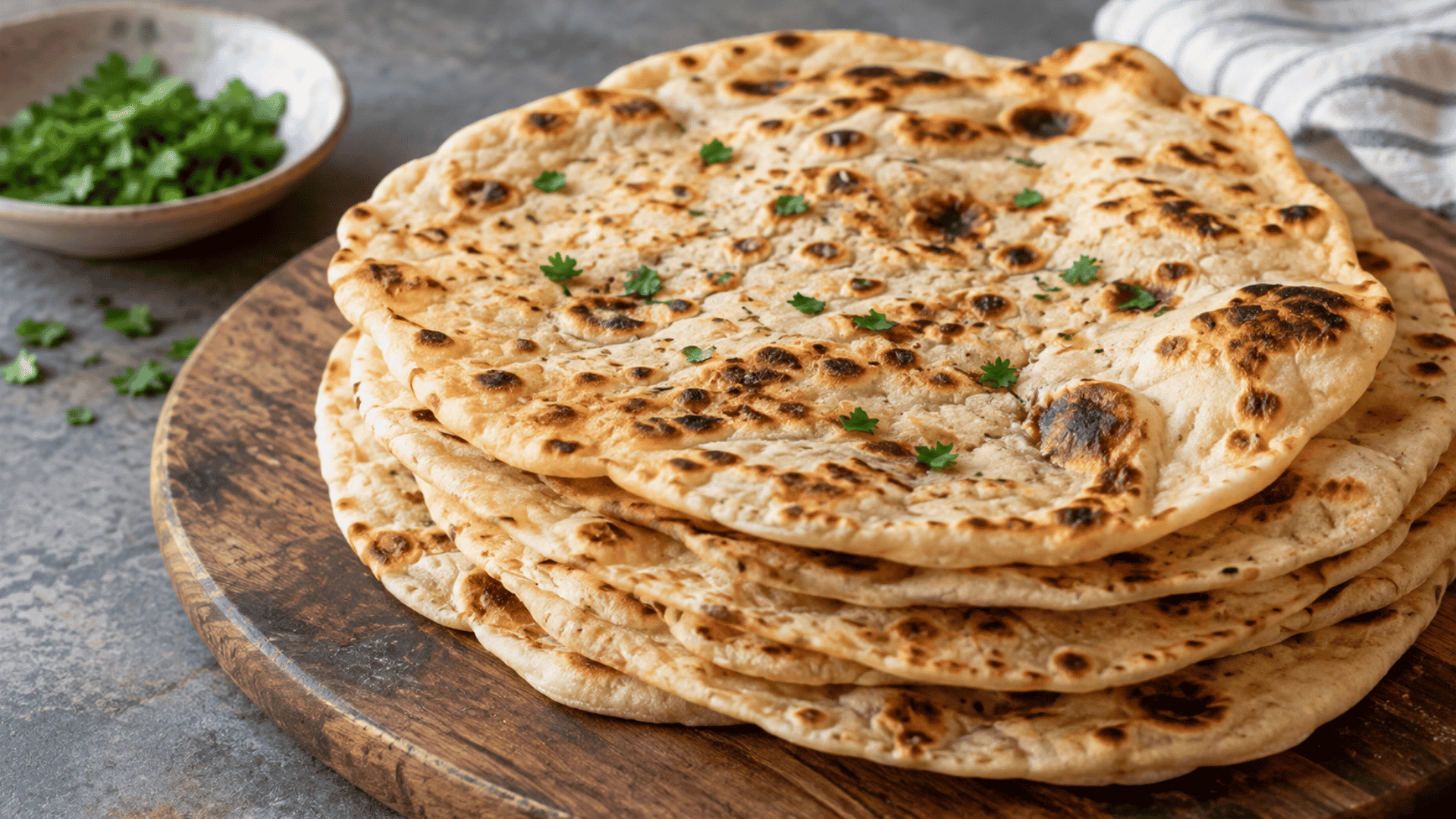
A few simple techniques can keep gluten-free flatbread soft and flexible instead of dry or crumbly.
-
Measure Flour Accurately: Too much flour can make the flatbread dry and dense.
-
Keep the Dough Soft: Aim for a soft, slightly tacky dough rather than a stiff one.
-
Flour Lightly: Use only enough extra flour to prevent sticking while rolling.
-
Don’t Roll Too Thin: Slightly thicker flatbreads retain moisture and stay softer.
-
Preheat the Skillet: A properly heated pan helps the bread cook quickly and evenly.
-
Avoid Overcooking: Remove the flatbread once both sides have light golden-brown spots.
-
Cover After Cooking: Stack warm flatbreads under a clean towel to help retain moisture.
Common Gluten-Free Flatbread Problems and Fixes
Small changes in moisture, flour, or cooking time can affect gluten-free flatbread. Use these quick fixes if the dough or cooked flatbread isn’t turning out as expected.
|
Problem |
Likely Cause |
Quick Fix |
|---|---|---|
|
Dough is too sticky |
Too much moisture |
Add flour gradually |
|
Dough cracks when rolling |
Dough is too dry |
Add a little yogurt |
|
Flatbread turns tough |
Overcooked |
Reduce cooking time |
|
Flatbread won’t puff |
Skillet isn’t hot enough |
Preheat the skillet |
|
Flatbread breaks when folded |
Too dry or rolled too thin |
Roll slightly thicker |
What to Serve With Gluten-Free Flatbread
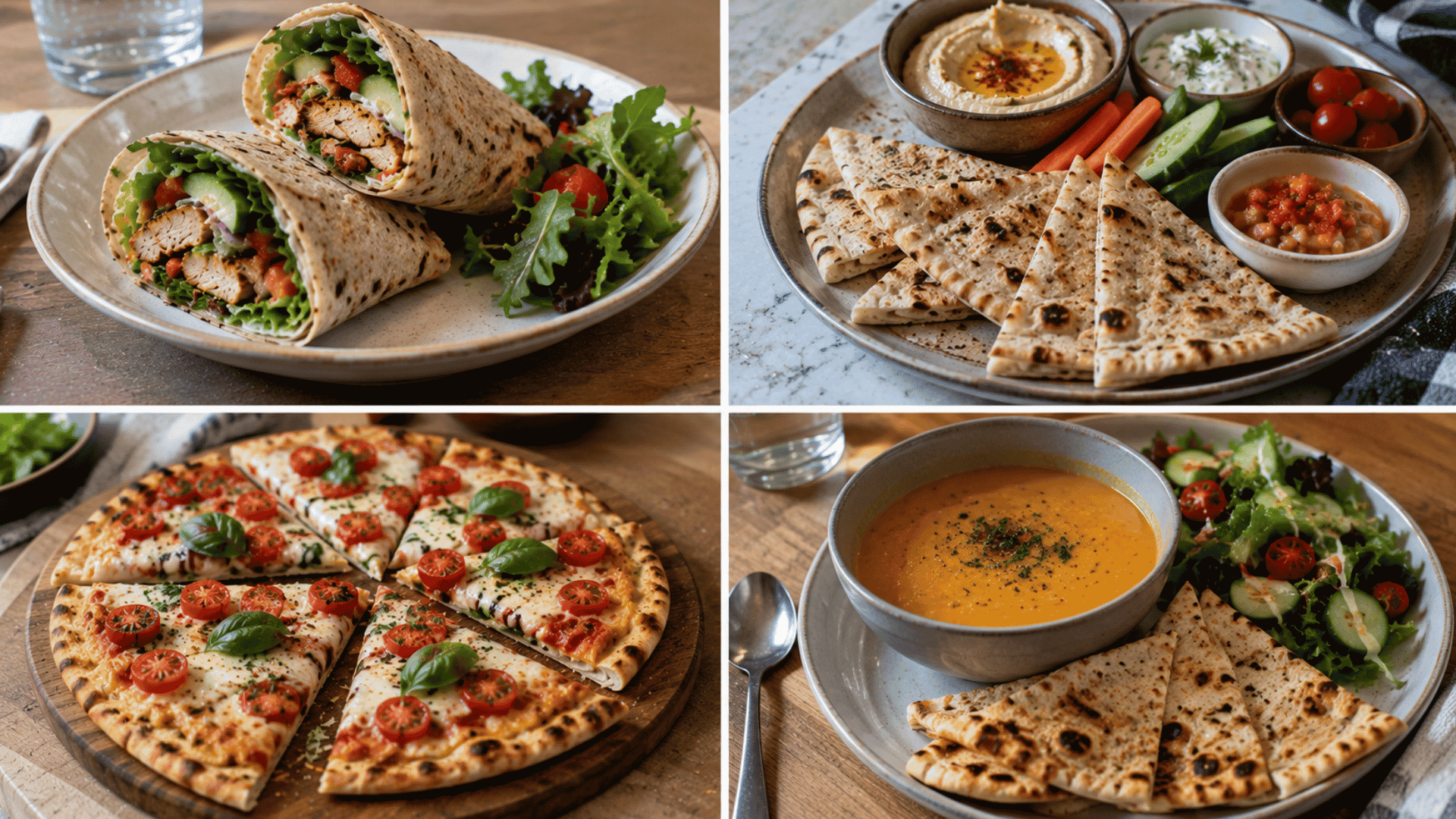
Gluten-free flatbread works with everything from dips and light lunches to hearty dinners. Here are some easy pairings:
-
Hummus and Dips
-
Curries
-
Grilled Chicken
-
Falafel or Gyros
-
Soups and Salads
-
Sandwich Wraps
-
Flatbread Pizza
How to Store Gluten-Free Flatbread
Let the flatbreads cool completely before storing them to prevent excess moisture from building up.
|
Storage Method |
How to Store |
|---|---|
|
Room Temperature |
Keep in an airtight container or sealed bag. |
|
Refrigerator |
Stack and store in an airtight container to prevent drying. |
|
Freezer |
Place parchment between each flatbread and freeze in a sealed freezer bag. |
To reheat: Briefly warm the flatbread in a skillet over low to medium heat. You can also microwave it under a slightly damp paper towel to help restore softness.
Wrapping Up
There’s a certain satisfaction in making something from scratch and seeing it come together right in your own kitchen. This is one of those recipes I’d happily keep in my regular rotation because it doesn’t ask for much fuss or planning.
Once you’ve made your first batch, you can start playing around with flavors and find your own favorite way to enjoy it.
Give the recipe a go, and let me know how your flatbreads turned out!
Frequently Asked Questions
Can I Make Gluten-Free Flatbread Without Yeast?
Yes, baking powder provides enough lift without yeast, so there’s no need to wait for the dough to rise before shaping and cooking the flatbreads.
Can I Make Gluten-Free Flatbread Without Yogurt?
Yes, thick dairy-free yogurt is a good substitute for Greek yogurt. If the replacement is thinner, add a little extra gluten-free flour until the dough is soft and manageable.
Can I Make This Flatbread Dairy Free?
Yes, replace Greek yogurt with an unsweetened dairy-free Greek-style yogurt. Choose a thick variety to keep the dough consistency and soft texture similar.
Can I Make Gluten-Free Flatbread Ahead of Time?
Yes, let the flatbreads cool completely, then store them in an airtight container. Reheat briefly in a skillet or microwave before serving to bring back their soft texture.