
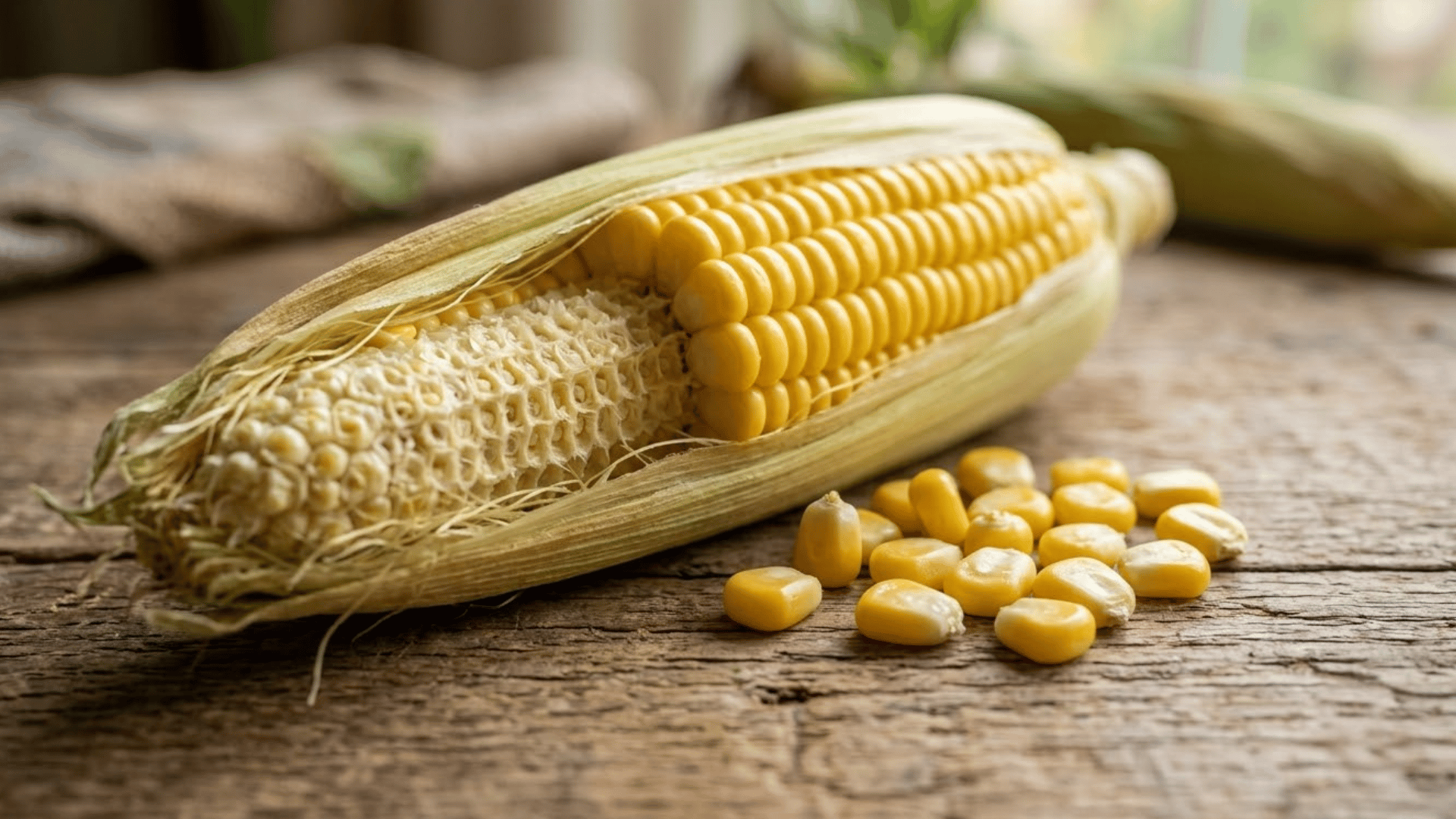
Corn is one of those foods that can make food groups more confusing than they need to be. You may eat it fresh from the cob, snack on it as popcorn, or find it in cornmeal and tortillas.
With so many forms, it is easy to ask: Is corn a vegetable or a grain? I find the confusion clears once you look at how corn grows, when it is harvested, and how it is prepared.
A few simple distinctions can make its classification much easier.
Is Corn a Vegetable or a Grain?
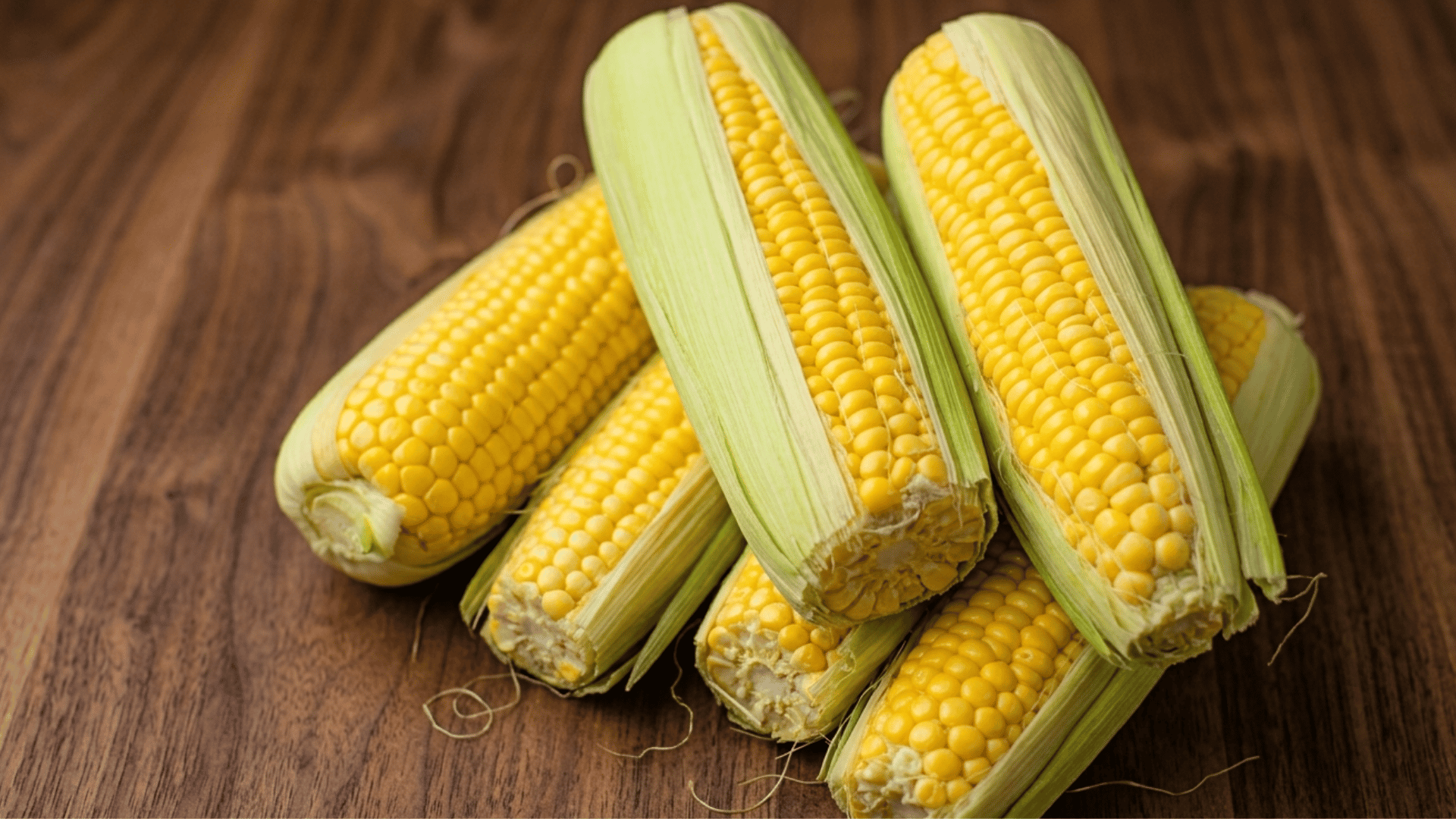
Corn can be both a vegetable and a grain, depending on when it is harvested.
-
Fresh sweet corn is picked while the kernels are still soft, juicy, and high in moisture, so it is classified as a starchy vegetable.
-
When corn stays on the plant until the kernels fully mature and dry, it is classified as a grain.
That is why corn on the cob belongs to a different food group than popcorn, cornmeal, or grits. The form and maturity of corn determine where it fits nutritionally
Corn Classification at a Glance
Corn fits into different food categories based on its maturity and form. This table shows how common types of corn are generally classified for eating.
|
Form of Corn |
Classification |
Why |
|---|---|---|
|
Fresh sweet corn |
Starchy vegetable |
Harvested while kernels are tender and moist |
|
Corn on the cob |
Starchy vegetable |
Usually eaten as immature sweet corn |
|
Frozen sweet corn |
Starchy vegetable |
Sweet corn preserved after harvest |
|
Canned sweet corn |
Starchy vegetable |
Sweet corn processed while still tender |
|
Dried field corn |
Grain |
Harvested after kernels fully mature and dry |
|
Popcorn |
Whole grain |
Mature dried kernels retain the whole grain components |
|
Whole-grain cornmeal |
Whole grain |
Ground from corn with the bran, germ, and endosperm |
Why Corn is Considered a Vegetable?
Corn is considered a vegetable when sweet corn is harvested before it fully matures. At this stage, the kernels have a high moisture content and are soft, tender, and naturally sweet.
Fresh corn on the cob is the most familiar example.
Plain frozen and canned sweet corn are also commonly grouped with vegetables because they are harvested at a similar stage.
Unlike lettuce, broccoli, or cucumbers, however, corn contains considerably more starch.
For this reason, nutrition classifications generally place sweet corn among starchy vegetables rather than non-starchy vegetables.
Why Corn is Considered a Grain?
Corn is considered a grain once the kernels fully mature and dry.
Instead of being picked while tender, grain corn stays on the plant longer until the kernels harden and contain much less moisture.
Corn also belongs to the grass family, Poaceae, which includes familiar cereal crops such as wheat, rice, oats, and barley.
Farmers can then dry, grind, pop, or process mature corn into foods such as cornmeal, grits, polenta, tortillas, and breakfast cereals.
Types of Corn
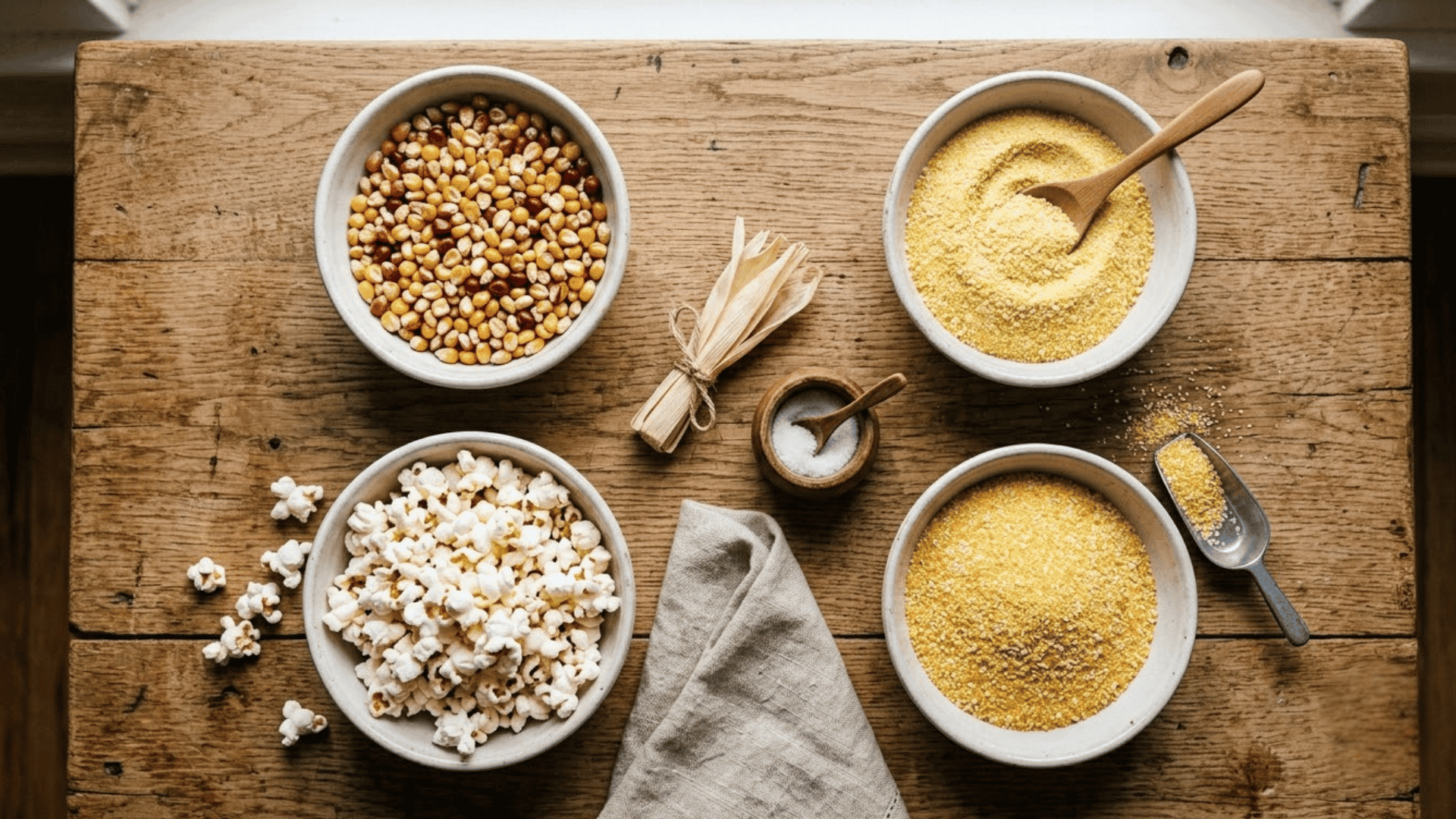
Corn comes in several varieties, and not all are grown for the same purpose.
1. Sweet Corn
-
Soft and juicy because it is picked before fully mature.
-
Commonly sold fresh, frozen, or canned.
-
Can be boiled, steamed, roasted, or grilled.
2. Dent Corn
-
Also called field corn.
-
Harvested after the kernels fully mature and dry.
-
Used for cornmeal, animal feed, and processed foods.
3. Flint Corn
-
Has hard kernels and comes in many colors.
-
Used for decoration or foods like hominy cornmeal and polenta.
4. Popcorn
-
Has a hard shell with a little moisture inside.
-
Heat creates steam and makes the kernel pop.
-
Because it is a mature, dried kernel, popcorn is a whole grain.
How Corn Compares With Other Vegetables and Grains
Corn shares some characteristics with starchy vegetables and others with cereal grains. Comparing it with familiar foods makes those differences easier to understand.
|
Food Type |
How It Compares With Corn |
|---|---|
|
Leafy vegetables |
Usually contain less starch and fewer carbohydrates than sweet corn |
|
Potatoes and peas |
Similar to sweet corn because they are also considered starchy vegetables |
|
Wheat and rice |
Similar to mature dried corn because all are cereal grains |
|
Oats and barley |
Like dried corn, they can be eaten in whole grain form |
|
Popcorn |
A whole grain made from mature dried corn kernels |
|
Refined grains |
Similar to some processed corn products that have parts of the whole kernel removed |
Is Corn a Fruit?
From a botanical perspective, corn is also considered a fruit. Each individual corn kernel develops from the ovary of a corn flower and contains a seed, which meets the botanical definition of a fruit.
More specifically, the kernel is a type of dry fruit called a caryopsis, where the seed coat is fused to the fruit wall.
Wheat, rice, and other cereal grasses produce this same type of fruit. This botanical definition explains the plant’s structure, rather than how corn is grouped or commonly served in everyday meals.
Conclusion
Understanding whether corn is a vegetable or a grain becomes much easier when you focus on its stage of maturity and how it is used.
Corn can fit into different food categories, which is why the same plant shows up in such varied foods. I find it helpful to think of corn as a flexible ingredient rather than forcing it into one label.
The next time you see corn on a menu or food label, check its form and processing.
Have a favorite way to eat corn? Share it in the comments.
Frequently Asked Questions
Is Corn Gluten Free
Yes, corn is naturally gluten-free. However, packaged corn products may be processed with gluten-containing ingredients, so check the label.
Is Corn Easy to Digest
Corn can be harder to fully digest because its outer coating contains cellulose, but chewing well and cooking it properly can make it easier to eat.
Is Corn Good for Weight Loss
Corn can fit into a weight-loss diet because it provides fiber and volume. Choose sensible portions and limit heavy butter, cheese, or sugary toppings.