
Cold brew is known for its smooth, mellow flavor and naturally low acidity, but that does not mean it has to be enjoyed only over ice.
Many coffee drinkers choose to heat up cold brew coffee when they want a warmer drink without giving up its signature taste.
The way cold brew is heated affects the final taste, with gentle warming preserving its balanced flavor better than high temperatures.
Understanding how to warm cold brew correctly, how it compares with traditional hot coffee, and the mistakes to avoid can help you get the best flavor from every cup.
Quick Answer: Can You Heat Up Cold Brew Coffee?
Yes, you can safely heat cold brew coffee if it has been brewed and stored properly.
Heating does not reduce its caffeine content or make it unsafe to drink. Warm it gently on the stovetop or in the microwave, and avoid boiling it because high heat can affect the flavor.
If you are using cold brew concentrate, dilute it with water before heating unless you prefer a stronger cup.
When heated, cold brew keeps much of its naturally smooth, low-acid taste, although some subtle flavor notes may fade.
The aroma becomes stronger, making it feel more like traditional hot coffee while still retaining the mellow character that sets cold brew apart.
How Does Heating Change Cold Brew?
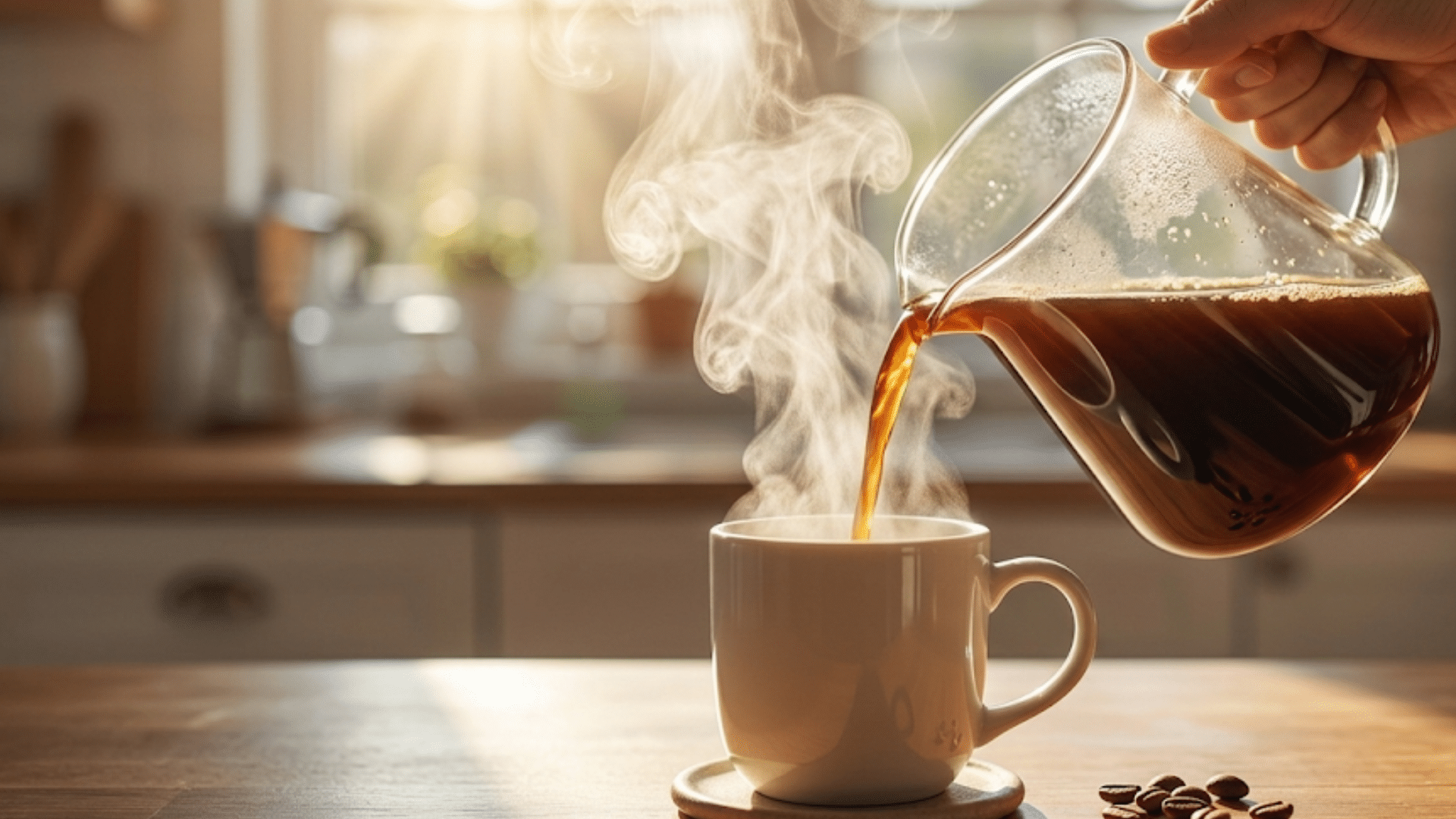
Heating cold brew does not turn it into regular hot coffee, but it does influence how the coffee tastes, smells, and feels. While its smooth character remains, warming can highlight or soften certain qualities.
1. Flavor and Sweetness
Cold brew is known for its naturally smooth flavor and mild sweetness because the coffee beansare extracted slowly in cold water.
When heated gently, it retains most of these qualities, although some fruity or chocolate notes may become less noticeable.
Warming it slowly over low to medium heat helps preserve the balanced flavor that makes cold brew different from regular hot coffee.
2. Aroma
Heating cold brew releases more volatile aromatic compounds, making the coffee smell richer and more inviting.
As the temperature rises, notes such as chocolate, caramel, nuts, or fruit become easier to notice, depending on the beans used.
While the aroma becomes stronger than when served cold, overheating can cause some subtle scents to disappear.
Gentle warming provides the best balance, allowing the coffee to develop a pleasant fragrance without losing the subtle aromas created during the cold brewing process.
3. Acidity and Bitterness
Cold brew remains lower in acidity than traditionally brewed hot coffee because of its cold extraction process.
Heating does not significantly increase its acidity, so it usually stays smoother on the stomach.
However, using very high heat or bringing it to a boil can make bitter compounds more noticeable and slightly dull the overall flavor.
Warming cold brew gradually instead of boiling helps maintain its mellow profile while preventing unnecessary bitterness from developing during the heating process.
4. Body and Mouthfeel
One reason many people enjoy cold brew is its smooth, full-bodied mouthfeel, and gentle heating generally preserves this characteristic.
The coffee still feels rich and easy to drink, although warming may make it seem slightly lighter than when served cold.
Heating slowly without boiling helps maintain the balanced, silky mouthfeel that makes cold brew enjoyable as a warm beverage.
Does Heating Affect Caffeine?
Heating cold brew does not significantly reduce or increase its caffeine content. The amount of caffeine stays almost the same because the temperatures used for warming are far below the point where caffeine breaks down.
Caffeine is a stable compound that remains intact during normal reheating on a stovetop or in a microwave.
If your drink feels stronger after warming, it is usually because the heat makes the aroma more noticeable, not because the caffeine has changed.
The biggest factor affecting caffeine is how the cold brew was prepared, including the coffee-to-water ratio, brewing time, and whether you are heating a ready-to-drink cold brew or a concentrated version diluted before serving.
According to MedlinePlus, caffeine is a naturally occurring central nervous system stimulant, and its effects depend on the amount consumed rather than how a beverage is reheated.
Heated Cold Brew vs Hot Coffee vs Cold Brew
Comparing heated cold brew with traditional hot coffee and unheated cold brew makes it easier to understand how the factors differ.
| Feature | Heated Cold Brew | Traditional Hot Coffee | Cold Brew |
|---|---|---|---|
| Brewing Method | Cold brewed, then heated | Brewed with hot water | Cold brewed, served cold |
| Flavor | Smooth, mellow | Bold, bright | Smooth, refreshing |
| Aroma | Rich, balanced | Strong | Mild |
| Acidity | Low | Higher | Low |
| Texture | Full-bodied | Light to medium | Smooth, light |
| Caffeine | Similar to cold brew | Varies by brew | Similar to heated |
| Best For | Warm, low-acid coffee | Bold coffee lovers | Refreshing iced coffee |
Tips to Keep the Best Flavor when Heating
A few simple practices can help preserve the smooth taste and aroma that make cold brew unique. Gentle heating and proper handling reduce the risk of losing its balanced flavor.
- Heat Slowly Over Low to Medium Heat
- Dilute Concentrate Before Heating
- Use Fresh Cold Brew
- Avoid Overheating
- Stir While Warming
- Serve Immediately
How to Heat Cold Brew Coffee?
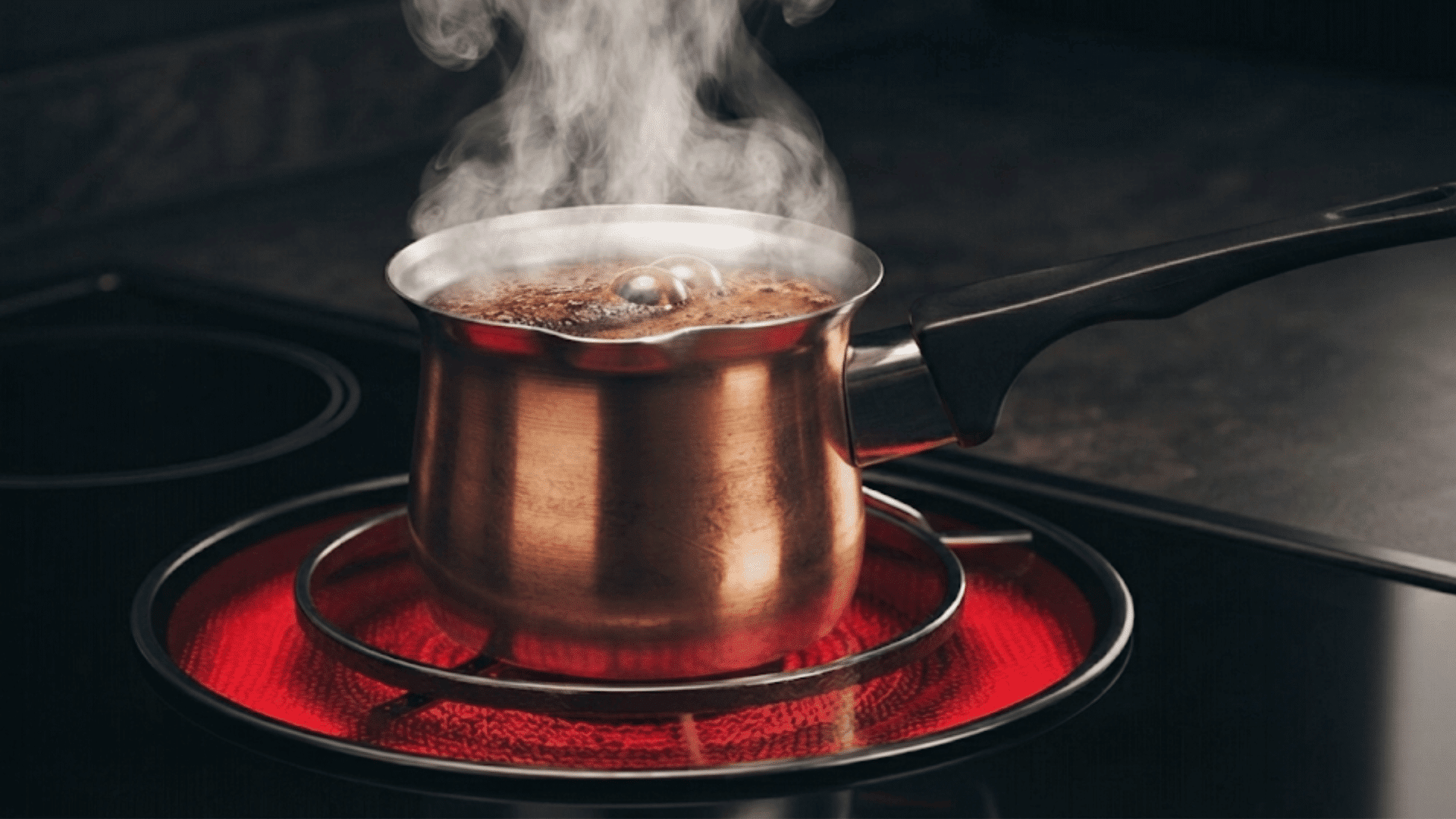
Heating cold brew correctly helps preserve its smooth flavor, balanced aroma, and naturally low-acid profile. The key is to warm the coffee gradually rather than exposing it to high temperatures.
1. Heat It on the Stovetop
The stovetop is one of the best ways to heat cold brew because it gives you complete control over the temperature.
Pour the desired amount into a small saucepan and warm it over medium-low heat, stirring occasionally to distribute the heat evenly.
Remove the coffee once it is hot enough to drink, but before it begins to simmer or boil.
This method helps preserve the smooth flavor, subtle sweetness, and pleasant aroma that make cold brew different from traditionally brewed hot coffee.
2. Use a Microwave
Heating cold brew in the microwave is a fast and convenient option when you only need a single serving.
Pour the coffee into a microwave-safe mug and heat it in 20- to 30-second intervals. Stir after each interval to prevent uneven heating and continue only until it reaches your preferred temperature.
Avoid heating it for too long or allowing it to boil, as excessive heat can reduce its smooth flavor and make the coffee taste slightly flatter or more bitter than intended.
3. Warm It in a Double Boiler
A double boiler provides gentle, indirect heat that helps protect the delicate flavor of cold brew. Fill the bottom pot with water and place the cold brew in the upper container or a heat-safe bowl.
As the water heats, the coffee warms gradually without direct contact with the heat source.
Although this method takes longer than others, it reduces the risk of overheating and helps retain the coffee’s smooth taste, balanced aroma, and naturally mellow character throughout the warming process.
4. Add Hot Water to Cold Brew Concentrate
If you have cold brew concentrate, adding hot water is often easier than heating the concentrate itself.
Heat fresh water separately until it is hot but not boiling, then mix it with the concentrate according to the recommended dilution ratio.
This method warms the coffee instantly while maintaining a balanced strength and smooth flavor.
It also reduces the risk of overheating the concentrate, making it an excellent choice for anyone who regularly prepares cold brew in concentrated form.
5. Use a Milk Frother or Steam Wand
If you own an espresso machine, a steam wand can warm cold brew quickly while maintaining a pleasant texture.
You can also use an electric milk frother designed to heat liquids without boiling them.
Both methods gently raise the temperature and can produce a slightly creamier mouthfeel, especially when milk is added.
Avoid steaming the coffee for too long, as excessive heat may dull its flavor. These methods work well for creating café-style hot cold brew drinks at home.
Common Mistakes to Avoid
A few simple mistakes can reduce the quality of heated cold brew. Avoiding these helps preserve its smooth flavor, aroma, and overall drinking experience.
- Use fresh cold brew for the best flavor and aroma.
- Heat only the amount you plan to drink.
- Remove it from the heat once it is warm.
- Stir gently to distribute heat evenly.
- Use clean cookware to avoid unwanted flavors.
- Add milk or cream after warming the coffee.
- Refrigerate leftover cold brew in a sealed container promptly.
Conclusion
Heating cold brew coffee is an easy way to enjoy a warm drink while preserving much of the smooth, naturally low-acid character that makes it popular.
The best results come from warming it gently, avoiding boiling, and choosing a heating method that suits your routine.
Although some subtle flavor notes may soften, the coffee retains its mellow taste and caffeine content.
If you prefer it black or with milk, heated cold brew offers a satisfying alternative to traditionally brewed hot coffee. With the right technique, you can enjoy a consistently great cup any time of year.
If you’ve tried heating cold brew, share your favorite method or tips in the comments below.
Frequently Asked Questions
Can You Freeze Heated Cold Brew Again?
It is best not to refreeze heated cold brew. Repeated temperature changes can reduce freshness, affect flavor, and increase the risk of bacterial growth if handled improperly.
Is Heated Cold Brew Good With Milk?
Yes, heated cold brew pairs well with dairy and plant-based milk. Adding milk after warming helps create a smoother, creamier drink without changing the coffee’s strength.
Can You Add Flavored Syrups to Heated Cold Brew?
Yes, flavored syrups dissolve easily in warm cold brew. Popular choices include vanilla, caramel, hazelnut, and cinnamon for a richer coffee experience.
How Long Does Cold Brew Concentrate Last After Opening?
Opened cold brew concentrate typically stays fresh for 7 to 10 days when refrigerated in a sealed container. Always check for off smells or unusual flavors before drinking.