
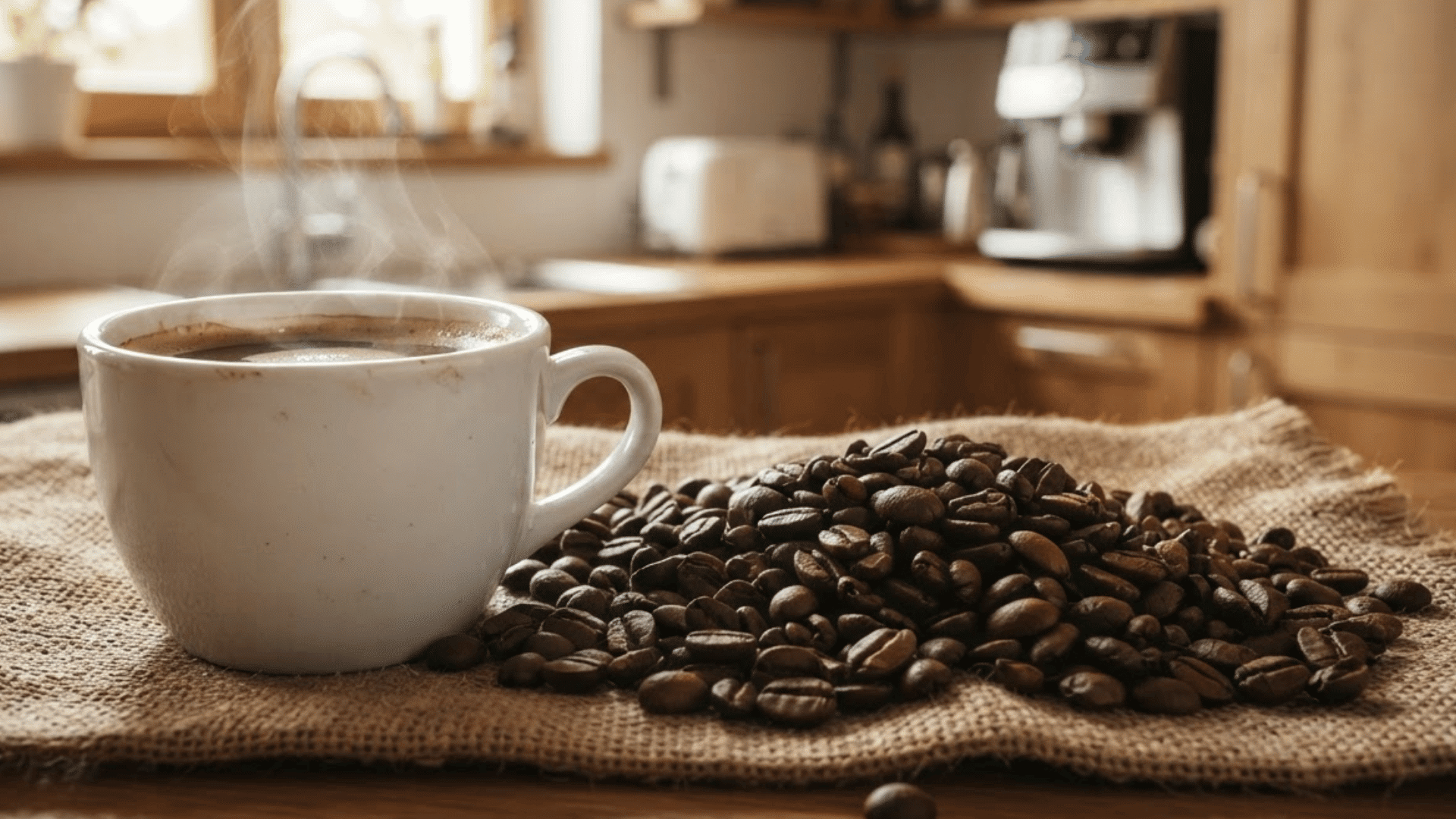
I used to think the word blend on a coffee bag was just another marketing term.
Then I started paying attention to how different coffees tasted, and I realised that a blend is often the reason one cup feels smooth and balanced while another tastes bright or bold.
If you’re curious about what is a coffee blend, it helps to know that every mix is created with a purpose.
The beans, their origins, and the way they work together all shape the final flavour. Once I understood that, choosing coffee became much easier, and every cup felt a little more intentional.
Quick Answer: What Is a Coffee Blend?
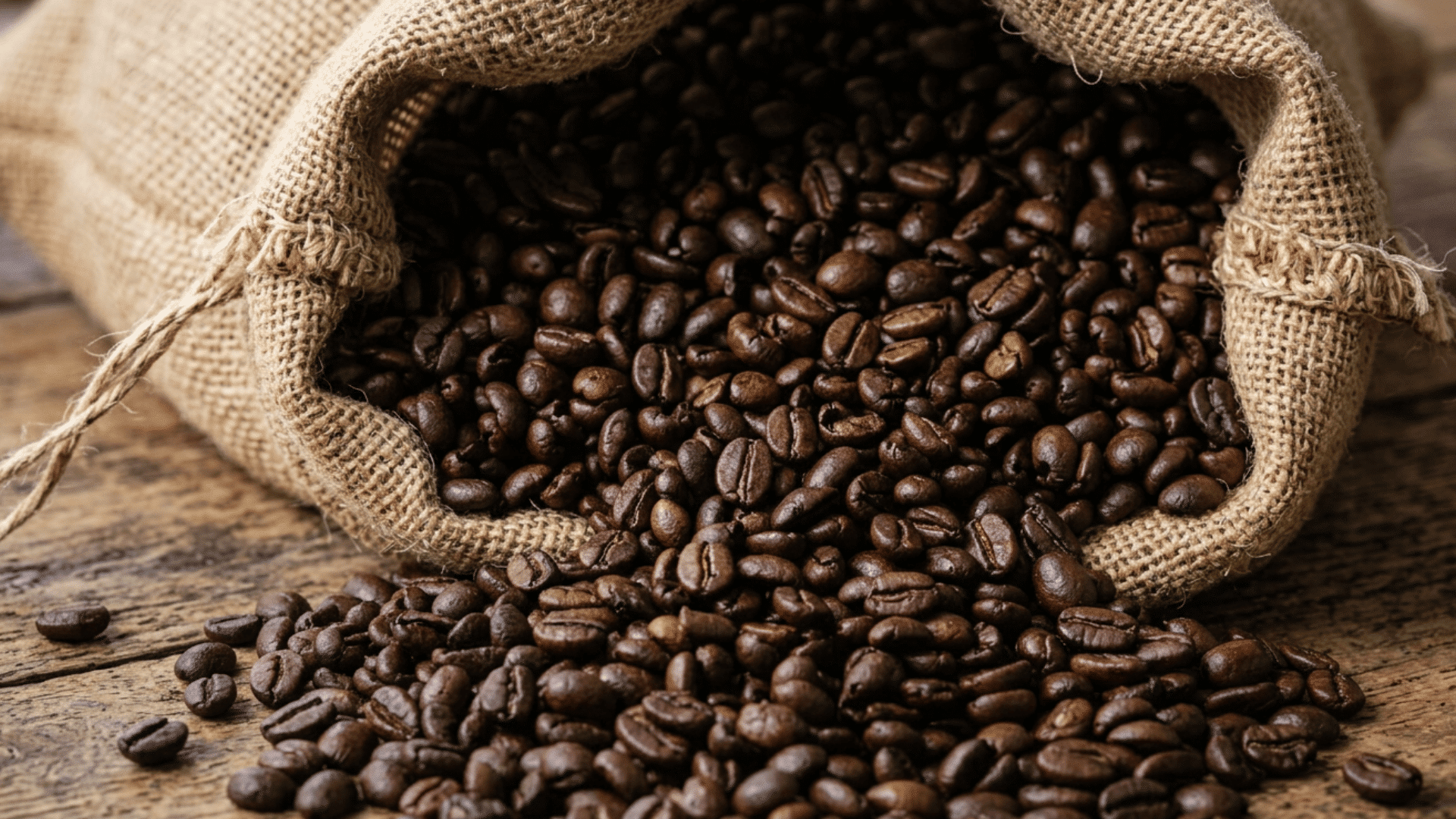
A coffee blend is a combination of two or more coffees mixed to create a balanced and consistent flavor.
Roasters select beans from different countries, regions, or farms because each one adds unique qualities to the final cup.
One coffee may provide sweetness, while another adds body, acidity, or aroma. Unlike single-origin coffee, a blend is crafted to deliver a reliable taste with every batch.
This makes blends a popular choice for espresso, house coffees, and everyday brewing.
Knowing how coffee blends are made and how they compare with single-origin coffees helps you understand what you’re buying.
It also makes it easier to choose a coffee that matches your taste preferences, brewing method, and everyday drinking style.
How Are Coffee Blends Created?
Coffee blending is a careful process that combines science, experience, and repeated testing. Each step helps create a coffee with the desired flavor.
- Choosing the Right Coffee Beans: Roasters select beans with complementary flavors and qualities. Each bean adds sweetness, acidity, body, or aroma.
- Finding the Right Blend Ratio: Different bean ratios are tested to achieve the desired flavor. Small changes can noticeably affect the final taste.
- Roasting the Beans: Beans are roasted together or separately based on their needs. The roast is chosen to create a balanced flavor.
- Tasting and Refining: Roasters cup each blend to check flavor, aroma, and balance. They adjust the recipe until it meets quality standards.
- Testing Brewing Methods: The blend is tested with espresso, drip, and other brewing methods. This ensures it performs well for its intended use.
- Maintaining Consistency: Roasters adjust blends as coffee harvests change. Regular quality checks keep the flavor consistent year-round.
Why Do Coffee Roasters Create Coffee Blends?
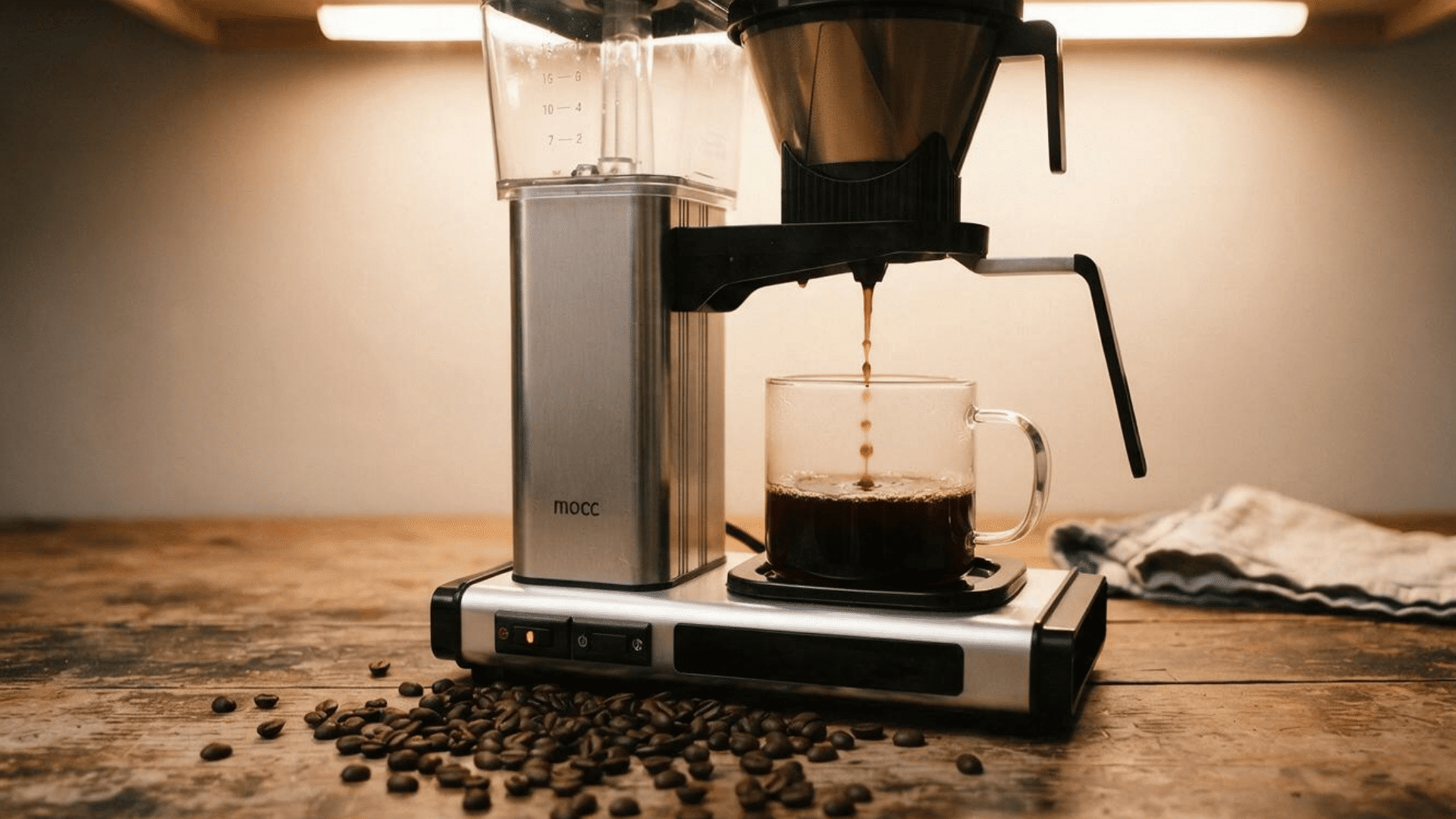
Coffee roasters create blends to produce coffees that are balanced, consistent, and suited to different brewing styles.
1. Create a Balanced Flavor
Roasters combine coffees with different flavor profiles to create a well-rounded cup. One bean may add sweetness, while another contributes bright acidity, rich body, or a pleasant aroma.
Blending allows these characteristics to work together instead of competing.
The result is a coffee with greater depth, balance, and consistency that appeals to a wider range of drinkers across different roast levels and brewing methods.
2. Maintain Consistent Taste
Coffee harvests naturally vary because of weather, growing conditions, and seasonal changes.
Roasters adjust the blend by replacing or rebalancing certain beans while keeping the overall flavor profile similar.
This helps customers enjoy the same familiar taste throughout the year instead of experiencing major differences between batches.
Maintaining consistency is especially important for popular signature blends that regular coffee drinkers expect to taste the same with every purchase.
3. Highlight Complementary Characteristics
Blending allows roasters to combine coffees that naturally enhance each other.
A bright, fruity coffee can add liveliness, while a chocolatey or nutty coffee provides richness and body.
Together, they create a more complete flavor experience than either coffee alone. Carefully selected combinations also improve aroma and finish, resulting in a balanced cup.
This showcases the strengths of each bean without letting one characteristic dominate the overall profile.
4. Improve Performance Across Brewing Methods
Different brewing methods extract coffee in different ways, so roasters often design blends for specific uses. Espresso blends usually emphasize body and sweetness, while drip coffee blends focus on clarity and balance.
Some blends are also crafted for cold brew, French press, or pour-over brewing.
By matching bean characteristics to brewing techniques, roasters create coffees that consistently deliver the desired flavor and texture.
5. Offer More Affordable Options
Blending gives roasters flexibility to combine premium beans with carefully selected cost-effective coffees without sacrificing overall quality.
This approach helps create flavorful products at different price points, making specialty coffee more accessible to a wider audience.
Customers can enjoy balanced, enjoyable coffee without paying the premium often associated with rare single-origin beans. Customers can still benefit from carefully crafted flavor profiles and dependable quality in every bag.
6. Meet Diverse Consumer Preferences
Coffee drinkers have different flavor preferences, ranging from mild and smooth to bold and full-bodied.
Roasters develop multiple blends to satisfy these varying tastes and brewing habits. Some blends emphasize sweetness and low acidity, while others highlight bright fruit notes or deep chocolate flavors.
Offering a variety of blends helps customers find coffees that match their personal preferences.
This makes it easier to choose a coffee that fits their daily routine and favorite brewing method.
Coffee Blend vs. Single-Origin Coffee
Both coffee blends and single-origin coffees offer excellent drinking experiences, but they are created with different goals in mind.
| Feature | Coffee Blend | Single-Origin Coffee |
|---|---|---|
| Bean Source | Combines two or more coffees from different countries, regions, or farms. | Comes from one country, region, estate, or farm. |
| Flavor Profile | Offers a balanced, smooth, and consistent flavor created by the roaster. | Highlights the unique flavors and characteristics of its specific origin. |
| Taste Consistency | Delivers a similar taste throughout the year with minimal variation between batches. | Flavor may vary between harvests due to seasonal and environmental changes. |
| Best Brewing Methods | Well-suited for espresso, drip coffee, and everyday brewing. | Ideal for pour-over, French press, AeroPress, and other manual brewing methods. |
| Availability | Widely available year-round because blends can be adjusted with similar coffees. | Often seasonal and available only during that specific harvest. |
Is Coffee Blend Better than Single-Origin Coffee?
Both coffee blends and single-origin coffees can be excellent choices. The right one depends on the coffee experience you’re looking for.
Coffee blends are ideal if you enjoy a familiar taste every time you brew a cup.
They work well for daily coffee drinkers and suit a wide range of brewing methods.
Single-origin coffees are better if you like trying new flavors and experiencing how coffee changes with different growing regions and harvests.
Many coffee enthusiasts enjoy keeping both at home for different occasions. Rather than choosing one over the other, think about what matters most to you.
Your taste preferences, brewing style, and drinking habits will help you decide which option is the better fit.
Common Types of CoffeeBlends
Coffee blends are crafted to suit different taste preferences, roast levels, and brewing methods.
| Coffee Blend | Flavor Profile | Best For |
|---|---|---|
| Breakfast Blend | Light to medium roast with a smooth, mild flavor, gentle acidity, and notes of nuts, citrus, caramel, or milk chocolate. | Morning coffee, drip brewing, and pour-over. |
| House Blend | Balanced sweetness, body, and acidity made from beans sourced from different origins. | Everyday drinking and multiple brewing methods. |
| Espresso Blend | Rich body, balanced sweetness, low acidity, with chocolate, caramel, or nutty notes. | Espresso, lattes, cappuccinos, and moka pots. |
| Dark Roast Blend | Bold, full-bodied coffee with lower acidity and dark chocolate, toasted nut, or smoky flavors. | Strong coffee lovers and espresso or French press. |
| Seasonal Blend | Limited-edition blends featuring fresh harvests with bright fruity or rich chocolatey flavors. | Trying unique coffees throughout the year. |
| Decaf Blend | Smooth, balanced coffee with minimal caffeine while retaining body and aroma. | Evening drinking or reducing caffeine intake. |
| Specialty Coffee Blend | Premium-quality blends with complex notes like berries, cocoa, honey, or stone fruits. | Coffee enthusiasts seeking high-quality flavor. |
How to Choose the Right Coffee Blend?
Choosing the right coffee blend is easier when you know what to look for. Find a coffee that matches your taste and brewing style.
- Choose the Right Roast Level: Light roasts are brighter, medium roasts are balanced, and dark roasts are bolder. Pick the roast that suits your taste.
- Read the Flavor Notes: Look for notes such as chocolate, caramel, nuts, citrus, or berries. They give you an idea of the coffee’s natural flavor.
- Match the Blend to Your Brewing Method: Some blends are made for espresso, while others work better for drip coffee or French press.
- Look for a Recent Roast Date: Freshly roasted coffee usually has better flavor and aroma. Check the roast date before you buy.
- Choose Whole Beans or Ground Coffee: Whole beans stay fresh longer and offer better flavor. Ground coffee is a convenient choice for everyday brewing.
- Start With a Small Bag: Try a smaller bag or variety pack first. It helps you find a blend you enjoy before buying more.
Conclusion
Coffee offers a wide range of flavors, and understanding coffee blends helps you make more confident choices.
Instead of relying on the label alone, you can look at the roast level, flavor notes, and intended brewing method to find a blend that suits your preferences.
With a little knowledge, choosing coffee becomes simpler and more enjoyable. Now that you know what a coffee blend is and what makes it unique, you’re ready to choose the one that best fits your taste.
Try a few different blends, compare their flavors, and enjoy discovering the coffees that make every cup one you’ll look forward to.
Frequently Asked Questions
Can Coffee Blends Be Made with 100% Arabica Beans?
Yes. Many coffee blends use only Arabica beans from different origins. Roasters combine them to create specific flavor profiles without adding Robusta beans.
Are Coffee Blends Roasted Before or After Mixing?
Both methods are used. Some roasters blend green beans before roasting, while others roast each coffee separately and combine them afterward.
Do Coffee Blends Have More Caffeine?
Not always. Caffeine depends on the bean species and blend recipe. Blends made entirely with Arabica usually contain less caffeine than those including Robusta.
How Long Do Coffee Blend Beans Stay Fresh?
Whole coffee beans usually taste best within two to four weeks after roasting when stored in an airtight container away from heat, light, and moisture.