
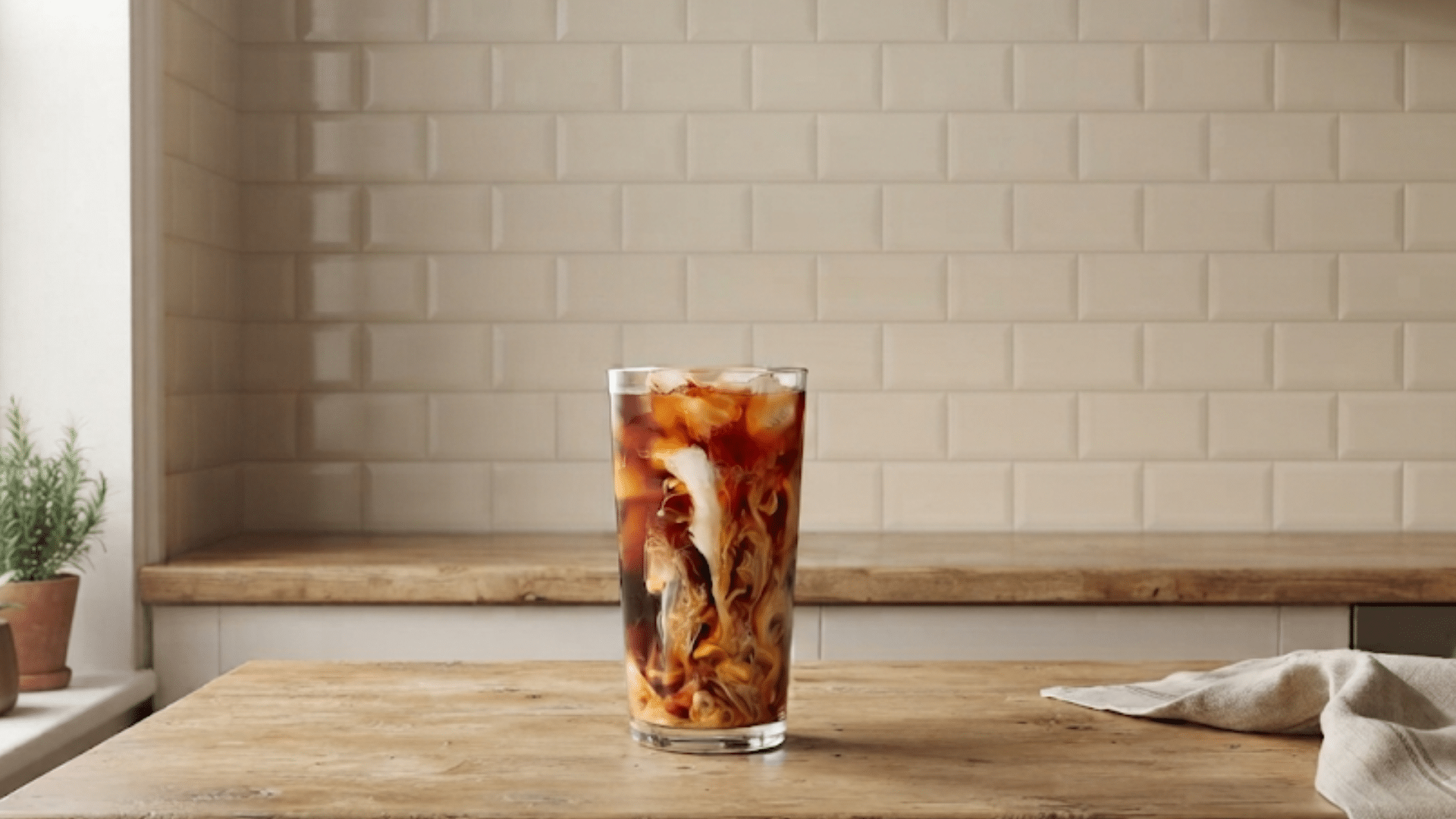
Great cold brew starts with patience, not expensive equipment. A simple overnight brewing method creates a smooth, less acidic coffee that is easy to customize at home.
This cold brew coffee recipe uses coarse coffee grounds, steeped in cold water for several hours, then filtered into a rich concentrate.
Making it yourself gives complete control over the coffee-to-water ratio, brewing strength, sweetness, and serving style.
Once the concentrate is ready, it can be used to make a variety of refreshing cold brew coffee drinks with milk, cream, flavored syrups, or spices. Keep reading to learn each step and brew with confidence.
What Is Cold Brew Coffee?
Cold brew coffee is coffee made by steeping coarse coffee grounds in cold water for 12 to 24 hours, then filtering the mixture to create a smooth, concentrated brew.
Unlike iced coffee, which is brewed hot and then cooled over ice, cold brew uses time rather than heat to extract flavor from the beans.
This slower extraction produces a naturally smoother taste, lower perceived acidity, and a richer, more concentrated texture.
Ingredients and Equipment Needed
- 1 cup coarse ground coffee beans
- Cold or room-temperature filtered water
- Large jar or pitcher
- Fine mesh strainer
- Coffee filter
- Measuring cups
- Airtight container or bottle for storage
How to Make Cold Brew Coffee?
Making cold brew at home is simple and requires only coffee, water, a jar, and patience. Follow these steps for a smooth, refreshing, low-acid drink every time.
Step 1: Choose and Grind Coffee Beans
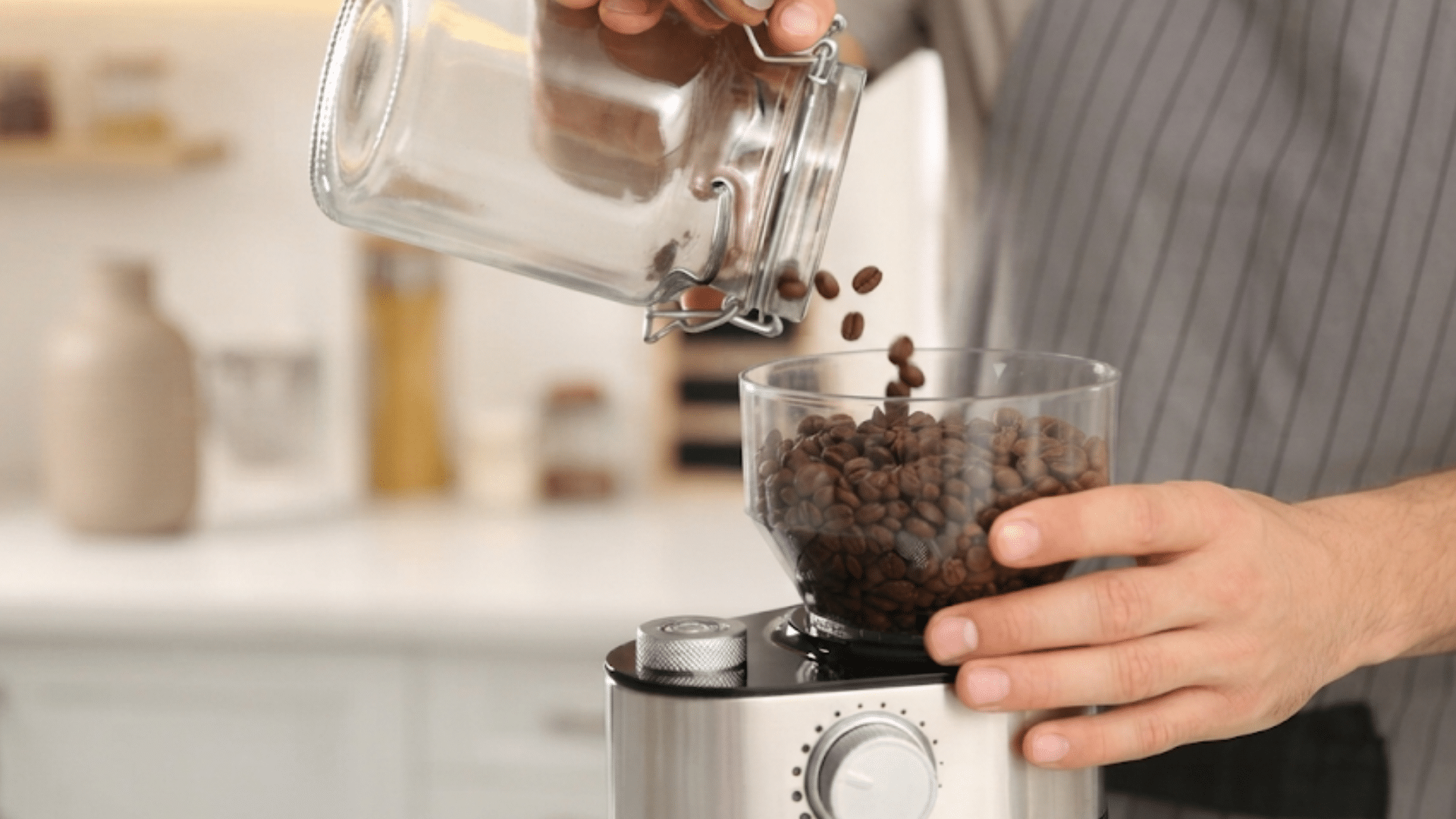
Start with freshly roasted medium- or dark-roast coffee beans for a rich, chocolatey flavor that works well in cold brew.
Light roasts can also be used if you prefer brighter, fruitier notes.
Grind the beans to a coarse consistency, similar to raw sugar or coarse sea salt, because fine grounds can over-extract and create bitterness.
For a balanced batch, use about 1 cup of coarse coffee grounds.
A consistent coarse grind helps produce a smoother, cleaner-tasting brew. If you want to reduce caffeine intake, you can also try decaf coffee optionswhile still enjoying the smooth taste of homemade cold brew.
Step 2: Mix Coffee Grounds and Water Using the Right Ratio
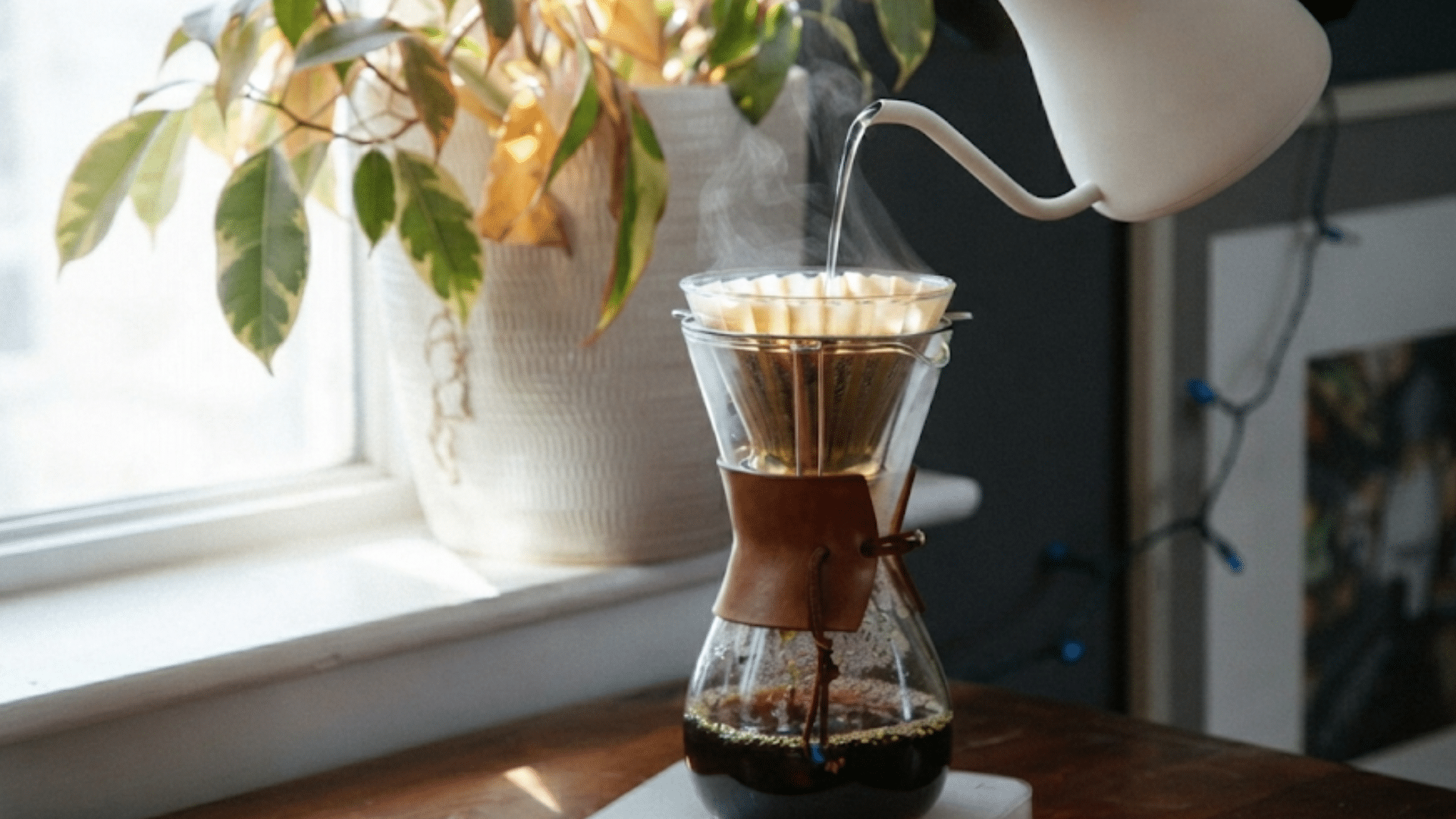
Combine the coffee grounds with cold, filtered water using the ratio that matches your preferred strength. For a concentrate, mix 1 cup of coarse coffee grounds with 4 cups of water.
Stir gently until every grain is fully saturated, making sure no dry pockets remain.
Proper mixing allows even extraction and produces a balanced cold brew with consistent flavor throughout the entire batch.
Note: For a ready-to-drink version, use a lighter ratio such as 1:8.
Step 3: Steep the Coffee for the Right Amount of Time
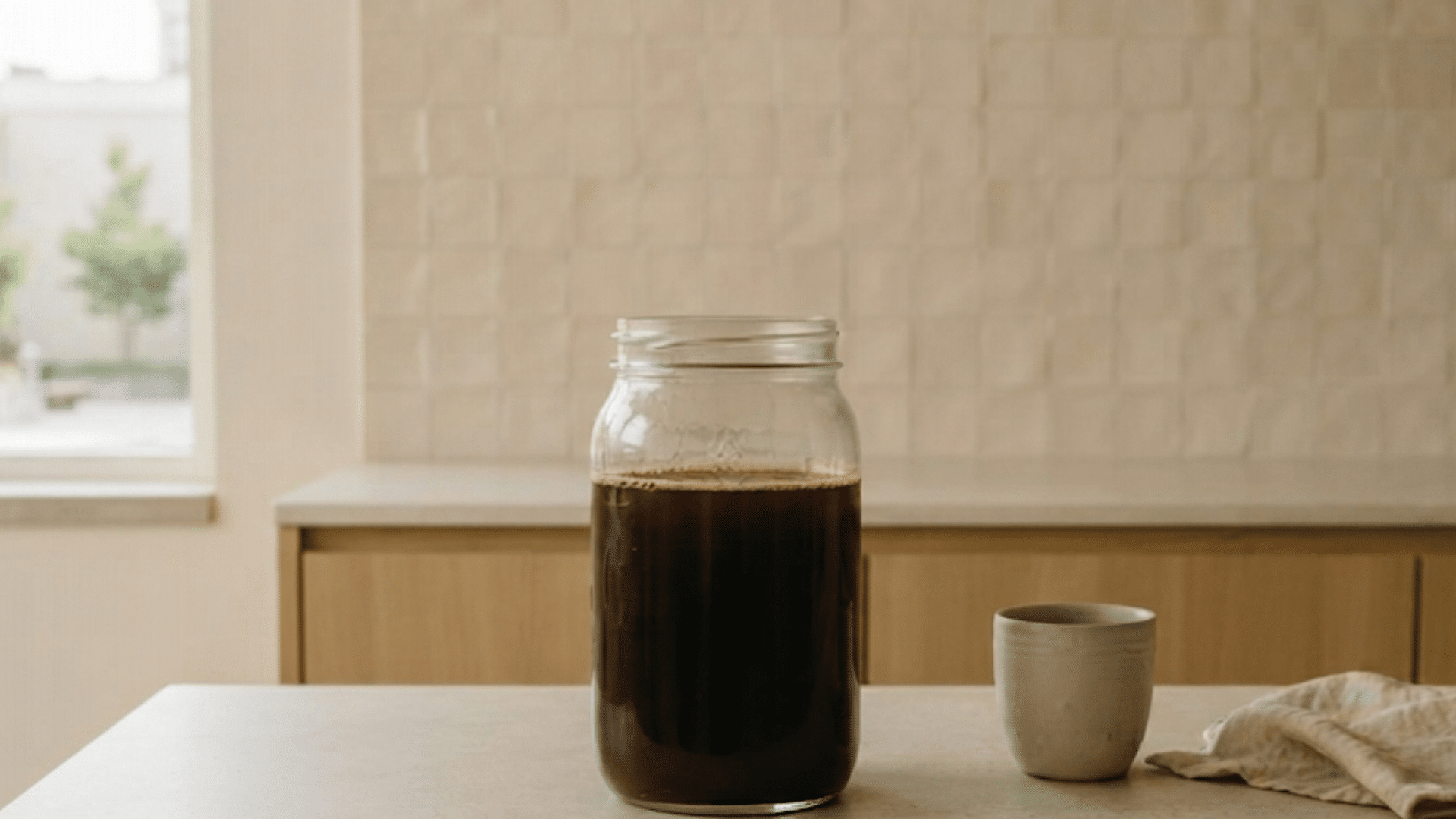
Cover the container and let the coffee steep for 12 to 24 hours. A shorter steep produces a lighter, milder flavor, while a longer steep creates a stronger, more concentrated brew.
Room-temperature steeping works briefly, but refrigeration delivers more consistent results and better freshness.
Cover the container and let the coffee steep for 12 to 24 hours. While longer steeping is commonly used for cold brew.
Research by the University of California, Davis on cold brew extraction time suggests that factors like brew temperature and roast level can also influence the final flavor profile.
The coffee is ready when it has a deep brown color, a smooth aroma, and a rich flavor without excessive bitterness or harsh acidity.
Step 4: Strain the Cold Brew Concentrate
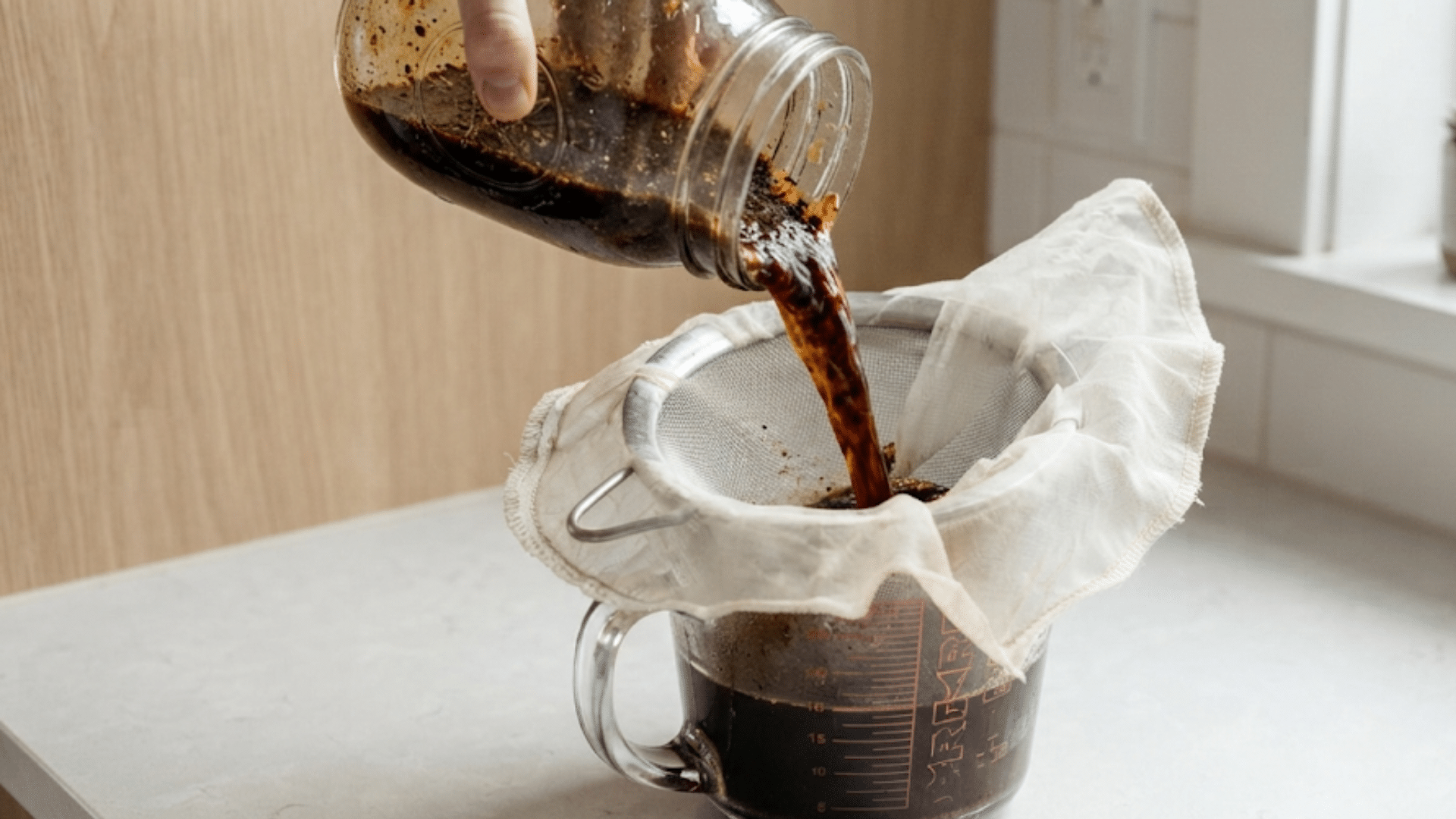
After steeping, pour the mixture through a fine-mesh strainer lined with cheesecloth or a paper coffee filter to remove all coffee grounds.
If needed, strain the coffee a second time for an even cleaner finish. Avoid pressing the grounds too hard because this can force fine particles into the brew, making it cloudy or gritty.
Careful filtration creates a smooth, clean concentrate with a pleasant texture,s ready for serving or storage.
Step 5: Dilute and Serve Cold Brew Coffee
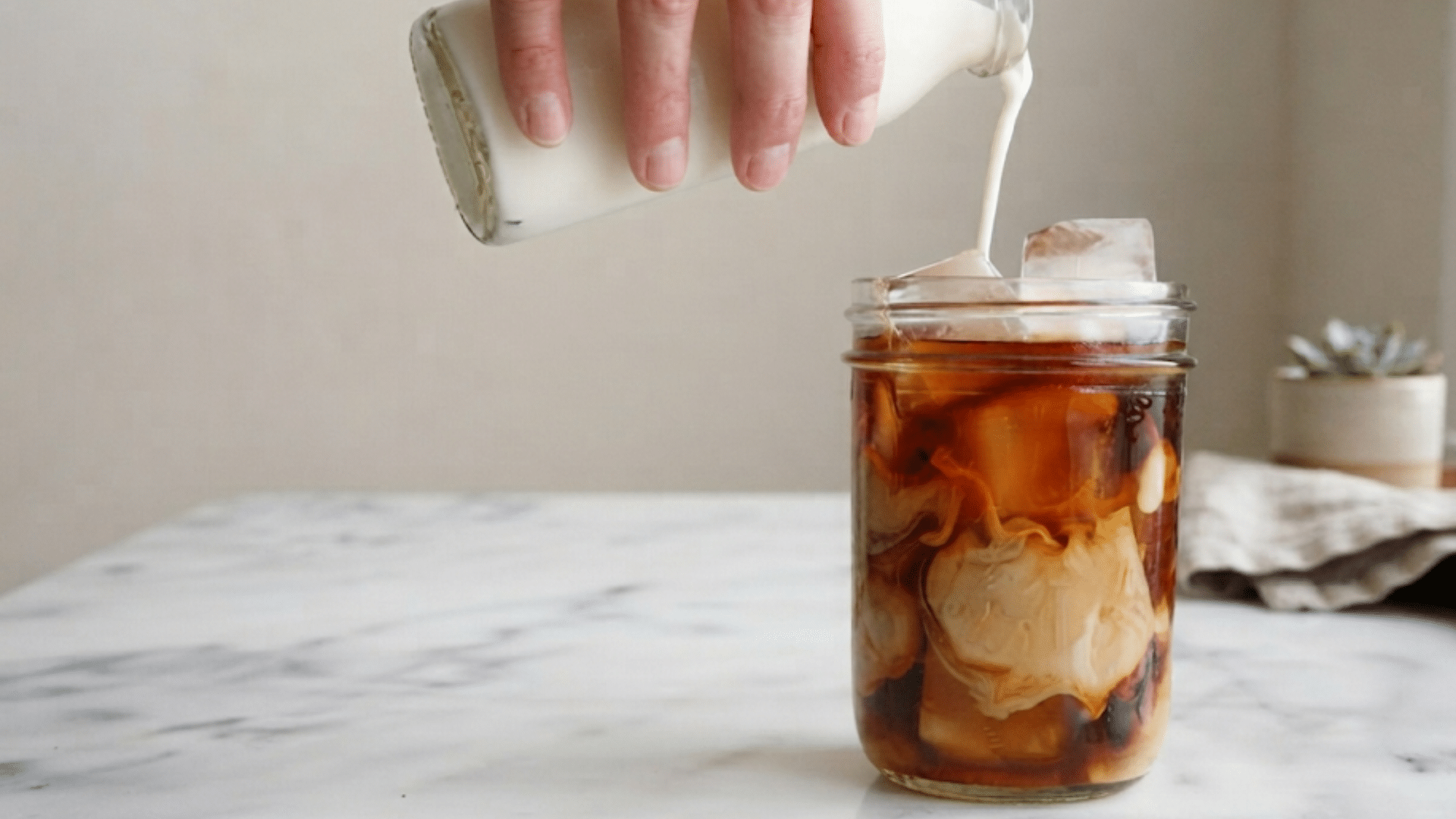
Cold brew concentrate should usually be diluted before drinking. Mix equal parts concentrate and water, milk, or a dairy-free alternative, then adjust the strength to suit your taste.
Serve over ice and add sweeteners, flavored syrups, cream, or spices if desired.
Use the concentrate to make various cold-brew coffee drinks, including vanilla, mocha, and caramel cold brew.
Store any remaining concentrate in an airtight container in the refrigerator for up to one week.
If you enjoy multiple servings of cold brew, understanding how coffee affectskidney and liver healthcan help you make informed choices about your daily intake.
Popular Cold Brew Coffee Drinks To Try
Once your cold brew concentrate is ready, you can easily turn it into a variety of refreshing coffee drinks.
- Classic Cold Brew: Mix cold brew concentrate with water and serve over ice for a smooth, refreshing drink.
- Vanilla Cold Brew: Add vanilla syrup and milk or a dairy-free alternative for a lightly sweet, creamy flavor.
- Cold Brew Latte: Combine cold brew with chilled milk in your preferred ratio for a rich and balanced beverage.
- Mocha Cold Brew: Stir in chocolate syrup and finish with cream or milk for a café-style chocolate coffee.
- Sweet Cream Cold Brew: Top cold brew with sweet cream for a smooth, velvety finish and extra richness.
- Nitro-Style Cold Brew: Infuse cold brew with nitrogen to create a naturally creamy texture and cascading foam without added dairy.
Cold Brew Coffee Dilution Chart
Use this chart to find the right cold brew concentrate-to-liquid ratio for your preferred strength and serving style.
| Serving Style | Cold Brew Concentrate | Water or Milk | Best For |
|---|---|---|---|
| Strong | 2 parts | 1 part | Rich, bold coffee flavor |
| Standard | 1 part | 1 part | Balanced everyday cold brew |
| Mild | 1 part | 2 parts | Lighter, smoother taste |
| Iced Cold Brew | 1 part | 1 part + ice | Refreshing drink served over ice |
| Hot Cold Brew | 1 part | 1 part hot water | Warm cup with a smooth, low-acidity flavor |
| With Milk | 1 part | 1 part milk | Creamy cold brew with a mellow finish |
Flavor Troubleshooting
If your cold brew does not taste the way you expected, small adjustments to your brewing method can make a noticeable difference.
- Too Bitter: Use a coarser grind, reduce the steeping time, or lower the coffee-to-water ratio.
- Too Weak: Increase the amount of coffee grounds or extend the steeping time slightly.
- Too Strong: Dilute the concentrate with more water or milk before serving.
- Too Sour: Steep longer or use a slightly darker roast for better extraction.
- Cloudy Brew: Filter the coffee again using a paper filter for a cleaner finish.
- Flat Flavor: Use freshly roasted beans and brew with filtered water for better taste.
- Watery Over Ice: Freeze some cold brew into ice cubes so melting ice does not dilute the drink.
How to Store Homemade Cold Brew Coffee?
Store homemade cold brew coffee in an airtight glass container in the refrigerator, where it typically stays fresh for up to one week.
For the best quality, keep the concentrate plain and add milk, cream, sweeteners, or flavored syrups only when serving, as these ingredients shorten its shelf life.
Over several days, the coffee may gradually lose some of its bright aroma and develop a flatter flavor, even when properly refrigerated.
Common Cold Brew Coffee Mistakes to Avoid
Small brewing mistakes can affect flavor, clarity, and strength. Avoiding these common errors helps you create smoother, more balanced cold brew with better consistency every time.
- Using Fine Coffee Grounds: Fine grounds over-extract easily, creating bitterness and leaving unwanted sediment in the finished coffee.
- Brewing For Too Little Time: Steeping for less than 12 hours often results in a weak, underdeveloped flavor with less sweetness.
- Skipping Filtration Steps: Straining only once may leave coffee particles behind, making the drink cloudy or gritty.
- Over-Diluting The Concentrate: Adding too much water or milk can weaken the flavor and reduce the coffee’s rich character.
- Ignoring Small Adjustments: Fine-tuning the grind size, coffee-to-water ratio, steeping time, and dilution improves consistency and yields better results in every batch.
Conclusion
Making cold brew at home is easier than it seems when you use the right coffee-to-water ratio, allow enough steeping time, and filter the coffee thoroughly.
A reliable cold brew coffee recipe lets you control the flavor, strength, and serving style while creating a smooth concentrate for a variety of cold brew coffee drinks.
Try different coffee beans, adjust the dilution, or experiment with milk, flavored syrups, and sweeteners until you find your perfect combination.
Brew a batch today, enjoy it your way, and share your favorite cold brew creations with family and friends.
Frequently Asked Questions
Can You Make Cold Brew Coffee without a Coffee Maker?
Yes. All you need is a container, coarse coffee grounds, cold water, and a fine-mesh strainer or coffee filter.
How Long Should You Steep Cold Brew Coffee?
Steep cold brew for 12–24 hours. Shorter times produce milder coffee, while longer steeping creates a stronger, richer flavor.
Is Cold Brew Coffee Stronger than Regular Hot Brewed Coffee?
Cold brew concentrate is stronger because it uses more coffee, but dilution lets you adjust the final strength before drinking.
What Type of Coffee Beans Are Best for Making Cold Brew Coffee?
Fresh medium- or dark-roast beans with a coarse grind typically produce the smoothest, richest, and most balanced cold-brew flavor.