

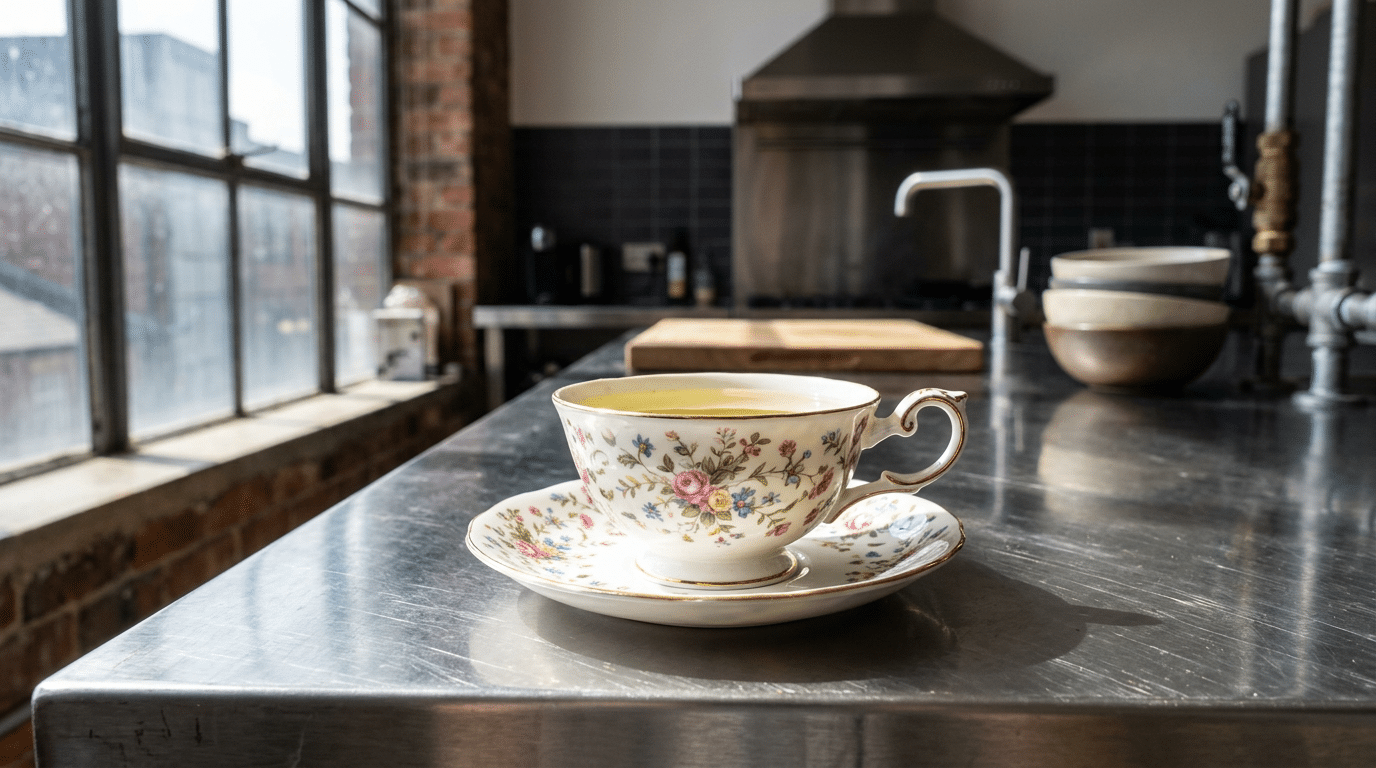
Making a good cup of tea seems simple until you realize how much the small details matter. The type of tea you choose, the water you use, and even how long you let it steep can completely change the flavor.
I’ve found that a few small adjustments can turn an ordinary cup into one that’s smoother and far more enjoyable.
If you prefer green tea, black tea, or herbal blends, each variety has its own ideal brewing method.
This blog explains how to make tea properly, including the ingredients you’ll need, the right water temperature, steeping times, and simple tips for a better cup every time.
Ingredients You Need Before Brewing Tea
Having the right ingredients and tools ready makes the tea-making process easier and helps create a consistent flavor. Most tea recipes require only a few basic items, but the quality of each one can affect the final taste.
- Fresh Water: Use clean water because its taste can affect the the’s flavor.
- Tea Leaves or Tea Bags: Choose a variety based on your preferred strength and flavor.
- Kettle or Saucepan: Use it to heat water to the required temperature.
- Teapot or Cup: Select a heat-safe container for brewing and serving.
- Tea Infuser: Helpful when preparing loose-leaf tea without leaves floating in the cup.
- Timer: Helps track steeping time and prevents over-brewing.
- Optional Additions: Milk, honey, sugar, lemon, cinnamon, or herbs can add extra flavor.
How to Make a Perfect Cup of Tea?
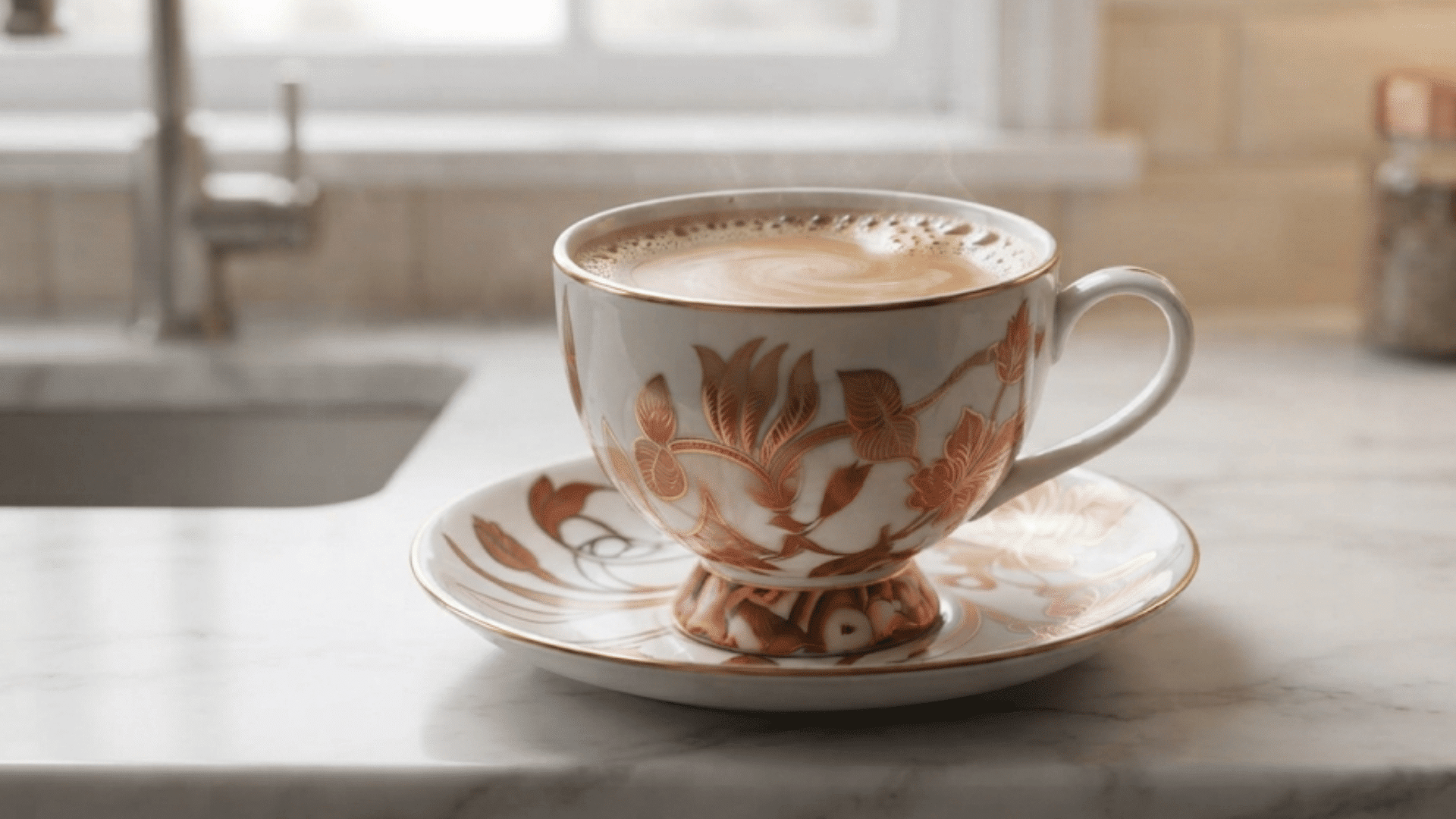
Making tea at home is simple, but following the correct steps helps improve the flavor, aroma, and strength of the final cup. The process may change slightly depending on the tea variety.
1. Choose the Right Tea Type
Choosing the right tea is the first step to making a flavorful cup. Each variety has its own taste, aroma, caffeine level, and ideal brewing method, so selecting one that suits your preferences makes a noticeable difference.
White tea is delicate, oolong balances green and black tea qualities, and herbal teas are naturally caffeine-free.
If you’re unsure where to begin, comparing the different types of black tea can help you understand how strength, flavor, and origin affect the final cup.
Before brewing, always check the package instructions because the recommended water temperature and steeping time vary by tea type.
2. Heat Fresh Water Properly
Using fresh water can make a noticeable difference in the taste of tea. Heat the water according to the type of tea you are preparing because each variety reacts differently to heat.
Delicate teas like green and white tea usually need cooler water, while black and herbal teas can handle higher temperatures.
Water that is too hot may create bitterness, while water that is not hot enough may result in a weak flavor. Let boiled water cool slightly when preparing sensitive tea varieties.
3. Measure the Correct Amount of Tea
The amount of tea used affects the strength and flavor of your drink. For loose-leaf tea, one teaspoon of leaves per cup is a common starting point, while one tea bag usually works for a standard serving.
The ideal amount can change depending on the tea type and personal preference.
Adding too much tea may create a stronger but bitter taste, while using too little can make the cup feel weak. Measuring consistently helps create a balanced flavor every time.
4. Steep the Tea for the Right Time
Steeping time plays an important role in the final taste of tea. After adding hot water, allow the tea to sit for the recommended amount of time based on the variety you are using.
Green tea usually needs a shorter steeping period, while herbal teas often require longer brewing. Over-steeping can release more bitter flavors, especially in black and green teas.
Using a timer can help prevent mistakes and make it easier to prepare the same quality cup each time.
5. Add Ingredients and Serve Fresh
Once the tea reaches the preferred strength, remove the tea bag or strain the loose leaves before drinking.
Taste the tea first so you can decide if any additions are needed. Honey, sugar, milk, lemon, cinnamon, or fresh herbs can change the flavor depending on the tea type.
Some teas taste best without additions because their natural flavors are more noticeable. Serving tea while it is warm and fresh helps maintain its aroma and creates a better drinking experience.
Different Tea Brewing Methods
Tea can be prepared using different methods depending on the tea variety, available tools, and personal preference.
- Tea Bag Brewing: Place a tea bag in a cup, add hot water, and steep for the recommended time. This method works well for quick everyday tea preparation.
- Loose Leaf Brewing: Add loose leaves to an infuser or teapot. This method allows leaves to expand and release more aroma during brewing.
- Cold Brew Tea: Combine tea leaves with cold water and refrigerate for several hours. This creates a smoother taste with less bitterness.
- Traditional Tea Preparation: Some teas use special methods, such as whisking matcha powder or preparing multiple short steeps with loose leaves.
Note: For the best flavor, keep tea in an opaque, airtight container stored in a cool, dry cupboard. Avoid refrigerating or freezing tea unless the packaging specifically recommends it, as condensation can introduce moisture and reduce quality
Best Water Temperature for Different Types of Tea
Water temperature affects how tea leaves release flavor, aroma, and natural compounds. Using the right heat level helps prevent weak or bitter tea while bringing out the natural characteristics of each variety.
| Tea Type | Water Temperature | Steeping Time |
|---|---|---|
| Green Tea | 160–180°F | 2–3 minutes |
| White Tea | 170–185°F | 3–5 minutes |
| Black Tea | 200–212°F | 3–5 minutes |
| Oolong Tea | 185–205°F | 3–5 minutes |
| Herbal Tea | 200–212°F | 5–7 minutes |
How to Choose the Right Tea for Your Taste?
Different tea varieties offer unique flavors, caffeine levels, and drinking experiences. The right choice depends on your taste preferences and when you plan to enjoy it.
- Black Tea: Strong and bold, making it a good choice for mornings or milk-based tea.
- Green Tea: Fresh and light, ideal for people who prefer mild, refreshing flavors.
- Herbal Tea: Floral, fruity, or spicy and usually caffeine-free, making it suitable for evenings.
- Oolong Tea: Smooth and balanced with complex flavors that fall between green and black tea.
- White Tea: Mild and delicate, best for those who enjoy subtle flavors and a lighter cup.
How to Make Tea More Flavorful Naturally?
You don’t need artificial flavorings to make tea taste better. A few natural ingredients can enhance its aroma and flavor while still allowing the tea’s original character to shine through.
Fresh lemon adds a bright, citrusy flavor that pairs especially well with black and herbal teas, while a spoonful of honey provides gentle sweetness without masking the tea.
Ginger, cinnamon, mint, or orange can add warmth, freshness, and subtle spice to tea.
For delicate teas such as green and white tea, use additions sparingly or enjoy them plain to appreciate their naturally light, subtle flavors.
Start with small amounts of any ingredient and adjust gradually until you find a balance that suits your taste. This approach lets you personalize each cup without overpowering the tea itself.
Common Tea Brewing Mistakes to Avoid
Even good-quality tea can taste bitter, weak, or flat if it’s brewed incorrectly. Avoiding a few common mistakes can make a noticeable difference in the flavor and aroma of every cup.
- Using Water That’s Too Hot: Boiling water can scorch delicate teas like green and white tea, making them taste bitter. Match the water temperature to the tea type.
- Steeping for Too Long: Leaving tea in the water beyond the recommended time releases excess tannins, which can create a harsh, astringent flavor.
- Using Too Little or Too Much Tea: Too little tea produces a weak brew, while too much can make it overly strong. Measure the leaves or tea bags according to the serving size.
- Brewing with Stale or Reboiled Water: Fresh, cold water contains more oxygen, helping bring out the tea’s natural flavors better than repeatedly boiled water.
- Ignoring Tea Storage: Heat, moisture, light, and strong odors can reduce freshness. Store tea in an airtight container in a cool, dry place.
- Not Adjusting to Personal Taste: Brewing guidelines are a great starting point, but don’t be afraid to slightly adjust steeping time or tea quantity to suit your preference.
Conclusion
Making a good cup of tea comes down to choosing the right tea type, using the correct water temperature, and steeping it for the right amount of time.
I once brewed every tea the same way, until I learned that small changes can transform its flavor and aroma.
If you enjoy a bold black tea, a delicate green tea, or a soothing herbal blend, giving each variety the care it needs makes every sip more enjoyable.
Fresh water, proper storage, and experimenting with brewing times or ingredients can noticeably improve the flavor.
Once you understand these basics, making tea feels less like a routine and more like a simple daily ritual. Try different tea varieties and brewing methods until you find the cup that tastes just right to you.
Frequently Asked Questions
What Is the Best Homemade Tea?
The best homemade tea depends on personal taste, but popular choices include ginger tea, lemon tea, mint tea, and spiced chai made with fresh ingredients.
Does Tea Expire or Go Bad?
Tea does not usually spoil like fresh foods, but it can lose flavor, aroma, and freshness when stored improperly for a long time.
Is It Unhealthy to Drink Tea Every Day?
Drinking tea daily is generally safe for most people when consumed in moderation, but excessive caffeine intake may cause issues for some individuals.
Can Tea Lower Blood Pressure?
Some teas, especially those rich in plant compounds, may support heart health, but tea should not replace prescribed treatments for high blood pressure.


One Response