
Finding snacks that are both high in protein and low in calories can feel overwhelming with so many options available.
If you’re looking to buy high-protein, low-calorie snacks from trusted brands or online retailers, this guide makes the choice easier.
Whether your goal is weight loss, muscle building, or simply eating healthier, the right snack can help keep you full without adding unnecessary calories.
In this guide, you’ll find some of the best high-protein, low-calorie snacks to buy, along with their nutrition highlights, key benefits, and shopping tips.
Use this list to compare options and choose snacks that fit your taste, budget, and health goals.
What Makes a Snack High in Protein and Low in Calories?
High-protein, low-calorie snacks are foods that provide a high amount of protein while keeping calorie content relatively low.
In general, a snack with 10–20 grams of protein and 100–250 calories per serving is considered a good choice, although the exact values vary by product.
These snacks help curb hunger because protein slows digestion, promotes fullness, and supports steady energy levels without adding excess calories.
They are especially beneficial for people trying to lose weight, maintain muscle during a calorie deficit, support post-workout recovery, or simply make healthier food choices.
Whether you have a busy lifestyle or follow a fitness routine, high-protein, low-calorie snacks can help you stay satisfied and meet your daily nutrition goals.
Where to Buy These Snacks?
High-protein, low-calorie snacks are widely available at grocery stores, supermarkets, and online retailers. Knowing where to shop can help you find convenient options that match your nutrition goals, budget, and lifestyle.
- Grocery Stores: Most supermarkets offer fresh and packaged protein-rich snacks, including Greek yogurt, cottage cheese, boiled eggs, nuts, roasted chickpeas, and other healthy options.
- Target: Target offers a variety of convenient high-protein snacks, including protein bars, protein chips, crunchy protein snacks, and other packaged options for quick meals or on-the-go eating.
- Walmart: Walmart provides a broad selection of affordable protein snacks, including protein bars, high-protein bagels, yogurt, and other ready-to-eat choices.
- Online Marketplaces: Online stores make it easier to compare different brands, read reviews, buy in bulk, and find specialized protein snacks that may not be available locally.
Best High-Protein, Low-Calorie Snacks to Buy
Choosing the right high-protein, low-calorie snack can help you stay full, support muscle recovery, and manage your daily calorie intake.
1. Greek Yogurt
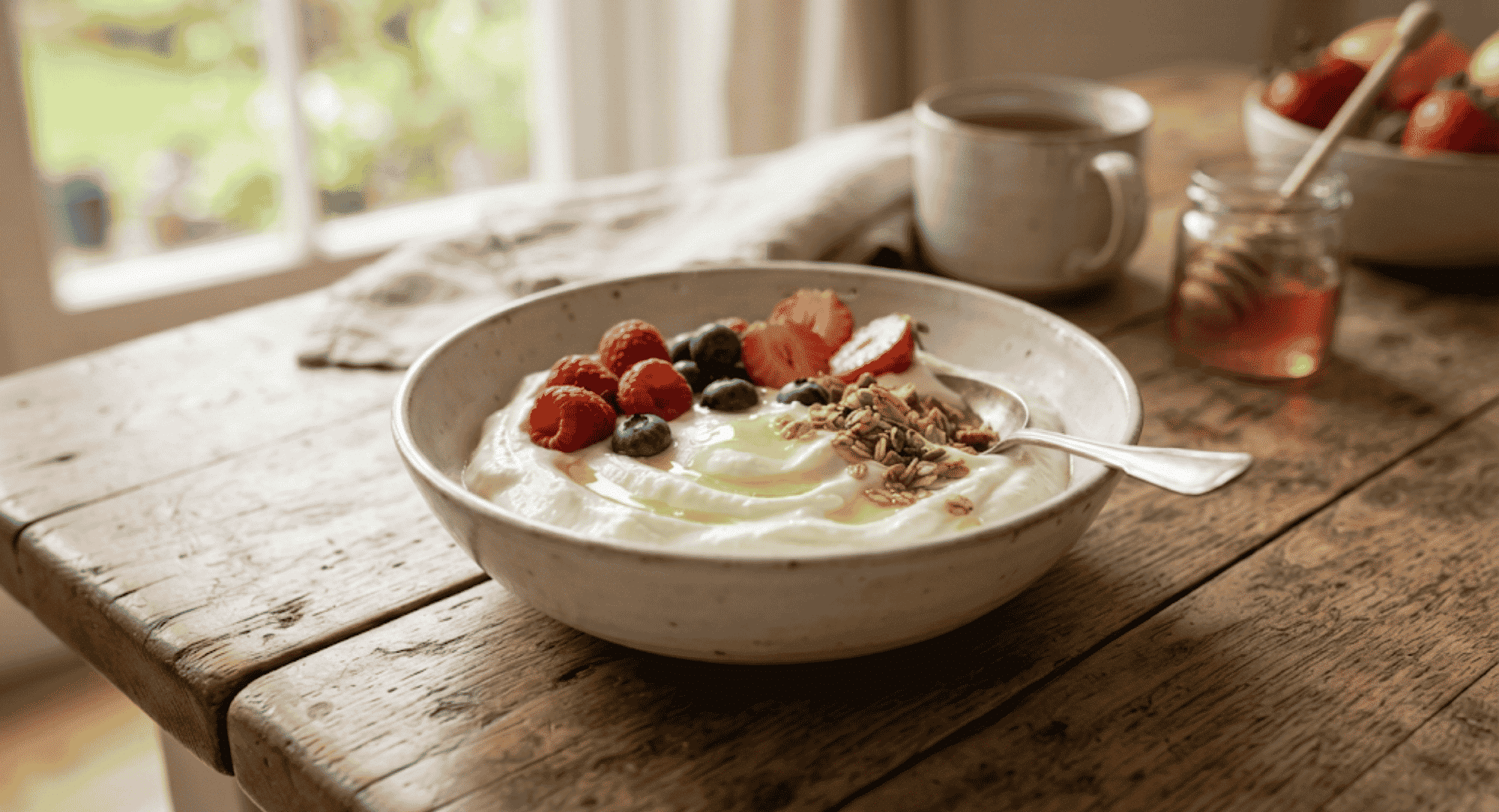
Greek yogurt is one of the best high-protein, low-calorie snacks for people looking to stay full between meals.
A typical 170 g serving provides 15–20 g of protein and 90–120 calories when choosing plain, non-fat varieties. It is ideal for breakfast, post-workout recovery, or an afternoon snack.
When buying, choose plain Greek yogurt with no added sugar and a high protein content per serving. It is rich in calcium and probiotics that support gut health.
However, flavored varieties can contain added sugars, so always check the nutrition label before purchasing.
2. Cottage Cheese
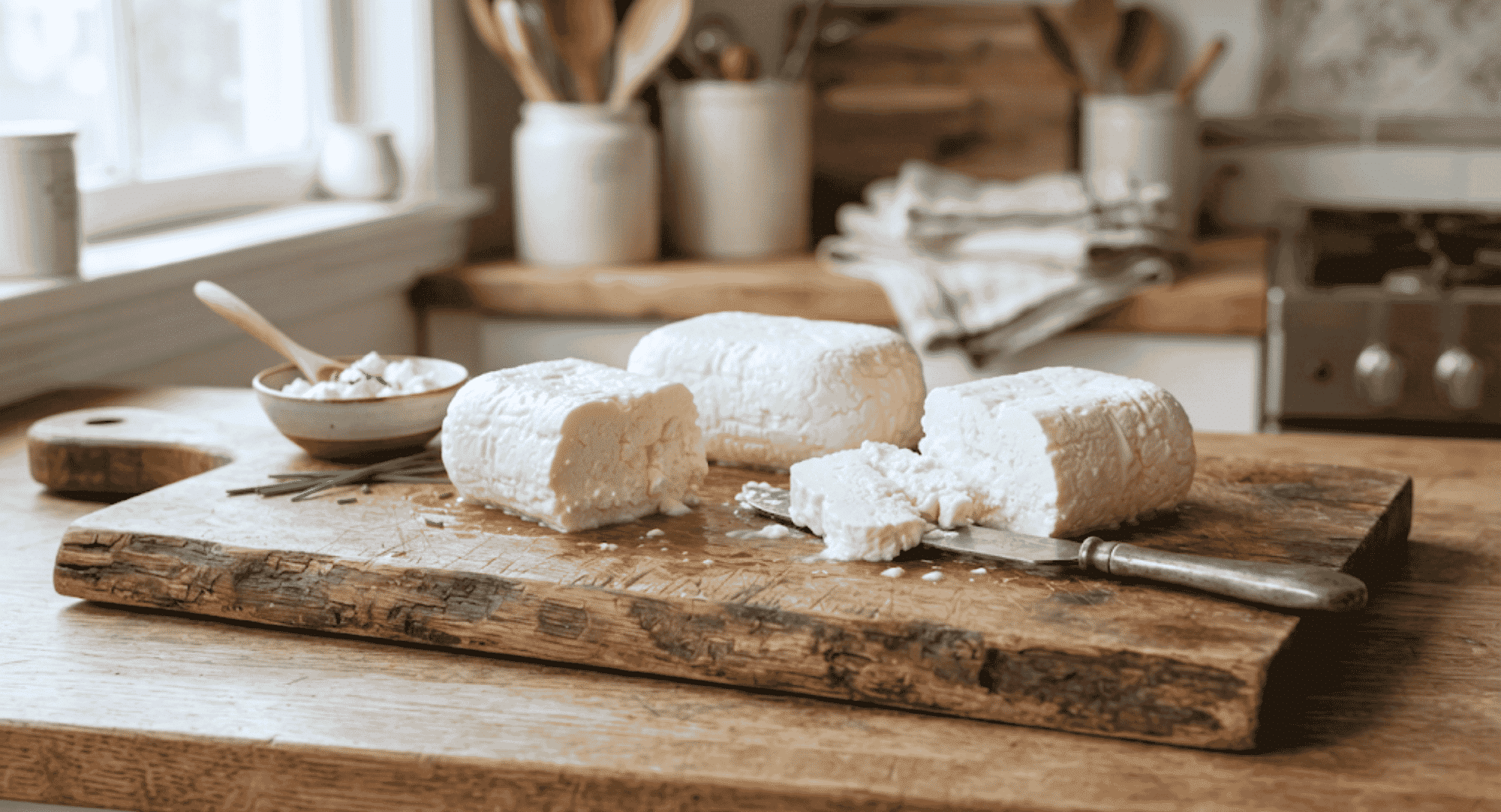
Cottage cheese is a protein-rich dairy snack that delivers 12–15 g of protein and 80–120 calories per half-cup serving.
It is perfect for people following high-protein or weight-loss diets and works well as a snack or light meal. Choose low-fat or fat-free versions with minimal sodium whenever possible.
Cottage cheese is filling and versatile, and it pairs well with fruits or vegetables.
However, some brands are high in sodium, so comparing labels can help you find healthier options without sacrificing taste.
3. Protein Bars
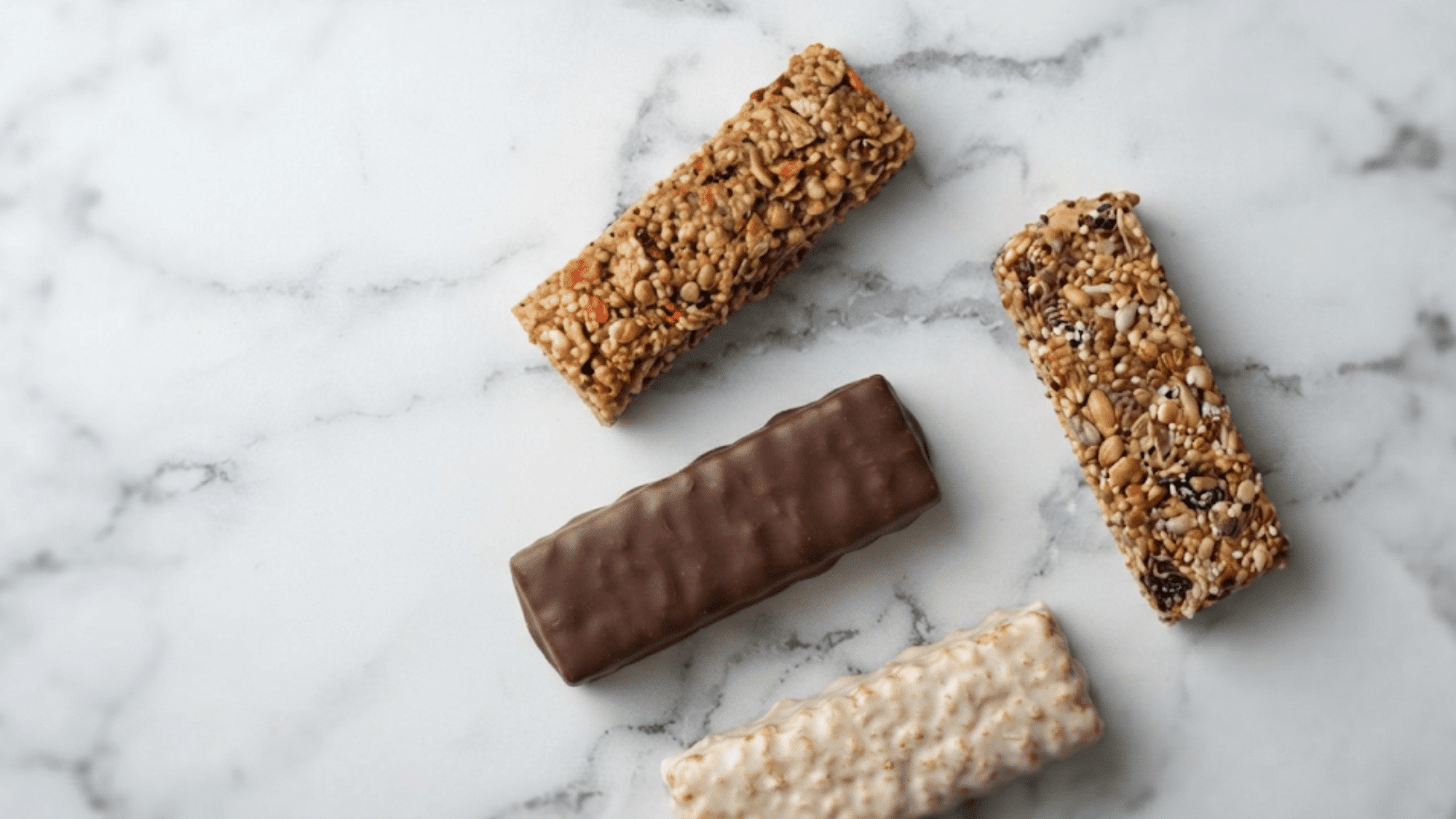
Protein bars offer a convenient snack for busy schedules, typically providing 15–20 g of protein and 150–220 calories per bar.
They are best for travel, work, or post-workout nutrition when whole foods are unavailable.
Look for bars with at least 15 grams of protein, less than 10 grams of added sugar, and simple ingredients. They are portable and require no preparation, making them highly convenient.
However, some bars are high in sugar and calories, so reading the ingredient list is essential before buying.
4. Roasted Chickpeas
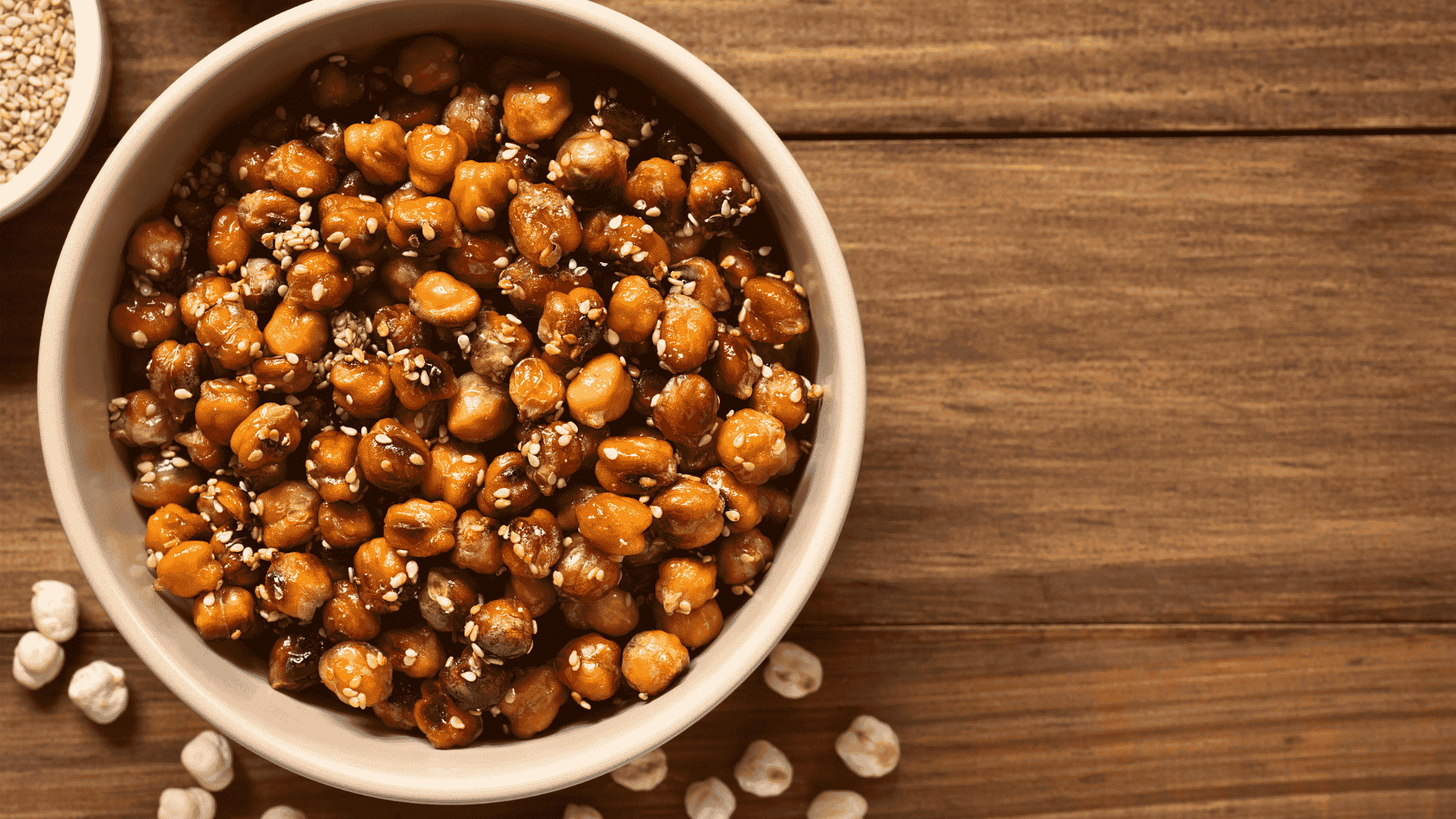
Roasted chickpeas are a crunchy, plant-based snack containing around 6–8 g of protein and 120–140 calories per one-ounce serving.
They are an excellent choice for vegetarians and anyone looking for a high-fiber snack. Buy dry-roasted varieties with limited added salt or seasoning for a healthier option.
Besides protein, they provide fiber, vitamins, and minerals that support digestion.
Since they contain fewer grams of protein than dairy or meat snacks, pairing them with another protein source can create a more balanced snack.
5. Edamame
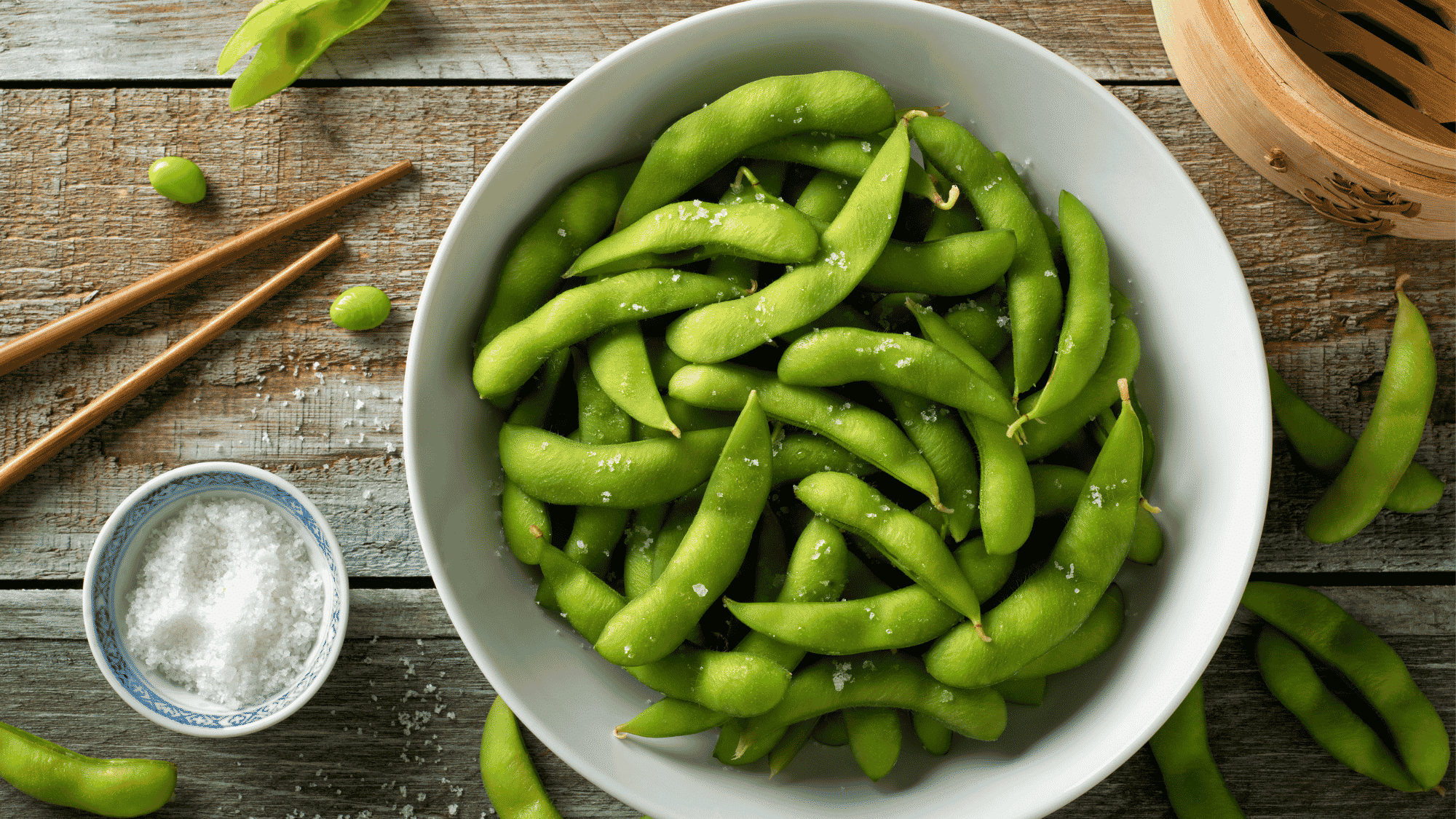
Edamame, or young soybeans, provide approximately 17 g of protein and 180 calories per cup.
They are ideal for vegetarians, vegans, and anyone wanting a minimally processed snack. Frozen, shelled edamame without added sauces or seasonings is often the best choice.
Edamame is naturally rich in fiber, iron, and plant-based protein, making it filling and nutritious.
While highly healthy, it requires brief cooking or steaming, making it slightly less convenient than ready-to-eat packaged snacks.
6. Beef or Turkey Jerky
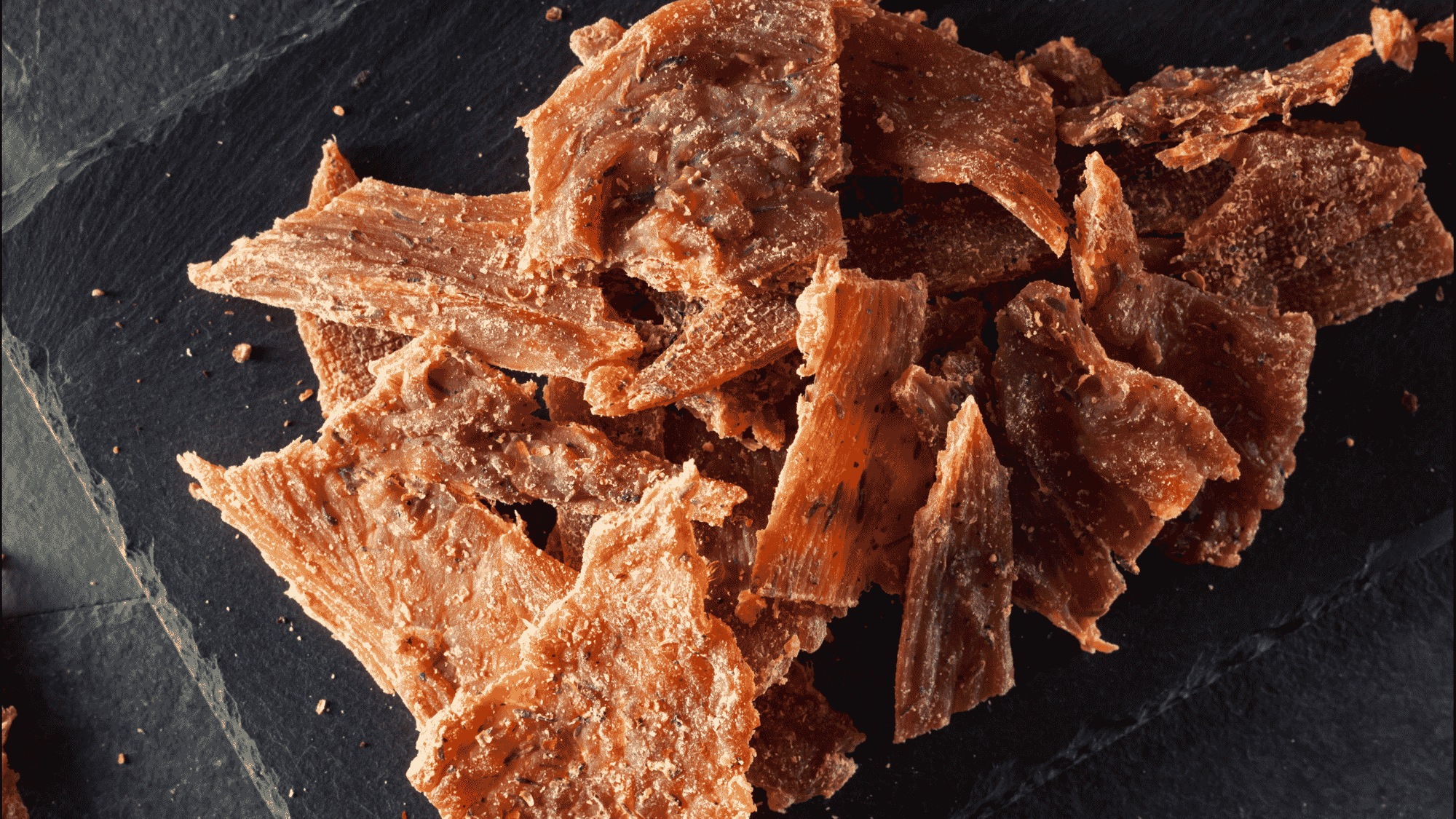
Beef or turkey jerky is a portable, protein-packed snack that provides 10–15 g of protein and 70–100 calories per ounce.
It is ideal for travel, hiking, or busy workdays when refrigeration isn’t available. Choose low-sodium, low-sugar varieties made with lean meat for the healthiest option.
Jerky is convenient, shelf-stable, and satisfying. However, many commercial products contain high sodium levels and preservatives, so comparing ingredient labels before purchasing is recommended.
7. Tuna Packets
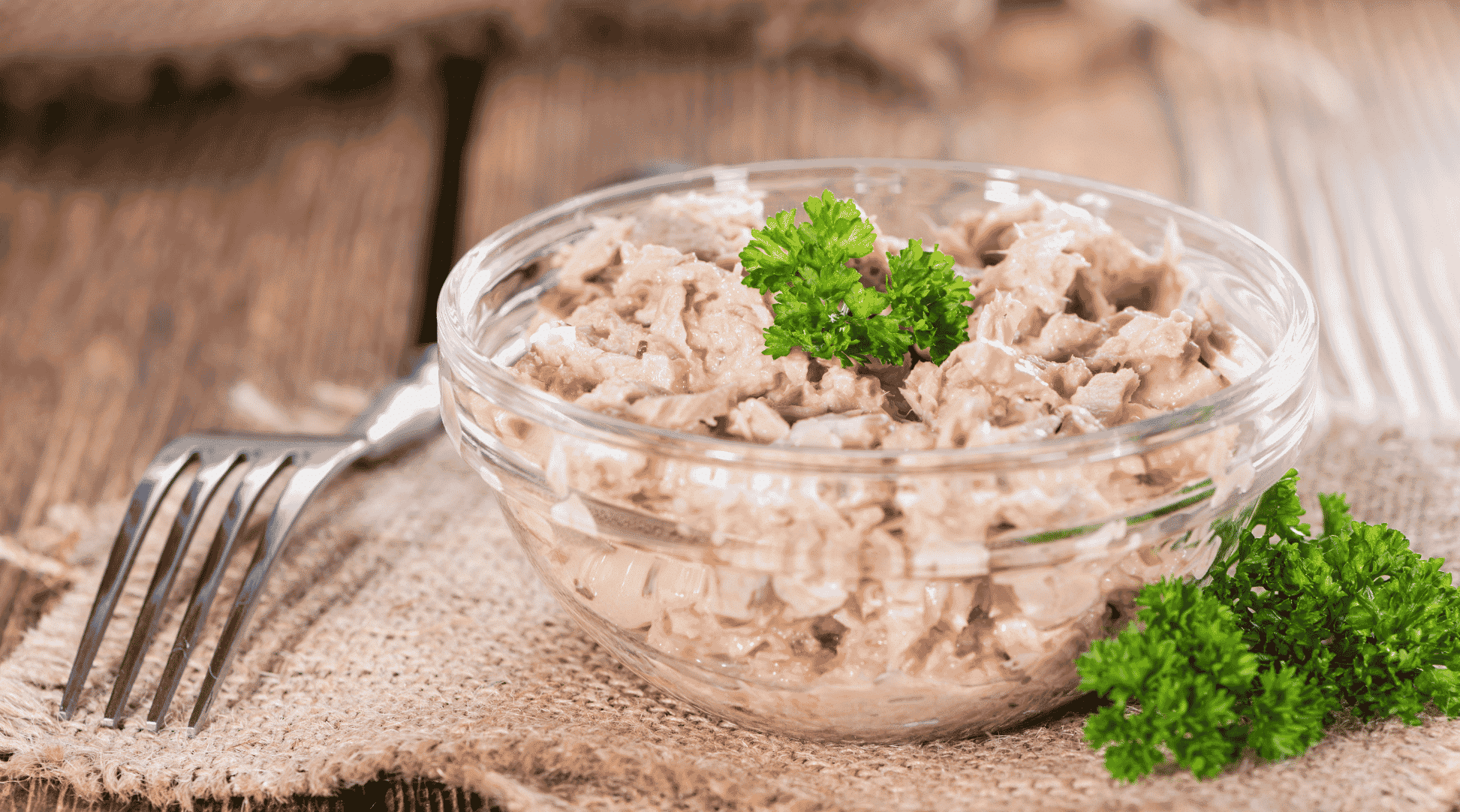
Single-serve tuna packets are a convenient source of lean protein, offering around 16–20 g of protein and 70–100 calories per packet.
They are perfect for quick lunches, post-workout meals, or healthy office snacks. Select tuna packed in water rather than oil to keep calories lower.
Tuna is rich in protein and omega-3 fatty acids while requiring no preparation. However, it’s best to enjoy tuna in moderation because frequent consumption may increase mercury exposure.
8. Boiled Eggs
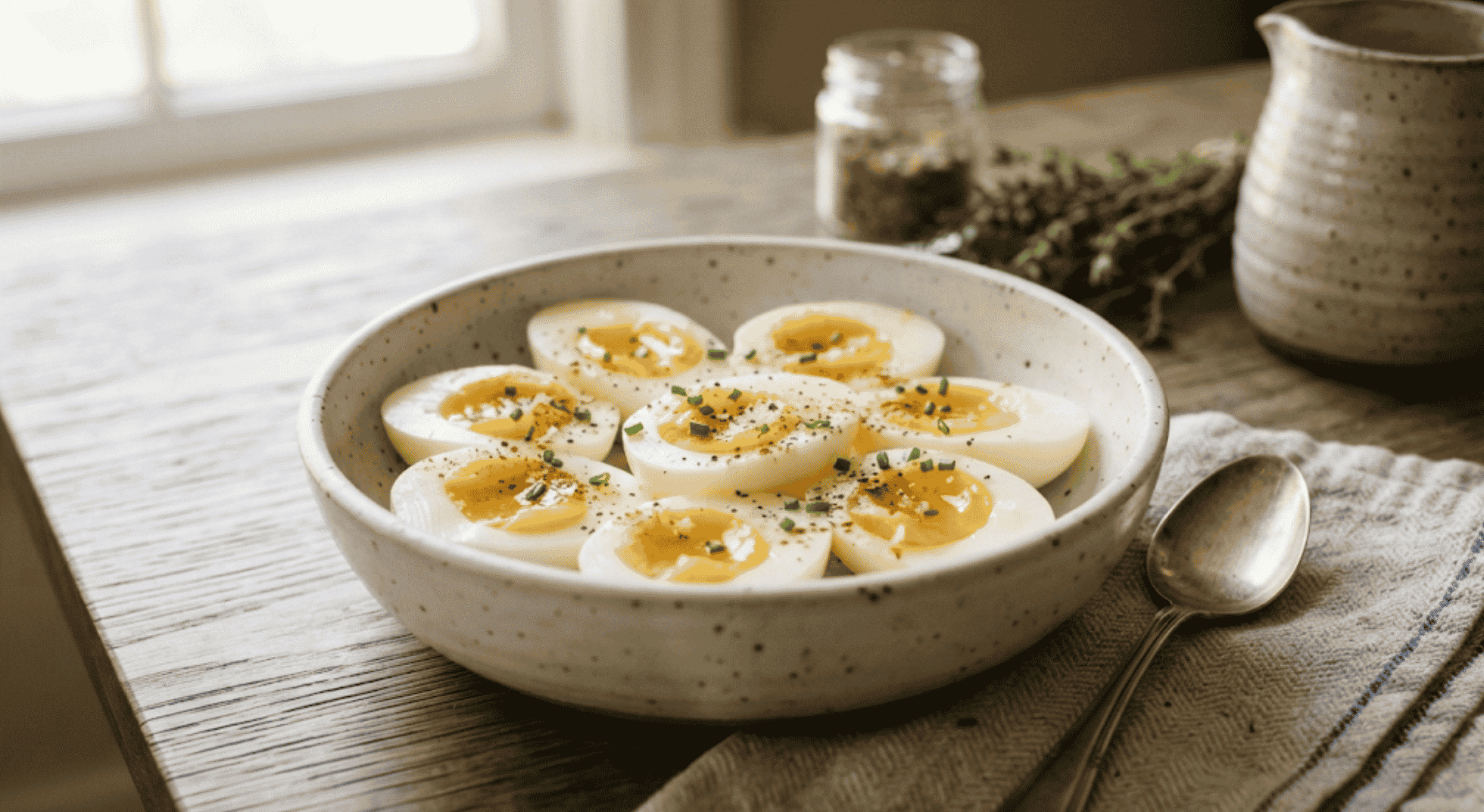
A large boiled egg contains approximately 6 g of protein and 70–80 calories, making it a simple, affordable snack.
Boiled eggs are suitable for breakfast, meal prep, or a quick snack throughout the day. Buy fresh eggs or pre-cooked peeled eggs for added convenience.
They provide high-quality protein along with vitamins and healthy fats that support overall nutrition.
While nutritious, eggs contain cholesterol, so people with specific dietary concerns should follow their healthcare provider’s advice.
9. Pumpkin Seeds
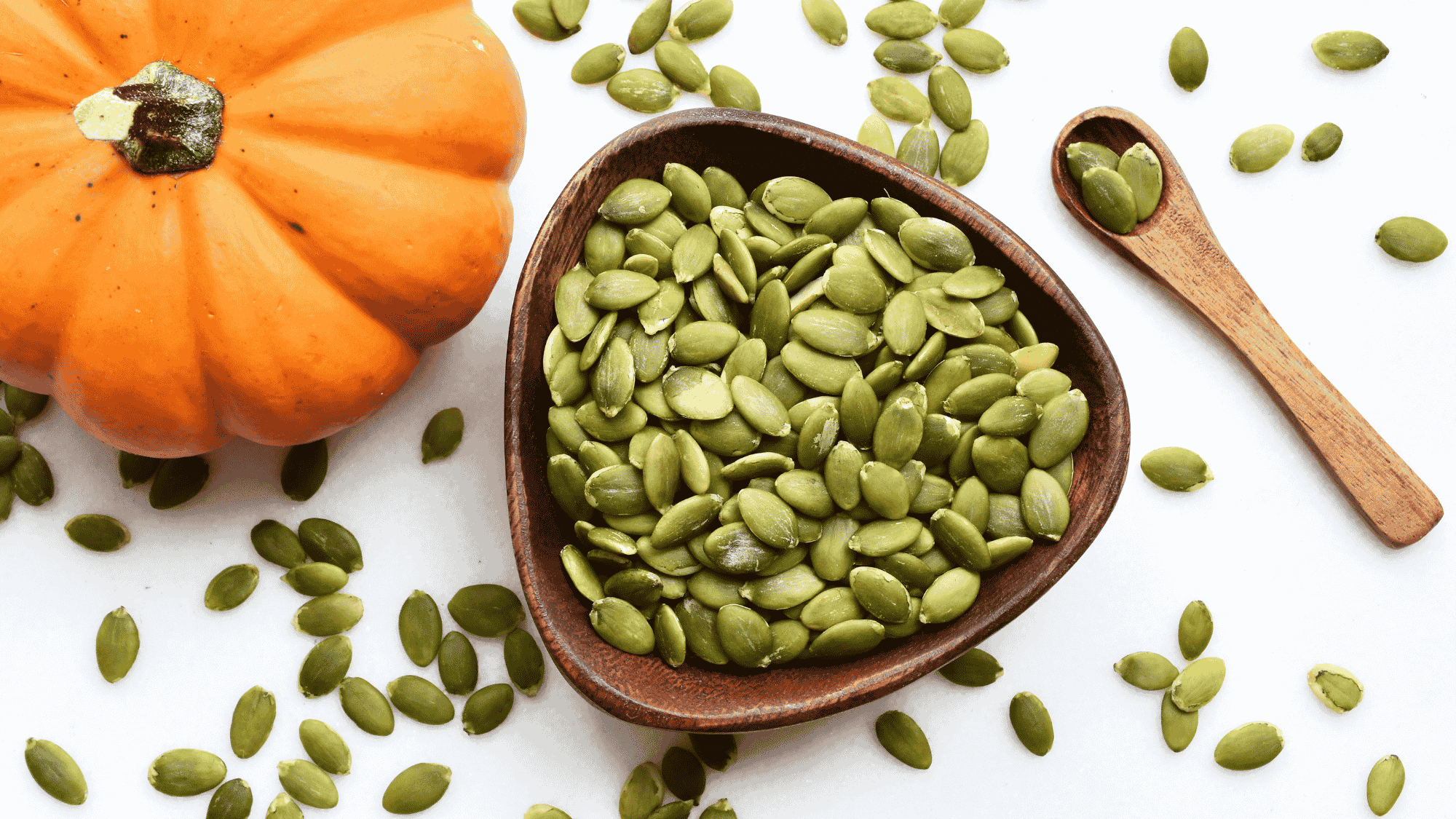
Pumpkin seeds offer about 8–9 g of protein and 150–170 calories per one-ounce serving.
They are a great snack for vegetarians and those looking for nutrient-dense foods. Choose unsalted or lightly salted seeds without added oils whenever possible.
Pumpkin seeds also provide magnesium, zinc, and healthy fats that support heart and immune health.
Because they are calorie-dense, enjoying measured portions helps prevent consuming excess calories.
10. Protein Chips
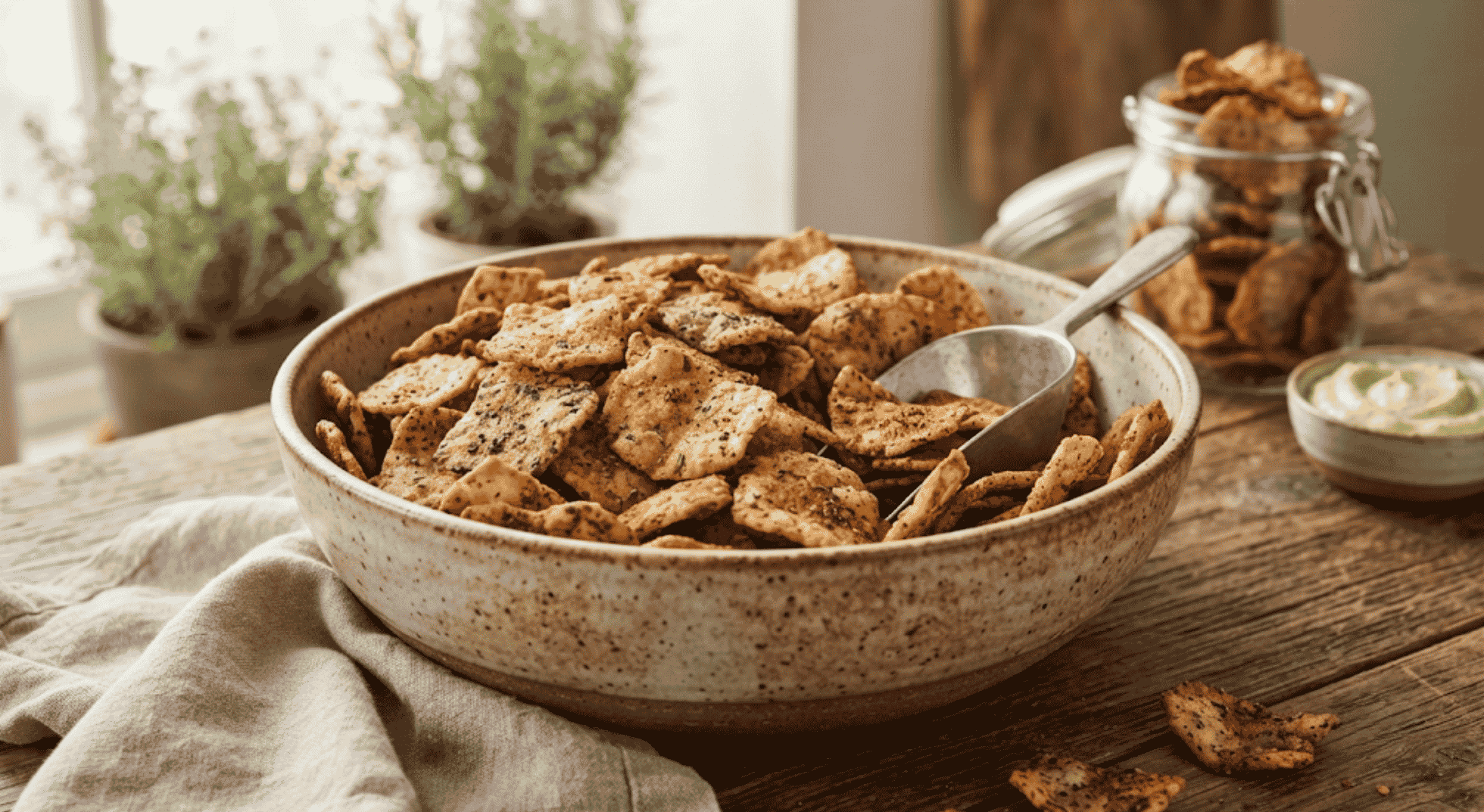
Protein chips are a healthier alternative to traditional potato chips, typically containing 18–20 g of protein and 130–150 calories per bag.
They are best for people who enjoy crunchy snacks and want to increase their protein intake. Look for brands with baked ingredients, lower sodium, and minimal artificial additives.
Protein chips are convenient and satisfying while offering significantly more protein than regular chips.
However, they remain processed foods, so checking the ingredient list and nutrition label is important before buying.
Here are 5 additional high-protein, low-calorie snacks you can add to your listicle:
11. Protein Shake
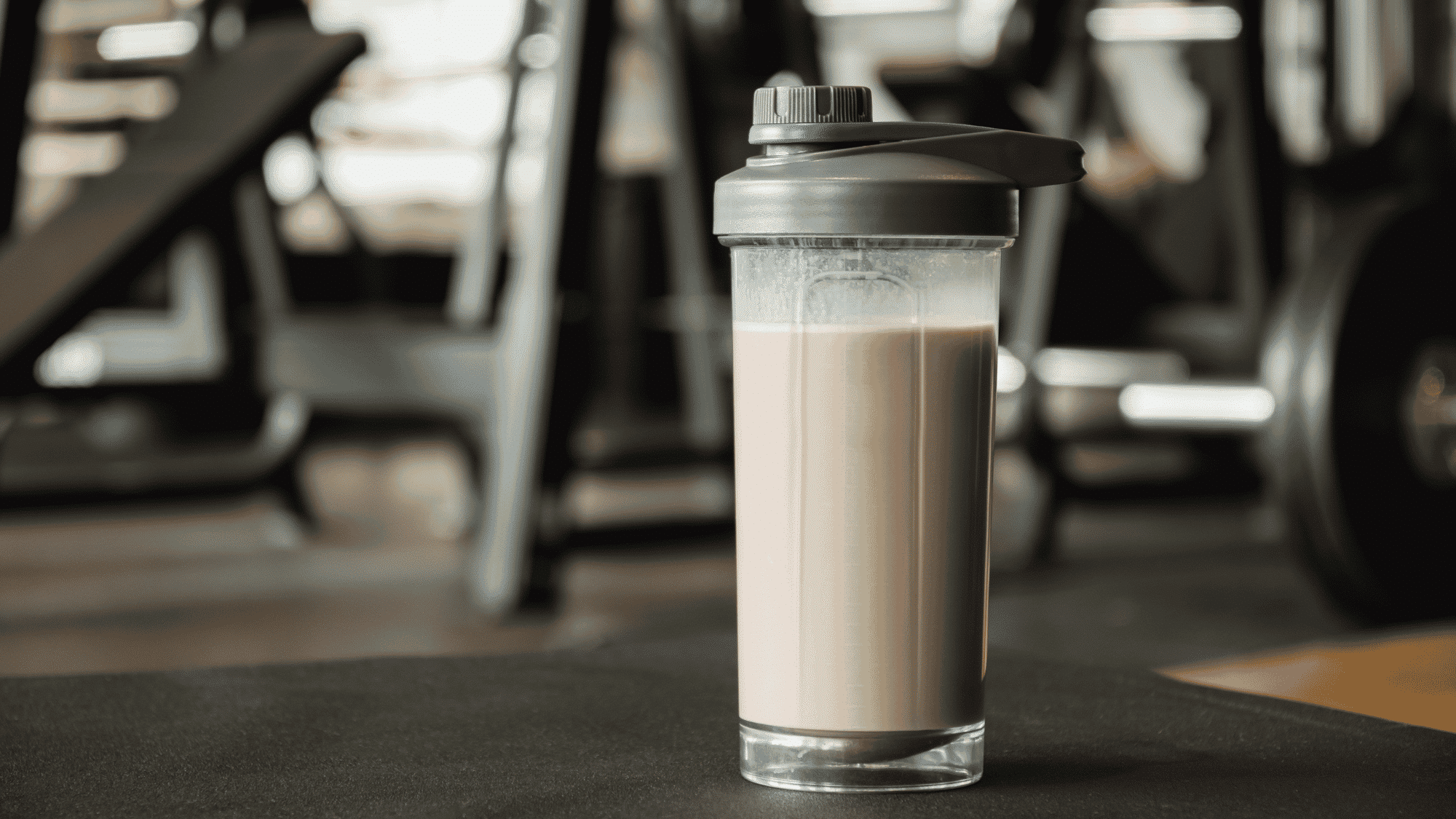
Protein shakes are a convenient way to increase protein intake while keeping calories controlled.
A typical serving provides 20–30 g of protein and around 120–200 calories, depending on the protein powder and ingredients used.
They are ideal for post-workout recovery, busy mornings, or quick snacks between meals.
When buying protein powder, choose options with minimal added sugar and a high protein-to-calorie ratio.
Adding water or unsweetened milk can help keep calories lower. However, some ready-made shakes may contain extra sugars, so checking the nutrition label is important.
12. Turkey Sticks
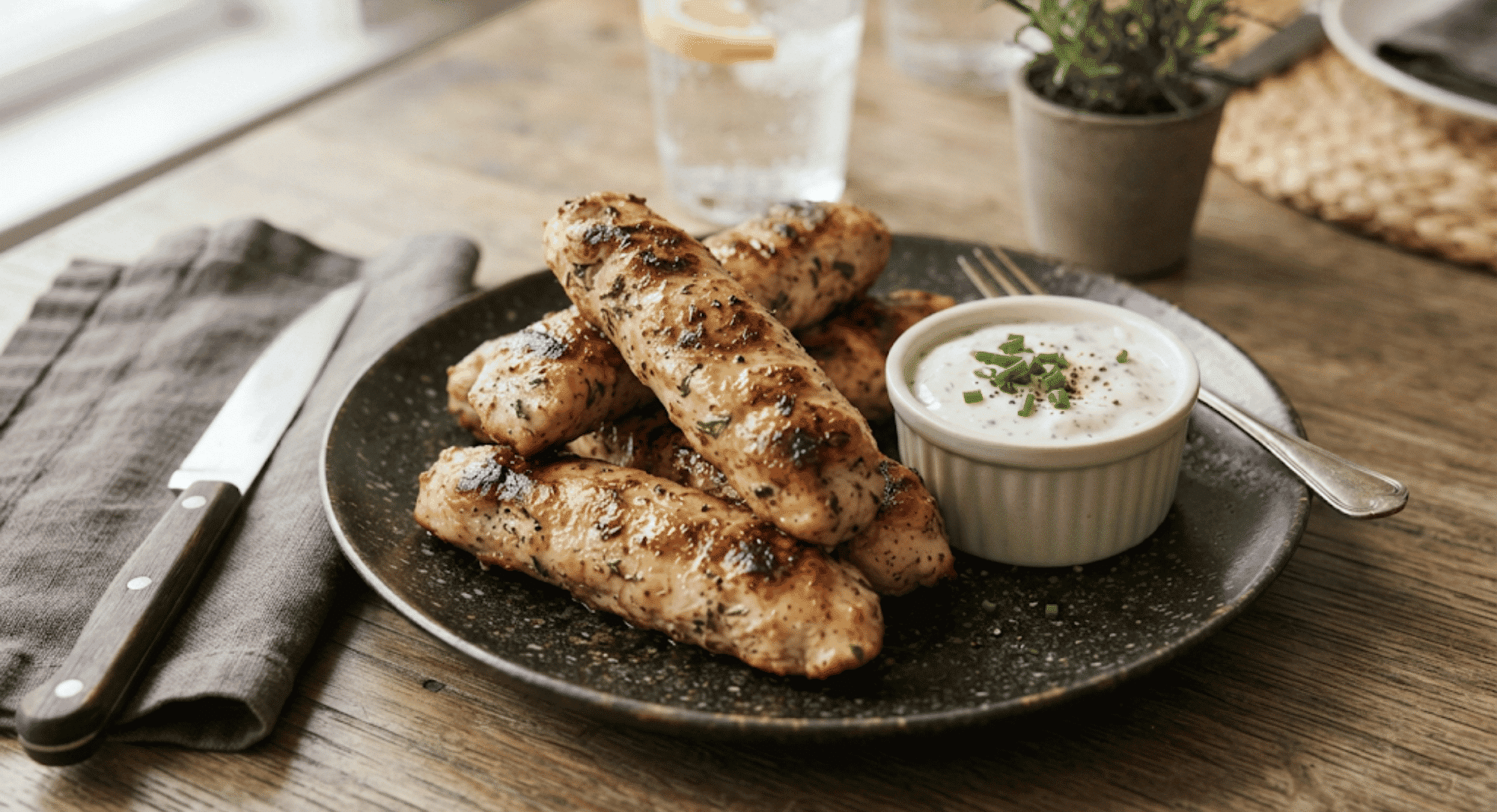
Turkey sticks are a convenient, high-protein snack made from dried or smoked turkey, making them an easy option for on-the-go eating.
A typical serving provides 10–15 g of protein and about 70–120 calories, depending on the brand. They are a satisfying low-carb snack that can help keep you full between meals.
Choose low-sodium, minimally processed turkey sticks with simple ingredients whenever possible.
Pair them with fresh vegetables, fruit, or a small portion of nuts for a more balanced and nutritious snack.
13. String Cheese
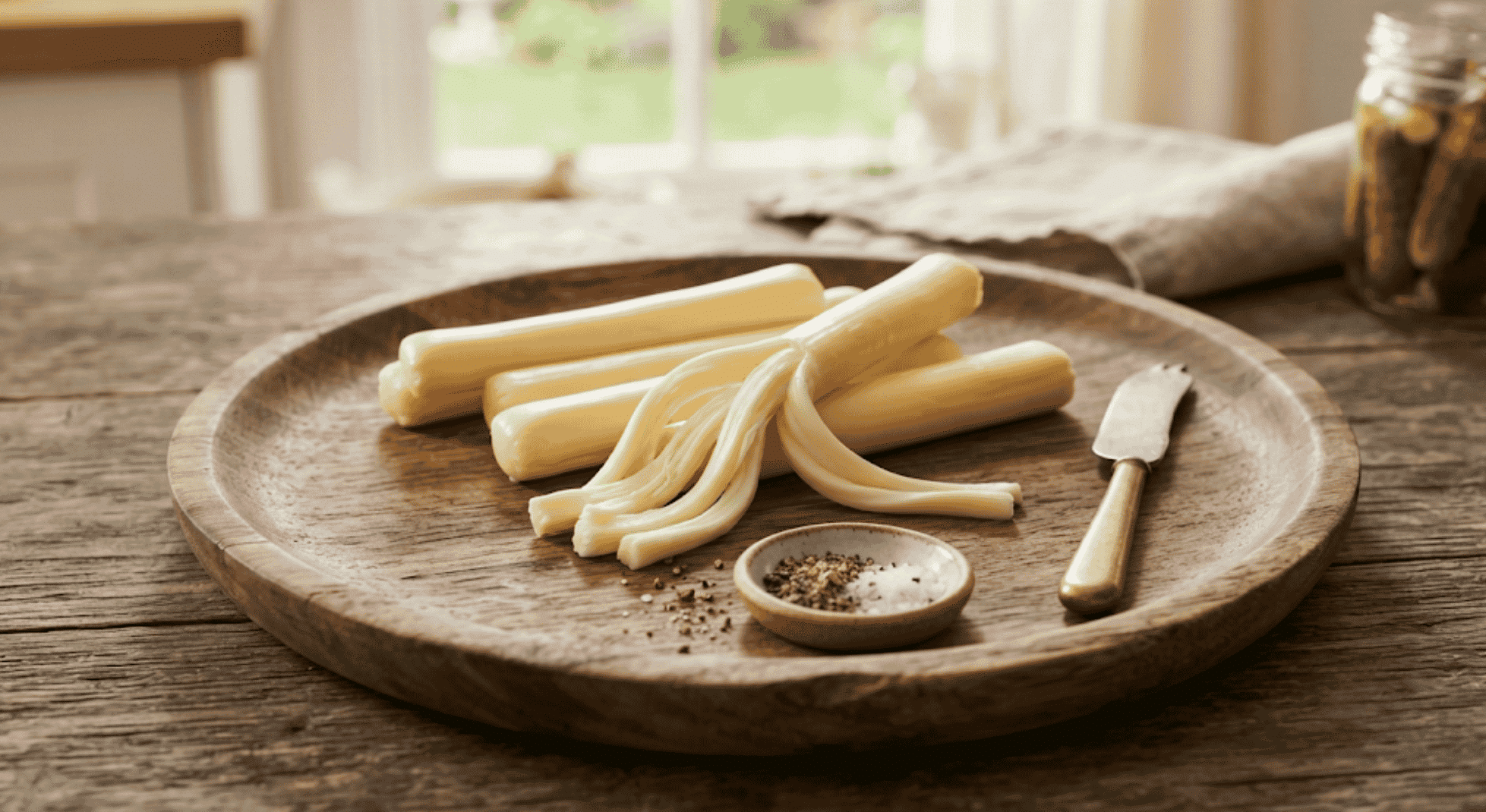
String cheese is a convenient dairy snack that offers approximately 6–8 g of protein and 70–90 calories per stick.
It works well as a quick snack for children, adults, or anyone needing a protein boost between meals. Choose part-skim mozzarella options for a lower-calorie choice with good protein content.
String cheese provides calcium and is easy to carry without preparation. However, some varieties may contain more sodium, so checking labels can help you make a better choice.
14. Hummus With Vegetables
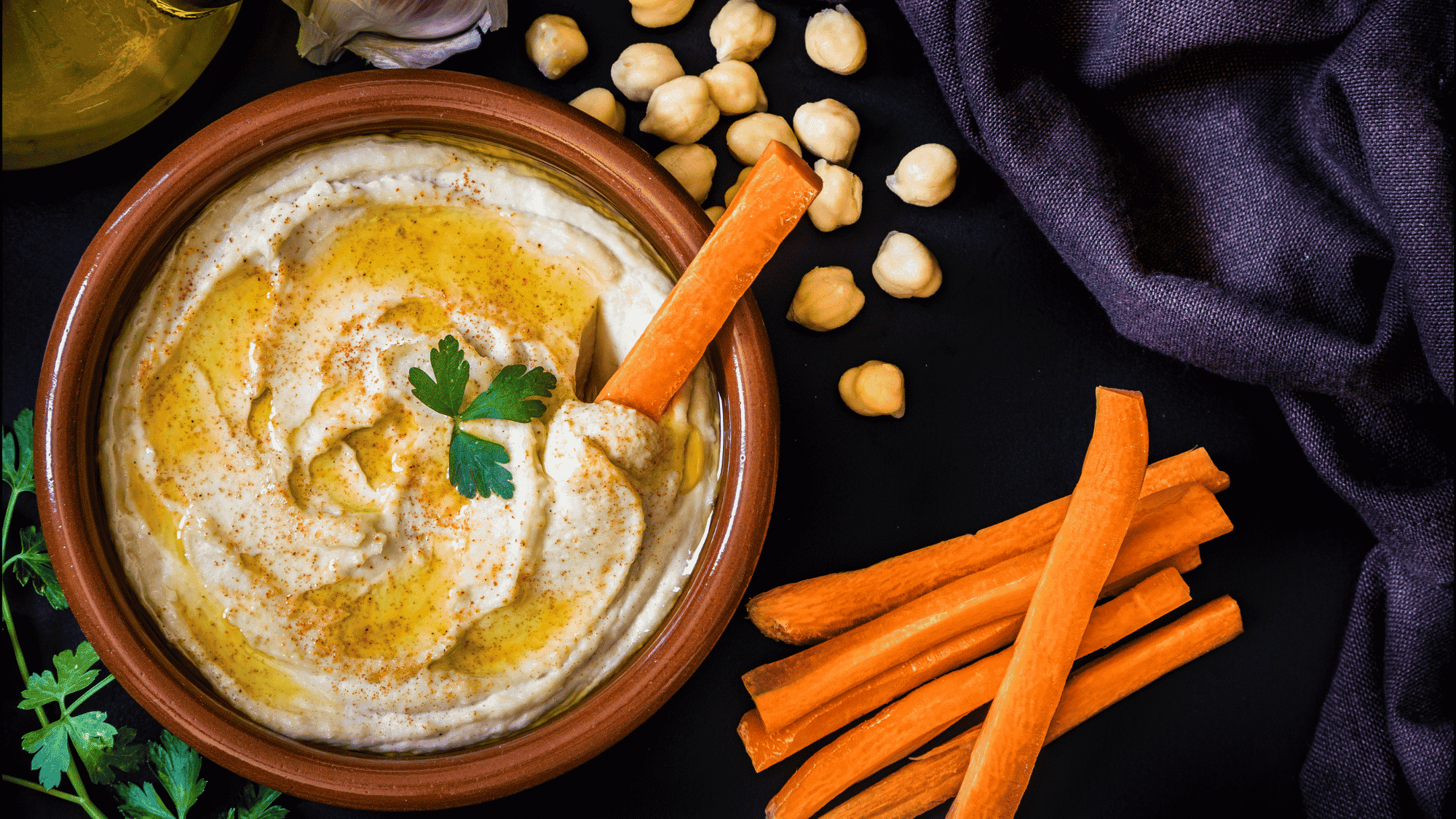
Hummus paired with vegetables like carrots, cucumbers, or bell peppers makes a balanced snack with protein, fiber, and healthy fats.
A serving of hummus provides around 4–6 g of protein and 100–150 calories, depending on the portion size.
It is a good option for vegetarians and those looking for a plant-based snack. Choose hummus with simple ingredients and pair it with fresh vegetables instead of high-calorie crackers or chips.
While hummus is nutritious, portion control is important because it can become calorie-dense in larger amounts.
15. Smoked Salmon
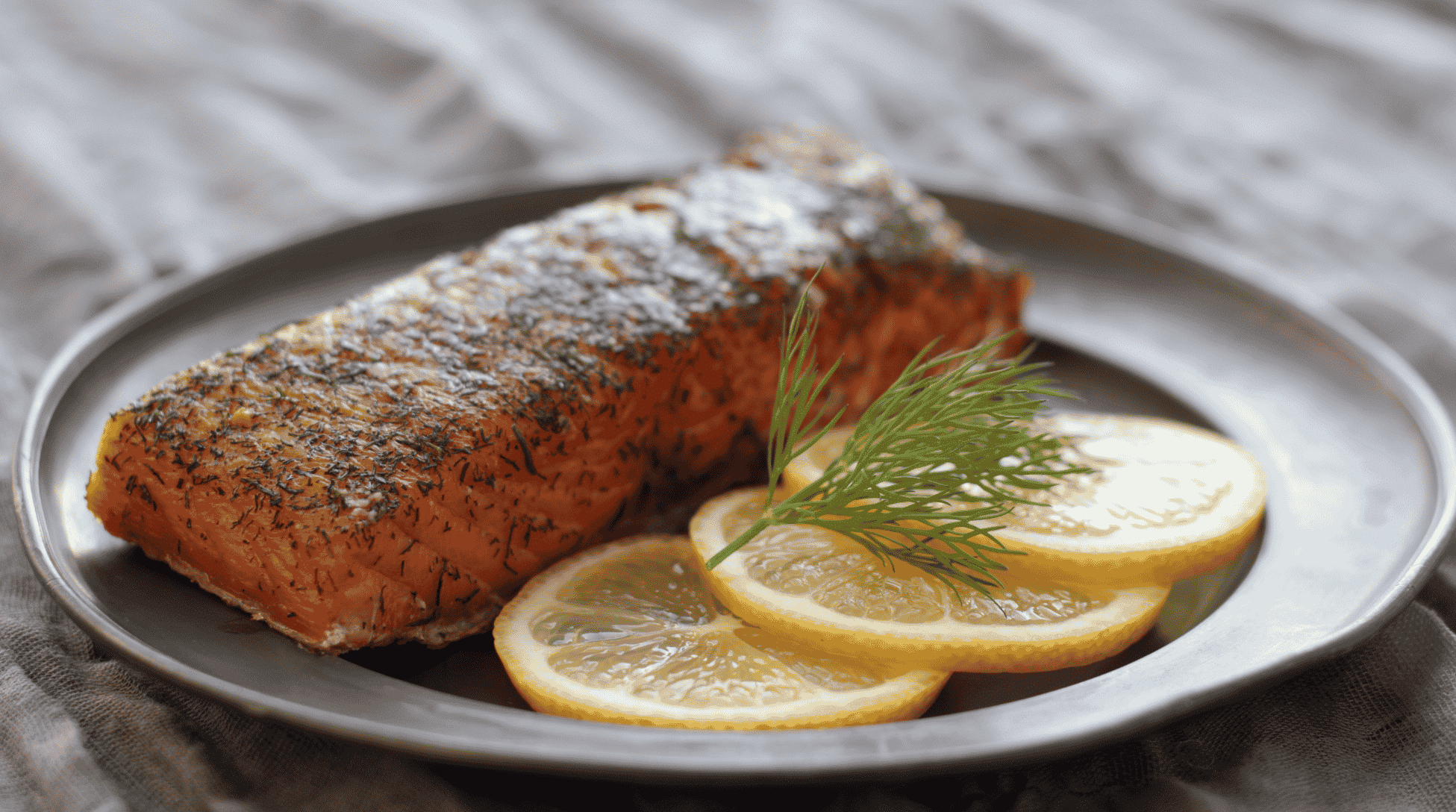
Smoked salmon is a nutrient-rich snack that provides about 15–20 g of protein and 100–150 calories per serving.
It is ideal for people who want a high-protein option with healthy fats, especially omega-3 fatty acids. Pairing it with cucumber slices, whole-grain crackers, or cottage cheese can create a satisfying snack.
When buying, choose products with lower sodium content, as smoked salmon can be high in salt. It is a convenient option but may be more expensive than other protein snacks.
16. High-Protein Pudding
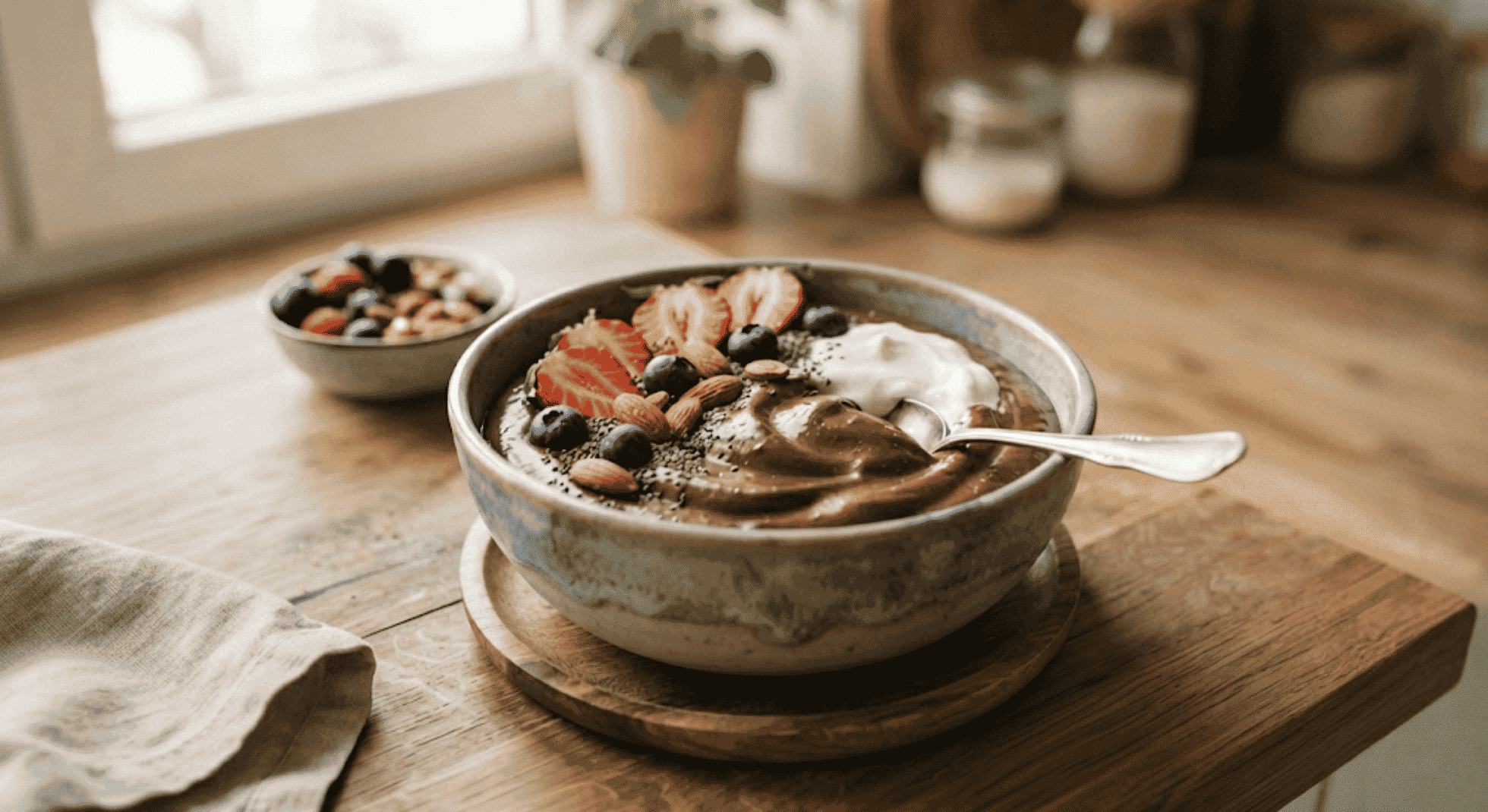
High-protein pudding is a convenient snack that satisfies sweet cravings while supporting daily protein goals.
A typical serving provides 15–20 g of protein and around 100–180 calories, depending on the brand and ingredients.
It is a good choice for dessert lovers, those on weight-management plans, or post-workout snacks. When buying, look for options with low added sugar and a higher protein content per serving.
While it offers a creamy, convenient way to increase protein intake, some varieties may contain artificial sweeteners or other processed ingredients, so checking the label is recommended.
17. Lentil Snacks
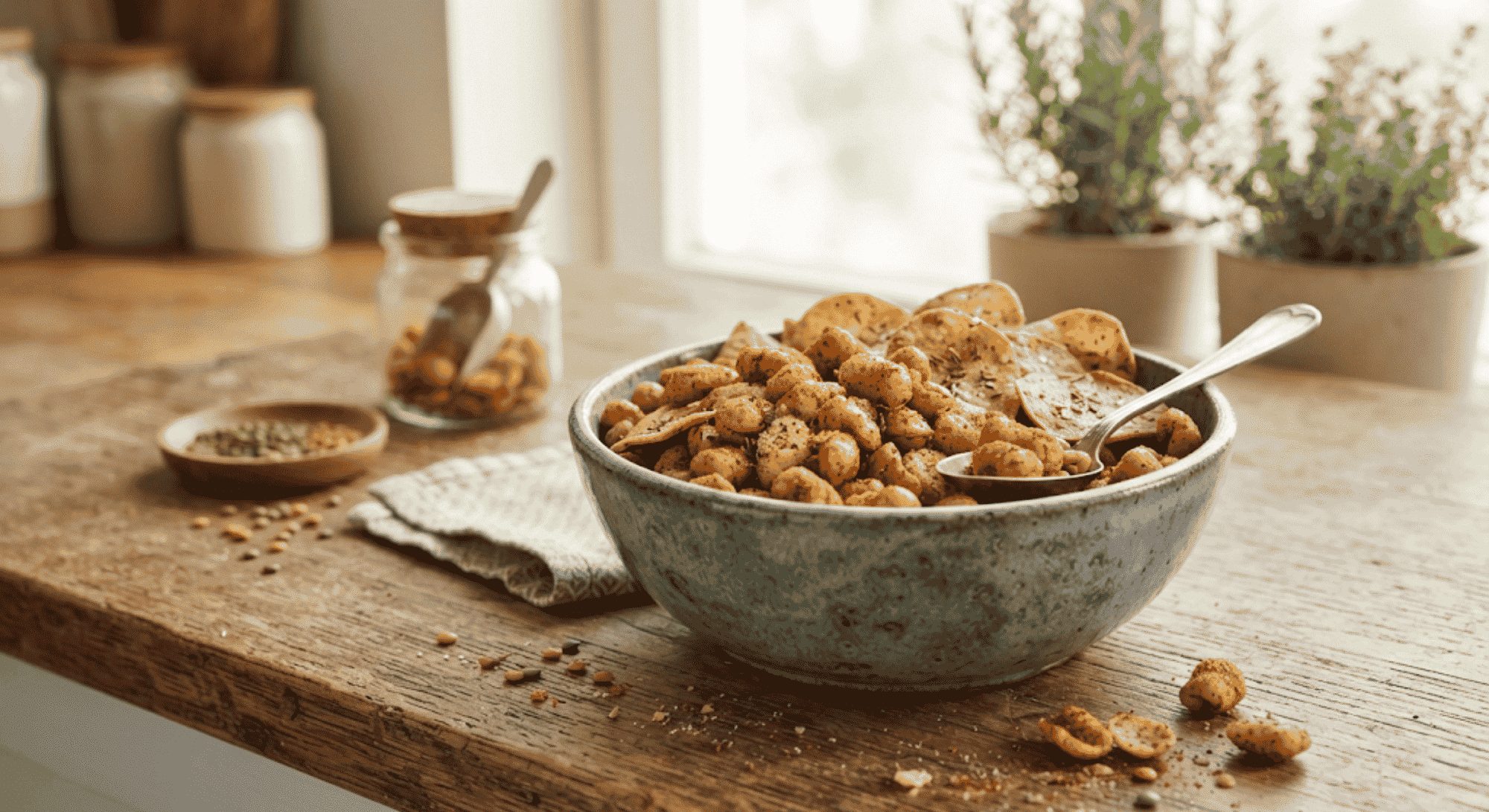
Roasted lentil snacks are a crunchy, plant-based option that provides protein, fiber, and essential nutrients. A one-ounce serving typically contains 5–8 g of protein and around 120–150 calories.
They are ideal for vegetarians and anyone looking for a healthier alternative to traditional chips or salty snacks. Choose baked or dry-roasted versions with limited oil and sodium for a better option.
Lentil snacks help promote fullness due to their fiber content, but portion control is still important, as flavored varieties may contain added calories and salt.
Best Snack Choices for Different Health Goals
The best snack depends on your health goals, dietary preferences, and daily routine. Here are some of the top high-protein, low-calorie snacks based on different needs.
| Goal | Best Snack Options | Why They Work |
| Weight Loss | Greek yogurt, cottage cheese, boiled eggs | High in protein and filling, helping control hunger while keeping calories in check. |
| Muscle Recovery | Protein shakes, protein bars, tuna packets | Provide convenient, high-quality protein to support muscle repair and recovery after exercise. |
| Plant-Based Nutrition | Edamame, roasted chickpeas, lentil snacks | Rich in plant protein, fiber, and essential nutrients, making them great for vegetarians and those adding more plant-based foods to their diet. |
| On-the-Go Snacking | Beef or turkey jerky, protein bars, protein chips | Portable, shelf-stable options that require little or no preparation, making them ideal for busy days, travel, or quick protein boosts. |
How to Choose the Right Protein Snack?
Choosing the right high-protein, low-calorie snack starts with checking the nutrition label and understanding what your body needs.
Look for snacks that provide around 10–25 grams of protein per serving to support fullness and muscle maintenance. Compare calorie counts to ensure the snack fits within your daily goals, especially if you are managing weight.
Pay attention to added sugars, as some protein snacks may contain more sugar than expected. Checking the ingredient list can also help you choose options with simple, nutrient-rich ingredients and fewer unnecessary additives.
Including a variety of snacks with protein, fiber, or healthy fats can help maintain energy, manage hunger, and support your overall nutrition goals.
Why Is Protein Important when Cutting Calories?
Protein plays an important role in supporting the body during a calorie deficit, especially when it comes to preserving lean muscle mass.
When calorie intake is reduced, adequate protein helps minimize muscle breakdown and supports fat loss while maintaining strength.
Protein also has a higher thermic effect compared to carbohydrates and fats, meaning the body uses more energy during digestion and processing.
Additionally, protein influences hunger-regulating hormones by increasing satiety hormones such as GLP-1 and PYY while helping to reduce ghrelin, the hormone responsible for hunger.
These effects make protein an important nutrient for maintaining muscle and managing appetite during weight loss.
Homemade vs. Store-Bought: Which Is Better?
Both homemade and store-bought snacks can help you meet your protein goals while keeping calories in check. The right choice depends on factors like your budget, available time, ingredient preferences, and daily routine.
| Factor | Homemade High-Protein, Low-Calorie Snacks | Store-Bought High-Protein, Low-Calorie Snacks |
|---|---|---|
| Cost | Usually more budget-friendly with simple ingredients and bulk preparation. | Often costs more but offers convenience and variety. |
| Convenience | Requires planning and preparation but allows customization. | Ready-to-eat options that save time and are easy to carry. |
| Ingredients | Gives full control over ingredients, portions, and added nutrients. | Quality depends on the brand, so checking labels is important. |
| Nutrition | Easy to adjust protein, calories, and flavors based on your goals. | Provides consistent nutrition but may include additives or sweeteners. |
| Best for | Ideal for meal prep, customization, and people who enjoy cooking. | Better for busy lifestyles, travel, and quick protein needs. |
Can Protein Snacks Support Weight Loss?
Yes, high-protein, low-calorie snacks can be a useful addition to a weight loss plan when they fit within your daily calorie goals.
They work best when used to manage hunger between meals, prevent overeating, and maintain steady energy levels throughout the day.
Good times to include these snacks are between breakfast and lunch, before workouts, or in the evening when cravings usually occur.
Choose portions that provide enough protein without adding too many calories, such as a 170 g serving of Greek yogurt, one boiled egg with vegetables, a protein bar under 200 calories, or cottage cheese with berries.
Pairing protein with fiber-rich foods can help you stay full longer and maintain consistency.
Common Mistakes to Avoid when Buying Protein Snacks
Choosing a high-protein snack requires more than just checking the protein amount on the label. Some products marketed as healthy can still be high in calories, added sugars, or unnecessary ingredients.
- Don’t assume protein means low calorie: A snack can be high in protein but still contain extra calories from added fats, sugars, or large serving sizes. Always check the total calories before buying.
- Don’t ignore sugar content: Some protein bars, shakes, and flavored snacks contain high amounts of added sugar, which can reduce their overall nutritional value.
- Check serving sizes: Nutrition information may be listed for a smaller portion than you actually consume. Review serving sizes to understand the real protein and calorie intake.
- Avoid highly processed products: Choose snacks with simpler ingredients and fewer artificial additives, preservatives, or unnecessary fillers whenever possible.
- Look beyond protein claims: A “high-protein” label does not always make a product the best choice. Consider calories, fiber, ingredients, and overall nutrition before purchasing.
Conclusion
High-protein, low-calorie snacks can be a simple way to support better nutrition, manage hunger, and maintain muscle during a calorie deficit.
From Greek yogurt and cottage cheese to protein bars, jerky, and plant-based options, there are plenty of choices to match different goals and lifestyles.
When buying snacks, focus on protein content, calories, ingredients, and portion sizes rather than relying only on marketing claims.
Whether you choose homemade or store-bought options, the best snack is one that fits your routine and keeps you consistent. With the right choices, staying satisfied and reaching your health goals can feel more manageable.
Frequently Asked Questions
What Are the Best High-Protein Snacks for Busy Schedules?
Yes, convenient options like protein bars, jerky, tuna packets, and protein shakes are useful for busy days because they require little preparation and are easy to carry.
What Is the Best Time to Eat High-Protein Snacks?
Yes, high-protein snacks can be eaten between meals, before workouts, after exercise, or when hunger increases. The best timing depends on your routine and nutrition needs.
Can You Eat High-Protein Snacks Every Day?
Yes, you can include high-protein snacks daily as long as they fit your calorie needs and provide a balanced mix of nutrients from different food sources.
Are Homemade Protein Snacks Healthier than Store-Bought Options?
Yes, homemade snacks offer more control over ingredients, but store-bought options can also be healthy when you choose products with good protein, low sugar, and simple ingredients.
How Much Protein Should a Snack Have?
Yes, a good high-protein snack usually provides around 10–25 grams of protein per serving, depending on your goals, activity level, and overall daily protein intake.