


Working on yourself can sound simple until you actually sit with your own patterns. One week, you feel ready to change. The next week, the same habits return like they paid rent. That can feel frustrating, but it does not mean you are broken.
Learning how to work on yourself is not about becoming perfect. It is about making your choices match what you say matters to you. That includes your thoughts, habits, emotions, body care, and relationships.
I like to think of it as building trust with yourself in small ways. Not huge life makeovers. Not harsh self-talk. Just better decisions repeated often enough that they start to feel normal.
What Does Working On Yourself Mean?
Working on yourself means building habits, skills, and choices that help you live closer to your values, in how you think, how you act, how you care for your body, and how you respond when life gets messy.
At its core, it means noticing where your daily actions do not match the person you want to be, then choosing one better response at a time instead of judging yourself for the gap.
This can look like sleeping earlier, setting a clearer boundary, learning to pause before reacting, or finally handling a problem you keep avoiding. Even layering small morning habits one at a time counts, since the goal is not to become someone else. It is to stop leaving yourself behind in small daily ways.
The National Institute of Mental Health notes that self-care means taking the time to do things that improve both your physical health and mental health, which can help manage stress, lower your risk of illness, and increase your energy.
Personal growth is not only about mindset. It is also about how you live, rest, eat, move, and ask for help when needed.
What Are The Key Areas For Self-Improvement?
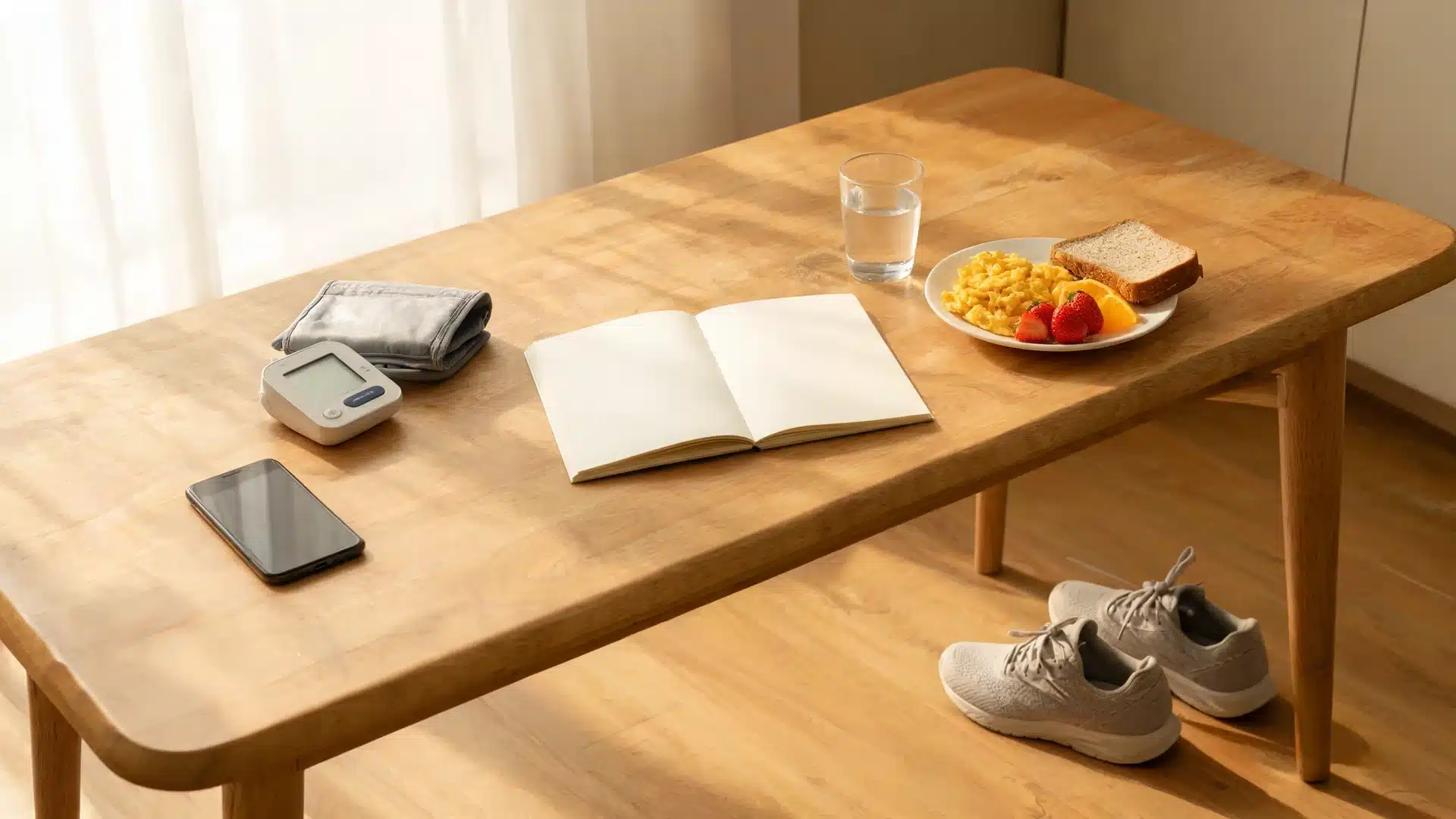
Self-improvement feels easier when you break it into clear parts. You do not need to fix everything at once. Start with the one area that affects your daily mood, choices, or follow-through the most.
- Mental growth: Improve how you think, focus, learn, and solve problems. Start by naming one thought that keeps making things harder.
- Emotional growth: Learn to name your feelings before reacting. Even a pause of a few seconds can help you choose a better response.
- Physical care: Support your mind with sleep, water, food, movement, and basic checkups.
- Relationship patterns: Notice how you listen, speak, apologize, and set limits in daily relationships.
- Values and purpose: Choose goals that match what matters to you, not what only looks impressive.
These areas work together. A tired body can make emotions feel heavier. Unclear values can make goals feel random. Pick one area first, give it steady care for a couple of weeks, then move to the next.
Why Do Personal Goals Turn Into Self-Sabotage?
Personal goals turn into self-sabotage when they are too vague, too strict, or disconnected from your real schedule, energy, and values. A goal can sound good and still fail because it does not fit your actual life.
The common pattern looks like this:
| Pressure-based goal > strict plan > missed day > guilt > avoidance > old habit |
This does not mean you are lazy. It usually means the plan was built on pressure rather than self-awareness. Self-sabotage also shows up when the routine is too big, the same way trying a 72-hour fast out of nowhere rarely sticks the way a smaller, repeatable habit does.
Ten minutes of walking, one honest message, one better meal, or one page of reading tends to create more follow-through than a plan that collapses by day four.
A missed day can turn into a full stop when the inner critic takes over. Instead of thinking “I always quit,” try “I missed today, so I will restart smaller.” That keeps responsibility without turning the moment into a source of shame. The better path is clearer goals, smaller steps, and kinder self-correction: a goal that can survive a normal, imperfect week.
How Do You Start Working On Yourself In Daily Life?
The most useful answer is simple: choose actions that help you understand yourself, care for your body, improve your habits, and show up better in daily life. You do not need to rebuild your whole routine at once. Pick one activity below, try it for a week, and notice what shifts in your mood, choices, and self-trust.
1. Focus On Your Strengths First

Working on yourself does not always mean fixing what is weak. Sometimes it starts with noticing what already works.
Write down three things you do well, then use one of them more on purpose this week, at work, at home, or toward a personal goal. This keeps growth from feeling like a running list of your flaws.
2. Ask Yourself Better Questions

Good questions move you toward clarity instead of shame. Try “What keeps repeating here?”, “What am I avoiding?”, or “What is one honest next step?” instead of “Why am I like this?” The first set points to a pattern you can act on. The second just circles.
3. Seek Honest Feedback

You cannot always see your own blind spots. Ask one trusted person, “What is one thing I do well, and one thing I could work on?” Then listen without defending right away.
One honest answer from someone who knows you often reveals more than weeks of solo journaling.
4. Start With A Five-Minute Action

Many goals fail because the first step feels too big. Set a five-minute timer for one task: read one page, clean one corner, walk outside, or write a few lines. Once you start, the task usually feels lighter, and repeating it gets easier.
5. Keep Going After One Bad Day

One missed day does not erase progress. The real problem starts when one slip turns into a full stop. Create a restart rule: if you miss a habit, return the next day with the smallest version of it.
Remember that habits take an average of two months to feel automatic, so a rough week is part of the timeline, not proof that it is not working.
6. Practice Fair Self-Talk

The way you talk to yourself shapes your choices. Replace “I always fail” with “This did not work today, so I need a smaller step.” Keep the tone firm but kind.
Research summarized by the National Institutes of Health has found that as people’s self-compassion increases, they tend to criticize themselves less and report less depression, rumination, and anxiety. Fair self-talk is not softness. It is a skill that helps you recover faster from mistakes.
7. Set One Clear Goal
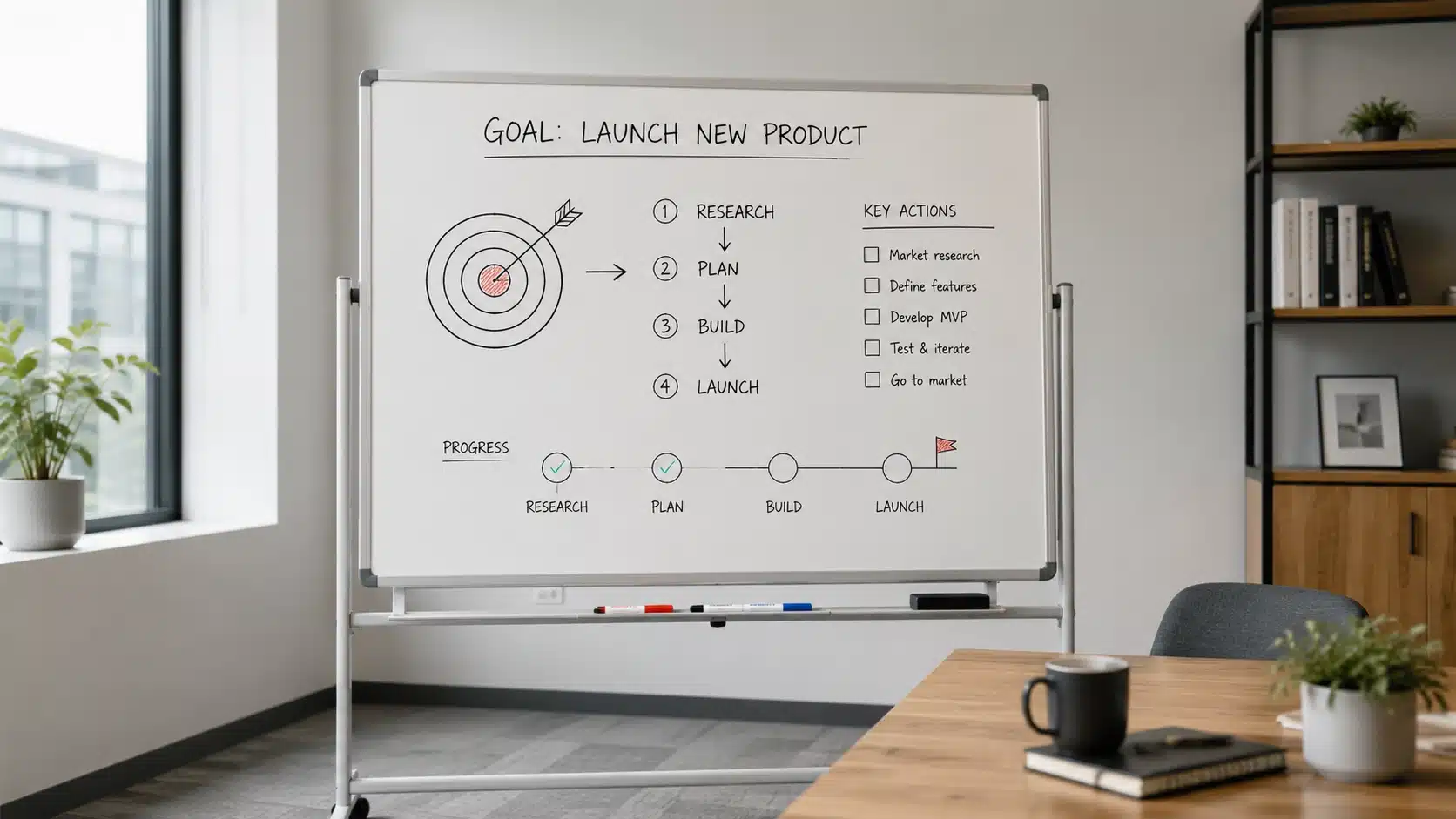
A vague goal like “do better” does not tell you what to do today.
Write one goal with a clear action and a time frame, for example, “walk 10 minutes after lunch, 4 days this week.” That makes progress something you can actually check.
8. Handle One Task You Keep Avoiding

Avoided tasks linger in your mind, making everything else feel heavier. Pick one thing you keep putting off, such as replying to an email, making a call, or paying a bill.
Start with the easiest part and stop after one clear step if needed. You prove to yourself that avoidance does not have to run the day.
9. Learn To Say No Clearly

Saying yes to everything leaves you tired and distracted from your real priorities. Use a simple line, “I can’t take that on right now,” and skip the long explanation.
This protects your time and builds self-respect because your schedule starts to match what you can actually handle.
10. Improve One Meal

You do not need a perfect diet to take better care of yourself. Choose one meal and add protein, fiber, and color: eggs and fruit, beans and rice, or yogurt with nuts.
For a fuller breakdown, structuring balanced protein meals across the day is worth a look if steady energy is what you are after. One better meal shows you that health can start small instead of demanding a full overhaul.
11. Move Your Body In A Way You Can Repeat

Exercise does not need to feel extreme to help. Pick one form of movement you do not hate, walking, stretching, cycling, or a short home workout, and do it for 10 to 20 minutes, 3 times this week.
NIMH’s own self-care guidance points to even small acts of self-care in your daily life having a big impact, and a repeatable 10-minute walk counts more than an ambitious plan you abandon by Thursday.
12. Create A Gentle Morning Routine

Your morning does not need to be perfect. Choose three simple actions, such as water, sunlight, stretching, or writing one task for the day, before messages and stress take over.
Starting small and adding one habit at a time is what makes a routine stick.
13. Improve Your Sleep Setup

Sleep affects your mood, focus, patience, and follow-through. The CDC recommends that adults get at least 7 hours of sleep in a 24-hour period, and simple habits move you toward that: a steady bedtime cue, dimmer lights, your phone in another room, and a cooler room when possible.
Some people wind down with evening herbal tea, which is worth knowing about before it becomes part of a nightly routine. Better sleep makes almost every other habit on this list easier to keep.
14. Try A Short Meditation
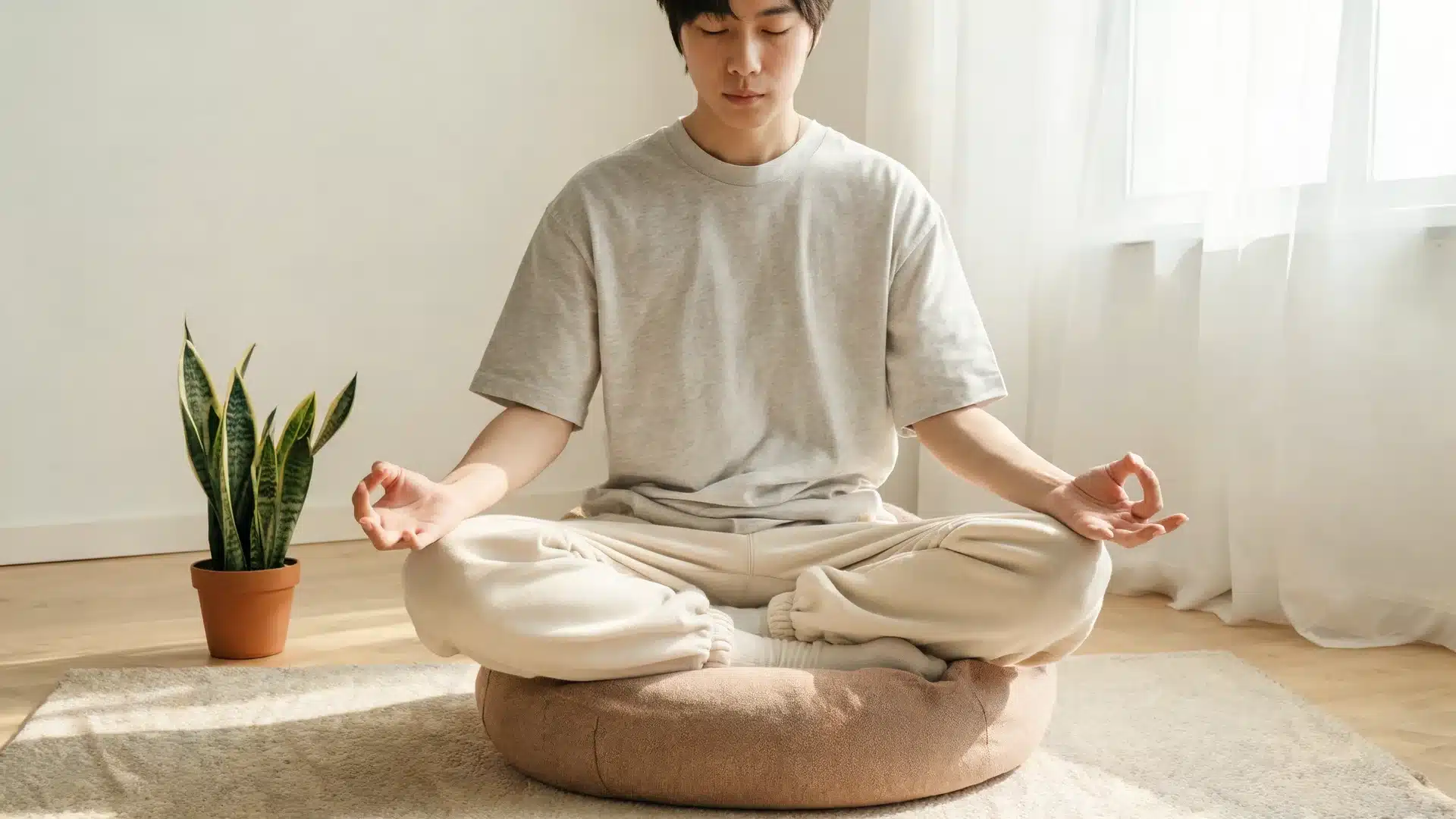
Meditation is not about emptying your mind. Sit for 3 to 5 minutes, focus on your breathing, and when your mind wanders, gently bring it back.
This builds patience with your own thoughts and can help you pause before reacting later in the day.
15. Keep A Simple Journal

Journaling helps you see your thoughts rather than just feel them. Write three lines a day: what happened, how you felt, and what you need next.
Over a few weeks, this can show patterns in mood, stress, and needs that are hard to notice in the moment.
16. Spend Quiet Time Without Input

Quiet time helps you hear your own thoughts without filling every gap with a phone, podcast, or music. Spend 10 to 15 minutes without screens or conversation.
Sit near a window with tea, take a slow walk, or simply rest.
17. Repair One Small Relationship Strain

A small strain, an awkward conversation, an ignored message, a sharp reply, can sit in your mind longer than it deserves.
Choose one relationship where repair feels safe, and send a simple message like, “I’ve been thinking about what happened, and I’d like to clear the air.” Repair does not need a long emotional talk. One honest, calm step is often enough to start.
18. Reduce One Comparison Trigger

Comparison often starts with one small habit: checking one profile, one update, one post. Pick a single comparison trigger for the next 7 days.
Mute one account, turn off one notification, or move an app off your home screen. You do not have to delete everything, just the one thing that affects you most.
19. Build A Basic Self-Care List
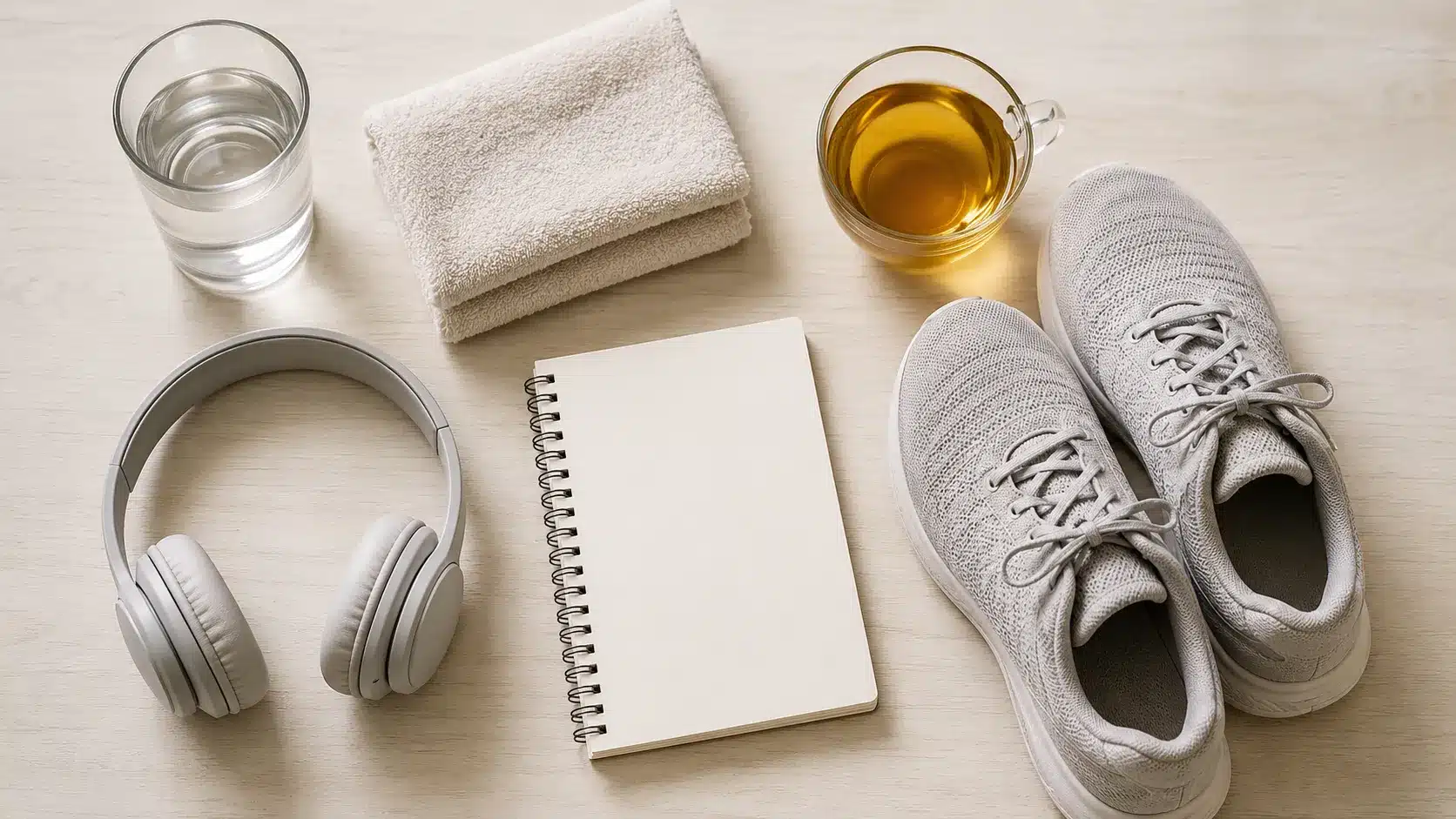
Self-care is easier when you already know what helps you reset. Write 10 simple things that steady you: water, a walk, a shower, a specific playlist, or a call to someone safe.
Having the list ready means you do not need to think hard when your energy is already low.
20. Ask For Help Before You Feel Burned Out

Self-improvement does not mean doing everything alone. Help can come from a friend, a doctor, a therapist, a mentor, or a support group. Name the area where you need support, then contact one person or service that could help you take the next step. Asking earlier keeps problems from getting heavier.
These 20 activities are not meant to become another checklist that pressures you. Pick one that feels useful, practice it for a week, and notice what changes. The best way to learn how to work on yourself is through steady action that builds trust over time.
How Do You Stop Overthinking Self-Improvement?
A calmer way to approach working on yourself is to let reflection lead to action, not replace it. Not every thought needs a long review.
- Set a reflection limit: Give yourself 10 minutes to write what you notice. When the time ends, choose one small action instead of staying in the same thought loop.
- Change the question: Replace “Why am I like this?” with “What is the next helpful step?” This keeps your mind on action instead of self-blame.
- Check your body first: Tight shoulders, poor sleep, or low energy can be signs you need rest, food, water, or a short break before anything else.
- Keep growth ordinary: Self-improvement also happens through daily actions like cooking, walking, cleaning, resting, and keeping small promises to yourself.
- Stop grading every feeling: Some feelings do not need a full meaning attached. They may only need space and a calmer response.
Reflection is useful when it helps you act with more care. It becomes harmful when it turns into constant self-checking. The goal is not to watch yourself all day. It is to live with more awareness and less self-attack.
What Weekly Plan Helps You Work On Yourself Without Pressure?
A weekly plan makes working on yourself feel less scattered by giving each day a clear focus. You do not need to think about every area every day, just a steady rhythm you can return to.
| Day | Focus | Simple Action |
| Monday | Values | Choose one value to practice this week |
| Tuesday | Body | Walk, stretch, or sleep 30 minutes earlier |
| Wednesday | Mind | Remove one distraction |
| Thursday | Emotion | Name one feeling before reacting |
| Friday | Relationships | Send one honest message or set one boundary |
| Saturday | Space | Clean one small area |
| Sunday | Review | Keep what worked and shrink what felt too big |
This plan works because it removes guesswork. You are not waking up each day asking, “What should I fix now?” If Tuesday goes badly, you do not throw away the whole week. You return on Wednesday with the next small focus.
Which Books, Podcasts, And Tools Can Help With Self-Improvement?

Resources are helpful when they make your next step clearer, not when they pile up unread. Pick one that matches your current need, then try one idea before adding more.
- Books: For habit change, Atomic Habits by James Clear and Tiny Habits by BJ Fogg are strong starting points. For mindset, Carol S. Dweck’s Mindset reframes effort and learning. For kinder self-talk, Kristin Neff’s Self-Compassion is worth the read.
- Podcasts: The Happiness Lab with Dr. Laurie Santos covers science-backed well-being, 10% Happier with Dan Harris is useful for meditation and stress, and NPR Life Kit is an easy listen for everyday life skills.
- Tools: NIH Wellness Toolkits cover physical health, emotional health, and relationships in one place, while NIMH Self-Care Resources is a solid starting point when stress begins to affect sleep, work, or relationships.
When Should Working On Yourself Include Professional Help?
Working on yourself should include professional help when stress, anxiety, sadness, trauma, substance use, self-harm thoughts, or daily functioning problems feel too hard to manage alone. Needing help does not mean you failed. It means the issue needs more support than a habit tracker or morning routine can give.
Get support sooner if:
- Your sleep, eating, work, or relationships are being affected
- You feel unable to manage strong emotions
- You use alcohol, food, spending, or isolation to cope often
- You feel unsafe with yourself
- You have tried for a long time and feel stuck
NIMH advises people to seek professional help if they are experiencing severe or distressing symptoms that have lasted 2 weeks or more. A strong plan should make life safer and steadier, not harder to carry. Self-improvement and professional help can work together: one gives you daily tools, the other gives you support when the load is too heavy to sort through alone.
Frequently Asked Questions
How do I start working on myself when I don’t know where to begin?
Pick the one pattern that affects your daily life most, often sleep, self-talk, avoidance, or a relationship habit. Choose one small action tied to it and repeat it for a week before adding anything else.
Can working on yourself make you feel worse at first?
Yes, it can feel uncomfortable because you start noticing patterns you used to ignore. That does not mean you are failing. Keep changes small, take breaks, and focus on one behavior at a time instead of judging your whole personality.
How long does it take to notice real change?
Small changes, like sleep, movement, or planning, can feel noticeable within a few weeks. Deeper patterns often take longer, and research puts the average time for a new habit to feel automatic at around 66 days. Look for signs like quicker recovery and fewer repeat mistakes rather than waiting for a full life shift.
What is the first thing to change when working on yourself?
The first thing to change is usually the pattern that affects your daily life most. It may be sleep, self-talk, avoidance, clutter, or a relationship habit. Start with one visible pattern, choose one small action, and repeat it for a week.
What if self-improvement starts to feel like pressure?
Shrink the plan. Pick one habit that supports your real life today. Rest, food, sleep, and honest support may matter more right now than another goal. Growth should help you live better, not make you feel behind.
Can you work on yourself without journaling every day?
Yes. Journaling helps some people, but it is not required. You can reflect during walks, in voice notes, during therapy, or during weekly planning instead. The point is to notice patterns and choose better actions, not to force one method.
How do you work on yourself without therapy?
Many of the actions in this guide, like fair self-talk, a five-minute start, or a weekly review, do not require a therapist. That said, therapy becomes worth considering if symptoms last two weeks or more, or if daily functioning is affected, since some patterns respond better to professional support than to self-guided habits alone.
What are examples of working on yourself in daily life?
Sleeping 30 minutes earlier, sending one honest message instead of avoiding a conversation, finishing one task you’ve been avoiding, or replacing harsh self-talk with a fairer sentence are all examples. None of them require a big life change, just repetition.
What Should You Take Away From This?
Working on yourself is not about becoming flawless. It is about becoming more honest with your patterns and kinder with your next steps. Some days, that means making a plan. Other days, it means resting instead of pushing past every signal your body gives you.
The real answer to how to work on yourself is found in small choices that build self-trust. Choose one area. Take one action. Review it weekly. Adjust without turning the process into punishment.
If one small action from this article feels useful, try it this week. Then share in the comments which step you are choosing and why it fits your life right now.







3 Responses
Very Helpfull To me . I wrote everything on paper and I will be reading theez and working on theez to help me In my life, thank you
God
Very clear. Thank you.