

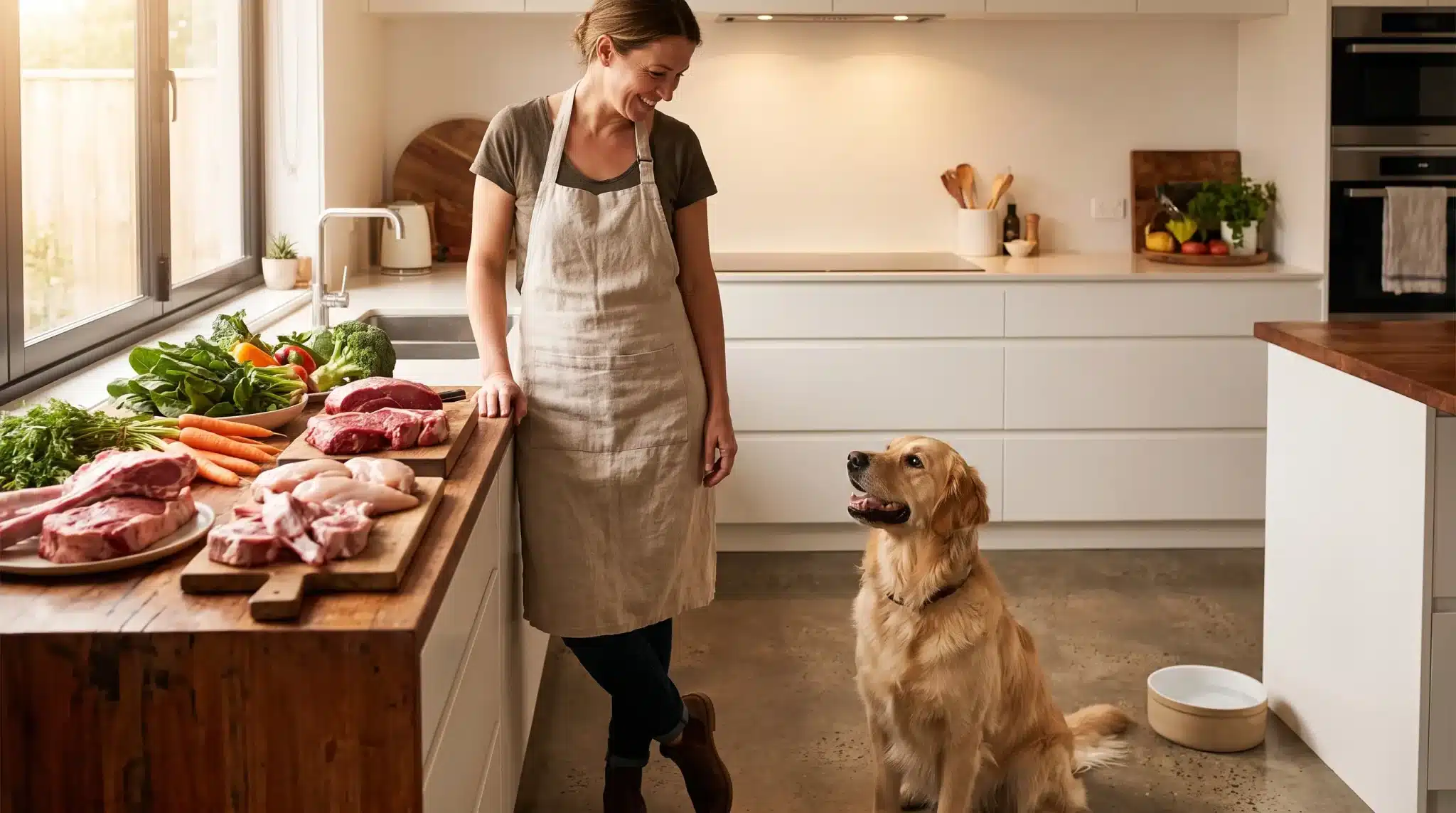
People who love cooking tend to have strong opinions about homemade food. They know how much better a sauce tastes when it simmers from scratch, why freshly chopped herbs beat the dried stuff in certain dishes, and how ingredient quality can change an entire meal. That instinct naturally extends to feeding a beloved pet. If homemade meals are so good for people, why not prepare every meal for the dog or cat, too? The catch is that preparing raw pet food requires a different kind of precision than cooking dinner. Outsourcing the job can deliver the fresh ingredients owners want without turning the kitchen into a pet nutrition laboratory.
Great Cooking Is Not Enough
Knowing your way around a kitchen certainly helps when handling fresh meat, produce, and other ingredients, but pet nutrition involves requirements that are easy to overlook. Dogs and cats need appropriate amounts and ratios of protein, fat, vitamins, minerals, amino acids, and other nutrients. A meal that looks wholesome to a person can still fall short nutritionally when served repeatedly.
That is one reason even the best home chefs opt to purchase raw, all natural pet food rather than creating every recipe themselves. A professional raw food company can formulate meals around nutritional requirements instead of relying on what looks like a healthy assortment of ingredients. For home cooks accustomed to improvising, this distinction matters. A little extra garlic or a skipped vegetable rarely ruins a human dinner. Pet food is different, especially when the same recipe serves as a primary diet day after day.
Consistency Matters Every Day
Home chefs rarely measure every dinner to the gram, and they usually do not need to. Raw pet feeding leaves less room for casual substitutions. Replacing one ingredient with another may change the calcium, phosphorus, fat, protein, or micronutrient content of the meal. Over time, those changes can make an otherwise thoughtful feeding plan less dependable.
Buying properly formulated fresh raw food also makes portions easier to manage. Instead of purchasing multiple ingredients, measuring supplements, preparing batches, and trying to reproduce the same nutritional profile each week, owners can follow established feeding instructions based on their pet’s needs. There is still room to make mealtime personal with appropriate treats or veterinarian-approved additions. The everyday nutritional foundation, however, does not have to depend on whether somebody had enough time to prepare liver, portion meat, and calculate supplements after a long Tuesday.
Raw Prep Takes Real Work
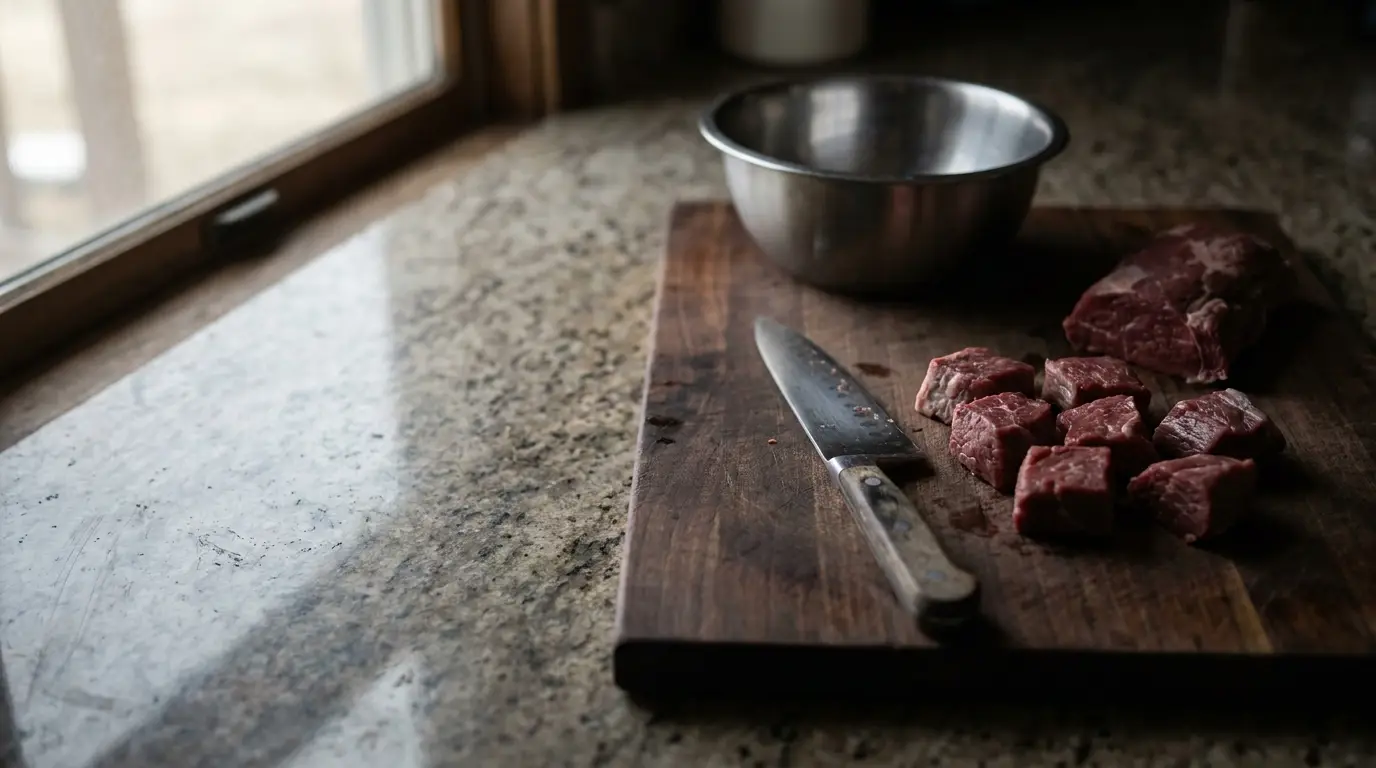
Anyone who regularly cooks from scratch knows that the actual cooking is only half the job. Shopping, storage, preparation, dishes, and cleanup eat up plenty of time. Raw pet food adds another layer because handling uncooked animal products calls for careful sanitation and storage practices.
Making several days or weeks of meals can mean dedicating freezer space to meat, organs, bones, and prepared portions. Cutting boards, knives, counters, bowls, and other surfaces need appropriate cleaning after preparation. Ingredients also have to remain at safe temperatures during storage and thawing. Outsourcing removes much of that work while preserving the appeal of feeding fresh food with minimal processing.
For people who already spend their free time experimenting with sourdough, perfecting pasta dough, or smoking a brisket for half the weekend, that trade can be pretty appealing. Loving food does not mean every edible thing in the household needs to become another cooking project.
Food Supports the Daily Bond
Feeding a pet is rarely just another household chore. Meals become part of a familiar routine that pets recognize, whether that means waiting beside the refrigerator at exactly 6 p.m. or appearing the instant a food container opens. Owners naturally want those meals to support the animals that bring companionship and affection into everyday life.
That relationship can feel particularly meaningful for someone who relies on an emotional support animal as a consistent source of comfort and companionship. Choosing prepared fresh raw food allows an owner to focus on selecting a high-quality diet and serving appropriate portions without assuming responsibility for formulating every meal from scratch.
Outsourcing also makes routines easier to maintain during hectic weeks. Work deadlines, travel, family responsibilities, and unexpected schedule changes can derail an ambitious homemade feeding routine. Having prepared food available means the pet’s regular diet does not need to change simply because the owner’s calendar did.
Leave Formulation to Specialists
There is no shame in outsourcing a job that requires specialized knowledge. Great home chefs buy bread from talented bakers, order charcuterie from experienced producers, and visit restaurants precisely because expertise has value. Fresh pet food deserves the same logic.
A reputable provider can handle recipe development, ingredient sourcing, portioning, and production while owners retain control over what they choose to feed. Pet owners should still read ingredient information, follow storage directions, choose food appropriate for their animal, and discuss major dietary changes with their veterinarian. Outsourcing does not mean switching off your judgment. It means recognizing that enthusiasm for cooking and expertise in animal nutrition are not automatically the same thing.
For food lovers, prepared raw pet food offers an appealing middle ground. Pets can receive fresh, thoughtfully formulated meals while their humans keep the cutting board available for tonight’s dinner.