
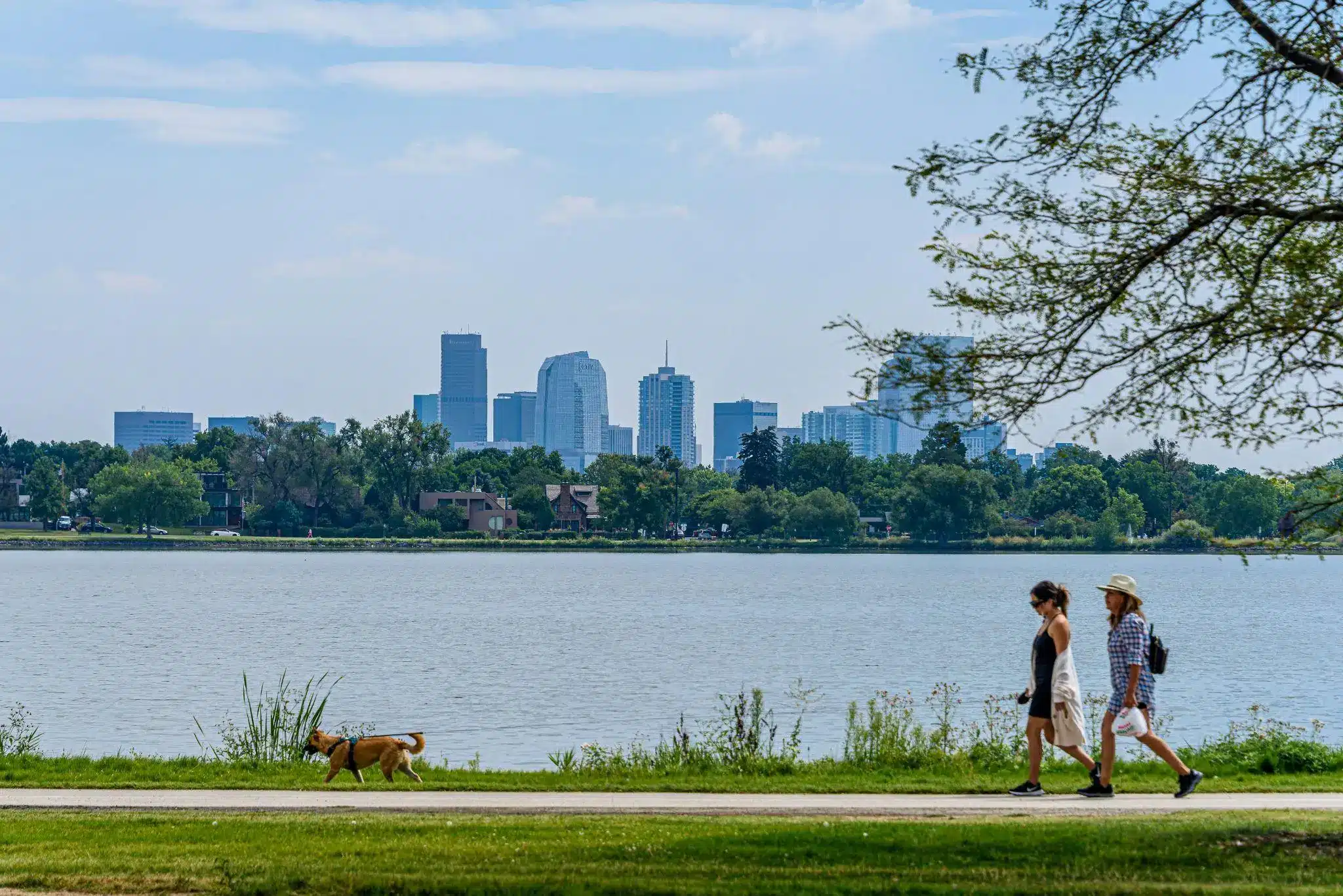
I thought bringing my dog to Denver in summer would be straightforward until the first afternoon storm rolled in at 2pm and we were halfway up a trail with nowhere to go.
That moment taught me something most travel blogs skip entirely: July in Denver operates on a rhythm that has nothing to do with your expectations and everything to do with altitude, weather patterns, and pavement temperatures that can hospitalize an unprepared dog.
July in Denver Is Not What Your Dog Was Expecting
The sidewalk heat alone is enough to derail your entire trip. Asphalt in Denver hits 140°F on a 90-degree day, and at those temperatures, a dog’s paw pads can suffer burns in less than a minute. The seven-second rule applies here: if you cannot comfortably hold your bare hand on the pavement for seven full seconds, your dog should not be walking on it.
The afternoon thunderstorms roll in with unsettling regularity. July is the most stormy month of the year in Denver, with thunderstorms occurring on average 11 days per month, or once every three days.
The standard formula for a day in July is a sunny morning, clouds developing in the late morning and early afternoon, and by mid-afternoon, thunderstorms are rolling off of the foothills and into the metro area. If you are caught mid-trail when those storms arrive, you have limited options and zero cell service on most popular dog hiking routes.
Denver sits at 5,280 feet, and dogs new to altitude can take one to two weeks to acclimate.
Most healthy dogs typically adjust to higher altitudes within a few days to a week, but during that adjustment window, key signs of altitude sickness in dogs include fatigue, loss of appetite, vomiting, excessive panting, rapid heartbeat, or weakness. Your dog will not tell you they feel off. They will simply slow down, pant harder, or refuse water, and by the time you notice, you are already managing a problem instead of preventing one.
The morning coolness that greets you at 7am vanishes by 10am. That narrow early window is your entire outdoor opportunity for the day unless you want to gamble with heat exhaustion or wait until after 7pm when the pavement finally cools and the storms clear.
What Actually Works When the Heat Window Closes
July in Denver basically gives you a two-hour morning window and then forces a decision about what happens next. Most visitors underestimate how long those midday hours are. From around 10am until early evening, the city is genuinely uncomfortable for a dog outside. Leaving them in an Airbnb alone for six hours is not a real plan, and most hotels are not equipped to help.
What actually works is having local care arranged before you arrive. A vetted sitter who can take your dog during the dead hours, or a daycare option where they are comfortable and looked after while you do the parts of the trip that do not suit them anyway.
Some dog services operate in Denver with a network of guaranteed, hand-picked providers for exactly this: boarding, daycare, sitting, walking. The July heat window stops being the thing that dictates your entire itinerary and becomes just one part of a day that actually works for both of you.
That shift in planning changes everything. You can actually visit the indoor attractions, eat at restaurants, or explore the city during the hottest part of the day without the constant low-level anxiety about whether your dog is okay back at the rental. When you pick them up in the late afternoon, they have been cared for, socialized, and are ready for an evening walk when the temperature finally cooperates.
The Gear Nobody Mentions but Everyone Needs
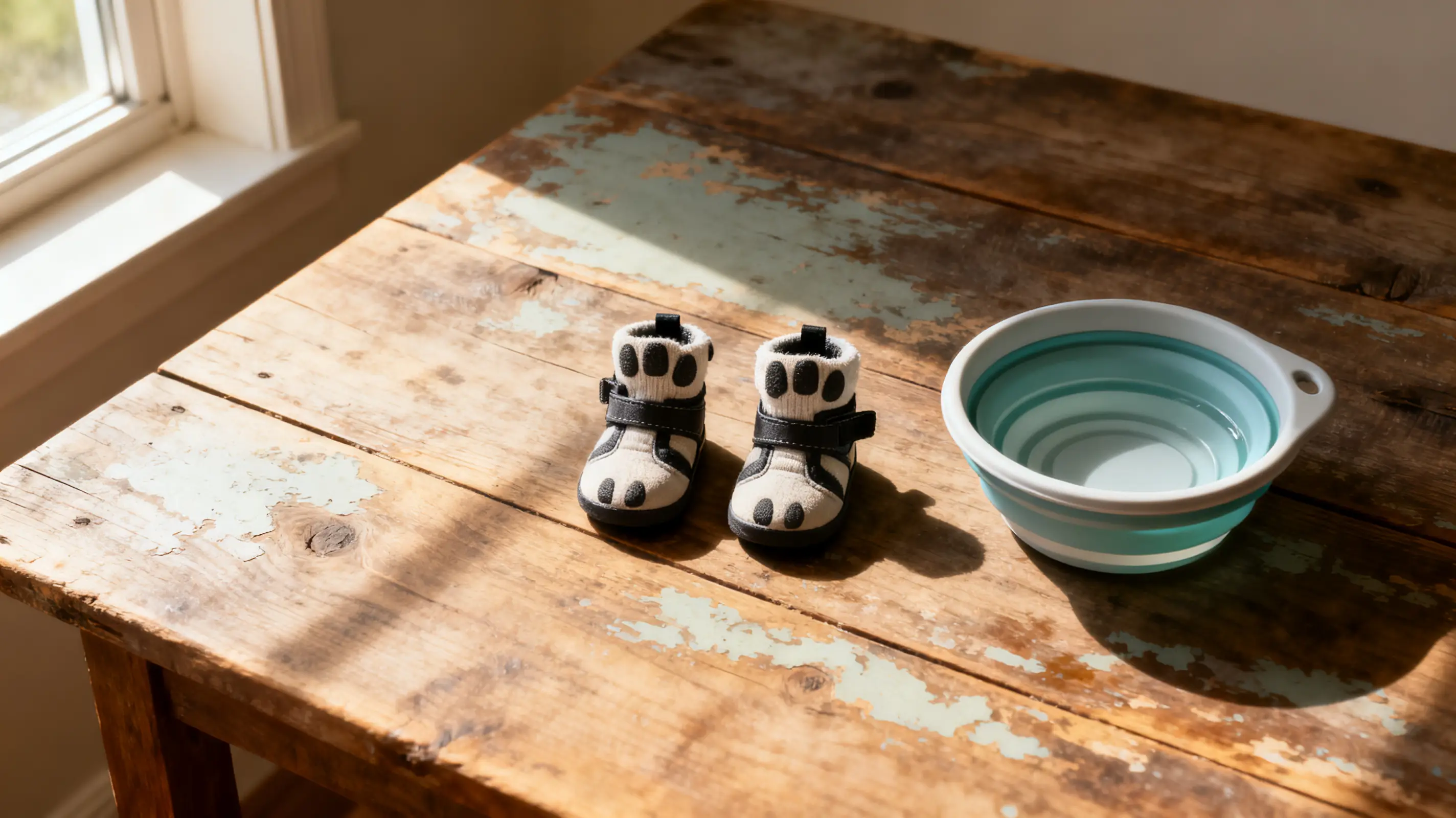
Paw protection is not optional in July. Bring booties or a protective balm that creates a barrier between paw pads and hot surfaces. Test the booties at home first because most dogs reject them the first three times you try. If your dog refuses booties entirely, plan every single walk on grass, dirt, or shaded pavement only.
Collapsible water bowls and twice the water you think you need. Dehydration at altitude happens faster than at sea level, and your dog will not always signal thirst clearly during the acclimation period. Carry a portable bowl and offer water every 20 minutes during any outdoor activity.
A backup plan for every outdoor activity. If your plan is a two-hour trail hike, you need to know where the bailout points are, how to get back to the car if weather turns, and what the closest vet is if your dog shows signs of heat distress or altitude sickness. Just like creating functional outdoor spaces at home requires intentional planning for real-world use, a Denver dog trip demands scenario thinking before you leave the hotel.
The Timing Strategy That Actually Prevents Problems
The best advice I received came from a local who told me to flip my entire schedule. Wake up at 5:30am, walk the dog before 7am, then put them in care by 9am. Spend midday doing human activities. Pick them up at 5pm, wait until 7pm for the pavement to cool, then do your evening outing when the storms have passed and the temperature has dropped.
That rhythm feels counterintuitive when you are on vacation, but it is the only pattern that consistently works in July. Trying to force a normal schedule results in either skipping activities or leaving your dog in a situation that stresses both of you.
Book care in advance. The good providers fill up fast during summer travel season, and scrambling to find last-minute help when you realize your dog cannot handle the midday heat is not a position you want to be in.
What the Altitude Does That You Cannot See
Your dog is working harder to breathe even when they look fine. The air contains less oxygen per breath at 5,280 feet, which means their cardiovascular system is compensating every minute they are active. Slow everything down for the first three days. Shorter walks, more breaks, no strenuous hikes until they have adjusted.
Watch for subtle changes. Gums that look paler than usual, hesitation on stairs, or refusing food are all early signals that altitude is affecting them more than you realized. Do not wait for dramatic symptoms. Adjust activity immediately when you notice small shifts in behavior.
The combination of altitude and heat creates a compounding stress that affects dogs differently than it affects humans. You might feel fine while your dog is genuinely struggling, and because they cannot articulate discomfort, you have to read body language closely and act preemptively.
The Real Cost of Getting It Wrong
Paw pad burns require veterinary treatment and can take weeks to heal fully. Heat exhaustion can escalate to heat stroke faster than you expect, especially at altitude where your dog is already working harder to regulate temperature. Altitude sickness that goes unaddressed can lead to pulmonary edema, which is life-threatening and requires emergency care.
The financial cost is one thing. The emotional cost of watching your dog suffer because you misjudged the conditions is worse. Denver in July is manageable, but only if you accept that the city sets the terms and your job is to adapt your plans accordingly.
Most people do not think about local care until they are already struggling. The ones who plan ahead, secure reliable help, and build their schedule around the realities of July weather report an entirely different experience. Their dogs stay comfortable, they enjoy the trip without constant stress, and they leave with the kind of memories they actually wanted instead of the frantic damage control that defines most summer visits.
July in Denver rewards preparation and punishes assumption. Treat it that way from the start, and both you and your dog will have the trip you planned for instead of the one you survived.