

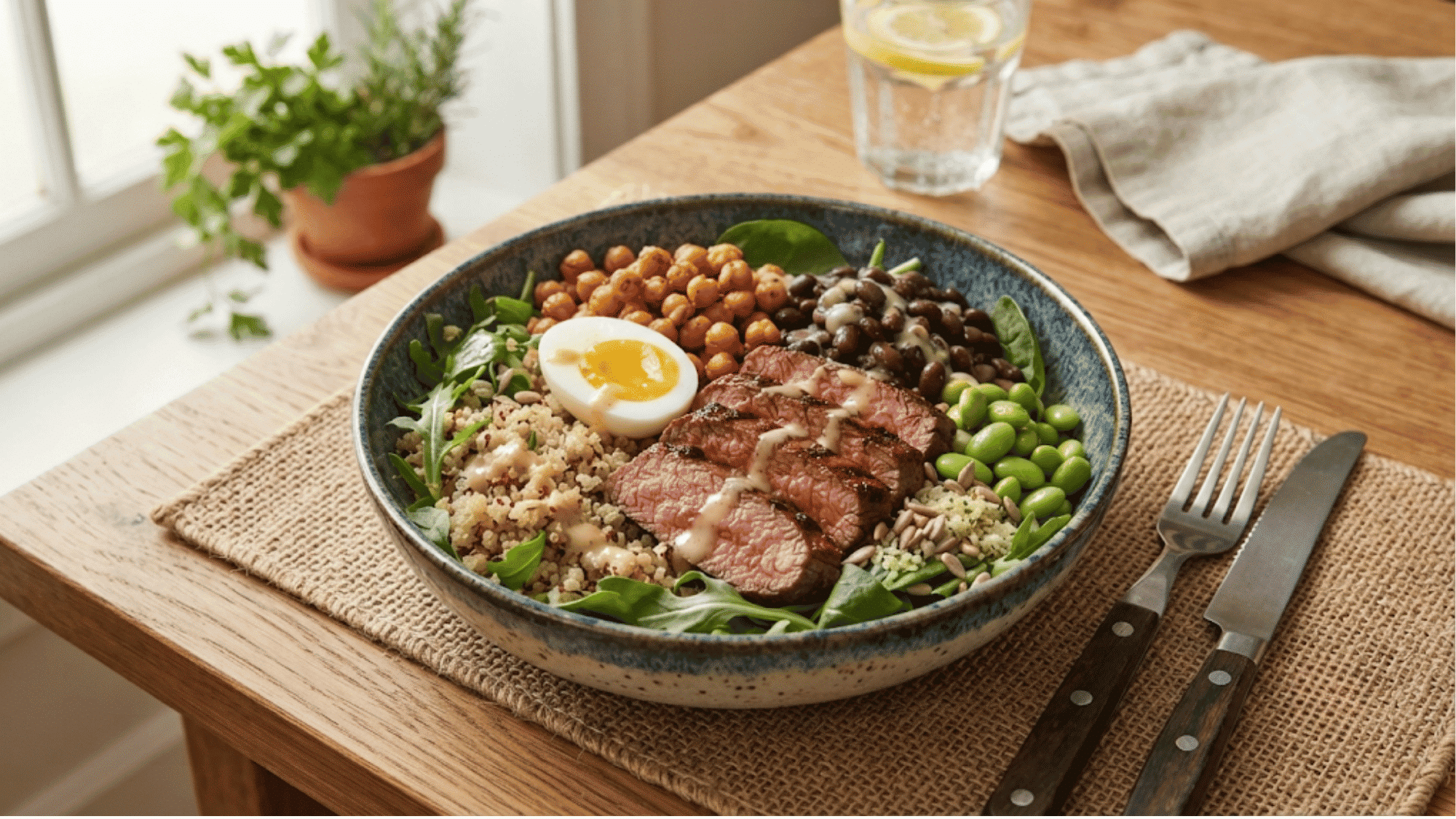
Healthy eating sounds simple until semaglutide changes the way your body responds to food.
I quickly realized that the same meals I used to enjoy did not always leave me feeling my best, and figuring out what worked took more thought than I expected.
Small food choices can make everyday eating feel much easier while helping you stay on track with your goals. The good news is that you do not need a complicated diet or strict food rules to make progress.
Knowing which foods support your body and which ones may be worth limiting can make the journey feel far more manageable.
What Is Semaglutide?
Semaglutide is a prescription medication used to help manage type 2 diabetes and support long-term weight management in eligible adults.
It works by mimicking glucagon-like peptide-1 (GLP-1), a natural hormone that helps regulate blood sugar, slows stomach emptying, and reduces appetite.
According to research published through the U.S. National Library of Medicine, GLP-1 receptor agonists improve blood glucose control, promote weight loss, and support overall metabolic health.
By helping you feel full for longer, semaglutide may reduce calorie intake when combined with a balanced diet and regular physical activity.
It is available under several brand names and should only be used under the guidance of a healthcare provider.
Healthy food choices remain essential for meeting nutritional needs and managing digestive side effects during treatment.
Why Your Diet Matters During Semaglutide Treatment?
Your food choices can influence both how you feel while taking semaglutide and how well you meet your nutrition goals. Focus on balanced, nutrient-dense meals to support your body throughout treatment.
- Supports your nutrition: A reduced appetite means every meal should provide protein, fiber, healthy fats, vitamins, and minerals.
- Helps preserve muscle mass: Eating enough lean protein can support muscle health while you’re losing weight.
- Keeps you feeling satisfied: Fiber-rich carbohydrates and healthy fats work with semaglutide to promote longer-lasting fullness.
- May reduce side effects: Choosing smaller, balanced meals may help ease nausea, bloating, and other digestive symptoms.
- Supports steady energy levels: Nutrient-dense foods help provide consistent energy, even when you’re eating less.
- Encourages long-term healthy habits: Building balanced eating patterns can help support lasting weight management alongside semaglutide treatment.
What to Eat on Semaglutide for Better Results?
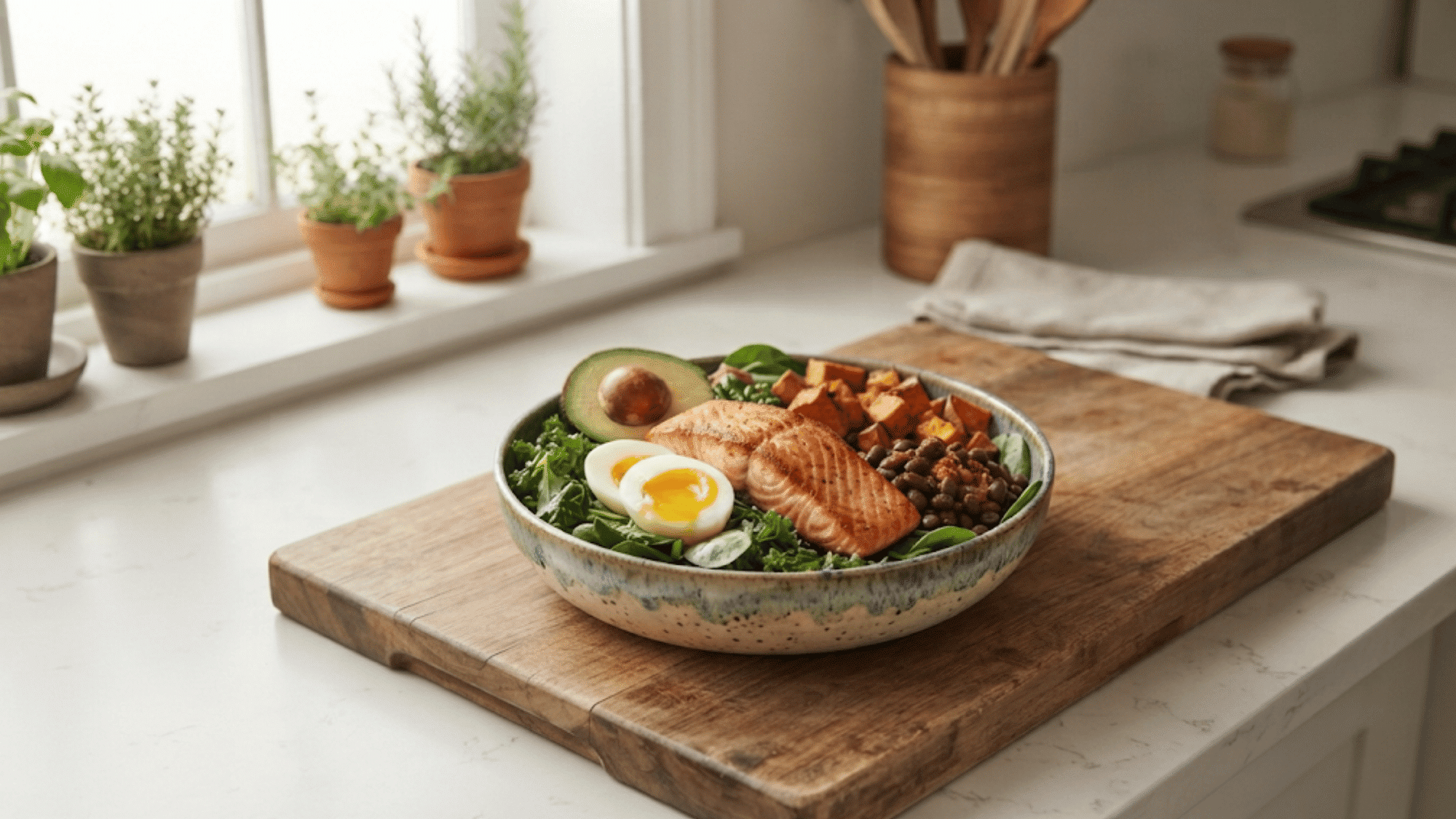
Focus on protein, fiber, healthy fats, and fluids to meet your nutritional needs while managing a lower appetite on semaglutide.
1. Prioritize Protein-Rich Foods to Support Muscle and Fullness
Protein helps preserve lean muscle mass during weight loss and keeps you feeling satisfied for longer.
Including protein at each meal can make it easier to maintain balanced eating habits while taking semaglutide. Choose a variety of protein sources to provide essential nutrients and support overall wellness.
Protein-rich foods to include:
- Eggs
- Chicken breast
- Fish and seafood
- Greek yogurt
- Cottage cheese
- Tofu and tempeh
- Beans and lentils
- Protein shakes (if well tolerated)
2. Choose High-Fiber Foods for Digestion and Fullness
Fiber supports healthy digestion and may help manage constipation, which can occur for some people taking semaglutide.
High-fiber foods also promote fullness and help maintain steady energy levels throughout the day. Increase fiber intake gradually and drink enough water to support digestion.
High-fiber foods to include:
- Vegetables such as broccoli, spinach, and carrots
- Berries
- Oats
- Whole-grain bread and cereals
- Brown rice and quinoa
- Beans and legumes
- Chia seeds and flaxseeds
3. Include Healthy Fats in Small Portions
Healthy fats are an important part of a balanced diet, but portion control is key while taking semaglutide.
Since the medication slows stomach emptying, large amounts of fat may increase fullness or digestive discomfort. Choose nutrient-rich fat sources that add flavor and support overall health.
Healthy fat sources to include:
- Avocado
- Nuts such as almonds and walnuts
- Seeds like chia and pumpkin seeds
- Olive oil
- Salmon and other fatty fish
- Nut butters in small portions
4. Stay Hydrated Throughout the Day
Adequate hydration supports digestion, energy levels, and regular bowel movements while taking semaglutide.
Since appetite and food intake may decrease, drinking fluids regularly can help prevent dehydration. Choose low-calorie beverages and limit sugary drinks that add extra calories without nutritional benefits.
Hydrating options to include:
- Water
- Herbal tea
- Sparkling water (if tolerated)
- Broth-based soups
- Water-rich fruits like watermelon and oranges
- Electrolyte drinks when needed during illness or heavy fluid loss
This article is for educational purposes only and should not replace professional medical advice, diagnosis, or treatment. Always consult your healthcare professional before making changes to your diet, medication, or treatment plan while taking semaglutide
What Does a Semaglutide-Friendly Meal Look Like?
Planning balanced meals while taking semaglutide can help you meet your nutrition needs while managing reduced appetite and digestive changes.
| Meal | What to Include |
|---|---|
| Breakfast | Protein (Greek yogurt or eggs), fiber (berries or whole-grain toast), and healthy fats (chia or flaxseeds). |
| Lunch | Lean protein (chicken, fish, tofu, or lentils), plenty of vegetables, and a small serving of whole grains. |
| Snack | A protein-rich snack such as cottage cheese or Greek yogurt paired with fruit, vegetables, or a handful of nuts. |
| Dinner | Lean protein, cooked vegetables, and a fiber-rich carbohydrate such as quinoa, brown rice, or sweet potato. |
Foods that May Help Manage Semaglutide Side Effects
Some side effects of semaglutide can make eating less comfortable, especially during the first few weeks of treatment. Foods that are gentle on your stomach while still providing essential nutrients can help you feel better.
- For nausea: Choose plain crackers, dry toast, bananas, white rice, broth-based soups, applesauce, and lean proteins like grilled chicken. Eating small, frequent meals may also help.
- For constipation: Add fiber-rich foods such as oats, berries, beans, lentils, broccoli, spinach, chia seeds, and flaxseeds, and drink plenty of water throughout the day.
- For feeling full too quickly: Opt for smaller meals with nutrient-dense foods like Greek yogurt, smoothies, scrambled eggs, cottage cheese, soft fruits, and mashed vegetables to help meet your nutritional needs.
- For an upset stomach: Stick to bland, low-fat foods such as plain rice, oatmeal, boiled potatoes, toast, applesauce, bananas, and simple lean proteins until your stomach feels better.
Note: Food tolerances vary from person to person. If a side effect is severe, persistent, or prevents you from eating or drinking normally, contact a healthcare professional.
Foods and Drinks to Limit
There are no foods you need to completely avoid while taking semaglutide, but some choices may worsen digestive side effects or make it harder to meet your nutrition goals.
| Food or Drink | Examples | Why Limit Them? |
|---|---|---|
| High-fat and fried foods | French fries, fried chicken, burgers, pizza, bacon, creamy pasta, potato chips | May worsen nausea and slow digestion. |
| Large or heavy meals | Buffet meals, oversized portions, large takeaway meals | Can increase fullness and stomach discomfort. |
| Sugary foods and drinks | Soda, sweetened coffee drinks, candy, cakes, cookies, pastries, ice cream | Add extra calories with little nutrition. |
| Alcohol | Beer, wine, cocktails, spirits | May increase nausea and dehydration. |
Tips for Eating Better While Taking Semaglutide
Small changes to your eating habits can help you get the nutrients you need while reducing common digestive side effects. Following these practical tips can make meals more comfortable and support your weight-loss goals.
- Eat Smaller, Balanced Meals: Choose smaller portions throughout the day instead of large, heavy meals to reduce nausea and discomfort.
- Prioritize Protein First: Include a source of lean protein at each meal to help preserve muscle mass and keep you feeling full.
- Stay Hydrated: Drink plenty of water throughout the day to support digestion and help prevent constipation.
- Eat Slowly and Listen to Your Body: Take your time while eating and stop when you feel comfortably full to avoid overeating.
- Increase Fiber Gradually: Add fiber-rich foods slowly and pair them with enough fluids to support healthy digestion.
Conclusion
Taking semaglutide is only part of the journey. From what I have learned, the small choices we make at every meal often have the biggest impact on how we feel and how easy it is to stay consistent.
There is no perfect menu that works for everyone, so it is worth paying attention to the foods that leave your body feeling its best.
Progress is not about eating perfectly every day but about making balanced choices that fit your lifestyle. Even small, consistent changes can add up over time and help you build a healthier relationship with food.
Give yourself time to adjust, make changes gradually, and focus on building habits you can maintain for the long term.
Frequently Asked Questions
Can I Eat out While Taking Semaglutide?
Yes. Choose grilled or baked proteins, vegetables, and whole grains when possible, and consider ordering smaller portions to avoid overeating and digestive discomfort.
Should I Take Vitamins or Supplements While on Semaglutide?
Most people can meet their nutritional needs through food, but some may benefit from supplements if their appetite is very low. Check with your healthcare provider before taking any.
Can I Drink Coffee While Taking Semaglutide?
Yes, moderate coffee intake is generally fine. If caffeine worsens nausea, acid reflux, or stomach irritation, try drinking it with food or reducing your intake.
Is It Normal to Lose Your Appetite Completely on Semaglutide?
A reduced appetite is common, but you should still eat balanced meals to meet your nutritional needs. Contact your healthcare provider if you consistently struggle to eat enough.
How Long Do Semaglutide Side Effects Usually Last?
Many digestive side effects improve within the first few weeks as your body adjusts to the medication. Speak with your healthcare provider if symptoms are severe or persistent.