

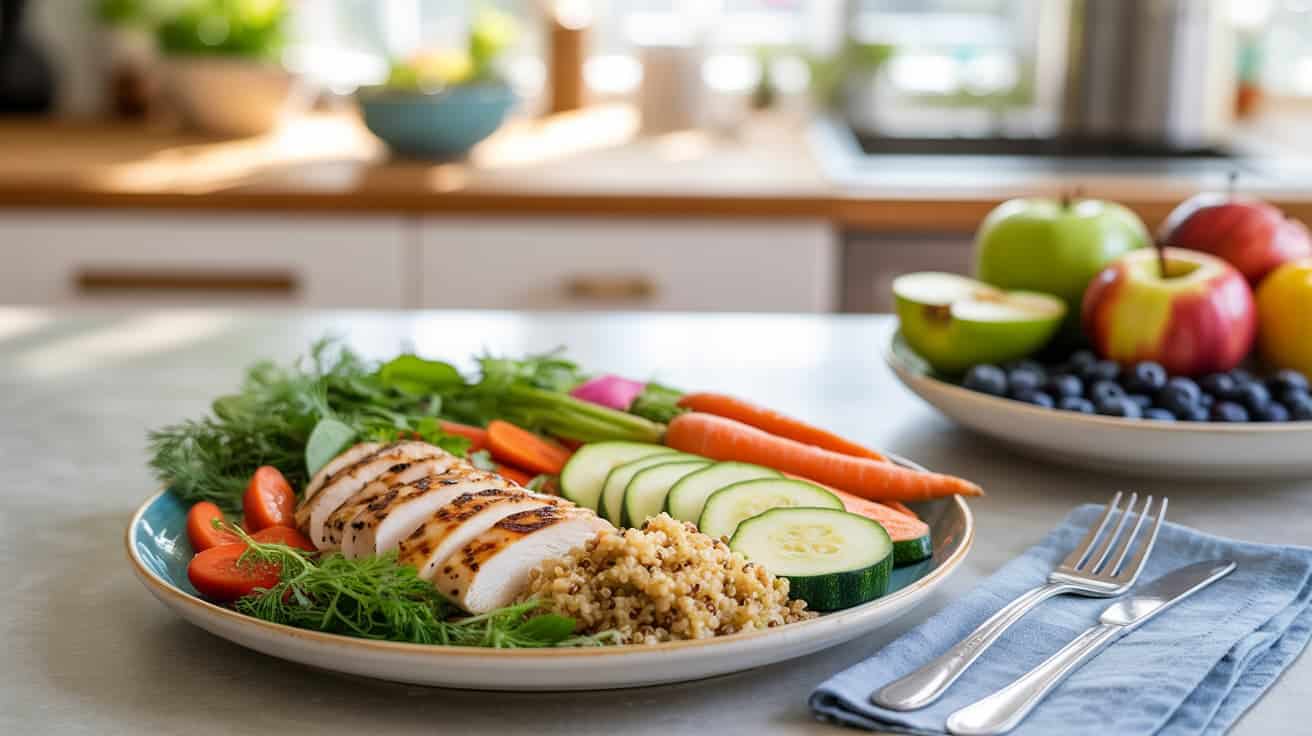
Bloating after wine. A pounding headache after a charcuterie board. Skin that flares up for no obvious reason. If you have been quietly connecting these dots, you are not overthinking it; your body may actually be telling you something worth listening to.
Histamine intolerance sits behind a surprising number of unexplained reactions, yet most people never hear about it until they go looking for it themselves. A low-histamine diet is often the first real answer you come across, but the more you read, the more the questions stack up.
Does your body actually need this level of restriction? The evidence, the right candidates, and the honest caveats are all ahead, so you can finally decide with clarity.
What Is Histamine and How Does It Affect the Body?
Histamine is a natural chemical produced by the body and present in some foods. It plays a role in the immune response, aids digestion by stimulating stomach acid production, and acts as a messenger in the brain and nervous system.
When in normal amounts, histamine is beneficial, and excess is broken down by the enzyme Diamine Oxidase (DAO). Issues arise when histamine accumulates faster than it can be processed, often due to reduced DAO activity, gut damage, certain medications, hormonal changes, or high intake of histamine-rich foods.
Elevated levels can mimic allergic reactions, causing symptoms like headaches, flushing, itching, hives, nasal congestion, rapid heartbeat, bloating, nausea, diarrhea, fatigue, brain fog, poor sleep, or restlessness.
Unlike allergies, which involve a specific immune response, histamine intolerance is a capacity issue: the body cannot clear histamine quickly enough.
| Important Note: Histamine scores do not represent exact laboratory measurements. Instead, they reflect the likelihood that a food will increase your body’s histamine burden based on current research, clinical experience, and patient reports. The purpose of the scoring system is to help people identify patterns, reduce symptoms, and find their own tolerance level, rather than avoid specific foods forever. |
How to Read the Histamine Food Scoring System
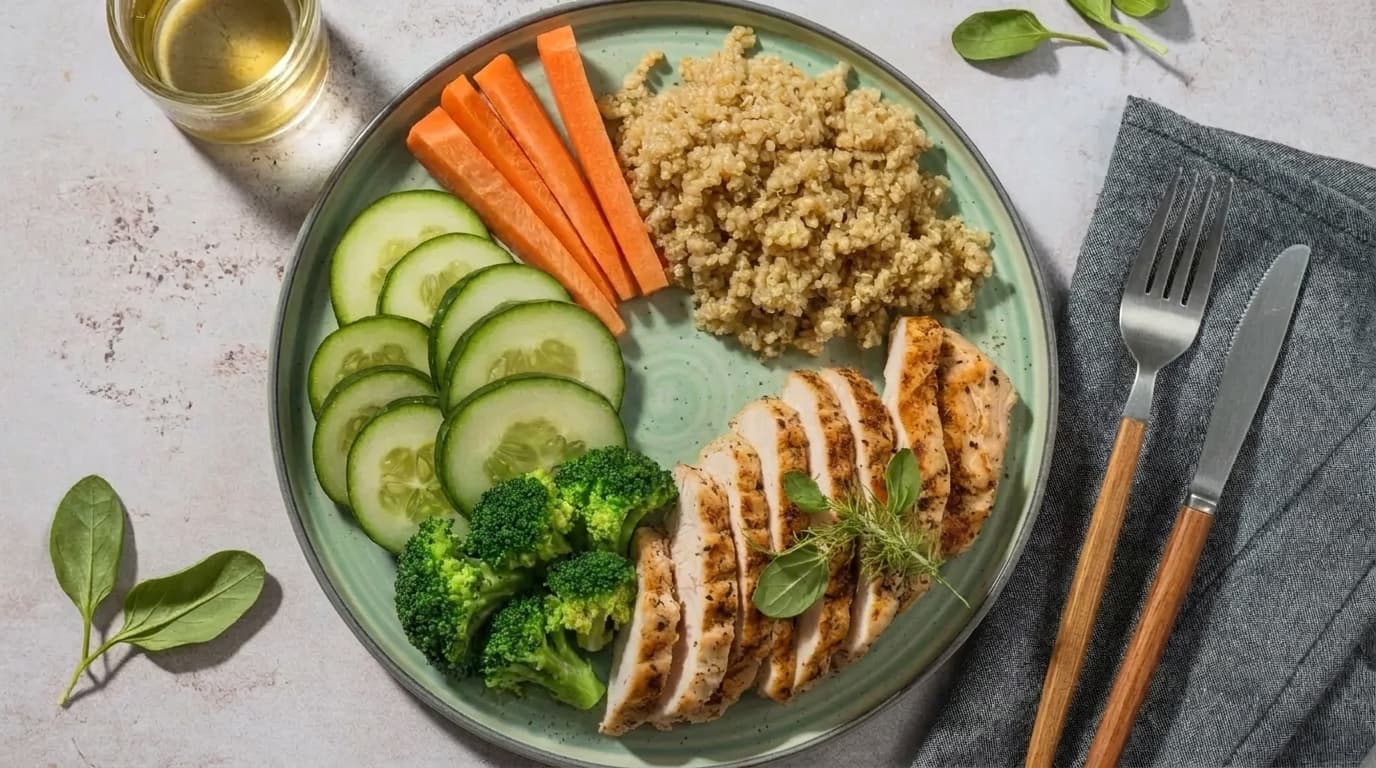
Not all high-histamine foods affect everyone the same way. The scoring system ranks foods 0 (very low) to 3 (high) based on their likelihood to increase your body’s histamine load, using current research, clinical use, and patient reports.
Use it as a starting framework, not a permanent rulebook. Freshness, portion size, storage time, and how foods combine in a meal all shift where something lands for you personally.
Score 0: Very Low Histamine
| Category | Foods |
|---|---|
| Proteins | Fresh chicken, fresh turkey, fresh lamb, freshly cooked eggs |
| Grains and Carbs | White rice, brown rice, quinoa, millet, rice noodles |
| Fruits | Apples, pears, mangoes, watermelon |
| Vegetables and Greens | Broccoli, cauliflower, zucchini, carrots, cucumber, lettuce, pumpkin, sweet potatoes |
These foods contain little to no measurable histamine and are the safest choices during the elimination phase. Building most of your meals around these keeps the body’s overall histamine load low and makes it easier to spot which other foods cause a reaction.
Score 1: Low Histamine
| Category | Foods |
|---|---|
| Proteins | Fresh beef, freshly cooked white fish |
| Grains and Carbs | Oats, buckwheat |
| Fruits | Blueberries, cherries, peaches, grapes |
| Vegetables and Greens | Kale, green beans, asparagus, cabbage |
| Nuts and Seeds | Pumpkin seeds, sunflower seeds |
These foods contain small amounts of histamine or are unlikely to trigger symptoms in most people. They are generally well tolerated in reasonable portions, though individual responses vary. During active flare-ups, some people find it helpful to temporarily treat these as moderate and reintroduce them once symptoms settle.
Score 2: Moderate Histamine
| Category | Foods |
|---|---|
| Proteins | Shellfish, aged beef |
| Grains and Carbs | Coconut yogurt, flavored oat products |
| Fruits | Avocado, banana, strawberries, pineapple |
| Vegetables and Greens | Spinach, eggplant, tomatoes |
| Nuts and Seeds | Walnuts, cashews |
These foods either contain moderate histamine or act as histamine liberators, meaning they prompt the body to release its own stored histamine even without contributing much directly. Avocado and strawberries are common examples of liberators that catch people off guard. They may be fine on their own but problematic when combined with other moderate or high-histamine foods in the same meal.
Score 3: High Histamine
| Category | Foods |
|---|---|
| Aged and Fermented Foods | Aged cheeses, sauerkraut, kimchi, miso, tempeh |
| Processed Meats | Salami, pepperoni, bacon, ham, sausages |
| Fish and Seafood | Canned tuna, smoked fish, sardines, anchovies |
| Condiments and Sauces | Soy sauce, fish sauce, vinegar-based dressings |
| Drinks | Wine, beer, champagne, kombucha |
| Other Foods | Chocolate, fermented pickles, yeast extract products |
These foods accumulate the highest histamine levels through fermentation, aging, or prolonged storage. They are typically removed entirely during the elimination phase. It is worth noting that leftovers also fall into this category, histamine continues to build in cooked food as it sits, even in the fridge, which is why freshness matters as much as food choice.
Is the Low-Histamine Diet Scientifically Justified?
The diet has real clinical backing, but only for the right person. Peer-reviewed research on histamine intolerance supports dietary restriction for confirmed cases and DAO deficiency, with meaningful symptom improvement documented after elimination.
A separate review published in Nutrients further confirmed that low-histamine dietary intervention led to significant symptom reduction in patients with diagnosed intolerance, while also noting that large randomized controlled trials remain limited and diagnostic criteria are still inconsistent across clinical settings.
- For the right candidate, the diet works. Allergists and gastroenterologists use it as a supervised diagnostic tool, typically for four to eight weeks, followed by structured reintroduction to identify personal thresholds.
- The case against widespread use is equally strong. No validated biomarker for histamine intolerance exists, making self-diagnosis unreliable. Research indicates many foods avoided on low-histamine lists aren’t actually high in histamine, leading to unnecessary restriction and potential nutritional risk.
- Expert consensus is clear: this is a diagnostic tool, not a permanent lifestyle change. A formal assessment should always come before dietary intervention, not after.
How to Start a Low-Histamine Diet
Starting this diet without a clear plan is where most people go wrong. Before changing anything on your plate, the groundwork matters more than the list of foods itself.

- Get assessed before you restrict. Speak to a doctor or dietitian first. Histamine intolerance symptoms overlap with IBS, SIBO, and food allergies, ruling these out matters before committing to an elimination protocol.
- Review and replace high-histamine foods. Identify aged, fermented, processed, canned, or leftover foods in your current diet and swap them for fresh, low-histamine alternatives.
- Build meals around safe basics. Use fresh proteins, low-histamine fruits and vegetables, and simple grains like rice, quinoa, and oats. For practical meal ideas that fit this framework, the bland diet food list has useful overlap with low-histamine eating.
- Prioritize freshness and storage. Cook fresh when possible, buy in smaller quantities, and freeze meat or fish promptly. Histamine builds in food over time, even refrigerated leftovers accumulate it within hours.
- Track symptoms during elimination. Keep a food and symptom journal throughout the four-to-eight week elimination phase. Patterns become clear faster than most people expect.
- Reintroduce foods slowly. Add one food back at a time, leaving at least 72 hours between each introduction. This is how you identify your personal threshold rather than maintaining blanket restriction indefinitely.
7-Day Low-Histamine Meal Plan
| Day | Breakfast | Lunch | Dinner |
|---|---|---|---|
| Day 1 | Oatmeal with pear slices | Grilled chicken, white rice, and steamed broccoli | Turkey patties with roasted sweet potatoes and zucchini |
| Day 2 | Scrambled eggs with kale | Quinoa bowl with chicken and cucumber | Fresh white fish with rice and green beans |
| Day 3 | Oatmeal with blueberries | Turkey lettuce wraps with sweet potato | Lamb with roasted carrots and cauliflower |
| Day 4 | Rice porridge with diced apple | Grilled turkey, quinoa, and steamed zucchini | Baked chicken with pumpkin and broccoli |
| Day 5 | Scrambled eggs with cucumber slices | Chicken rice bowl with carrots and green beans | Lamb chops with roasted sweet potatoes and kale |
| Day 6 | Oatmeal with peach slices | Turkey and quinoa salad with lettuce and cucumber | Fresh fish with rice and steamed cauliflower |
| Day 7 | Pear and oat breakfast bowl | Grilled chicken with rice and broccoli | Turkey meatballs with roasted pumpkin and green beans |
Beyond the Diet: Other Ways to Manage Histamine Intolerance
Diet alone rarely resolves histamine intolerance completely. These approaches work alongside it and, in many cases, determine how far recovery actually goes.

- Address gut health directly. DAO is produced in the gut lining, so intestinal damage from infections, long-term NSAID use, or conditions like leaky gut directly reduces your capacity to break down histamine. Healing the gut lining is often what shifts tolerance in the long term, not just dietary restriction.
- DAO enzyme supplements: Taken before meals, these provide exogenous DAO to help break down histamine from food before it enters circulation. They are most useful as a short-term bridge while underlying causes are addressed, not as a permanent fix.
- Targeted supplements: Vitamin C supports DAO activity. Vitamin B6 is a required cofactor for DAO function. Quercetin helps stabilize mast cells and reduce histamine release. Copper also plays a role in DAO activity and is worth checking if a deficiency is suspected.
- Antihistamines when needed: H1 blockers manage skin and respiratory symptoms; H2 blockers target digestive reactions. Both address the response rather than the cause, but they can provide meaningful relief during high-exposure periods or early in the elimination phase.
- Stress management: Stress directly triggers mast cells to release histamine, which can push symptoms over the threshold even when diet is well controlled. Consistent breathwork, movement, and sleep hygiene are not optional add-ons, they are part of the treatment.
- Sleep: Seven to nine hours of quality sleep matters here. Poor sleep elevates baseline histamine, and elevated histamine disrupts sleep further, a cycle that can stall recovery even when diet is on track.
If you are also dealing with broader digestive symptoms alongside histamine intolerance, it may be worth considering whether an elimination protocol like AIP addresses the gut-healing component more directly, since the two approaches sometimes complement each other.
Frequently Asked Questions
Do children get histamine intolerance?
It is less commonly diagnosed in children, and symptoms often overlap with food allergies or general digestive issues, making it harder to identify. Any dietary change for a child should be supervised by a paediatrician or registered dietitian rather than managed at home.
Does alcohol always trigger histamine intolerance symptoms?
Almost universally, yes. Alcohol is problematic on two levels: wine, beer, and spirits contain significant amounts of histamine, and alcohol itself inhibits DAO activity, meaning the body’s ability to break down histamine from any source drops at the same time intake increases. Even small amounts can push sensitive individuals over threshold.
Is there a difference between histamine intolerance and a mast cell disorder?
Yes, the distinction matters. Histamine intolerance is a breakdown issue with low DAO to process histamine. MCAS involves immune cells releasing excess histamine unpredictably, often triggered by non-food factors. Both can have similar symptoms, but their mechanisms and treatments differ. If a low-histamine diet only helps partially, consider consulting a specialist about MCAS.
What happens after the elimination phase?
Reintroduction reveals personal tolerance levels by adding foods one at a time, at least 72 hours apart. While some tolerate most moderate-histamine foods, others find specific triggers cause their symptoms. The elimination phase establishes the baseline; reintroduction clarifies long-term responses.
Final Thoughts
A low-histamine diet is not a trend worth blindly following. It is a targeted, short-term tool that works when the right person uses it with the right support.
Knowing whether you actually need it, understanding your personal threshold, and working on the root cause alongside the diet is what separates genuine relief from unnecessary restriction.
Histamine intolerance makes complete sense once you see it, but it stays invisible until someone points you in the right direction.
For a deeper look at which specific foods to keep and which to cut, the complete low-histamine food list breaks it down in full detail.