
I used to think belly bloating and slow weight loss were two separate problems. Then I noticed how often they showed up together.
You eat well, stay active, and still feel puffy or stuck. That’s where tea for bloating and weight loss starts to matter.
The right tea can help your digestion feel calmer, reduce that tight belly feeling, and support habits that make weight goals feel less frustrating.
Still, not every tea works the same way, and timing matters more than most people realize. This post breaks things down simply, from choosing the right tea to using it in a way that fits your day, so the process feels clear and doable.
Why Bloating Can Make Weight Loss Feel Harder
Bloating can make weight loss feel frustrating, even when you are doing many things right.
When your body holds extra water, traps gas, or struggles with slow digestion, your stomach may look larger and feel tight. This can hide real fat loss and make the scale stay the same or even go up for short periods.
Constipation can also add temporary weight and increase belly pressure, which makes clothes feel tighter. Stress plays a role, too, since it can slow digestion and cause your gut to react more strongly after meals.
When bloating comes and goes, it becomes hard to judge progress based only on weight. Reducing bloating often helps your waist feel smaller and makes changes easier to notice, even before actual fat loss becomes visible.
Best Tea for Bloating and Weight Loss
You want fast answers first, especially if you’re wondering what is the best tea to drink for weight loss while also dealing with bloating.
1. Green Tea
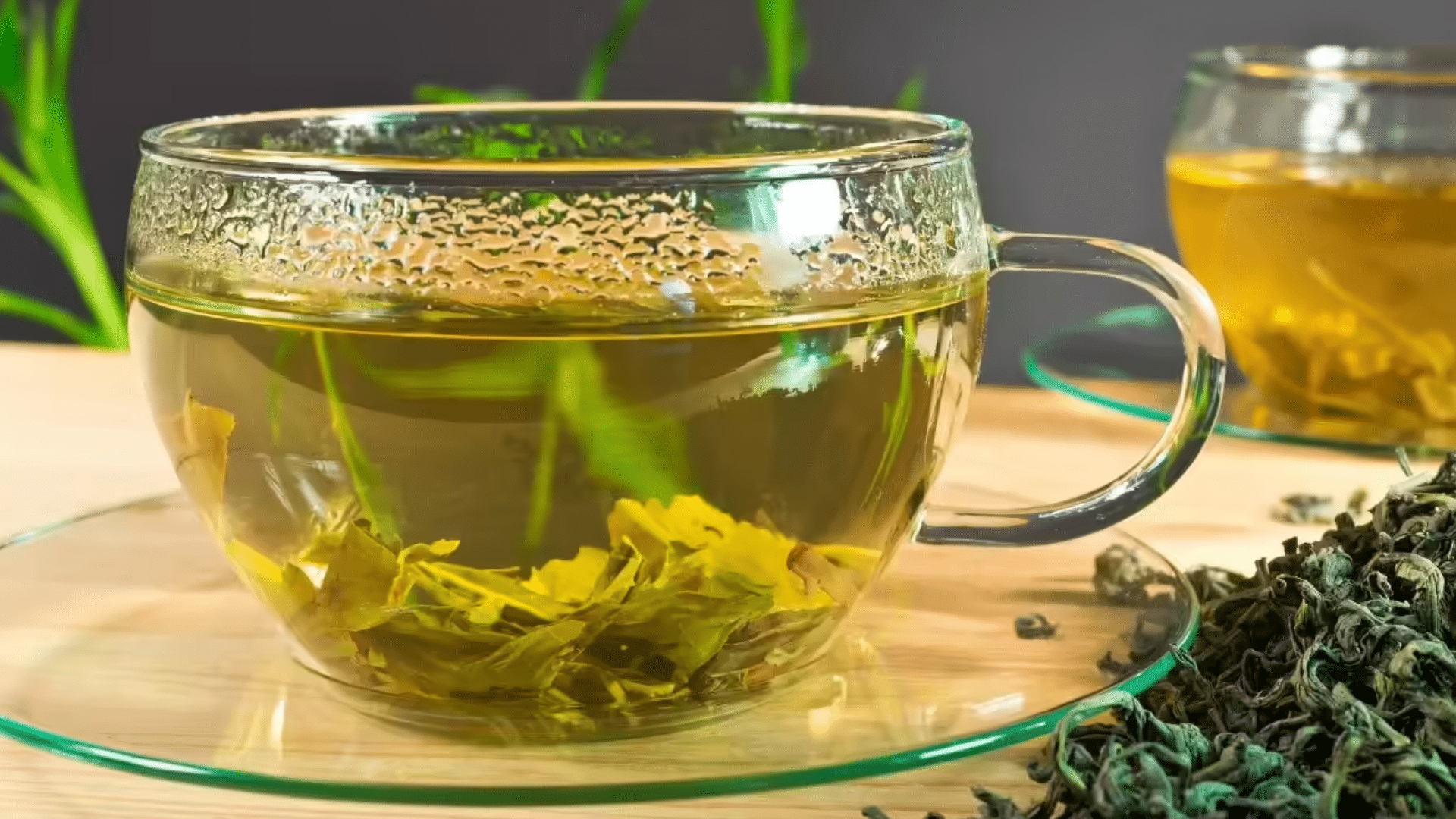
Green tea is a strong pick if you want one tea that supports bloating and weight goals. It has catechins, including EGCG, plus a small amount of caffeine. These compounds may support metabolism and how your body uses fat for energy.
It also works well as a swap for sugary drinks, which can help with calorie control. If your bloating happens after heavy meals, green tea may feel gentler than coffee.
Drink it plain in the morning or early afternoon. If you feel jittery, get reflux, or notice stomach discomfort, switch to a milder tea later.
Many people consider green tea the best tea to lose weight because it supports metabolism while being easier on digestion than coffee.
2. Peppermint Tea
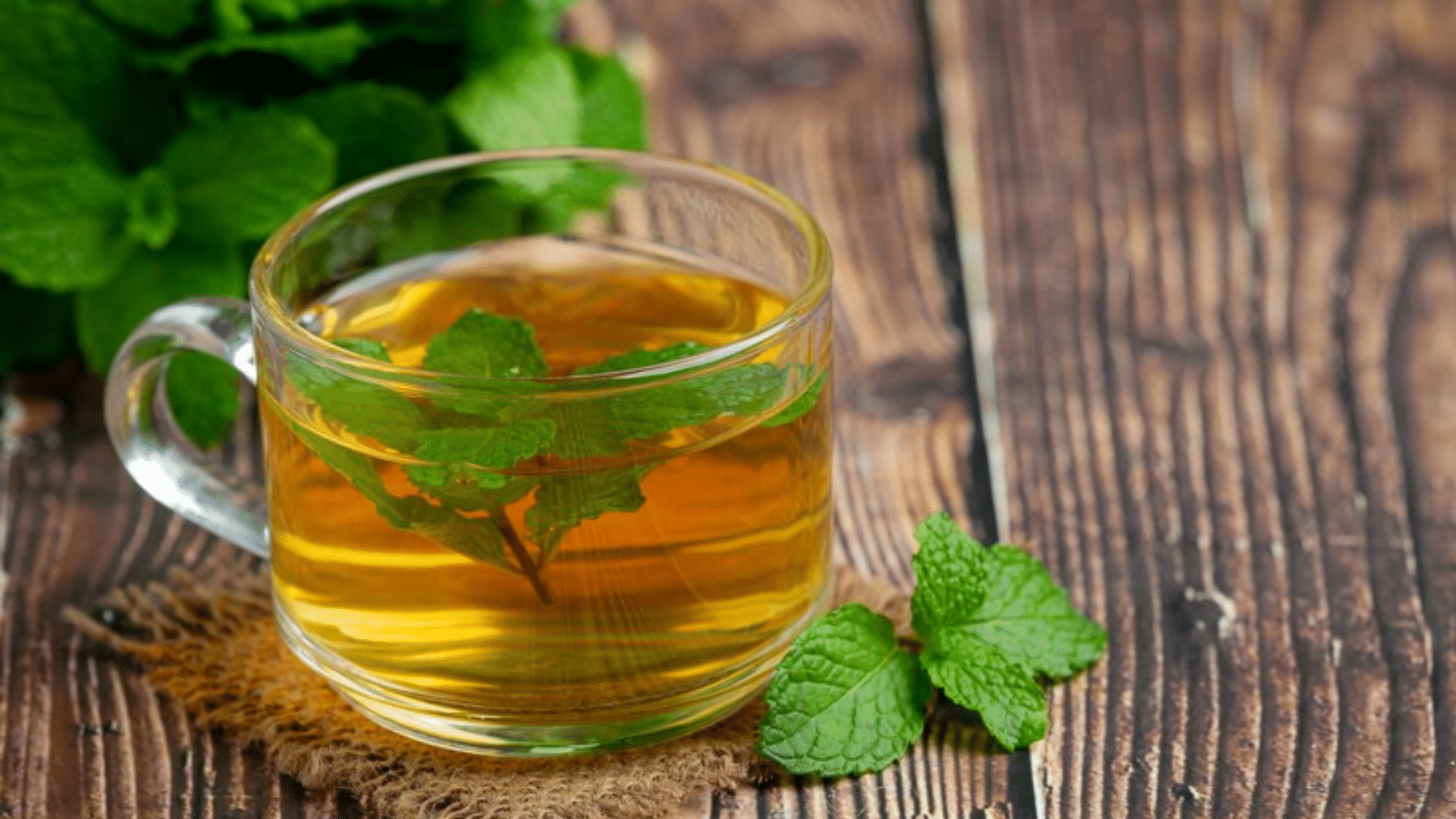
Peppermint tea is best when bloating feels like gas, pressure, or a tight belly after meals.
It may help relax the digestive tract, which can reduce spasms and help trapped gas move out. This makes it a good choice for post-meal discomfort, especially if your stomach feels swollen but you do not think it is water weight.
Peppermint tea is caffeine-free, so you can drink it any time, including at night. Keep it unsweetened, since syrups and sugar alcohols can make bloating worse. If you deal with reflux, peppermint may trigger symptoms, so track how you feel.
3. Ginger Tea
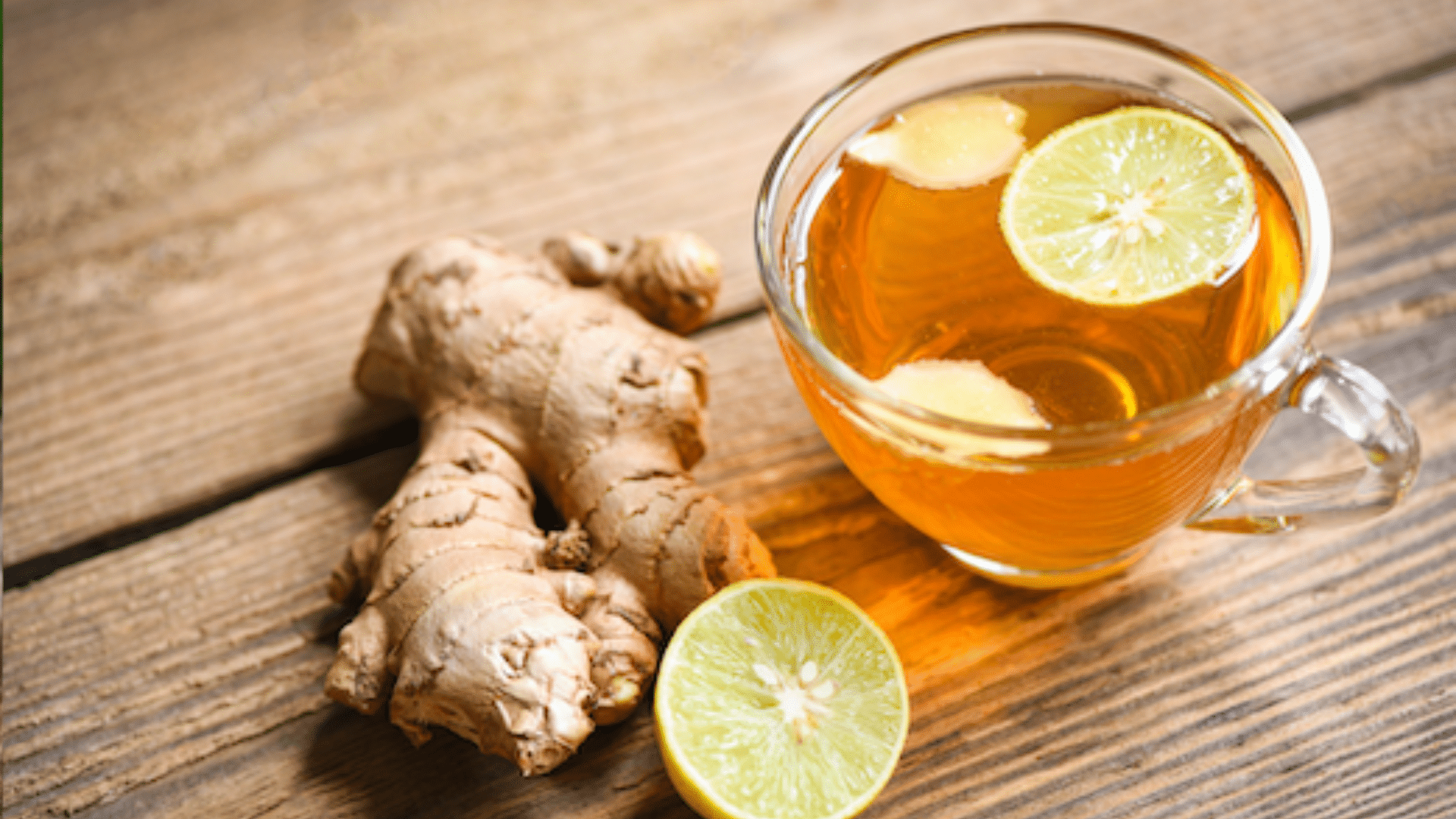
Ginger tea is a smart option if your bloating comes with fullness, nausea, or slow digestion.
Ginger may support stomach emptying, which can help reduce that heavy, stuck feeling after eating. It may also reduce mild inflammation in the gut, which can support overall digestive comfort.
For weight routines, ginger tea can replace higher-calorie drinks and may help you feel more settled between meals. Drink it plain after lunch or dinner, or anytime digestion feels slow.
If ginger feels too strong, steep it for less time or dilute it. If you take blood thinners or have ulcers, check with a clinician first.
4. Hibiscus Tea
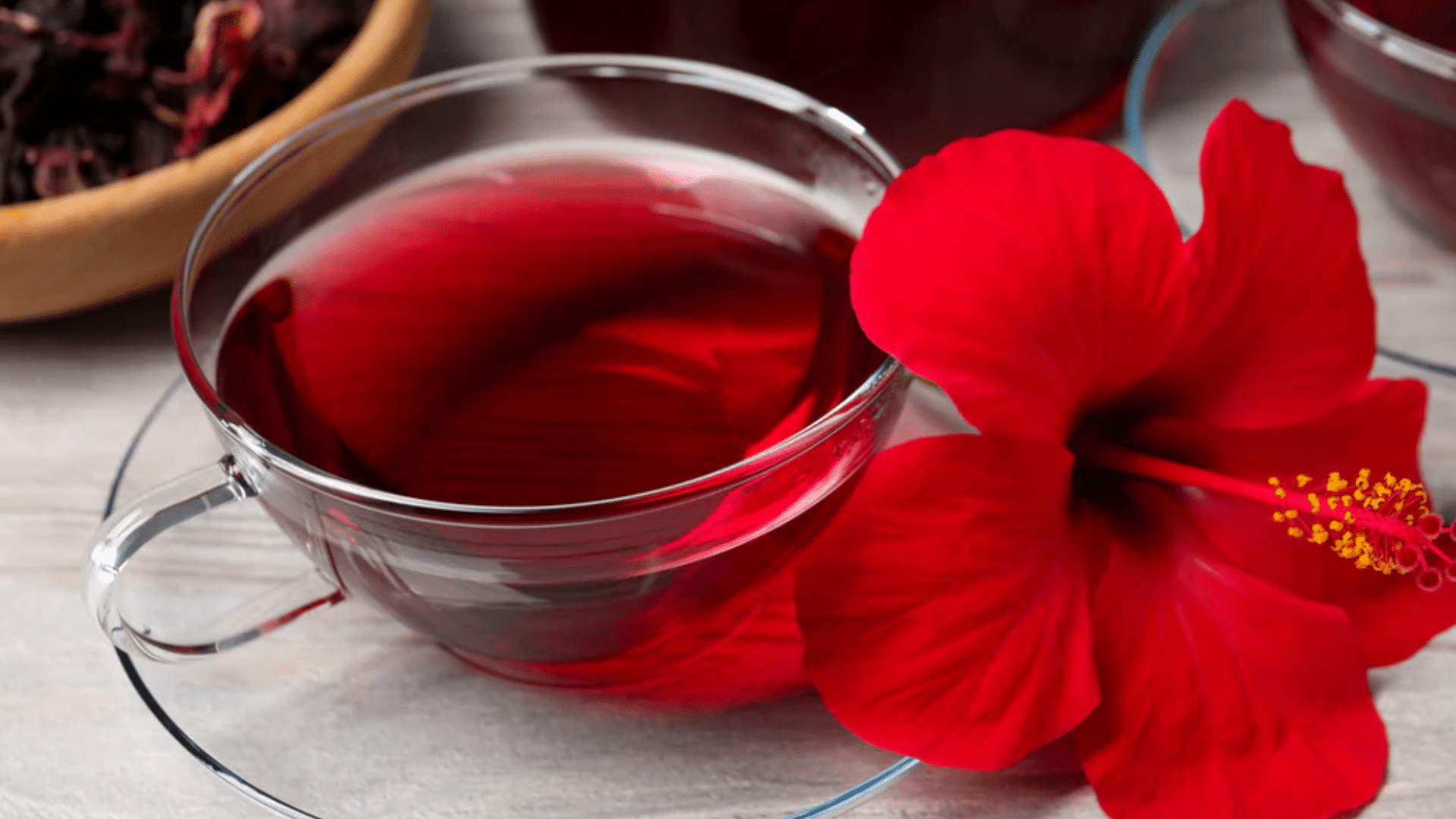
Hibiscus tea is a caffeine-free choice that can help when you feel puffy or are dealing with water retention.
It has a tart taste that many people enjoy, so it can replace sweet drinks without needing sugar. That swap alone can support weight goals over time.
Some research suggests hibiscus may support metabolic health.
For example, animal and small human studies published in journals such as Food & Function and Journal of Nutrition have examined hibiscus sabdariffa extracts and found links to changes in fat accumulation, lipid metabolism, and insulin markers.
However, most of this research uses concentrated extracts, not brewed hibiscus tea. Still, unsweetened hibiscus tea is a low-calorie drink you can sip during the day as a replacement for sugary beverages.
Drink it plain, hot, or iced. If you have low blood pressure or take blood pressure medicine, ask a clinician first.
5. Chamomile Tea
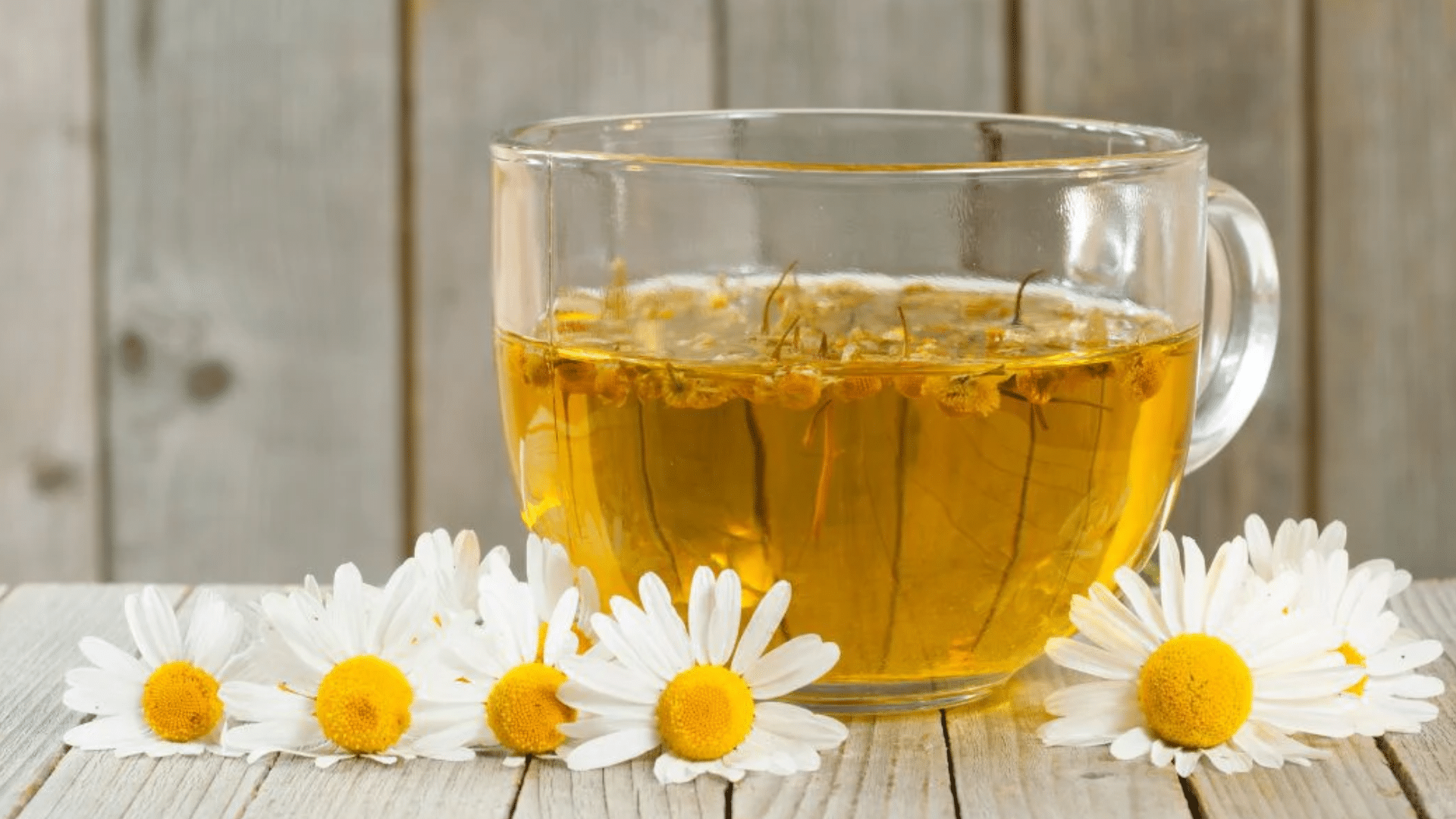
Chamomile tea is best when bloating gets worse at night or when stress affects your stomach. It is caffeine-free, gentle, and easy to drink after dinner.
Chamomile may help relax the digestive tract and ease mild discomfort, which can help with that tight feeling before bed. It also supports better sleep habits, and sleep matters because poor rest can increase hunger and cravings the next day.
If late snacking is part of your bloating pattern, chamomile can be a warm replacement that helps you stop eating earlier. If you have ragweed allergies, chamomile may bother you, so be cautious.
6. Oolong Tea
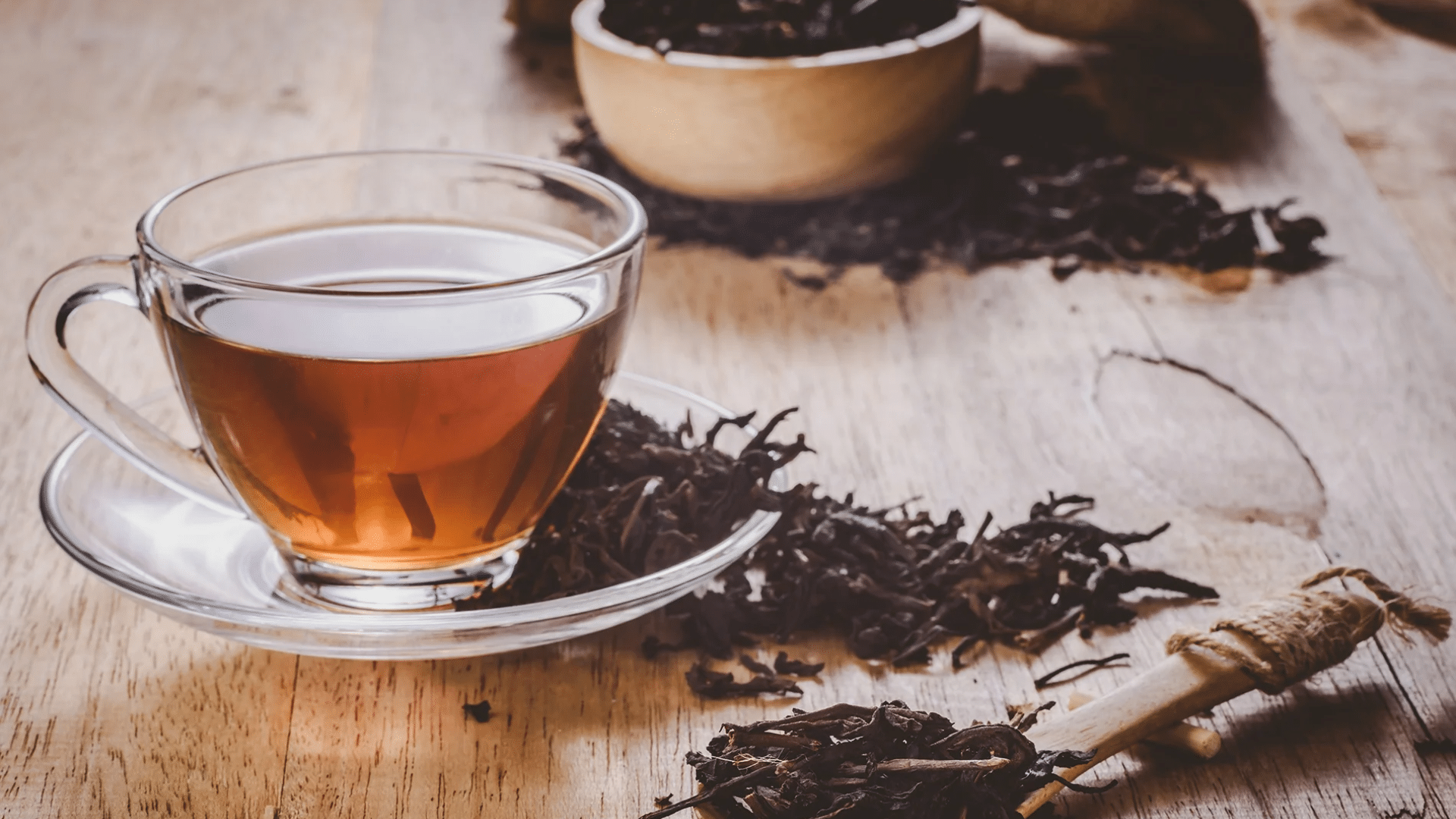
Oolong tea is a good middle option if green tea feels too bitter, too strong, or upsets your stomach. It is partially oxidized, so it sits between green and black tea in taste and strength.
Oolong contains polyphenols and some caffeine, and some studies link it to fat oxidation support. For many people, the biggest win is consistency, and oolong can be easier to stick with daily.
Drink it plain in the morning or early afternoon to avoid sleep issues. If bitterness is a problem, cold-brew it for a smoother taste. If caffeine triggers anxiety or reflux, choose herbal tea instead.
7. Fennel Tea
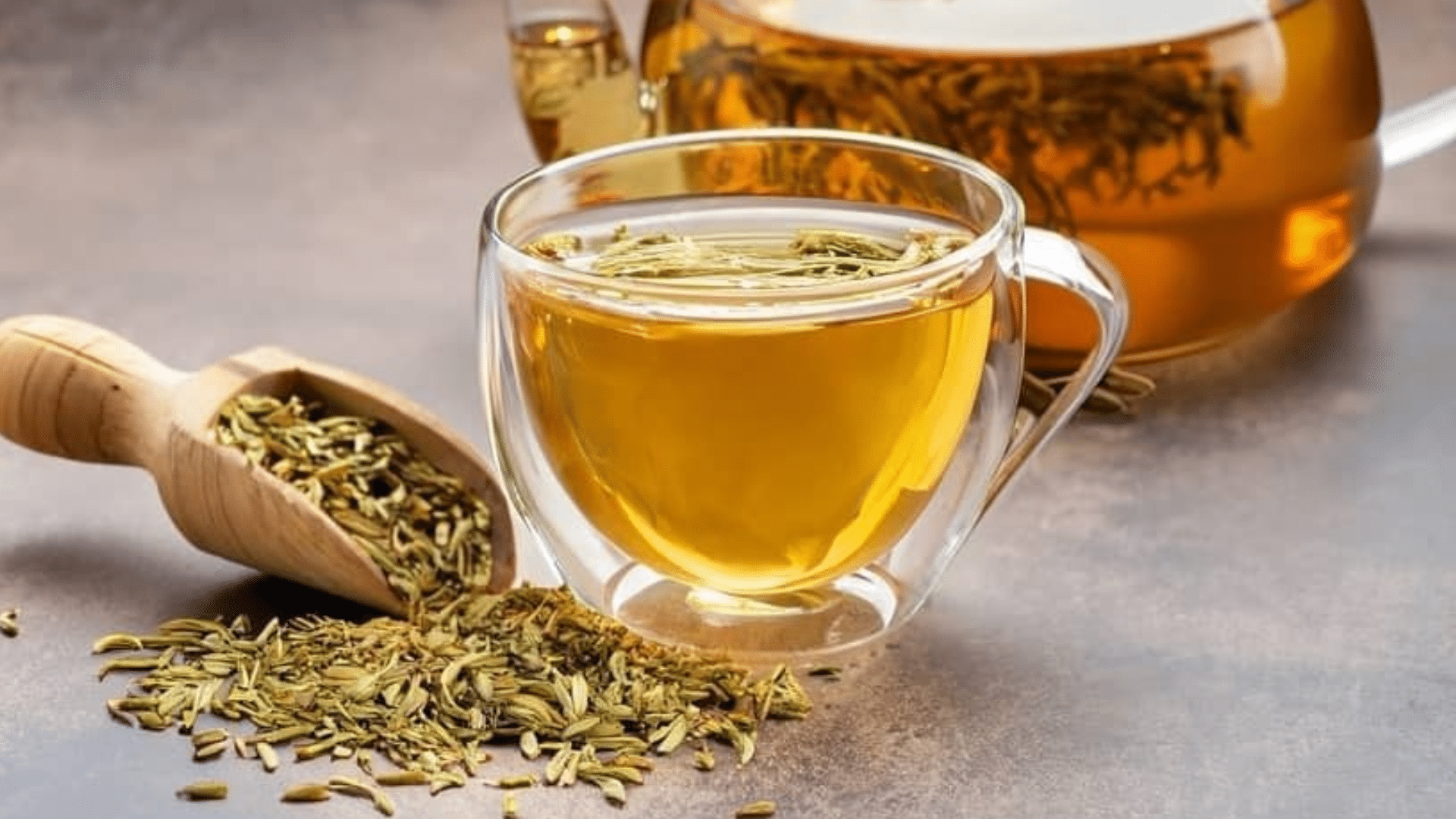
Fennel tea is a helpful choice if your bloating is caused by gas, cramping, or a stretched, uncomfortable belly after meals.
Fennel seeds contain compounds that may relax the muscles of the digestive tract, which can help trapped gas move through more easily. This makes fennel tea useful when bloating feels sharp, gassy, or painful rather than watery.
It is naturally caffeine-free, so you can drink it after meals or in the evening without affecting sleep. Fennel tea also has a mild, slightly sweet taste, which makes it easy to drink plain.
For weight routines, it works best as a digestion support tea rather than a metabolism booster.
8. Dandelion Tea
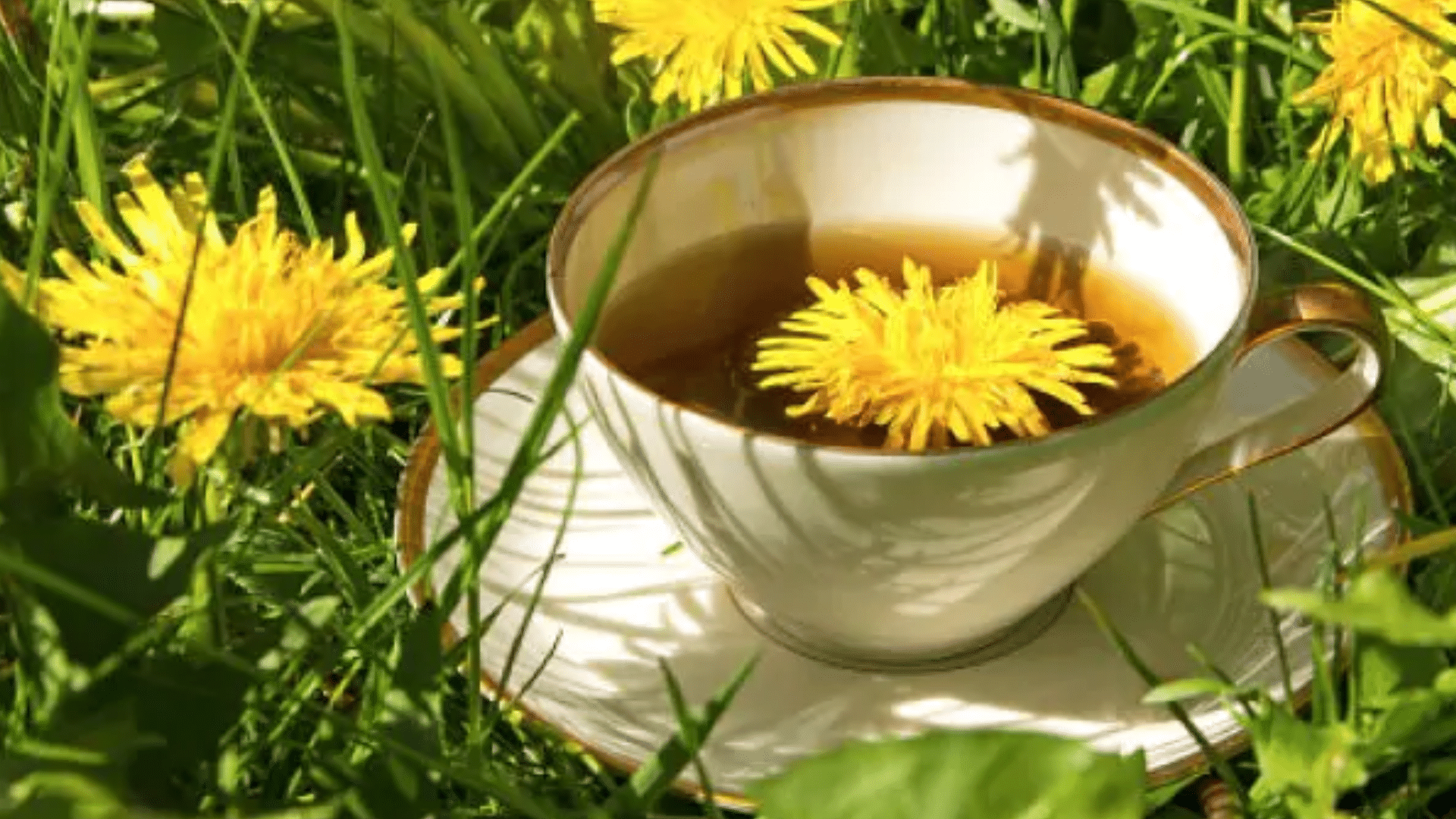
Dandelion tea is often used when bloating feels like puffiness or water retention rather than gas.
It may act as a mild natural diuretic, which means it can help your body release excess water. This can make your stomach feel less swollen and help your waist feel more comfortable in the short term.
Dandelion tea is caffeine-free and can be used during the day, but it is best not to overdo it. While it may help reduce water weight, it does not cause fat loss. Drink it plain and pay attention to hydration.
If you have kidney issues, gallbladder problems, or take diuretics, speak with a clinician before using it regularly.
9. Lemon Balm Tea
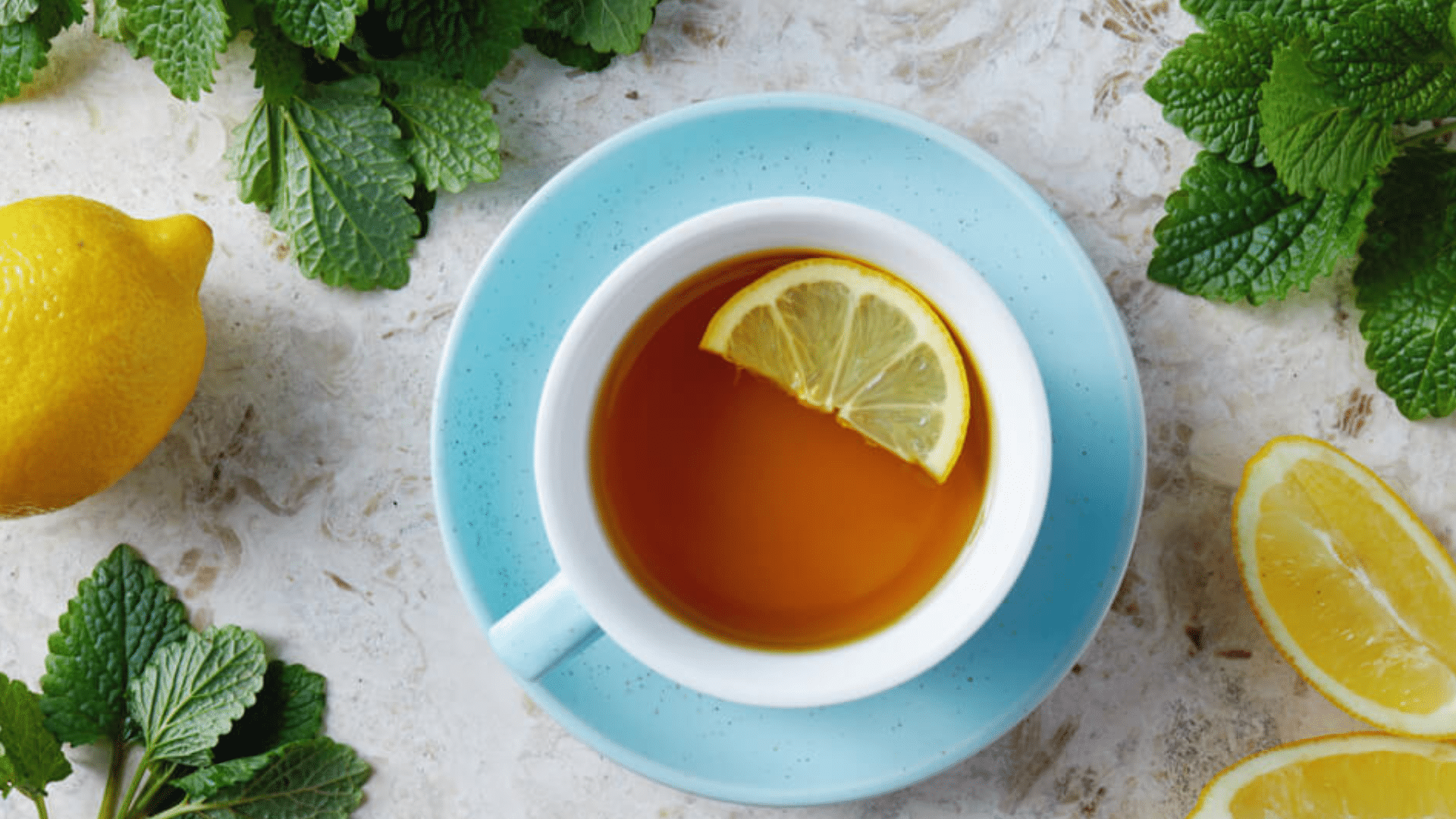
Lemon balm tea is a good option if your bloating is linked to stress, anxiety, or digestive upset that worsens during busy or emotional days. It belongs to the mint family, but it is gentler than peppermint and less likely to trigger reflux.
Lemon balm may help calm the nervous system, which can support digestion since stress often slows gut movement. This makes it useful for bloating that shows up without clear food triggers.
It is caffeine-free and works well in the evening or after stressful meals. While it does not directly support metabolism, it can help reduce stress-related snacking and improve digestive comfort, which supports steady weight habits over time.
How Tea Can Support Bloating and Weight Loss
Tea can support digestion, comfort, and daily habits that affect weight. Its effects are gradual and supportive, not instant, but can add up with consistent use.
1. Digestion and Gas Relief
Tea can help with bloating mainly by supporting digestion and easing gas buildup in the gut.
Certain herbal teas relax the smooth muscles of the digestive tract, which may reduce cramping, pressure, and that tight, swollen feeling after meals. When the gut is more relaxed, trapped gas can move more easily instead of lingering.
Some teas also support better movement of food through the digestive system, which may reduce fullness and discomfort. This can be especially helpful if bloating shows up after eating, during stressful days, or when digestion feels slow or heavy.
2. Metabolism and Fat Use
Some teas support weight loss by gently influencing how your body uses energy.
Compounds like catechins and other polyphenols are linked to improved fat oxidation, which means your body may use fat as fuel more efficiently.
Teas that contain caffeine can also provide a mild metabolic boost, though the effect is small and works best over time.
These teas are not fat burners on their own, but they can support routines that help with calorie control and steady progress when paired with balanced eating and movement.
3. Appetite and Calorie Control
Tea can help with weight control by shaping daily habits rather than forcing results. Replacing sugary drinks, flavored coffees, or sodas with plain tea can lower calorie intake without feeling restrictive.
Warm fluids may also increase feelings of fullness, which can reduce mindless snacking between meals. For some people, sipping tea creates a pause that helps them notice hunger cues more clearly.
Over time, this can make it easier to eat smaller portions and stay consistent without feeling deprived or overly focused on dieting.
4. What “Detox Tea” Really Means
When people talk about detox tea, they usually mean relief from water retention, constipation, or digestive backup, not actual toxin removal.
Tea may help your body release excess water, improve bowel regularity, and reduce that heavy, puffy feeling in the belly. This can make your stomach feel flatter and lighter.
However, tea cannot melt fat overnight, flush toxins from your organs, or replace long-term habits. Extreme detox blends with laxatives can be harmful. The real benefit comes from gentle support, hydration, and consistency.
Best Teas for Bloating (Choose by Cause)
Bloating can come from gas, slow digestion, stress, or water retention. Choosing tea based on the exact cause helps reduce discomfort faster and avoids guessing which option may actually help.
| Bloating Cause | Best Teas | Notes |
|---|---|---|
| Gas and abdominal pressure | Peppermint, Fennel | Helps relax gut muscles and release trapped gas |
| Constipation-related bloating | Ginger, Angelica root | Supports digestion; angelica should be used with caution |
| Post-meal fullness | Ginger, Gentian root | Aids stomach emptying; gentian may irritate sensitive stomachs |
| Stress or evening bloating | Chamomile, Lemon balm | Calms the gut and nervous system |
| Water retention and puffiness | Hibiscus, Dandelion | May reduce water weight; dandelion has limited evidence |
These teas work best when kept plain and used consistently. If bloating is ongoing or painful, consider food triggers and speak with a healthcare professional for proper guidance.
How to Choose the Right Tea for Your Body
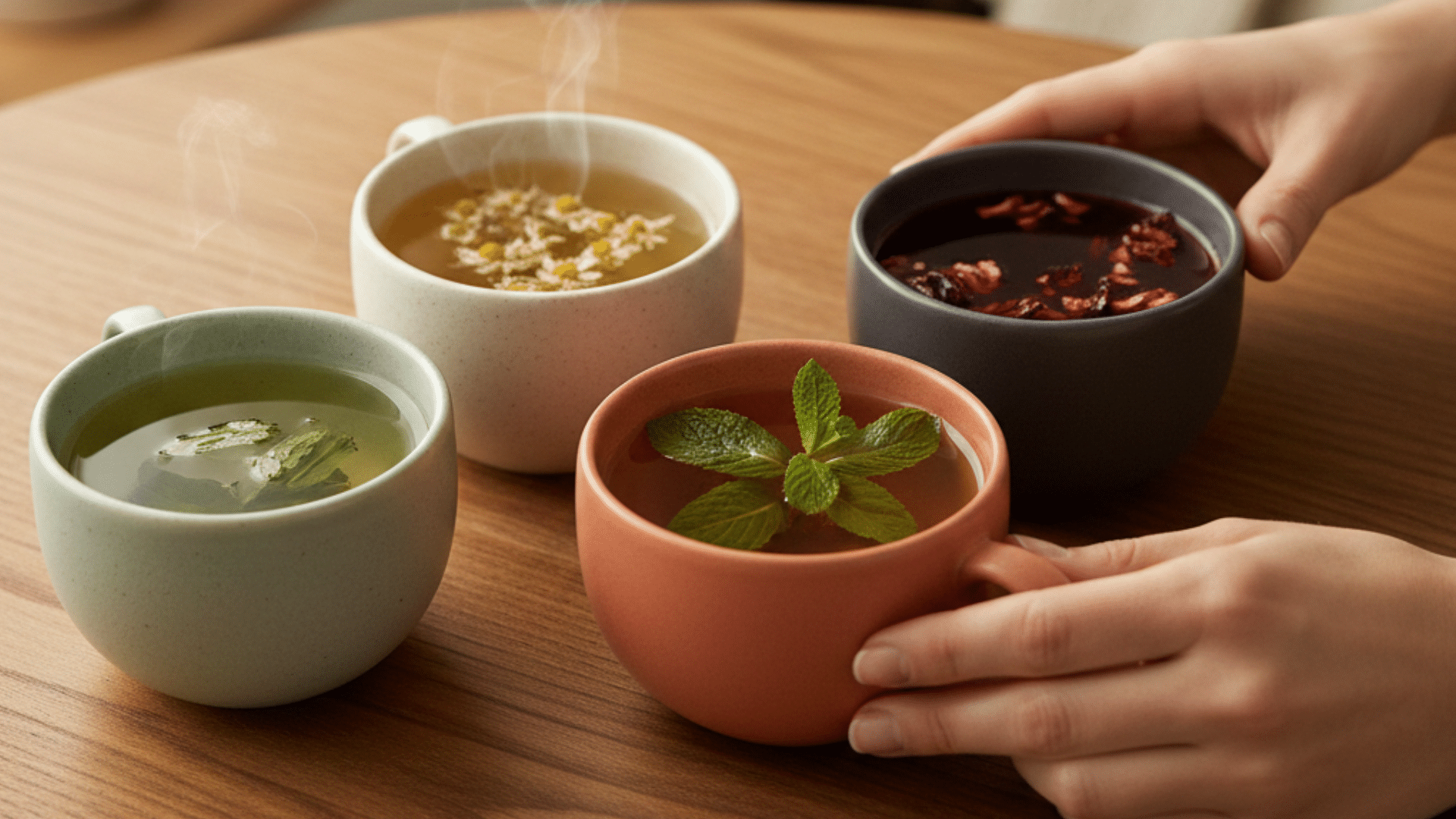
Choosing the right tea depends on how your body handles caffeine, digestion speed, stress levels, and daily routines.
- Your body reacts differently to caffeine, herbs, and bitterness, so the best tea depends on digestion, sensitivity, and daily routine.
- Choosing the right tea becomes easier when you match it to bloating triggers, energy needs, and the time of day you plan to drink it.
- Pay attention to how your stomach feels after drinking tea, especially if you deal with reflux, stress, bloating, or sleep issues.
- Consistency matters more than variety, so pick one or two teas you enjoy and can drink regularly without discomfort.
Simple Daily Tea Plan for Bloating and Weight Loss
This simple plan shows when to drink different teas to support digestion, reduce bloating, and fit weight goals without overthinking or overdoing caffeine.
| Time of Day | Tea Choice | Purpose |
|---|---|---|
| Morning | Green tea or black tea | Supports metabolism and replaces sugary or heavy drinks |
| Midday | Oolong tea or ginger tea | Aids digestion and supports steady energy |
| After meals | Peppermint or fennel tea | Helps reduce gas and post-meal bloating |
| Evening | Chamomile or lemon balm tea | Calms digestion and supports relaxation |
| All day (optional) | Hibiscus tea | Supports hydration and may help with water retention |
Use this plan as a guide, not a rule. Adjust tea choices based on how your body feels, caffeine tolerance, and digestion needs.
When Tea May Not Be the Right Choice
Tea is generally safe for many people, but there are situations where it may not be the best option.
If you are pregnant or breastfeeding, some herbal teas may not be recommended due to limited safety data.
People with acid reflux, ulcers, or sensitive stomachs may find that certain teas, especially bitter or mint-based ones, worsen symptoms.
If you are sensitive to caffeine, teas like green, black, or oolong may cause jitters, anxiety, poor sleep, or heart palpitations.
Those taking blood pressure, blood sugar, or heart medications should be careful, as some teas can affect how these medicines work.
Frequent use of so-called detox teas, especially those with laxatives, can lead to dehydration, electrolyte imbalance, or digestive dependence.
If bloating, pain, or weight changes are persistent or severe, it is important to speak with a healthcare professional instead of relying on tea alone.
Conclusion
If there’s one takeaway, it’s that bloating can hide progress, and the right tea can help make changes easier to notice.
You’ve seen how different teas support digestion, reduce gas or water retention, and gently support daily weight habits.
The key with tea for bloating and weight loss is matching the tea to your main issue and staying consistent, not pushing extremes or quick fixes.
I always suggest starting simple, paying attention to how your body responds, and adjusting from there.
If you want to keep building better habits, check out my other blogs on digestion, daily routines, and simple wellness tips that support long-term comfort and balance.