
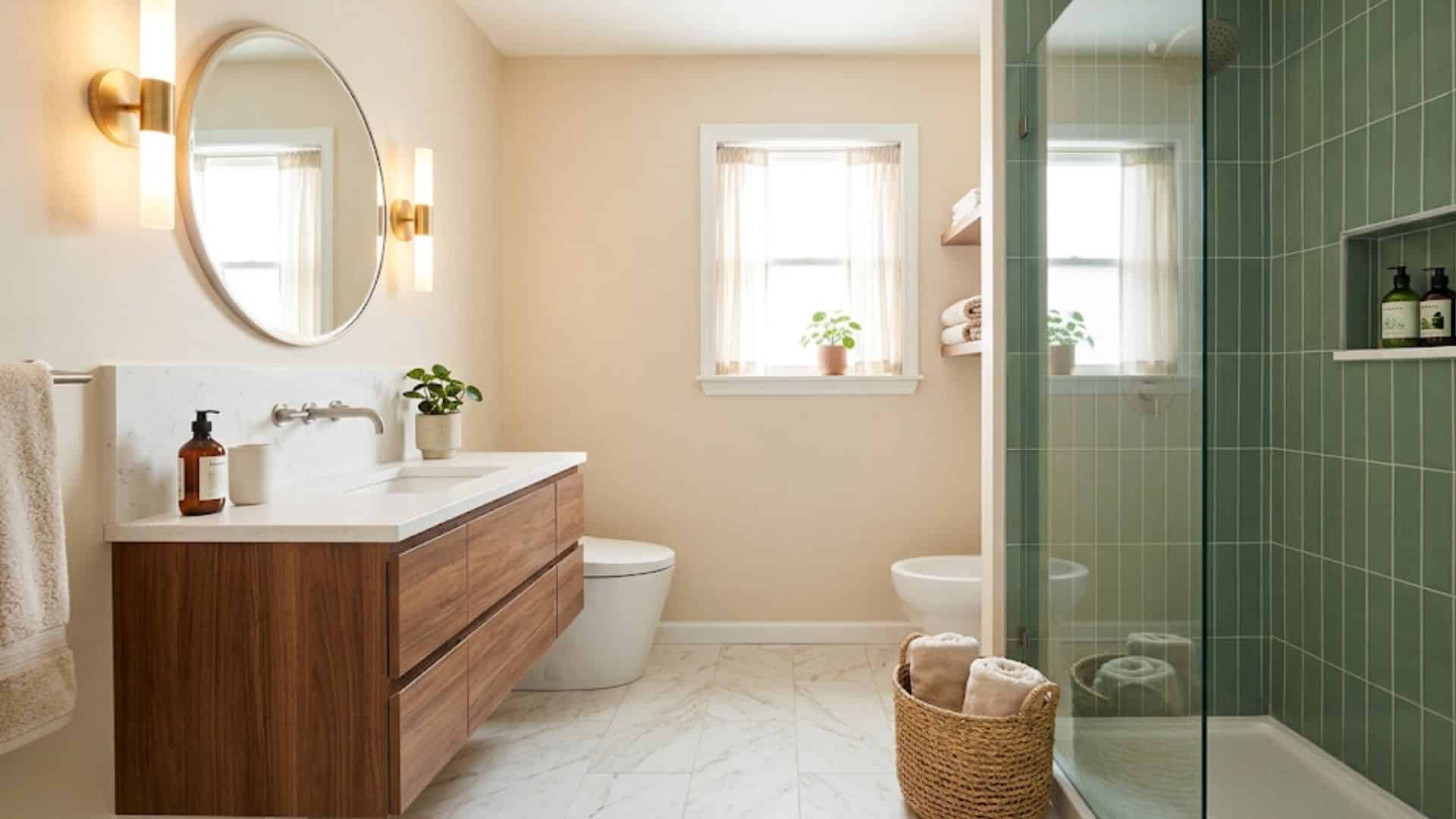
Does your morning routine feel like a daily wrestling match with a cramped, cluttered space? Dealing with a tiny layout can be incredibly frustrating when nothing seems to fit quite right.
If you are ready to stop bumping into your vanity, a small bathroom remodel is the ultimate way to reclaim your space.
By prioritizing smart layouts, space-saving fixtures, and clever vertical storage, you can easily turn a tight room into a highly functional oasis.
This guide cuts through the confusion to deliver practical, actionable design ideas that maximize every single square inch.
You will learn exactly how to choose light-reflecting finishes, optimize your floor plan, and budget wisely for a stress-free renovation.
Why Small Bathroom Design Needs a Smart Plan
A small bathroom remodel works best when every inch has a purpose.
Before choosing tile or fixtures, look at the layout, door swing, vanity size, toilet clearance, shower placement, lighting, and storage. These details decide how comfortable the bathroom feels every day.
A pretty design can still feel frustrating if drawers hit the door, the shower feels tight, or there is nowhere to keep daily items.
The best way to remodel a small bathroom is to improve the layout first, then choose space-saving fixtures, light-reflecting finishes, and storage that does not crowd the room. This helps you create a bathroom that looks open, works well, and feels easier to use.
One thing I always remind readers: the layout decisions you make before buying a single tile will shape how the finished room feels for years. Getting those priorities right at the start saves far more money than finding deals on fixtures later.
Small Bathroom Remodeling Ideas That Make the Space Feel Bigger
Small bathroom remodeling ideas work best when they reduce visual clutter, reflect more light, and make movement easy. The goal is to make the room feel open without losing function.
1. Use a Soft, Light Color Palette
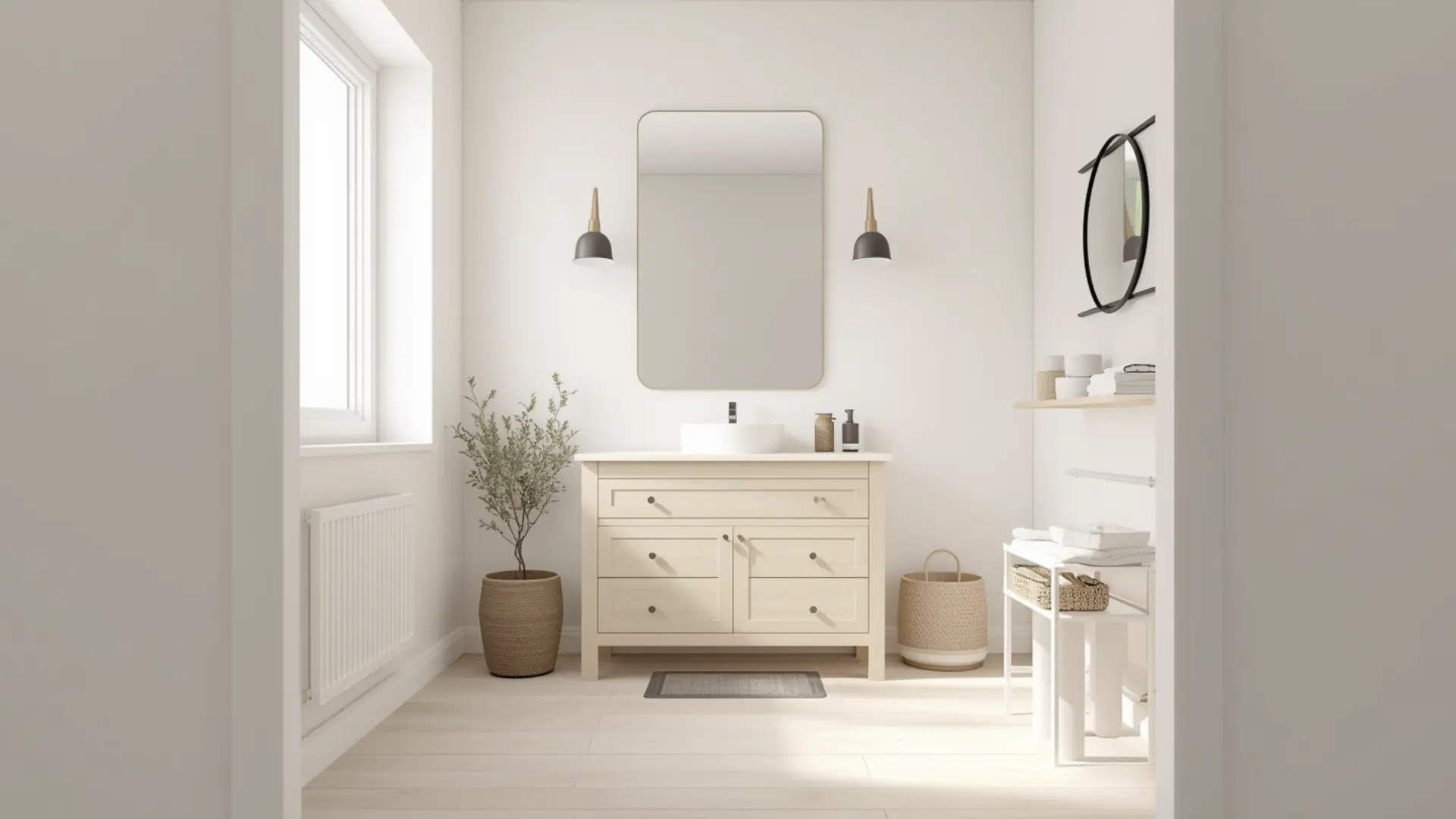
Light colors can make a small bathroom feel brighter, softer, and less closed in. Shades like soft white, warm beige, pale gray, light blue, and muted green reflect more light than dark colors.
When you renovate small bathroom surfaces with these tones, on walls, tiles, or vanities, you create a calm, open look without making the design feel plain.
If you want a darker accent without closing the room in, limit it to one wall or a single decorative niche. A deep sage or matte charcoal on just one surface adds visual interest without shrinking the space.
2. Add a Large Mirror
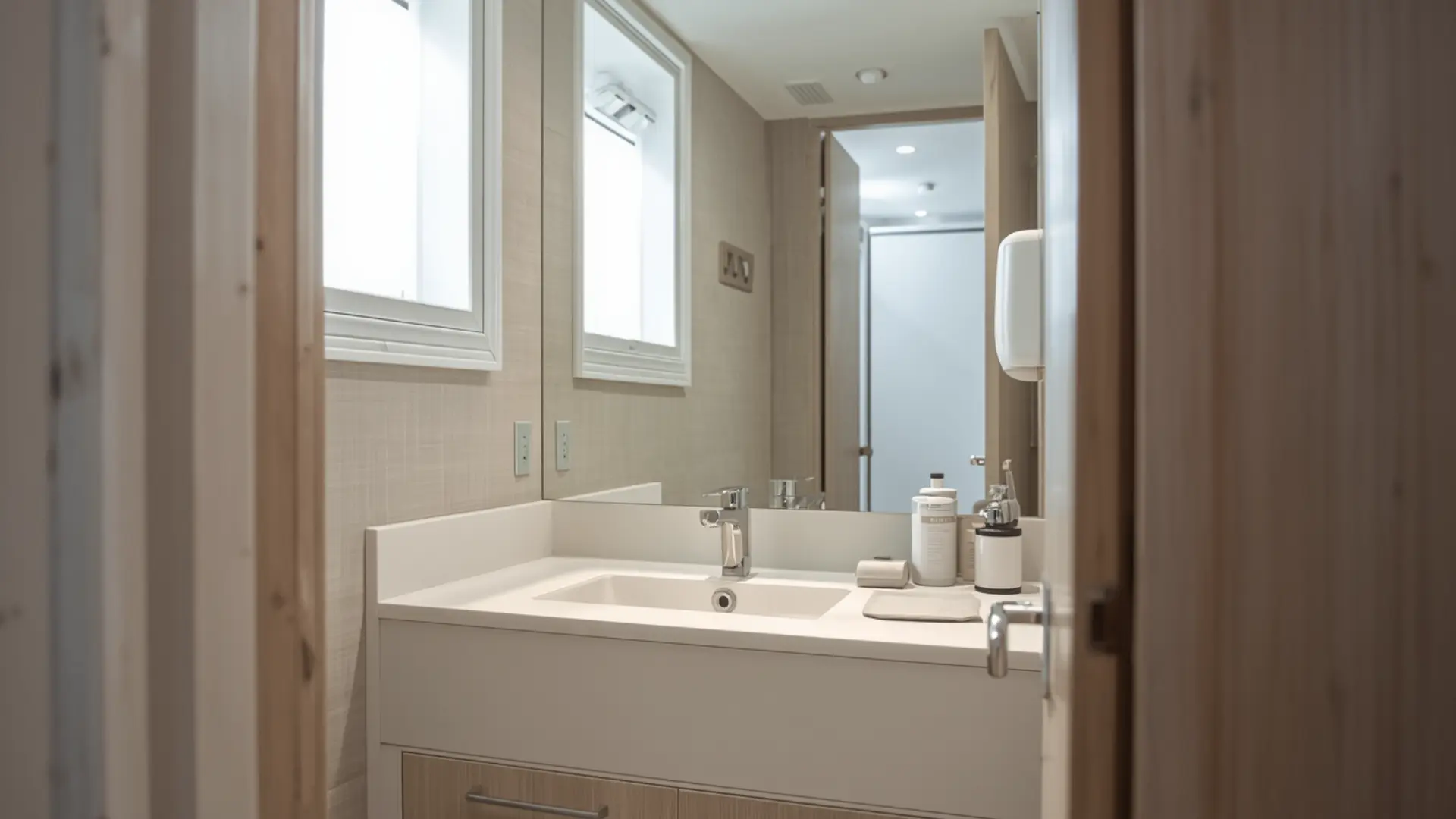
A large mirror is one of the easiest ways to make a small bathroom feel bigger. A wide mirror above the vanity reflects light, creating the illusion of extra depth. It can also make the wall feel less heavy.
For more function, choose a mirrored medicine cabinet. This gives you hidden storage for daily items while keeping the countertop cleaner and less crowded.
For maximum impact, choose a mirror that extends as close to the ceiling as your wall allows. A mirror that covers most of the vanity wall reflects both light and the bathroom itself, which makes the room feel nearly twice as deep.
3. Choose Clear Glass for the Shower
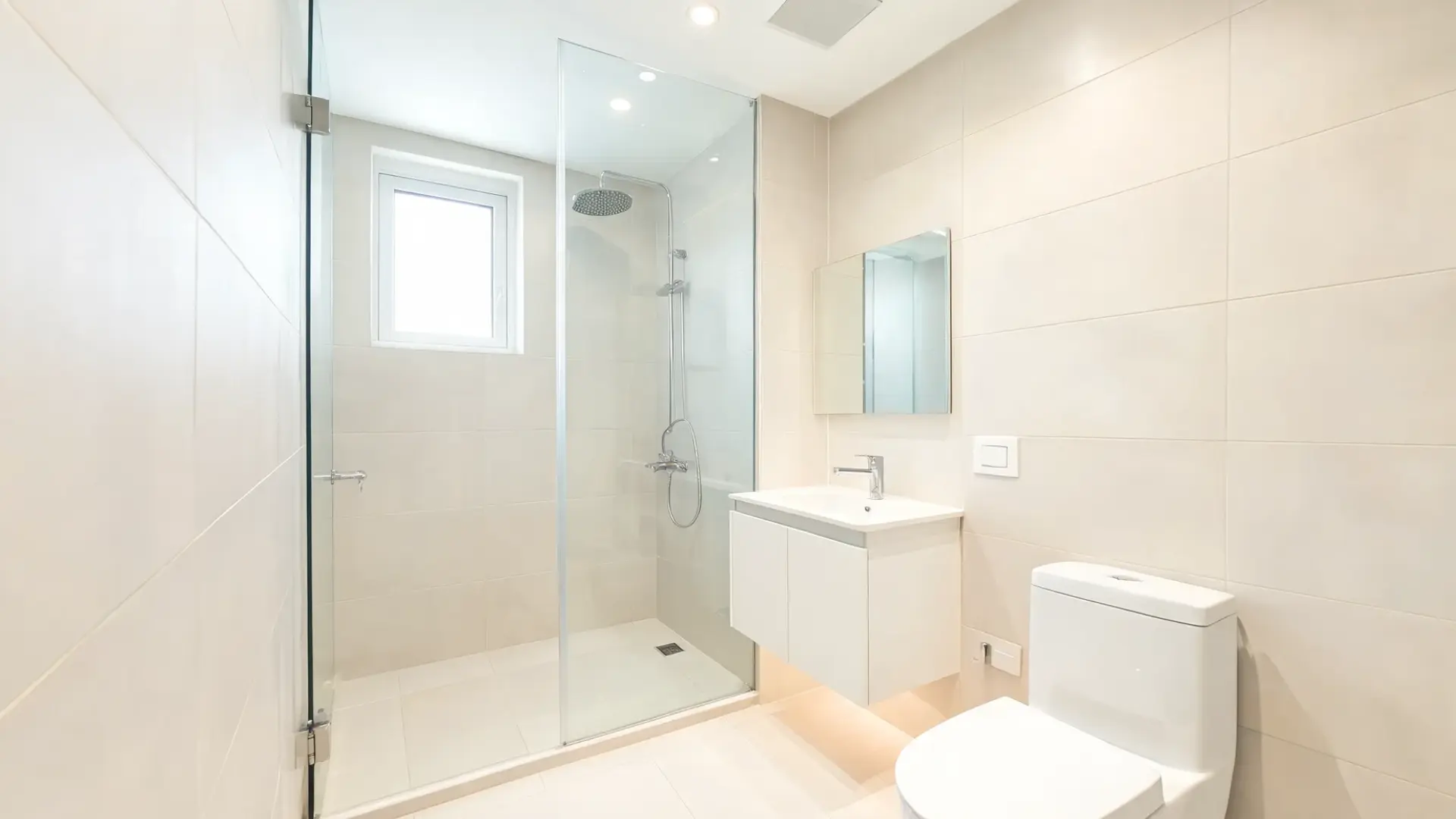
Glass shower doors help keep the sightline open, which makes the bathroom feel larger. Frameless or clear glass works especially well because it does not visually cut the room into separate sections.
Heavy curtains or frosted panels can make the shower area feel blocked off. Clear glass lets the tile, wall, and floor continue visually, creating a cleaner and more spacious look.
4. Keep the Floor Visible
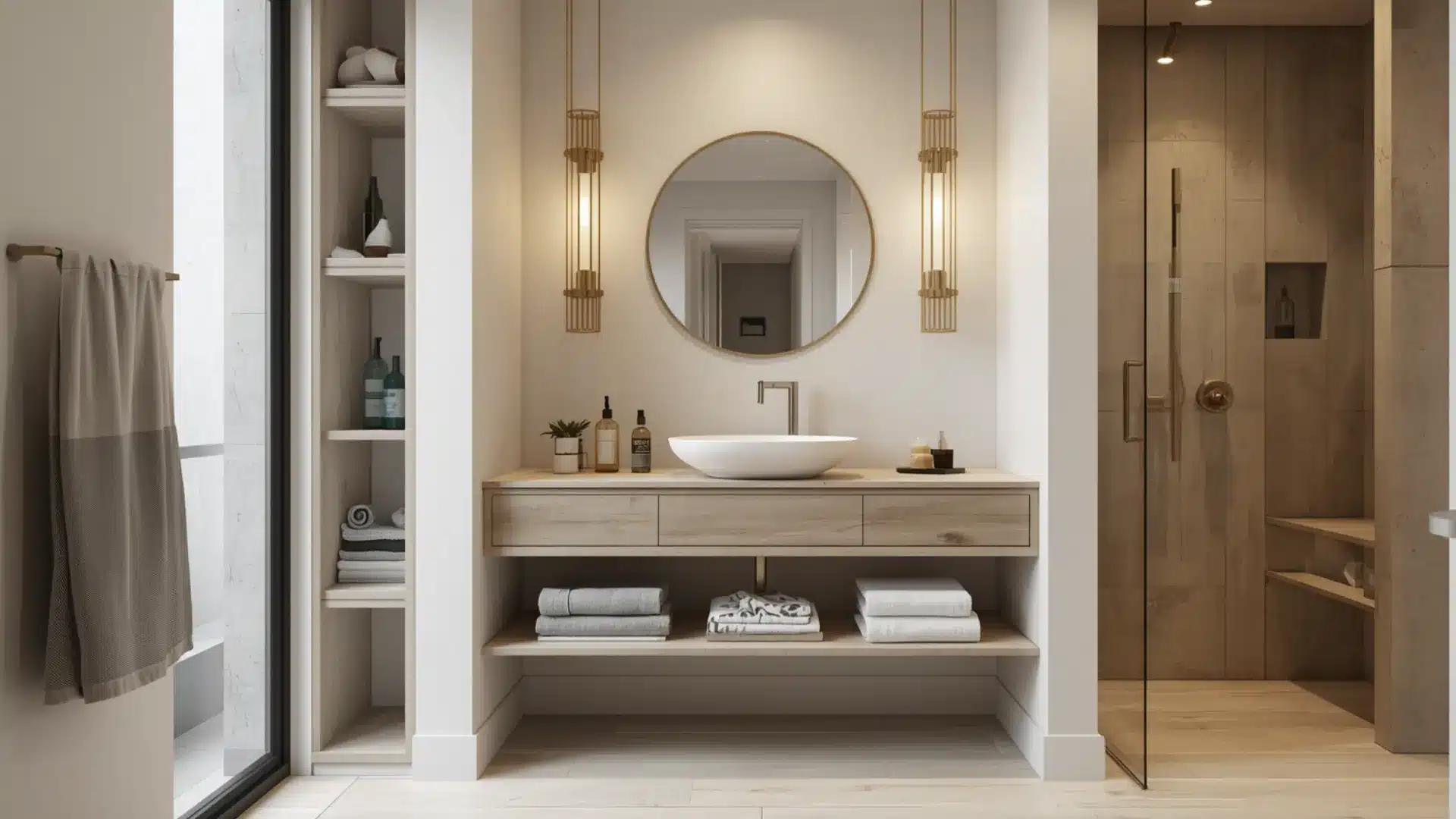
Visible floor space can make a small bathroom feel more open. Wall-mounted vanities, floating shelves, and raised storage pieces create an airy effect because they do not cover the floor completely.
This helps the eye travel through the room without interruption. Even small changes, like using slim legs instead of bulky cabinets, can make the bathroom feel lighter, cleaner, and easier to move around in.
Small Bathroom Remodeling Ideas by Style
Small bathroom remodeling ideas can match many design styles. Choose a look that fits your home, storage needs, lighting, and comfort while keeping the space open.
5. Modern Small Bathroom
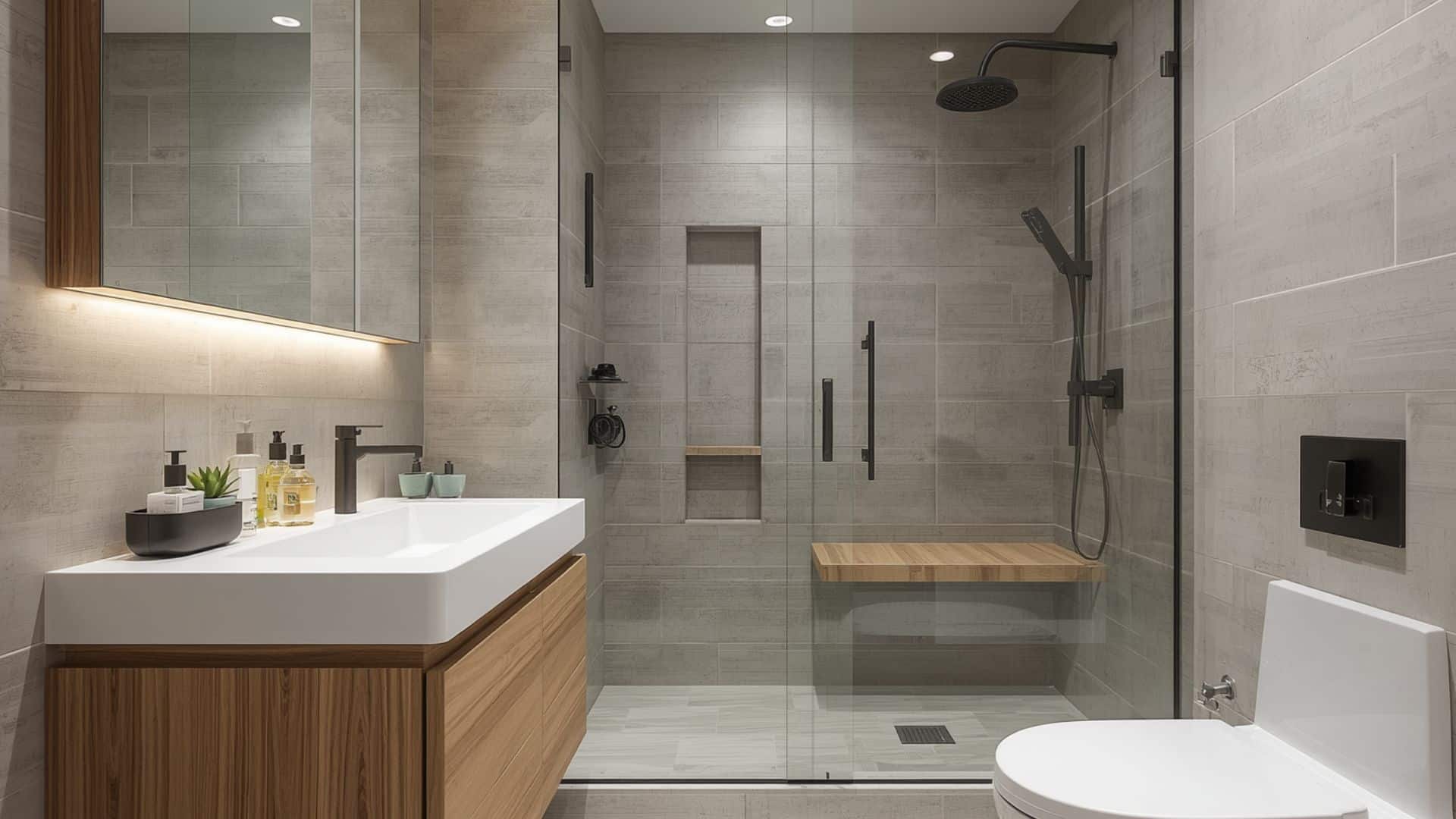
A modern small bathroom works best with clean lines, simple fixtures, and a clutter-free layout. Choose a floating vanity, frameless glass shower, neutral tile, and sleek hardware to keep the room feeling open.
Stick to a limited color palette so the space does not feel busy. Matte black, brushed nickel, or chrome fixtures can add contrast without overwhelming the design or making the bathroom feel smaller.
6. Spa-Inspired Small Bathroom
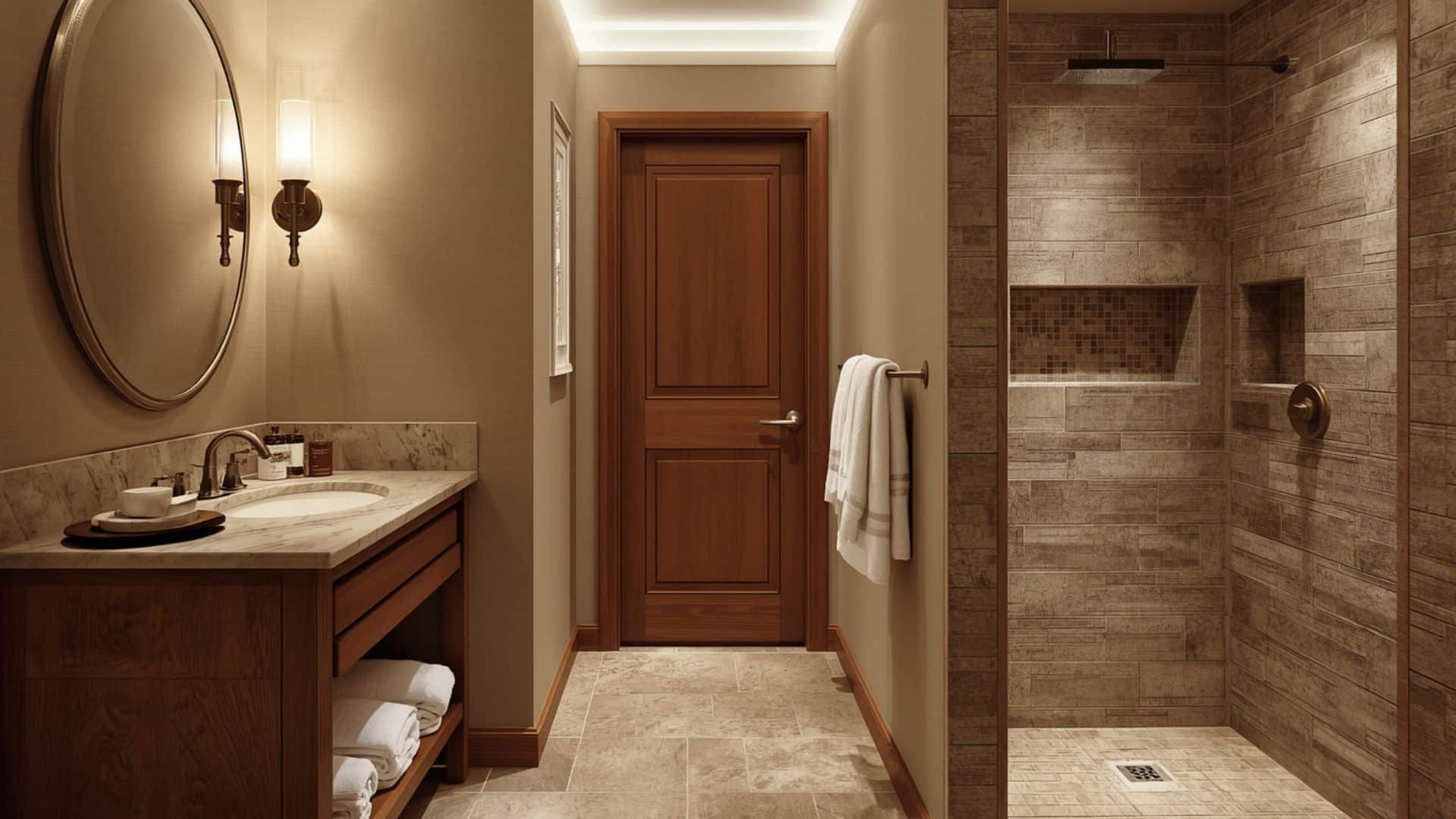
A spa-inspired small bathroom should feel calm, warm, and easy to relax in. Use soft lighting, warm wood, stone-look tile, and calming colors like beige, cream, sage, or light gray.
A rainfall showerhead, plush towels, and simple storage can make the space feel more peaceful. Keep products hidden when possible so the bathroom feels clean, quiet, and restful instead of crowded or overly decorated.
7. Farmhouse Small Bathroom
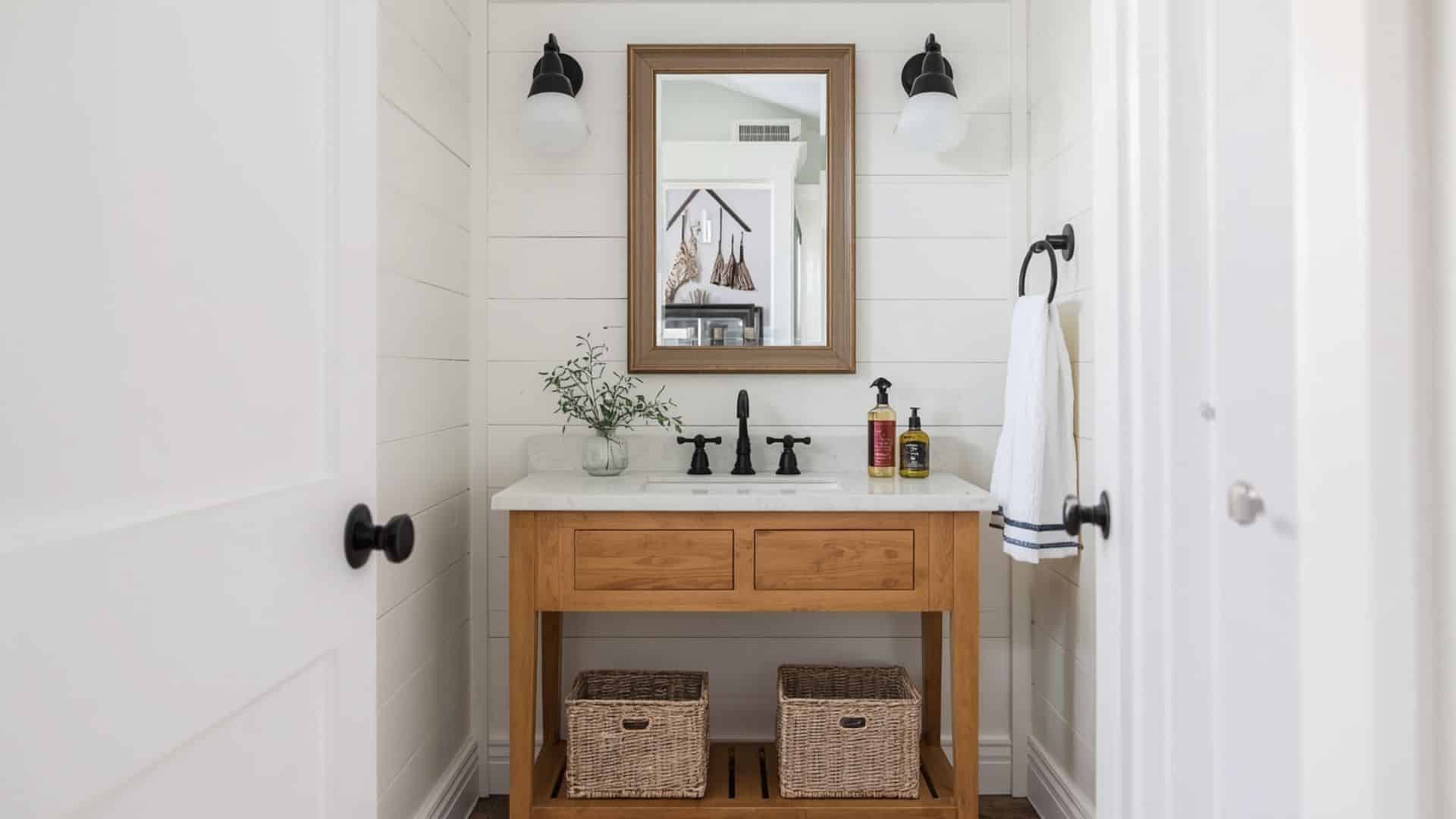
A farmhouse small bathroom feels cozy when you mix practical fixtures with warm, rustic details. Try shiplap, a wood vanity, a vintage-style mirror, and black or chrome fixtures.
Keep the color palette light so the room does not feel heavy. White walls, warm wood, and simple hardware work well together. Add woven baskets or open shelves for storage, but avoid too many decorative pieces.
8. Minimalist Small Bathroom
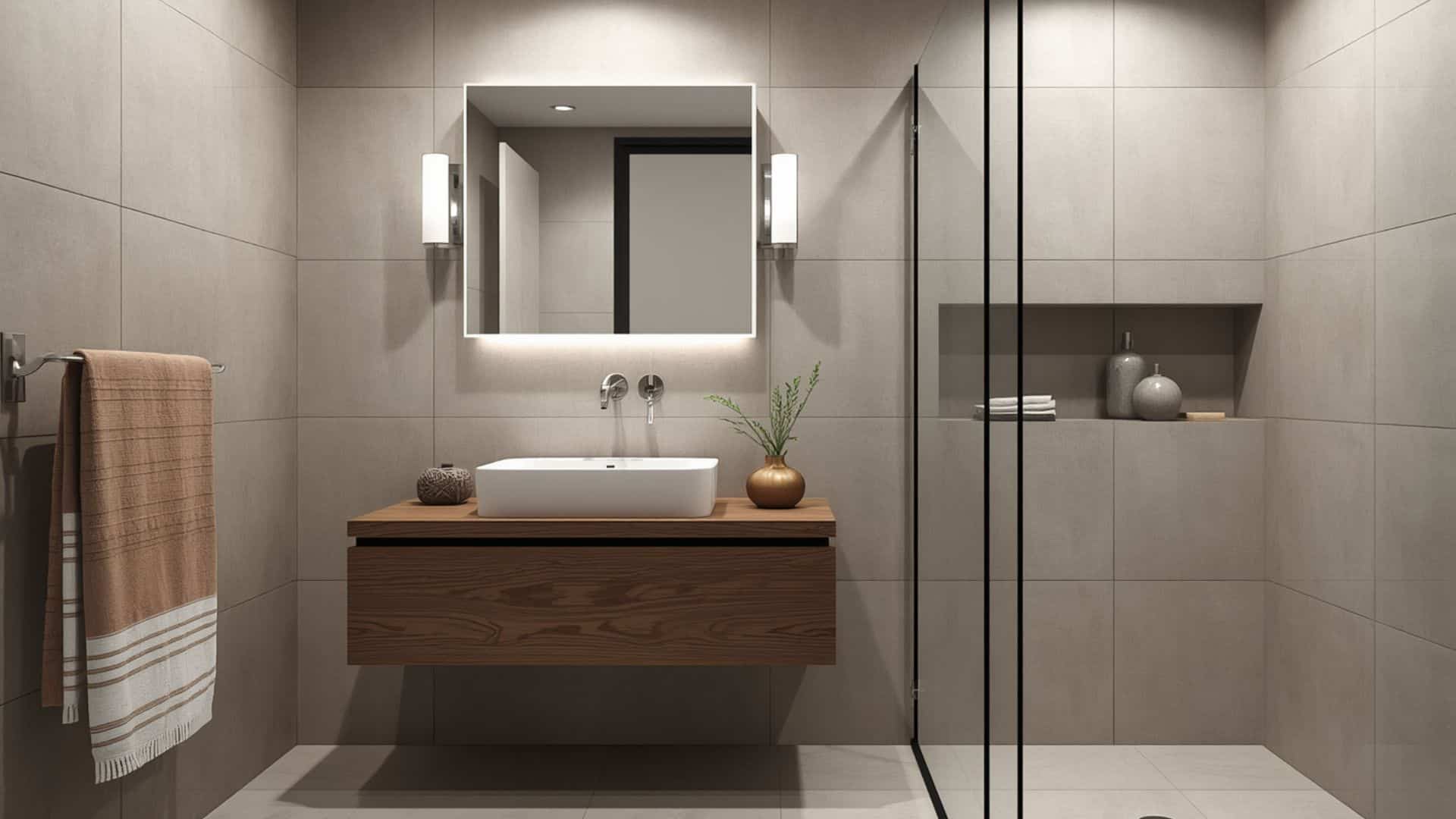
A minimalist small bathroom focuses on only what you need. Use hidden storage, plain tile, wall-mounted fixtures, and limited decor to keep the space calm and open.
Choose one or two main colors and repeat them throughout the room. A floating vanity, recessed medicine cabinet, and frameless shower can support the clean look. The goal is not an empty room, but a useful and peaceful one.
Small Bathroom Layout Ideas for Different Spaces
The best small bathroom layout depends on the room shape, plumbing location, and how you use the space daily. A smart layout improves movement, storage, comfort, and visual openness.
9. One-Wall Layout for Narrow Bathrooms
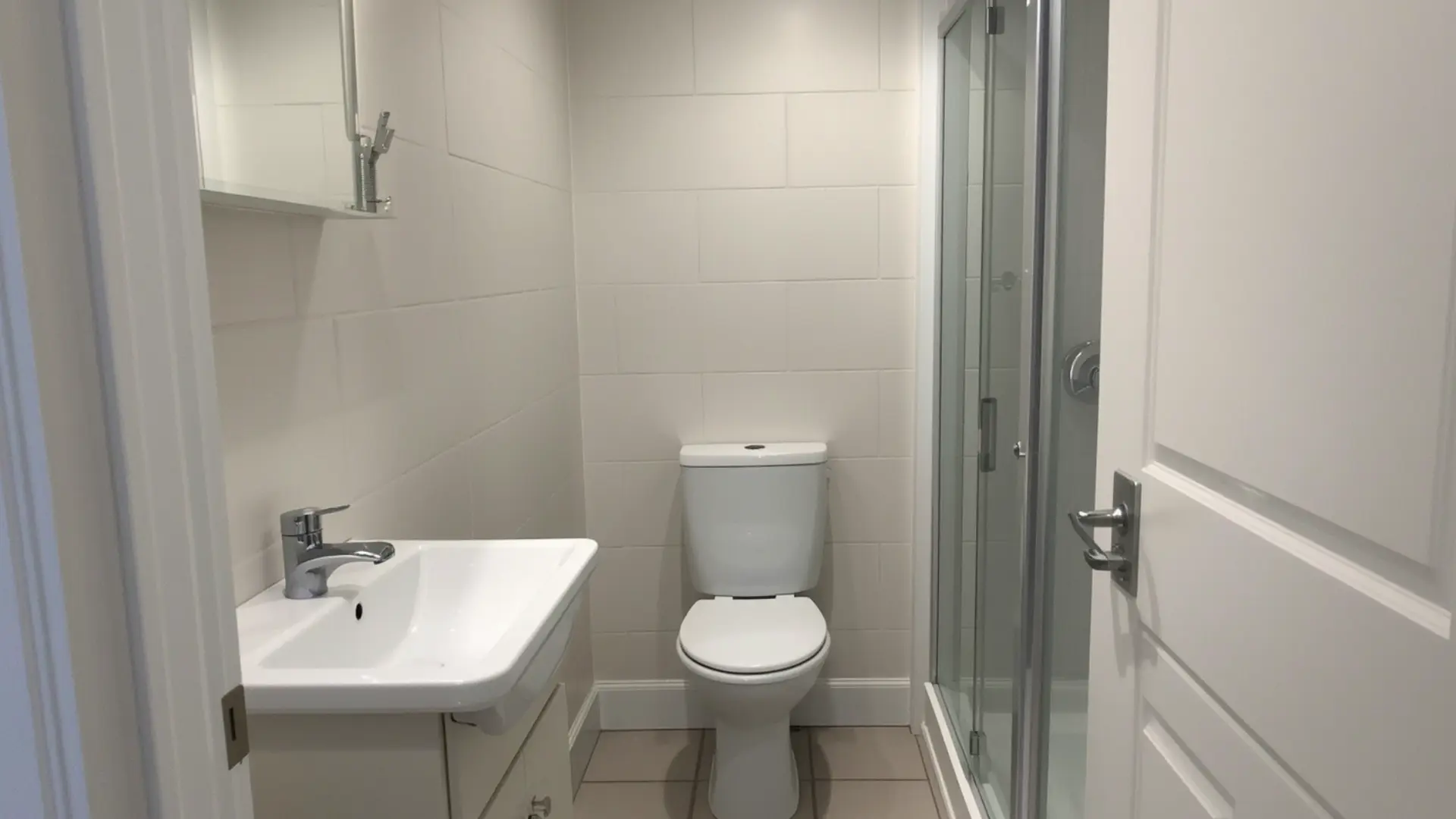
A one-wall layout works well for narrow bathrooms because the sink, toilet, and shower or tub all sit along the same wall. This keeps the walkway clear and makes the room easier to move through.
It can also help control renovation costs because plumbing lines stay grouped together. Use a slim vanity, compact toilet, and glass shower screen to keep the layout functional without making the bathroom feel crowded.
10. Corner Shower Layout
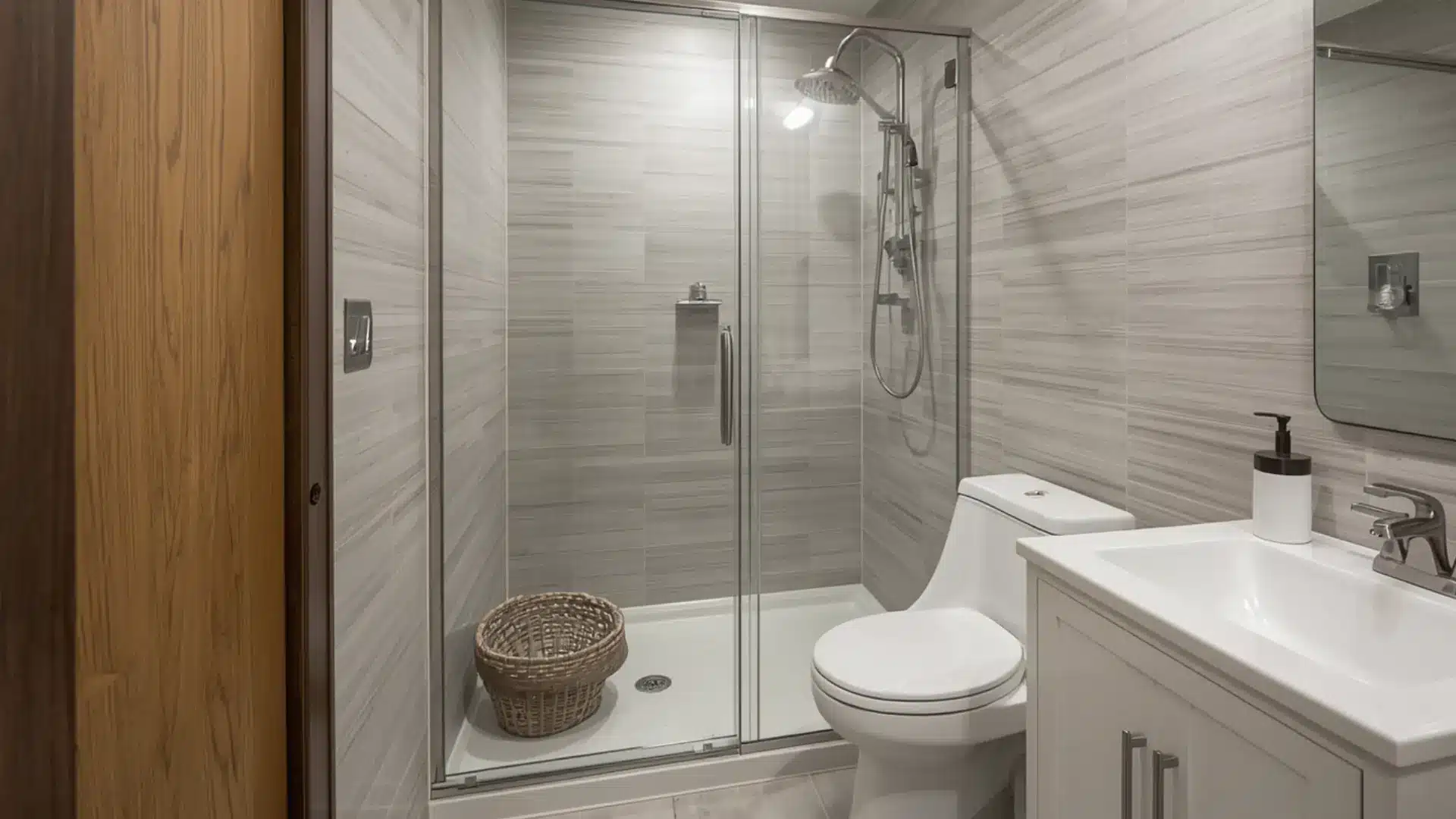
A corner shower layout is a smart choice when you want to free up more central floor space. It works especially well in square bathrooms, small en-suites, or awkward layouts where a full tub would feel too bulky.
A glass corner shower can make the room feel more open while still giving you a defined bathing area. Add a shower niche to keep products organized without using extra floor space.
11. Walk-In Shower Layout
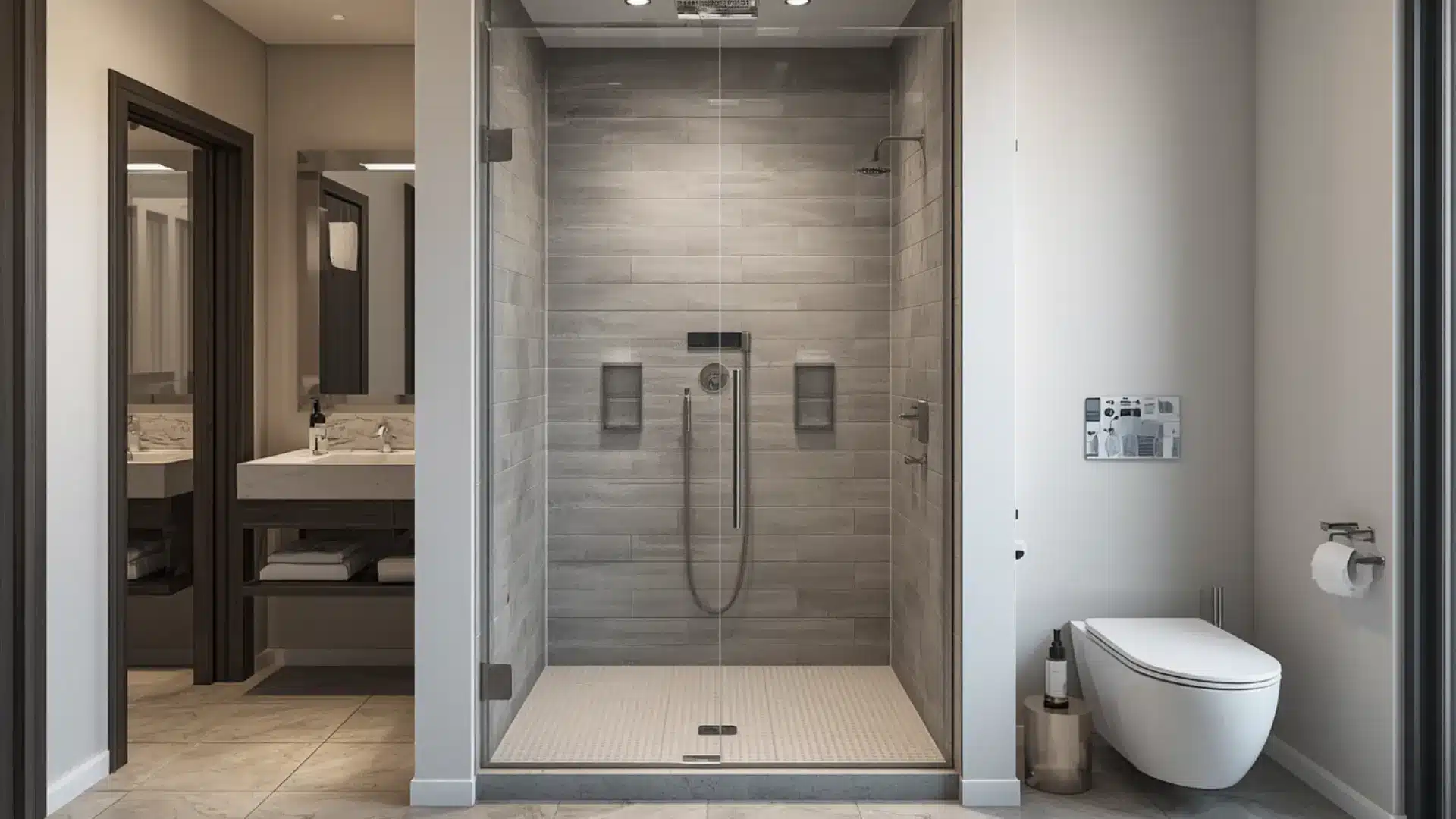
A walk-in shower layout gives a small bathroom a clean, modern look. It works best when you want fewer visual barriers and easier access. A low curb or curbless design can help the floor feel more continuous, which makes the space look larger.
Proper drainage and waterproofing are important, so this layout often needs careful planning. Pair it with clear glass and simple tile for the most open effect.
12. Tub-Shower Combo Layout
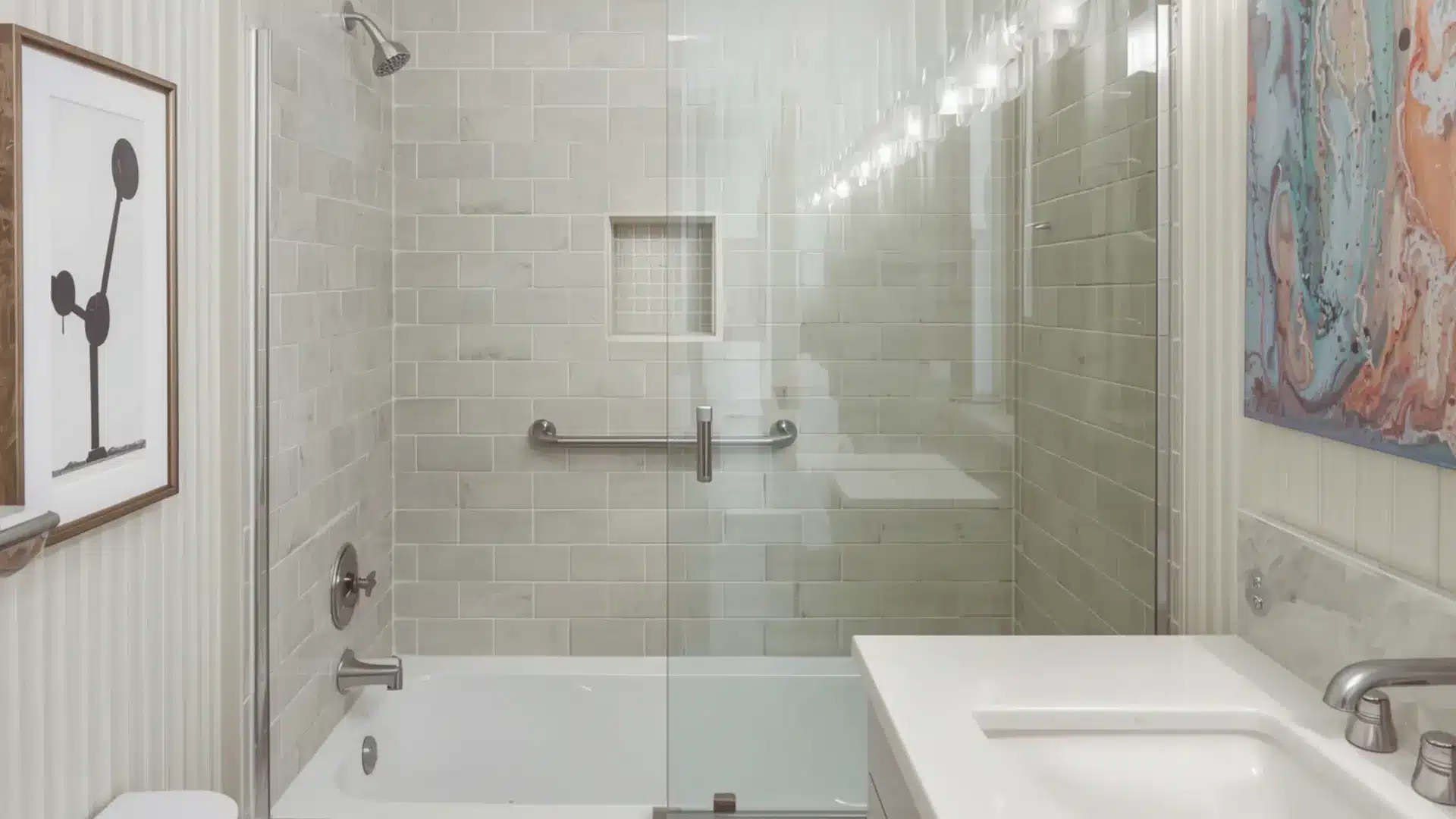
A tub-shower combo layout is useful when you need both bathing and showering in one compact area. It works well for family bathrooms, guest bathrooms, or homes where resale value matters.
To keep the design from feeling heavy, choose a simple glass screen instead of a bulky curtain. Light tile, recessed storage, and wall-mounted fixtures can also help the tub area feel cleaner and more spacious.
13. Powder Room Layout
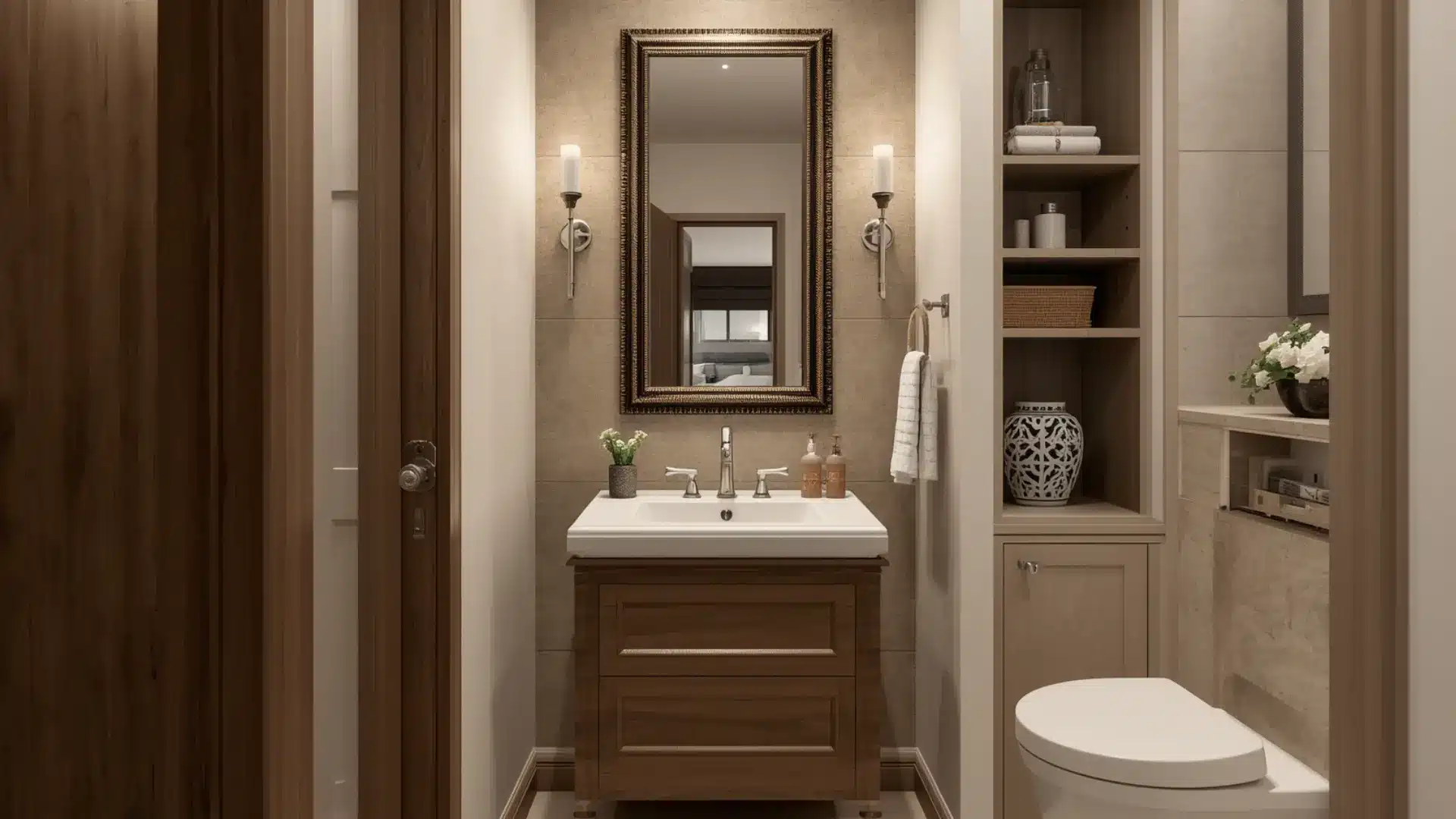
A powder room layout gives you more freedom because there is no shower or tub taking up space. Focus on a well-sized vanity, a statement mirror, flattering lighting, and a wall treatment that adds personality.
Since moisture is less of an issue than in a full bathroom, you can be bolder with wallpaper, darker paint, or decorative finishes. Keep storage simple so the room still feels neat and easy to use.
Space-Saving Fixture Ideas for Small Bathrooms
The right fixtures can make a small bathroom feel easier to use. Choose pieces that save floor space, improve storage, and keep the layout open.
14. Floating Vanity
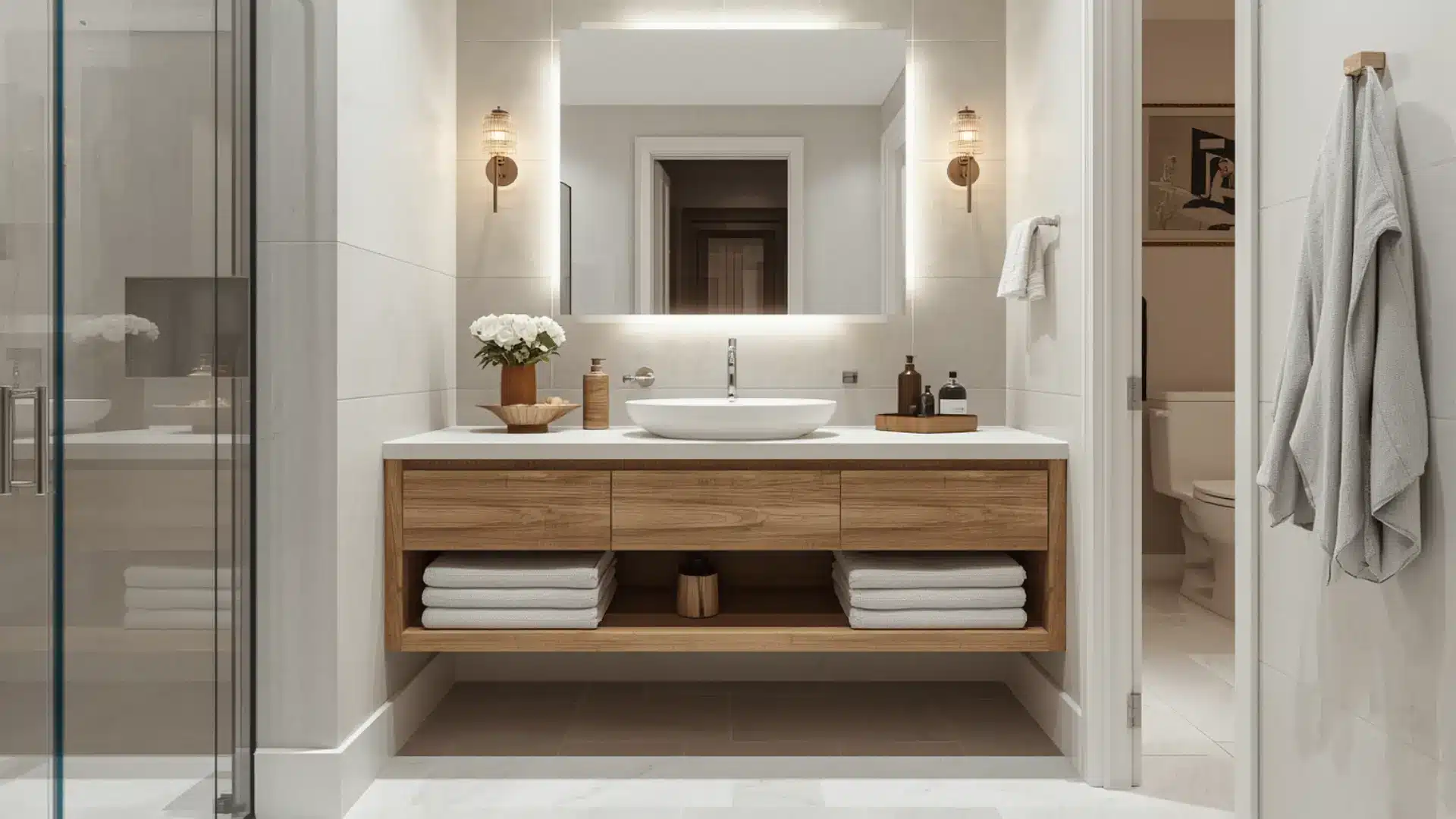
A floating vanity is a smart choice for a small bathroom because it keeps more floor space visible. This makes the room feel lighter and easier to clean. Choose a design with drawers instead of deep cabinet doors so toiletries, towels, and daily items stay organized.
A floating vanity also works well with modern, minimalist, or spa-style bathrooms because it gives the space a cleaner and more open look.
15. Pedestal Sink
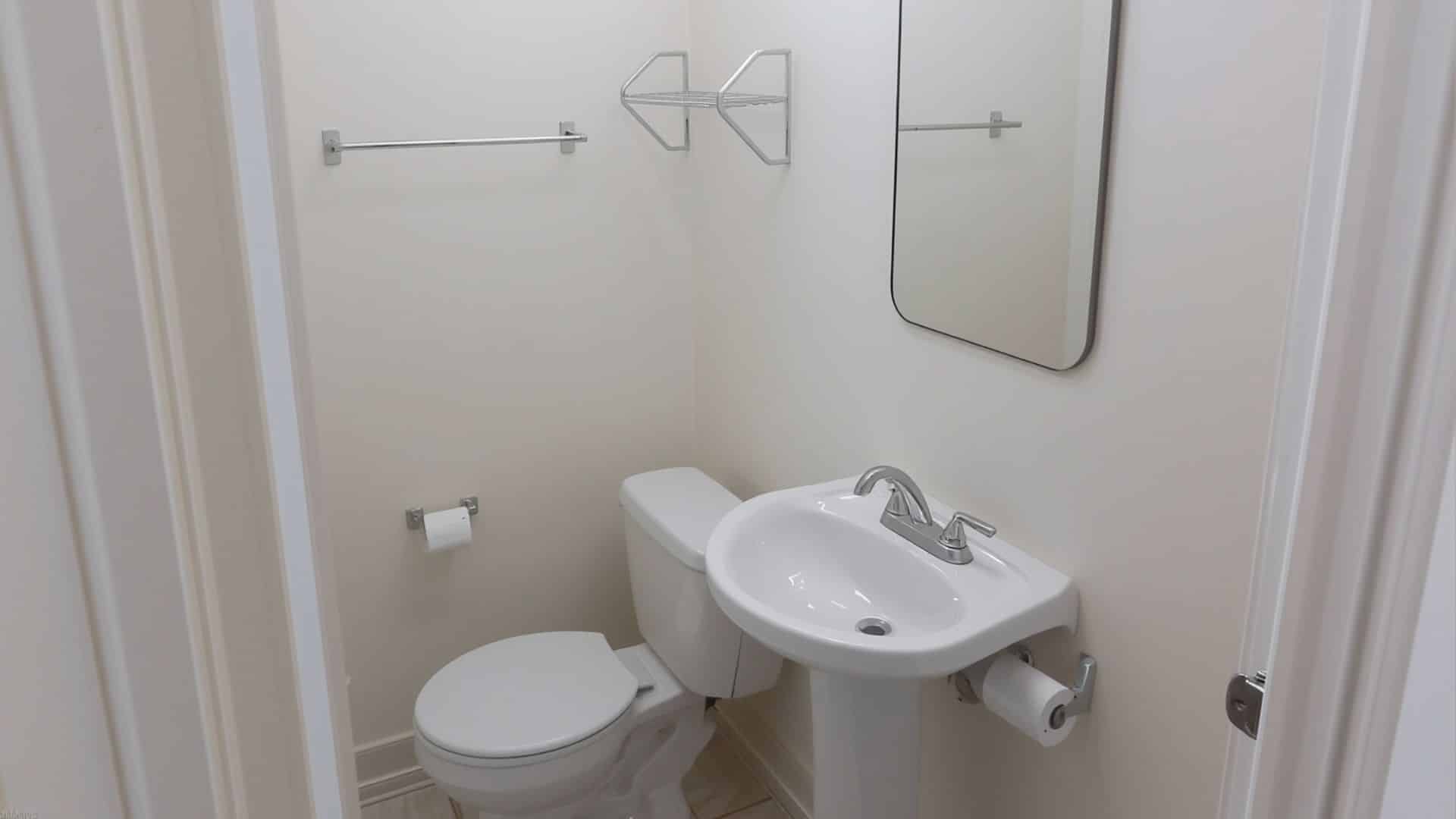
A pedestal sink works well in very small bathrooms or powder rooms where a full vanity feels too bulky. It takes up less visual space and can make the room feel more open.
The main drawback is limited counter and storage space, so pair it with wall shelves, a recessed medicine cabinet, or over-the-toilet storage. This setup keeps the bathroom functional without crowding the floor area.
16. Wall-Mounted Faucet
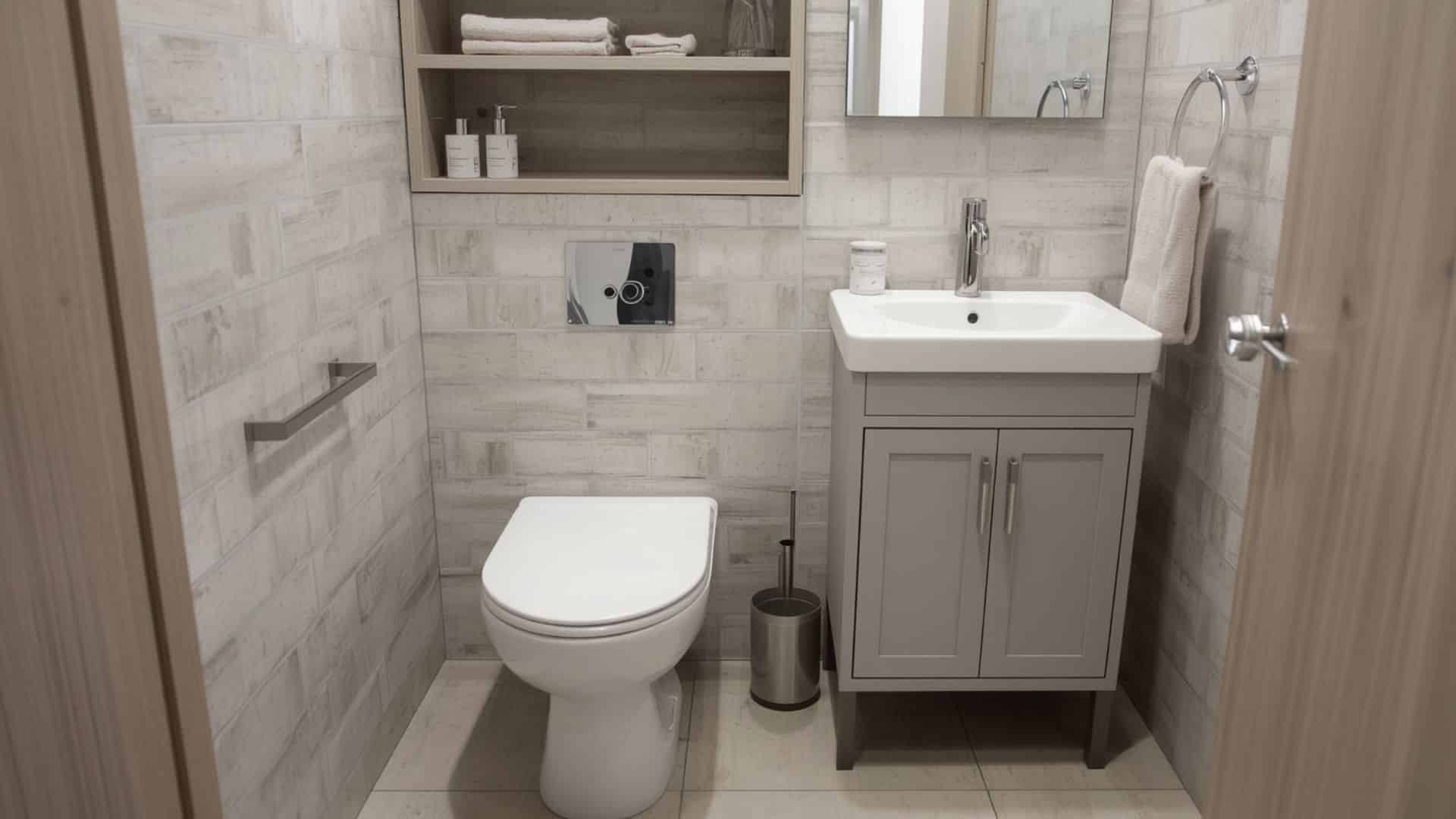
A wall-mounted faucet helps save counter depth, which is useful when your vanity or sink area is narrow. Since the faucet comes out from the wall, you can choose a smaller sink without making the space feel cramped.
It also gives the vanity area a cleaner, more custom look. This fixture works best when planned early because it may require plumbing changes inside the wall.
17. Compact Toilet
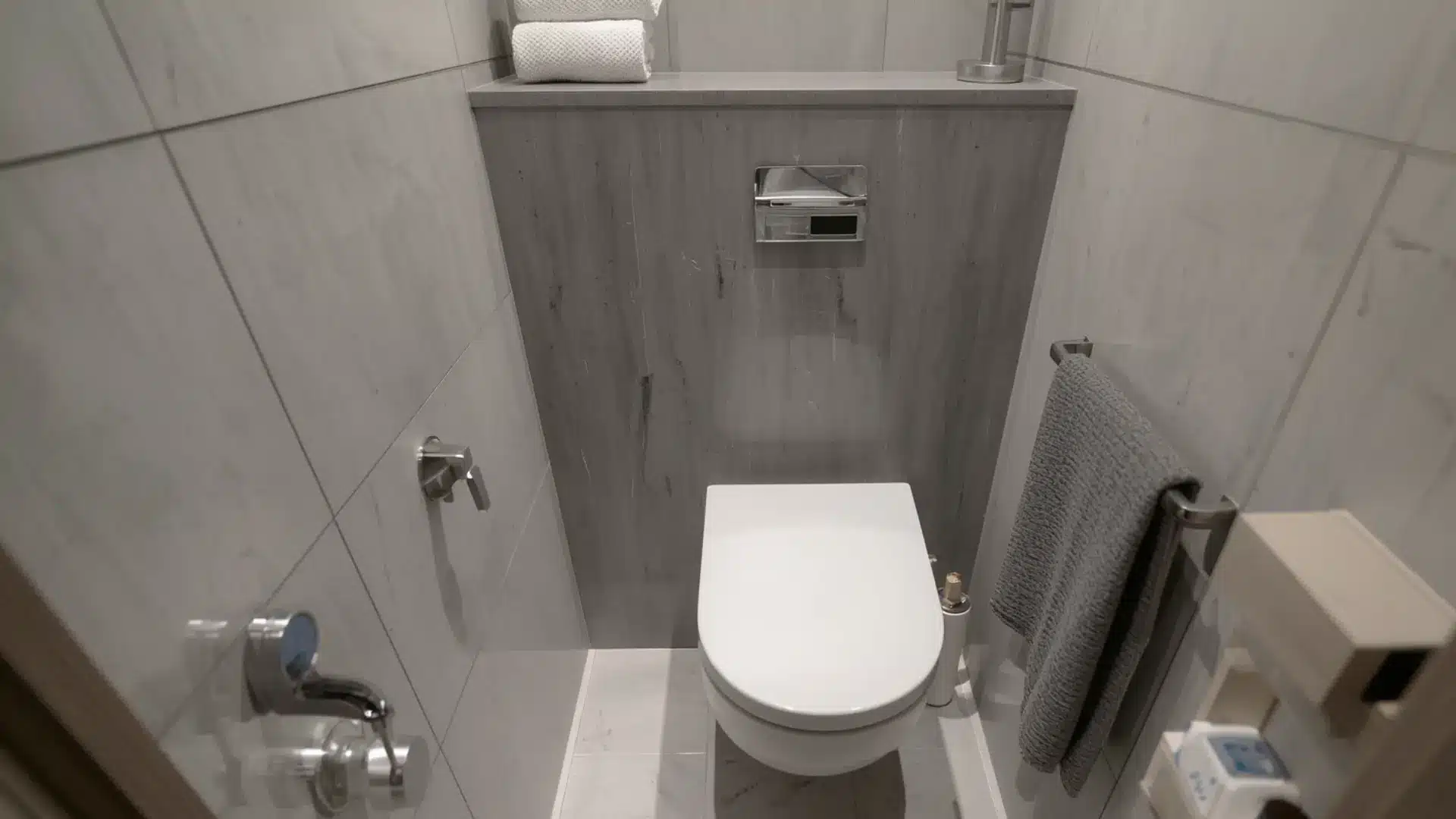
A compact toilet can make a noticeable difference in a small bathroom remodel. Round-front toilets, slim-profile designs, and wall-hung options take up less space than larger models.
Before buying, measure the rough-in, side clearance, and space in front of the toilet. Comfort still matters, so avoid choosing the smallest option without checking usability. A good compact toilet saves space while keeping the bathroom practical.
Lighting Ideas for Small Bathrooms
Lighting is one of the most underestimated tools in small bathroom design. In a cramped space, poor lighting makes walls feel closer, and surfaces look duller.
Good lighting does the opposite: it reflects off tile and mirrors, fills shadows that make a room feel smaller, and makes the whole space feel cleaner and more considered.
18. Layer Your Light Sources
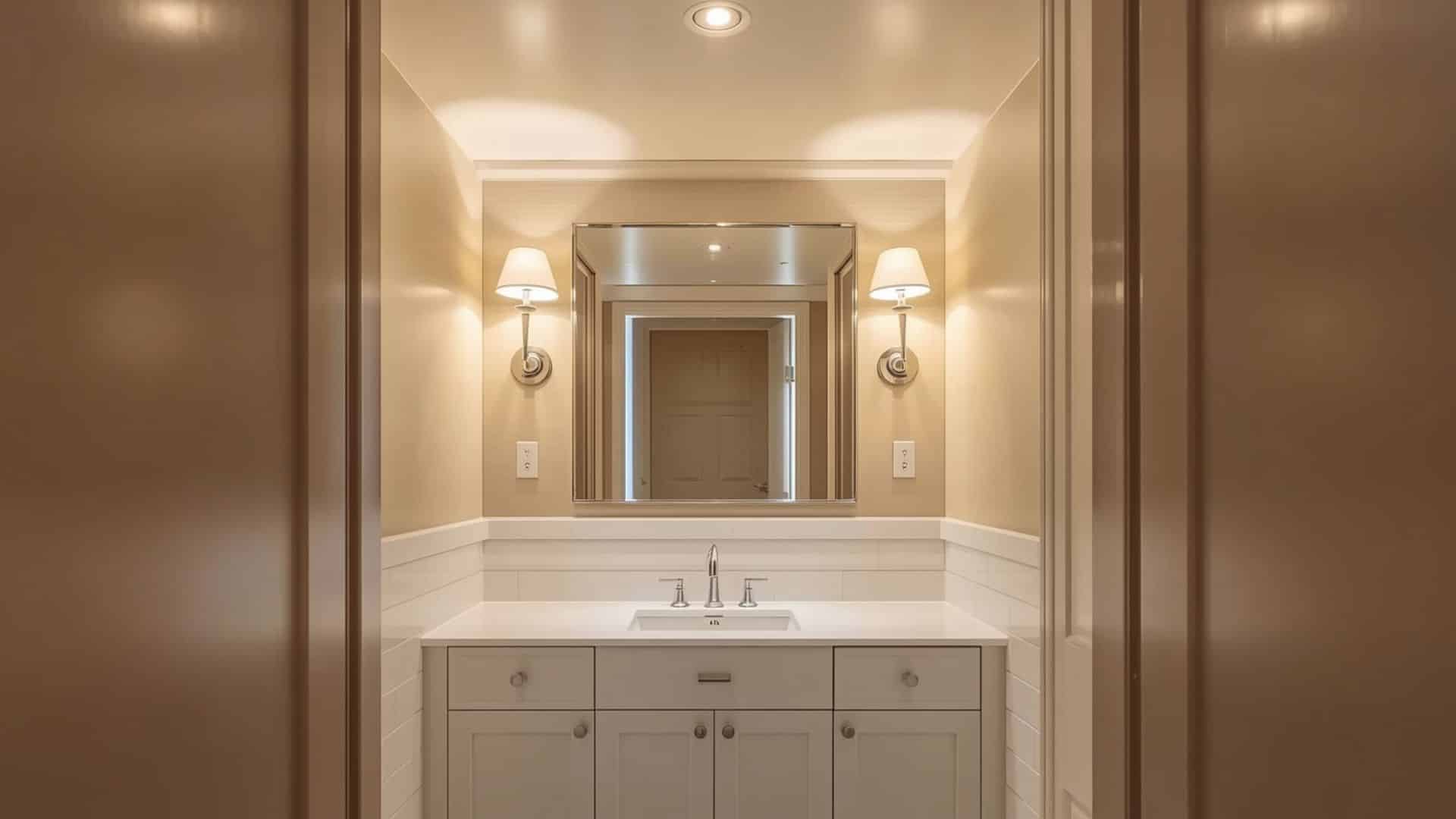
Most small bathrooms rely on a single overhead fixture, which creates flat, unflattering light and harsh shadows. A layered approach uses at least two light sources at different heights.
Pair recessed ceiling lights with sconces mounted on either side of the mirror (rather than above it). Side-mounted sconces eliminate the under-eye shadows that make a face look tired, and they also throw light sideways across the room, which makes the space feel wider.
19. Use Warm LED Lighting
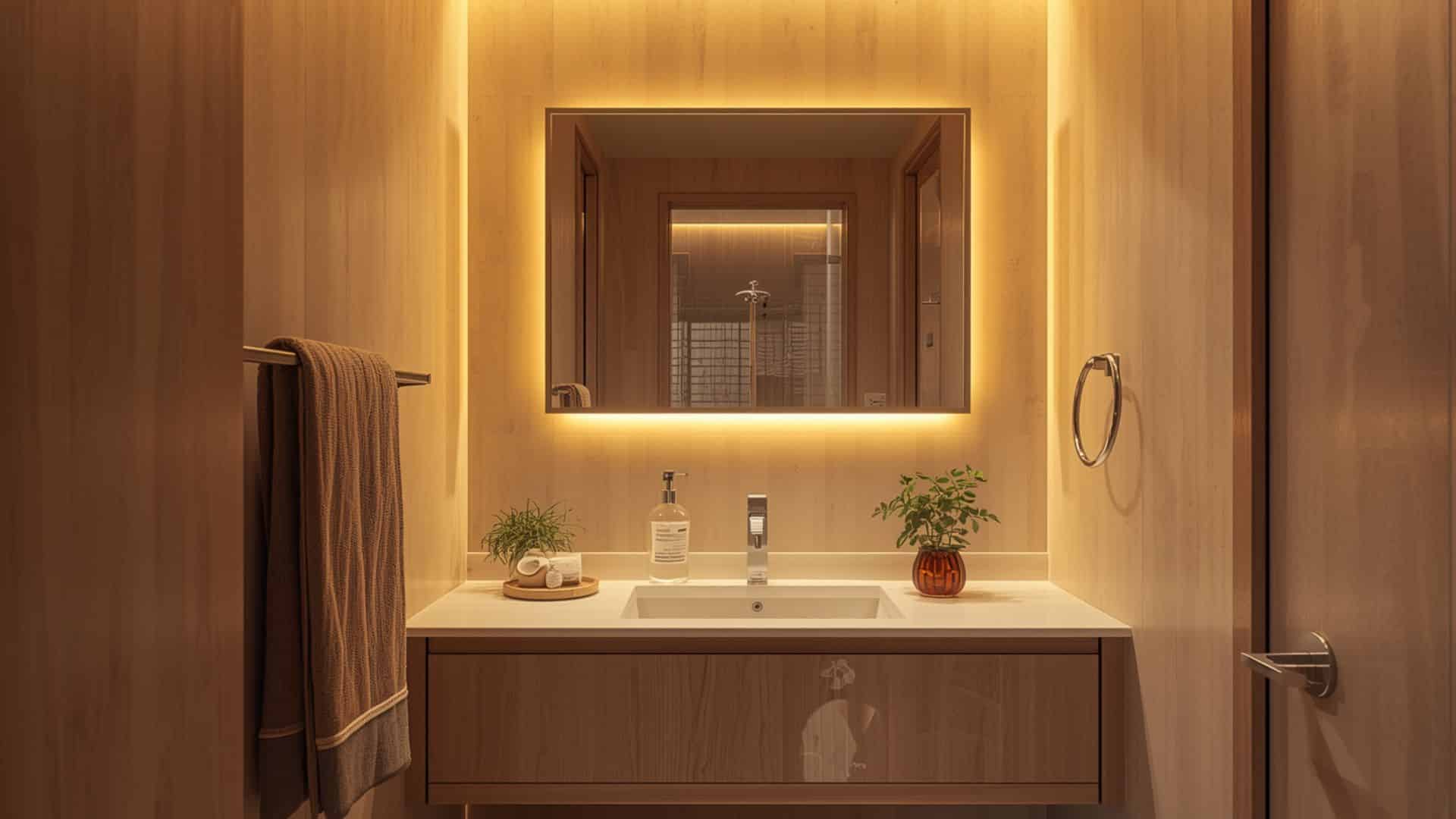
Cool white light (above 4000K) tends to flatten a bathroom and make tile and fixtures look sterile. Warm white LEDs in the 2700K to 3000K range read as cleaner and more spa-like in small spaces.
LED fixtures also run cooler, which matters in a small room where heat and humidity already accumulate. Look for dimmable options so you can adjust the atmosphere between a bright morning routine and a more relaxed evening setting.
20. Consider a Skylight or Solar Tube
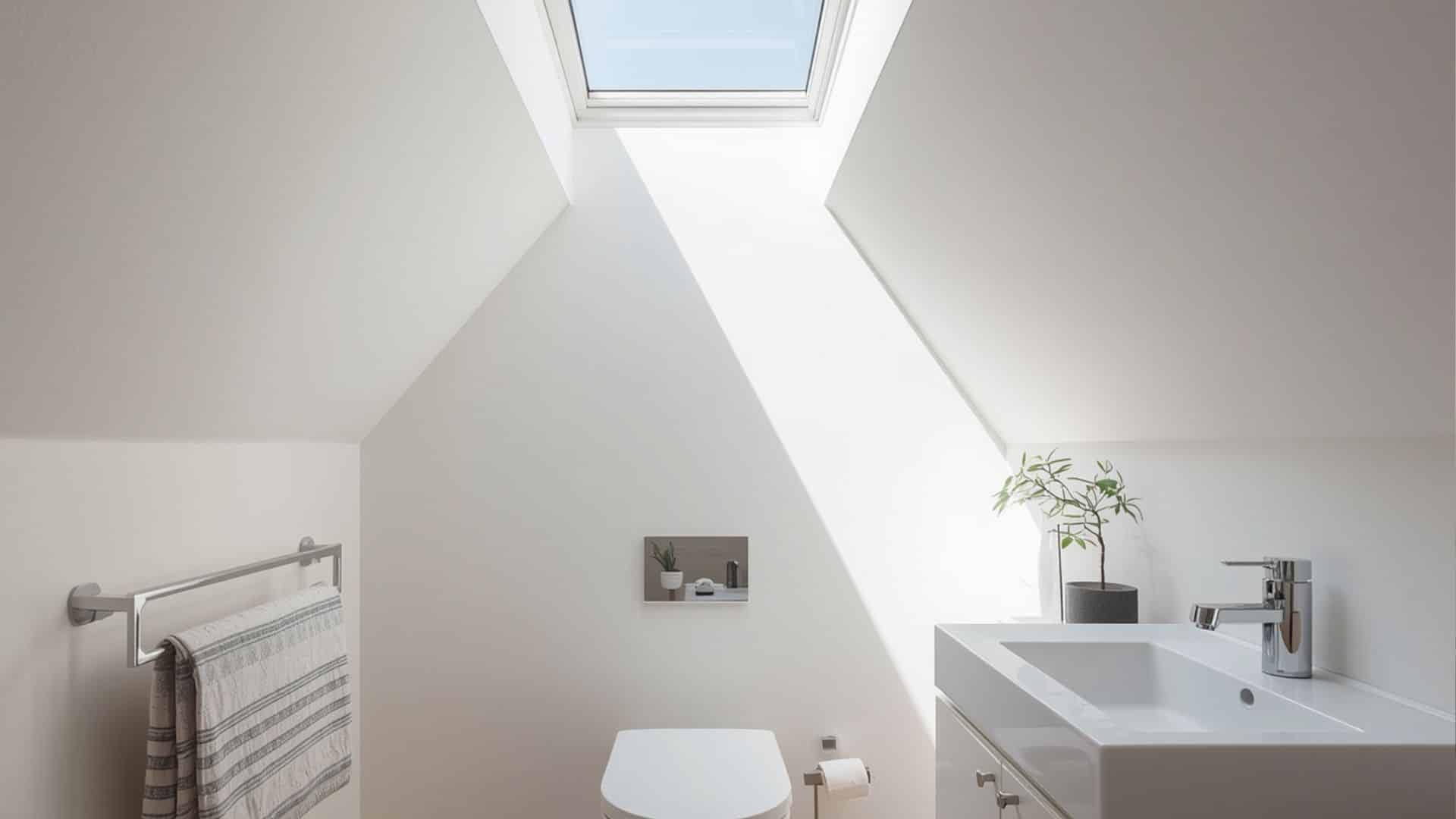
If your bathroom sits below an exterior roof, a skylight or solar tube is one of the most effective ways to make a small space feel dramatically more open. Natural light from above creates vertical depth: it draws the eye upward, makes the ceiling feel higher, and reduces the boxed-in feeling that top-down overhead fixtures can create.
Solar tubes are a lower-cost alternative to full skylights and require less structural work, making them a realistic option during a mid-range remodel.
Storage Ideas for Small Bathrooms
Small bathroom storage should keep daily items easy to reach without crowding the room. Use hidden, vertical, and wall-mounted storage to save space and reduce clutter.
21. Recessed Medicine Cabinet
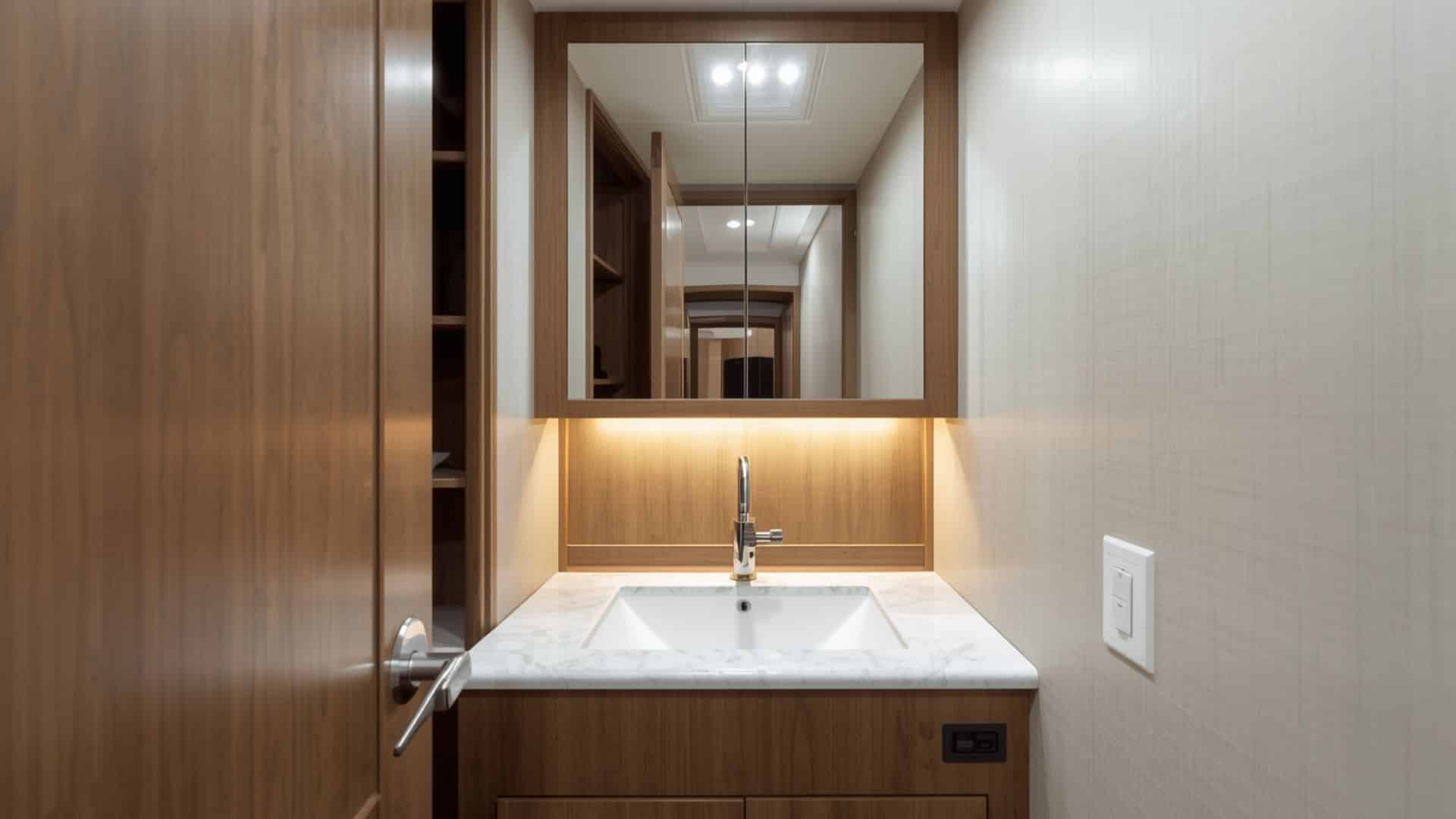
A recessed medicine cabinet adds storage without sticking out into the room. Since it sits inside the wall, it keeps the vanity area cleaner and saves valuable space. Use it for skincare, toothpaste, medicine, razors, and small daily items.
A mirrored version also helps the bathroom feel brighter and larger. This is a smart choice when you want storage that feels built-in, simple, and visually light.
22. Over-the-Toilet Storage
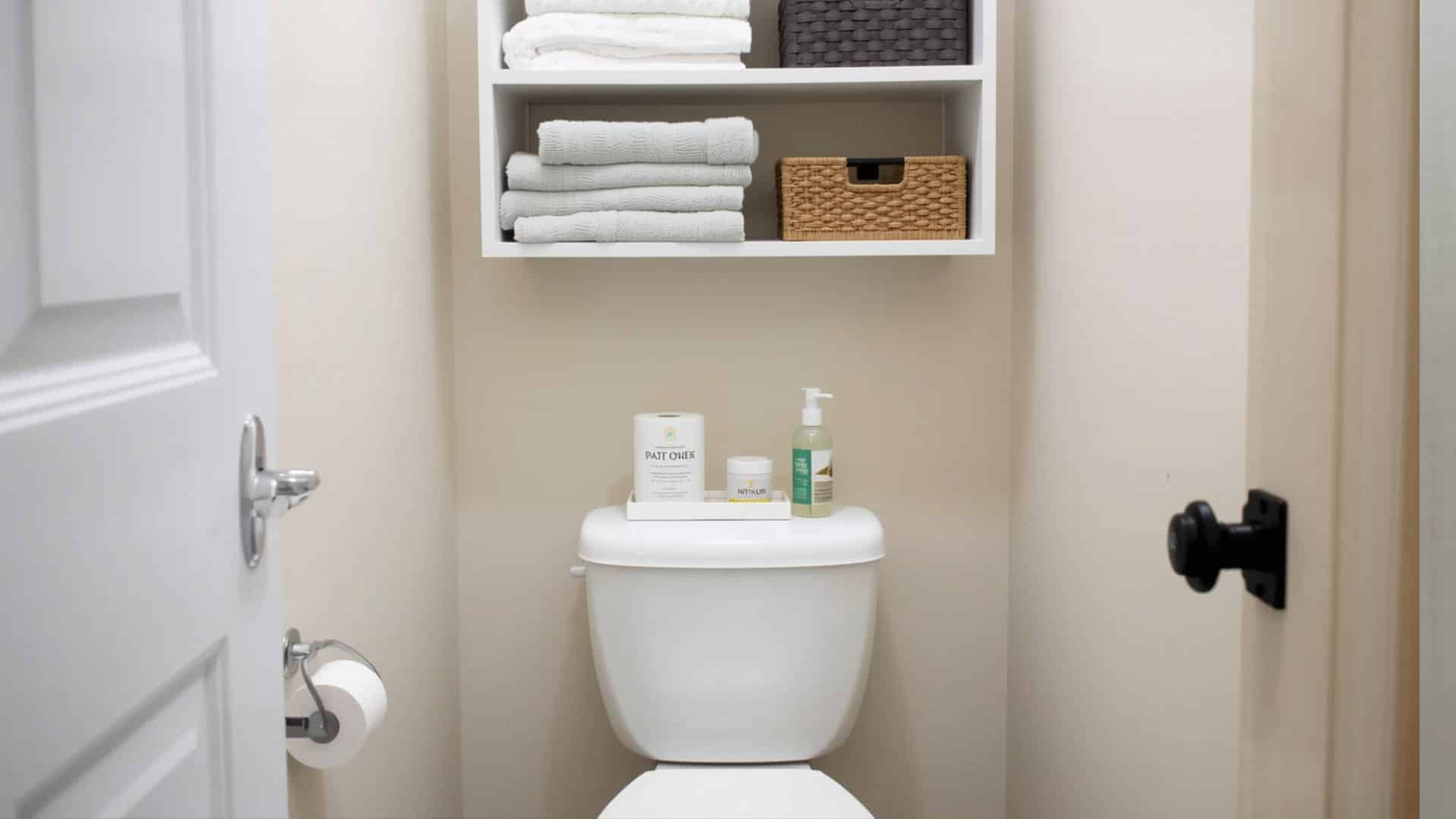
The wall above the toilet is often unused, but it can add helpful storage in a small bathroom. You can install a slim cabinet, open shelves, or a built-in niche for towels, toilet paper, and extra toiletries.
Keep items grouped in baskets or matching containers so the area does not look messy. This storage works best when it feels intentional, not overloaded or crowded.
23. Vanity Drawers Instead of Doors
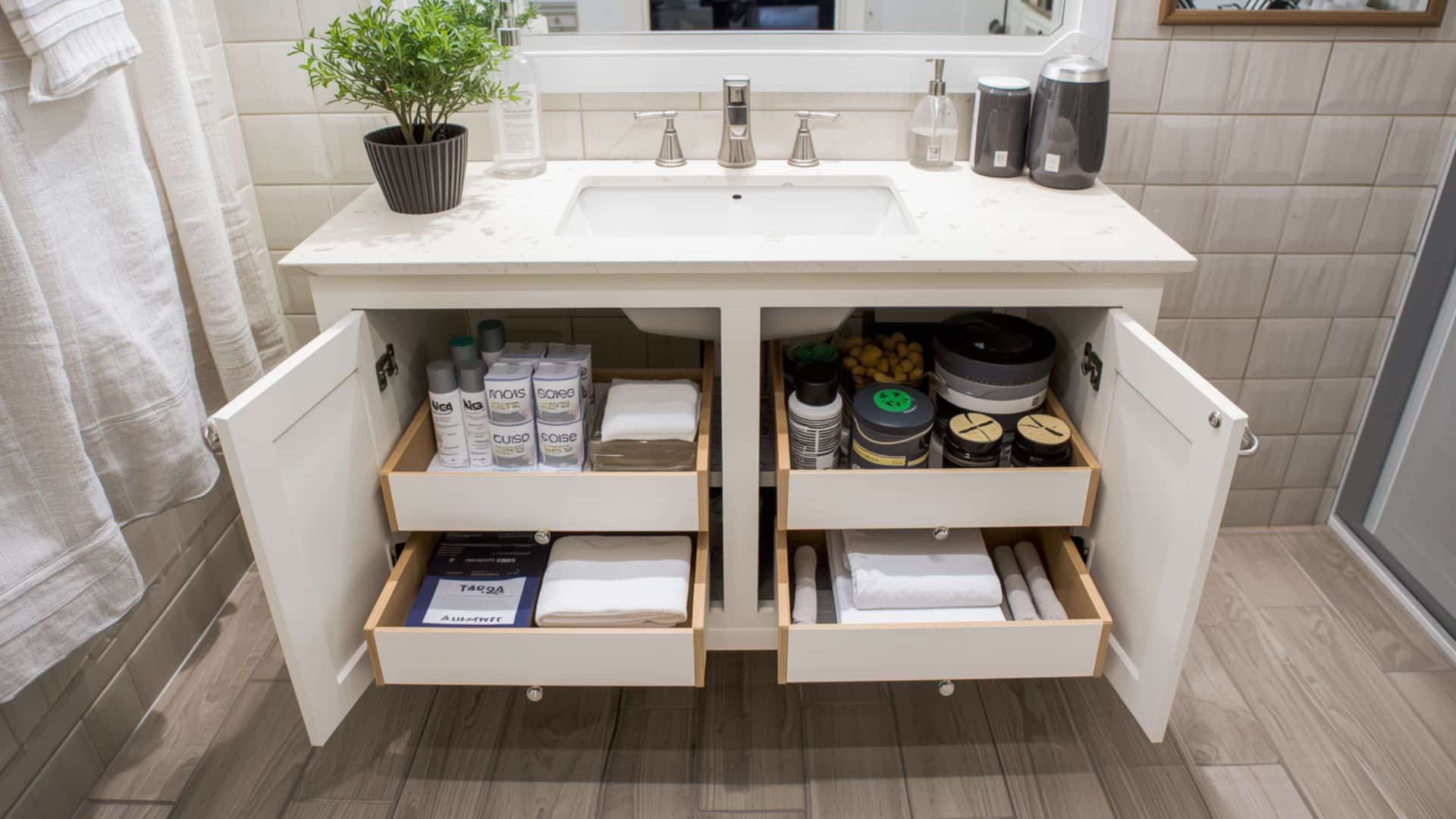
Vanity drawers are usually more practical than cabinet doors in a small bathroom. Drawers let you pull everything forward, so toiletries, hair tools, and cleaning items are easier to see and reach.
They also help prevent products from getting lost at the back of a deep cabinet. Choose divided drawers or small organizers to keep items neat, especially if more than one person uses the bathroom.
24. Wall Hooks Instead of Towel Bars
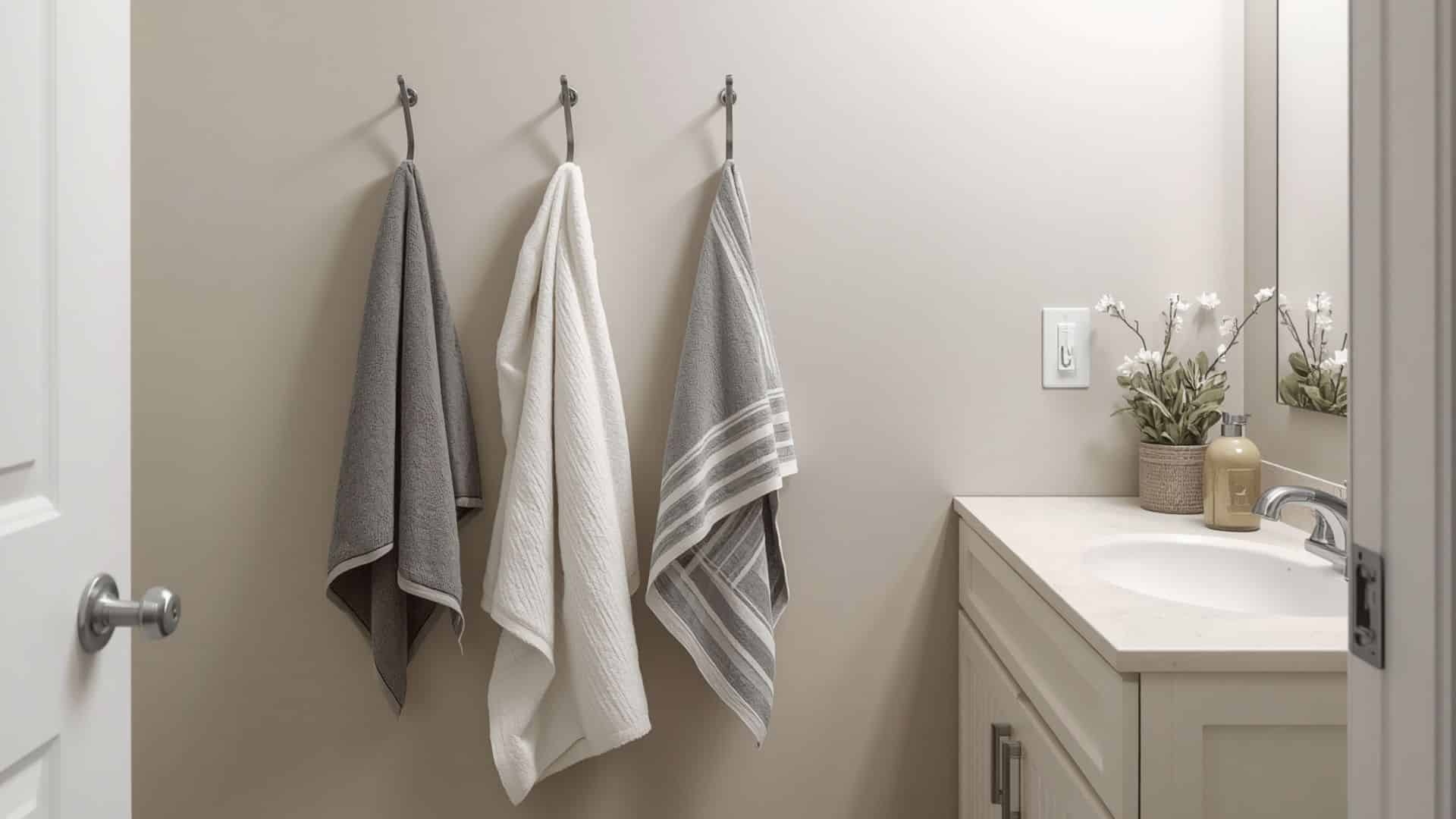
Wall hooks take up less space than long towel bars and are easier to fit behind doors, near the shower, or beside the vanity. They work especially well in shared bathrooms because each person can have a separate hook.
Hooks also help towels dry without needing wide wall space. Choose simple, sturdy hooks that match your fixtures so the bathroom still feels clean and coordinated.
25. Built-In Shelves
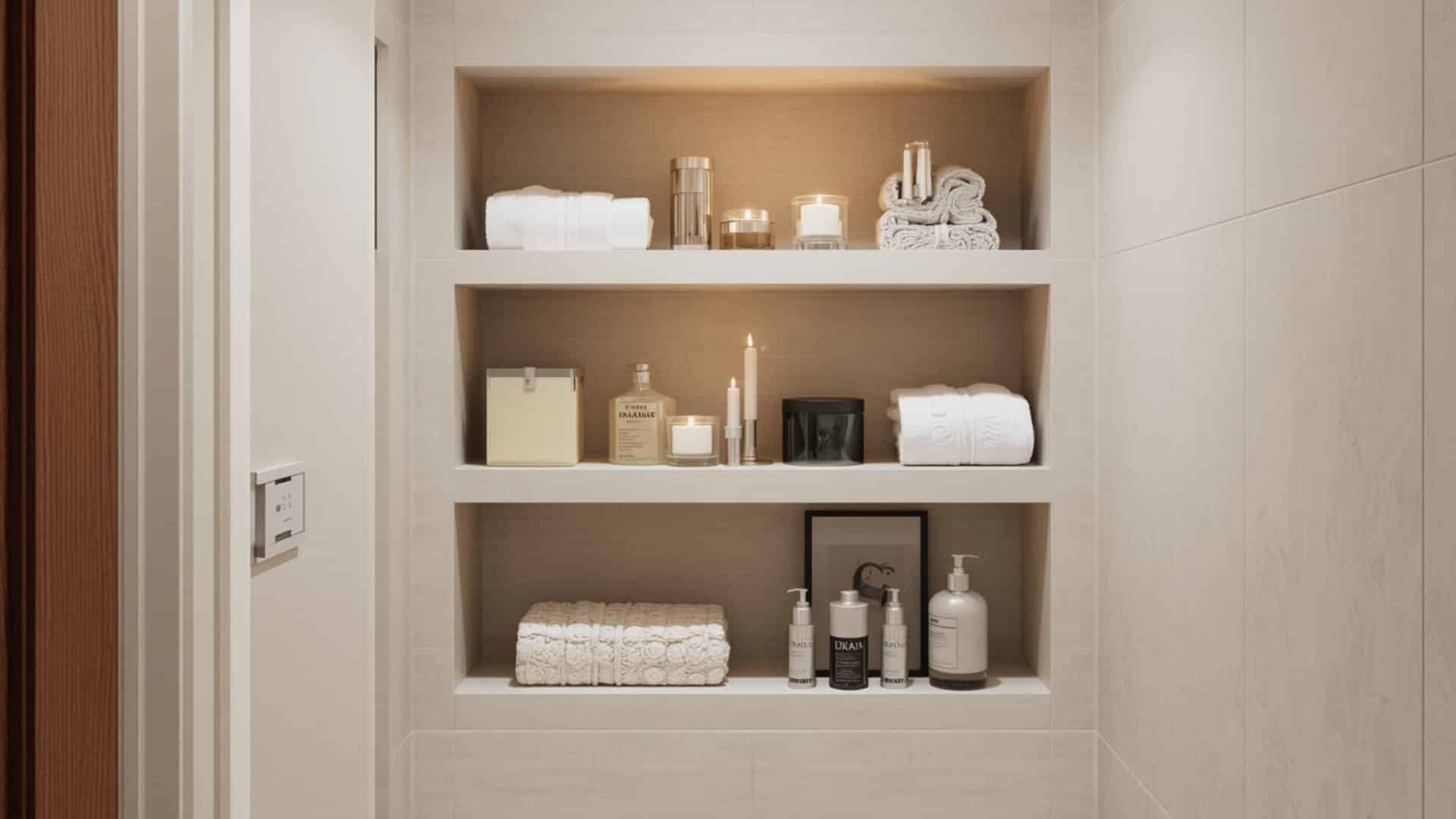
Built-in shelves make use of empty wall cavities, shower walls, or awkward corners without adding bulky furniture. They are great for storing towels, candles, extra soap, or daily shower products.
In the shower, a built-in shelf or niche keeps bottles off the floor and tub edge. Keep the shelves shallow and organized so they add function without making the small bathroom feel busy.
26. Baskets and Clear Containers
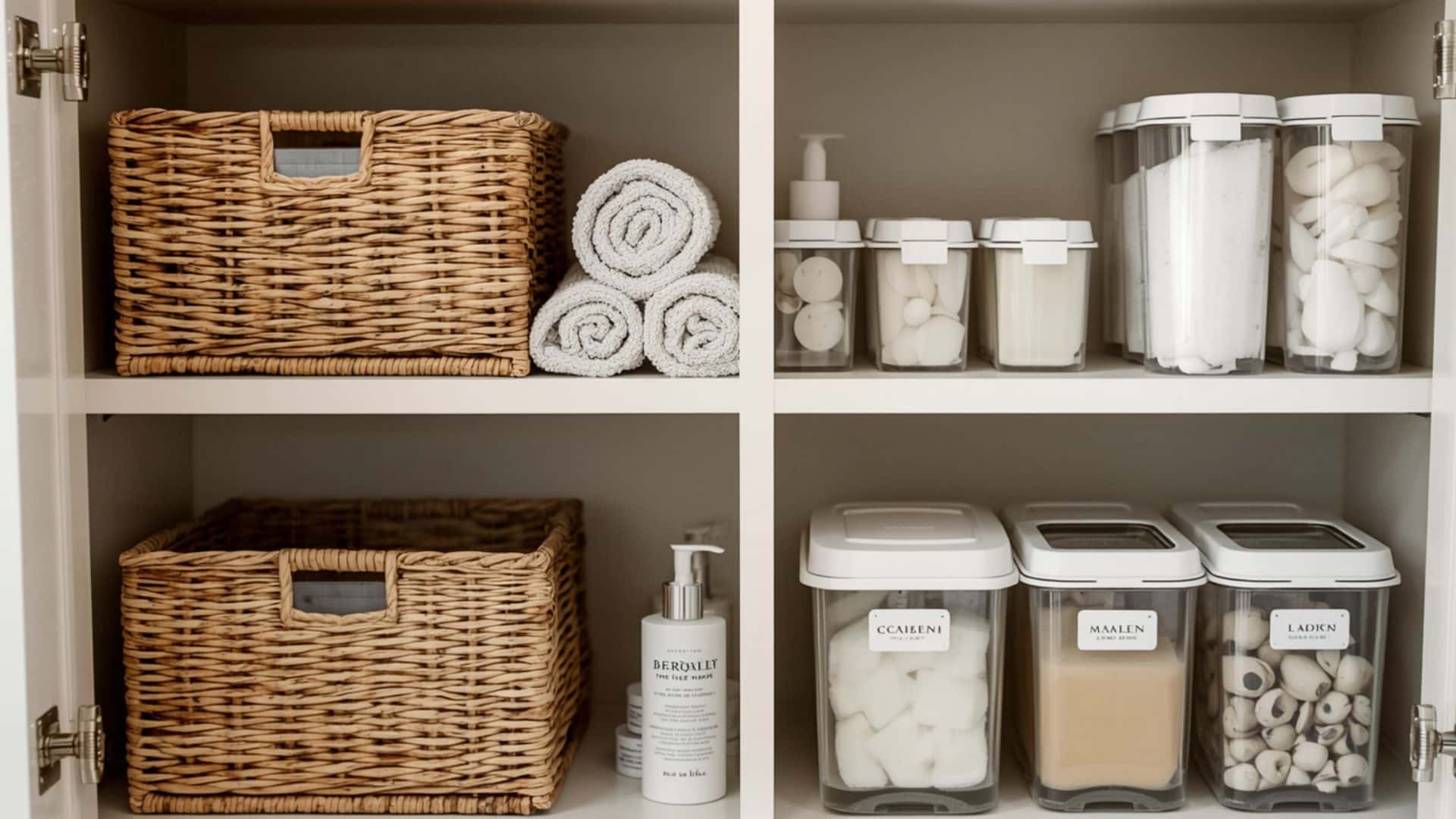
Baskets and clear containers are simple storage tools for renters, budget remodels, or quick bathroom updates. Use baskets for towels, toilet paper, or backup products, and clear containers for cotton pads, skincare, or small toiletries.
They keep items grouped, easy to find, and less likely to spread across the counter. Choose similar colors or materials so the storage looks neat instead of mismatched.
Small Bathroom Shower Ideas
Small bathroom shower ideas should keep the space open, bright, and easy to use. Choose designs that reduce visual barriers, save floor space, and improve daily comfort.
27. Frameless Glass Shower
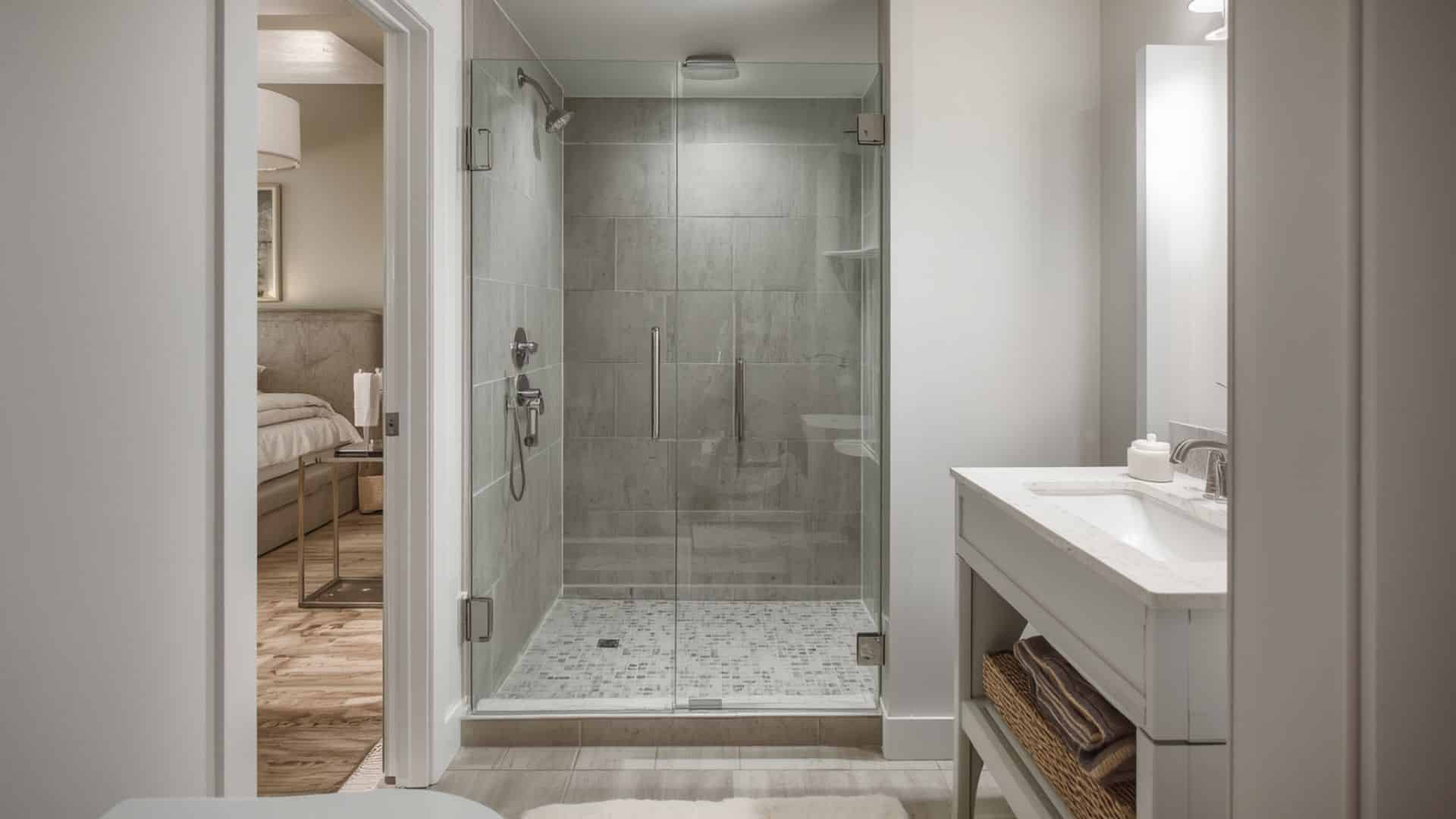
A frameless glass shower makes a small bathroom feel more open because it keeps the sightline clear. Instead of blocking the room with a curtain or heavy frame, the glass lets your eyes travel across the full space.
It works especially well with continuous floor tile because the shower blends into the rest of the bathroom. This creates a cleaner, brighter, and more modern look.
28. Curbless Shower
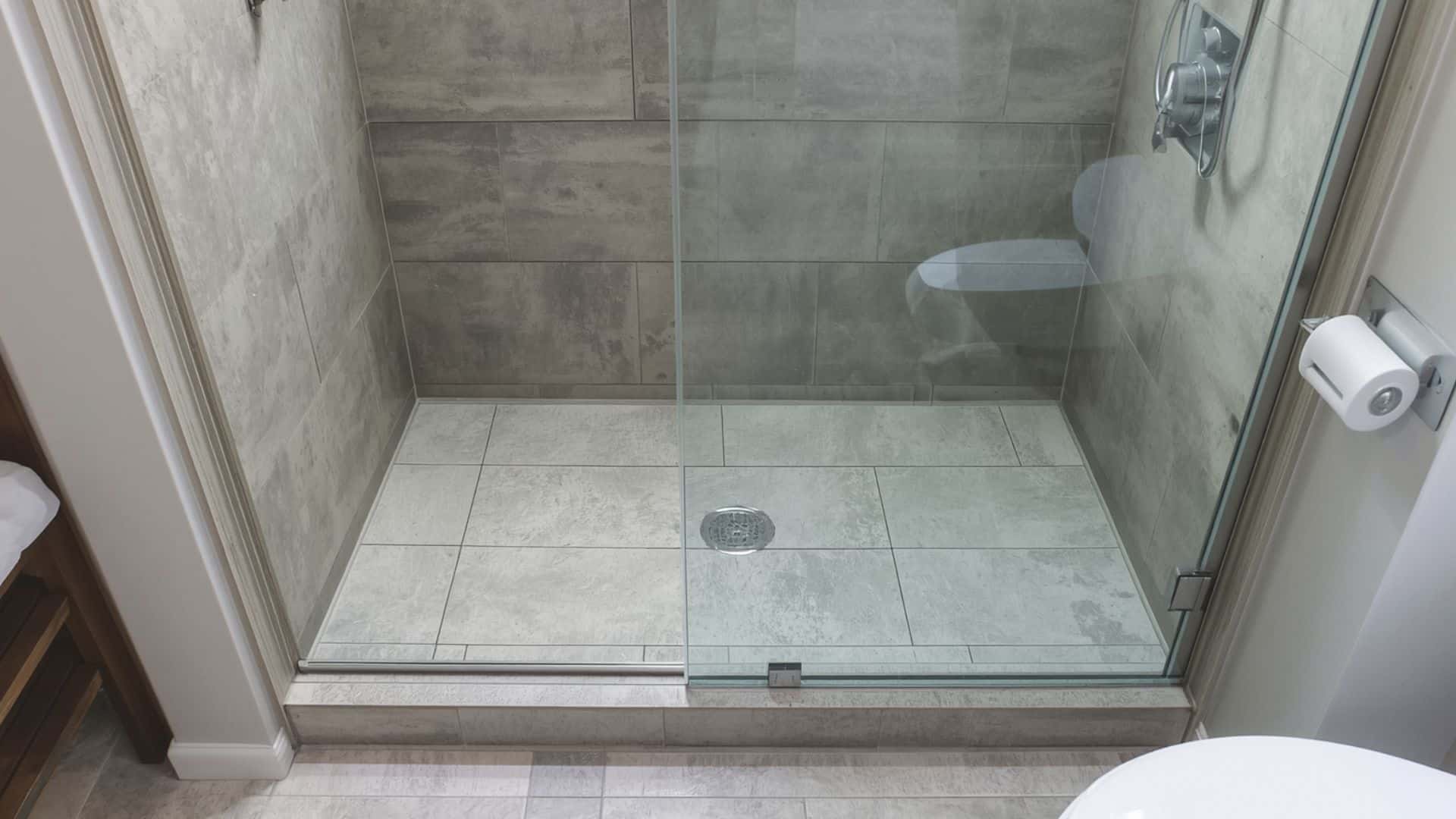
A curbless shower creates a seamless look because the bathroom floor continues directly into the shower area. This can make a small bathroom feel larger and easier to move through.
It also improves accessibility, especially for people who want fewer steps or barriers. However, it needs proper slope, waterproofing, and drainage. Professional installation is important so water flows correctly and does not spread across the bathroom floor.
One tip I pass along to anyone redoing a shared bathroom: assign each drawer to a person rather than a category. It sounds minor, but it eliminates the daily friction of digging through someone else’s products to find your own.
29. Vertical Shower Tile
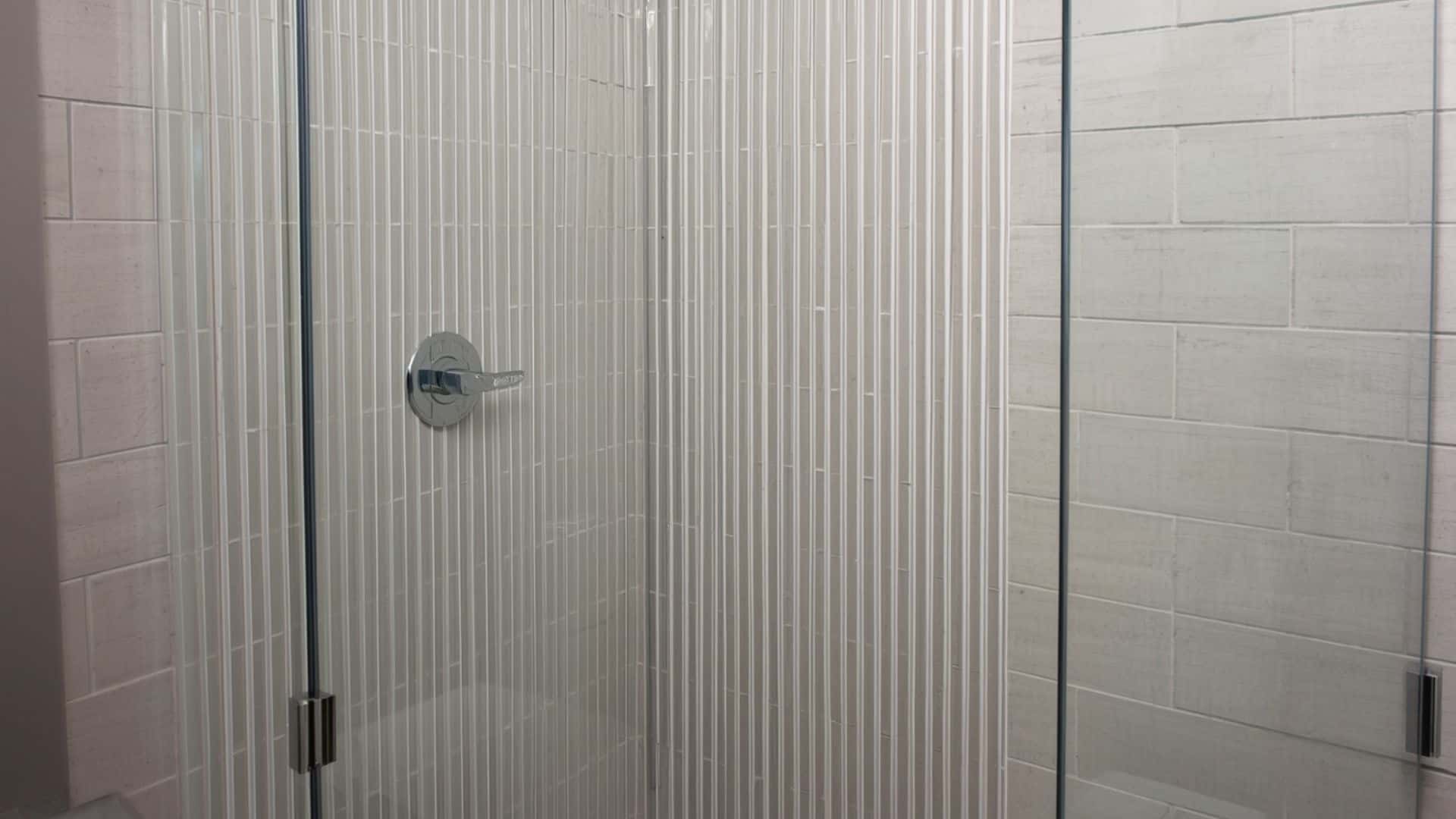
Vertical shower tile draws the eye upward, which can make bathroom walls feel taller. This works well in small showers because it shifts attention away from the limited floor space.
Subway tile, stacked tile, or narrow rectangular tile can all create this effect. Keep the grout color simple for a cleaner look. You can also carry the tile higher up the wall to make the shower feel more polished.
30. Built-In Shower Bench
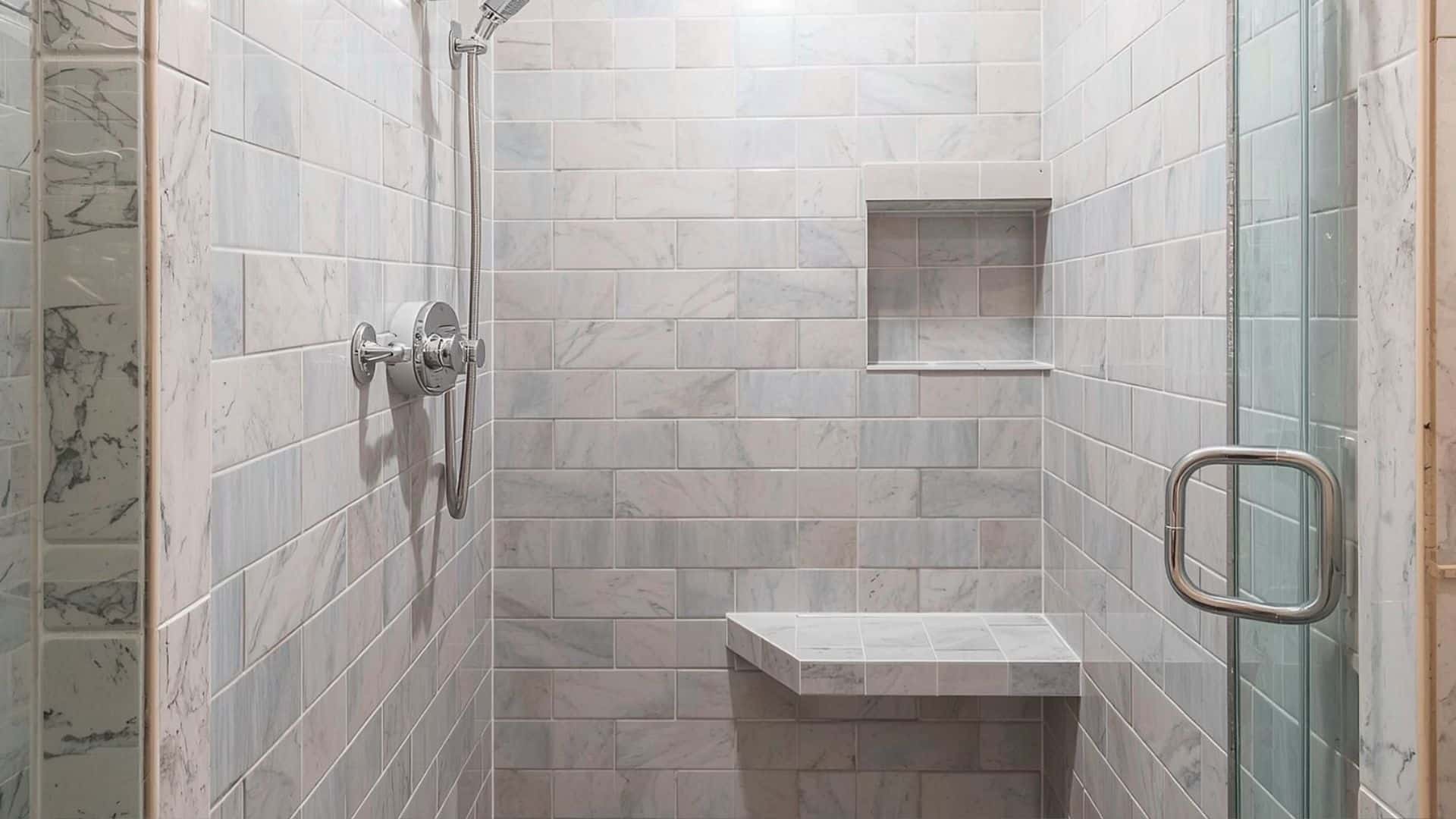
A built-in shower bench can add comfort and function if your small bathroom has enough space. It gives you a place to sit, shave, or keep essentials within reach.
To save room, consider a floating bench or a corner bench instead of a full-width design. Make sure it does not block movement inside the shower. The best bench feels useful without making the shower feel tight.
How Much Does a Small Bathroom Remodel Cost?
Budget often decides whether a small bathroom remodel stays as an idea or actually gets built. Knowing the expected cost before you start helps you plan realistically and avoid designing a project that quickly becomes too expensive.
Most small bathroom remodels cost between $3,000 and $15,000, or about $115 to $300 per square foot. This usually includes materials, demolition, labor, and installation.
Labor can take up around 45% of the total budget, so it is important to plan both materials and installation costs carefully. Even simple upgrades can become expensive if plumbing, tile work, or waterproofing is involved.
| Scope Tier | Typical Cost Range | What’s Included |
|---|---|---|
| Cosmetic Refresh | $1,500 – $6,000 | Paint, new mirror, updated lighting, faucet swap, no layout changes |
| Mid-Range Remodel | $6,000 – $12,000 | New vanity, toilet, tile flooring, updated shower, lighting, ventilation |
| Full/Premium Remodel | $12,000 – $25,000+ | Gut renovation, plumbing moves, custom tile, heated floors, high-end fixtures |
The biggest cost drivers in a small bathroom remodel are usually wet-area tile, waterproofing, plumbing relocation, and hidden wall damage. Moving a toilet, shower drain, or major plumbing line can quickly raise the price.
One of the best ways to control costs is to keep the existing layout. If the toilet, vanity, and shower stay in the same places, you can usually stay closer to a mid-range budget. Moving a toilet or shower drain, even a few feet, can add $1,500 to $3,000 or more to the plumbing cost alone.
What to Plan Before Renovating a Small Bathroom
Before renovating small bathroom spaces, carefully plan the layout, storage, plumbing, materials, and budget. A clear plan helps prevent cramped movement, costly changes, and moisture problems later.
- Measure the room carefully: Measure wall length, ceiling height, door swing, window placement, and fixture locations. Small mistakes can affect vanity size, toilet clearance, shower comfort, and storage choices.
- Check toilet, vanity, and shower clearances: Make sure there is enough space to move, open drawers, sit comfortably, and step into the shower. Clearances matter more in small bathrooms.
- Decide what stays and what moves: Keeping plumbing in place can save money. Move fixtures only if the current layout truly limits function, comfort, or long-term use.
- Plan plumbing and electrical changes early: Decide where outlets, lighting, exhaust fans, faucets, and shower fixtures will go before walls or tile work begin. This avoids expensive rework.
- Choose materials that resist moisture: pick bathroom-safe paint, tile, grout, flooring, and cabinetry. Small bathrooms collect steam quickly, so durable, water-resistant materials are important.
- Set a realistic budget that includes labor, tile, fixtures, lighting, ventilation, storage, permits, and unexpected repairs. A little extra budget helps if hidden water damage appears.
Summing Up
Maximizing every square inch of a compact layout can turn daily frustration into total comfort.
When you intentionally choose space-saving fixtures, streamlined storage, and seamless glass, you create an open environment that feels significantly larger.
Every small choice, from vertical tiling to a floating vanity, works together to enhance both daily function and style.
Prioritizing these smart design choices ensures your small bathroom remodel delivers lasting value and a breath of fresh air to your home.
Which of these space-saving ideas are you excited to try first? Drop your thoughts in the comments below, or check out my other design guides to kickstart your renovation journey today.