

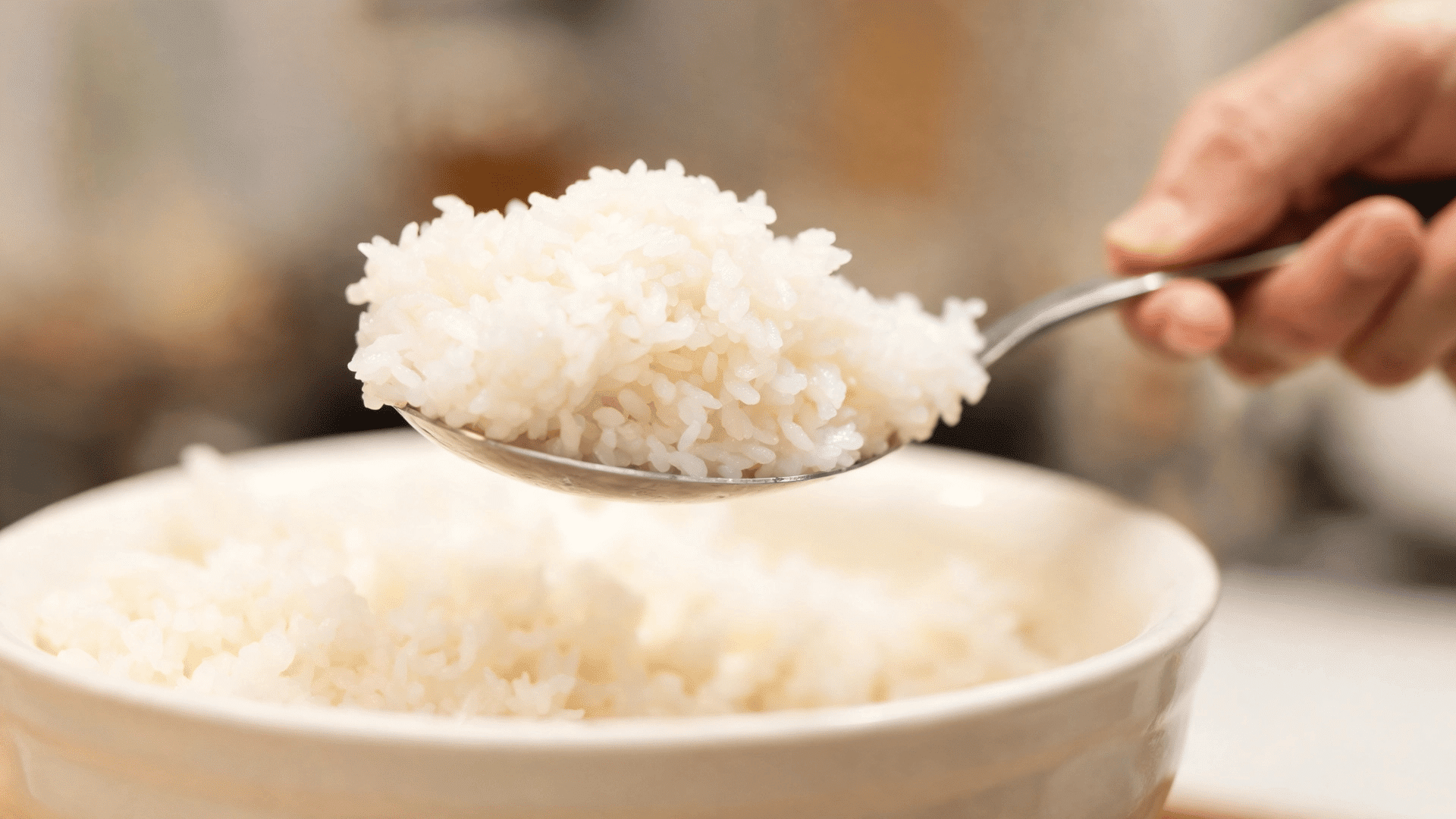
Rice is one of those everyday foods that can fit into almost any meal, yet its nutritional value often gets overlooked.
Looking at rice nutrition facts makes it easier to see what each serving contains, from carbohydrates and protein to fiber, vitamins, and minerals.
The nutritional profile can also change depending on the variety, with white, brown, jasmine, and basmati rice offering slightly different amounts of key nutrients.
Portion size and preparation matter too, especially when comparing cooked and uncooked rice. For such a simple pantry staple, a lot is happening inside every bowl.
Key Takeaways
|
|---|
Nutritional Value of Uncooked Rice
Uncooked rice is more calorie- and nutrient-dense by weight because it has not absorbed water yet.
Here is the approximate nutritional value of 100 g of uncooked white rice:
|
Nutrient |
Amount per 100 g |
|---|---|
|
Calories |
360–365 kcal |
|
Carbohydrates |
79–80 g |
|
Protein |
7–7.5 g |
|
Total Fat |
0.6–0.7 g |
|
Fiber |
1–1.5 g |
|
Sugars |
~0.1 g |
|
Calcium |
~28 mg |
|
Iron |
~0.8 mg |
|
Magnesium |
~25 mg |
|
Phosphorus |
~115 mg |
|
Potassium |
~115 mg |
|
Sodium |
~5 mg |
|
Zinc |
~1.1 mg |
|
Thiamin (Vitamin B1) |
~0.07 mg |
|
Niacin (Vitamin B3) |
~1.6 mg |
Health Benefits of Rice
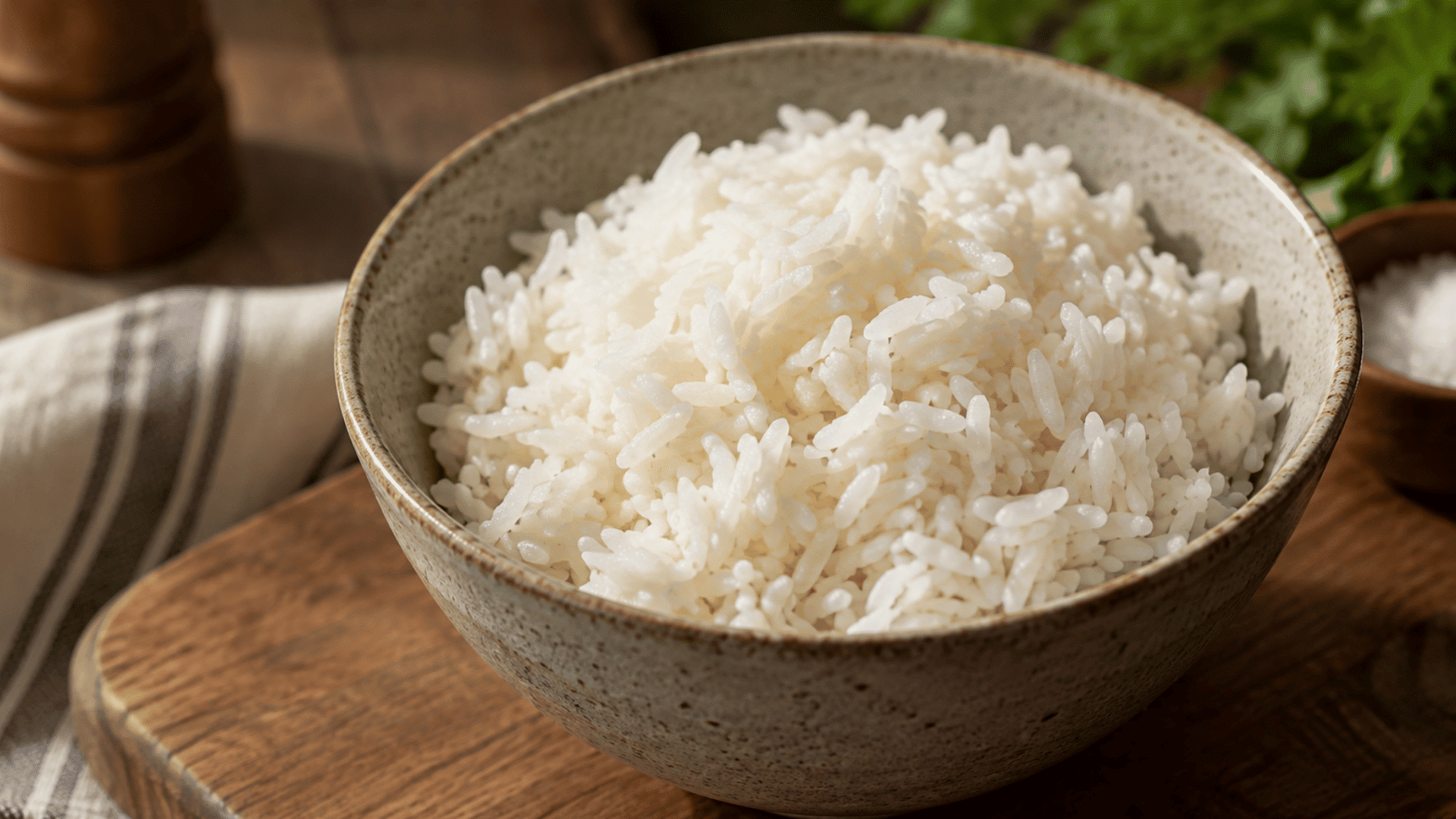
Rice isn’t just a source of energy; it supports multiple aspects of health. How it’s prepared, paired, and portioned can make a real difference in blood sugar, nutrient intake, digestion, and meal balance.
Here are some of the benefits I focus on when including rice in my meals:
1. Steady Energy and Blood Sugar Support
Whole-grain rice varieties, like brown or Basmati, release carbohydrates slowly, which helps keep blood sugar more stable after a meal. Cooking method and plate composition matter just as much:
-
Steaming or boiling preserves nutrients and keeps the glycemic response moderate.
-
Overcooked, mushy rice digests faster and can cause a quicker blood sugar spike.
-
Pairing rice with protein or fiber-rich vegetables slows digestion and steadies energy.
2. Nutrient-Rich Profile
Rice provides essential vitamins and minerals, including B vitamins, magnesium, potassium, and iron. These nutrients support metabolism, muscle and nerve function, and red blood cell production.
Including rice in a balanced meal ensures I get vital nutrients while keeping meals simple and satisfying.
3. Digestive Health and Satiety
Fiber in whole-grain rice promotes healthy digestion and keeps me feeling fuller for longer. This helps with portion control and prevents overeating, while supporting regular bowel function.
Even small swaps from white to brown rice make a noticeable difference in digestion and satiety.
4. Diet-Friendly Versatility
Rice fits into nearly any eating pattern, which is part of why it remains a staple across so many different diets:
-
It’s naturally gluten-free, though gluten-free doesn’t automatically mean low-carb, so portion size still matters for anyone managing blood sugar.
-
Portioned thoughtfully, rice fits into low-calorie and low-fat meal plans.
-
Whole-grain varieties can support blood sugar management alongside other everyday habits.
Choosing the right variety and pairing it with vegetables or lean protein makes rice work for almost any goal.
Brown Rice vs White Rice: Which Is Better?
Brown rice keeps its bran and germ, while white rice has these outer layers removed during processing. This gives them different nutritional profiles.
|
Nutrient |
Brown Rice (1 cup) |
White Rice (1 cup) |
|---|---|---|
|
Calories |
~216 kcal |
~205 kcal |
|
Carbohydrates |
~45 g |
~45 g |
|
Protein |
~5 g |
~4 g |
|
Fat |
~1.8 g |
~0.4 g |
|
Fiber |
~3.5 g |
~0.6 g |
|
Magnesium |
~84 mg |
~19 mg |
|
Phosphorus |
~162 mg |
~68 mg |
|
Potassium |
~84 mg |
~55 mg |
Practical Meal Planning and Glycemic Impact of Rice
Cooking method affects how quickly rice carbohydrates are absorbed, which can influence blood sugar. Understanding this can help you manage energy levels and plan meals better.
-
Boil or steam, don’t overcook: Boiling or steaming preserves nutrients and keeps the glycemic response moderate, while mushy, overcooked rice digests faster and raises blood sugar more quickly.
-
Cool it down first: Cooling cooked rice in the fridge converts some of its starch into resistant starch, which digests more slowly and lowers the glycemic impact, a finding confirmed in a clinical crossover study on cooled rice by the National Library of Medicine.
-
Reheat rather than recook: Reheating chilled rice keeps the resistant starch intact, so leftover rice can actually have a gentler effect on blood sugar than a fresh batch.
-
Pair with protein and fiber: Adding beans, chicken, fish, or vegetables to a rice-based meal slows digestion and helps prevent a sharp post-meal glucose spike.
-
Measure by volume, not eyeballing: A level half-cup to one-cup serving of cooked rice keeps portions consistent and makes it easier to track carbohydrate intake accurately.
By adjusting portion sizes, cooking methods, and pairings, I can create meals that are convenient and nutritionally balanced, supporting steady energy and overall health.
Are There Any Risks of Eating Rice?
Rice can easily be part of a balanced diet, but there are a few things to keep in mind, especially if you eat it regularly.
1. Arsenic Exposure
Rice naturally absorbs arsenic from the soil and water where it grows, sometimes more than other grains, but that doesn’t mean you need to cut it out:
-
Cooking rice in six to ten parts water per one part rice, then draining the extra water, cuts inorganic arsenic by roughly 40 to 60 percent, according to FDA-backed research.
-
Rinsing alone has only a small effect on arsenic and can wash away some added iron and B vitamins from enriched rice.
None of this means avoiding rice entirely; it just means the way you cook it can meaningfully change your exposure.
2. Blood Sugar Spikes
White rice is high in carbohydrates and lower in fiber, so it can raise blood sugar fairly quickly. You do not necessarily have to leave it off your plate.
Try keeping the portion reasonable and serving it alongside protein, vegetables, and healthy fats. Brown rice is another option when you want more fiber.
3. Food Poisoning From Improper Storage
Cooked rice can contain Bacillus cereus spores, and bacteria can multiply quickly if rice sits at room temperature too long.
Fried and reheated rice dishes are a documented source of Bacillus cereus outbreaks, as found by the CDC, which is why storage habits matter more with rice than with many other leftovers:
-
Refrigerate leftover rice within two hours of cooking.
-
Store it in a shallow, airtight container so it cools quickly and evenly.
-
Reheat only the portion you plan to eat, until it’s steaming hot throughout.
-
Use refrigerated rice within four days, or freeze it for longer storage.
A little attention to storage and reheating keeps leftover rice safe to enjoy for days.
4. Excess Calories From Large Portions
It is surprisingly easy to serve more rice than you intended, especially when it forms the base of your meal. Larger portions naturally add more calories and carbohydrates.
Instead of filling most of your plate with rice, serve a moderate portion and leave plenty of room for vegetables, protein, and other nutrient-rich foods.
5. Limited Nutrient Variety
If rice appears on your plate every day, adding a little variety can be worthwhile. Different grains provide different combinations of fiber, vitamins, and minerals.
You can alternate rice with oats, quinoa, barley, or other whole grains. This keeps meals interesting while giving your diet a broader range of nutrients.
What You Need To Remember
Rice is such a familiar part of everyday meals that its nutritional value can be easy to overlook.
Looking at rice nutrition facts shows that each variety brings something a little different to the plate. Brown rice provides more fiber, while white rice offers a softer texture and works well in countless meals.
I like to think less about choosing the “perfect” rice and more about portion size and what you pair it with. Pairing rice with vegetables, protein, and healthy fats can turn a simple bowl into a balanced meal.
Your next bowl of rice can be both simple and purposeful; let’s hear how you make it work for you.
Frequently Asked Questions
What is the best way to store cooked rice to preserve nutrients?
Cool cooked rice quickly and store it in an airtight container in the fridge for up to 4 days. Reheating gently preserves nutrients and minimizes bacterial growth, keeping it safe and healthy.
Can rice be part of a weight-loss meal plan?
Yes, rice can fit into a weight-loss plan when portioned appropriately and paired with protein, fiber, or vegetables. Using whole-grain rice or mixing it with vegetables can increase satiety without adding excessive calories.
Does rinsing rice affect its nutritional content?
Rinsing rice removes surface starch and can slightly reduce the levels of water-soluble vitamins, such as B vitamins. The impact is minimal, but rinsing can improve texture, reduce stickiness, and slightly lower the glycemic response.
Are there any health risks from eating rice too frequently?
Eating rice in moderation is safe, but consuming very large amounts of white rice may raise blood sugar or arsenic exposure risks. Balancing with whole grains and a variety of foods mitigates these concerns.