
I used to think all tea had about the same caffeine, until oolong started confusing me. One cup felt light, another felt strong, and the numbers online never seemed to match.
You may have noticed the same thing when searching for oolong tea caffeine content and seeing different ranges everywhere.
The truth is, oolong sits in the middle, but small details can change the result a lot. Cup size, steep time, and tea type all play a role. That makes it hard to know what you are really drinking.
I’ll break things down in a clear, simple way, with real ranges and side-by-side comparisons, so you can feel confident about what ends up in your cup and why it feels the way it does.
Understanding Oolong Tea
Oolong tea comes from the Camellia sinensis plant, the same plant used for green and black tea. What sets oolong apart is how the leaves are handled after picking.
The leaves are only partly oxidized, which means they sit between green tea and black tea in strength, color, and taste.
Some oolongs are closer to green tea, while others lean closer to black tea. This wide range depends on how long the leaves are exposed to air, how they are rolled, and whether they are roasted.
Because of this, oolong tea does not have one single flavor or strength. When you brew it, the leaves often open slowly, which allows you to steep them more than once.
How Much Caffeine is in Oolong Tea?
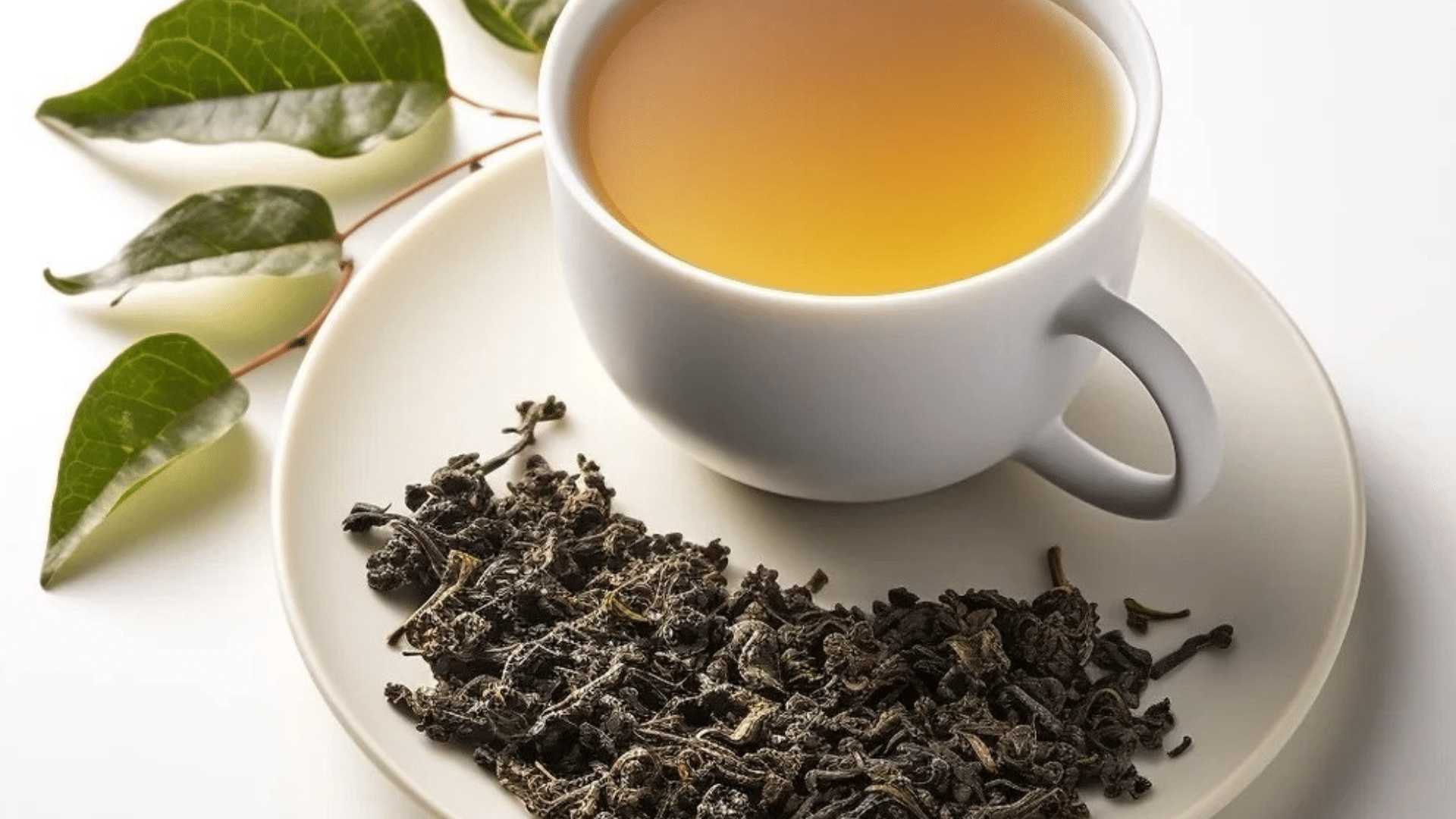
Oolong tea does contain caffeine, but the amount sits in a middle range compared to other drinks.
A standard 8-oz cup of oolong tea usually provides about 40–75 mg of caffeine. The exact amount depends on the tea type, leaf amount, water temperature, and steep time.
Some stronger oolong teas, especially heavily oxidized varieties, can reach 90–100 mg per cup when brewed hot and long. This places oolong tea higher than most green teas, but lower than black tea and coffee in most cases.
Takeaway: Oolong tea contains less caffeine than coffee, but more than most green teas.
Oolong Tea vs. Coffee (Why They Feel Different)
Both drinks contain caffeine, but the way your body reacts can feel very different based on speed, dose, and compounds present.
| Factor | Oolong Tea | Coffee |
|---|---|---|
| Typical caffeine per serving | 40–75 mg (8 oz) | 120–150 mg (12 oz) |
| Caffeine release | Slower and more gradual | Fast and direct |
| Additional compounds | Contains L-theanine | Lacks calming amino acids |
| Energy feeling | Steady and smooth | Strong and intense |
| Jitter risk | Lower for most people | Higher for sensitive users |
| Crash likelihood | Less common | More common |
| Best time to drink | Morning or afternoon | Early morning |
| Hydration effect | Mildly hydrating | Mildly dehydrating |
Oolong tea often feels gentler because caffeine enters your system more slowly, while coffee delivers a stronger hit all at once.
Why Oolong Tea Caffeine Varies So Much
The caffeine level in oolong tea can change a lot from one cup to another. One reason is the type of oolong used. Some varieties are lightly processed, while others are more heavily processed, which affects strength.
Brewing choices also matter. Hotter water and longer steep times pull more caffeine from the leaves. The amount of tea you use plays a role, too. Using more leaves will raise the caffeine level.
Leaf age and harvest season can also affect results, since younger leaves often hold more caffeine.
Even though how many times you steep the same leaves matters, because the first cup contains the highest amount. All these factors work together, which is why no single number fits every cup.
Brew Style Caffeine Estimator
This guide gives a rough caffeine estimate based on common brewing methods, assuming an 8-oz cup and standard loose-leaf amounts.
- Short hot steep (2–3 minutes): about 40–55 mg
- Standard hot steep (3–4 minutes): about 50–70 mg
- Long hot steep (5+ minutes): about 70–100 mg
- Gongfu style (per small cup): about 15–30 mg
- Multiple gongfu steeps combined: total caffeine can add up over time
- Cold brew (8–12 hours): about 15–35 mg
Hotter water and longer steep times pull more caffeine from the leaves. Short steeps and cold brewing keep levels lower while still giving good flavor.
How to Reduce Caffeine in Oolong Tea
If you want less caffeine from oolong tea, small changes during brewing can make a big difference. Start by using slightly cooler water instead of boiling water.
Lower heat pulls less caffeine from the leaves. Keep the first steep short, around one to two minutes, then pour it out if you want an even lower level. The first steep releases the most caffeine.
You can also use fewer tea leaves per cup, which directly lowers the amount extracted. Choosing roasted or aged oolong teas can help since they often contain less caffeine.
Cold brewing is another good option. It takes longer, but the final drink usually has much less caffeine while still tasting smooth and balanced.
Cold Brew Oolong Tea (Lowest Caffeine Option)
Cold brewing oolong tea is one of the easiest ways to lower caffeine while keeping good flavor. This method uses cold water instead of hot water, which slows caffeine release from the leaves.
To make it, add one teaspoon of oolong tea to about 12 ounces of cold water. Place it in the fridge and let it steep for eight to twelve hours. After that, strain the leaves and drink.
The result usually contains much less caffeine than hot-brewed oolong, often around 15–35 mg per cup. Cold brew oolong also tastes lighter and less bitter.
If you are sensitive to caffeine or want tea later in the day, this method gives you more control without giving up taste.
Oolong Tea vs. Other Teas

Use this table to compare typical caffeine ranges by tea type, using the same cup size for a fair side-by-side check.
Caffeine Comparison Table (8 oz)
| Tea Type | Typical Caffeine (mg) | What This Means |
|---|---|---|
| Green tea | 25–45 | Often, the lowest among true teas |
| Oolong tea | 40–75 | Usually higher than green tea |
| Black tea | 60–100 | Often higher than oolong, but overlap happens |
| Matcha | 60–120+ | Often the highest since you consume the whole leaf |
Light oolongs can sit near green tea, while darker oolongs can reach black tea levels. Matcha usually stays at its highest.
How Much Oolong Tea is Safe to Drink Per Day?
Most healthy adults can safely drink oolong tea every day when caffeine intake stays within common limits. General guidance suggests keeping total daily caffeine under 400 mg.
Since a typical 8-oz cup of oolong tea contains about 40–75 mg, this usually equals 4 to 8 cups per day, depending on strength and brewing style. Stronger oolongs or longer steeps can lower that number.
People who are sensitive to caffeine may feel better with fewer cups, especially later in the day. Drinking oolong earlier helps reduce sleep issues at night.
Paying attention to cup size, steep time, and how the body feels matters more than hitting an exact number. Adjusting intake based on comfort keeps daily tea drinking steady and manageable.
Who Should Watch Their Intake?
Some people may need to limit oolong tea because caffeine can affect the body more strongly in certain situations.
- Caffeine-sensitive individuals: even small amounts may cause restlessness, headaches, or a faster heartbeat
- Pregnant or breastfeeding users: caffeine intake often needs closer limits for safety
- People with sleep or heart concerns: caffeine may worsen sleep problems or trigger discomfort
Conclusion
By now, you’ve seen why oolong tea does not have one fixed caffeine number. The amount depends on the tea type, how much leaf you use, water temperature, and how long you steep.
Compared to coffee, oolong usually feels steadier and easier to manage, especially when you adjust how you brew it. That flexibility is the real benefit of understanding oolong tea caffeine content.
You can lower it, raise it, or keep it balanced based on your day. I always suggest paying attention to how your body reacts, not just the chart.
Have you found a brewing style that works best for you? If you want to keep learning, take a look at the other tea guides on the blog for more practical tips.