
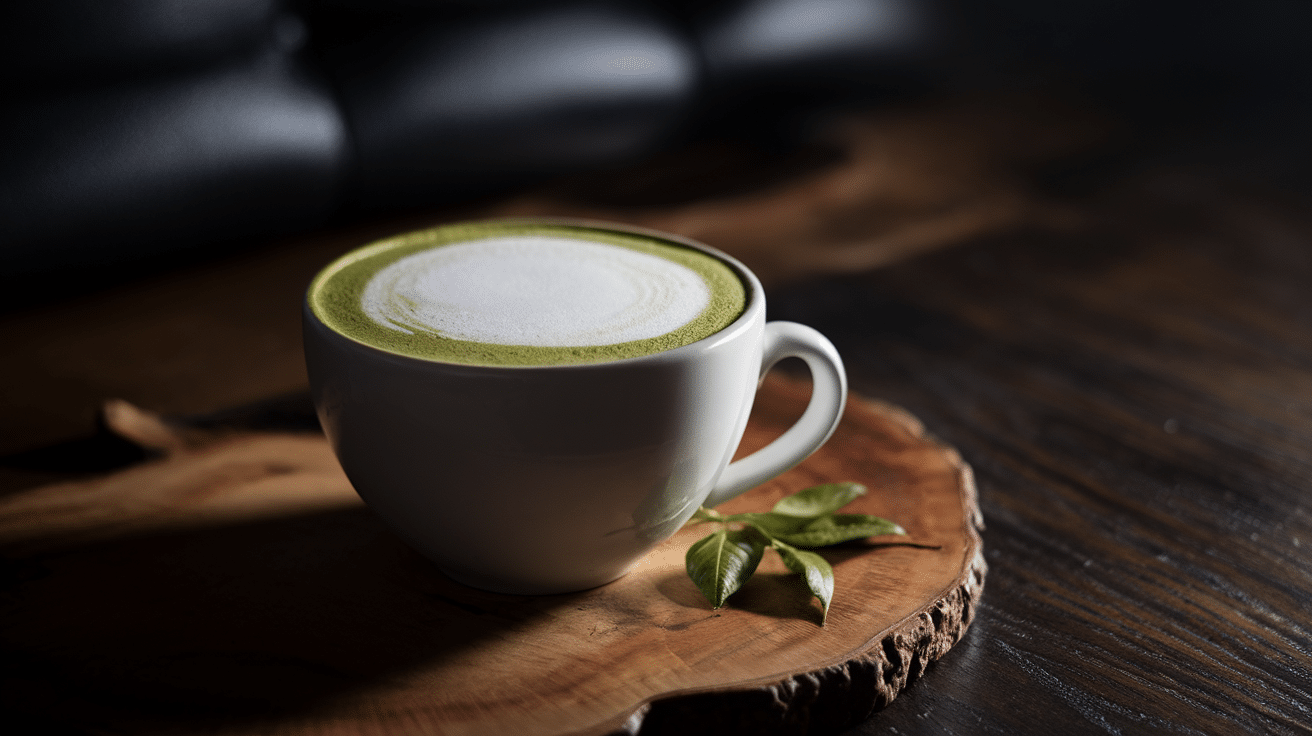
Have you ever wondered what’s really in your daily cup of matcha? I asked the same question before making it a regular part of my routine. You often hear that matcha is healthy, but that label doesn’t always explain what you’re actually drinking.
Understanding matcha nutrition facts, including calories, caffeine, vitamins, and minerals, helps you decide if it fits your energy needs and lifestyle. Matcha is different from regular green tea because you consume the whole leaf, not just an infusion.
That means its nutrients affect you differently. In this guide, I break everything down clearly so you know what you’re getting in each cup and why it matters.
What Matcha Powder is Made From?
Matcha powder comes from specially grown green tea leaves. About 3-4 weeks before harvest, tea farmers cover the plants with shade cloths. This increases chlorophyll production, giving matcha its bright green color and boosting nutrients.
After harvesting, the leaves are steamed to stop oxidation, then dried. The stems and veins are removed, leaving only the leaf parts called “tencha.” These leaves are then stone-ground into a fine, vibrant green powder.
The entire process creates matcha’s unique flavor, a balance of sweet, vegetal, and slightly bitter notes with a smooth, creamy texture.
Matcha Nutrition Facts and Nutrient Breakdown
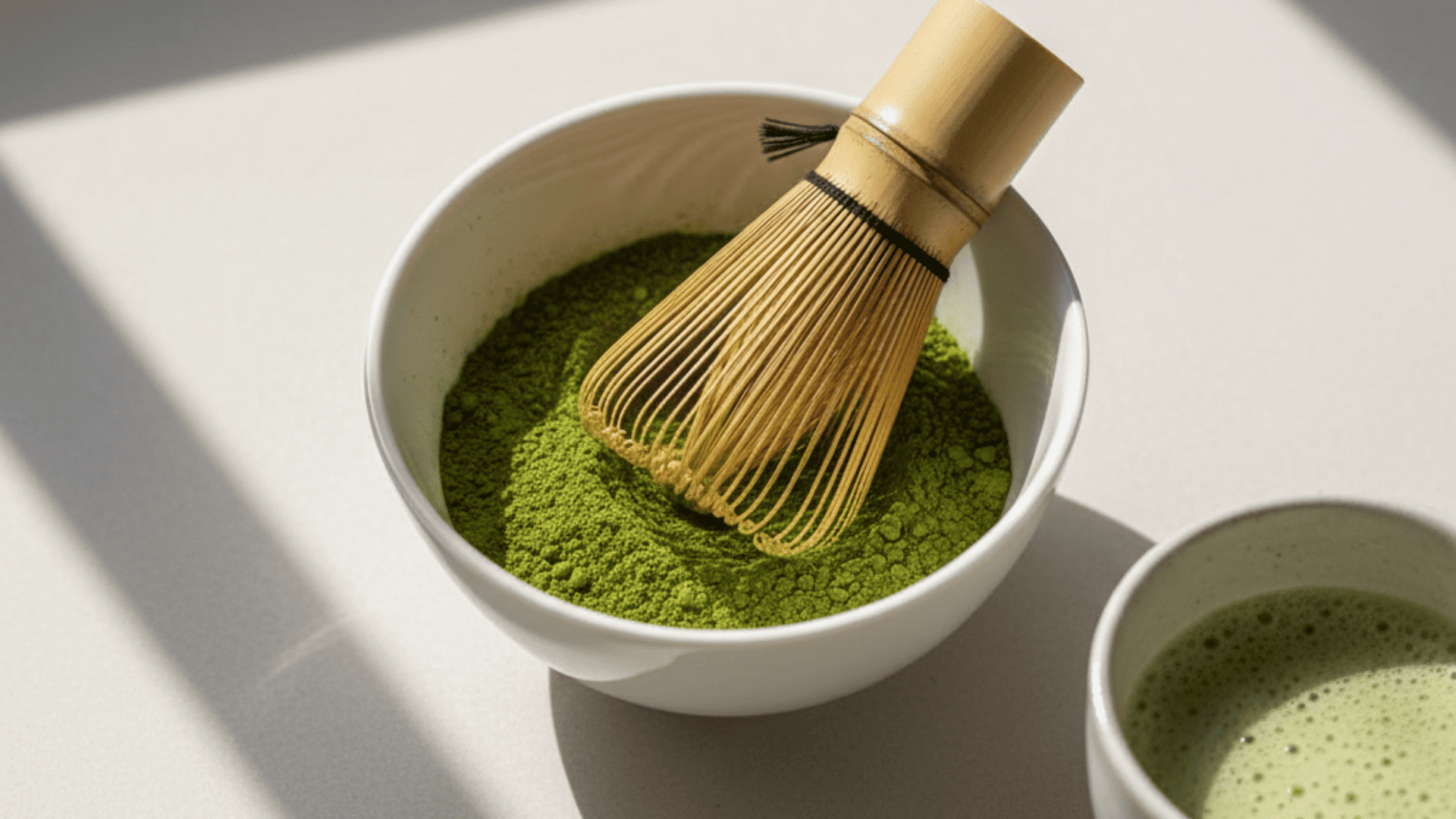
Matcha is a nutrient-dense superfood that’s extremely low in calories yet packed with antioxidants, vitamins, and essential minerals for optimal health.
Serving Size:2 grams of matcha powder mixed with water.
1. Calories
Matcha contains about 5 calories per cup when mixed with water, making it naturally low-calorie.
Without added sugar or fat, it fits easily into low-calorie routines. Adding milk or sweeteners increases the calorie count, so the preparation method affects the final total.
2. Carbohydrates
Matcha contains less than 1 gram of carbohydrates per cup when prepared with water, making it naturally low-carb.
Without added sugar, it fits easily into low-carb eating styles and doesn’t impact daily carb intake. Sweeteners increase the carb count significantly.
3. Fat
Matcha is virtually fat-free when mixed with water. It contains no added oils or saturated fats, keeping it low-calorie and easy to include in meals.
Fat content increases in lattes made with milk, but simple water-based preparation keeps it light.
4. Protein
Matcha provides a small amount of plant-based protein that contributes to daily intake. It’s amino acid-rich and supports muscle maintenance and overall wellness.
While not a primary protein source, it complements your existing protein intake naturally and effectively.
5. Fiber
Matcha contains nearly 1 gram of fiber per cup, which aids digestion and promotes gut health.
The fiber helps you feel fuller for longer, supports healthy gut bacteria, and encourages regular bowel movements, making it beneficial for overall digestive wellness.
6. Caffeine
Matcha provides moderate caffeine, about half of coffee, delivering sustained energy and focus without jitters or crashes.
Thanks to L-theanine, it offers smooth, balanced energy that enhances alertness while promoting calmness. You get enhanced focus without the afternoon slump typical of coffee.
7. Vitamins
Matcha is rich in essential vitamins that support immune function, vision, and bone health.
It contains Vitamin A for eye health and immunity, Vitamin K for blood clotting and bone strength, and Vitamin C as an antioxidant supporting collagen production and overall wellness.
8. Minerals
Matcha provides essential minerals that support heart health, bone strength, and muscle function.
Key minerals include potassium for heart and blood pressure regulation, calcium and phosphorus for strong bones and teeth, magnesium for muscle relaxation and energy, iron for oxygen transport, and zinc for immune support.
These trace minerals work together to support various metabolic processes throughout your body.
Matcha Nutrition Summary (Per Cup, Approximate)
To make things easier to compare, here’s a quick breakdown of matcha’s nutrition when prepared with water. Values vary based on serving size and brand.
| Nutrient | Amount per Cup | What It Means |
|---|---|---|
| Calories | ~5 calories | Very low-calorie when made with water |
| Carbohydrates | Minimal carbs, no added sugar | |
| Fat | ~0 grams | Naturally fat-free |
| Protein | Small amount | Minor plant-based contribution |
| Fiber | ~0.8–1 gram | Comes from consuming the whole leaf |
| Caffeine | ~60–70 mg | Moderate, steady energy |
| Vitamins | Small amounts | Includes A, C, and K |
| Minerals | Trace amounts | Potassium, calcium, magnesium, iron |
This table gives a quick snapshot, but how you prepare matcha matters. Adding milk, sweeteners, or using more powder changes calories and nutrients.
How Matcha Delivers Energy Differently
Matcha provides energy that feels different from coffee because it combines caffeine with L-theanine. Caffeine increases alertness while L-theanine promotes calmness, creating balanced, steady energy.
With moderate caffeine levels between green tea and coffee, matcha delivers sustained focus without spikes or crashes.
| Drink | Caffeine per Cup | Key Compounds | Energy Feel |
|---|---|---|---|
| Matcha | 60–70 mg | Caffeine + L-theanine | Calm, steady focus |
| Green Tea | 25–35 mg | Low caffeine, some L-theanine | Mild alertness |
| Coffee | 95–120 mg | Caffeine only | Fast energy, possible crash |
What the table shows:
- Matcha has more caffeine than green tea but less than coffee
- L-theanine helps soften caffeine’s effects
- Energy from matcha feels steadier and more controlled
- Coffee delivers quicker energy but may cause jitters
This smoother experience comes from the L-theanine-caffeine combination working together, creating what many describe as “calm focus.”
Is It OK to Drink Matcha Every Day?
Yes, most people can safely drink matcha every day when consumed in moderation.
One to two cups per day usually fit within recommended caffeine limits and can be part of a balanced routine. Your tolerance, health conditions, and total daily caffeine intake should always be considered.
Key points to know:
- 1–2 cups daily is safe for most adults
- Up to 3 cups may be fine for regular caffeine users
- Matcha contributes to total daily caffeine intake
- Pregnant or caffeine-sensitive people should limit intake
- Some medications or heart conditions may require caution
Matcha vs Other Teas Comparison
Understanding how matcha differs from other teas helps you choose the right option for your nutritional needs and energy preferences.
| Feature | Matcha | Green Tea | Black Tea |
|---|---|---|---|
| Form | Whole-leaf powder | Steeped leaves | Steeped leaves |
| Consumption | Drink the entire ground leaf | Water extract only | Water extract only |
| Caffeine | ~60-70 mg per cup | ~25-35 mg per cup | ~40-70 mg per cup |
| Antioxidants | 10-15x higher than green tea | Standard level | Theaflavins |
| L-Theanine | Highest levels | Moderate levels | Moderate levels |
| Processing | Shade-grown, steamed | Steamed | Oxidized, fermented |
| Chlorophyll | Very high (bright green) | Lower | Minimal |
| Fiber | ~0.8-1 g per cup | None | None |
| Nutrients | 100% of leaf nutrients | Water-soluble only | Water-soluble only |
| Energy Effect | Calm, sustained focus | Gentle alertness | Moderate alertness |
Matcha’s whole-leaf consumption makes it nutritionally superior to steeped teas, delivering more antioxidants, fiber, and nutrients in every cup.
Does Matcha Lose Nutrition When You Prepare It?
Matcha retains most nutrients when prepared correctly. Avoid boiling water; use 160-175°F (70-80°C) to preserve delicate compounds and prevent bitterness.
Adding milk increases calories, protein, and fat but doesn’t destroy matcha’s antioxidants. For maximum freshness, store matcha in an airtight container away from light, heat, and moisture.
Properly stored matcha stays fresh for 6-12 months, though it’s best consumed within 2-3 months of opening. Oxidation from air exposure gradually reduces potency, so seal tightly after each use.
How Much Matcha Should You Use Per Cup?
For traditional tea, use 1-2 grams (½-1 teaspoon) of matcha powder per cup. Lattes typically require 2-3 grams for a stronger flavor. Doubling the powder doubles everything: calories, caffeine, antioxidants, and nutrients.
While this intensifies benefits, be mindful of caffeine overload. Using 4 grams means ~120-140 mg caffeine in one drink, approaching half your daily limit. Start with standard amounts and adjust gradually.
More isn’t always better; excessive matcha can cause jitters, digestive upset, or interfere with sleep. Stick to 1-3 cups daily for optimal benefits.
Final Thoughts
Now that you understand matcha nutrition facts, you can decide how matcha fits into your daily life with more confidence.
You have seen how it compares to other drinks, what nutrients it provides, and how much is reasonable to consume. I hope this guide answered your questions and helped clear up common confusion.
If you want to learn more, I invite you to check out my other blogs where I cover matcha benefits, preparation tips, comparisons with coffee and tea, and practical ways to enjoy matcha without overdoing it.