
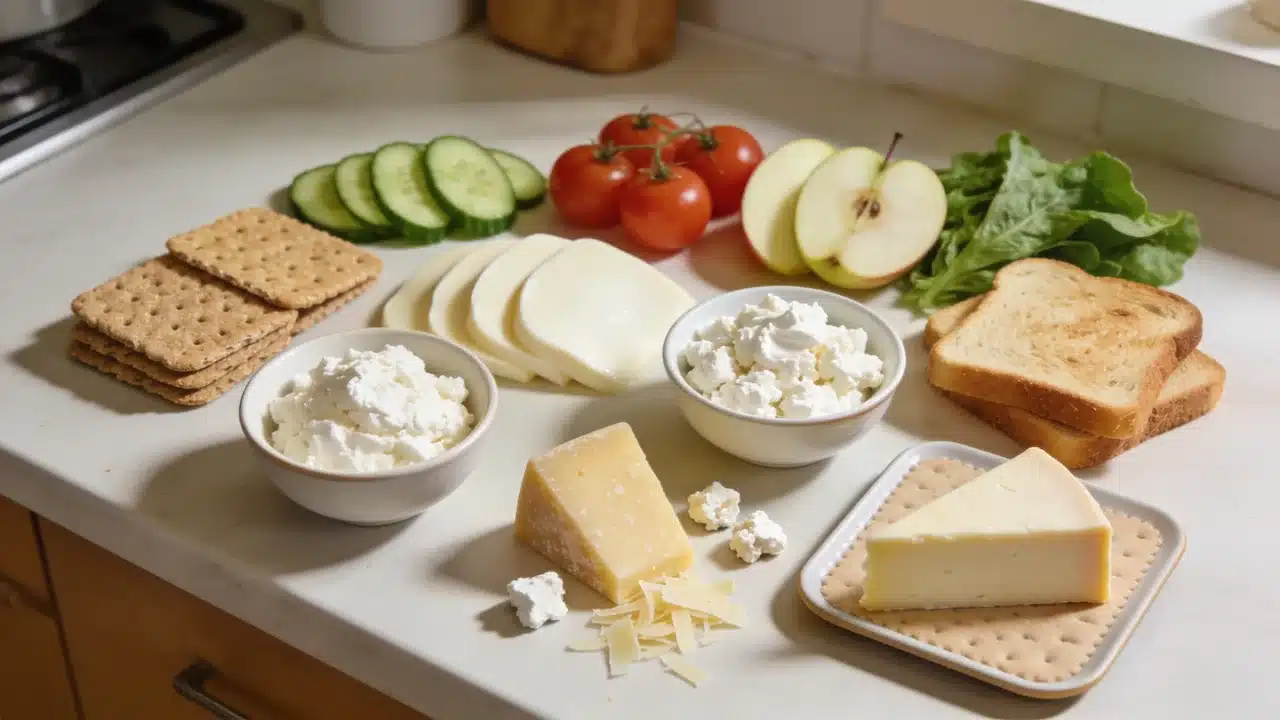
Cheese has a way of making even the simplest meal feel more satisfying. I love how a little crumble, slice, or sprinkle can bring extra flavor to eggs, salads, sandwiches, and pasta without changing the whole dish.
The tricky part comes when I want that cheesy goodness while keeping the meal on the lighter side.
Portions can be surprisingly easy to underestimate, and nutrition can vary quite a bit from one type to another.
Finding the lowest-calorie cheese isn’t just about comparing numbers. Serving size, flavor, texture, protein, and how the cheese fits into everyday meals also deserve attention.
What Counts as a Low-Calorie Cheese?
A low-calorie cheese usually has fewer calories per serving than richer cheeses like cheddar, gouda, brie, or cream cheese, but serving size still matters. One ounce may look small, and shredded cheese can add up quickly when you pour it by hand.
That is why options like cottage cheese, string cheese, light wedges, and strong-tasting cheeses can be helpful. They give you more volume, more protein, or more taste in a smaller portion.
When choosing one, check calories, serving size, protein, fat, sodium, taste, and how you plan to use it.
The best choice isn’t always the lowest number. It should make your meal taste good without needing too much.
Types of Low-Calorie Cheese
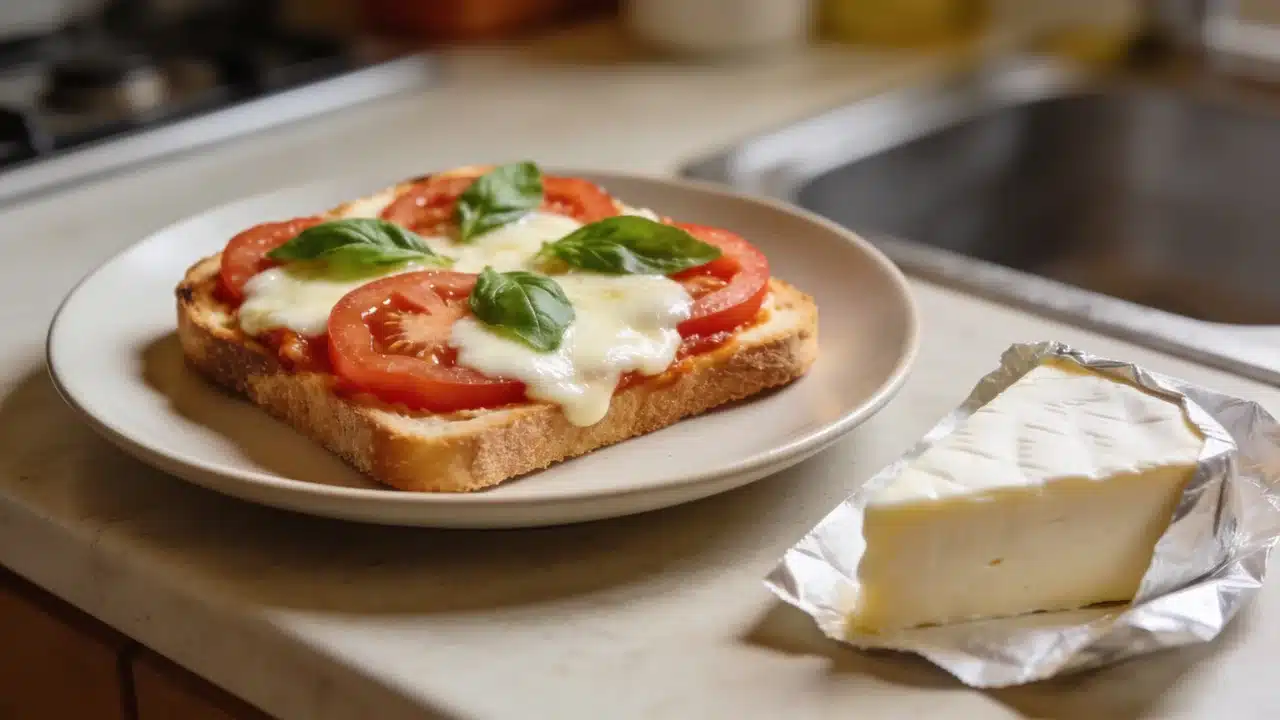
Choosing the lowest-calorie cheese is easier when you look at how each cheese fits into real meals. Some cheeses are better for fullness, some melt better, and some deliver more flavor in smaller amounts.
The calorie range also changes by brand, serving size, and milk fat level, so it helps to check the label before buying:
1. Cottage Cheese
Cottage cheese is a good choice when you want a lower-calorie cheese that still feels filling.
It gives you more volume than many hard cheeses and works well in breakfast bowls, on toast, in eggs, in dips, on snack plates, and in high-protein meals.
If you do not like the curd texture, you can blend it until smooth and use it as a spread, dip, or creamy sauce base, the same trick that turns a cottage cheese and egg flatbread from a topping into a full breakfast on its own.
|
Nutrient |
Amount in 1/2 Cup (approx) |
|---|---|
|
Calories |
90 to 110 calories |
|
Protein |
11 to 14 grams |
|
Fat |
2 to 5 grams |
|
Carbs |
4 to 6 grams |
2. Part-Skim Mozzarella
Part-skim mozzarella is a good pick when you want cheese that melts well but still keeps the meal lighter.
It has a mild taste, so it works in many everyday meals like pizza, wraps, sandwiches, eggs, and pasta. String cheese is also useful because the portion is already set.
|
Nutrient |
Amount in 1/2 cup (approx) |
|---|---|
|
Calories |
70 to 85 calories |
|
Protein |
6 to 8 grams |
|
Fat |
4 to 6 grams |
|
Carbs |
1 gram or less |
3. Feta Cheese
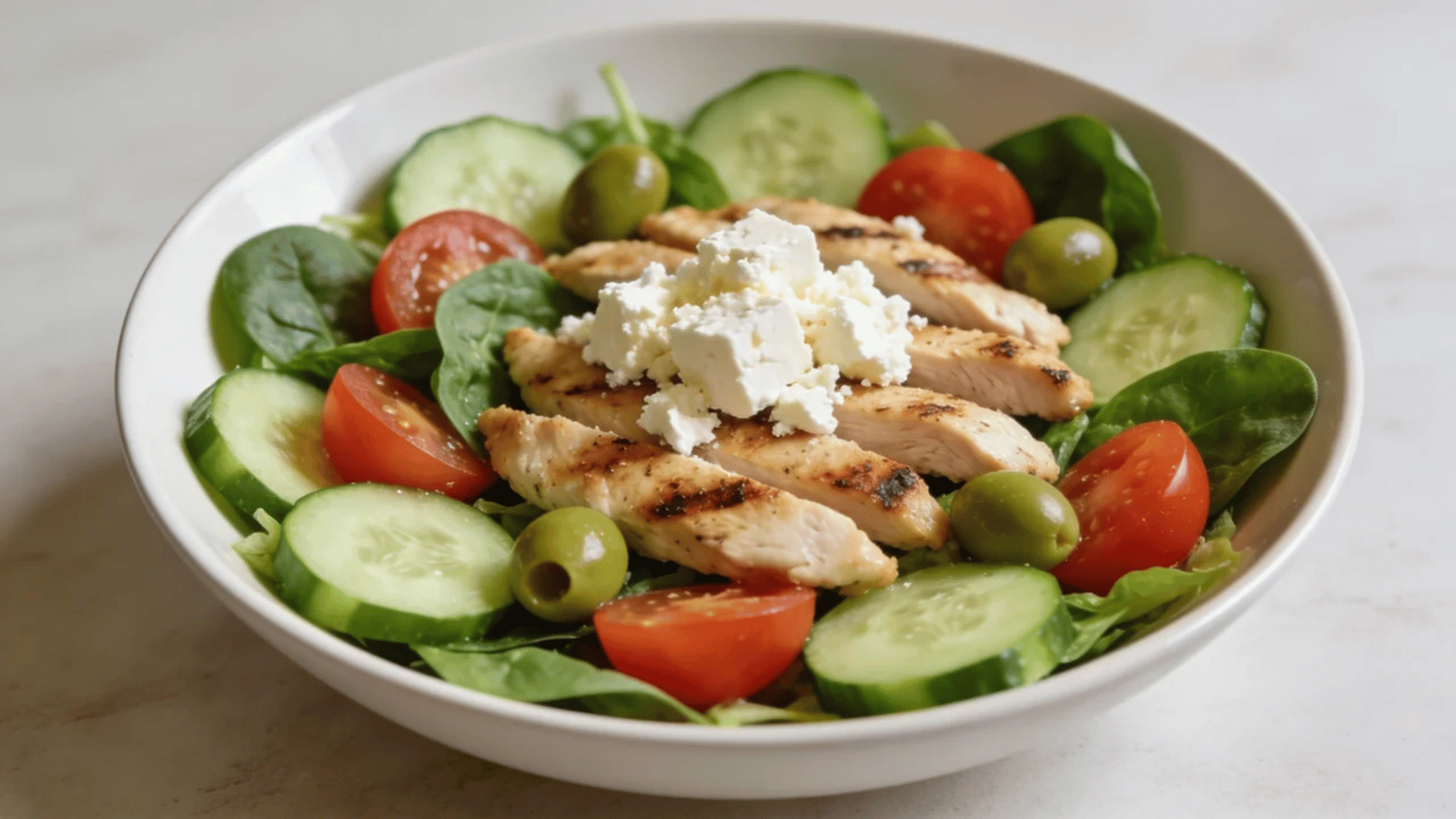
Feta works well when you want strong flavor without using a lot. It has a salty, tangy taste, so a small crumble can make salads, bowls, eggs, and wraps taste better. It is not always the lowest in sodium, so the portion matters.
|
Nutrient |
Amount in 1/2 cup (approx) |
|
Calories |
70 to 80 calories |
|
Protein |
4 grams |
|
Fat |
5 to 6 grams |
|
Carbs |
1 gram |
4. Low-Fat Ricotta
Low-fat ricotta is helpful when you want something creamy but not too heavy. It has a soft texture and a mild taste, so it works well in pasta, on toast, in dips, in pancakes, and in baked dishes. It can also be used in sweet snacks with fruit or cinnamon.
|
Nutrient |
Amount in 1/2 Cup (approx) |
|
Calories |
160 to 180 calories |
|
Protein |
12 to 14 grams |
|
Fat |
8 to 10 grams |
|
Carbs |
6 to 8 grams |
5. Goat Cheese
Goat cheese is useful when you want a rich, tangy flavor in a small serving. It has a soft texture, so it works well as a topping rather than the main cheese in a meal.
A small amount can add flavor to salads, toast, eggs, and roasted vegetables.
|
Nutrient |
Amount in 1/2 Cup (approx) |
|
Calories |
75 to 100 calories |
|
Protein |
5 to 6 grams |
|
Fat |
6 to 8 grams |
|
Carbs |
1 gram or less |
6. Parmesan
Parmesan is not the lowest-calorie cheese by ounce, but it works well because the flavor is strong. You only need a small sprinkle to add taste to pasta, soups, eggs, salads, and roasted vegetables. It is best used as a finishing cheese.
|
Nutrient |
Amount in 1/2 Cup (approx) |
|
Calories |
110 to 120 calories |
|
Protein |
9 to 10 grams |
|
Fat |
7 to 8 grams |
|
Carbs |
1 gram or less |
7. Light Cheese Slices or Light Cheese Wedges
Light cheese slices and wedges are helpful when you want easy portion control. They may not taste the same as fresh cheese, but they are easy to use in quick meals and snacks. They work well when you want cheese without guessing the serving size.
|
Nutrient |
Amount in 1 Light Slice or Wedge |
|
Calories |
25 to 60 calories |
|
Protein |
2 to 5 grams |
|
Fat |
1.5 to 4 grams |
|
Carbs |
1 to 3 grams |
Quick Comparison of Lower-Calorie Cheeses
Different cheeses work better for different meals. This quick comparison can help you choose based on flavor, texture, portion size, and how you plan to use the cheese.
|
Cheese |
Best For |
Main Benefit |
Keep in Mind |
|---|---|---|---|
|
Cottage Cheese |
Bowls and snacks |
High in protein and filling |
Sodium can vary by brand |
|
Part-Skim Mozzarella |
Pizza and melting |
Mild flavor and melts well |
Portions can add up when shredded |
|
Feta |
Salads and grain bowls |
Strong flavor needs only a little |
Often higher in sodium |
|
Low-Fat Ricotta |
Pasta and creamy dishes |
Soft and versatile |
Whole-milk versions have more calories |
|
Goat Cheese |
Salads and toppings |
Rich flavor in a small portion |
Easy to use more than intended |
|
Parmesan |
Pasta and finishing dishes |
Bold flavor with a small amount |
Calorie-dense when eaten in larger portions |
|
Light Cheese Slices or Wedges |
Sandwiches and snacks |
Convenient portion control |
Nutrition and taste vary by brand |
Note: Use this table as a quick guide, but still check the label on the pack you buy. Calories, sodium, and serving sizes can vary by brand, so the best choice is the one that fits your meal and portion size.
Reddit Users Share Their Favorite Lower-Calorie Cheeses
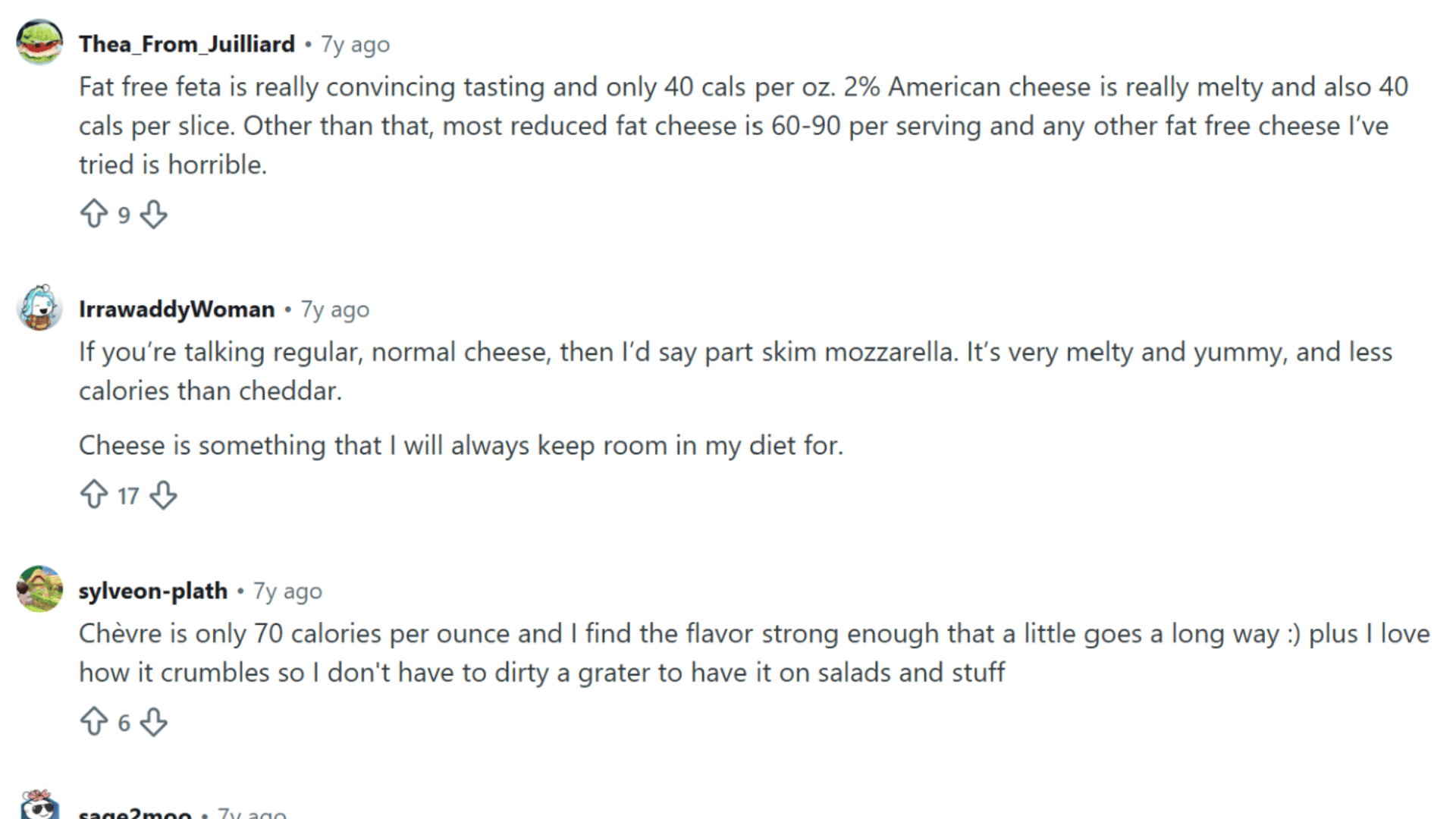
Reddit comments show that people care about taste and portion control as much as calorie count when choosing low-calorie cheese.
Users mention fat-free feta, part-skim mozzarella, chèvre, light string cheese, Laughing Cow wedges, and 2% American cheese as options that still feel useful in real meals.
The main takeaway is that cheese needs to taste good, melt well, or have a strong flavor to be worth buying.
Some users prefer pre-portioned cheese because it helps them stop at one serving. Others like stronger cheeses, such as chèvre or spicy cheddar, because a small amount feels enough.
These comments support the idea that the best low-calorie cheese is the one you enjoy and can use without overeating.
Higher-Calorie Cheeses to Enjoy in Moderation
Cheeses such as cheddar, Gouda, Brie, cream cheese, full-fat ricotta, full-fat mozzarella, and blue cheese tend to be higher in calories due to their fat content and serving density.
You can still include them in your meals by keeping portions smaller. Use a little shredded cheddar in a sandwich, a thin spread of Brie or cream cheese, or a few blue cheese crumbles on a salad.
These smaller amounts provide plenty of flavor without adding a large portion of cheese to the meal.
How to Pick the Lowest Calorie Cheese at the Store?
-
Compare Calories: Check calories per serving across similar cheeses.
-
Check Serving Size: Compare products using roughly the same serving amount.
-
Consider Protein: Choose options with more protein when you want a more filling choice.
-
Review Sodium: Check sodium levels since they can vary widely between cheeses.
-
Check Fat Content: Part-skim or reduced-fat versions may contain fewer calories
A good choice isn’t just about the lowest calorie number. It should fit your meal, taste good, and help you keep the portion easy to manage.
Frequently Asked Questions
Is Cottage Cheese Better than Regular Cheese?
It depends on what you need. Cottage cheese is usually more filling and higher in protein than many small portions of other cheeses. But regular cheese may work better when you want something to melt or a strong flavor.
Can I Eat Cheese Every Day and Still Lose Weight?
Yes, you can eat cheese daily if it fits within your calorie intake, portion sizes, and overall meals. The easiest way is to choose lighter options, measure portions, and use cheese with protein-rich or fiber-rich foods.
What Cheese Should I Avoid when Cutting Calories?
You do not need to avoid cheese entirely, but rich cheeses like cheddar, gouda, brie, cream cheese, and full-fat ricotta are easier to overeat. Keep them in smaller portions.
Final thoughts
Choosing a lower-calorie cheese does not mean sacrificing the flavor or texture you enjoy. The key is paying attention to the type of cheese, serving size, and how it fits into the rest of your meal.
Options like cottage cheese, part-skim mozzarella, feta, and light cheese portions can make it easier to keep calories in check, while richer cheeses can still fit when used in smaller amounts.
Instead of focusing only on finding the lowest-calorie cheese, compare the nutrition label and choose an option that works for the meal you are making. A sensible portion can make cheese easy to enjoy while keeping your overall meal lighter.
Have a favorite low-calorie cheese? Share your go-to option and how you like to use it.