

Living with pancreatitis or managing your health through diet can feel overwhelming. If you’re looking to reduce carbs without sacrificing flavor, the Low-Carb Mediterranean Diet (LCMD) might be the perfect fit for you.
I’ve always enjoyed the Mediterranean flavors, lean proteins, healthy fats, and fresh vegetables, but wanted to lower my carb intake for better blood sugar control, weight management, and heart health.
That’s when I found the LCMD, combining the heart-healthy Mediterranean diet with a low-carb focus tailored to your needs.
If you love delicious, nutritious meals that support your health, the Low-Carb Mediterranean Diet is both flavorful and sustainable. Let’s find out how this diet works and how it differs from the traditional Mediterranean approach.
Understanding the Low-Carb Mediterranean Diet
The Low-Carb Mediterranean Diet combines the heart-healthy principles of the traditional Mediterranean diet with a focus on reducing carbohydrates.
Key features include limiting high-carb foods like grains, starchy vegetables, and sugary fruits. Instead, the diet emphasizes non-starchy vegetables, fish, seafood, healthy fats from olive oil and avocados, and moderate-protein sources such as lean meats and eggs.
This approach helps promote weight loss, improve insulin sensitivity, and reduce inflammation, making it ideal for managing blood sugar levels and supporting overall health.
By focusing on nutrient-dense, low-carb foods, the diet offers a sustainable way to maintain a healthy weight while benefiting from the Mediterranean diet’s heart-healthy effects.
Principles of the Low-Carb Mediterranean Diet
The Low-Carb Mediterranean Diet (LCMD) focuses on a foundation of healthy fats, lean proteins, and non-starchy vegetables, combining the Mediterranean diet’s benefits with a lower carb intake.
- Healthy Fats: The core of the LCMD includes olive oil, avocados, nuts (e.g., almonds, walnuts), and seeds (chia, flax), which provide heart-healthy monounsaturated fats and omega-3 fatty acids. These fats reduce inflammation and provide essential antioxidants.
- Lean Proteins: Emphasizing lean proteins like fish (salmon, mackerel, tuna), seafood, chicken, and eggs, the diet supports muscle repair and satiety without excess carbs.
- Non-Starchy Vegetables: Vegetables like leafy greens (spinach, kale), zucchini, eggplant, and bell peppers are rich in fiber, vitamins, and minerals but low in carbs, helping promote digestive health.
- Low-Carb Fruits: The diet includes small portions of low-carb fruits such as berries and occasional pomegranate, providing fiber and antioxidants without spiking blood sugar.
- Herbs and Spices: Flavor is enhanced by anti-inflammatory herbs and spices such as garlic, oregano, and mint, which also offer additional health benefits.
Foods to Include in the Low-Carb Mediterranean Diet
The Low-Carb Mediterranean Diet emphasizes whole, nutrient-dense foods that support optimal health while maintaining a lower carbohydrate intake.
Here’s a closer look at the foods you’ll want to include in your diet to fully embrace this Mediterranean-inspired, low-carb approach:
1. Proteins
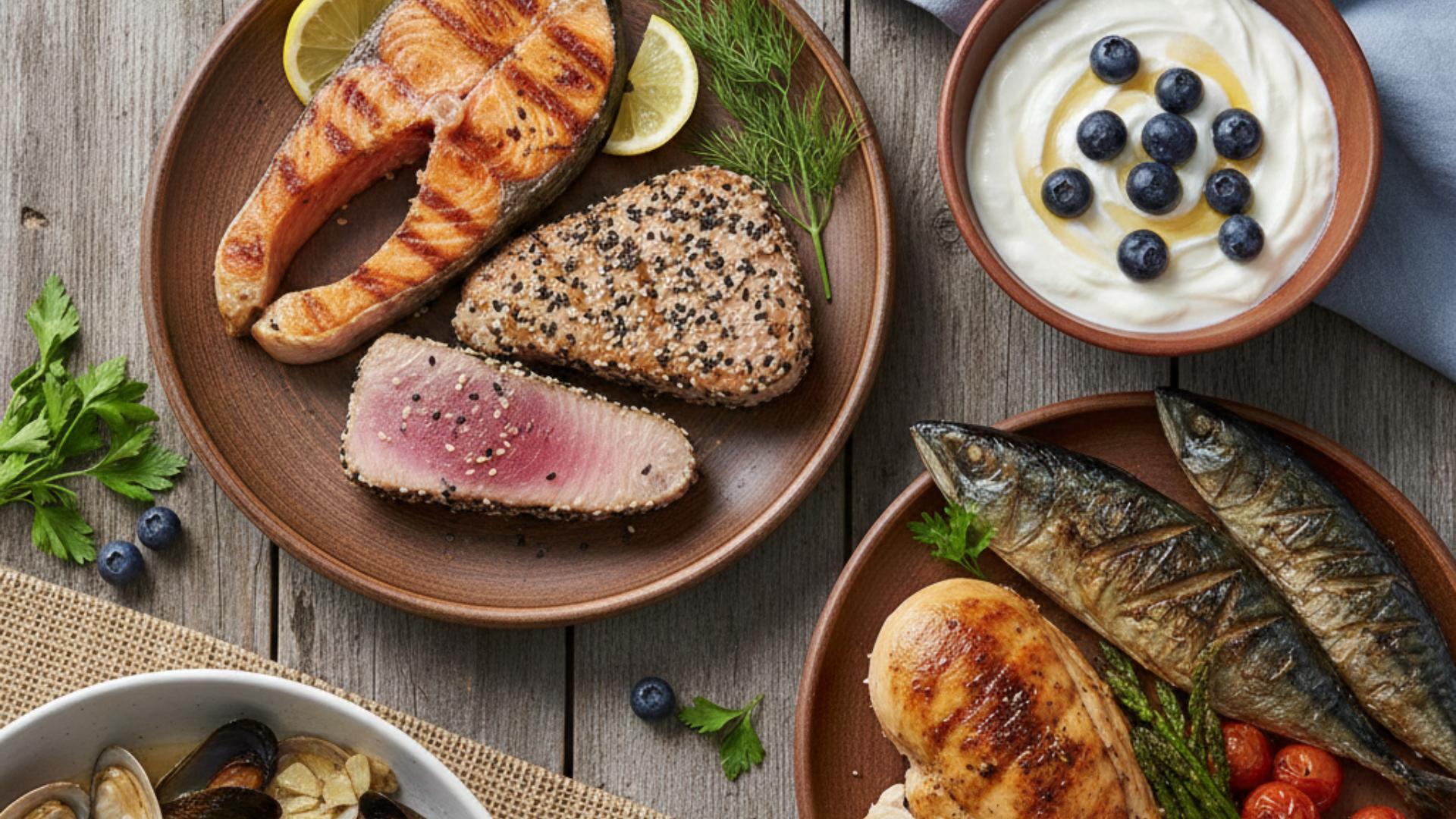
Incorporating high-quality proteins into your diet helps with muscle repair, satiety, and overall health while keeping carbs low.
Fish: Salmon, tuna, and mackerel are excellent sources of protein and healthy omega-3 fatty acids, which are vital for heart health and inflammation reduction.
Lean Meats: Chicken is a great option for lean protein, low in fat, and versatile in many dishes.
Greek Yogurt: Opt for plain, full-fat Greek yogurt, which is rich in protein and probiotics and supports digestion and gut health.
Seafood: Incorporating shrimp, shellfish, and other seafood provides a variety of flavors and healthy fats, without the added carbs.
These protein sources help you maintain a balanced diet while supporting your body’s needs without excessive carbs.
2. Healthy Fats
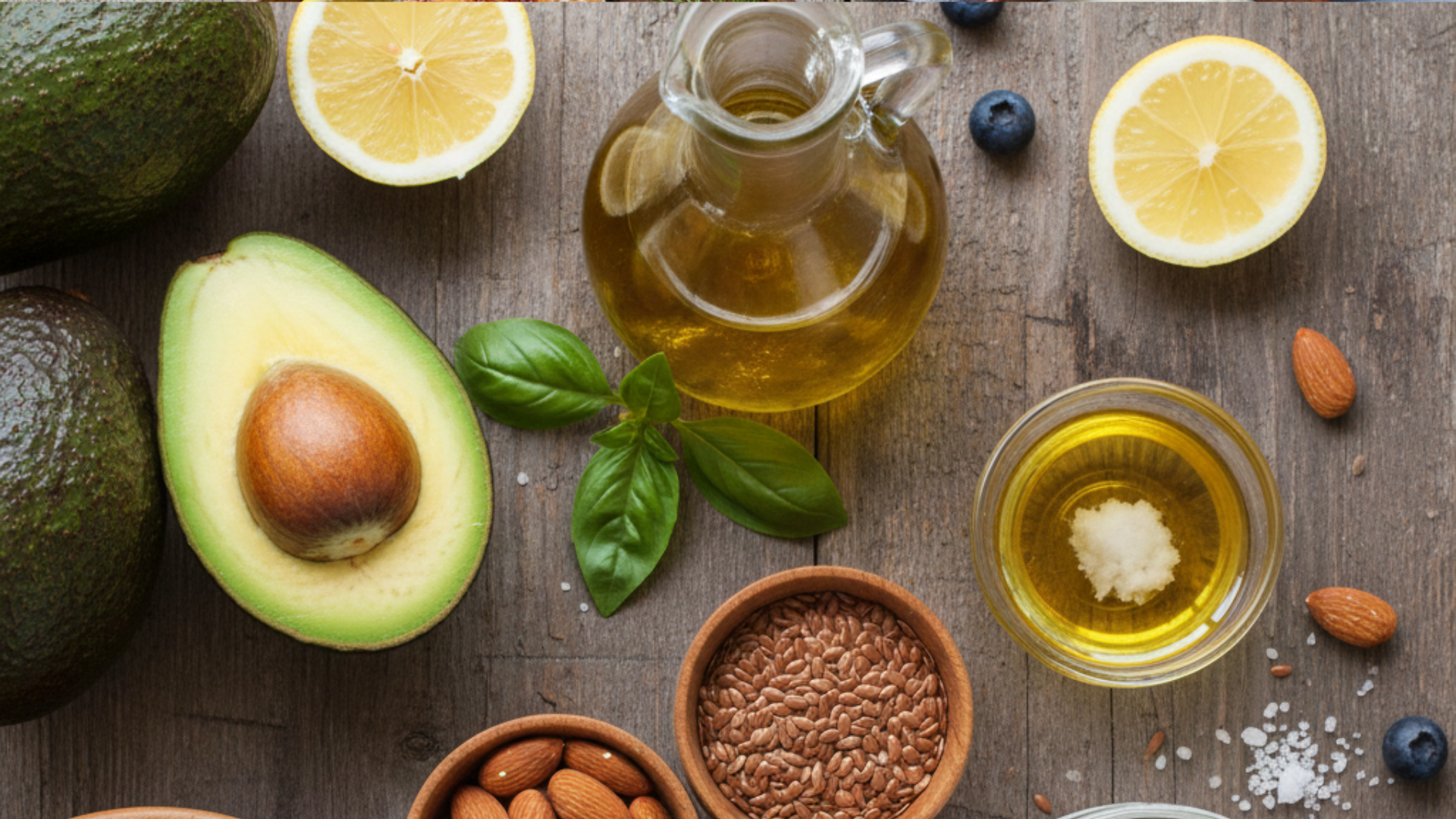
Healthy fats are essential for heart health and energy, and they help keep you feeling full longer.
Extra Virgin Olive Oil: The primary fat source in the LCMD, packed with heart-healthy monounsaturated fats and antioxidants, perfect for cooking or drizzling over salads.
Avocados: Loaded with healthy fats and fiber, avocados are also rich in potassium, supporting heart health and hydration.
Nuts and Seeds: Almonds, walnuts, chia seeds, and flax seeds are excellent sources of healthy fats, protein, and fiber. They provide satiating fats and are perfect for snacks or as toppings for salads and yogurt.
Coconut Oil: Another great source of healthy fats, coconut oil is rich in medium-chain triglycerides (MCTs), which are easily converted into energy.
These fats provide energy and satiety while contributing to your overall health.
3. Vegetables
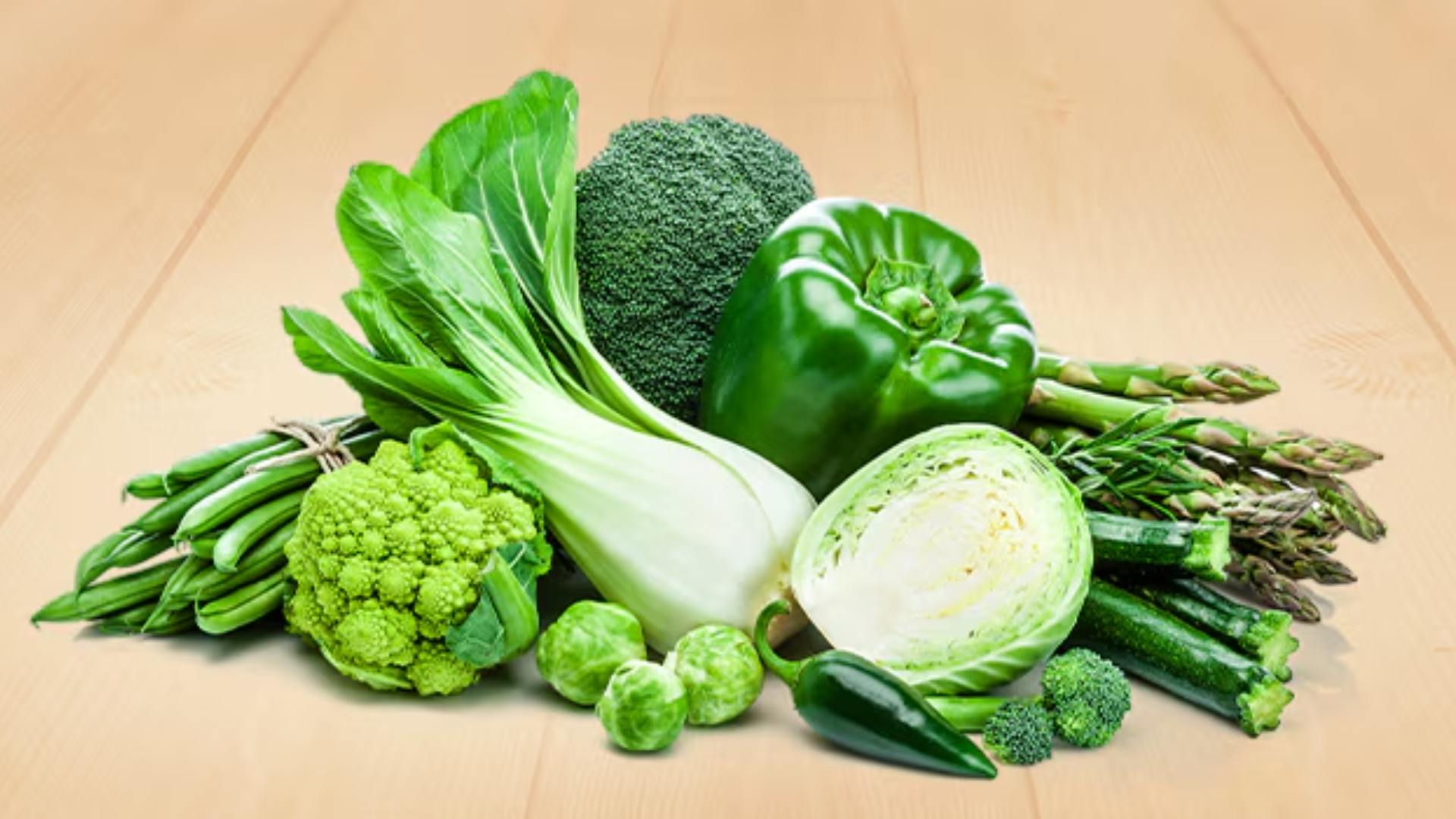
Non-starchy vegetables are low in carbs, nutrient-dense, and essential for digestive health and overall wellness.
Leafy Greens: Fill your plate with spinach, kale, arugula, and other leafy greens, which are low in carbs but high in essential vitamins, minerals, and antioxidants.
Cruciferous Vegetables: Broccoli, cauliflower, and asparagus are nutrient-rich, non-starchy veggies that support detoxification and digestive health.
Other Non-Starchy Vegetables: Zucchini, eggplant, bell peppers, and cucumbers add bulk to your meals without raising carb levels, making them perfect for any meal.
Allium Vegetables: Garlic, onions, and leeks are low in carbs but rich in flavor and antioxidants. These vegetables not only improve the taste of your dishes but also provide anti-inflammatory benefits, support immune health, and promote heart health through natural compounds such as allicin.
These vegetables are rich in antioxidants and support overall health while providing minimal carbs.
4. Fruits
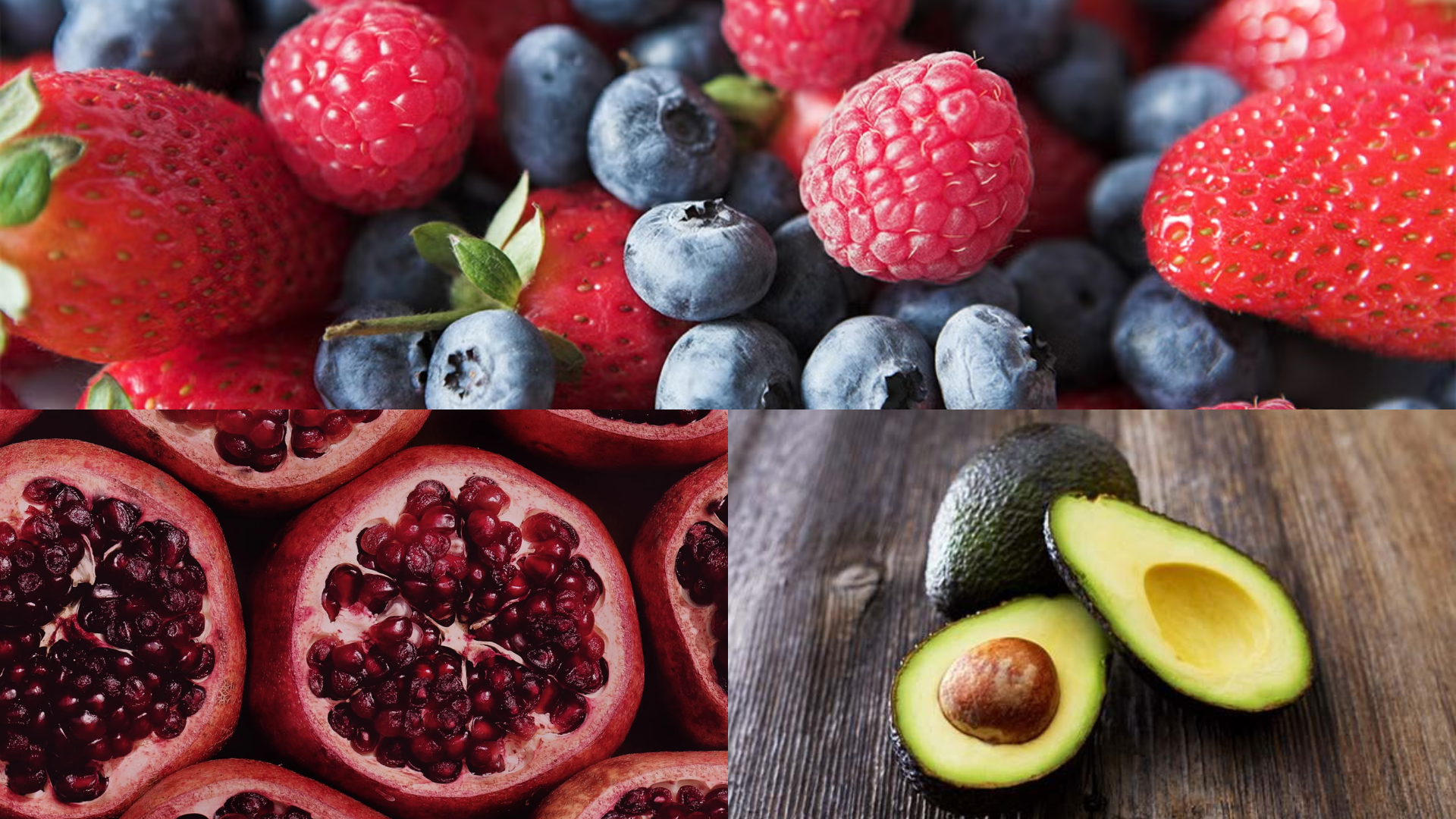
Fruits are an essential part of the Low-Carb Mediterranean Diet, offering vitamins and antioxidants without adding too many carbs.
Berries: Focus on low-carb fruits like strawberries, blueberries, and blackberries, which are rich in antioxidants and fiber. Their low glycemic index makes them ideal for blood sugar control.
Pomegranate: While higher in carbs, pomegranate can be included in small portions for its high antioxidant content and vibrant flavor, offering a sweet treat with added health benefits.
Avocados: Although typically thought of as a fat, avocados are technically a fruit and are an excellent addition to the LCMD.
These fruits provide essential nutrients, antioxidants, and fiber without spiking blood sugar levels.
Foods to Avoid on the Low-Carb Mediterranean Diet

To maintain a low-carb approach, avoid refined carbohydrates, sugary snacks, starchy vegetables, and legumes. These foods can spike blood sugar, hinder weight loss, and disrupt the benefits of the diet.
- No white bread, pasta, pastries, sugary cereals, or sugary drinks.
- Avoid candy, chips, and processed snacks with added sugars and unhealthy fats.
- Reduce consumption of potatoes, corn, peas, and other starchy vegetables.
- While beans and lentils are part of the traditional Mediterranean diet, they should be limited due to their higher carb content.
- Avoid processed meats like sausages, hot dogs, and bacon.
- Skip flavored yogurts and sweetened milk, which often contain added sugars.
- Limit high-sugar fruits like bananas, grapes, mangoes, and pineapple.
- Avoid artificial sweeteners like aspartame, sucralose, and saccharin, which can increase cravings for sweets.
Traditional Mediterranean vs. Low-Carb Mediterranean Diet
This table compares the Traditional Mediterranean Diet and the Low-Carb Mediterranean Diet, highlighting key differences in meal choices, carb intake, protein sources, and food variety for improved health.
| Meal | Traditional Mediterranean Diet | Low-Carb Mediterranean Diet (LCMD) |
|---|---|---|
| Breakfast | Whole-grain toast with avocado, olive oil, and tomatoes. | Greek yogurt with chia seeds, walnuts, and berries. |
| Lunch | Grilled chicken with a whole-grain pita and hummus. | Grilled salmon with spinach and zucchini salad dressed in olive oil and lemon. |
| Dinner | Pasta with tomato sauce and grilled vegetables. | Grilled chicken with roasted cauliflower and asparagus, cooked in olive oil. |
While both diets emphasize healthy fats, lean proteins, and vegetables, the Low-Carb Mediterranean Diet focuses on reducing carbohydrates to improve blood sugar control and support weight management.
Health Benefits of a Low-Carb Mediterranean Diet
The LCMD offers multiple health benefits:
- Blood Sugar Control: By reducing refined carbs, the LCMD helps stabilize blood sugar and improve insulin sensitivity, crucial for diabetes management.
- Heart Health: Omega-3s from fish and healthy fats from olive oil contribute to better cardiovascular health.
- Weight Loss: The diet’s focus on protein and healthy fats supports satiety, helping to reduce calorie intake and support weight loss.
- Chronic Inflammation: With a focus on anti-inflammatory foods like fish, olive oil, and leafy greens, this diet helps reduce chronic inflammation, which is linked to various diseases.
7 Day Low-Carb Mediterranean Meal Plan
This 7-day meal plan combines Mediterranean, Asian, and other international flavors, making it easier and more exciting to stick to a low-carb lifestyle.
| Day | Breakfast | Lunch | Dinner | Snack |
|---|---|---|---|---|
| 1 | Greek yogurt with chia seeds, walnuts, and blueberries | Grilled salmon with spinach and zucchini salad | Grilled chicken with roasted cauliflower, asparagus, and tzatziki | Almonds and sliced avocado |
| 2 | Scrambled eggs with spinach and tomatoes | Tuna salad with mixed greens, cucumber, olive oil dressing | Grilled mackerel with roasted Mediterranean veggies | Raspberries with Greek yogurt |
| 3 | Avocado slices with boiled egg and olive oil | Chicken stir-fry with cauliflower rice, broccoli, and bell peppers | Miso soup with tofu, zucchini noodles, shiitake mushrooms | Walnuts and cucumber slices |
| 4 | Greek yogurt with chia seeds, flaxseeds, and raspberries | Shrimp and arugula salad with olive oil dressing | Grilled salmon with roasted asparagus, sautéed spinach, olive tapenade | Sliced avocado with sea salt and lemon juice |
| 5 | Egg and spinach muffins | Grilled chicken with Mediterranean salad | Baked cod with sautéed kale, roasted cauliflower, and bell peppers | Almonds and radishes |
| 6 | Scrambled eggs with avocado, spinach, and garlic in olive oil | Grilled tuna with zucchini noodles and Mediterranean salad | Bulgogi with stir-fried vegetables (zucchini, bell peppers, bok choy) | Greek yogurt with chia seeds and strawberries |
| 7 | Avocado and tomato slices with olive oil and oregano, boiled egg | Shrimp salad with spinach, arugula, cucumber, avocado | Grilled chicken with stir-fried broccoli, bok choy, and roasted eggplant | Walnuts and sliced cucumber |
Enjoy healthy fats, lean proteins, and nutrient-rich vegetables in diverse cuisines.
Final Thoughts
Incorporating the Low-Carb Mediterranean Diet into your lifestyle doesn’t have to feel restrictive or bland.
I’ve found that mixing vibrant Mediterranean flavors with influences from around the world makes it possible to enjoy nutrient-dense meals that are both exciting and easy to follow.
If you love the richness of olive oil, the boldness of herbs, and the heartiness of lean proteins, this diet strikes the perfect balance for improving your health and wellness goals. It’s a sustainable, delicious way to support weight loss, blood sugar control, and heart health.
So, are you ready to begin your low-carb Mediterranean journey? Try out the meal plan, and feel free to share your experiences or ask any questions below! Let’s keep this flavorful adventure going!