

I spent years thinking low calorie nuts for weight loss meant finding the nut with the smallest number on the label. Wrong approach entirely.
Some nuts keep me satisfied for hours while others disappear from the bag before I realize what happened. In this guide, I’ll show which nuts actually help drop fat and why calorie counts don’t tell the whole story.
I’ll cover the best nuts for controlling hunger, portion strategies that work without willpower, and the eating mistakes that stall progress.
Plus, I’ll explain why the “lowest calorie” nut often fails compared to ones that are easier to stop eating.
The Best Low-Calorie Nuts for Weight Loss
Choosing low-calorie nuts for weight loss is about satiety and managing portion size, not just low calories. The nuts that aid fat loss are those that naturally slow down eating and keep you fuller longer.
This breakdown shows how each nut influences eating speed and fullness, helping you select based on your specific hunger and portion control needs:
1. Pistachios
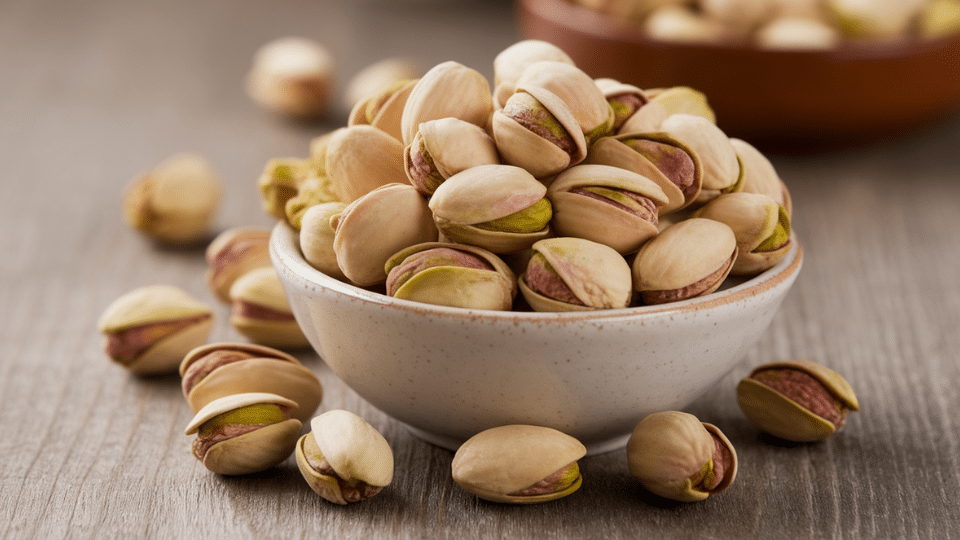
159 calories | 6g protein | 3g fiber | 13g fat per oz
The shell-cracking process forces slower eating and creates a visual pile of evidence showing exactly how much you’ve consumed, preventing the mindless handful-after-handful pattern.
Pre-shelled versions eliminate this natural brake system and make overeating just as easy as any other nut.
2. Almonds
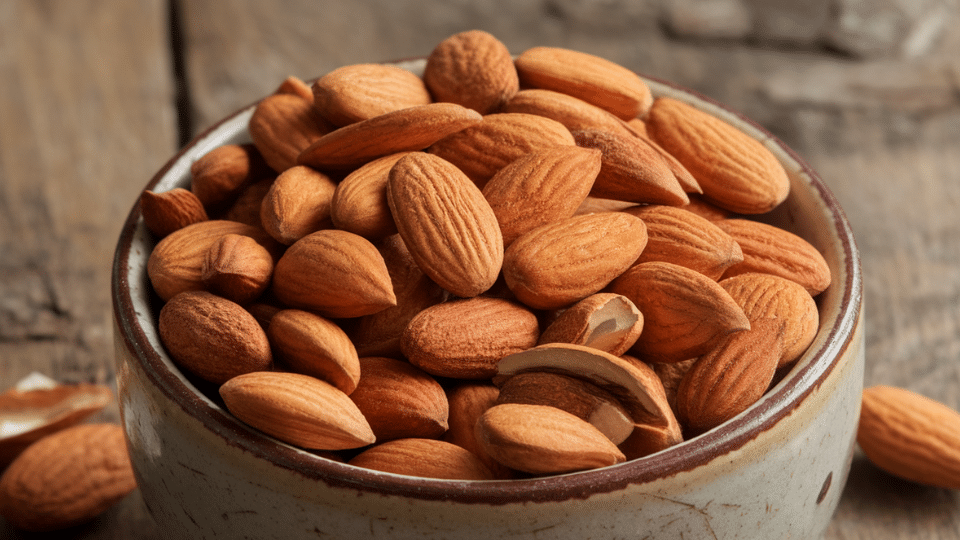
164 calories | 6g protein | 3.5g fiber | 14g fat per oz
Their combination of 6 grams of protein and 3.5 grams of fiber per ounce actively fights hunger for 3-4 hours after eating, making them ideal for preventing between-meal snacking.
Flavored varieties and eating almonds mindlessly by the handful while distracted both override these natural satiety signals.
3. Peanuts
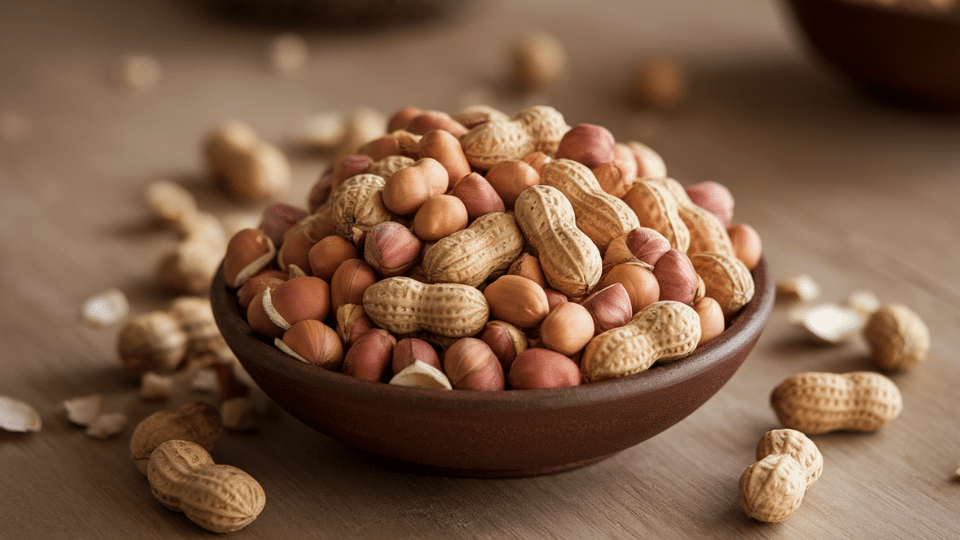
166 calories | 7g protein | 2.5g fiber | 14g fat per oz
At $3-5 per pound, peanuts deliver 7 grams of protein per ounce at the lowest cost, and their widespread availability in shell format makes portion control accessible for any budget.
Honey roasted and heavily salted versions trigger addictive eating patterns that override fullness cues.
4. Cashews
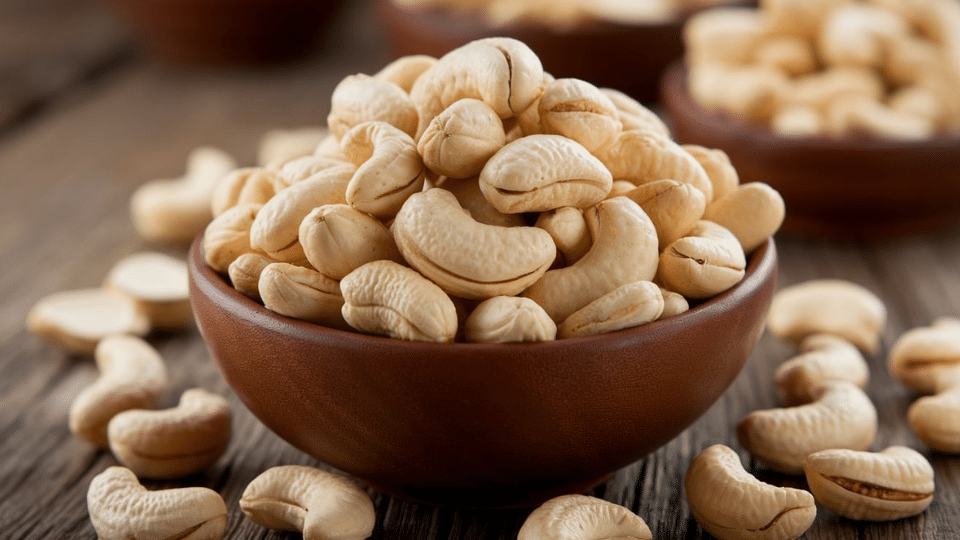
157 calories | 5g protein | 1g fiber | 12g fat per oz
With about 157 calories per ounce, cashews contain slightly less fat than most tree nuts, but their soft, creamy texture allows eating 2 ounces in under 60 seconds without conscious awareness.
This makes them particularly risky for distracted or emotional eating situations.
5. Chestnuts
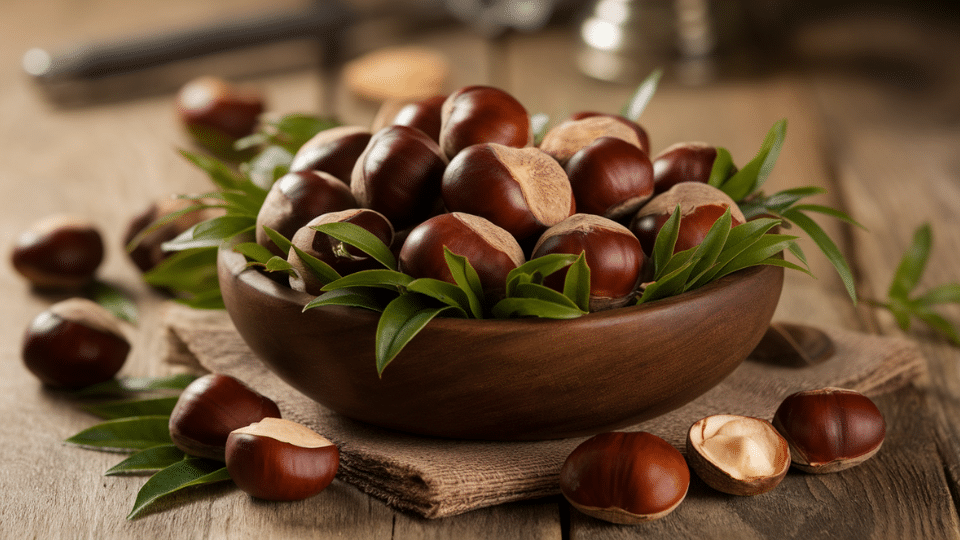
178 calories | 4g protein | 3g fiber | 17g fat per oz
At roughly 60 calories per ounce, chestnuts have 70% less fat than typical nuts and work through different hunger mechanisms due to their higher carbohydrate content.
Their lower protein and fat content means they satisfy hunger differently than fatty nuts, working better as a side dish than a standalone snack.
6. Walnuts
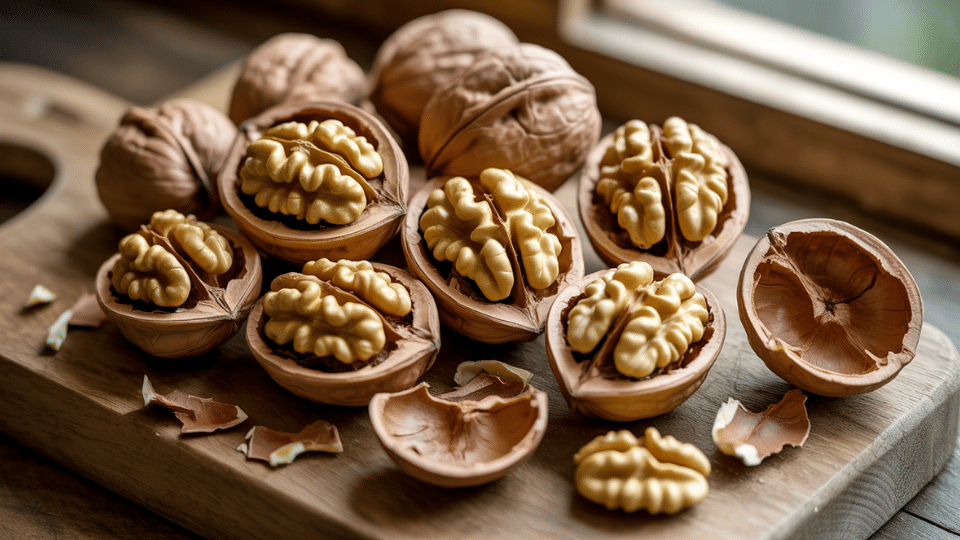
185 calories | 4g protein | 2g fiber | 18g fat per oz
Walnuts require more deliberate chewing than softer nuts, naturally extending eating time and allowing fullness signals to register before overconsumption.
Their bitter undertones prevent the addictive eating patterns that sweeter, creamier nuts can trigger, though their omega-3 content comes with higher overall calories.
7. Brazil Nuts
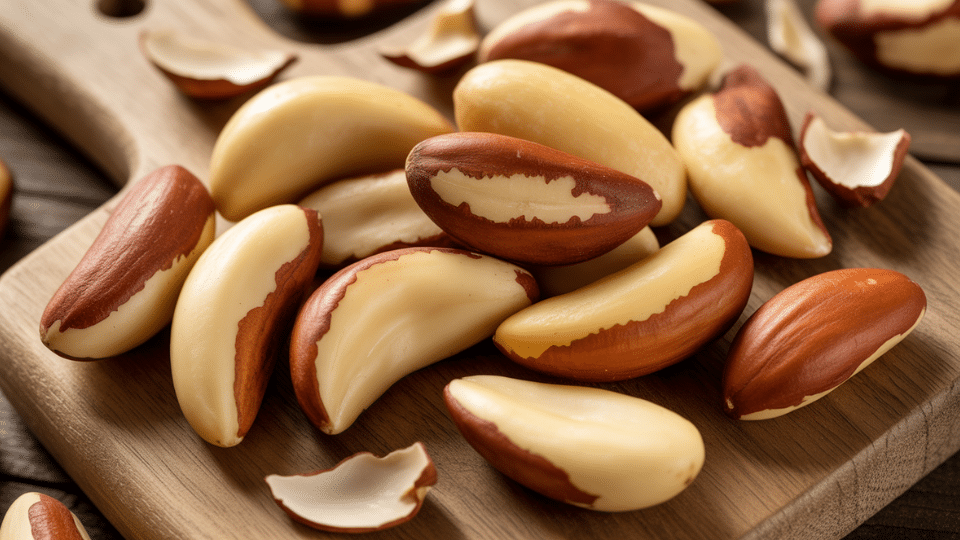
186 calories | 4g protein | 2g fiber | 19g fat per oz
Their large individual size creates automatic portion awareness, eating 6-8 Brazil nuts feels substantial and visually significant compared to tiny cashews or pine nuts.
However, their high selenium content means limiting intake to 2-3 nuts daily to avoid toxicity, making them better as an occasional addition rather than a primary snack.
8. Pine Nuts
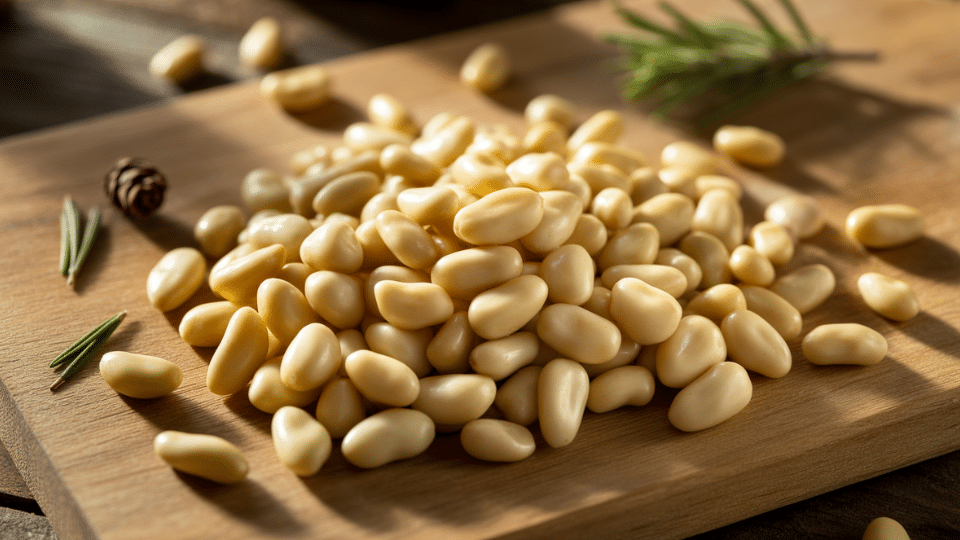
191 calories | 4g protein | 1g fiber | 19g fat per oz
Pine nuts trigger the release of CCK (cholecystokinin), a hormone that signals fullness to the brain more effectively than many other nuts, with effects lasting 2-3 hours.
Their small size and expensive price point ($20-30/pound) naturally limit consumption, though their buttery taste makes mindless eating still possible.
9. Pecans
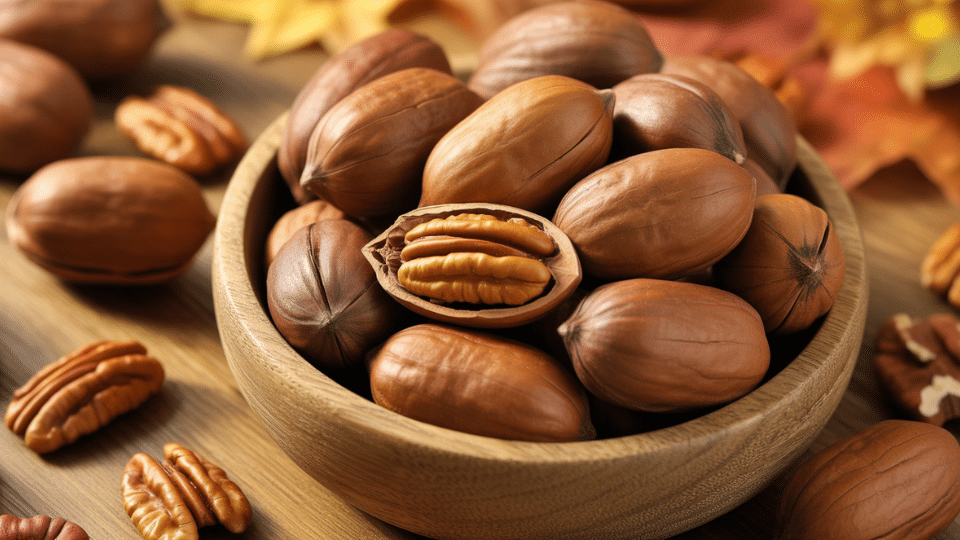
196 calories | 3g protein | 3g fiber | 20g fat per oz
Pecans contain the highest fat content per ounce, and their melt-in-your-mouth texture allows rapid consumption without triggering early fullness signals.
While nutritious, their calorie density makes them challenging for portion control unless pre-measured into small servings before eating.
10. Macadamia Nuts
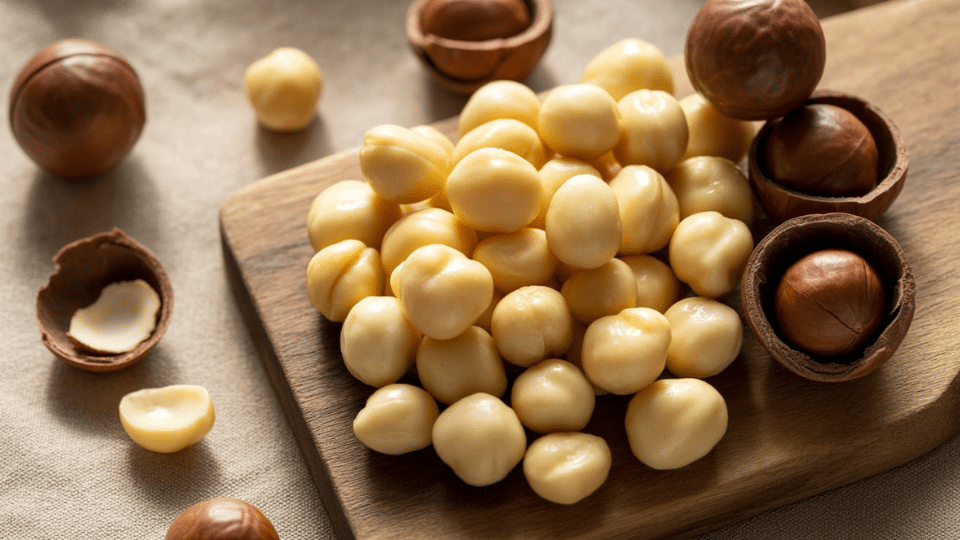
204 calories | 2g protein | 2g fiber | 21g fat per oz
As the most calorie-dense common nut at 204 calories per ounce, macadamias offer the least protein and require the most disciplined portion control for weight loss.
Their buttery, almost candy-like quality makes them particularly difficult to stop eating once started, especially in sweet or roasted preparations.
11. Sunflower Seeds (In-Shell)
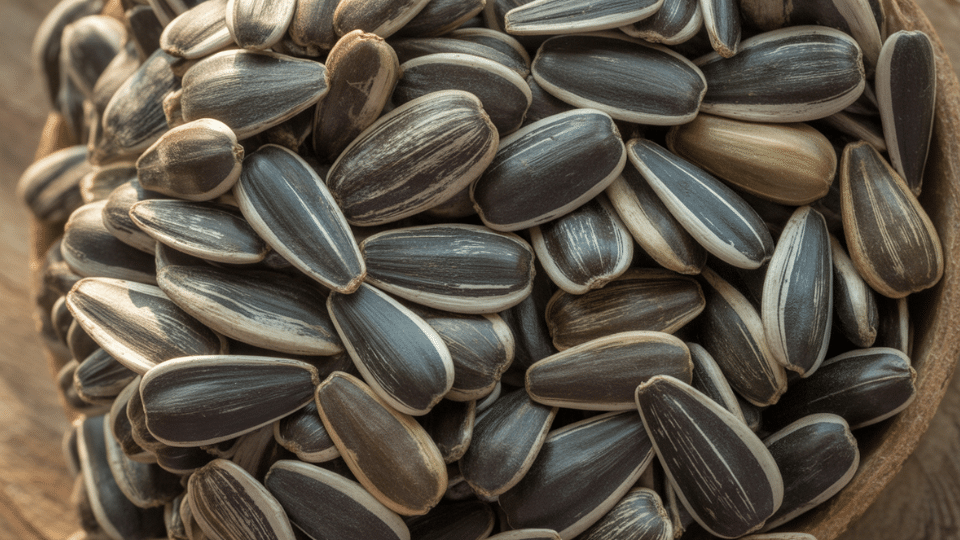
165 calories | 6g protein | 3g fiber | 14g fat per oz
While technically seeds, in-shell sunflower seeds mirror the portion-control benefits of pistachios, the shell-cracking ritual dramatically slows consumption and prevents mindless eating.
Pre-shelled versions lose this advantage completely, transforming them from a naturally portioned snack into something easily overconsumed by the cupful.
How Nuts Control Hunger Better than Other Snacks
Controlled clinical trials show nuts support weight loss and hunger control despite their calories, with mechanisms explaining their effectiveness beyond calorie count.
Studies show people feel fuller longer and eat less later when choosing nuts over carb snacks, even with equal calories, this explains why a small portion of almonds prevents late-night grazing, unlike crackers or pretzels.
Research shows shelling pistachios reduces calorie intake by 41%, as physical barriers enforce automatic portion control without conscious effort.
Almonds’ fiber and protein extend fullness for 3-4 hours by slowing stomach emptying and stabilizing blood sugar, helping break the mid-afternoon snacking cycle.
Long-term studies show nut eaters don’t gain more weight than non-eaters because of calorie compensation, people eat slightly less at other meals, and some nut fat isn’t fully absorbed, so “effective” calories are lower than on the label.
Portion Sizes that Support Weight Loss
One ounce per serving is ideal for fat loss, offering satiety without excess calories, but people often underestimate portions by 2-3 times when eating from containers.
This can add 200-400 calories daily, hindering fat loss despite disciplined eating. Effective portion control strategies include:
- Buy in-shell nuts where cracking each one creates natural friction that automatically slows eating speed and builds awareness
- Pre-portion servings into small bags or containers at the start of each week so grab-and-go snacks are automatically sized correctly
- Add nuts to meals like salads, yogurt, or oatmeal instead of snacking from open containers where portions become invisible
- Use a food scale initially to train your eye on what one ounce actually looks like (about 23 almonds, 49 pistachios, or 28 peanuts)
- Count out your serving the first few weeks to calibrate your instincts so you can estimate portions accurately later without measuring
Measuring for the first few weeks calibrates your eye so you can later estimate portions accurately without needing scales or counting forever.
How to Eat Nuts for Aiding Weight Loss?
The same nut can help or hurt progress depending on when and how it’s eaten. The context and eating environment determine whether nuts support fat loss or quietly sabotage it.
Do’s:
- Eat nuts with meals as a topping or side component, where they add satiety without becoming the main event
- Plan nut snacks for times between meals when genuine physical hunger hits, not out of boredom or stress
- Choose plain, lightly roasted, or in-shell versions that keep the focus on natural flavor and portion awareness
- Pair nuts with protein or vegetables to extend the feeling of fullness and prevent returning to the kitchen soon after
Ever demolished half a bag of cashews without noticing? This happens when eating conditions override your natural fullness signals.
Don’ts:
- Eat nuts straight from the bag or jar, which makes portions invisible and removes all portion boundaries
- Snack on nuts while watching TV, scrolling on your phone, or during any distracted activity that prevents awareness
- Choose candy-coated, honey-roasted, or heavily salted versions engineered to override natural fullness cues and encourage overeating
- Guess portions instead of measuring during the first few weeks when your instincts haven’t been calibrated yet
Why ‘Low Calorie Nuts’ is a Misleading Phrase?
A 20-30 calorie difference per ounce becomes completely irrelevant when one type of nut makes overeating effortless while another naturally slows you down and builds awareness with each bite. The behavioral factors embedded in different nuts matter far more than small numerical gaps on nutrition labels.
Cashews’ soft, creamy texture allows eating them at lightning speed—two ounces can disappear in 60 seconds without conscious awareness, turning a 157-calorie serving into a 314-calorie accident before your brain registers fullness.
Almonds require 25-40 chews per ounce due to their firm, crunchy texture, automatically slowing eating speed and creating more time for satiety signals to reach your brain before you’ve consumed too much.
In-shell pistachios add physical friction through the cracking process—each shell must be opened individually, creating natural pauses that prevent the automatic hand-to-mouth pattern that leads to mindless overeating.
Chestnuts are genuinely low-calorie at 60 per ounce, but their lower fat and protein content means some people feel hungry again within an hour, leading to additional snacking that negates the initial calorie savings.
Conclusion
After comparing all the options, I’ve learned that choosing low calorie nuts for weight loss isn’t about finding the absolute lowest number, it’s about matching nuts to eating habits.
Pistachios win because shells create natural brakes. Almonds deliver serious staying power through fiber and protein. Peanuts offer budget-friendly nutrition.
Chestnuts provide the fewest calories but work differently than fatty nuts. The calorie comparison chart matters less than portion control strategies like pre-packing servings, buying in-shell formats, and adding nuts to meals instead of snacking mindlessly.
I’ve also seen why eating context, sitting down versus standing at the counter, changes results completely. Mastering these behaviors beats obsessing over 20-calorie differences.
Which nut works best for your eating style? Drop your experience in the comments.