

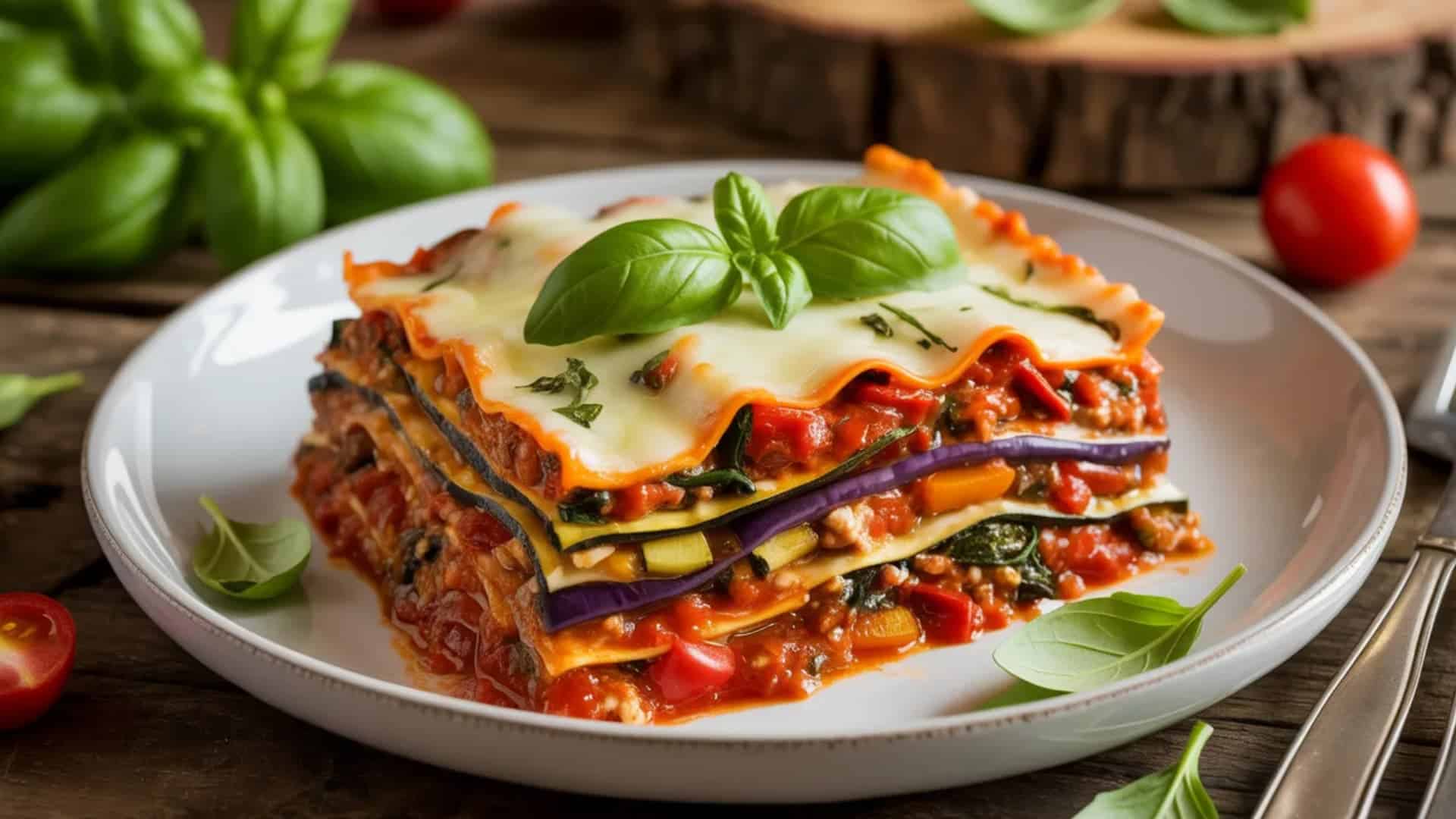
Have you ever wondered exactly what’s in your lasagna, besides that cheesy, meaty goodness? I’ve been curious about it myself, especially since it’s one of my all-time favorite comfort foods.
But when you’re trying to keep an eye on your health, it’s important to understand what’s really going into your body. Here, I’ll break down the nutrition facts of homemade lasagna with meat, including calories, protein, carbs, and fats.
I’ll also share a few tips for making a healthier version without losing that rich, satisfying flavor we all love.
Lasagna and Its Fascinating History
Lasagna is a classic, comforting pasta dish beloved for its layers of flavor.
Originating in Italy, it typically consists of wide, flat pasta sheets layered with hearty meat sauce, cheese, and sometimes vegetables. Baked until golden and bubbly, lasagna offers a rich, filling meal.
Over time, this dish has evolved into many variations, from the traditional meat lasagna to lighter versions made with chicken, turkey, or plant-based meats.
The history of lasagna dates back to ancient Greece with a dish called “Laganon,” made of dough and sauce. The modern version began to take shape in the Middle Ages with flat pasta sheets layered with meat, cheese, and sauce.
What makes lasagna universally loved is its versatility. Whether you prefer the traditional meat version or a lighter vegetarian one, lasagna offers something for everyone, making it a timeless, global favorite shared across generations.
Lasagna Nutrition Facts
To make it easier to understand how lasagna fits into your diet, here’s a quick breakdown of the nutrition for a typical serving of homemade meat lasagna.
Keep in mind that values can vary depending on the ingredients you use and the portion size.
| Nutrient | Amount (1 Slice Homemade Meat Lasagna) |
|---|---|
| Calories | 350–500 kcal |
| Protein | 20–30 g |
| Carbohydrates | 30–45 g |
| Fat | 15–25 g |
| Fiber | 2–4 g |
| Sodium | 600–900 mg |
This summary gives you a clear idea of what’s in your lasagna, but with simple ingredient adjustments like swapping lean meats, using lower-fat cheese, or adding more veggies, you can make it healthier.
These small changes let you enjoy all the comforting flavors of lasagna while still making it a better choice for your health goals.
Health Benefits of Lasagna with Meat
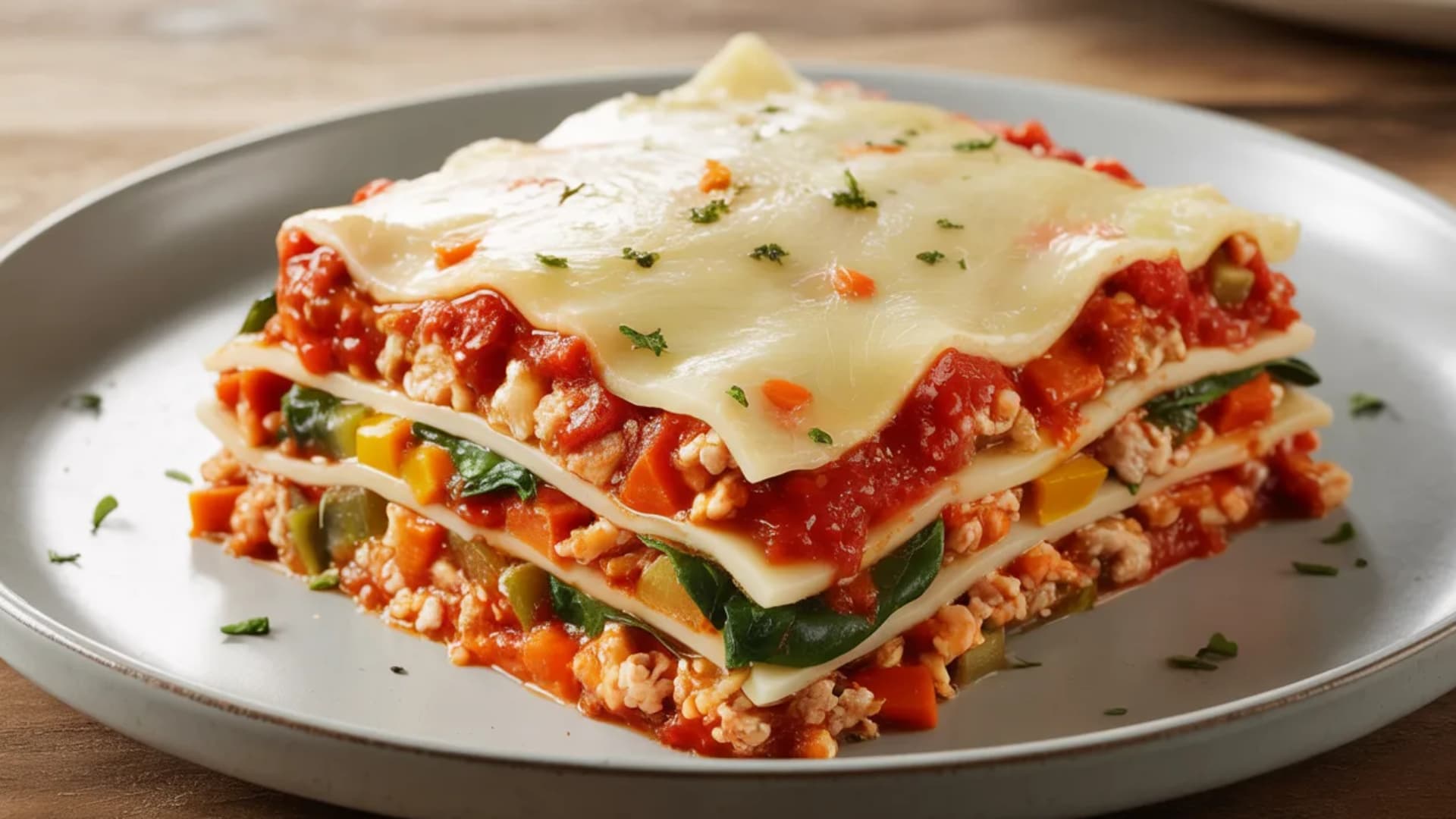
Making healthier choices, like adjusting your lasagna recipe, is part of the transition to a more balanced lifestyle. It’s about taking small steps to improve your well-being while still enjoying the foods you love.
As you continue making mindful decisions, you’ll find it easier to maintain that balance and feel better in your everyday life.
- High in Protein: Lasagna with meat is an excellent source of protein, essential for muscle repair, growth, and overall health, especially after workouts.
- Rich in Essential Vitamins: By including ingredients like tomatoes and spinach, lasagna can provide vitamins A, C, and K, supporting immunity, skin health, and bone strength.
- Source of Iron: The meat and cheese in lasagna offer iron, which is crucial for oxygen transport and overall energy levels.
- Good for Gut Health: Adding fiber-rich vegetables to your lasagna, such as zucchini or carrots, helps support digestion and maintain a healthy gut.
- Boosts Bone Health: The calcium in cheese and the phosphorus from meat help support strong bones and teeth.
- Customizable for Dietary Needs: Whether you’re following a low-carb, gluten-free, or vegetarian diet, there are easy swaps to make lasagna fit your lifestyle while still being tasty.
- Sustained Energy: The complex carbs from pasta, combined with protein and fats, help provide a steady release of energy to keep you feeling full and satisfied.
So, next time you make lasagna, remember you can enjoy all the comforting flavors while also getting the protein and nutrients. By customizing it to fit your needs, you’ll create a meal that supports both your taste buds and your health goals.
Smart Swaps for a Guilt-Free Lasagna
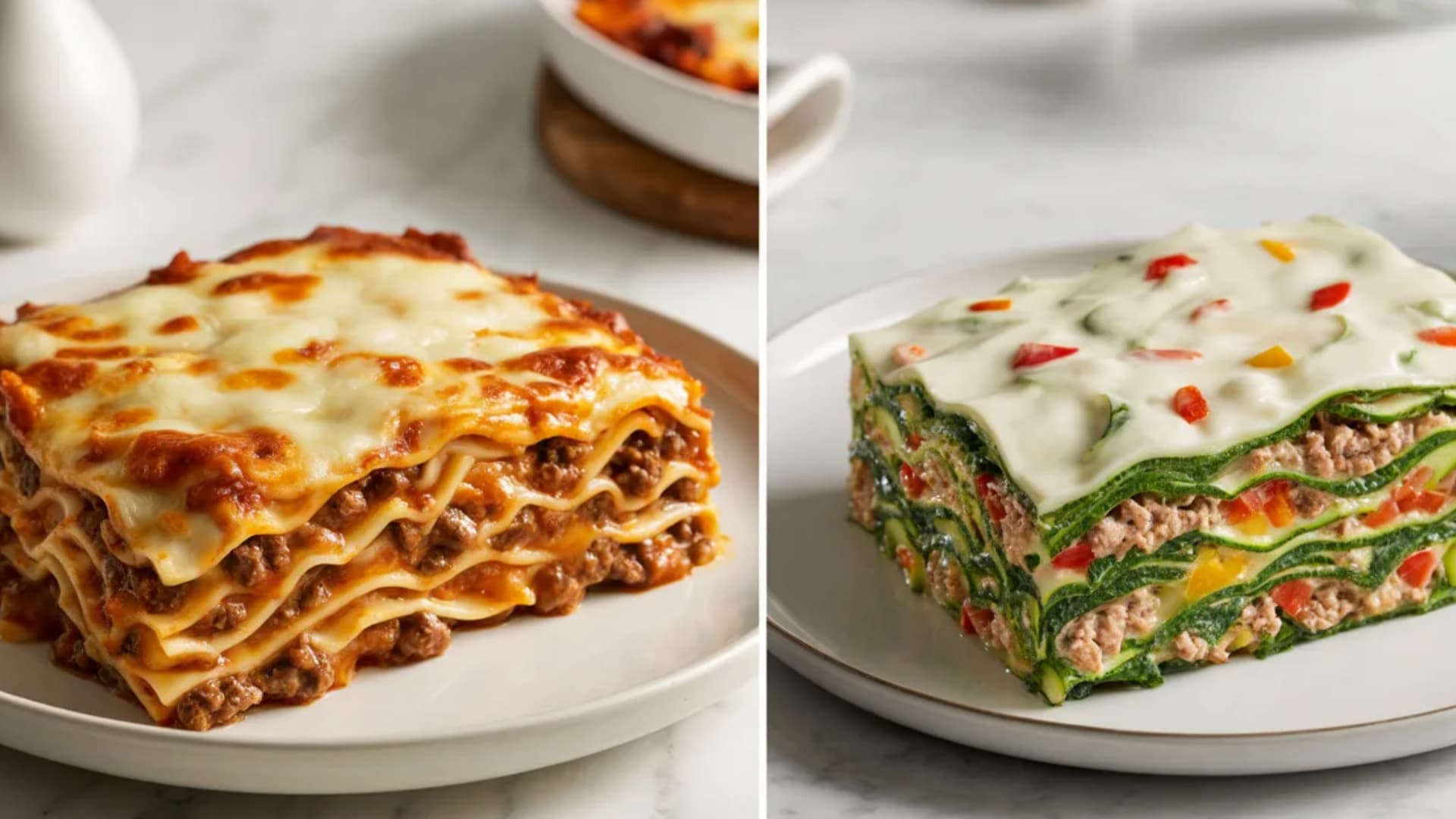
Making simple swaps in your lasagna recipe can turn this classic comfort food into a more nutritious meal without sacrificing flavor.
From using lean meats to adding more vegetables, there are plenty of ways to customize your lasagna to fit a healthier lifestyle while still keeping it tasty and satisfying.
- Lean Meat Alternatives: Switching from ground beef to turkey or plant-based meats like lentils or tofu can lower fat content while still providing plenty of protein.
- Low-Fat Cheese: Opting for low-fat cheeses, like part-skim ricotta or mozzarella, helps reduce the overall calorie and fat content without sacrificing flavor.
- Vegetable-Based Pasta: Substituting regular pasta with zucchini noodles, spaghetti squash, or whole wheat pasta adds more fiber and reduces carbs.
- Adding More Vegetables: Incorporating vegetables like spinach, mushrooms, and bell peppers into your lasagna not only boosts fiber but also adds more vitamins and antioxidants.
- Use Less Sauce: Reducing the amount of cream-based sauces and opting for tomato-based sauces can help lower fat and calorie counts.
- Incorporating Healthy Fats: Use olive oil or avocado in your lasagna to add healthy fats, which can benefit heart health.
Transitioning to healthier lasagna options doesn’t mean sacrificing taste. By making small changes like using lean meats, adding more vegetables, and choosing low-fat cheese, you can enjoy a hearty and nutritious meal that aligns with your health goals.
These changes make a big difference without losing that comforting lasagna flavor you love.
Healthier Lasagna: Simple Changes for Weight Management
If you’re looking to enjoy lasagna without the extra calories, you can make a few simple changes. Swap ground beef for lean turkey or chicken to cut down on fat and calories while still getting a good amount of protein. Opt for lower-fat cheese or reduce the amount you use, so you can lighten up the dish without losing its creamy texture.
Controlling portion sizes is also key, as a smaller, well-balanced portion can satisfy your cravings and help you stay on track with your weight management goals. With these smart choices, you don’t need to skip your favorite dishes.
Remember, controlling portion sizes and making mindful choices are key to enjoying the meal while staying on track with your health goals. With these tweaks, you can indulge in lasagna guilt-free and maintain a balanced lifestyle!
Lasagna vs Other Pasta Dishes: A Nutritional Breakdown
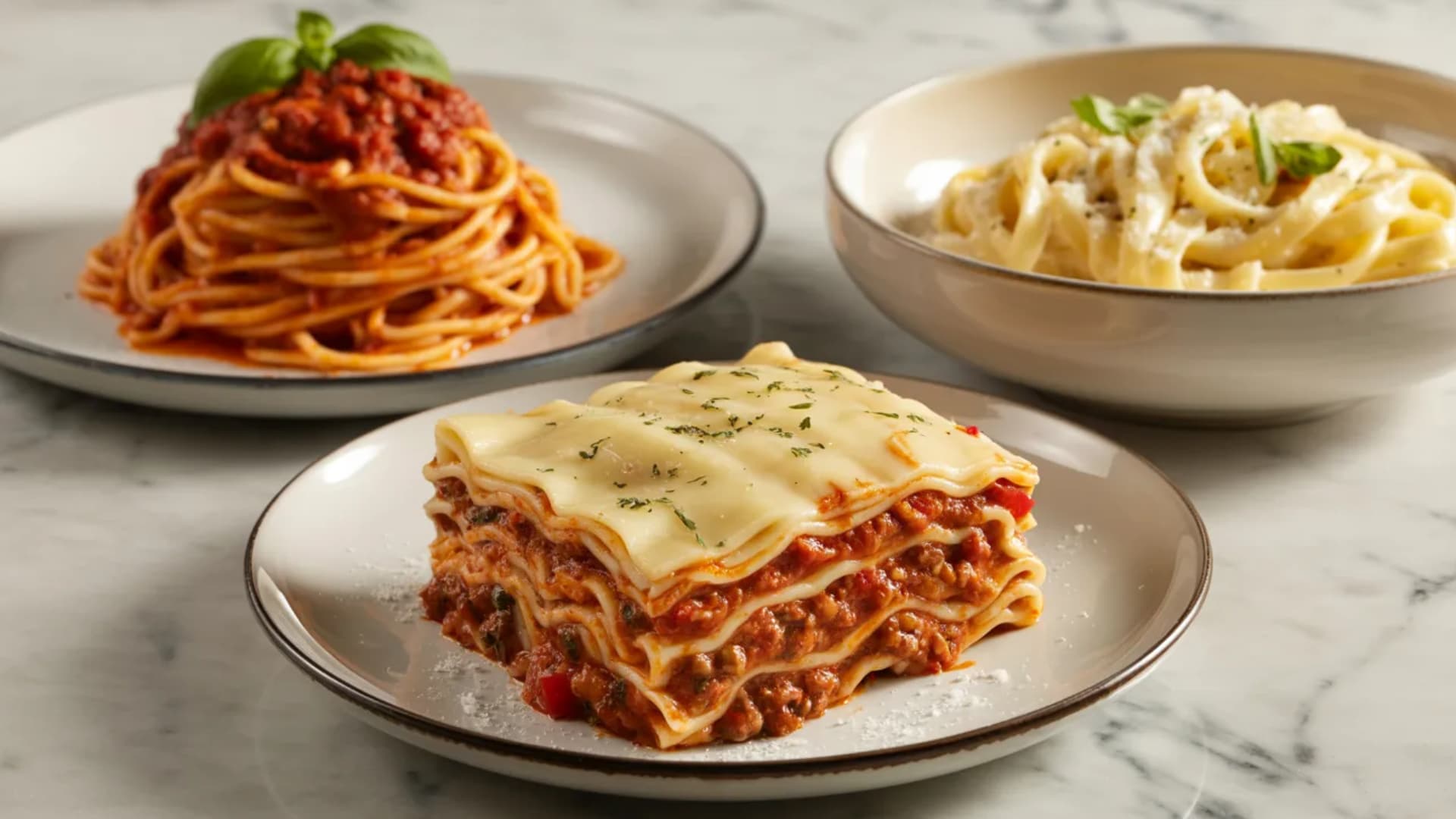
Understanding how lasagna compares to other pasta dishes can help you make healthier choices based on your nutritional needs and dietary goals.
| Feature | Lasagna | Spaghetti | Fettuccine Alfredo |
|---|---|---|---|
| Form | Layered pasta with meat, cheese, and sauce | Long pasta with sauce | Long pasta with creamy sauce |
| Protein | ~20-30g from meat and cheese | ~8-10g from meat or beans | ~7-10g from dairy or cream |
| Carbohydrates | ~30-45g from pasta | ~30-40g from pasta | ~40-50g from pasta |
| Fiber | ~2-4g from vegetables | ~2-3g from pasta and veggies | ~2g from pasta |
| Energy Effect | Balanced energy from carbs, protein, and fats | Steady energy from carbs and protein | Quick energy spike, heavy on fats |
| Energy Effect | Balanced energy from carbs, protein, and fats | Steady energy from carbs and protein | Quick energy spike, but heavy on fats |
Lasagna stands out for its balanced nutritional profile, offering protein, carbs, and fiber in each serving. It’s richer in calories compared to other pasta dishes, but with thoughtful ingredient choices, you can make it healthier without sacrificing flavor.
If you prefer a more indulgent creamy pasta or a lighter, veggie-loaded spaghetti, understanding these differences helps you choose the right dish for your health goals.
Lasagna Cooking Hacks: Elevate Your Recipe
The key to a well-cooked lasagna lies in how you layer your ingredients. Starting with a thin layer of sauce ensures the noodles don’t stick to the pan.
Alternating between layers of pasta, sauce, meat, and cheese helps create the ideal balance of flavors and textures. Pressing down gently prevents air pockets, ensuring even cooking throughout.
- Layering Tips for Perfect Lasagna: Start with a thin layer of sauce at the bottom to prevent sticking. Alternate between pasta sheets, sauce, meat, and cheese for even distribution. Press gently on each layer to avoid air pockets and ensure even cooking.
- Preventing Sogginess: Drain excess moisture from vegetables and meat before adding to the lasagna. Use a thick, rich sauce and avoid overloading with sauce to prevent sogginess.
- Achieving a Golden, Bubbly Top: Finish with a generous layer of cheese on top and bake uncovered for the last 10-15 minutes to get a crisp, golden finish. Broil for a couple of minutes for extra crispiness.
- Resting Before Serving: Let the lasagna sit for 10-15 minutes after baking to allow the layers to set, making it easier to slice and improving texture.
- Using the Right Baking Dish: Choose a deep, wide dish for even cooking. Glass or ceramic dishes hold heat better, ensuring even cooking throughout.
- How to Freeze and Re-heat Lasagna: Assemble the lasagna and freeze it unbaked. Wrap tightly in foil or plastic wrap, then bake covered when ready. Uncover to crisp the top during the last few minutes of baking.
With these tips and techniques, you’ll be well on your way to creating a lasagna that’s just right for you, every time. I hope these simple adjustments help you enjoy a healthier, yet still tasty, version of this classic comfort food!
Wrapping Up
To wrap things up, I’ve shared the nutritional breakdown of lasagna with meat and how simple ingredient swaps can make a big difference.
By opting for leaner meats, adding more vegetables, and controlling portion sizes, you can enjoy a healthier version of this comfort food without compromising on flavor. It’s all about balance, and now you have the tools to make lasagna work for your health goals.
I encourage you to try some of the tips I mentioned and see how they upgrade your lasagna. Feel free to check out my other blogs for more helpful insights, and let me know your thoughts!