

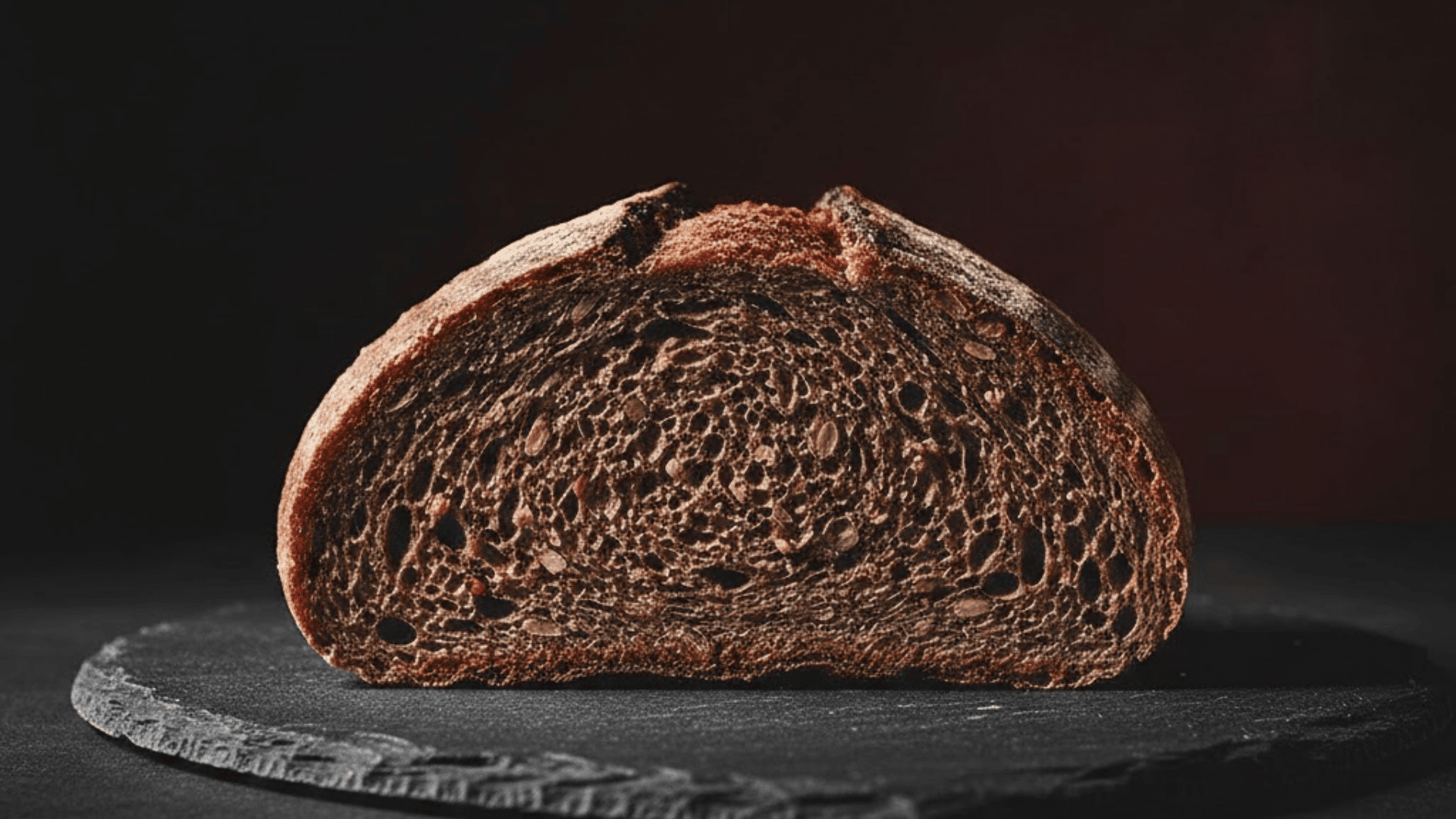
That dense, dark loaf in your kitchen might be doing more for your body than just filling you up. If you’ve been thinking whether Rye bread actually fights inflammation, you’re in the right place.
The short answer? Yes, whole-grain Rye has genuine anti-inflammatory properties, backed by clinical research. But there’s a crucial detail about which type delivers these benefits.
Many people also ask if sourdough bread is healthy. Rye fights inflammation through its grain, while sourdough offers benefits through fermentation.
Rye bread’s anti-inflammatory effects stand out when you choose the right kind. Let’s get into it.
This information is for educational purposes only. Individual results may vary based on personal health conditions and dietary habits.
The Science Behind Rye’s Anti-Inflammatory Properties
Whole-grain Rye works through a specific mechanism in your gut. When you eat it, certain beneficial bacteria multiply and produce butyrate, a short-chain fatty acid that suppresses NF-κB, essentially the master switch for inflammation in your body.
According to a comprehensive study published in the NIH’s PubMed Central database, researchers found that a 12-week intervention with high-fiber Rye foods increased the abundance of the butyrate-producing bacterium Agathobacter.
This led to significantly higher plasma butyrate concentrations than with refined wheat, and these changes were associated with reductions in C-reactive protein (CRP) and improvements in metabolic risk markers.
The results showed significant reductions in inflammatory markers such as IL-6, CRP, and IL-1β.
The reduction in IL-6 was specifically linked to Rye intake, not whole grains in general.
Key anti-inflammatory compounds in Rye:
- Alkylresorcinols (unique phenolic lipids in Rye and other cereal grains with proven anti-inflammatory properties)
- Phenolic acids (concentrated in the bran)
- Dietary fiber (feeds beneficial gut bacteria)
In mouse studies, researchers observed measurable anti-inflammatory gene expression within the first week. The bacterial shift happens quickly, but the full anti-inflammatory cascade takes consistent intake over weeks.
Why Your Rye Bread Choice Actually Matters
Not all Rye bread delivers anti-inflammatory benefits. The phenolic compounds that fight inflammation concentrate 15 to 18 times more heavily in Rye bran than in the endosperm. When Rye gets processed into soft, light bread, you lose most of what makes it special.
Quick label check: Divide fiber grams by total carb grams. If you get 0.15 or higher (15%), you have real whole grain Rye.
Example: 4g fiber ÷ 27g carbs = 0.148.
Anything below 10% means you’re eating refined Rye that won’t deliver anti-inflammatory effects.
| Rye Bread Type | Fiber Per Slice | Anti-Inflammatory Impact |
|---|---|---|
| Dark/Pumpernickel | 2-4g | Full benefits |
| Medium Rye | 1.5-2.5g | ~80% effective |
| Light Rye | 0.8-1.5g | Minimal effect |
This is also why people keep asking whether rye bread is good for you: the type matters. Whole-grain Rye acts very differently in the body than light, refined Rye.
How Rye Compares to Other Breads for Inflammation
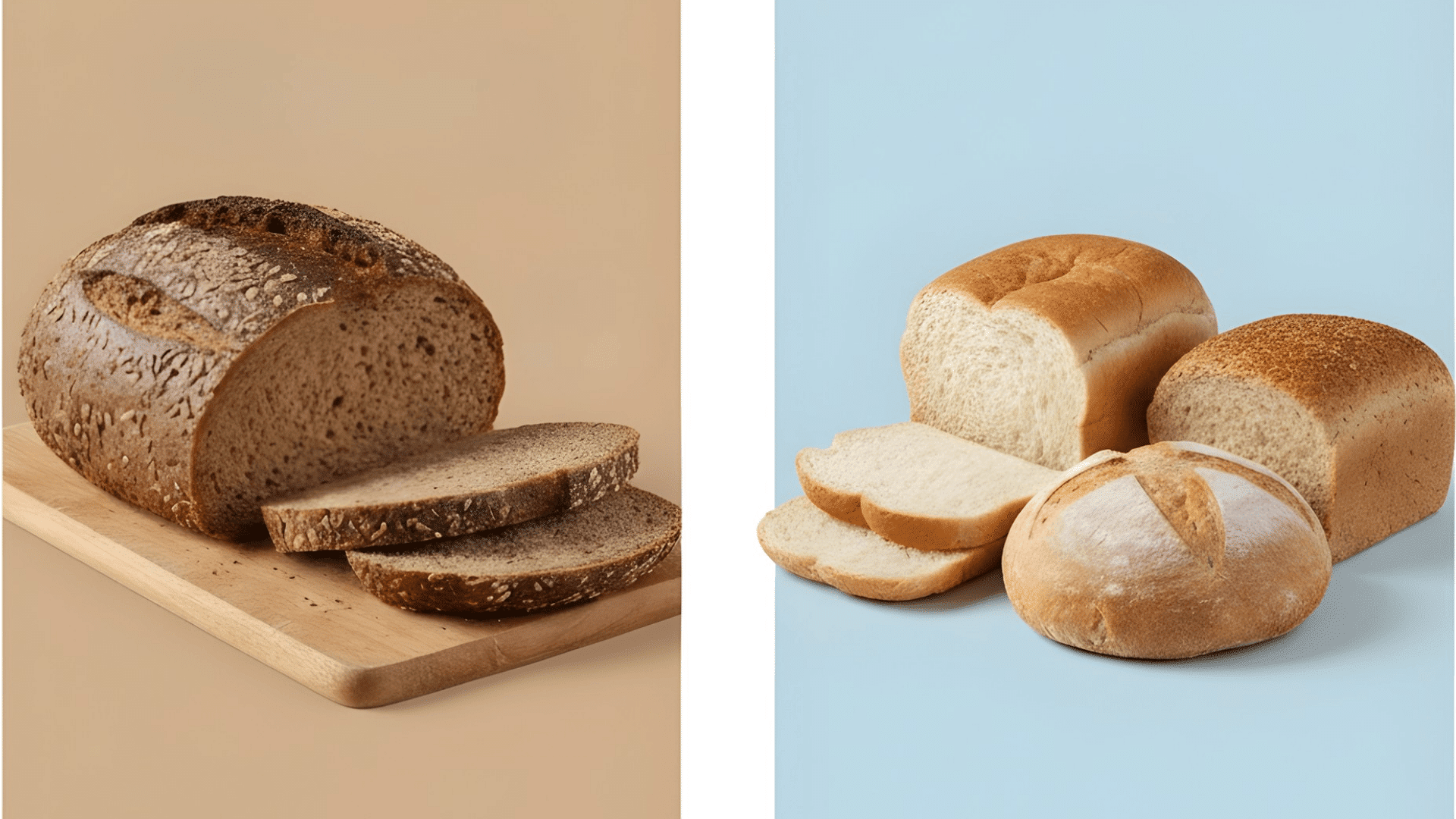
When researchers compared high-insulin-response foods (oat and wheat bread, potato) with low-insulin-response options like Rye bread, the Rye group showed less inflammation across the board.
Butyrate levels were higher in Rye fermentation samples than in oat and wheat samples. Additionally, high intake of whole-grain rye is associated with lower LDL cholesterol and improved LDL-to-HDL ratios.
The biomarker for whole wheat? No significant cholesterol changes. Rye isn’t just “different”; it’s measurably more effective at managing inflammation through specific bacterial changes that wheat can’t replicate.
The Sourdough Factor
If regular Rye bread causes digestive distress, sourdough fermentation changes everything. Longer fermentation (around 12 hours) reduces FODMAPs by up to 69%. These are the fermentable carbs that cause bloating and discomfort.
In a double-blind study, low FODMAP Rye sourdough caused significantly less flatulence, abdominal pain, and stomach rumbling than regular Rye while still packing 10g of fiber per 100g.
Important distinction: If sourdough Rye works for you but regular Rye doesn’t, your issue was likely FODMAPs, not gluten sensitivity.
When You’ll See Results: Timeline
This isn’t a quick fix. A 12-week intervention showed that Rye foods induced real changes in gut microbiota composition, with some linked to reductions in CRP.
Expected progression:
- Weeks 1-2: Microbiome shifts begin; possible gas increase as gut adjusts
- Weeks 3-4: Butyrate production ramps up; early CRP reductions of 5-10%
- Weeks 6-8: More stable CRP and IL-6 reductions, typically 10-15% on average
- Week 12+: Sustained benefits with continued intake
A good sign around week 4: less bloating than when you started. That means the adaptation period has ended, and your gut bacteria have settled into their new routine.
How Much Rye Do You Actually Need?
Research studies typically used 2-3 slices daily as part of a broader whole-grain pattern. But here’s the real threshold: whole grains need to make up at least 50% of your total grain intake.
One slice of Rye in an otherwise refined grain diet won’t move the needle. Consistency matters more than intensity.
You’re feeding specific bacterial populations that need regular fuel. Aim for at least 3-4 times weekly to maintain the microbial shift.
Who Benefits Most from Anti-Inflammatory Rye
Strongest responders:
- People with elevated baseline inflammation (CRP above 3 mg/L)
- Those transitioning from mostly refined-grain diets
- Anyone who hasn’t taken antibiotics recently
Moderate responders:
- Already eating some whole grains
- CRP in the 1-3 mg/L range
About 15% of people produce butyrate at lower rates due to baseline microbiome composition. They still see benefits, just 50-70% of the typical effect.
What Amplifies or Undermines Rye’s Benefits
What helps:
- Olive oil on your Rye toast (phenolic acids are fat-soluble)
- Fermented foods like sauerkraut or kefir
- Protein and healthy fats (eggs, avocado, nut butter)
What hurts:
- Processed meats (nitrates trigger oxidative stress)
- Refined sugar over 50g daily (counteracts benefits within 2-3 hours)
- Sweetened spreads
When Rye Isn’t Right for You
- Celiac disease: Complete avoidance required. Rye contains secalin, a gluten protein. Sourdough fermentation reduces but does not eliminate gluten.
- IBS or FODMAP sensitivity: Look for specifically formulated low FODMAP Rye products, or try well-fermented sourdough Rye, starting with half a slice.
- Non-celiac gluten sensitivity: Some people tolerate sourdough Rye because fermentation breaks down FODMAPs and amylase trypsin inhibitors. Test carefully over 2-3 days.
Troubleshooting: When Rye Doesn’t Work
If you’ve eaten Rye for 6+ weeks with zero improvement:
- Check your total grain breakdown. Are refined grains still over 50% of intake?
- Monitor sugar consumption. Over 50g daily suppresses butyrate-producing bacteria.
- Give it more time. Severely depleted beneficial bacteria may need 12-16 weeks to rebuild.
- Try sourdough Rye if digestive issues persist after 3+ weeks.
The Bottom Line
Rye bread’s anti-inflammatory effect is roughly equivalent to that of moderate exercise or low-dose NSAIDs in reducing CRP.
But this assumes whole grains make up at least half your grain intake and added sugar stays under 50g daily.
Think of whole grain Rye as a strong supporting player in your anti-inflammatory approach, not the whole solution.
It works best alongside fatty fish, leafy greens, and berries. When you choose dark, whole-grain Rye and give your gut time to adapt, the benefits are measurable and sustained.
Have you tried Rye bread? Share your experience in the comments below.